Mui Ne Food Guide: Seafood, Banh Can & Local Specialties
Mui Ne food is built around the sea: live seafood grilled or steamed to order at Ham Tien and the fishing village, plus Phan Thiet specialities such as bánh căn clay-pot rice cakes, mini bánh xèo, gỏi cá mai raw fish salad, lẩu thả hotpot and famous Phan Thiet fish sauce. Street dishes cost about 30,000–70,000 VND; seafood is sold by weight.
Status (checked October 2026): Since 1 July 2025 Mui Ne has been a ward of Lam Dong province (formerly Binh Thuan), but its food scene is unchanged. The Michelin Guide does not cover Mui Ne, so there are no Michelin-listed restaurants here. November–April is peak season, when beachfront seafood restaurants are busiest.
Key takeaways:
- Seafood is the star: choose live crab, prawns, squid, scallops or fish from the tanks and agree the price per kg before cooking.
- Must-try local dishes: bánh căn, bánh xèo Phan Thiet, gỏi cá mai, lẩu thả, bánh canh chả cá and Phan Thiet-style mì Quảng.
- Street food and local eateries charge about 30,000–70,000 VND (about US$1.20–2.70) a dish.
- Phan Thiet fish sauce and dried squid are the classic food souvenirs; the region is also Vietnam’s dragon fruit heartland.
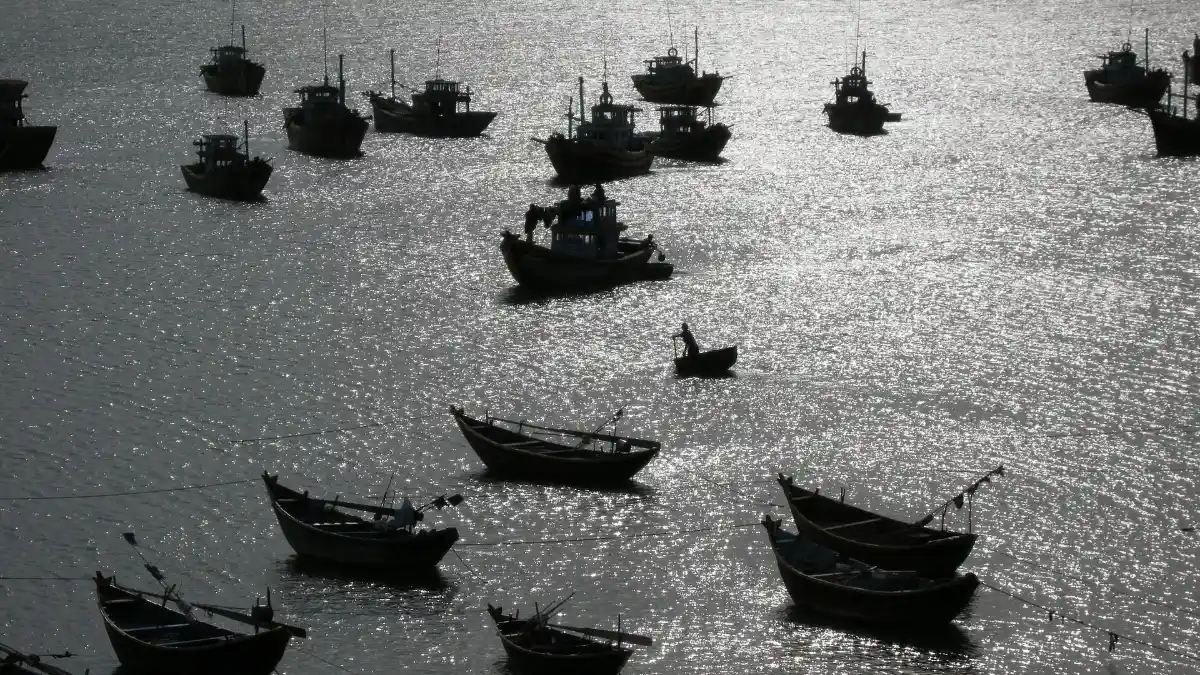
- Go to Mui Ne Fishing Village at dawn for the liveliest seafood market and basket boats.
Mui Ne Food at a Glance
| Food style | Coastal south-central Vietnamese: very fresh seafood, rice-flour cakes, fish-sauce dips and fresh herbs |
|---|---|
| Signature dishes | Grilled/steamed seafood, bánh căn, bánh xèo, gỏi cá mai, lẩu thả, bánh canh chả cá, mì Quảng |
| Street dish price | About 30,000–70,000 VND (US$1.20–2.70) |
| Seafood dinner | About 300,000–700,000 VND (US$12–27) per person at a local seafood restaurant; more for lobster |
| How seafood is priced | By weight (per kg or per 100 g); cooking is usually included |
| Best seafood areas | Ham Tien resort strip, Bo Ke sea-wall stalls, Mui Ne Fishing Village, Phan Thiet town |
| Local speciality | Phan Thiet fish sauce (nước mắm), dried squid, dragon fruit |
| Coffee | Vietnamese iced coffee about 20,000–45,000 VND; beach cafés charge more |
| Michelin Guide | Not covered (Michelin Guide Vietnam lists only Hanoi, Ho Chi Minh City and Da Nang) |
| Tipping | Not expected at local eateries; 5–10% appreciated in resort restaurants |
What Food Is Mui Ne Famous For?
Mui Ne is famous above all for fresh seafood, cooked within hours of landing at its fishing harbour, and for the rice-cake and noodle specialities of neighbouring Phan Thiet. The town was a fishing community long before it became a resort, and that is still what you taste.
The area sits on one of the driest, windiest stretches of Vietnam’s coast. Fishing fleets supply crab, squid, prawns, scallops, clams and reef fish, while the hinterland grows dragon fruit and the coast has made fish sauce for generations. Dishes are simple, bright and served with herbs, lime, chilli and dipping sauces based on fish sauce.
Must-Try Mui Ne Dishes
If you only have one or two days, aim for one seafood dinner, a plate of bánh căn, a bowl of bánh canh chả cá and a cold dragon fruit. The dishes below are the ones local people would recommend first.
1. Grilled and steamed seafood (hải sản)
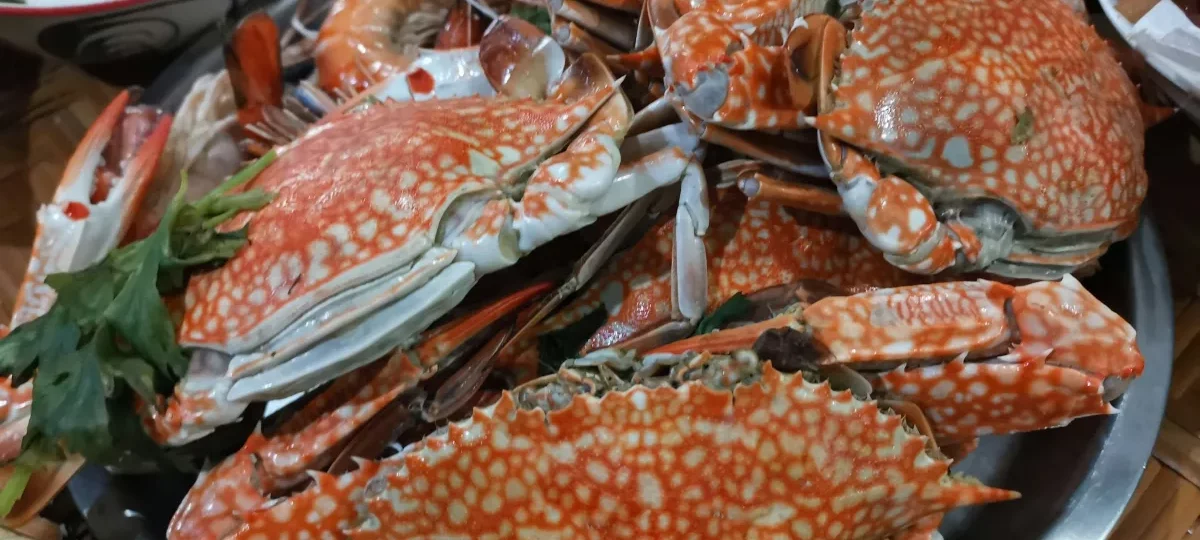
Pick your seafood live from tanks or ice beds, have it weighed, then choose the cooking style: grilled with salt and chilli (nướng muối ớt), grilled with spring onion oil (nướng mỡ hành), steamed with lemongrass (hấp sả) or stir-fried with tamarind (rang me). Scallops, squid, blue swimming crab and prawns are the best value; lobster is expensive. Expect roughly 300,000–700,000 VND per person for a generous local seafood meal.
2. Bánh căn (clay-pot rice cakes)
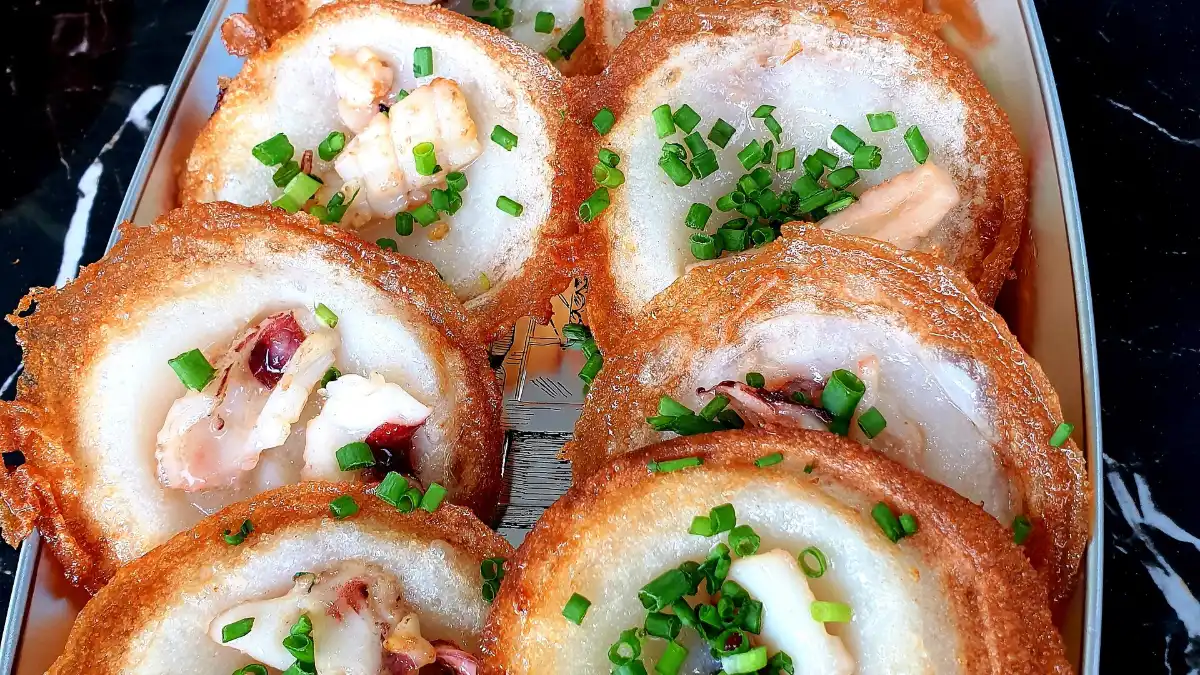
Small round cakes of rice batter cooked in terracotta moulds over charcoal, often topped with quail egg, squid or shrimp. They are eaten with green mango, herbs and a dipping sauce of fish sauce or a mackerel-based sauce. A plate costs about 30,000–50,000 VND. Bánh căn is a breakfast and late-afternoon snack sold from street stalls in Phan Thiet and Mui Ne.
3. Bánh xèo Phan Thiet (mini crispy pancakes)
Smaller than the southern version, these crispy rice-flour pancakes are filled with squid, shrimp and bean sprouts, wrapped in lettuce and herbs and dipped in sweet-sour fish sauce. About 30,000–60,000 VND a serving.
4. Gỏi cá mai (raw fish salad)
Thin slices of a small local fish “cured” with lime, mixed with herbs, toasted rice and peanuts, then rolled in rice paper with greens and dipped in a thick peanut sauce. It is a classic Phan Thiet beer snack, typically about 80,000–150,000 VND a plate. Choose a busy place where the fish is clearly fresh.
5. Lẩu thả (Phan Thiet “drop-in” hotpot)
A colourful shared dish: a tray of thin rice noodles, shredded egg, fish, shrimp, pork, herbs and peanuts arranged like a flower, to which you “drop” hot broth at the table. It is a festive dish for groups, served in some local restaurants in Phan Thiet and Mui Ne.
6. Bánh canh chả cá (thick noodle soup with fish cake)
Thick tapioca-rice noodles in a light pork and fish broth with slices of springy fish cake made from local catch. A filling bowl costs about 30,000–50,000 VND and is a favourite breakfast.
7. Mì Quảng Phan Thiet
Phan Thiet has its own take on the Quang Nam noodle dish, often with duck or fish and a little more broth, topped with peanuts, herbs and rice crackers. About 35,000–55,000 VND.
8. Bánh tráng cuốn dẻo and street snacks
Soft rice paper rolled around shrimp paste, quail egg and crispy pork, then grilled over charcoal: a cheap evening snack in Phan Thiet. Other snacks include grilled squid teeth (răng mực nướng) and bánh bột lọc dumplings.
9. Mực một nắng (one-sun squid) and dried seafood
Squid sun-dried for just one day, then grilled and eaten with chilli sauce. It is also packed as a souvenir along with other dried fish. Prices change daily with the catch, so compare a few shops.
10. Dragon fruit (thanh long)
The surrounding countryside of former Binh Thuan is Vietnam’s biggest dragon fruit growing area. Buy it cheaply at local markets or try a fresh dragon fruit smoothie; peak harvest is in the summer months, but fruit is available all year.
How Much Does Food Cost in Mui Ne?
Mui Ne is cheap if you eat where local people eat and mid-priced along the resort strip. Use this table as a guide (1 USD ≈ 26,000 VND).
| Item | Typical price (VND) | Approx. USD |
|---|---|---|
| Bánh căn / bánh xèo plate | 30,000–60,000 | 1.20–2.30 |
| Bowl of bánh canh or mì Quảng | 30,000–55,000 | 1.20–2.10 |
| Gỏi cá mai plate | 80,000–150,000 | 3–6 |
| Grilled scallops (per plate, local eatery) | about 80,000–150,000 | 3–6 |
| Seafood dinner per person (local restaurant) | 300,000–700,000 | 12–27 |
| Main course in a resort restaurant | 150,000–450,000+ | 6–17+ |
| Vietnamese iced coffee | 20,000–45,000 | 0.80–1.70 |
| Local beer (can/bottle) | 20,000–40,000 | 0.80–1.50 |
| Fresh coconut / fruit smoothie | 25,000–50,000 | 1–2 |
How Do You Order Seafood in Mui Ne Without Being Overcharged?
Ask for the price per kilogram before anything is weighed, watch it on the scale and agree the cooking method and any extra charges in advance. That simple routine avoids nearly every seafood dispute.
- Prices are often shown per kg or per 100 g; double-check which.
- Lobster, large crab and some reef fish are sold at “market price” (thời giá); ask for a number.
- Point to exactly the pieces you want and how many people they should feed.
- Ask whether cooking, rice, herbs and wet towels are included; small extras can add up.
- Check the bill line by line and keep small notes for cash payments.
Where to Eat in Mui Ne
For seafood, head to the Ham Tien strip and the sea-wall stalls in the evening; for local breakfast dishes, go towards the fishing village or into Phan Thiet town. Most travellers stay in Ham Tien, so everything below is a short Grab ride away.
| Area | What to eat | Best time | Atmosphere |
|---|---|---|---|
| Ham Tien resort strip (Nguyen Dinh Chieu / Huynh Thuc Khang) | Seafood restaurants, international food, cafés, beach bars | Evening | Tourist-friendly, English menus |
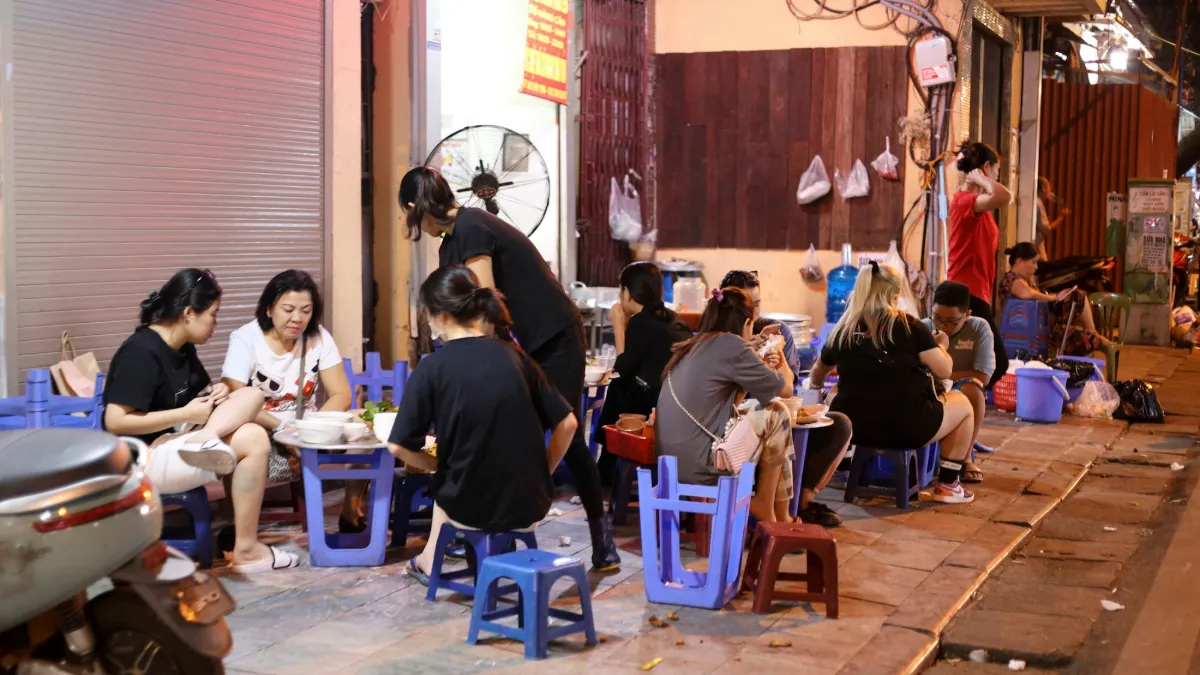
| Bo Ke sea-wall seafood stalls (Ham Tien) | Live seafood cooked to order | Evening | Casual, plastic stools, sea view |
| Mui Ne Fishing Village | Fresh catch, bánh căn, simple local eateries | Dawn to mid-morning | Busy, very local |
| Phan Thiet town (about 15–20 km) | Bánh canh, mì Quảng, bánh căn, bánh tráng cuốn, lẩu thả | Breakfast and evening | Local city food, low prices |
| Resorts | International, Vietnamese set menus, seafood barbecues | Any time | Comfortable, higher prices |
1. Ham Tien and the Bo Ke seafood stalls
The busiest dining zone is around Ham Tien, where seafood restaurants display tanks and ice beds along the main road and the Bo Ke sea-wall stalls cook seafood to order. Come after sunset for the cooler sea breeze.
2. Mui Ne Fishing Village market
At Mui Ne Fishing Village boats unload from around dawn and women sell crab, squid, clams and fish on the beach. Some stalls will grill your purchase on the spot. It is the best place to see where Mui Ne seafood comes from.
3. Phan Thiet town
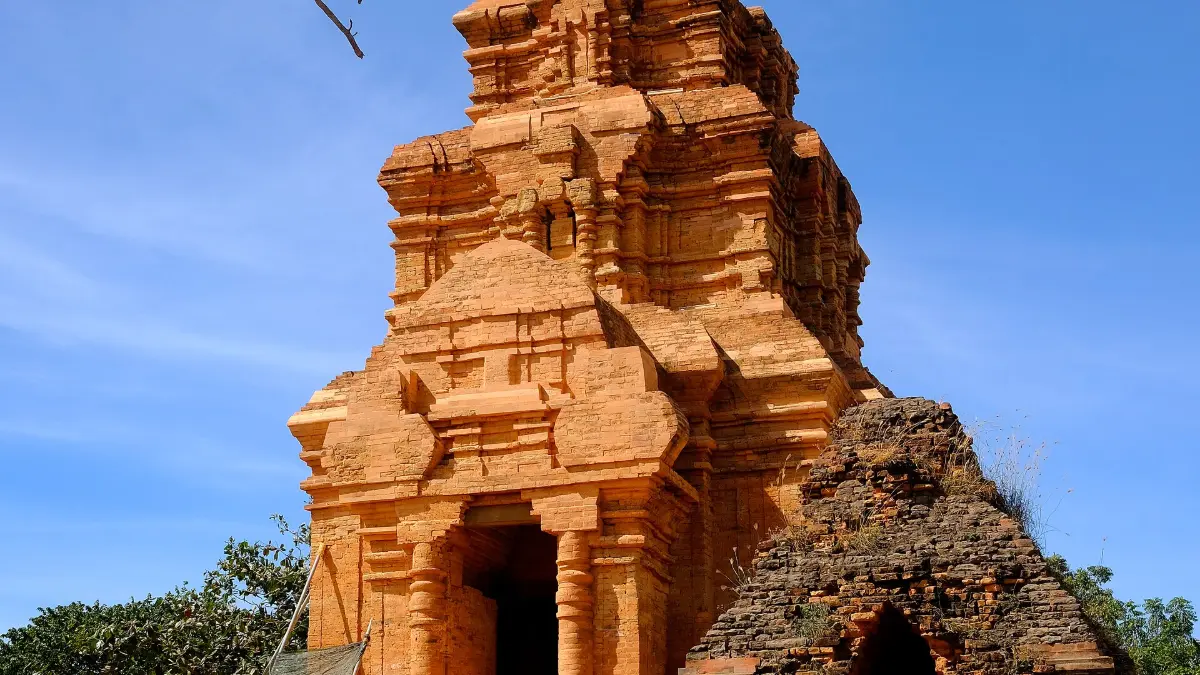
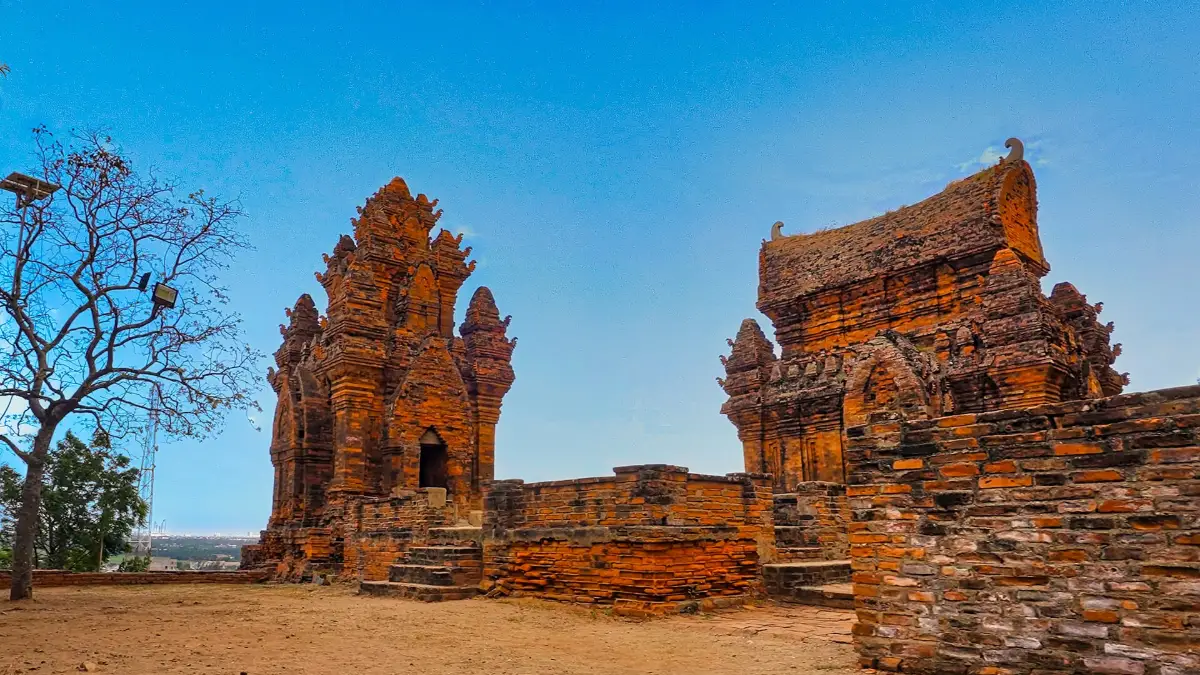
Locals often say the best everyday food is in Phan Thiet, around the market and the Ca Ty river. Combine breakfast here with a visit to the Po Shanu Cham Towers on the way back to Mui Ne.
What Should You Drink in Mui Ne?
Try Vietnamese iced coffee with condensed milk (cà phê sữa đá), fresh coconut, sugarcane juice and dragon fruit smoothies; in the evening, local lager is cheap and beach bars serve cocktails. Drink bottled or filtered water, not tap water.
- Coffee: strong robusta, served hot or iced; beachfront cafés are a pleasant place to watch kitesurfers.
- Fresh juices: sugarcane, coconut and dragon fruit or mango smoothies.
- Beer: local lagers are widely served with ice; seafood and beer go together here.
- Ice: ice in busy restaurants is generally factory-made and safe; avoid it at very small stalls if you have a sensitive stomach.
What Is Phan Thiet Fish Sauce and Why Is It Famous?
Phan Thiet nước mắm is fish sauce made by fermenting anchovies with salt in large wooden or ceramic vats for many months, and it is one of Vietnam’s best-known regional fish sauces. You will meet it in nearly every dipping sauce in Mui Ne.
Look for sauces labelled by protein content (“độ đạm”): higher numbers mean a richer, more concentrated sauce. Many visitors buy a bottle as a gift; airlines treat it as a liquid with a strong smell, so pack it in checked luggage in a sealed bag and check your airline’s rules. Phan Thiet also has a fish sauce heritage museum, Lang Chai Xua (Old Fishing Village), which explains traditional production.
Is Street Food in Mui Ne Safe to Eat?
Yes, for most travellers, if you choose busy stalls with high turnover, eat seafood that is cooked through and freshly prepared, and drink bottled water. Raw dishes such as gỏi cá are best tried at reputable, crowded places.
- Seafood should smell of the sea, not “fishy”; live shellfish should react when touched.
- Avoid seafood left in the sun or reheated; ask for it grilled or steamed in front of you.
- Carry hand sanitiser and tissues; small eateries may not provide napkins.
- Shellfish allergy: say “tôi bị dị ứng hải sản có vỏ” (I am allergic to shellfish) and remember fish sauce and shrimp paste are in many dishes.
Vegetarian, Vegan and Halal Food in Mui Ne
Vegetarian options are easy to find along the resort strip, where many restaurants have separate vegetarian menus; in local eateries, ask for “đồ chay” (vegetarian food) and “không nước mắm” (no fish sauce). Strictly vegan travellers should remember that fish sauce and shrimp paste are everywhere.
Halal-certified restaurants are very limited in Mui Ne. Muslim travellers usually choose seafood and vegetarian dishes, ask for no pork or lard (không thịt heo, không mỡ heo) and avoid alcohol-based sauces. We can arrange suitable meals on private tours when told in advance.
Food Experiences and Food Tours in Mui Ne
The most rewarding food experience in Mui Ne is a sunrise visit to the fishing village followed by a local breakfast, and a seafood dinner by the sea in the evening. Private guides can add Phan Thiet street-food stops, a fish-sauce workshop or a dragon fruit farm visit.
- Sunrise and seafood morning: fishing village market, basket boats, then bánh căn or bánh canh for breakfast.
- Dunes and dinner: afternoon at the Red Sand Dunes, then seafood at Ham Tien.
- Phan Thiet food walk: bánh tráng cuốn, lẩu thả and local desserts in the evening.
Local Expert Tips for Eating in Mui Ne
These tips come from years of arranging Mui Ne tours for international travellers.
- Agree the price per kg and the cooking style before any seafood is weighed.
- Scallops with spring onion oil and salt-and-chilli grilled squid give the best value for money.
- Eat bánh căn in the early morning or late afternoon, when stalls are freshly fired up.
- Go to the fishing village between about 5:30 and 7:30 for the busiest market and the best photos.
- Phan Thiet town is cheaper and more local than the resort strip; it is worth a Grab ride for dinner.
- Bring cash in small notes for street stalls; resorts and larger restaurants accept cards and QR payments.
- Buy fish sauce and dried squid in sealed packaging and pack them in checked luggage.
- On windy afternoons (November–April) choose a sheltered table; sand blows onto beachfront tables.
Plan Your Mui Ne Trip
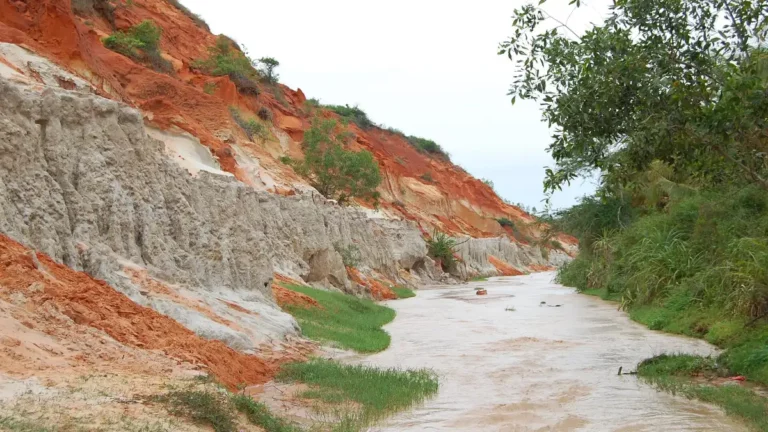
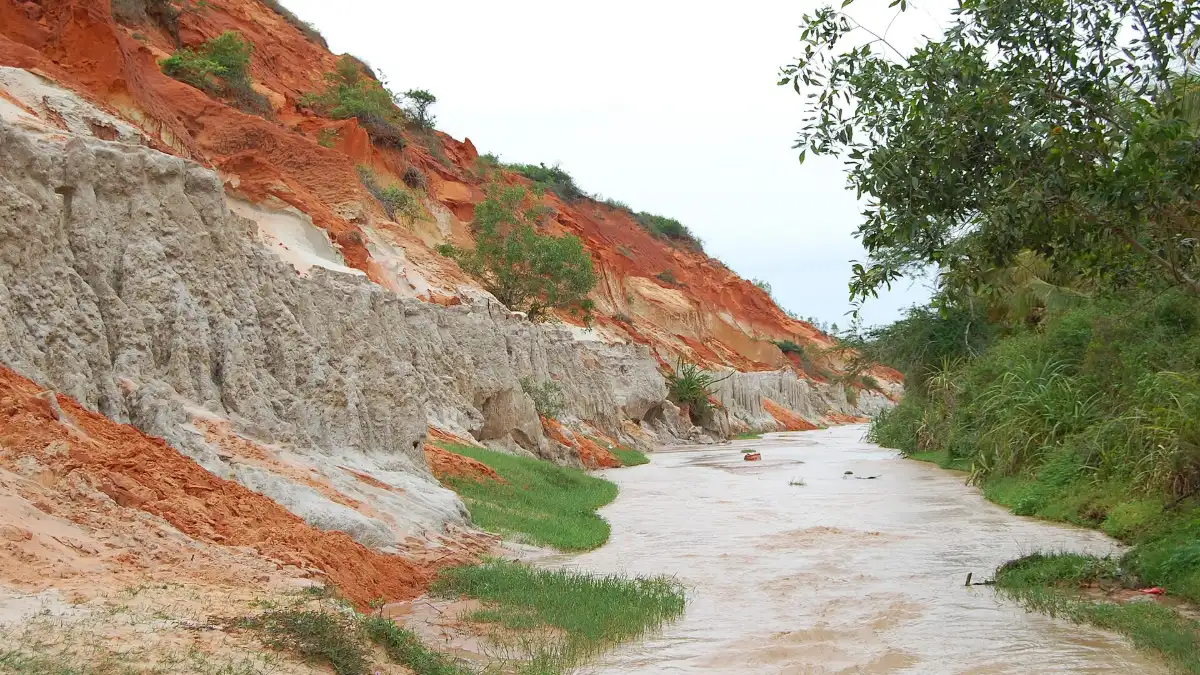
Combine your food stops with Mui Ne’s highlights: sunrise at the White Sand Dunes (Bau Trang), sunset at the Red Sand Dunes, a barefoot walk along Fairy Stream, the morning market at Mui Ne Fishing Village and the Po Shanu Cham Towers. Read our guide to getting to Mui Ne, choose a base with where to stay in Mui Ne and check the season in our Mui Ne travel tips. Coming from the city? Compare flavours with our Saigon food guide, or continue to the highlands with the Dalat food guide and up the coast with the Nha Trang food guide.
Plan your trip with our Mui Ne travel guide and Mui Ne tours. Contact Vietnam Tour Expert Team for a free custom itinerary.
Frequently Asked Questions about Mui Ne Food
1. What food is Mui Ne famous for?
Mui Ne is famous for fresh seafood grilled or steamed to order, plus Phan Thiet specialities such as bánh căn, mini bánh xèo, gỏi cá mai, lẩu thả and bánh canh chả cá.
2. How much does a seafood dinner cost in Mui Ne?
At a local seafood restaurant in Mui Ne, expect about 300,000–700,000 VND (US$12–27) per person; lobster and large crab cost considerably more.
3. How is seafood priced in Mui Ne?
Seafood in Mui Ne is usually sold by weight, per kg or per 100 g, with cooking included; always confirm the unit price before it is weighed.
4. Where is the best place to eat seafood in Mui Ne?
The Ham Tien resort strip and the Bo Ke sea-wall stalls are the main seafood areas in Mui Ne, while the fishing village market is best at dawn.
5. What is bánh căn in Mui Ne?
Bánh căn is a small rice-batter cake cooked in clay moulds, topped with egg or seafood and dipped in fish sauce; in Mui Ne a plate costs about 30,000–50,000 VND.
6. Are there Michelin restaurants in Mui Ne?
No. The Michelin Guide Vietnam currently covers only Hanoi, Ho Chi Minh City and Da Nang, so Mui Ne has no Michelin-listed restaurants.
7. Is street food in Mui Ne safe?
Street food in Mui Ne is generally safe at busy stalls with high turnover; choose freshly cooked seafood and drink bottled water.
8. What is lẩu thả in Mui Ne and Phan Thiet?
Lẩu thả is a Phan Thiet hotpot where a colourful tray of noodles, fish, egg, herbs and peanuts is served and hot broth is added at the table; it is best shared by a group.
9. Can vegetarians eat well in Mui Ne?
Yes. Many Mui Ne restaurants offer vegetarian menus; in local places ask for “đồ chay” and “không nước mắm” to avoid fish sauce.
10. Is halal food available in Mui Ne?
Halal-certified restaurants are very limited in Mui Ne, so Muslim travellers usually choose seafood or vegetarian dishes and ask for no pork or lard.
11. What should I buy as a food souvenir from Mui Ne?
Popular food souvenirs from Mui Ne are Phan Thiet fish sauce, one-sun dried squid, other dried seafood and dragon fruit products.
12. Can I take Phan Thiet fish sauce on a plane from Mui Ne?
Usually only in checked luggage, sealed and well wrapped, because liquids over 100 ml are not allowed in hand luggage; check your airline’s rules before buying.
13. What time is the Mui Ne fishing village market?
The Mui Ne Fishing Village market is busiest from around dawn until about 7:30–8:00, when boats unload their overnight catch.
14. How much is coffee in Mui Ne?
A Vietnamese iced coffee in Mui Ne costs about 20,000–45,000 VND in local cafés and more at beachfront and resort cafés.
15. Is food in Mui Ne cheaper than in Ho Chi Minh City?
Local dishes in Mui Ne cost about the same as in Ho Chi Minh City, but seafood is often fresher and good value; resort-strip restaurants charge more.
16. Do restaurants in Mui Ne accept cards?
Resorts and larger restaurants in Mui Ne accept cards and often QR payments, but street stalls and small eateries usually take cash only.
17. When is dragon fruit season near Mui Ne?
Dragon fruit around Mui Ne is available all year thanks to farm lighting techniques, with the main natural harvest in the summer months.
18. Should I tip in Mui Ne restaurants?
Tipping is not expected at local eateries in Mui Ne; in resort restaurants 5–10% is appreciated if no service charge is added.
Related Posts

Mui Ne Travel Tips 2026: Best Time, Winds & Itinerary
Where to Stay in Mui Ne: Best Areas & Beach Resorts
Mui Ne Transportation: Saigon to Mui Ne by Car, Bus & Train
Po Shanu Cham Towers: Champa Heritage Near Mui Ne
Mui Ne Fishing Village: Basket Boats & Sunrise Market