Getting Around Vietnam 2026: Flights, Trains, Buses, Grab & Transfers
 By Jimmy Nguyen, Founder & Director of Asia Travel Expert Co., Ltd.
The best way to get around Vietnam is to fly between regions and use cars, trains or buses within them. Flights link Hanoi, Da Nang, Hue and Ho Chi Minh City in 1–2 hours; the Reunification Express train takes about 33–35 hours end to end but is ideal for short scenic legs such as Hue–Da Nang; sleeper buses and limousine vans cover most tourist routes; and Grab or Green SM handle city rides.
Status (checked November 2026): Long Thanh International Airport near Ho Chi Minh City is scheduled to open for commercial flights at 00:00 on 24 December 2026; Tan Son Nhat stays open, so check which airport is on your ticket. Bamboo Airways stopped selling scheduled tickets in August 2026. The North–South high-speed railway will not start construction before December 2027.
Quick answer – how to travel around Vietnam:
- Between north, centre and south: fly (Hanoi–Da Nang about 1 h 20, Hanoi–Ho Chi Minh City about 2 h 10)
- Short scenic legs: train, especially Hue–Da Nang along the coast (about 2.5–3 hours)
- Overnight trips: sleeper train or sleeper bus (Hanoi–Sapa, Hanoi–Hue)
- Day trips and transfers: private car with driver
- In cities: Grab, Green SM (formerly Xanh SM) or a metered taxi from Mai Linh or Vinasun
- Motorbikes: only with a valid licence that covers motorbikes
Getting Around Vietnam at a Glance
| Country length | About 1,650 km north to south; the railway is 1,726 km |
|---|---|
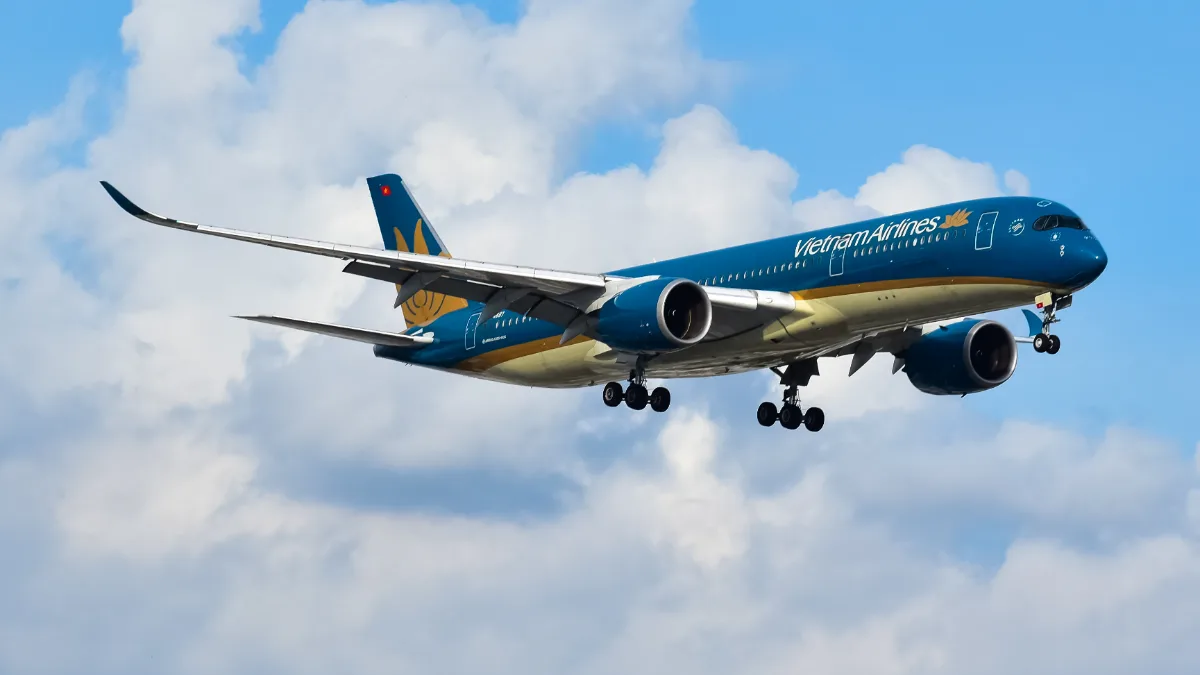
| Fastest option | Domestic flights – Vietnam Airlines, Vietjet, Vietravel Airlines, Sun PhuQuoc Airways |
| Most scenic option | Train between Hue and Da Nang past Lang Co Bay and the Hai Van Pass |
| Budget option | Sleeper buses and soft-seat trains |
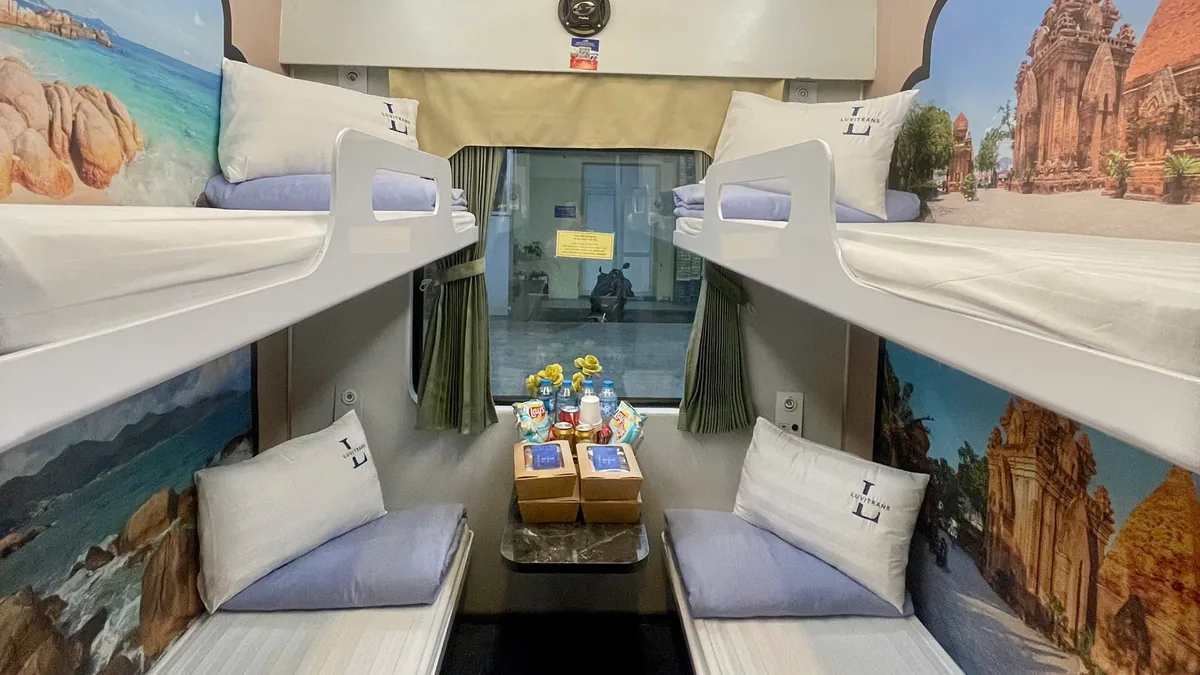
| Most comfortable | Private car with driver, or 4-berth soft-sleeper train cabins |
| City transport | Grab, Green SM, Be, metered taxis; cyclos for sightseeing |
| Self-drive | Car hire without a driver is not practical for tourists; motorbikes need a licence covering motorbikes |
| Book on official channels | Airline websites/apps; trains on dsvn.vn or at stations |
Domestic Flights in Vietnam
Flying is the quickest way to cover Vietnam’s length. Vietnam Airlines (full service) and Vietjet Air (low cost) run the largest networks, with Vietravel Airlines and Sun PhuQuoc Airways – which started flying in November 2025 – adding capacity. Bamboo Airways stopped selling scheduled tickets in August 2026, so avoid booking it.
| Route | Flight time | Good to know |
|---|---|---|
| Hanoi – Ho Chi Minh City | About 2 h 10 | Vietnam’s busiest route, dozens of flights a day |
| Hanoi – Da Nang | About 1 h 20 | Gateway to Hoi An (30–45 minutes by road) |
| Hanoi – Hue | About 1 h 15 | Phu Bai airport is south of the city |
| Ho Chi Minh City – Da Lat | About 50 min – 1 h | Lien Khuong airport is about 30 km from Da Lat |
| Ho Chi Minh City – Da Nang | About 1 h 20 | Good link for a south-to-north trip |
Baggage and check-in rules
- Vietjet: the cheapest Eco fare includes 7 kg of cabin baggage but no checked bag – add one when you book; Deluxe includes 20 kg.
- Vietnam Airlines: economy includes one 23 kg checked bag and about 10 kg of cabin baggage (one bag plus one personal item) – check your ticket conditions.
- Check-in counters open two hours before departure and close 40 minutes before departure for domestic flights on both airlines.
- Bring your passport – it is required for domestic flights.
Trains: the Reunification Express
The North–South railway runs 1,726 km from Hanoi to Ho Chi Minh City. The fastest SE trains take about 33–35 hours for the full journey, so few visitors ride it end to end; instead, use it for overnight legs (Hanoi–Hue, about 12.5–14 hours) and the beautiful Hue–Da Nang stretch (about 2.5–3 hours). Choose a 4-berth soft-sleeper cabin for comfort. Book on the official Vietnam Railways site dsvn.vn or at stations. Read our full Vietnam train guide for timetables, classes and fares.

Buses, Sleeper Buses and Limousine Vans
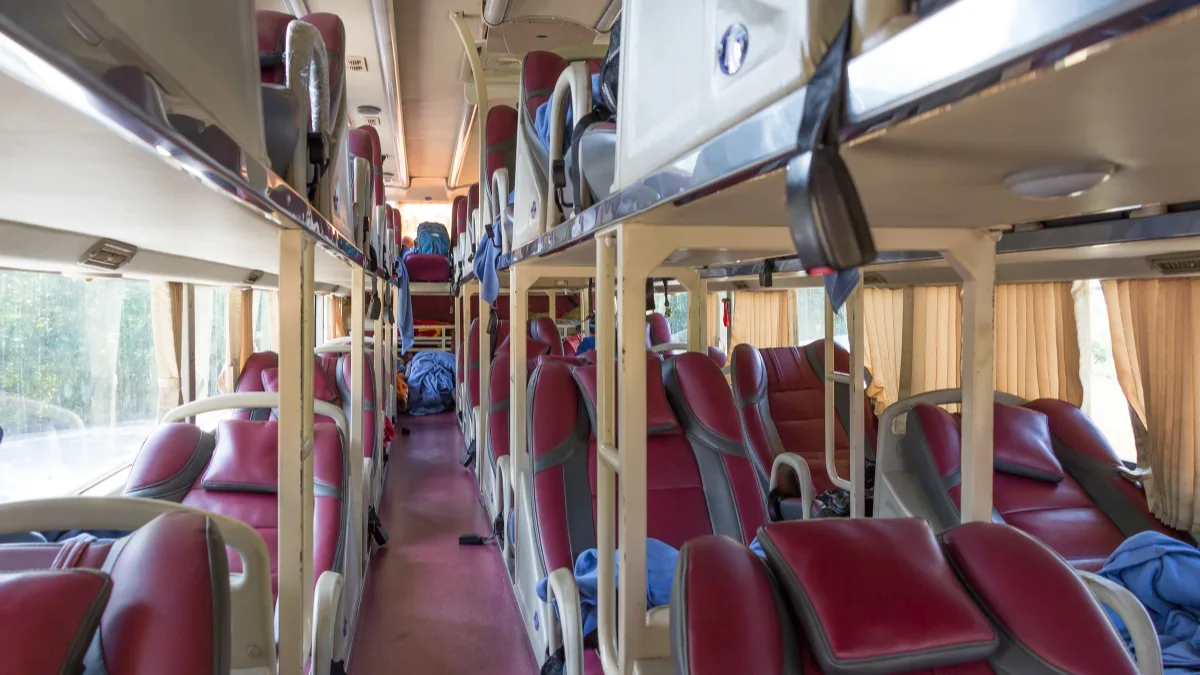
Long-distance sleeper buses with lie-flat berths, and newer “VIP cabin” buses, run overnight on most tourist routes. Limousine vans with 9–11 reserved seats are more comfortable for shorter trips and often pick up from hotels – for example Ho Chi Minh City to Mui Ne in about three hours. Buses are cheap, but road safety standards vary, so we recommend daytime travel and reputable companies.
Private Car with Driver
For most international travellers, a private car with a driver is the most comfortable and flexible way to make transfers and day trips – Hanoi to Ha Long Bay or Ninh Binh, Hue to Hoi An over the Hai Van Pass, or Ho Chi Minh City to the Mekong Delta. You can stop for photos and lunch on the way, and the driver knows the roads. This is how most of our tailor-made tours work.
Grab, Green SM and Taxis in Cities
- Grab (car and motorbike) works in all main tourist cities, including Hanoi, Ho Chi Minh City, Da Nang, Hoi An, Hue, Nha Trang, Da Lat and Phu Quoc. The fare is shown before you book.
- Green SM (formerly Xanh SM) runs all-electric taxis and bikes and now has the largest ride-hailing share in Vietnam; Be is another local app.
- Metered taxis: use Mai Linh (green) or Vinasun (white, mainly in the south). Avoid unmarked look-alike taxis at airports.
- Cyclos are for short sightseeing rides – agree the price and duration first.
Riding a Motorbike in Vietnam
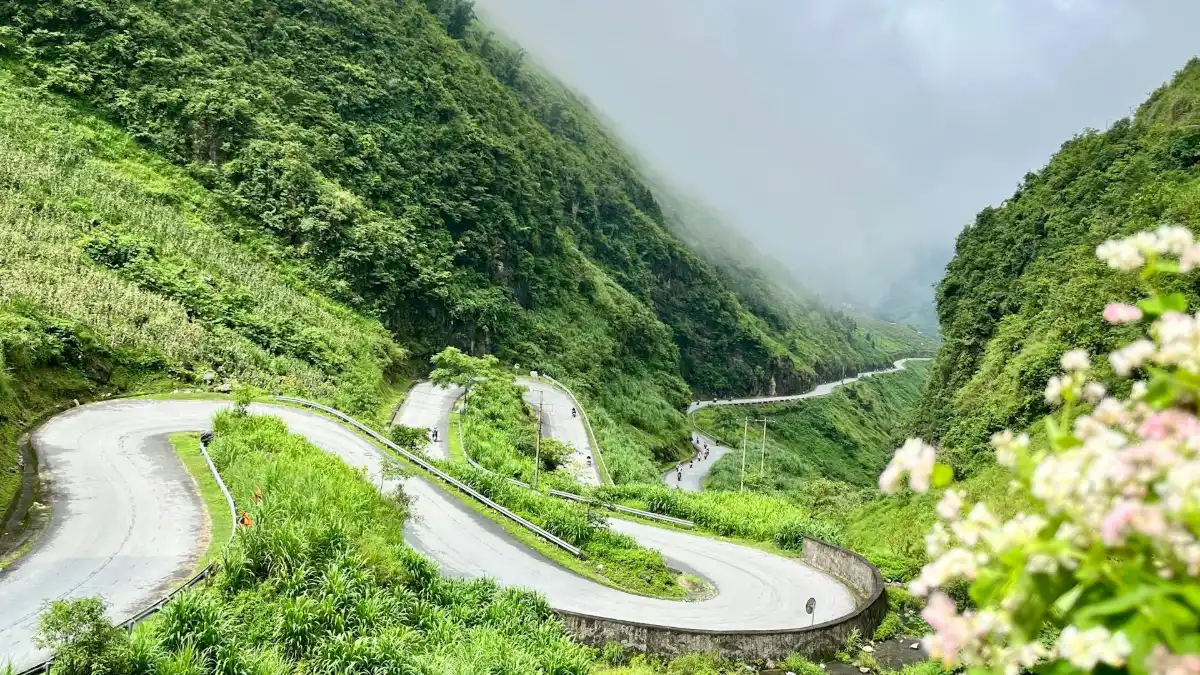
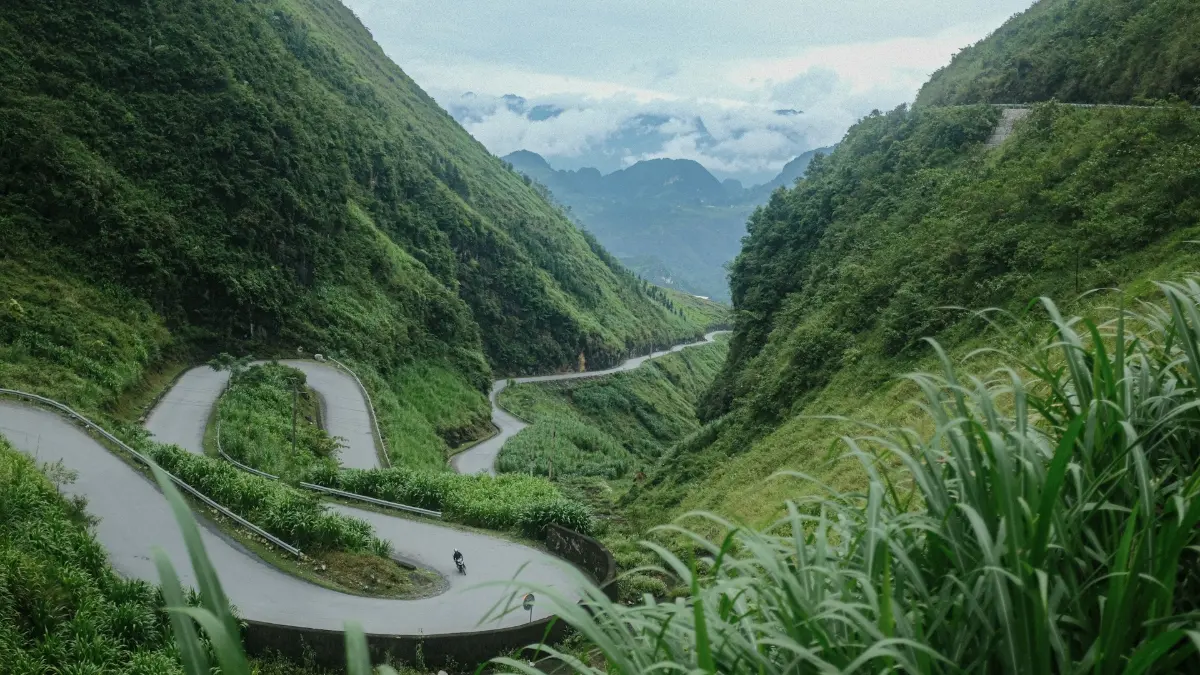
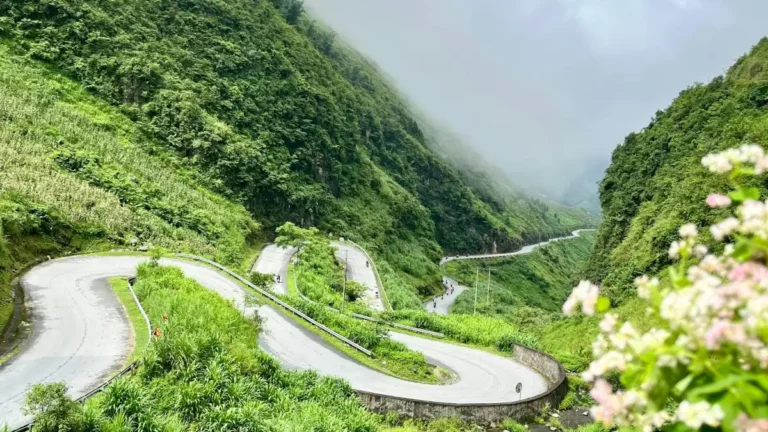
Vietnam recognises international driving permits in the 1968 Vienna Convention format, used together with your home licence; 1949-format permits (issued in the USA and Canada, for example) are not valid. The licence must include a motorbike category – a car-only licence does not cover motorbikes. Riding without a valid licence usually voids travel insurance. Helmets are compulsory for rider and passenger, and fines are 400,000–600,000 VND. If you are not an experienced rider, choose a motorbike tour with a local rider instead, such as our Ha Giang Loop motorbike tour.
Airport Transfers
| Airport | Distance to centre | Options |
|---|---|---|
| Noi Bai (Hanoi) | About 30 km to the Old Quarter, 45–60 min | Bus 86 (45,000 VND), taxi or Grab about 300,000–400,000 VND, private transfer |
| Tan Son Nhat (Ho Chi Minh City) | About 6 km to the centre, 15–30 min | Grab about 100,000–170,000 VND, metered taxi, bus 109 from domestic terminal T3 |
| Long Thanh (Ho Chi Minh City, from 24 Dec 2026) | About 40 km east of the centre | Road only at opening – taxi, ride-hailing or private transfer |
| Da Nang | About 3 km to the city centre | Taxi or Grab; Hoi An is about 30 km (30–45 min) |
Which Way Should I Travel – North to South or South to North?
Both work. Base the direction on the weather: central Vietnam is wettest from September to December, so in those months it can help to finish in the drier south; in spring and early summer either direction is fine. Fly between regions and save land travel for the scenic sections. See our Hue to Hoi An guide for the most beautiful drive in the country, and our 15-day north-to-south tour or 15-day south-to-north tour for ready-made routes.
Local Expert Tips
These tips come from years of moving international travellers around Vietnam.
- Book domestic flights two to four weeks ahead in peak season and around Tet.
- Leave at least two hours between a domestic flight and an international one.
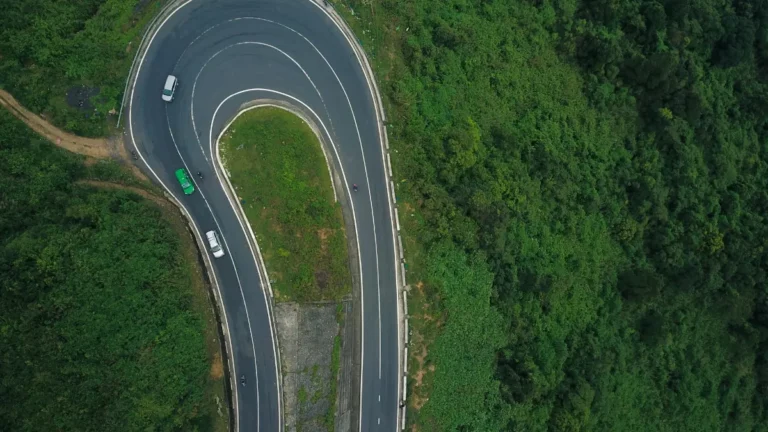
- Take the Hue–Da Nang train or drive the Hai Van Pass at least once – it is a highlight in itself.
- Use Grab or Green SM rather than hailing taxis in the street.
- Keep your passport with you on flights and trains.
Plan Your Route
For city-by-city detail see getting around Hanoi, Da Nang transportation, getting around Saigon, Hanoi to Ha Long Bay and Hanoi to Sapa by train or bus. Contact Vietnam Tour Expert Team for a free custom itinerary with all transport arranged.
Planning a multi-stop trip? Compare road distances and travel times between 90+ destinations in our Vietnam distance chart. Related route guides: Hanoi to Ha Giang, Ninh Binh to Ha Long Bay, Hanoi to Ho Chi Minh City, Da Nang to Hoi An, Hue to Da Nang, Hanoi to Phong Nha.
Frequently Asked Questions about Getting Around Vietnam
1. What is the best way to travel around Vietnam?
Fly between regions and use private cars, trains or buses within each region. Flights take 1–2 hours between Hanoi, Da Nang and Ho Chi Minh City, while the train takes 15–35 hours on the same routes.
2. Is it better to take the train or fly in Vietnam?
Fly for long distances and take the train for short scenic legs such as Hue–Da Nang (about 2.5–3 hours) or overnight trips like Hanoi–Hue (about 12.5–14 hours).
3. How long is the train from Hanoi to Ho Chi Minh City?
The fastest Reunification Express trains take about 33–35 hours for the 1,726 km journey.
4. Which airlines fly domestically in Vietnam?
Vietnam Airlines, Vietjet Air, Vietravel Airlines and Sun PhuQuoc Airways. Bamboo Airways stopped selling scheduled tickets in August 2026.
5. How much baggage can I take on Vietjet?
Vietjet’s Eco fare includes 7 kg of cabin baggage and no checked bag; Deluxe includes 20 kg of checked baggage. Add bags when you book – it is cheaper than at the airport.
6. When does domestic check-in close in Vietnam?
Check-in counters for Vietnam Airlines and Vietjet domestic flights close 40 minutes before departure.
7. Does Grab work in Vietnam?
Yes. Grab works in Hanoi, Ho Chi Minh City, Da Nang, Hoi An, Hue, Nha Trang, Da Lat, Phu Quoc and other tourist cities; Green SM and Be are popular alternatives.
8. What is Green SM?
Green SM, formerly Xanh SM, is a Vietnamese ride-hailing company with all-electric taxis and motorbikes, renamed in April 2026.
9. Can tourists drive in Vietnam?
Tourists can ride a motorbike only with a 1968-format international driving permit plus a home licence that covers motorbikes. Most visitors hire a car with a driver instead of driving.
10. Is my international driving permit valid in Vietnam?
Only 1968 Vienna Convention permits are recognised. 1949-format permits, such as those issued in the USA and Canada, are not valid in Vietnam.
11. Are sleeper buses safe in Vietnam?
Sleeper buses are cheap and widely used, but road safety varies; choose reputable companies and daytime trips where possible, or take a train or private car.
12. How do I get from Noi Bai Airport to the Old Quarter?
Take airport bus 86 (45,000 VND, about 50–70 minutes), a taxi or Grab (about 300,000–400,000 VND), or a pre-booked transfer. The distance is about 30 km.
13. Which airport will Ho Chi Minh City use from December 2026?
Both. Long Thanh International Airport is scheduled to start commercial flights on 24 December 2026 while Tan Son Nhat stays open; check which airport your ticket shows.
14. How do I get from Hue to Hoi An?
By car over the Hai Van Pass or through the Hai Van Tunnel, or by train from Hue to Da Nang (about 2.5–3 hours) and then 30–45 minutes by road to Hoi An.
15. Should I travel Vietnam north to south or south to north?
Either works. Plan around the weather – central Vietnam is wettest from September to December – and fly between regions to save time.
16. Can Vietnam Tour Expert arrange all my transport?
Yes. We arrange flights, trains, private cars and airport transfers as part of tailor-made tours across Vietnam.
Related Posts
Vietnam Distance Chart 2026: Travel Times Between Top Destinations

Vietnam Train Guide 2026: Reunification Express Routes, Times & Fares
Da Nang to Nha Trang 2026: Train, Bus, Flight & Car Guide

Hanoi to Cat Ba & Lan Ha Bay 2026: Bus, Ferry & Car Guide

Ho Chi Minh City to Da Nang 2026: Flight, Train & Bus Guide