Sapa to Ha Giang 2026: Bus, Limousine & Private Car Guide
 By Jimmy Nguyen, Founder & Director of Asia Travel Expert Co., Ltd.
Sapa to Ha Giang City is about 235–250 km by road. There is no train or flight. A private car takes about 5–6 hours, and a limousine van or bus takes 6–7 hours. Fares start from about 290,000 VND (US$11) per person.
Status (checked November 2026): Fares are the lowest published one-way prices we found in November 2026 and vary by company, date and season. Since 1 July 2025, Ha Giang has been part of Tuyen Quang province. Check the road and weather before you go in the rainy season (May–September).
Quick answer:
- Day van or limousine – 6–7 h; the best balance of price and comfort
- Private car – 5–6 h; fastest, flexible stops, best for families and groups
- Day bus – 6–7 h; cheapest, limited departures
- No train, no airport – all travel is by road
Sapa to Ha Giang at a Glance
| Distance | About 235–250 km by road (Sa Pa town – Ha Giang City) |
|---|---|
| Fastest | Private car: about 5–6 hours |
| Cheapest | Shared van or bus: from about 290,000 VND (US$11) |
| Roads | Local highways and provincial roads; no expressway on the direct route |
| Best time | October–November and March–April |
| Next stop | Ha Giang Loop (about 350 km, 3–4 days) |
| Find it | Sa Pa on Google Maps · Ha Giang on Google Maps |
All Ways to Get from Sapa to Ha Giang Compared
| Option | Time | Price (one way) | Best for |
|---|---|---|---|
| Day van or limousine (13 seats) | About 6–7 h | From about 290,000 VND (US$11) | Most travellers |
| Day bus | About 6–7 h | About 250,000–350,000 VND (US$10–13.50) | Budget travellers |
| Evening cabin or sleeper bus | About 6–7 h | From about 350,000 VND (US$13.50) | Travellers short on time |
| Private car with driver | About 5–6 h | About 3,240,000–3,800,000 VND (US$125–146) per car | Families, groups, photographers |
| Motorbike | 6–7 h+ riding time | Rental about 180,000–300,000 VND (US$7–11.50) per day | Experienced riders only |
Compare more routes in our Vietnam distance chart, and see our Getting around Vietnam guide for bus, train and flight basics.
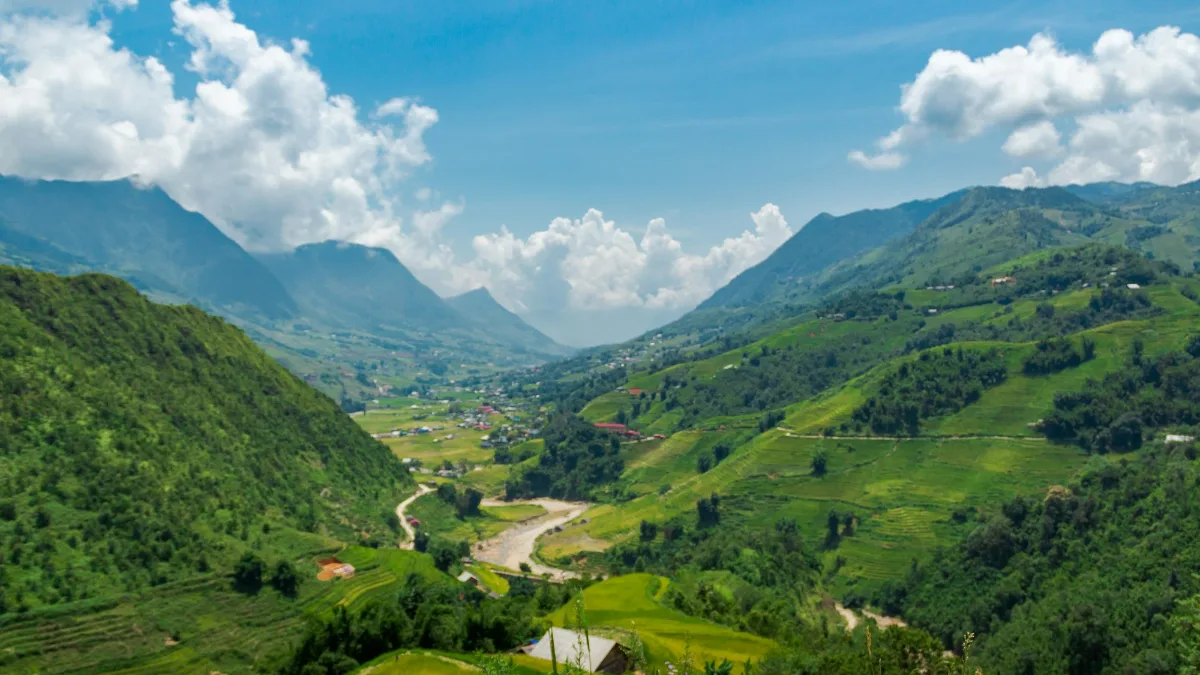
Day Van, Day Bus or Night Bus?
- Day van or limousine: Departures are mostly 07:00–08:30 and around 14:00–15:45 from Sa Pa town. Hotel pick-up is often possible. Luggage space can be limited, so travel light.
- Day bus: Cheaper and slower, with fewer departures. You arrive at the Ha Giang bus station, then take a taxi to the old town.
- Evening cabin bus: Saves a hotel night but can drop you in the small hours at a hostel or street stop. Ask in advance about early check-in.
- Private car: Door to door, with photo stops at Bac Ha, Xin Man or Hoang Su Phi if you add a scenic detour.
The Route: Direct Road or Scenic Border Roads?
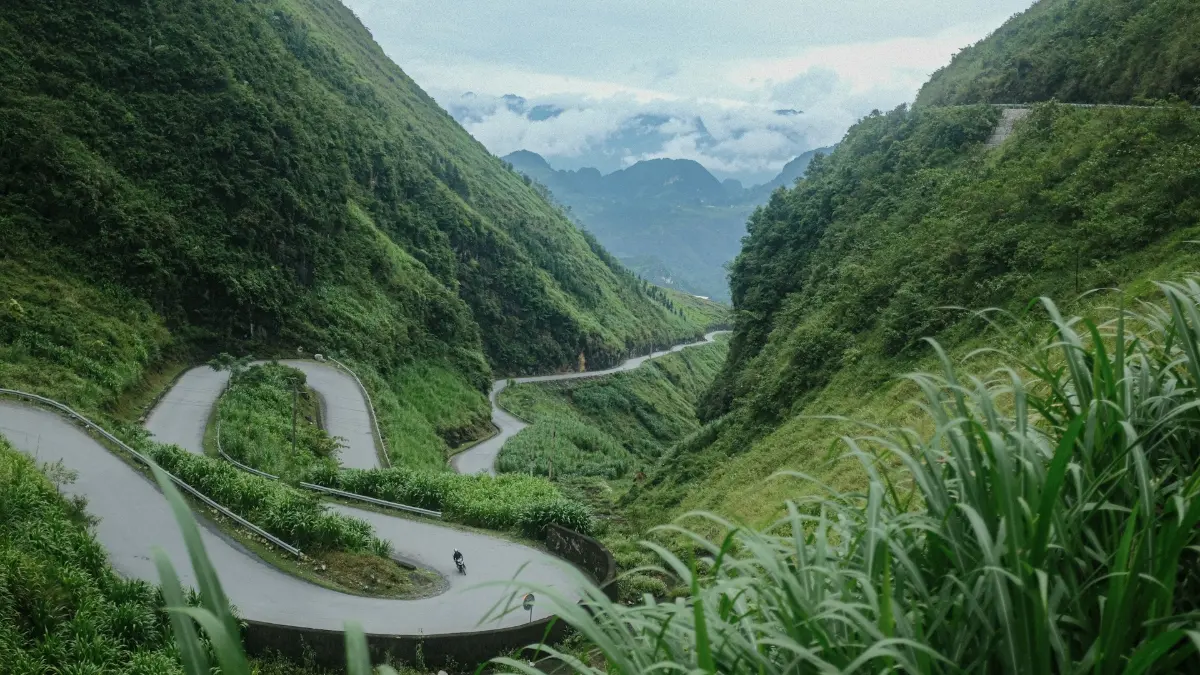
The direct way (about 235–250 km) uses mountain highways via the Lao Cai–Bac Ha area, then provincial roads into Ha Giang City. Plan for steady but slow driving, because many sections are winding and pass through villages.
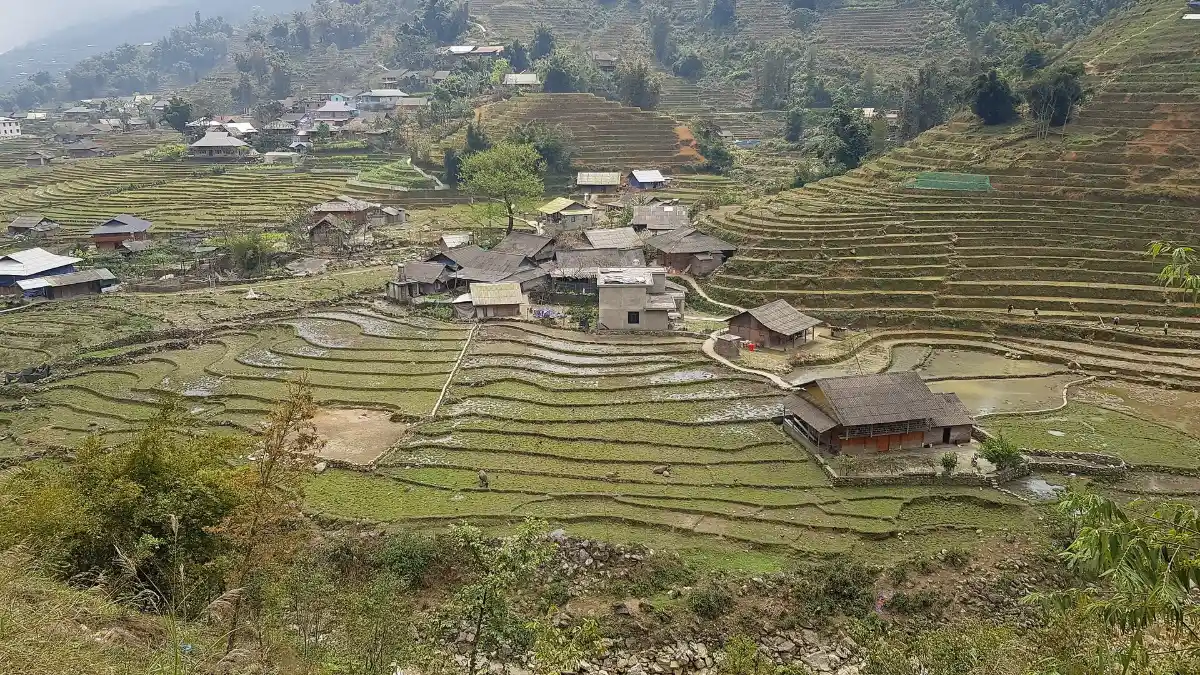
If you have 2–3 days and a private driver, a scenic route through Bac Ha, Xin Man and Hoang Su Phi is far more rewarding. It adds hundreds of kilometres of terraced hillsides and market towns, so it suits travellers who want the journey itself to be the highlight. Some provincial roads stay muddy or under repair after rain, so ask your driver to confirm road conditions the day before.
| Section | Approx. distance | Highlight |
|---|---|---|
| Sapa – Bac Ha | About 70–90 km | Sunday market, hill-tribe villages |
| Bac Ha – Xin Man | About 40 km | Mountain scenery and local markets |
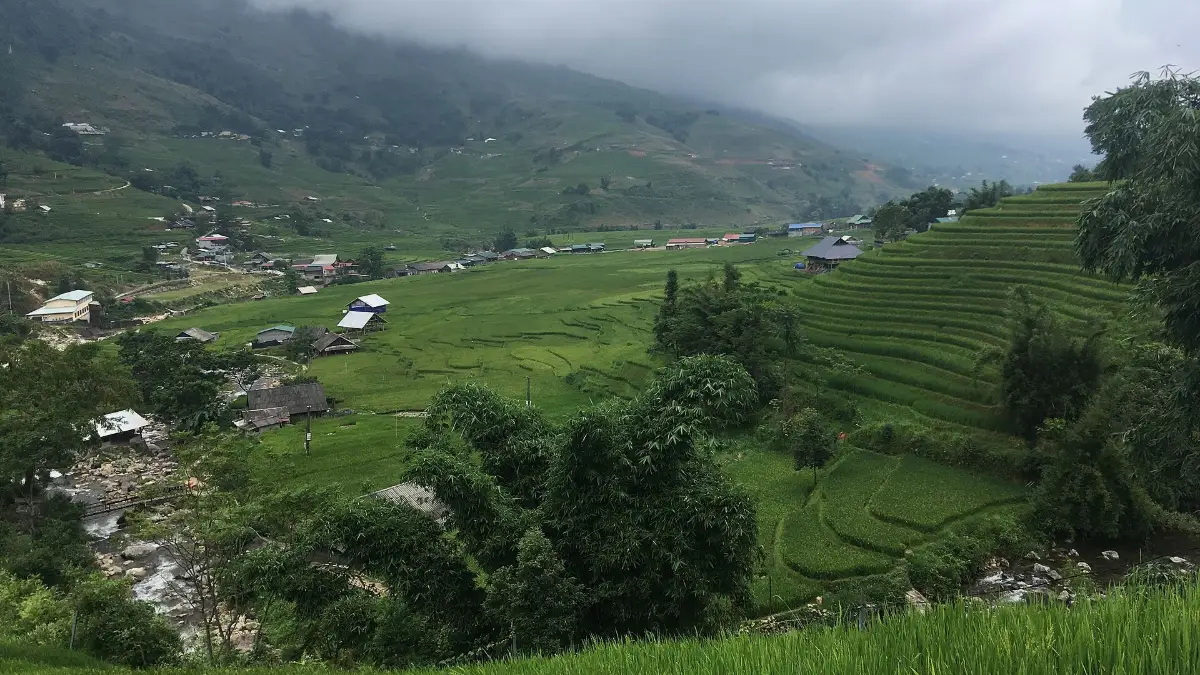
| Xin Man – Hoang Su Phi – Ha Giang City | About 140 km | Terraced rice fields (best late September–October) |
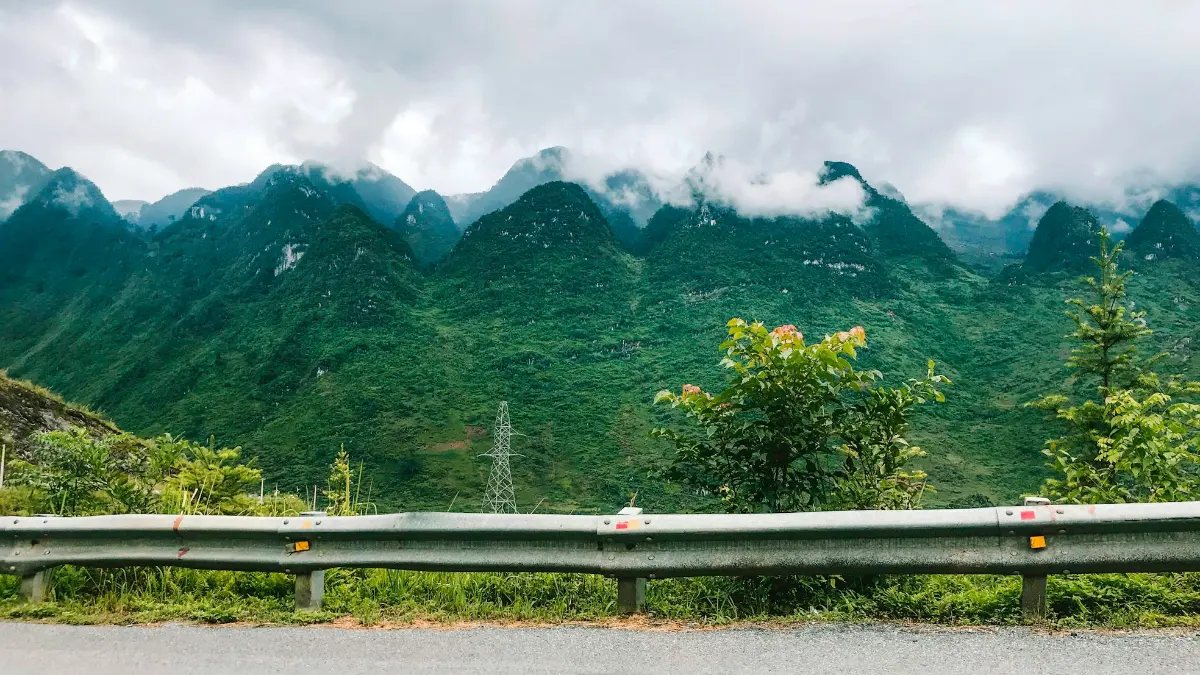
Starting the Ha Giang Loop After Sapa
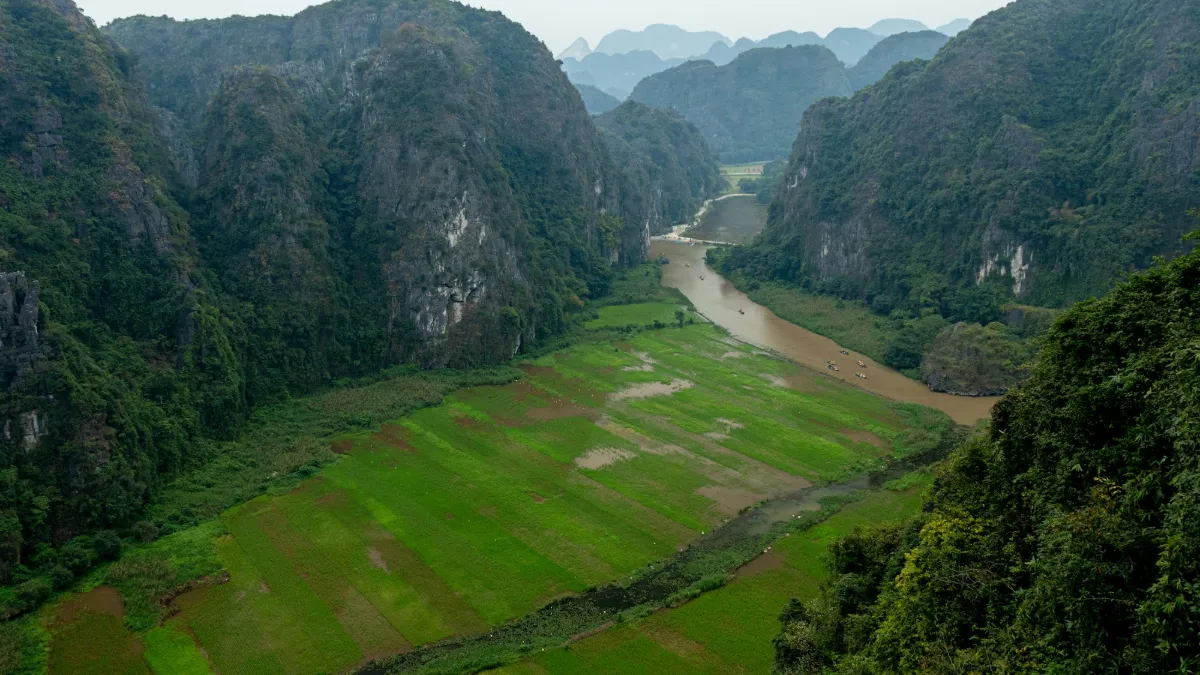
Most travellers rest one night in Ha Giang City before starting the Ha Giang Loop. The classic loop is about 350 km: Ha Giang City – Quan Ba – Yen Minh – Dong Van – Ma Pi Leng Pass – Meo Vac and back. Roads average only 30–40 km/h, so allow 3–4 days.
Read our full Hanoi to Ha Giang guide for loop distances, or see our Ha Giang Loop motorbike tour (6 days) and the longer North Vietnam motorbike tour (8 days). If you arrive from Hanoi first, check our Hanoi to Sapa guide.
Best Time to Travel from Sapa to Ha Giang
| Season | What to expect |
|---|---|
| October–November | Dry roads, clear skies, autumn colour; buckwheat flowers from late October around Dong Van and Lung Cu (dates can shift by 2–3 weeks) |
| March–April | Clearest skies and mild weather |
| May–September | Rainy season; heaviest rain June–August with landslide risk, especially around Yen Minh, Dong Van and Meo Vac |
| December–February | Cold: about 3–12°C on high passes, with fog |
See our best time to visit Vietnam guide for month-by-month weather.
Local Expert Tips from Jimmy
- Choose a day departure. You will see mountain scenery and arrive when homestays can check you in.
- Spend one night in Ha Giang City before the loop. It gives you time to arrange permits, pillion drivers and warm layers.
- Check your pick-up and drop-off point. Many vans use hostel drop-offs, and bus stations may be outside the centre.
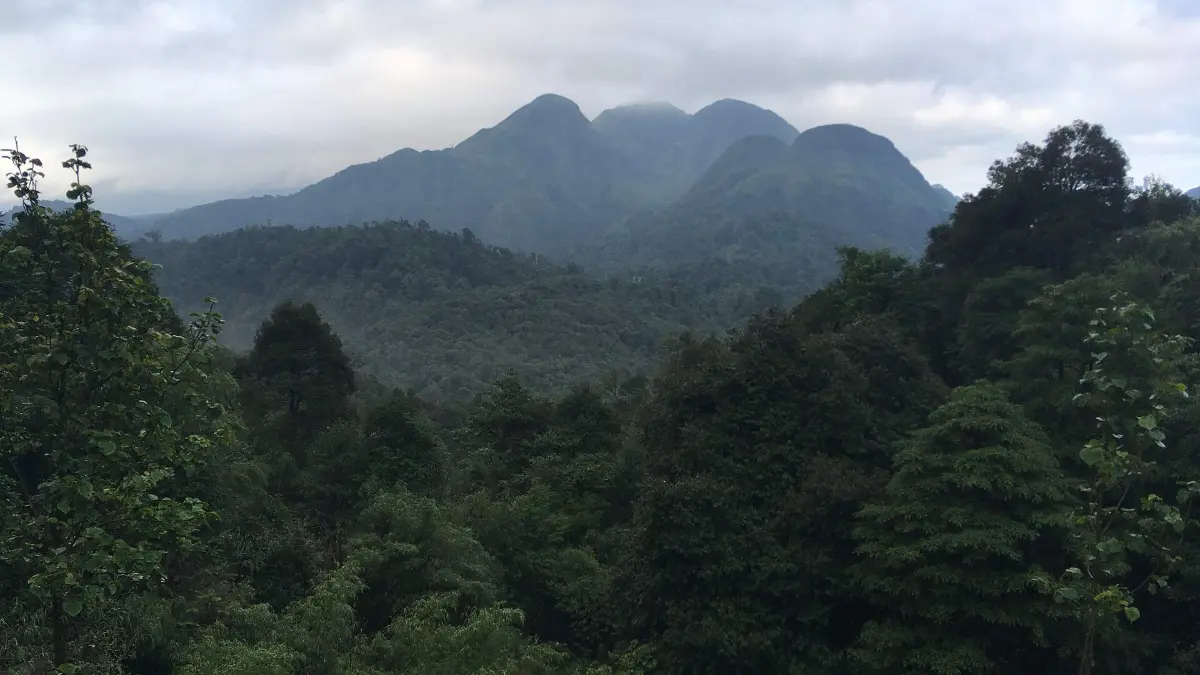
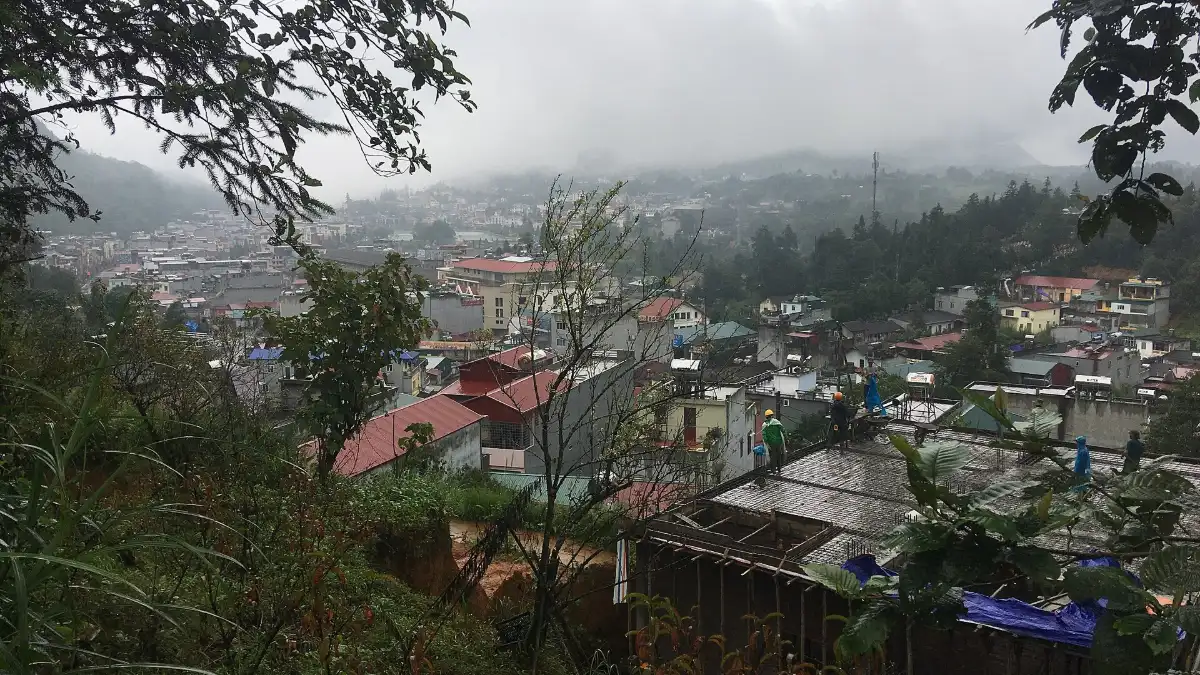
- Pack warm clothes. Passes at 1,000–1,600 m can be much colder than Sapa town, especially from December to February.
- Carry cash. ATMs are limited beyond Ha Giang City and Yen Minh.
- Stay connected. A local SIM or eSIM helps with maps and bookings; see our Vietnam SIM card guide.
We arrange private cars, easy riders, homestays and full Ha Giang itineraries from Sapa and Hanoi. Contact Vietnam Tour Expert Team for a tailor-made plan.
Frequently Asked Questions about Sapa to Ha Giang
1. How far is Sapa from Ha Giang City?
Most sources put it at about 235–250 km by road. Longer scenic routes through Bac Ha, Xin Man and Hoang Su Phi run 350 km or more.
2. How long does it take to travel from Sapa to Ha Giang?
Allow about 5–6 hours by private car and 6–7 hours by limousine van or bus, including a short stop. Mountain roads are slow, and some riders report up to 8 hours.
3. Is there a direct bus from Sapa to Ha Giang?
Yes, but services are limited and aimed at travellers. Day vans and buses usually leave Sa Pa town in the morning (about 07:00–08:30) and early afternoon, and some evening cabin buses also run. Book a day ahead through your hotel or a booking platform.
4. What is the cheapest way to get from Sapa to Ha Giang?
A shared van or bus is cheapest, from about 290,000 VND (US$11) per person at the lowest published fares we found. Evening cabin buses start from about 350,000 VND (US$13.50).
5. How much is a private car from Sapa to Ha Giang?
Expect about 3,240,000–3,800,000 VND (US$125–146) for a 3–4 seat car with driver, one way. Larger vehicles cost more, so ask for a fixed quote that includes tolls and waiting time.
6. Is there a train or a flight between Sapa and Ha Giang?
No. Ha Giang has no railway and no airport, and Sapa is reached via Lao Cai station. The journey is by road only.
7. Should I take a day bus or a night bus?
Take a day bus or van. Night services can reach Ha Giang in the small hours, when homestays are closed, and you miss some of Vietnam’s best mountain scenery.
8. Can I ride a motorbike from Sapa to Ha Giang?
It is possible for experienced riders, but one-way rentals are rarely available, and a foreign licence is generally not valid in Vietnam without the right Vietnamese permit. Most visitors ride pillion with a local driver on the Ha Giang Loop instead.
9. Is there an expressway on this route?
Not on the direct route. You use local highways and provincial roads, so average speeds are modest. A planned expressway linking Ha Giang to the Noi Bai–Lao Cai corridor was still a proposal at the time of writing.
10. How do I combine Sapa and the Ha Giang Loop?
Travel from Sapa to Ha Giang City by day van or private car, sleep one night in Ha Giang City, then start the 350 km loop the next morning. Finish in Ha Giang City and continue to Hanoi.
11. What is the best time for this route?
October to November has dry roads, clear skies and autumn colour, with buckwheat flowers around Dong Van from late October. March–April has the clearest skies. May–September is the rainy season with landslide risk.
12. Which province is Ha Giang in now?
Since 1 July 2025, Ha Giang has been part of Tuyen Quang province. Place names on the Ha Giang Loop have not changed.
Related Posts
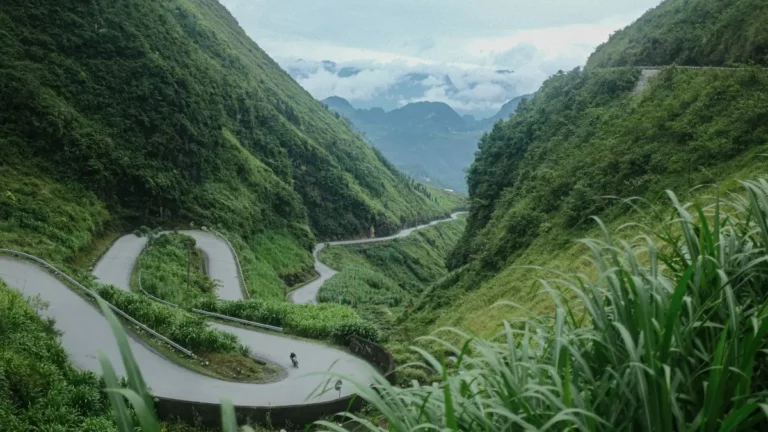
Hanoi to Ha Giang 2026: Bus, Limousine & Private Car Guide

Rong May Glass Bridge: Tickets, Views & Is It Worth It?
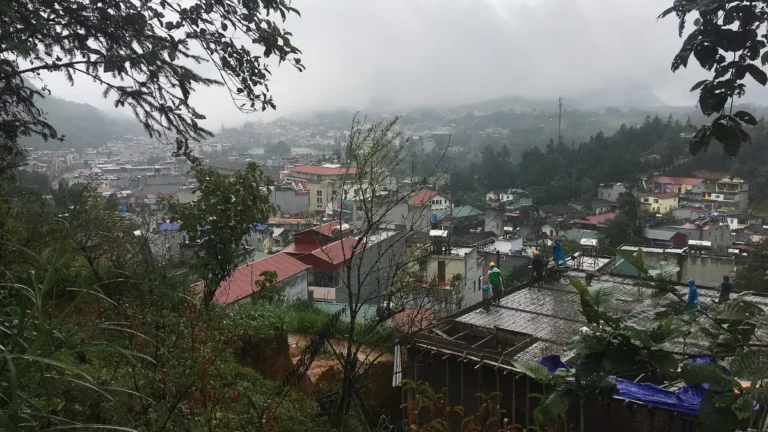
Sapa Love Market: History, Saturday Show & What to Expect
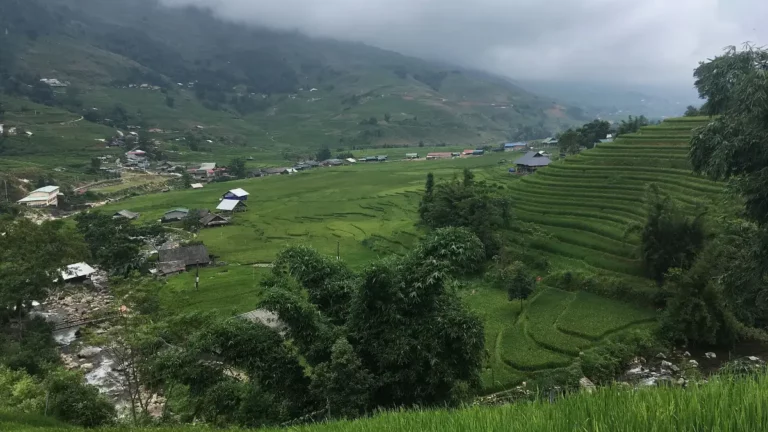
Muong Hoa Valley: Sapa Rice Terraces & Ancient Carved Stones
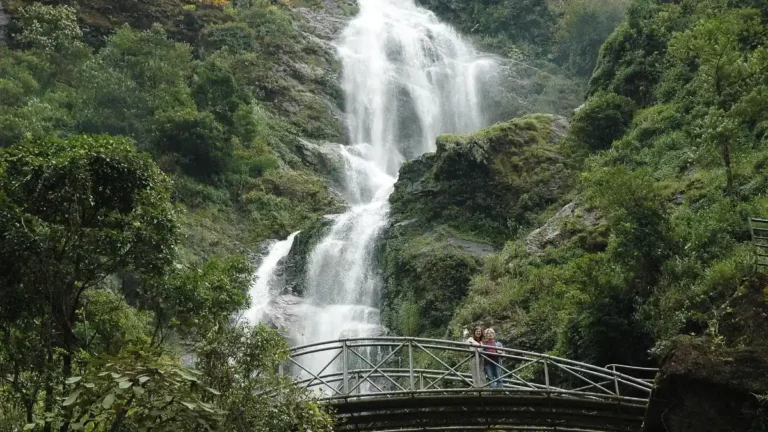
Silver Waterfall Sapa (Thac Bac): Ticket, Location & Tips