Lao Chai & Ta Van Villages: Sapa’s Classic Rice Terrace Trek
Lao Chai and Ta Van are neighbouring villages in the Muong Hoa Valley, about 7–12 km south-east of Sa Pa in Lao Cai province. Linked by a riverside trail of about 4 km, they form Sa Pa’s classic rice-terrace trek: Black Hmong Lao Chai, Giay and Dao Ta Van, homestays and ancient carved rocks. A small local sightseeing fee (around 75,000 VND) applies.
Status (checked October 2026): open year-round as normal. Trails are muddy and slippery after heavy rain, especially June–August; avoid trekking for a day or two after storms or landslide warnings. Since 1 July 2025 both villages belong to Ta Van commune in the enlarged Lao Cai province (merged with Yen Bai).
Why Lao Chai and Ta Van are worth seeing:
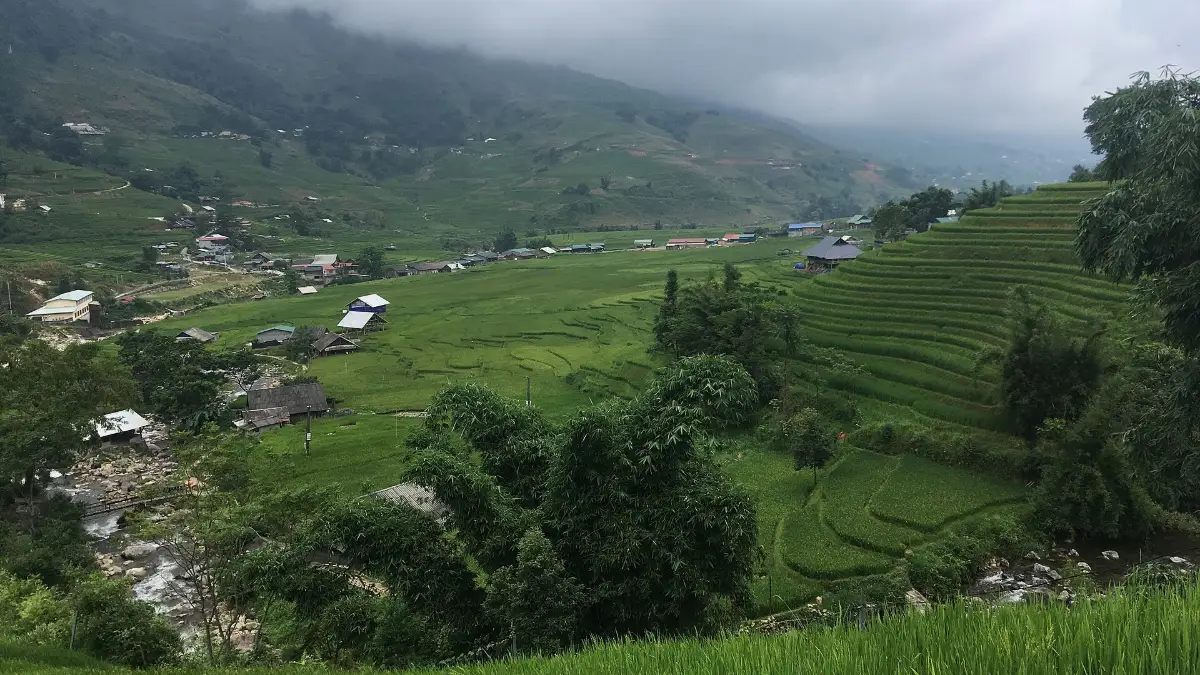
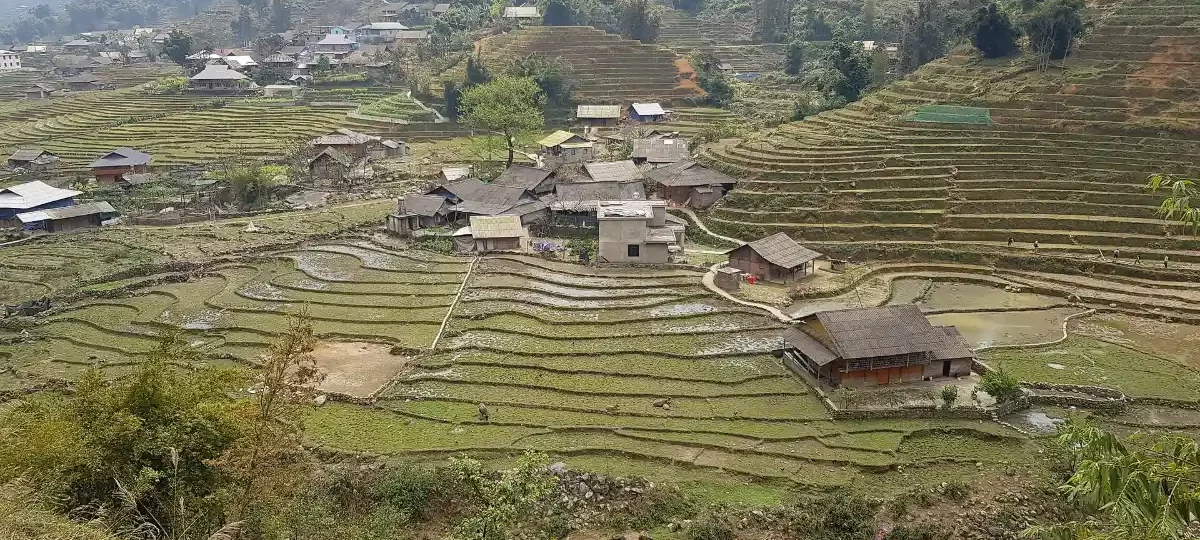
- Sa Pa’s iconic rice terraces: the sweeping views of the Muong Hoa Valley you see in photos.
- Two cultures in one walk: Black Hmong in Lao Chai, Giay and Dao in Ta Van.
- The best easy-to-moderate trek: a half-day or full-day walk without serious climbing.
- Ancient carved rocks: petroglyphs on Vietnam’s tentative UNESCO list since 1997.
- Homestays: sleep in the valley and wake up to mist over the terraces.
Lao Chai and Ta Van at a Glance
| Vietnamese name | Bản Lao Chải và Bản Tả Van |
|---|---|
| Location | Muong Hoa Valley, Ta Van commune, Lao Cai province (formerly Sa Pa town) |
| Distance | Lao Chai about 7–8 km and Ta Van about 10–12 km from Sa Pa centre; about 4 km between them |
| People | Lao Chai: Black Hmong; Ta Van: mainly Giay, with Hmong and Dao |
| Known for | Rice terraces, Muong Hoa stream, ancient carved rocks, homestays |
| Recognition | Sa Pa ancient carved rocks on Vietnam’s UNESCO tentative list (1997) |
| Opening hours | Villages open all day, every day |
| Entrance fee | Local sightseeing fee around 75,000 VND adults (about US$3); children less |
| Time needed | Half a day to a full day; or overnight in a homestay |
| Best time | Late August–September (golden rice), May–June (water-filled terraces), October–November (clear skies) |
| Nearby | Muong Hoa Valley, Hau Thao, Cat Cat, Fansipan cable car |
| Find it | Google Maps (Lao Chai) · Google Maps (Ta Van) · Tripadvisor · Sa Pa on Wikipedia |
Are Lao Chai and Ta Van Worth Visiting?
Yes, this is the most rewarding classic walk around Sa Pa and the best way to experience the rice terraces up close. It is popular, so you will meet other trekkers and local women selling handicrafts along the way, but the scenery and village life are genuine and the walking is manageable for most people with reasonable fitness.
- Best for: first-time trekkers, photographers, families with older children and anyone wanting a homestay night.
- Skip if: you have knee problems on steep, muddy descents or it has rained heavily; visit Cat Cat Village instead.
- Short on time: do the half-day trek Sa Pa – Lao Chai – Ta Van and return by car.
Background: The Muong Hoa Valley Villages
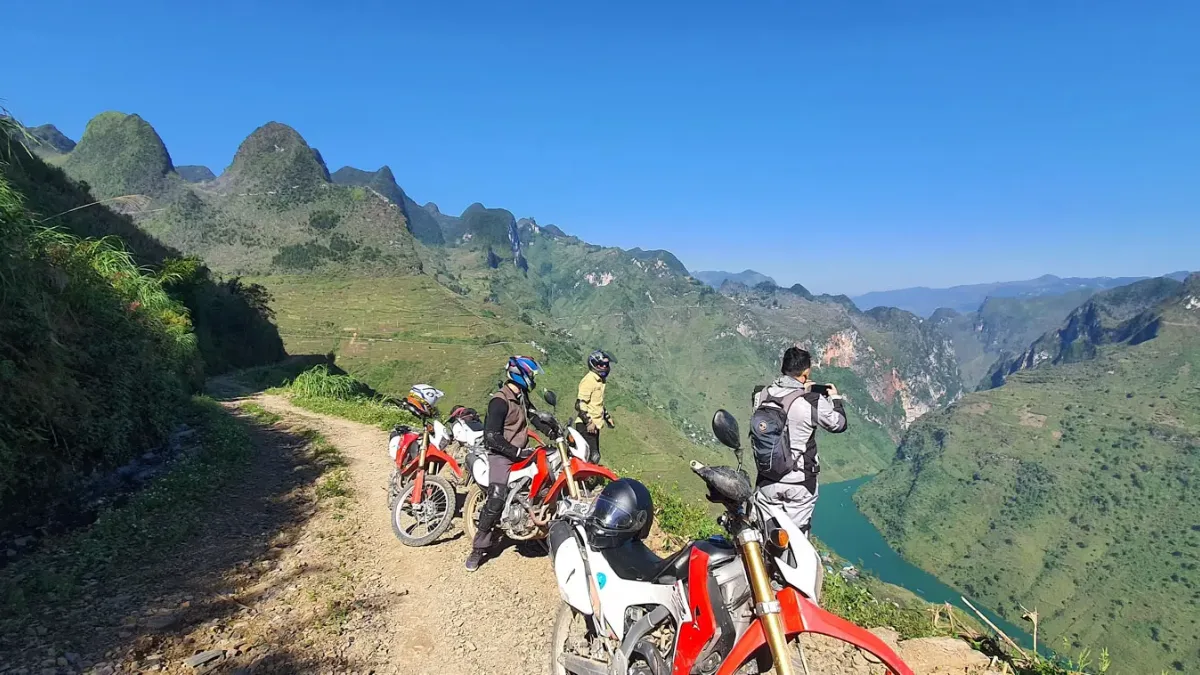
The Muong Hoa Valley runs south-east from Sa Pa between the Hoang Lien Son range and the town, carved by the Muong Hoa stream. For generations Hmong, Dao and Giay families have shaped its slopes into terraced fields, mostly growing one crop of rice a year, planted around May and harvested in September–October.
Lao Chai is a Black Hmong village spread across the slopes above the stream. Ta Van, on the valley floor, is mainly Giay, a Tai-speaking group who build their houses on the flat land near water, with Hmong and Dao hamlets on the hills. From the 1990s these villages became the heart of Sa Pa trekking, and Ta Van in particular developed into a homestay hub.
The valley floor is scattered with nearly 200 boulders carved with geometric, human-like and symbolic motifs whose age and meaning are still debated. The site has been on Vietnam’s tentative list for UNESCO World Heritage since 1997.
What to See at Lao Chai and Ta Van
1. The descent into the Muong Hoa Valley
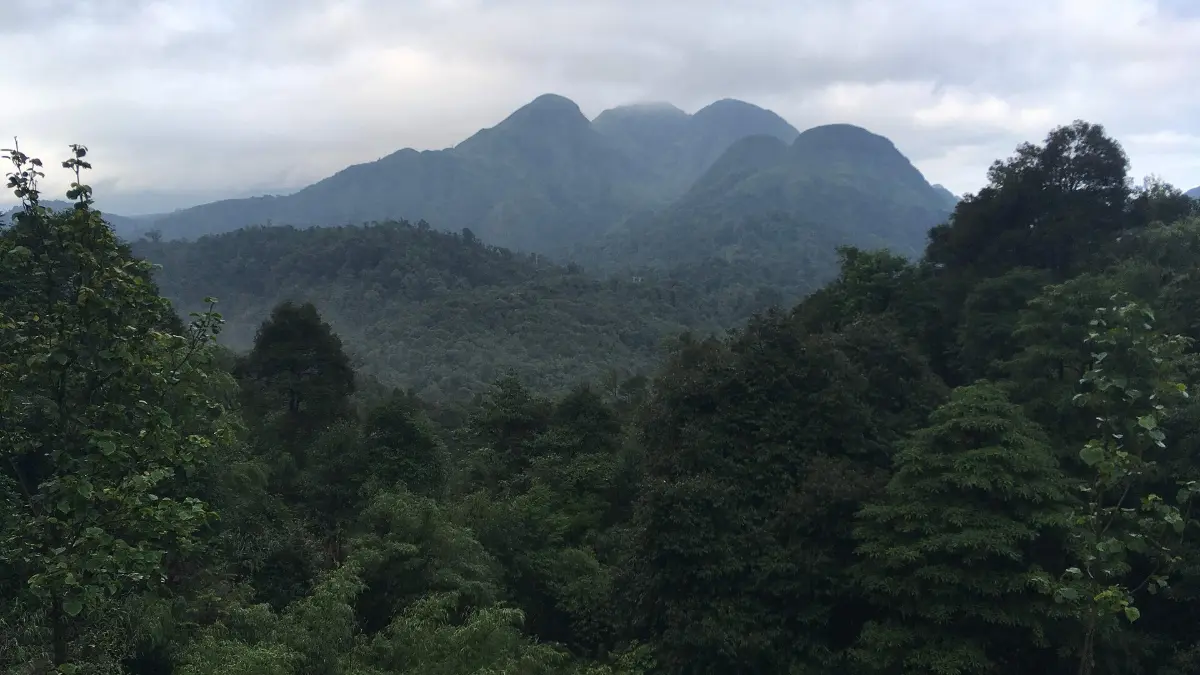
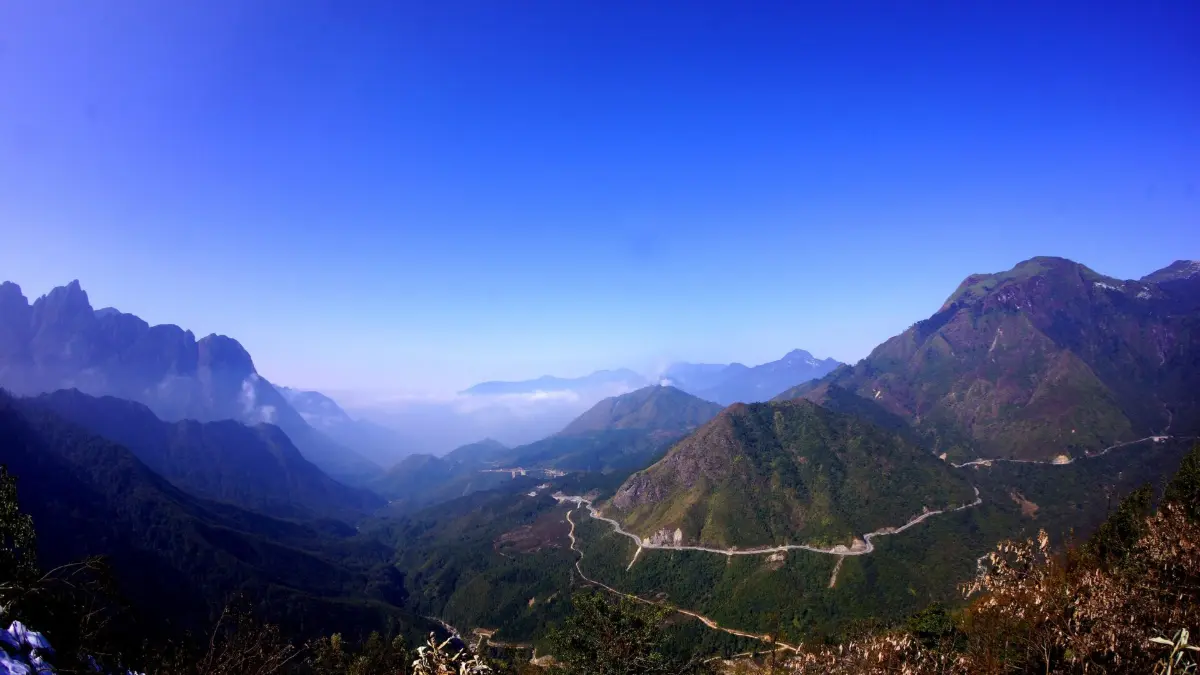
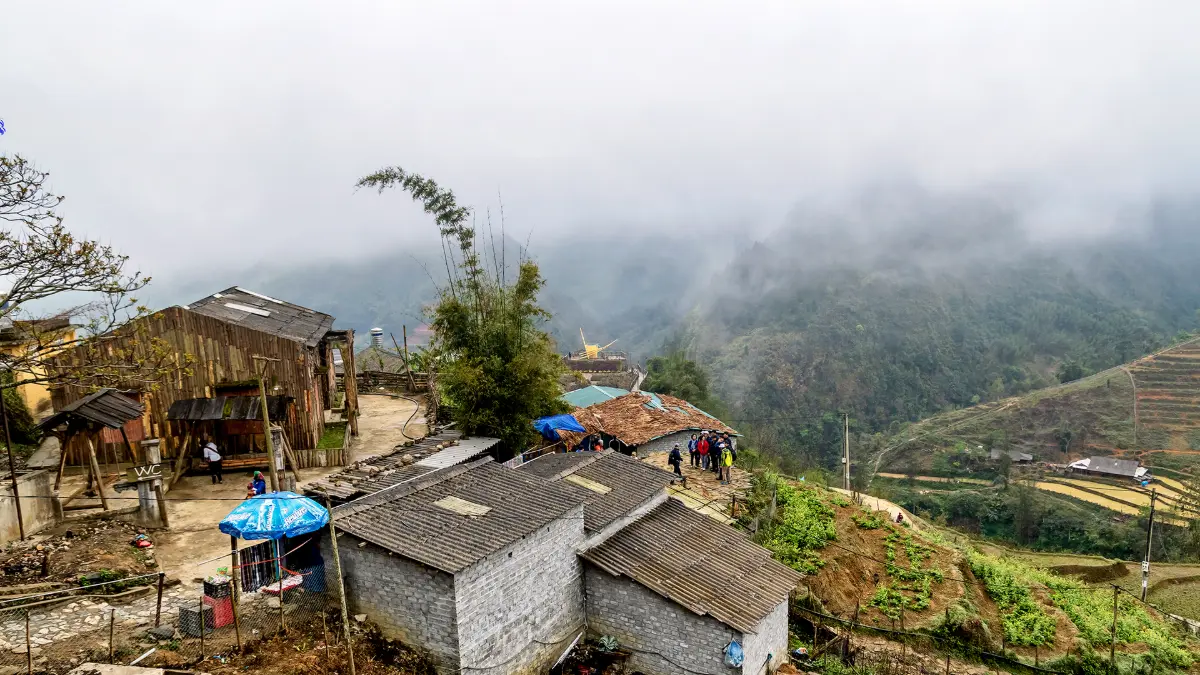
Leaving Sa Pa, the road and trails drop past viewpoints over layer upon layer of terraces. On clear days the Hoang Lien Son range and Fansipan rise behind the valley.
2. Lao Chai Black Hmong village
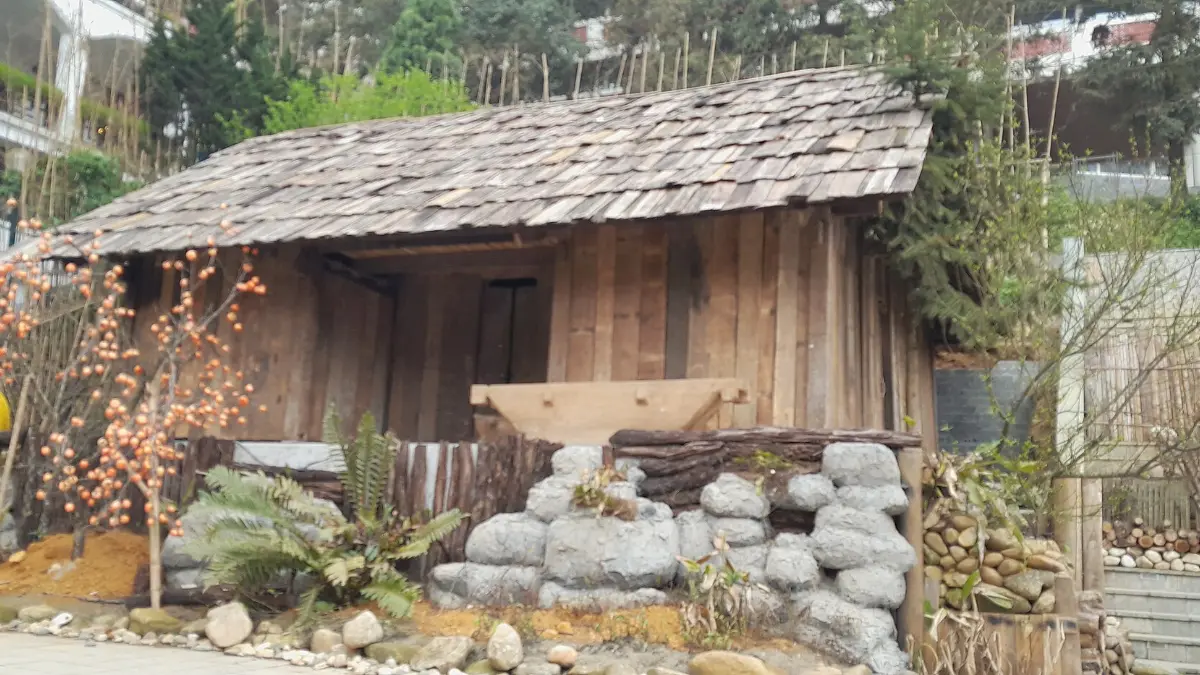
Lao Chai’s wooden houses sit among terraces high above the stream. Women in indigo clothing weave and embroider on their porches, and paths wind between fields, buffalo and bamboo.
3. The riverside trail to Ta Van
The roughly 4 km stretch from Lao Chai to Ta Van follows the Muong Hoa stream through bamboo groves and rice fields, with several bridges and plenty of photo stops.
4. The ancient carved rocks
Between Lao Chai and Ta Van, the ancient rock field holds nearly 200 boulders with mysterious engravings. Please do not climb on or scratch the stones. Read more in our Muong Hoa Valley guide.
5. Ta Van Giay village
Ta Van has traditional Giay houses, small cafés, craft shops and dozens of homestays, from family houses to boutique lodges with terrace views.
6. Homestay life
Spending a night lets you see the valley at sunset and sunrise, share a family dinner, try local rice wine and walk quieter paths the next morning.
Fees and Practical Information (2026)
| Item | Details |
|---|---|
| Lao Chai – Ta Van sightseeing fee | Around 75,000 VND adults; reduced for children (collected at a checkpoint) |
| Ancient carved rocks | No separate fee reported |
| Opening hours | No fixed hours; trek in daylight (about 7:00–17:00) |
| Local guide (recommended) | Arranged by your hotel or tour operator |
| Car back to Sa Pa from Ta Van | Taxi or private car, about 20–30 minutes |
The fee is set locally and may change, so carry small cash; the ticket is usually checked on the road into the valley.
The Lao Chai – Ta Van Trek, Step by Step
- Start in Sa Pa after breakfast with your guide, heading down the road towards the Muong Hoa Valley.
- Leave the road and follow trails down through the terraces to Lao Chai (about 2–3 hours).
- Lunch in Lao Chai or continue a little further to a riverside café.
- Walk about 4 km along the stream to Ta Van, passing the ancient carved rocks.
- End in Ta Van: take a car back to Sa Pa or check in to a homestay.
For gear and longer routes to Hau Thao, Giang Ta Chai or Ban Ho, see our Sapa trekking guide.
Etiquette in Lao Chai and Ta Van
- Ask before photographing people and respect a no.
- Stay on paths and field edges; never walk on rice plants.
- Politely decline if you do not want to buy from vendors who walk with you; if you accept company all day, buying something small is a kind gesture.
- Do not give sweets or money to children.
How to Get to Lao Chai and Ta Van
| From | How | Time |
|---|---|---|
| Sa Pa centre | Trek with a guide via Lao Chai to Ta Van | 4–6 hours |
| Sa Pa centre | Taxi or private car to Lao Chai or Ta Van | 15–30 minutes |
| Sa Pa centre | Motorbike taxi | 15–25 minutes |
| Hanoi | Limousine or sleeper bus to Sa Pa (about 320 km), then car or trek | 5–6 hours + transfer |
Getting to the mountains first? Read our Hanoi to Sapa guide.
Best Time to Visit Lao Chai and Ta Van
| When | What to expect |
|---|---|
| Late August – September | Golden rice terraces before harvest; the most photographed season |
| October – November | Clear, dry, comfortable walking weather after the harvest |
| December – February | Cold and misty, bare terraces; quiet trails |
| March – April | Mild weather and blossom; terraces prepared |
| May – June | Water-filled terraces reflect the sky; planting season |
| July – August | Lush green fields but frequent rain and muddy trails |
Local Expert Tips for Lao Chai and Ta Van
These tips come from years of arranging Sa Pa tours for international travellers.
- Hire a licensed local guide: trails branch often and change after rain.
- Wear trekking shoes with grip; trainers slide on wet clay.
- Bring water, sunscreen and a rain jacket, even on sunny mornings.
- Stay a night: Ta Van homestays turn a busy day walk into a peaceful experience.
- Go further for quiet: continue to Giang Ta Chai or Ban Ho if you want fewer trekkers.
Lao Chai and Ta Van vs Ta Phin
| Feature | Lao Chai and Ta Van | Ta Phin |
|---|---|---|
| Main scenery | Large rice terraces, river valley | Rolling hills, smaller terraces |
| People | Black Hmong, Giay, Dao | Red Dao, Black Hmong |
| Highlight | Classic trek, carved rocks, homestays | Red Dao herbal bath, embroidery, cave |
| Crowds | Busy in high season | Quieter |
| Distance from Sa Pa | About 7–12 km | About 12–17 km |
Our view: for terraces, trek Lao Chai and Ta Van; for culture and a relaxing herbal bath, add Ta Phin on another half-day.
Nearby Attractions
- Muong Hoa Valley: the wider valley and its carved rocks.
- Cat Cat: the closest Hmong village to town.
- Fansipan Mountain: the cable car starts at the head of the valley.
- Ta Phin village: Red Dao culture north of Sa Pa.
- Stone Church and Ham Rong: in town.
Sightseeing in Sa Pa for First-Time Visitors: Where Lao Chai and Ta Van Fit
Three days in Sa Pa? Day one: Cat Cat and the Stone Church. Day two: trek Lao Chai to Ta Van and overnight in a homestay. Day three: ride up Fansipan on the clearest morning. Our Sapa travel tips and Sapa food guide help you plan meals and packing.
Plan your trip with our Sapa travel guide and Sapa tours. Contact Vietnam Tour Expert Team for a free custom itinerary.
Frequently Asked Questions about Lao Chai and Ta Van
1. Where are Lao Chai and Ta Van villages?
Lao Chai and Ta Van are in the Muong Hoa Valley, about 7–12 km south-east of Sa Pa, in Ta Van commune, Lao Cai province.
2. How long is the Lao Chai – Ta Van trek?
The trek from Sa Pa via Lao Chai to Ta Van is roughly 10–14 km, with about 4 km between the two villages.
3. Is the Lao Chai – Ta Van trek difficult?
It is easy to moderate, with some steep, slippery descents; good shoes and a guide make it much easier.
4. How much is the Lao Chai and Ta Van entrance fee?
A local sightseeing fee of around 75,000 VND per adult is usually collected; it may change.
5. Do I need a guide for Lao Chai and Ta Van?
A guide is strongly recommended because trails branch often; book through your hotel or a trusted operator.
6. Which ethnic groups live in Lao Chai and Ta Van?
Lao Chai is a Black Hmong village; Ta Van is mainly Giay, with Hmong and Dao families nearby.
7. What is the best time to trek Lao Chai and Ta Van?
Late August–September for golden rice and October–November for clear, dry weather.
8. Can I stay overnight in Ta Van?
Yes, Ta Van has dozens of homestays, from simple family rooms to boutique lodges with terrace views.
9. How long do I need for Lao Chai and Ta Van?
Allow 4–6 hours for the trek, or a full day and night with a homestay.
10. How do I get back to Sa Pa from Ta Van?
Take a taxi, private car or motorbike taxi from Ta Van; the ride takes about 20–30 minutes.
11. Can children do the Lao Chai – Ta Van trek?
Children aged about eight and up usually manage it; a car can shorten the walk if needed.
12. What are the carved rocks near Ta Van?
Nearly 200 boulders carved with ancient motifs lie between Lao Chai and Ta Van; see our Muong Hoa Valley article.
13. Can I trek Lao Chai and Ta Van in the rainy season?
Yes, but trails become muddy and slippery in June–August; avoid trekking after heavy rain.
14. What should I pack for Lao Chai and Ta Van?
Trekking shoes, rain jacket, water, sunscreen, a hat and small cash for drinks and crafts.
15. Is Lao Chai or Cat Cat better?
Lao Chai offers bigger terraces and quieter village life; Cat Cat is closer and easier but more commercial.
16. Are Lao Chai and Ta Van very touristy?
The main trail through Lao Chai and Ta Van is popular, but side paths and nearby hamlets remain peaceful.
Related Posts

Sapa Travel Tips 2026: Weather, Best Time & What to Know
Sapa Trekking Guide 2026: Best Routes, Guides & Tips

Sapa Food Guide: Salmon Hotpot, Thang Co & Where to Eat
Hanoi to Sapa 2026: Bus, Train, Private Car & Travel Times
Rong May Glass Bridge: Tickets, Views & Is It Worth It?