Hanoi to Sapa 2026: Bus, Train, Private Car & Travel Times
Hanoi to Sapa is about 315–320 km. The quickest way is a sleeper or limousine bus on the Noi Bai–Lao Cai expressway: about 5.5–6 hours and roughly 200,000–400,000 VND (US$8–16). The classic alternative is the SP1 night train to Lao Cai (about 7 hours 40 minutes, berths from about 440,000 VND), then about 50 minutes by road up to Sapa. A private car takes about 5–5.5 hours.
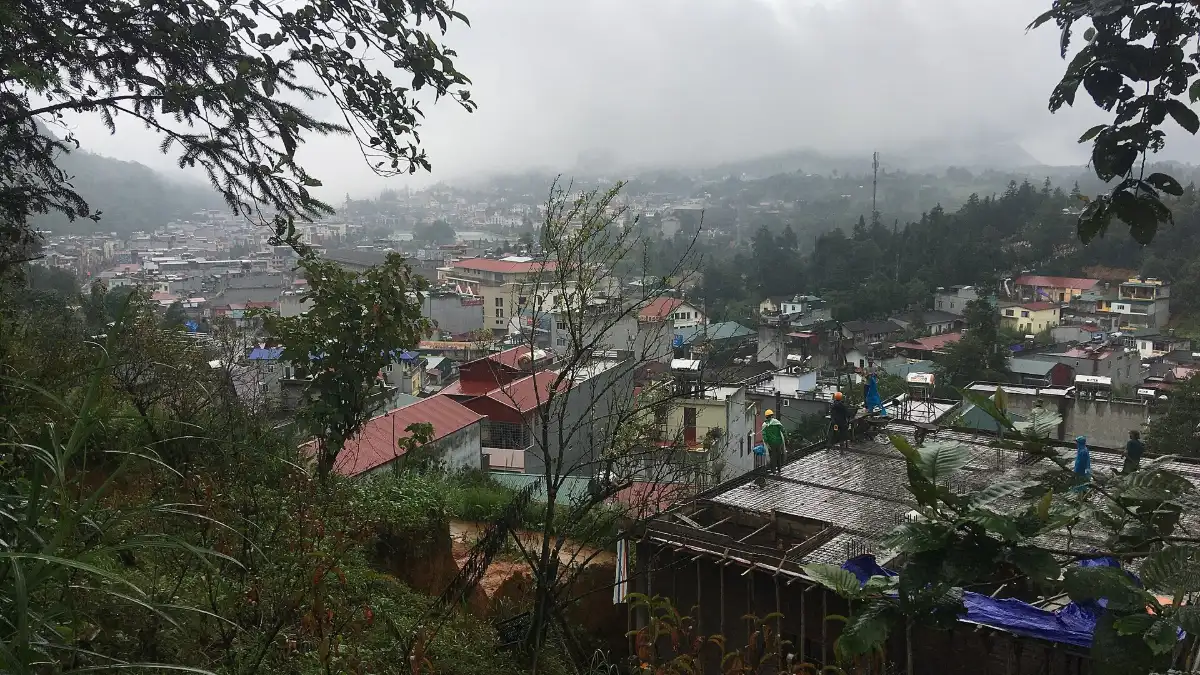
Status (checked October 2026): Lao Cai and Yen Bai provinces merged on 1 July 2025, so Sapa town is now Sa Pa ward of the enlarged Lao Cai province; tickets and maps may show either name. The night train still runs as SP1/SP2 between Hanoi and Lao Cai. The rainy season (May–September) can bring landslides on mountain roads, as during Typhoon Yagi in September 2024, so always check the forecast before you travel.
Key takeaways:
- Fastest and cheapest: an expressway bus or limousine, about 5.5–6 hours door to door.
- Most atmospheric: the overnight train to Lao Cai (about 7h40), plus a 38 km transfer of around 50 minutes.
- Most flexible: a private car with driver, about 5–5.5 hours, ideal for families and groups.
- Sapa has no airport; the nearest international gateway is Hanoi’s Noi Bai Airport.
- Book at least a few days ahead for weekends, Vietnamese holidays and the golden-rice season in September.
Hanoi to Sapa at a Glance
| Distance | About 315–320 km by road via the Noi Bai–Lao Cai expressway; 296 km by rail from Hanoi to Lao Cai |
|---|---|
| By bus / limousine | About 5.5–6 hours; about 200,000–400,000 VND (US$8–16) one way |
| By train | SP1 departs Hanoi about 21:35, arrives Lao Cai about 05:15 (about 7h40) |
| Train fares | Regular 4-berth soft sleeper about 440,000–460,000 VND (US$17–18); private carriages about US$35–80 |
| Lao Cai → Sapa | About 38 km, about 50 minutes; public bus about 50,000 VND, private car about US$30 |
| By private car | About 5–5.5 hours; about US$130–180 one way depending on vehicle |
| Flights | None: Sapa has no airport |
| Where buses stop | Sa Pa ward centre or the hotel area; some limousines offer hotel drop-off |
| Best travel months | March–May and September–November (drier roads, clearer views) |
| Main risk | Landslides and fog on mountain roads in heavy rain (May–September) |
What Is the Best Way to Get from Hanoi to Sapa?
For most travellers, a daytime limousine bus is the best balance of speed, price and comfort. Choose the overnight train if you love rail travel, or a private car if you travel as a family or want to stop along the way.
Since the Noi Bai–Lao Cai expressway and the connector road up to Sapa opened, road travel has become much faster than the train. Buses now go straight from Hanoi to Sa Pa ward in under six hours, while the railway still ends at Lao Cai on the Chinese border, about 38 km below Sapa.
| Option | Time | Typical price (one way) | Best for |
|---|---|---|---|
| Standard sleeper bus | About 5.5–6 h | About 200,000–300,000 VND (US$8–12) | Budget travellers |
| Limousine bus / VIP cabin coach | About 5.5–6 h | About 250,000–400,000 VND (US$10–16) | Comfort at a fair price |
| 9-seat limousine van | About 5.5–6 h | About 250,000–400,000 VND | Daytime travel, small groups |
| Night train + transfer | About 8.5–9 h in total | About 440,000–460,000 VND berth + about 50,000 VND bus | Rail lovers, saving a hotel night |
| Private car with driver | About 5–5.5 h | About US$130–180 per car | Families, groups, flexible stops |
All prices are indicative for 2026 and vary by operator, season and day of the week.
How Do I Take the Bus from Hanoi to Sapa?
Book a seat with a sleeper, limousine or VIP cabin bus company, get picked up in Hanoi (often in the Old Quarter) and ride about 5.5–6 hours to Sa Pa ward. Buses run throughout the day and night.
1. Types of bus
Standard sleeper buses have three rows of semi-reclining berths. Limousine sleepers and VIP cabin coaches have fewer, wider berths or private pods with curtains, USB charging and blankets. Nine-seat limousine vans are popular for daytime trips and feel more like a shared minivan.
2. Schedules
Day buses typically leave Hanoi between about 6:00 and 9:00 and arrive between about 12:00 and 15:00. Night buses leave around 21:00–23:00 and arrive very early, often between 3:00 and 6:00. Most companies make one rest stop of 20–30 minutes.
3. Booking and luggage
Book directly with the operator, through your hotel or with a tour company, especially at weekends and on Vietnamese public holidays. You remove your shoes on sleeper buses, so carry a bag for them; large suitcases go in the luggage hold.
4. The final climb
After leaving the expressway near Lao Cai, buses take the connector road that climbs steeply into the Hoang Lien Son range. If you get car-sick, sit near the front and take a tablet before this section.
How Does the Night Train from Hanoi to Lao Cai Work?
The SP1 train leaves Hanoi Railway Station at about 21:35 and arrives at Lao Cai at about 05:15, roughly 7 hours 40 minutes for 296 km. From Lao Cai you continue about 50 minutes by road to Sapa.
1. Regular and private carriages
Vietnam Railways sells air-conditioned 4-berth soft-sleeper cabins at about 440,000 VND (upper berth) to 460,000 VND (lower berth). Several private companies attach their own sleeper carriages to the same train, with 4-berth or 2-berth cabins and small extras such as bottled water, at roughly US$35–40 per berth in a 4-berth cabin or US$65–80 per person in a 2-berth cabin.
2. Booking
Regular tickets can be booked on the official Vietnam Railways website or at the station; private carriages are sold by their operators and travel agents. Book several days ahead in peak seasons.
3. Return journey
The SP2 train leaves Lao Cai at about 20:55 and arrives in Hanoi at about 04:35, so plan where you will wait or rest on arrival. Times are from The Man in Seat 61 and should be rechecked before travel.
How Do I Get from Lao Cai Station to Sapa?
Take the public bus (about 50,000 VND), a shared minibus (about 40,000–100,000 VND per person) or a private car (about US$30). The 38 km ride takes around 50 minutes.
Shuttle minibuses wait for the morning train outside the station. Agree on the price and your drop-off point before you get in. If you booked a hotel or tour, ask them to arrange a pick-up so that someone is waiting with your name when you arrive before dawn.
Is a Private Car from Hanoi to Sapa Worth It?
Yes, for families, groups and travellers who want flexibility. A private car with an experienced mountain driver takes about 5–5.5 hours and costs about US$130–180 one way.
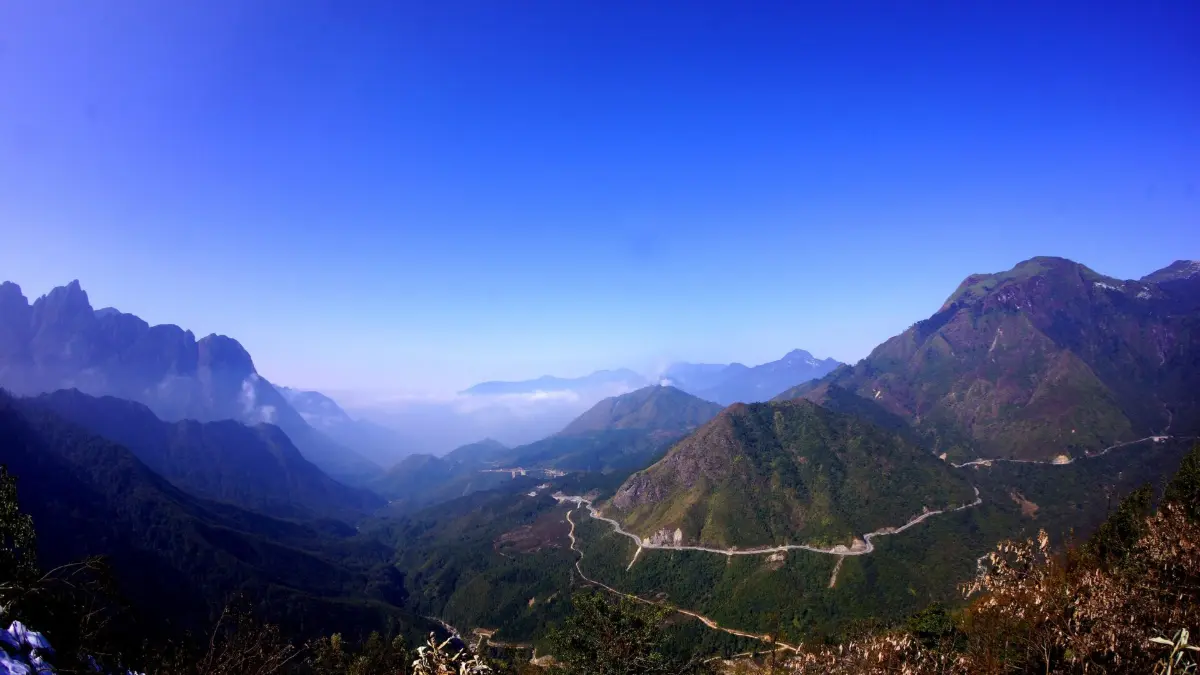
With your own car you can leave when you want, stop for lunch and photos, and combine Sapa with side trips. On the way back, many travellers visit the Sunday market at Bac Ha, about 100 km from Sapa, or drive the O Quy Ho Pass before heading down to Lao Cai.
How Does the Hanoi to Sapa Journey Change by Season?
Travel is easiest from September to May. In the rainy season, especially July and August, heavy downpours can cause landslides and fog on mountain roads.
| Season | Road and rail conditions | What to do |
|---|---|---|
| March–May | Mostly dry, mild, good visibility | Ideal for day buses and private cars |
| June–August | Wettest months; landslide and fog risk | Check forecasts, allow a buffer day |
| September | Golden rice season; busy weekends | Book buses and trains early |
| October–November | Dry, clear skies | Excellent for travel and views |
| December–February | Cold, occasional fog and frost in Sapa | Pack warm clothes; Tet 2027 (6 February) is very busy |
Typhoon Yagi in September 2024 caused deadly landslides and floods across Lao Cai and other northern provinces. Since then, local authorities close roads quickly when heavy rain is forecast. Follow your driver’s or operator’s advice and never insist on travelling during a warning.
What Should I Know Before Arriving in Sapa?
Sapa sits at about 1,600 m, so it is much cooler than Hanoi, and its town is now officially called Sa Pa ward following the July 2025 administrative merger.
1. New place names
After Lao Cai and Yen Bai merged, the old Sapa town was reorganised into Sa Pa ward and the surrounding communes of Ta Van, Ta Phin, Ban Ho, Muong Bo and Ngu Chi Son. The Muong Hoa Valley villages of Lao Chai and Ta Van now belong to Ta Van commune. “Sapa” is still used everywhere as the destination name.
2. Weather and clothing
Average temperatures in Sapa are around 15°C a year, with January daytime highs of about 12°C. Bring layers, a rain jacket and good shoes.
3. Entry and visas
There are no special permits for visiting Sapa. Check your visa status before you fly: citizens of 24 countries currently get 45 days visa-free, and others can apply online on the official Vietnam e-visa portal (US$25 single entry, up to 90 days).
4. Fansipan cable car
If you plan to visit Fansipan on arrival day, note that the cable car’s listed adult return price is about 850,000 VND. See our Fansipan guide for details.
Where Can I Go from Sapa Next?
Most travellers return to Hanoi and continue to Ninh Binh or Halong Bay. From Sapa, you can also visit Bac Ha market on a Sunday or the Rong May Glass Bridge in neighbouring Lai Chau province.
| From Sapa to | Approximate distance / time | Notes |
|---|---|---|
| Lao Cai city | About 38 km, about 50 minutes | Railway station and border with China |
| Bac Ha market | About 100 km, about 2.5 hours | Famous Sunday market |
| Rong May Glass Bridge | About 18 km, under 1 hour | On the O Quy Ho Pass in Lai Chau province |
| Hanoi | About 315–320 km, about 5.5–6 hours | Then on to Ninh Binh or Halong Bay |
Local Expert Tips for Travelling from Hanoi to Sapa
These tips come from years of arranging Sapa tours for international travellers.
- Take a morning bus or car if you want to see the mountains; night buses arrive around dawn, often before hotels allow check-in.
- If you choose the train, book a lower berth and an early-morning Lao Cai–Sapa transfer in advance so you are not bargaining at 5 am.
- Bring motion-sickness tablets: the final climb from Lao Cai to Sapa has many hairpin bends.
- Keep passports, phones and cash on you, not in luggage stowed under the bus or at the end of the train carriage.
- In the rainy season, build a buffer day into your plans so a landslide closure does not make you miss a flight from Hanoi.
- Ask your bus company for the exact pick-up point in Hanoi; many collect passengers in the Old Quarter, but some leave from out-of-town depots.
- Pack a warm layer in your day bag: Sapa can be 10°C cooler than Hanoi, especially from November to March.
- If you plan to visit Bac Ha market or the O Quy Ho Pass, a private car for the whole trip often costs little more than separate transfers.
Plan Your Sapa Trip
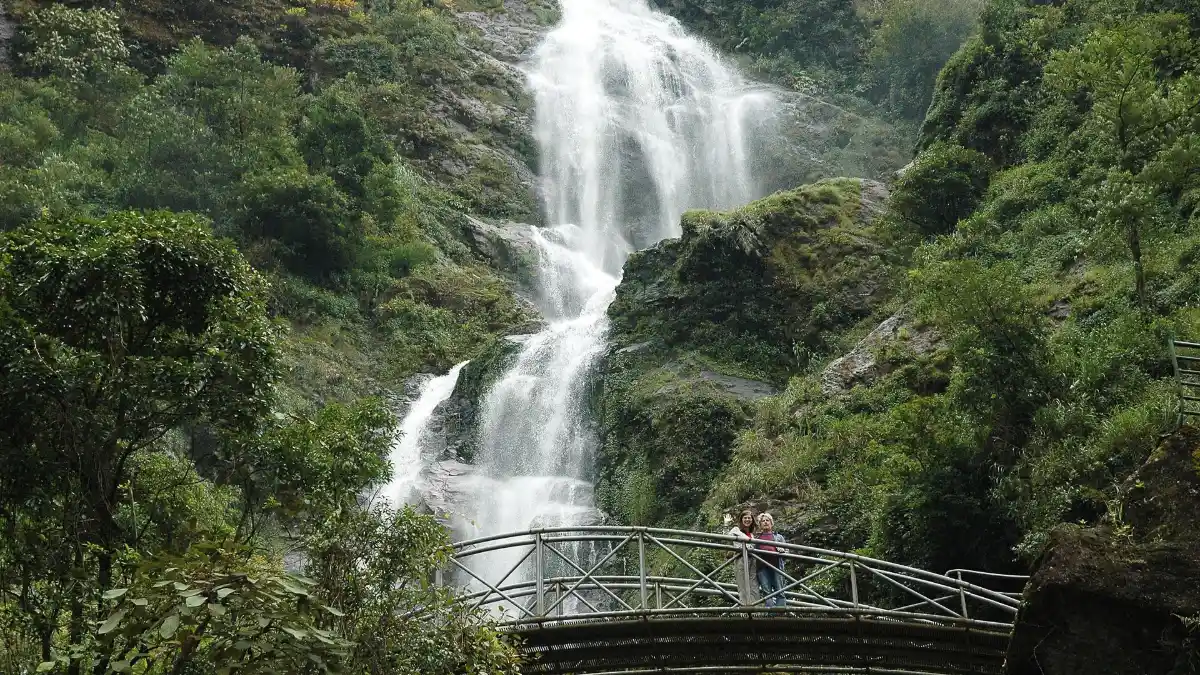
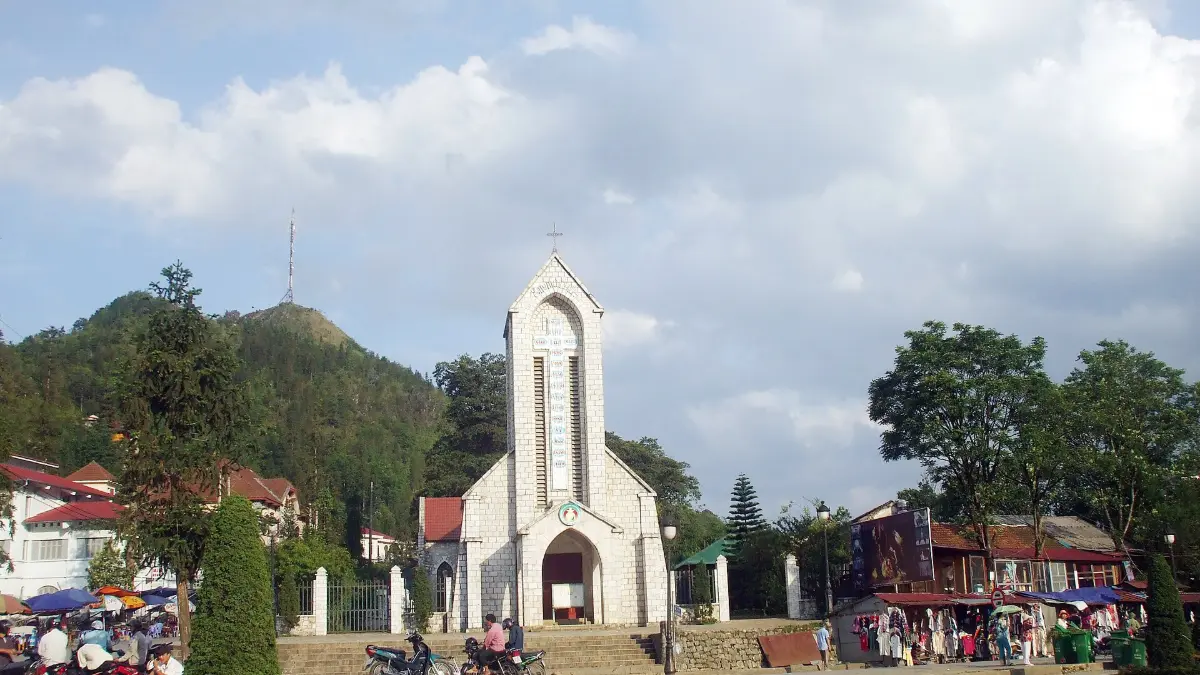
Once you arrive, use our guides to plan your days: ride the cable car up Fansipan Mountain, walk down to Cat Cat Village, trek through the Muong Hoa Valley to Lao Chai and Ta Van, meet the Red Dao in Ta Phin Village and drive the O Quy Ho Pass past Silver Waterfall to the Rong May Glass Bridge. In town, see the Sapa Stone Church and climb Ham Rong Mountain. Read our Sapa travel tips, Sapa trekking guide and Sapa food guide, and use our Hanoi transportation guide to get to your departure point.
Plan your trip with our Sapa travel guide and Sapa tours. Contact Vietnam Tour Expert Team for a free custom itinerary.
Frequently Asked Questions about Hanoi to Sapa
1. How far is Sapa from Hanoi?
Sapa is about 315–320 km from Hanoi by road via the Noi Bai–Lao Cai expressway. By rail it is 296 km from Hanoi to Lao Cai, plus about 38 km by road up to Sapa.
2. How long does it take to get from Hanoi to Sapa?
About 5.5–6 hours by bus or limousine and 5–5.5 hours by private car. The overnight train takes about 7h40 to Lao Cai, plus around 50 minutes by road, so 8.5–9 hours in total.
3. Is there a direct train from Hanoi to Sapa?
No. Trains run from Hanoi to Lao Cai station only; from there you need a bus, shared minibus or car for the final 38 km up to Sapa.
4. How much is the train from Hanoi to Lao Cai for Sapa?
A regular 4-berth soft sleeper costs about 440,000–460,000 VND one way. Private sleeper carriages attached to the same trains cost roughly US$35–40 in a 4-berth cabin or US$65–80 per person in a 2-berth cabin.
5. How much is the bus from Hanoi to Sapa?
Standard sleeper buses cost about 200,000–300,000 VND and limousine buses or VIP cabin coaches about 250,000–400,000 VND one way, depending on operator and season.
6. Is the bus or the train better for Hanoi to Sapa?
The bus is faster, cheaper and goes straight to Sapa town. The train is more relaxing and saves a hotel night but takes longer and needs a transfer from Lao Cai.
7. Can I fly from Hanoi to Sapa?
No. Sapa has no airport, so all travellers arrive by road, or by train to Lao Cai and then by road.
8. What time does the night train from Hanoi to Sapa leave?
The SP1 train leaves Hanoi Railway Station at about 21:35 and reaches Lao Cai at about 05:15. Check current times with Vietnam Railways before you book, as schedules can change.
9. How do I get from Lao Cai station to Sapa?
Public buses, shared minibuses and taxis wait outside Lao Cai station. The trip takes about 50 minutes; the bus costs about 50,000 VND and a private car about US$30.
10. How much is a private car from Hanoi to Sapa?
About US$130–180 one way, depending on vehicle size and season. Prices usually include fuel, tolls and an experienced mountain driver.
11. Is the road from Hanoi to Sapa safe?
The expressway section is modern and safe; the final climb is steep and winding. Avoid travelling during heavy rain or storm warnings, when landslides can block mountain roads.
12. Should I take a day or night bus from Hanoi to Sapa?
A day bus is better for scenery and arrives in the afternoon. A night bus saves time but usually arrives around 3:00–6:00, before most Sapa hotels allow check-in.
13. Where do buses from Hanoi to Sapa leave from?
Many companies pick up in Hanoi’s Old Quarter, while others depart from bus stations such as My Dinh or Giap Bat. Confirm the pick-up point when you book.
14. Can I do a day trip from Hanoi to Sapa?
It is not practical: you would spend 11–12 hours on the road for only a few hours in Sapa. Plan at least two nights to trek and visit Fansipan.
15. When is the best time to travel from Hanoi to Sapa?
March–May and September–November bring drier roads and clearer views. Avoid heavy-rain days in July–August and book early for the September rice harvest.
16. Can I combine Sapa with Halong Bay or Ninh Binh?
Yes, but return to Hanoi first, as there are no direct routes. A popular order is Hanoi – Sapa – Hanoi – Ninh Binh – Halong Bay; see our Hanoi to Halong Bay guide.
17. Is it worth hiring a private car from Hanoi to Sapa?
For families and groups of three or more, often yes: the cost per person is close to premium buses, and you can stop for lunch and photos or add Bac Ha market.
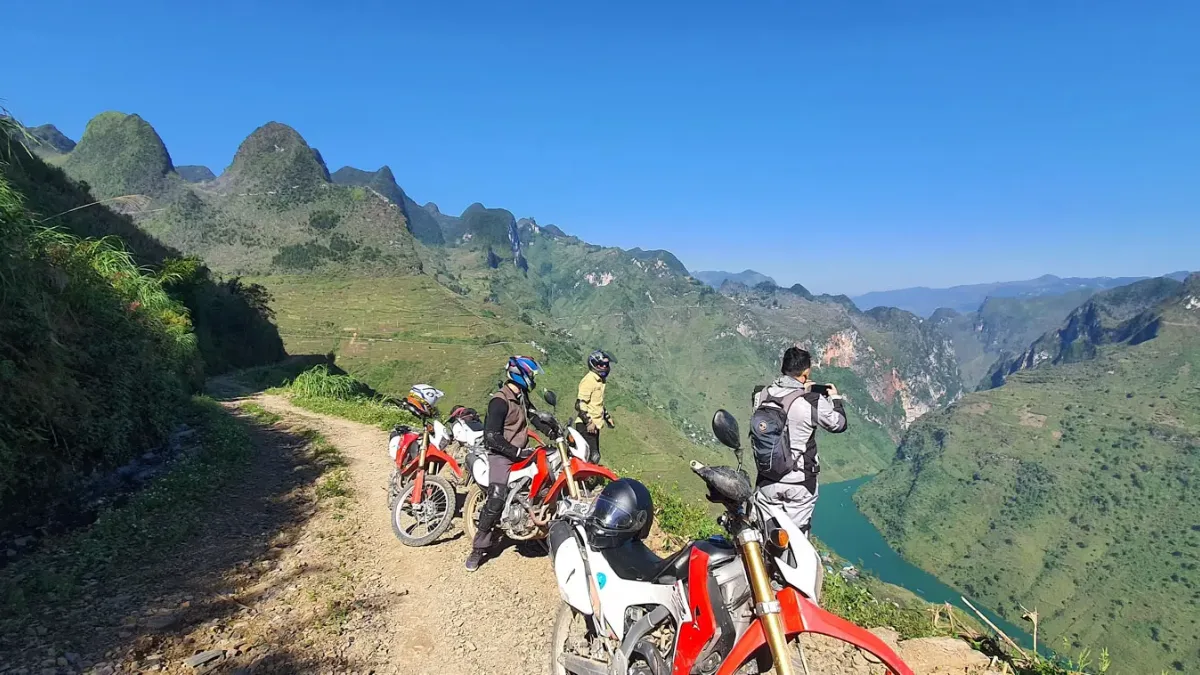
18. Can foreigners ride a motorbike from Hanoi to Sapa?
Only with a valid licence and an International Driving Permit under the 1968 Convention. Riding without one can bring fines of several million VND and may void your travel insurance.
Related Posts

Sapa Travel Tips 2026: Weather, Best Time & What to Know

Sapa Trekking Guide 2026: Best Routes, Guides & Tips

Sapa Food Guide: Salmon Hotpot, Thang Co & Where to Eat

Rong May Glass Bridge: Tickets, Views & Is It Worth It?
Sapa Love Market: History, Saturday Show & What to Expect