Muong Hoa Valley: Sapa Rice Terraces & Ancient Carved Stones
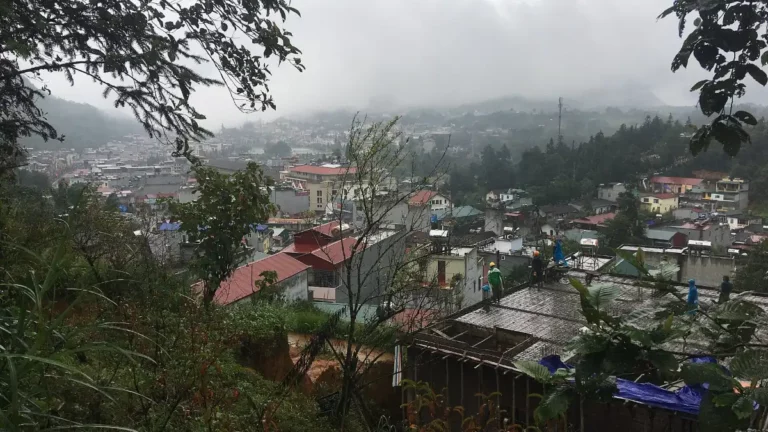
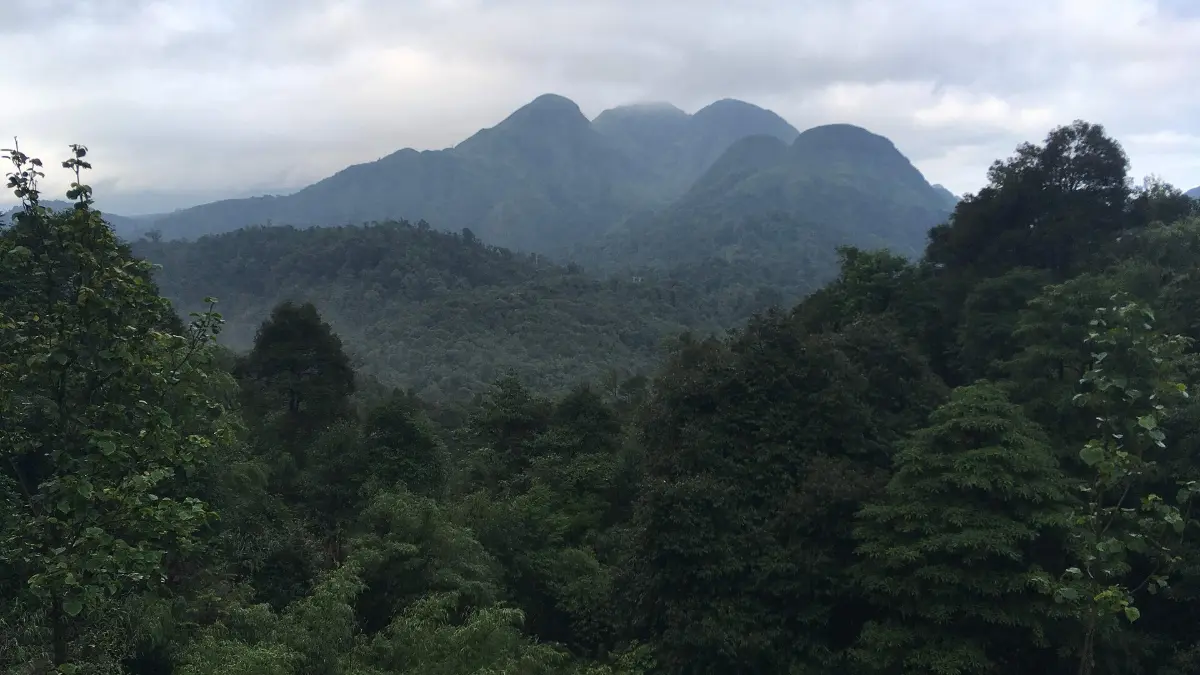
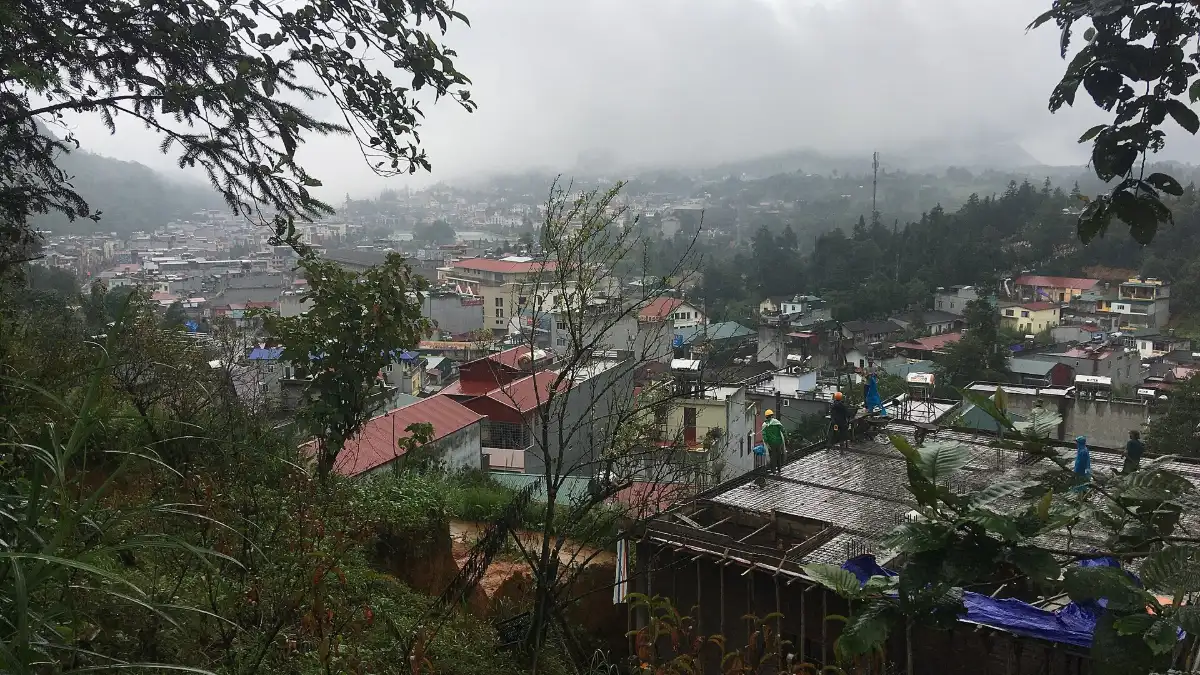
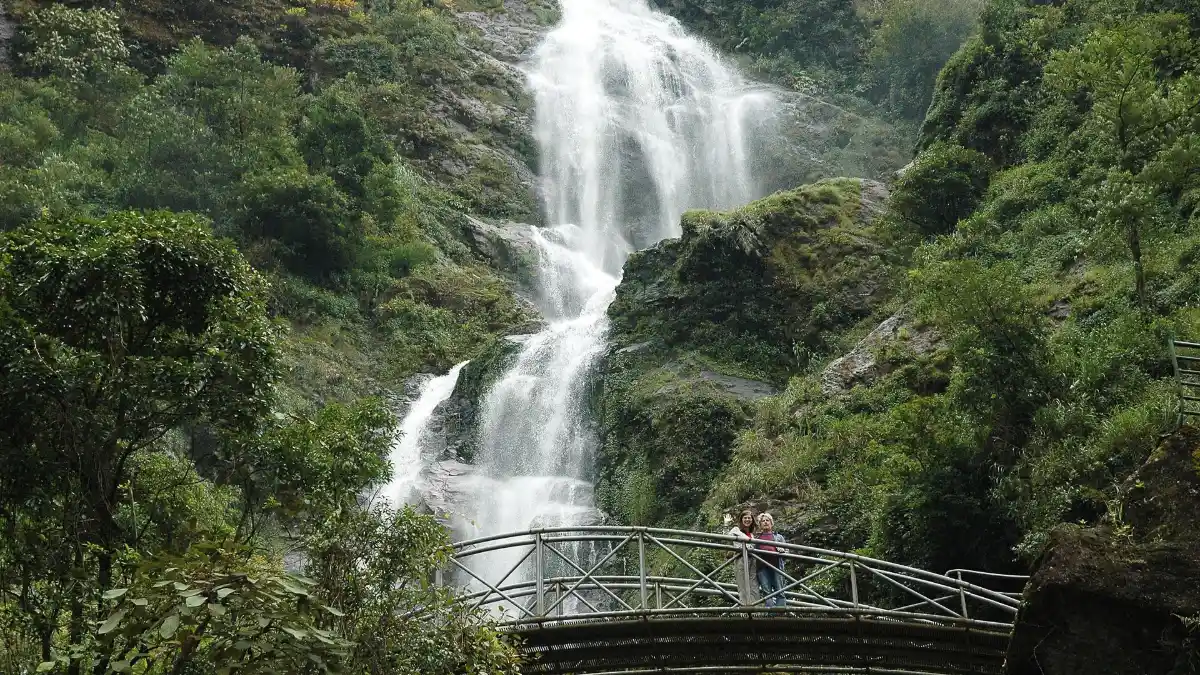
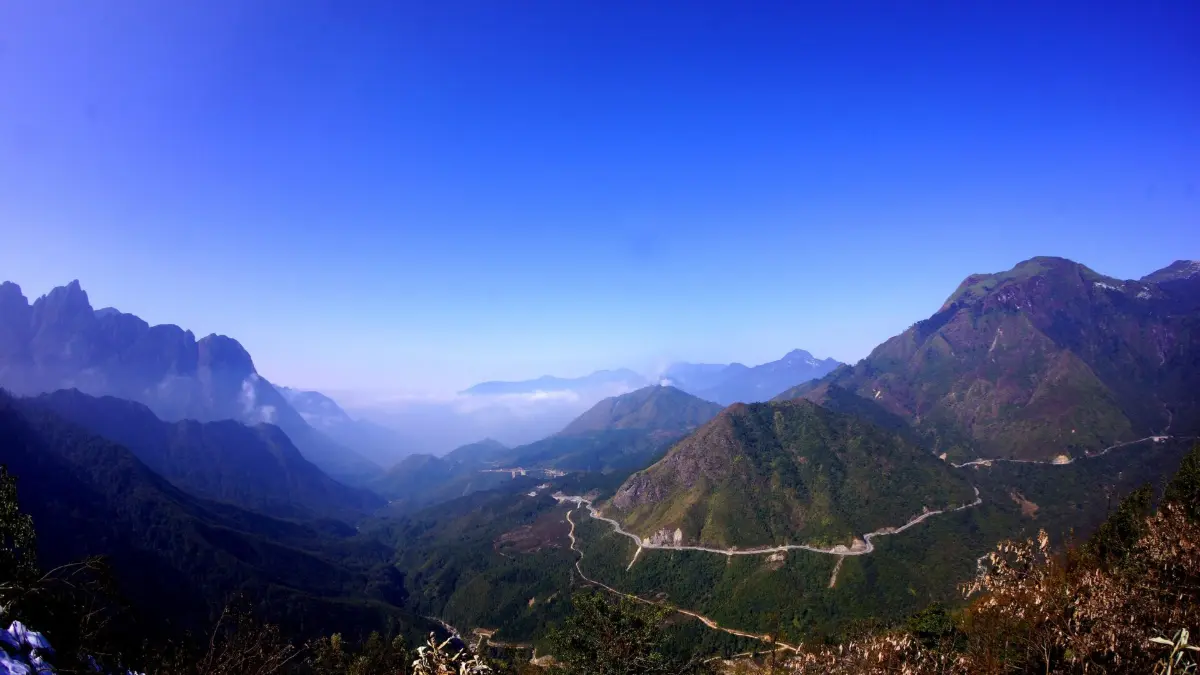
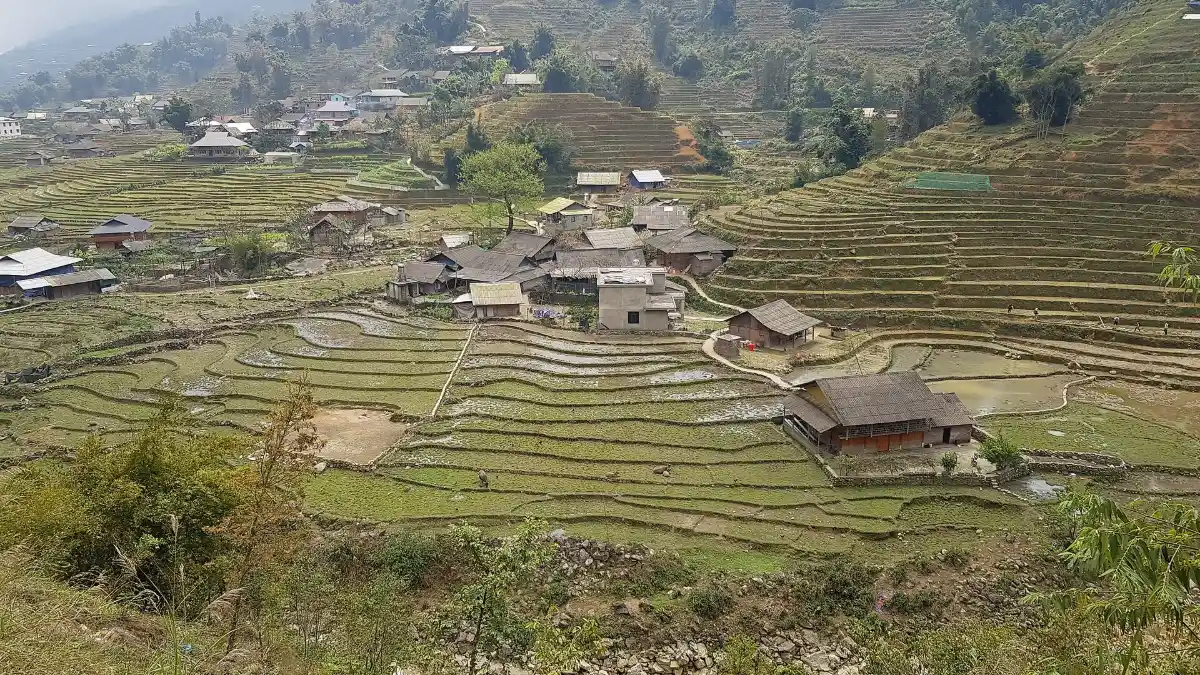
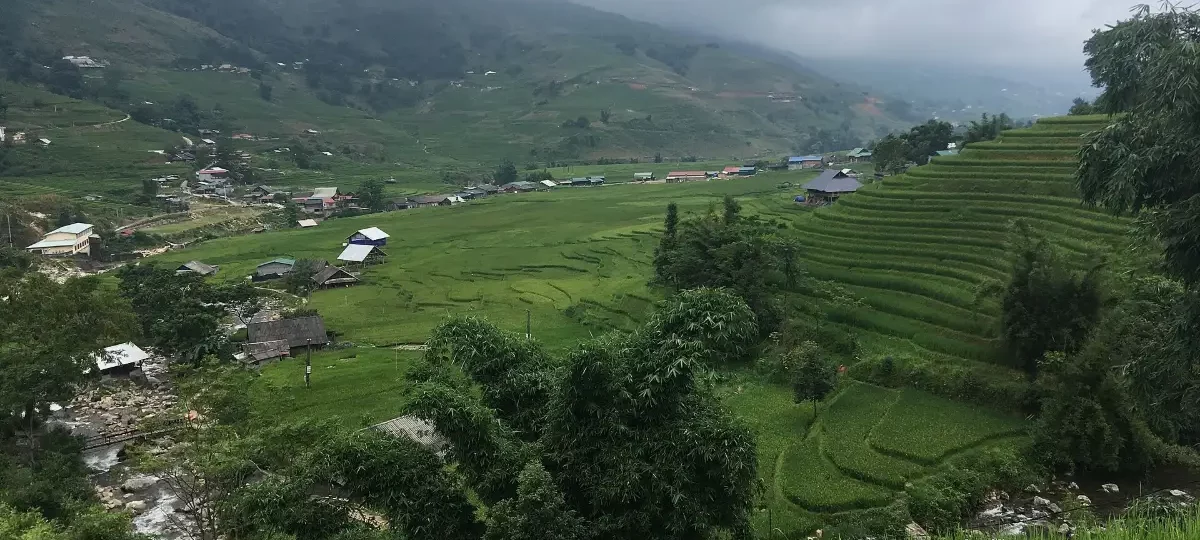
Muong Hoa Valley (Thung lũng Mường Hoa) is the terraced river valley that runs south-east from Sapa town along the Muong Hoa stream, home to H’Mong, Dao and Giay villages such as Lao Chai and Ta Van. It is Sapa’s classic trekking route, famous for rice terraces and an ancient carved-stone field; most visitors walk it in a day with a local guide.
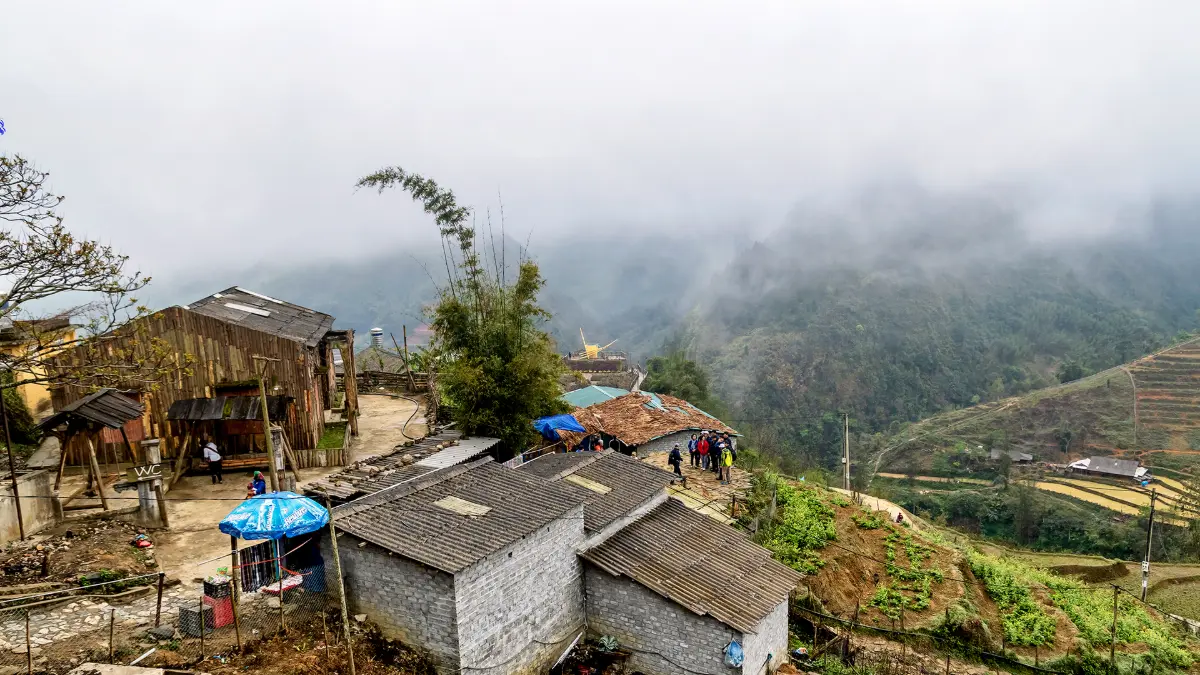
Status (checked October 2026): trails and villages are open as normal. By October most terraces have been harvested, so expect stubble and drying fields rather than golden rice (the next water-filled season is May–June). Since July 2025 most of the valley lies in Ta Van commune (merging the former Ta Van, Muong Hoa and Hoang Lien communes) of the enlarged Lao Cai province. A small village fee may be collected at checkpoints; guided treks usually include it.
Why Muong Hoa Valley is worth seeing:
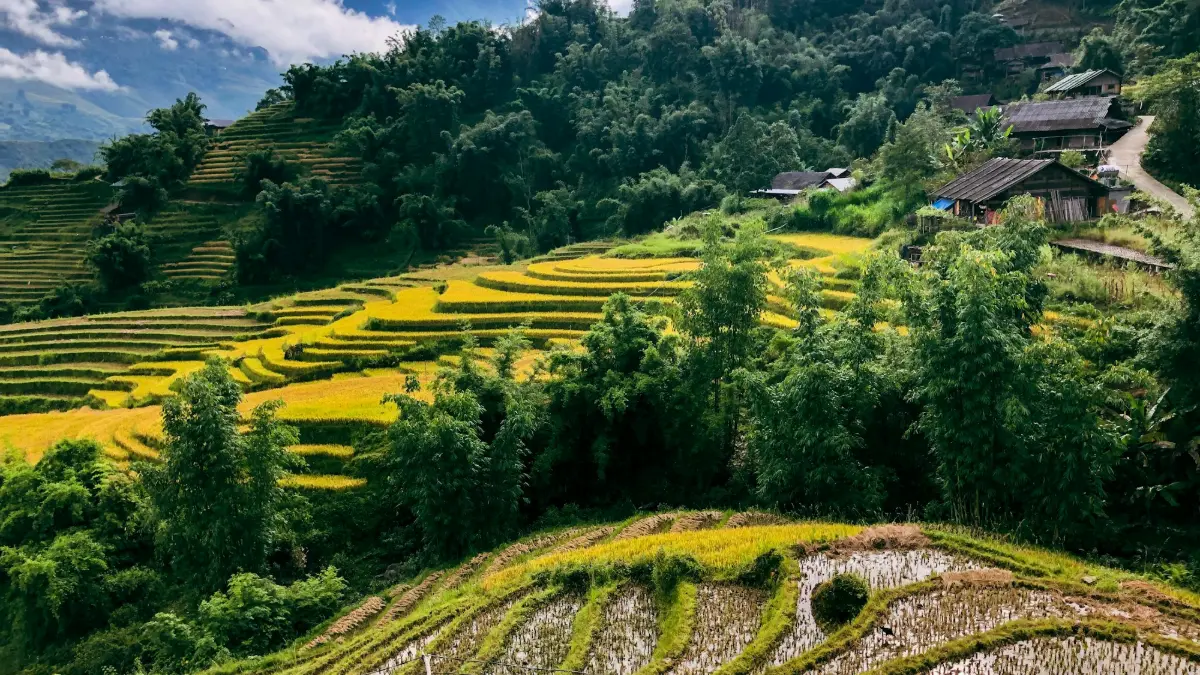
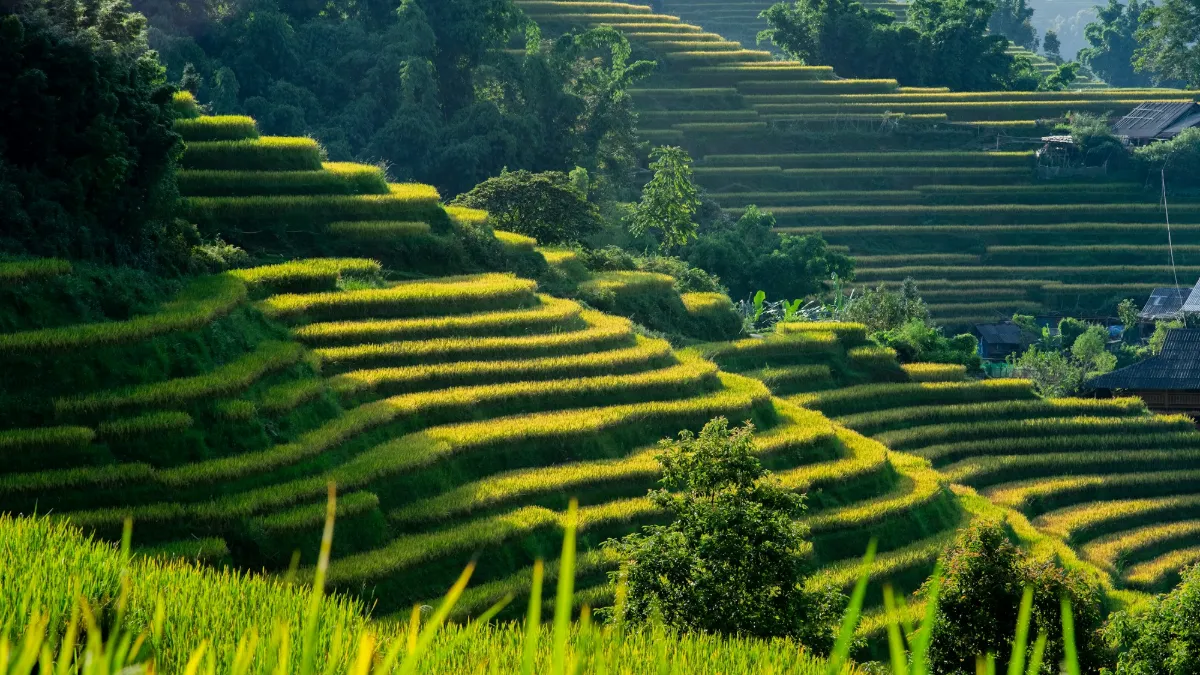
- Sapa’s most famous terraces: layer upon layer of rice fields carved into the valley sides.
- Village life on foot: Black H’Mong, Red Dao and Giay communities living and farming along the trail.
- A mystery in stone: the Sa Pa ancient stone field, with around 200 boulders bearing carvings, a national relic since 1994.
- Easy to reach: the trail starts a few kilometres from Sapa town.
- Homestay country: Ta Van and nearby villages offer simple overnight stays with local families.
Muong Hoa Valley at a Glance
| Vietnamese name | Thung lũng Mường Hoa (Mường Hoa Valley); stream: Suối Mường Hoa |
|---|---|
| Location | South-east of Sapa town, mainly in Ta Van commune, Lao Cai province (after the July 2025 merger) |
| Distance | Lao Chai is about 7–8 km and Ta Van about 9–10 km from Sapa town centre |
| Known for | Rice terraces, trekking, ethnic villages, homestays, ancient carved stones |
| Recognition | Sa Pa ancient stone field: national historical relic (1994); Sa Pa rice terraces: national scenic relic |
| Opening hours | Open landscape, best walked in daylight |
| Entrance fee | No valley ticket; a small village fee may be collected at checkpoints (historically about 75,000 VND per adult) |
| Time needed | 4–6 hours for the Lao Chai–Ta Van trek; 2 days with a homestay |
| Best time | Mid-May–June (water-filled terraces) and late August–September (golden rice) |
| Nearby | Lao Chai, Ta Van, Cat Cat, Fansipan, Ham Rong Mountain |
| Find it | Google Maps · Tripadvisor · Sa Pa (Wikipedia) |
Is Muong Hoa Valley Worth Visiting?
Yes, it is the heart of the Sapa experience. If you only do one thing in Sapa besides Fansipan, walk part of the Muong Hoa Valley. The scenery changes with the rice calendar, but the villages, the views of the Hoang Lien Son range and the walking are rewarding in any month with dry weather.
- Best for: walkers, photographers, families with older children, anyone interested in ethnic minority culture.
- Skip if: you cannot walk on uneven, muddy paths; take a car to a valley viewpoint instead.
- Short on time: walk Sapa–Lao Chai–Ta Van in a morning and take a car back to town.
History and Background of Muong Hoa Valley
Rice terraces shaped over generations
The valley’s terraces were built by hand by H’Mong, Dao and Giay farmers who settled the Hoang Lien Son highlands over centuries, levelling the slopes into flooded paddies fed by mountain streams. The terraced fields of Sa Pa are now recognised as a national scenic relic.
The Sa Pa ancient stone field
Scattered across the valley floor around Lao Chai, Ta Van and Hau Thao lie roughly 200 boulders covered in carved lines, spirals, figures and patterns, over an area of several square kilometres. The first carved stone was documented in 1925, and the field was ranked a national historical relic in 1994. Researchers, including the French historian Philippe Le Failler, who recorded 185 stones, have studied the carvings, but who made them and when remains uncertain.
Villages of the valley
Lao Chai is mostly Black H’Mong; Ta Van is largely Giay with H’Mong and Dao neighbours; Giang Ta Chai is a Red Dao village; further down the valley lie Hau Thao, Su Pan and, at the end, Ban Ho, home to Tay families. Read more in our Lao Chai and Ta Van villages guide.
What to See in Muong Hoa Valley
1. The terraces above Lao Chai
The descent from the Sapa road into Lao Chai gives the classic panorama of terraces stepping down to the Muong Hoa stream.
2. Lao Chai village
A Black H’Mong village spread along the valley side, known for indigo-dyed hemp clothing and weaving.
3. Ta Van village and homestays
Ta Van, on the far side of the stream, is the most popular homestay village, with simple guesthouses, cafés and views across the terraces.
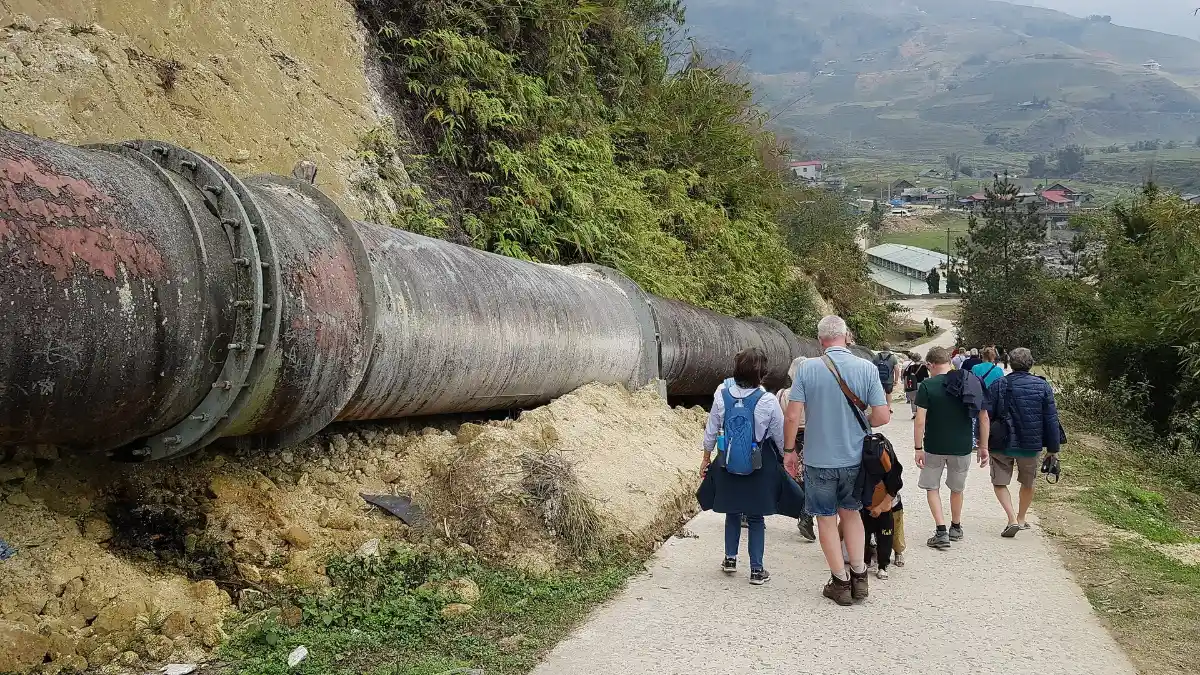
4. The ancient carved-stone field
Between Lao Chai and Ta Van, look for the large boulders with carved motifs beside the road and fields; a guide can point out the best-preserved stones.
5. Muong Hoa stream and bridges
Suspension and concrete bridges cross the stream, giving good views up and down the valley.
6. Giang Ta Chai and the bamboo forest
A longer trek continues to the Red Dao village of Giang Ta Chai and through bamboo forest towards Su Pan.
7. Valley views from above
If you prefer not to walk, viewpoints along the road from Sapa to Lao Chai and the Muong Hoa mountain train between Sapa town and the Fansipan cable car station give elevated views over the upper valley.
Muong Hoa Valley Fees (2026)
| Item | Price | Notes |
|---|---|---|
| Valley access | Free | Open landscape and public roads |
| Village sightseeing fee | Small fee, historically about 75,000 VND per adult | Collected at checkpoints when it applies; usually included in guided treks |
| Local trekking guide | Varies | Recommended; many guides are women from the valley villages |
| Homestay | Varies by house | Book through a guide or agency in high season |
Local fees are set by the commune and can change; your guide will confirm what applies on the day.
How to Trek Muong Hoa Valley, Step by Step
- Start from Sapa town in the morning with a local guide (or take a car to the Lao Chai trailhead).
- Walk down through the terraces to Lao Chai (about 2–3 hours from town on foot).
- Follow the valley past the carved stones to Ta Van for lunch.
- Either return to Sapa by car or continue to Giang Ta Chai and stay overnight in a homestay.
- On day two, walk on towards Su Pan or Ban Ho before driving back.
Rules and etiquette
- Walk on paths and dykes, never through planted rice.
- Ask before photographing people, especially children, and do not hand out sweets.
- Buy crafts directly from makers when you can, and agree prices politely.
- Dress modestly in villages and take your rubbish back to town.
How to Get to Muong Hoa Valley
| From | How | Time |
|---|---|---|
| Sapa town centre | On foot with a guide via Lao Chai | 2–3 hours to Lao Chai |
| Sapa town centre | Taxi or private car to Lao Chai or Ta Van | 20–30 minutes |
| Sapa town centre | Motorbike with a local driver | About 20 minutes |
| Hanoi | Bus, limousine or train to Sapa (see Hanoi to Sapa) | About 5.5–6 hours to Sapa |
Best Time to Visit Muong Hoa Valley
| When | What to expect |
|---|---|
| Mid-May–June | Water poured into the terraces, mirror reflections, planting |
| July–August | Bright green rice; rainy, muddy trails |
| Late August–September | Golden rice and harvest, the most photographed season |
| October–November | Harvested fields, dry trails, clear skies, good trekking |
| December–February | Cold, often foggy; bare terraces, peach blossom from late January |
| March–April | Mild weather, terraces being prepared, good walking |
Local Expert Tips for Muong Hoa Valley
These tips come from years of arranging Sapa tours for international travellers.
- Hire a licensed local guide: paths split constantly and change after landslides.
- Wear proper walking shoes; after rain the clay paths are very slippery.
- Plan golden-rice trips for the first half of September; harvest timing varies by a week or two each year.
- Stay one night in Ta Van to see the valley at dawn without day-trippers.
- Carry small cash for drinks, crafts and any village fee.
- Our Sapa trekking guide lists longer routes and difficulty levels.
Muong Hoa Valley vs Ta Phin Village
| Muong Hoa Valley | Ta Phin Village | |
|---|---|---|
| Scenery | Big terraced valley, mountain views | Gentler hills and smaller terraces |
| Culture | Black H’Mong, Giay, Red Dao villages | Mainly Red Dao, herbal baths |
| Crowds | Busy on the main trail | Quieter |
| Distance from Sapa | 7–10 km | About 12–15 km |
| Highlights | Ancient carved stones, homestays | Red Dao herbal bath, embroidery |
Our view: first-time visitors should walk Muong Hoa for the classic terrace scenery; add Ta Phin on a second day for Red Dao culture and a quieter feel.
Nearby Attractions
- Lao Chai and Ta Van villages – the main villages on the valley trail.
- Cat Cat Village – H’Mong village just below Sapa town.
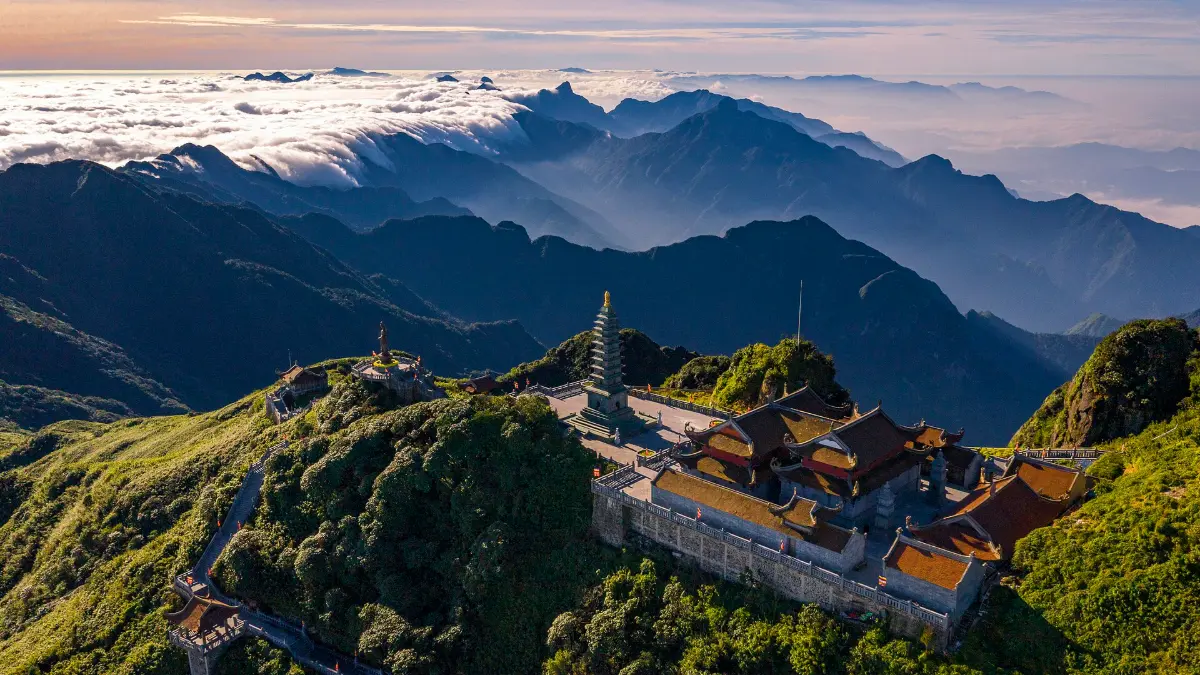
- Fansipan Mountain – the cable car crosses the upper Muong Hoa Valley.
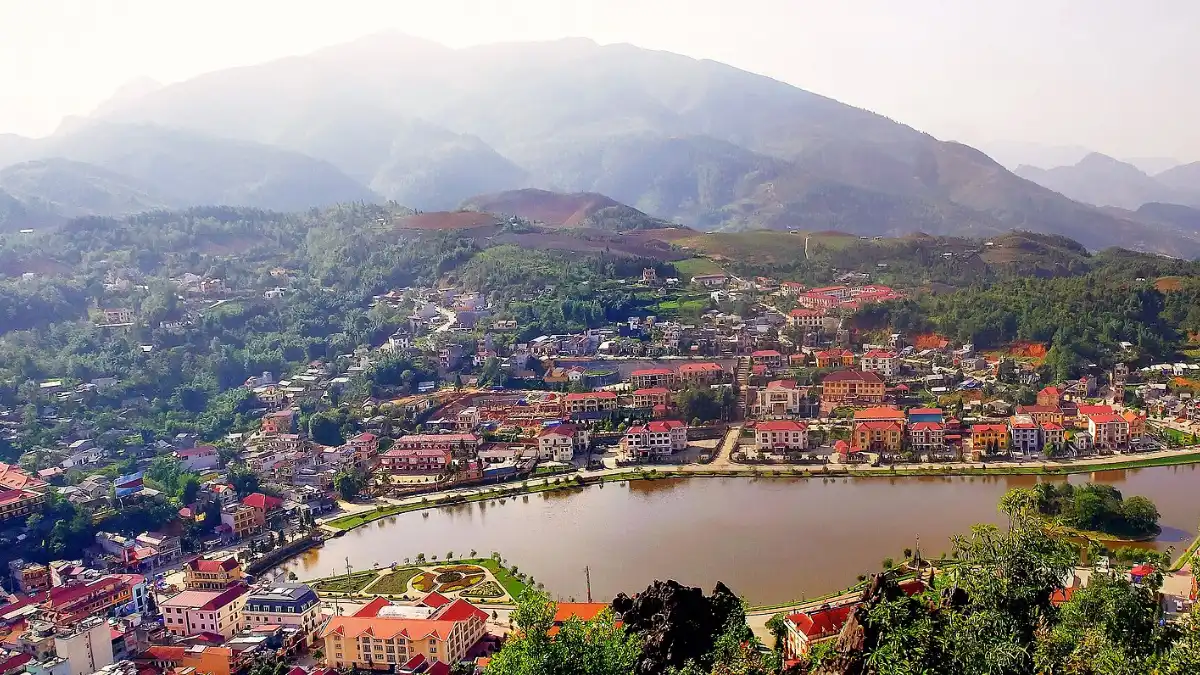
- Ham Rong Mountain – views over Sapa town.
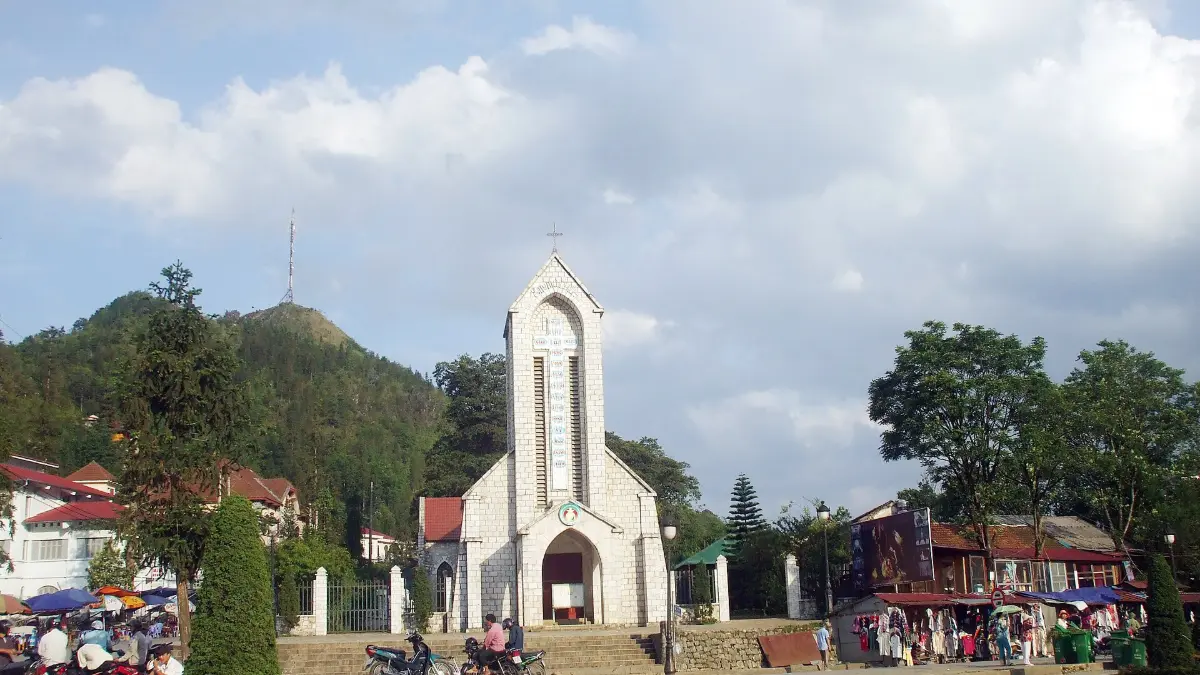
- Sapa Stone Church – the starting point for many treks.
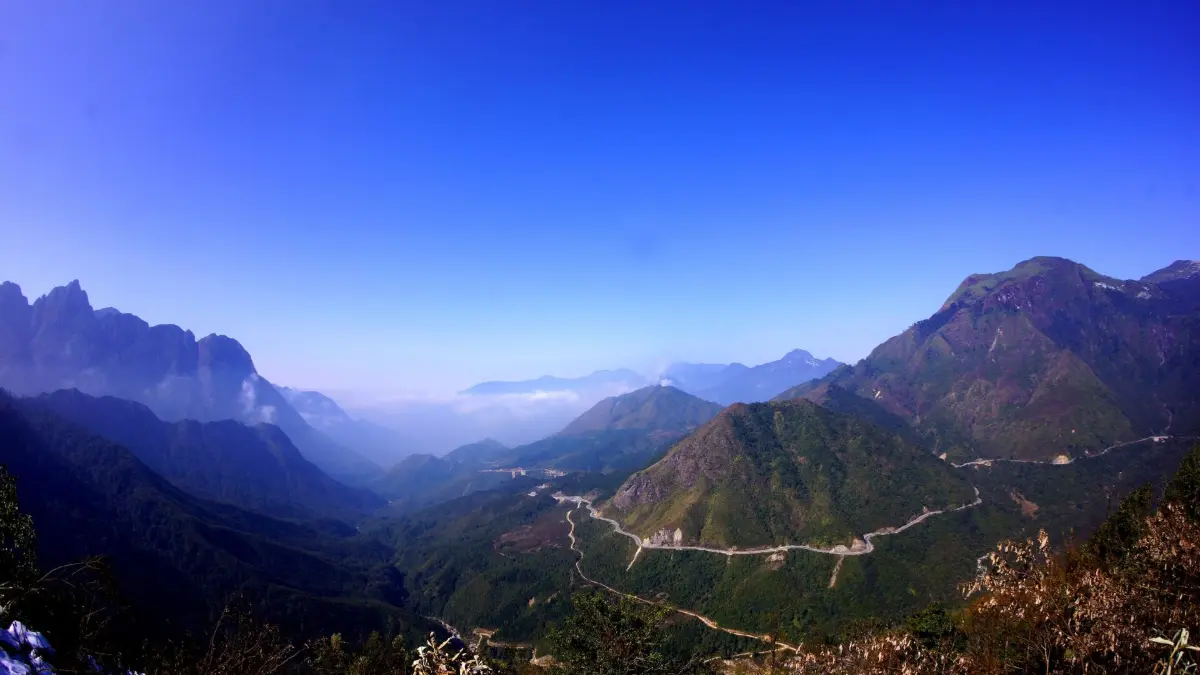
- O Quy Ho Pass – mountain road and sunset viewpoint.
Sightseeing in Sapa for First-Time Visitors: Where Muong Hoa Valley Fits
Day one: trek Muong Hoa Valley and sleep in Ta Van. Day two: return to town and ride the Fansipan cable car, then drive to Tram Ton Pass for sunset. Saturday evening: join the Sapa Love Market performance in the square. Taste local dishes from our Sapa food guide and read our Sapa travel tips before packing.
Plan your trip with our Sapa travel guide and Sapa tours. Contact Vietnam Tour Expert Team for a free custom itinerary.
Frequently Asked Questions about Muong Hoa Valley
1. Where is Muong Hoa Valley?
Muong Hoa Valley runs south-east from Sapa town along the Muong Hoa stream, mainly in Ta Van commune, Lao Cai province.
2. How far is Muong Hoa Valley from Sapa?
The upper Muong Hoa Valley starts a few kilometres from town; Lao Chai is about 7–8 km and Ta Van about 9–10 km from Sapa centre.
3. Is there an entrance fee for Muong Hoa Valley?
There is no valley ticket for Muong Hoa Valley, but a small village fee may be collected at checkpoints; guided treks usually include it.
4. When is the best time to visit Muong Hoa Valley?
Muong Hoa Valley is most photogenic in mid-May–June when terraces fill with water and in late August–September when the rice turns gold.
5. When is the rice golden in Muong Hoa Valley?
The rice in Muong Hoa Valley usually ripens from late August to mid-September, with harvest finishing by early October.
6. How long is the Muong Hoa Valley trek?
The classic Sapa–Lao Chai–Ta Van trek through Muong Hoa Valley is roughly 10–12 km and takes 4–6 hours.
7. Do I need a guide to trek Muong Hoa Valley?
A local guide is strongly recommended in Muong Hoa Valley because paths branch often and change after landslides; guides also explain village life.
8. What are the ancient stones in Muong Hoa Valley?
The Sa Pa ancient stone field in Muong Hoa Valley has about 200 carved boulders of uncertain origin and has been a national relic since 1994.
9. Which villages are in Muong Hoa Valley?
Muong Hoa Valley villages include Lao Chai, Ta Van, Hau Thao, Giang Ta Chai, Su Pan and Ban Ho; see our Lao Chai and Ta Van guide.
10. Can I stay overnight in Muong Hoa Valley?
Yes, Ta Van and other Muong Hoa Valley villages have homestays with simple rooms and family meals.
11. Is Muong Hoa Valley trekking difficult?
The main Muong Hoa Valley trek is moderate, with downhill sections on clay paths that become slippery after rain.
12. Can I visit Muong Hoa Valley without trekking?
Yes, a car can take you to Lao Chai and Ta Van, and road viewpoints and the Muong Hoa mountain train give views over the upper valley.
13. Which ethnic groups live in Muong Hoa Valley?
Muong Hoa Valley is home mainly to Black H’Mong, Giay and Red Dao people, with Tay families further down at Ban Ho.
14. Is Muong Hoa Valley worth visiting in October?
In October most rice in Muong Hoa Valley has been harvested, but clear skies and dry trails make it one of the best months for trekking.
15. Can I see Muong Hoa Valley from the Fansipan cable car?
Yes, the Fansipan cable car passes high above the upper Muong Hoa Valley, giving aerial views of its terraces on clear days.
16. What should I wear to trek Muong Hoa Valley?
For Muong Hoa Valley wear walking shoes with good grip, layers and a rain jacket, and carry water and sun protection.
17. Is Muong Hoa Valley suitable for children?
Children who walk regularly can manage shorter Muong Hoa Valley sections, such as Lao Chai to Ta Van, with a car for the rest.
Related Posts
Sapa Travel Tips 2026: Weather, Best Time & What to Know
Sapa Trekking Guide 2026: Best Routes, Guides & Tips
Sapa Food Guide: Salmon Hotpot, Thang Co & Where to Eat
Hanoi to Sapa 2026: Bus, Train, Private Car & Travel Times
Rong May Glass Bridge: Tickets, Views & Is It Worth It?