Vietnam SIM Card & eSIM 2026: Best Travel SIM, Data Plans & Prices
 By Jimmy Nguyen, Founder & Director of Asia Travel Expert Co., Ltd.
The best Vietnam travel SIM for most visitors is a local Viettel, VinaPhone or MobiFone SIM card or eSIM. A month of data on a regular carrier pack costs only about 135,000–150,000 VND (around US$5–6), and tourist SIM bundles at the airport cost a little more. A data-only eSIM is the easiest choice if you just need internet. Choose a SIM with a Vietnamese phone number if you want calls, SMS codes or Zalo. Physical SIMs must be registered with your own passport and a live face photo, and pocket Wi-Fi is rarely needed.
Status (checked November 2026): Every Vietnamese SIM and eSIM must be registered to its real user. Circular 08/2026/TT-BKHCN took effect on 15 April 2026 and added face verification to new registrations. Visitors register with a valid passport at an official carrier point, and staff take a live photo of your face. From 15 June 2026, moving a SIM into a different phone can suspend outgoing calls and SMS until you verify your face again. 2G was switched off on 15 September 2026, so calls now need a phone that supports 4G voice (VoLTE). Commercial 5G is live on Viettel, VinaPhone and MobiFone and reaches about 90% of the population. Prices change often, so treat the figures below as a guide (prices checked November 2026; 26,000 VND = about US$1).
Quick answer – which option suits you:
- Most travellers (1–4 weeks): a local physical SIM or local eSIM from Viettel, VinaPhone or MobiFone. It’s the cheapest option, includes a Vietnamese number and gives the best coverage.
- Short trips or late-night arrivals: an international travel eSIM installed at home. It works the moment you land and needs no ID check in Vietnam, but it is data-only and costs more per GB.
- Business travellers who must keep one number: home roaming for calls and texts, plus a local eSIM for data.
- Groups and families sharing one connection: a local SIM with a large daily allowance and your phone’s hotspot. This usually works better than renting a pocket Wi-Fi.
- Trekkers in Sapa and Ha Giang: choose Viettel, the largest network with the widest rural coverage, and download offline maps.
Vietnam SIM Cards and eSIMs at a Glance
| Main networks | Viettel (largest), VinaPhone (VNPT), MobiFone; Vietnamobile is a smaller budget network |
|---|---|
| Typical cost | Regular 30-day 5G data packs about 135,000–150,000 VND (US$5–6); airport tourist bundles usually more |
| What to bring | Your original passport (valid for your visa or visa-free stay) and an unlocked phone |
| Registration | Compulsory, in your own name, with a live face photo (Circular 08/2026, effective 15 April 2026) |
| 5G | Commercial since October 2024 (Viettel), December 2024 (VinaPhone) and March 2025 (MobiFone); about 90–92% population coverage in 2026 |
| Mobile speed | Among the world’s ten fastest countries in Ookla’s mid-2026 index, with a median of just over 200 Mbps |
| Calls | 4G voice (VoLTE) needed since 2G was switched off on 15 September 2026 |
| Messaging | WhatsApp, Zalo, Messenger and Google services work normally; Telegram has been blocked by local networks since 2025 |
| Balance check | Dial *101# on Viettel, VinaPhone, MobiFone and Vietnamobile |
Do You Need a SIM Card in Vietnam?
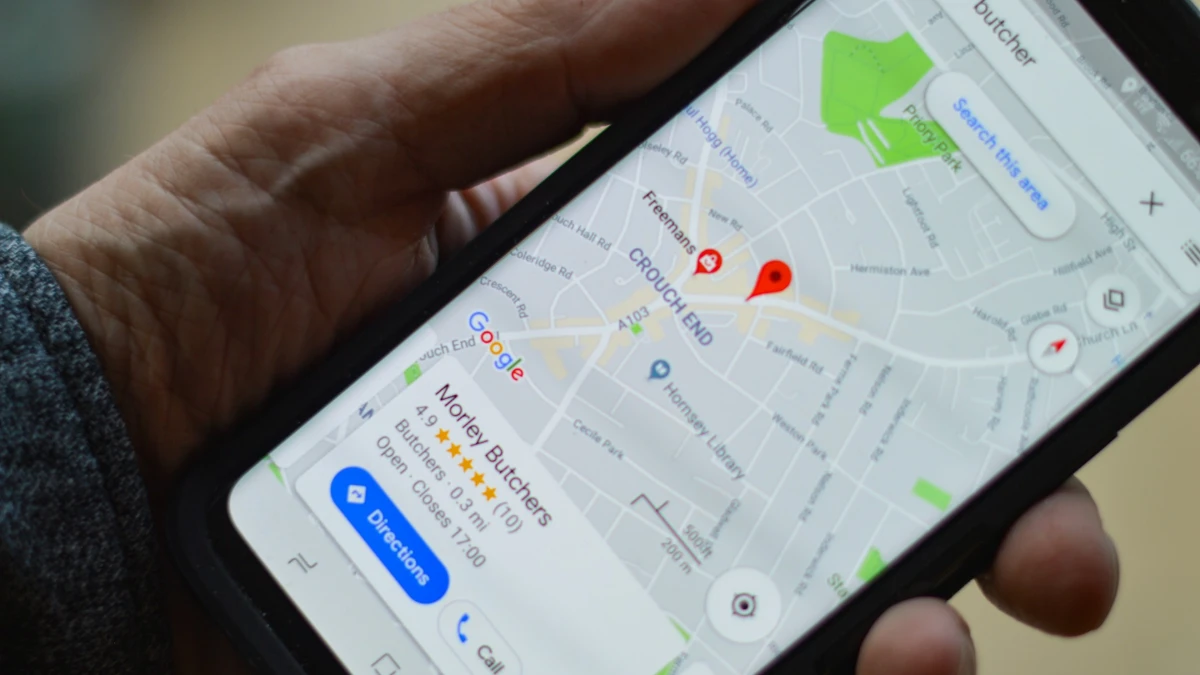
You can get by on Wi-Fi in hotels and cafés, but mobile data makes Vietnam much easier. You’ll use it to book Grab, follow Google Maps through Hanoi’s Old Quarter, translate menus and message your guide or hotel. A Vietnamese number also helps when a homestay or driver wants to call you back.
Your realistic choices are a local physical SIM, a local eSIM, an international travel eSIM or roaming on your home SIM. For most of our guests, a local SIM or eSIM is the best value. An international eSIM is a sensible backup for the first hours after landing, and roaming makes sense only for very short stays or when your plan already includes Vietnam.
Which Network Is Best in Vietnam?
All the networks cover the main tourist routes well with 4G. The real differences show up in remote mountains, on small islands and in 5G availability.
| Network | Position | Strengths for travellers | 5G (2026) |
|---|---|---|---|
| Viettel | Largest operator, with more than half of all mobile subscribers | Widest coverage in rural and mountain areas; the usual choice for Sapa, Ha Giang and remote provinces | First to launch, on 15 October 2024 (2.5–2.6 GHz, band n41); largest 5G footprint |
| VinaPhone (VNPT) | Second-largest group | Strong in cities and along main routes; good 5G speeds in independent tests | Launched 20 December 2024 in all provinces (3.7–3.8 GHz, band n78/n77) |
| MobiFone | Third major operator | Good city coverage; runs the Hi Vietnam eSIM service for international visitors | Commercial launch in March 2025, starting in big cities (3.8–3.9 GHz, band n77) |
| Vietnamobile | Smaller budget network | Low prices in big cities; thinner coverage in the countryside | Not a major 5G player; check before you buy |
Is 5G available in Vietnam?
Yes. Viettel started commercial 5G on 15 October 2024, VinaPhone followed on 20 December 2024 and MobiFone launched in March 2025. By 2026 the operators had built around 40,000 5G base stations, covering roughly 90–92% of the population, including the main cities and most provincial towns. Outside towns and in the mountains your phone will usually fall back to 4G, which is still fast enough for maps and video calls.
Will my phone work in Vietnam?
Almost any modern smartphone works. Vietnamese 4G mainly uses band 3 (1800 MHz), with bands 1 (2100 MHz) and 8 (900 MHz) as well. These bands are standard on European, Asian and Australian phones and on most US models. For 5G, Viettel uses band n41 and VinaPhone uses the 3.7–3.8 GHz range (n78/n77). MobiFone’s 3.8–3.9 GHz block is covered by band n77, so a phone that supports only n78 may not get 5G on MobiFone. Your phone also needs to be unlocked. On an iPhone, go to Settings > General > About and look for “No SIM restrictions” next to Network Provider Lock.
One change matters in 2026. Vietnam switched off 2G on 15 September 2026, so voice calls now travel over 4G (VoLTE). Recent iPhones, Samsung and Pixel phones are fine, but some older 4G phones still rely on 2G for calls, so data works and calls may not. If calls fail, switch on VoLTE or 4G calling in your mobile settings.
How fast is mobile internet in Vietnam?
Very fast in cities. Ookla’s Speedtest Global Index ranked Vietnam 10th in the world for median mobile download speed in July 2026 (about 206 Mbps) and 9th in August 2026 (about 220 Mbps). Speeds drop in rural valleys and on boats, but 4G is usually enough for maps and messaging.
Best Vietnam Travel SIM or eSIM for Your Trip
There is no single best Vietnam SIM card for everyone. Match the plan to your trip:
| Your trip | Best choice | Why |
|---|---|---|
| Up to 7 days, cities and beaches | Data-only eSIM for 5–7 days | Install it before you fly, and it works the moment you land |
| About 2 weeks, north to south | 15-day eSIM or SIM with 4–7 GB a day | Plenty for maps, Grab, video calls and a hotspot |
| 3–4 weeks or a longer stay | 30-day local SIM or eSIM | Cheapest per day, and easy to top up |
| Heavy use, remote work, hotspot | Unlimited-data plan | No need to watch your data (fair-use limits apply) |
| You need a Vietnamese phone number | SIM or eSIM with calls and SMS | Receive SMS codes, call hotels and drivers, use Zalo |
| Sa Pa, Ha Giang and rural areas | A plan on the Viettel network | The widest coverage in the mountains |
| Vietnam plus Cambodia, Laos or Thailand | Regional Asia eSIM | One eSIM across borders; Vietnamese SIMs roam at high rates |
Data SIM or SIM with a phone number?
A Vietnam data SIM (or data-only eSIM) gives you internet but no Vietnamese number. That is enough for WhatsApp, Google Maps, Grab and most apps. A SIM with a number lets you:
- receive SMS codes;
- call local businesses;
- register for Zalo, the messaging app most Vietnamese hotels, drivers and guides use.
Some data eSIMs can receive SMS and incoming calls but cannot make outgoing calls, so check the plan details before you buy.
Unlimited data SIM and eSIM in Vietnam
Unlimited-data plans are available on VinaPhone and through several resellers. “Unlimited” usually means full 4G or 5G speed up to a daily high-speed allowance, then a slower speed until the next day.
For most travellers, a plan with 4–7 GB a day works like an unlimited plan. As a guide:
- An hour of HD video streaming uses about 1–3 GB.
- An hour of video calling uses about 0.5–1.5 GB.
Travelling on to Cambodia, Laos or Thailand?
Vietnamese SIMs roam abroad at high rates. For a multi-country trip, use a regional Asia eSIM, or buy a local SIM in each country. If most of your trip is in Vietnam, a local Vietnam SIM plus a short regional eSIM for the other countries is usually the cheapest mix.
Need a Vietnam travel eSIM or SIM? Vietnam Tour Expert sells Viettel, VinaPhone and MobiFone travel eSIMs (QR code sent by email or WhatsApp) and pre-activated tourist SIM cards: 7 GB a day from US$8, unlimited data from US$9. See our Vietnam eSIM plans and prices.
Vietnam Tourist SIM and Data SIM Prices in 2026
Visitors can choose tourist bundles, sold mainly at airport counters (a SIM plus data, sometimes calls, for 7–30 days), or the regular prepaid data packs Vietnamese customers use. Regular packs bought in a carrier store in town are often the better deal.
| Example plan | Network | Data | Validity | Price (approx.) |
|---|---|---|---|---|
| 5G30 data pack | VinaPhone | 7 GB per day | 3 days | 30,000 VND (≈US$1.15) |
| 5G70 data pack | VinaPhone | 8 GB per day | 7 days | 70,000 VND (≈US$2.70) |
| 5G135 data pack | Viettel | 4 GB per day | 30 days | 135,000 VND (≈US$5.20) |
| 5G150 data pack | VinaPhone | 7 GB per day | 30 days | 150,000 VND (≈US$5.80) |
| New prepaid eSIM subscription | MobiFone | Add any data pack | Number stays active while topped up | 100,000 VND (≈US$3.85) before the data pack |
| Airport tourist SIM bundle | All main networks | Daily data, sometimes with call minutes | 7–30 days | Commonly 150,000–350,000 VND (US$6–13.50) |
A few points to note:
- Once the daily high-speed allowance runs out, most packs stop data or slow it down until midnight. Daily allowances of 4–8 GB are far more than most travellers use.
- Many packs auto-renew when they expire if you have enough credit. To cancel a Viettel pack, send HUY plus the pack name (for example HUY 5G135) to 191. On other networks, ask store staff to switch auto-renewal off.
- Packs that include calls usually cover calls within Vietnam. International calls are charged separately, so use WhatsApp or Zalo calls over data instead.
- MobiFone’s Hi Vietnam service for international visitors sells packages from 3 to 30 days through its app. Check the current offer at a MobiFone counter or on MobiFone’s eSIM page.
- VinaPhone publishes its current packs on vnpt.vn, and Viettel’s are on viettel.vn. Both sites are mainly in Vietnamese, so ask store staff to recommend a pack.
Where Can You Buy a SIM Card in Vietnam?
At the airport
The quickest place is the arrivals hall at the international airports: Noi Bai (HAN) in Hanoi, Tan Son Nhat (SGN) in Ho Chi Minh City, Da Nang (DAD), Cam Ranh (CXR) near Nha Trang and Phu Quoc (PQC). Counters sit just after baggage reclaim, and staff usually speak some English and set the SIM up for you. Airport bundles cost more than city prices, but the convenience is often worth a few dollars. On a very late or very early flight a counter may be closed or busy, so keep an international eSIM or the hotel’s Wi-Fi as a backup.
In town
- Official carrier stores (Viettel, VinaPhone/VNPT, MobiFone) in every city and provincial town. They have standard prices, full registration and can also issue eSIMs. Hours are usually daytime and early evening, with some closing for lunch.
- Authorised phone chains such as The Gioi Di Dong and FPT Shop. MobiFone lists both as dealers for new subscriptions, including eSIM.
- Avoid unofficial street sellers. Any SIM must now be registered to you personally. A SIM registered in someone else’s name, or not properly verified, can be suspended at any time.
What Do You Need to Register a SIM in Vietnam in 2026?
Vietnam has required real-name SIM registration for years. Decree 163/2024/ND-CP sets out the documents and checks, and the Ministry of Science and Technology’s Circular 08/2026/TT-BKHCN, in force since 15 April 2026, adds face verification. For a foreign visitor this means:
- Bring your original passport. It must be valid for your stay, either under your visa or within your visa-free period. Photocopies, phone photos and other people’s passports are not accepted.
- Your face is checked. Staff scan your passport and take a live photo (sometimes a short video) of your face. Under the circular, the carrier verifies your passport number, full name, date of birth and face, against the immigration database where possible. Where that check can’t be done electronically, extra steps apply, such as a video check and a one-time code for any second SIM.
- Register the SIM in the phone you will use. Since 15 June 2026, carriers must detect when a SIM moves to a different device. Outgoing calls and SMS are then suspended within two hours until you verify your face again. Ask staff to insert and activate the SIM in your own phone, and avoid swapping it between phones during your trip.
- Allow 10–20 minutes at a counter, longer if there is a queue.
Vietnam is enforcing these rules firmly. In August 2026 carriers suspended or reclaimed about 13 million numbers whose owners had not completed verification. A SIM bought at an official counter with your own passport is properly registered, so you have nothing to worry about.
Local eSIM or International Travel eSIM?
An eSIM is a digital SIM built into your phone. You install it by scanning a QR code or tapping a link instead of inserting a card. Most iPhones from the XS and XR onwards support eSIM, as do recent Samsung Galaxy, Google Pixel and many other Android phones. Some recent iPhones sold in the US and a few other countries have no SIM tray at all. On those phones an eSIM is your only option for a local plan.
| Feature | Local carrier eSIM | International travel eSIM |
|---|---|---|
| Vietnamese phone number | Yes | Usually no (data only) |
| ID check | Passport and face verification at a carrier point or in the carrier’s app | None in Vietnam |
| When to buy | After arrival, at a store or counter | Before you fly, online |
| Price per GB | Very low | Higher, especially for large allowances |
| Data roaming setting | Not needed | Usually must be switched on for that line |
| Best for | Stays of a week or more, people who need a local number | Short stays, late arrivals, connecting the moment you land |
Check your phone first
- eSIM support: on many phones, dialling *#06# shows an EID number if eSIM is supported. On Samsung it is also under Settings > About phone > Status.
- Unlocked: a phone locked to your home carrier will reject Vietnamese SIMs and eSIMs. Ask your carrier to unlock it before you travel.
- Space for two lines: iPhones and most recent Android phones can run two lines at once (physical SIM plus eSIM, or two eSIMs). Your home number can stay active for bank codes while the Vietnamese line carries the data.
When does a travel eSIM start counting days?
It depends on the provider. Some start the clock when you install the eSIM, others when it first connects to a network in Vietnam. Read the terms before you buy. The safest approach is to install the eSIM at home on Wi-Fi a day or two before departure and leave that line switched off until you land.
How to Install an eSIM for Vietnam: Step by Step
Install over a stable Wi-Fi connection. Keep the QR code somewhere other than the phone you are scanning it with, for example on a laptop screen or a printout. Do not delete an eSIM you still need. Most QR codes can only be used once, and a deleted eSIM usually means asking the provider for a new one.
iPhone
- Check the phone is unlocked: Settings > General > About shows “No SIM restrictions”.
- Install the eSIM in one of three ways. You can scan the QR code with the Camera app and tap “Mobile Plan Detected”. On iOS 17.4 or later you can touch and hold a QR code in an email or web page and tap Add eSIM, or tap an installation link from the provider and then tap Allow. Otherwise, go to Settings > Mobile Data (Mobile Service on newer iOS versions) > Add Mobile Plan or Add eSIM, then use the QR code or tap Enter Details Manually and type in the SM-DP+ address and activation code.
- Tap Continue, then Add Mobile Plan, and enter a confirmation code if the provider gave you one.
- Label the lines clearly, for example “Home” and “Vietnam”.
- Choose your lines. Keep your home line as the default for calls and iMessage if you like, and set mobile data to the Vietnam line.
- Switch off Allow Mobile Data Switching so that your home line never uses data abroad.
- On arrival, turn on the Vietnam line. For an international travel eSIM, turn on Data Roaming for that line only and leave roaming off on your home line. With iOS 26 or later, your iPhone may offer a “Turn On Travel eSIM” prompt that does this for you.
Samsung Galaxy
- Go to Settings > Connections > SIM manager (SIM card manager on some versions).
- Tap Add mobile plan (Add eSIM on some versions), then choose Add using QR code and scan it, or Add using activation code and type in the details from your provider.
- Wait for the plan to download, then switch it on.
- In SIM manager, set Mobile data to the Vietnam line and leave calls and texts on your home SIM if you wish.
- For an international travel eSIM, switch on data roaming under Settings > Connections > Mobile networks > Data roaming.
Google Pixel
- Go to Settings > Network and internet > SIMs > Add SIM.
- Tap Set up an eSIM and follow the on-screen steps to scan the provider’s QR code.
- Once installed, open the new SIM, switch on Mobile data and, for a travel eSIM, Roaming.
- Under Network and internet > SIMs, set your preferences for calls, SMS and mobile data.
Other Android phones (Xiaomi, Oppo, Vivo and others)
Menus vary, but the eSIM option usually sits under Settings > Mobile network (or SIM cards and mobile networks) > eSIM or Add eSIM. Some models sold in parts of Asia have eSIM switched off or missing, so check the specifications for your exact model.
No signal? Try these steps
- Restart the phone, or switch Airplane mode on for 30 seconds and off again.
- Check that the Vietnam line is switched on and selected for mobile data.
- For an international travel eSIM, check that Data Roaming is on for that line.
- Turn off automatic network selection and choose Viettel, VinaPhone or MobiFone manually.
- Check the APN, which normally sets itself. If you’re asked for one, the commonly used APNs are v-internet (Viettel), m3-world (VinaPhone) and m-wap (MobiFone). Travel eSIM providers give their own APN.
- If nothing works, take the phone and your passport to a carrier store.
How to Set Up a Physical SIM in Vietnam
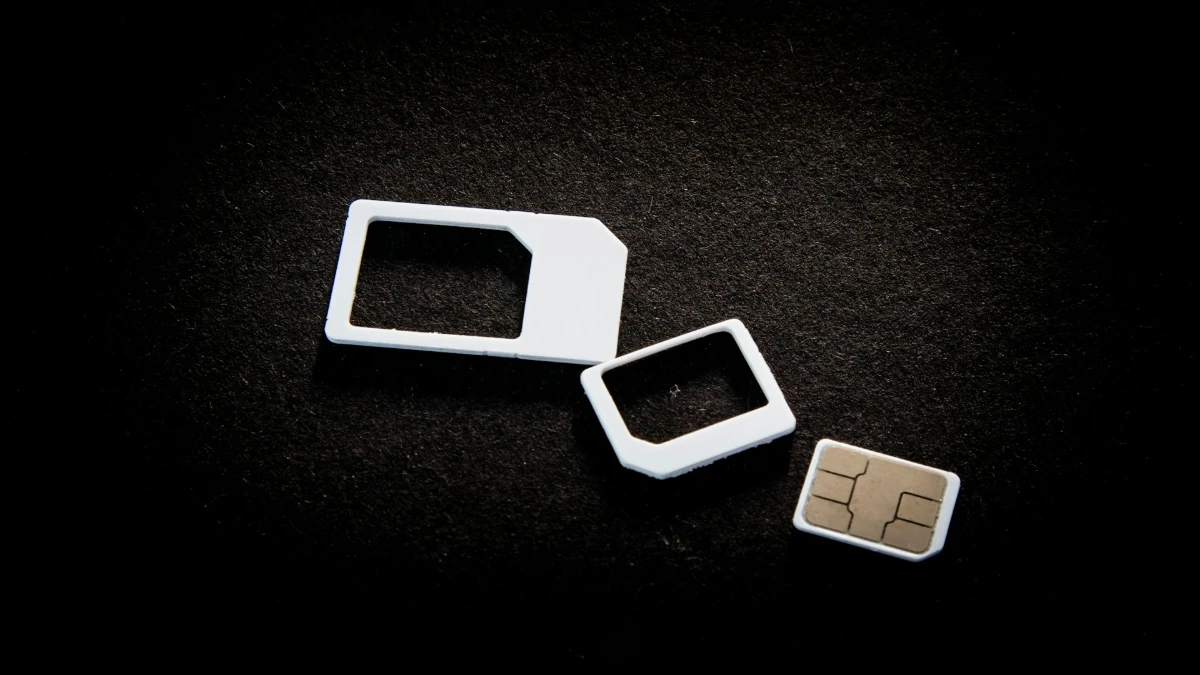
- Power the phone off and open the SIM tray with the ejector tool (a straightened paper clip also works). Vietnamese SIMs come pre-cut to nano size.
- Put your home SIM in a small labelled bag or a spare SIM holder and keep it with your passport. A lost home SIM can lock you out of your bank’s security codes.
- Insert the Vietnamese SIM, power on and wait for the network name to appear.
- Let staff complete registration and activate the data pack before you leave the counter. Then open a web page to check it works.
- Write down your new Vietnamese number. Staff can show it, or you can find it in your phone settings.
Checking your balance and topping up
- Balance: dial *101# and press call on Viettel, VinaPhone, MobiFone or Vietnamobile. On Viettel, sending KTTK to 191 shows the remaining data.
- Top-up cards: convenience stores and small shops showing a carrier’s logo sell scratch cards in set amounts. Ask the shop staff to load the card for you.
- Carrier apps: My Viettel, My VNPT and My MobiFone show your balance and packs. Some app payment options need a Vietnamese bank account, so a scratch card or a store visit is often simpler. Store staff can also add a new pack in a minute.
Calls, Messaging and Apps in Vietnam
- WhatsApp, Messenger, Instagram, Google Maps, Gmail and YouTube all work normally on Vietnamese networks, and you don’t need a VPN for everyday use.
- Zalo is Vietnam’s most-used messaging app. Many hotels, homestays, drivers and small businesses prefer it, so it’s worth installing. Registration needs a phone number, and a Vietnamese one works well.
- Telegram has been blocked by Vietnamese network operators since mid-2025 and may not work on local SIMs or Wi-Fi. Move important chats to WhatsApp before you travel.
- Grab (rides and food delivery) sends a one-time code by SMS when you sign up. Drivers often call or message, so a Vietnamese number makes pick-ups easier.
- Bank codes: keep your home line switched on with its mobile data off, so you still receive SMS codes from your bank. Your home carrier may charge for roaming texts.
- International calls from a Vietnamese SIM cost extra. WhatsApp, FaceTime or Zalo calls use only your data.

Wi-Fi in Vietnam
Almost every hotel, homestay, café and restaurant in Vietnamese towns offers free Wi-Fi, often with the password on the menu, and airports have free public Wi-Fi. City speeds are usually good enough for video calls. The exceptions are overnight cruises on Ha Long Bay and Lan Ha Bay, mountain homestays and sleeper trains, where Wi-Fi is often limited to public areas or slow. A mobile data plan is still your most reliable connection. Avoid entering banking details on open Wi-Fi.
Roaming or a Local SIM: What Does It Cost?
Home roaming is easy, but day passes can add up to many times the cost of a Vietnamese plan over a two-week trip. A local SIM or eSIM is usually the cheapest option for data. A travel eSIM sits in the middle.
| Trip length | Local SIM/eSIM (regular data pack) | Airport tourist bundle | International travel eSIM | Home roaming |
|---|---|---|---|---|
| 7 days | About 70,000–170,000 VND (US$3–7) including a new SIM | About 150,000–250,000 VND (US$6–10) | Roughly US$5–15, depending on data | Depends on your plan; daily passes add up quickly |
| 15 days | About 150,000–250,000 VND (US$6–10) | About 200,000–300,000 VND (US$8–12) | Roughly US$10–25 | Often the most expensive option |
| 30 days | About 150,000–250,000 VND (US$6–10) | About 250,000–350,000 VND (US$10–13.50) | Roughly US$15–40 | Rarely good value |
All prices are indicative and change often. A new SIM or eSIM may add a small fee, for example 100,000 VND for a new MobiFone eSIM subscription. For budgeting the rest of your trip, see our Vietnam travel cost guide and our advice on money in Vietnam.
Mobile Signal on Popular Vietnam Routes
- Hanoi, Ho Chi Minh City, Da Nang and Hoi An: excellent 4G and widespread 5G on all main networks.
- Sapa and Ha Giang: towns and main roads have 4G, but signal drops in deep valleys, on some mountain passes and in small villages. Viettel generally reaches furthest. Download offline maps and tell your guide or homestay your plans. See our Sapa travel guide.
- Ha Long Bay and Lan Ha Bay cruises: signal is good near the harbour and patchy among the karsts further out, and cruise Wi-Fi is often slow. Send important messages before boarding. More in our Ha Long Bay guide.
- Mekong Delta: good 4G in towns and along main roads; weaker on small canals.
- Phu Quoc: strong in Duong Dong and the main resort areas, weaker on boat trips to the southern islands. See our Phu Quoc travel tips.
- Long train journeys: coverage comes and goes through mountains and tunnels, so download films, maps and tickets beforehand.
- Border areas: your phone may briefly connect to a Chinese, Lao or Cambodian network. Select your Vietnamese network manually to avoid surprise roaming.
For planning routes and transport, see getting around Vietnam.
Airport Upsells, Lost Phones and Other Practical Tips
- Compare before you pay. Counters usually show printed price boards, and most travellers don’t need the largest package. A 30-day pack often costs only a little more than a 7-day one.
- Check that it works before you leave the counter, and avoid “no passport needed” SIMs, which may be registered to someone else and can be cut off.
- If your phone is lost or stolen, take your passport to your carrier’s store to block the SIM and, where possible, get a replacement on the same number. Report the theft to the local police if your insurer needs a report, and block your home SIM with your home carrier. Our guide to common scams in Vietnam covers other everyday precautions.
Leaving Vietnam: What Happens to Your SIM?
Prepaid Vietnamese numbers stay active only while you keep them topped up and in use. Once your pack and validity run out, the number is eventually suspended and returned to the carrier. If you visit regularly and want to keep the number, ask the carrier store how to extend validity. Delete an eSIM only once you are home, and switch your home line back on for mobile data.
Local Expert Tips
From more than ten years of looking after international travellers in Vietnam:
- If you land late at night, install an international travel eSIM before you fly so you can call your driver or a Grab car straight away. Then buy a local SIM or eSIM the next morning if you are staying longer.
- Save your guide’s and hotel’s numbers on WhatsApp and Zalo before the trip. Many Vietnamese drivers reply faster on Zalo.
- Download offline Google Maps for every region you are visiting, especially Sapa, Ha Giang and the Mekong Delta.
- Switch off mobile data and data roaming on your home line before take-off. This one step avoids most surprise bills.
- A daily 4 GB allowance is plenty for maps, messaging, photos and hotspotting a second phone. Video calls and streaming use more.
Plan Your Trip with Vietnam Tour Expert
Staying connected is one small part of a smooth journey. Our Vietnam travel guides cover visas, money, safety, etiquette and packing. Start with the Vietnam visa guide and Vietnam travel tips for first-timers. If you’d like advice on connectivity for your route, or help planning a private tour, our Hanoi-based team is happy to help. Contact Vietnam Tour Expert Team.
Frequently Asked Questions about SIM Cards and eSIMs in Vietnam
1. Do I need a SIM card in Vietnam?
It isn’t essential, but it makes travel in Vietnam much easier. Mobile data lets you book Grab, use maps, translate menus and contact your hotel or guide away from Wi-Fi. A local SIM or eSIM is the cheapest way to get it.
2. What is the best travel SIM card for Vietnam?
Viettel is the safest all-round choice because it has the widest coverage, especially in Sapa, Ha Giang and rural areas. VinaPhone and MobiFone are equally good in cities and along the main tourist routes. For short trips a data-only eSIM is the easiest choice; if you need a Vietnamese number, choose a SIM with calls and SMS.
3. How much is a SIM card in Vietnam?
Regular 30-day 5G data packs cost about 135,000–150,000 VND (around US$5–6), and airport tourist bundles commonly cost 150,000–350,000 VND (US$6–13.50). Prices were checked in November 2026 and change often.
4. Do I need a passport to buy a SIM card in Vietnam?
Yes. Every SIM in Vietnam must be registered to its user, so you need your original passport, valid for your visa or visa-free stay. Since 15 April 2026 staff also take a live photo of your face to verify it.
5. Can I buy a Vietnam SIM card at Hanoi airport at night?
Carrier counters at Noi Bai Airport usually serve the main international arrival times, but late-night or early-morning flights may find them closed or busy. Install an international travel eSIM before you fly as a backup, or buy a SIM in town the next day.
6. Is 5G available in Vietnam?
Yes. Viettel launched commercial 5G in October 2024, VinaPhone in December 2024 and MobiFone in March 2025, and 5G now covers about 90% of Vietnam’s population. You need a 5G phone that supports the carrier’s band, and your phone will fall back to 4G outside 5G areas.
7. Does a Vietnam eSIM come with a phone number?
A local eSIM from Viettel, VinaPhone or MobiFone includes a Vietnamese number and needs passport registration. Most international travel eSIMs for Vietnam are data only and come without a local number.
8. Should I buy a SIM or eSIM before travelling to Vietnam?
An international travel eSIM bought before you fly connects as soon as you land in Vietnam. A local SIM or eSIM bought on arrival is cheaper and includes a number. Many travellers use the first for arrival day and the second for the rest of the trip.
9. Does my phone need to be unlocked to use a Vietnamese SIM?
Yes. A phone locked to your home carrier will not accept a Vietnamese SIM or eSIM, so ask your carrier to unlock it before the trip. On an iPhone, Settings > General > About should show “No SIM restrictions”.
10. Will my phone work in Vietnam?
Most modern smartphones work, because Vietnamese 4G uses common bands, mainly band 3 (1800 MHz) plus bands 1 and 8. Since 2G was switched off in September 2026, your phone also needs 4G calling (VoLTE) for normal voice calls.
11. Can I use WhatsApp in Vietnam?
Yes. WhatsApp, Messenger, Instagram and Google services all work normally in Vietnam without a VPN. Telegram has been blocked by local networks since 2025, so move important chats elsewhere before you travel.
12. What is Zalo and do I need it in Vietnam?
Zalo is Vietnam’s most popular messaging app. Many hotels, homestays and drivers use it in place of WhatsApp. It’s optional, but installing it with your Vietnamese number makes local contact easier.
13. Which network is best for Sapa and Ha Giang in Vietnam?
Viettel generally has the best coverage in Vietnam’s northern mountains. Even so, expect gaps in deep valleys and on some passes, and download offline maps before you set off. Our Sapa guide has more trip-planning advice.
14. Is there mobile signal on a Ha Long Bay cruise in Vietnam?
There is usually signal near the harbour and some islands, but it becomes patchy among the karsts further out. Cruise Wi-Fi is often limited to public areas. Send important messages before boarding.
15. Can I use my phone as a hotspot with a Vietnamese SIM?
Yes. Hotspot (tethering) works on normal Vietnamese SIMs and local eSIMs, and the daily allowance is shared between the devices. Some international travel eSIMs restrict hotspot use, so check the terms before buying.
16. Can I keep my home number active while using a Vietnam eSIM?
Yes. Set the Vietnamese line for mobile data and keep your home line switched on for calls and SMS, with its data roaming off. You can then still receive bank codes in Vietnam, though your home carrier may charge for roaming texts.
17. How do I check my data balance on a Vietnamese SIM?
Dial *101# on Viettel, VinaPhone, MobiFone or Vietnamobile to see your main balance. On Viettel you can also send KTTK to 191. The carrier apps My Viettel, My VNPT and My MobiFone show your packs and remaining data.
18. How do I top up a SIM card in Vietnam?
Buy a scratch card from a convenience store or a shop showing the carrier’s logo, or visit a carrier store. Staff will load the credit or add a new data pack for you in a minute.
19. Why was my Vietnamese SIM blocked?
The most common reasons in Vietnam are a SIM that wasn’t properly registered to you, a move into a different phone that triggered a face re-verification request, or an expired pack and validity period. Take your passport to a carrier store to fix it.
20. Can I put my Vietnamese SIM in another phone?
You can, but since 15 June 2026 Vietnamese carriers suspend outgoing calls and SMS when a SIM moves to a new device, until you verify your face again. Register the SIM in the phone you’ll use for the whole trip.
21. Do I need a VPN in Vietnam?
Not for normal travel use. Google, WhatsApp, Facebook, Instagram, YouTube and banking apps work without one in Vietnam. Our Vietnam safety guide covers general online and travel safety.
22. Is free Wi-Fi easy to find in Vietnam?
Yes. Hotels, cafés, restaurants and airports in Vietnam almost always offer free Wi-Fi, and city speeds are usually good. Coverage is weaker on cruises, sleeper trains and in remote homestays.
23. Is there an unlimited data SIM in Vietnam?
Yes. VinaPhone and several resellers sell unlimited-data SIMs and eSIMs for about 5–30 days. Most give full 4G/5G speed up to a daily high-speed allowance and then slow down until the next day. For most travellers, a plan with 4–7 GB a day is just as good.
24. What is a Vietnam data SIM?
A Vietnam data SIM or data-only eSIM gives you mobile internet but no Vietnamese phone number. It is ideal for maps, Grab, WhatsApp and social media. If you need to receive SMS codes or call local businesses, choose a SIM with calls and SMS instead.
25. Which eSIM works in Vietnam and Cambodia or Thailand?
A regional Asia eSIM covers Vietnam, Cambodia, Laos and Thailand on one plan, so you do not need to change SIMs at the border. Vietnamese SIMs can roam, but roaming is expensive, so a regional eSIM or a local SIM in each country is better value.
Related Posts
Vietnamese Dong Banknotes 2026: Every Note, USD Value & Cash Tips
Vietnam Travel Tips 2026: 20 Things to Know Before You Go
Vietnam Packing List 2026: What to Wear & What to Bring by Season

Vietnam Etiquette 2026: Do’s and Don’ts for Travellers

Vietnam Scams 2026: 10 Common Tourist Scams & How to Avoid Them