Is Vietnam Safe? 2026 Safety Guide for Tourists
 By Jimmy Nguyen, Founder & Director of Asia Travel Expert Co., Ltd.
Yes, Vietnam is a safe country for tourists. The UK, US and Canadian governments all advise normal precautions, and violent crime against visitors is rare. The real risks are traffic, bag snatching by thieves on motorbikes, scams and seasonal storms. Use Grab or licensed taxis, keep bags on the side away from the road, drink bottled water, wear a helmet on motorbikes and buy travel insurance.
Status (checked November 2026): The US State Department rates Vietnam Level 1 (“exercise normal precautions”); Canada advises normal security precautions (updated 19 October 2026); the UK has no advice against travel and last updated its page for the tropical storm season in September 2026. Emergency numbers: 113 police, 114 fire, 115 ambulance.
Quick answer – is Vietnam safe?
- Crime: low violent crime; petty theft is the main issue
- Biggest risk: road traffic – cross carefully, ride only with a helmet and licence
- Women and solo travellers: generally safe with normal precautions
- Health: drink bottled water, protect against mosquitoes, check vaccinations
- Nature: typhoons and floods mainly June–December
- Laws: very severe drug penalties; do not photograph military sites
Vietnam Safety at a Glance
| Official advice | Normal precautions (UK, US Level 1, Canada) |
|---|---|
| Main crime | Bag and phone snatching, pickpocketing |
| Main risk | Traffic accidents |
| Emergency numbers | 113 police · 114 fire · 115 ambulance |
| Tap water | Not safe to drink – use bottled or filtered |
| Health | Dengue year-round; check vaccinations 6–8 weeks before travel |
| Air quality | Hanoi often has poor air in winter (November–March) |
| Weather | Storm and flood season mainly June–December |
Crime and Theft
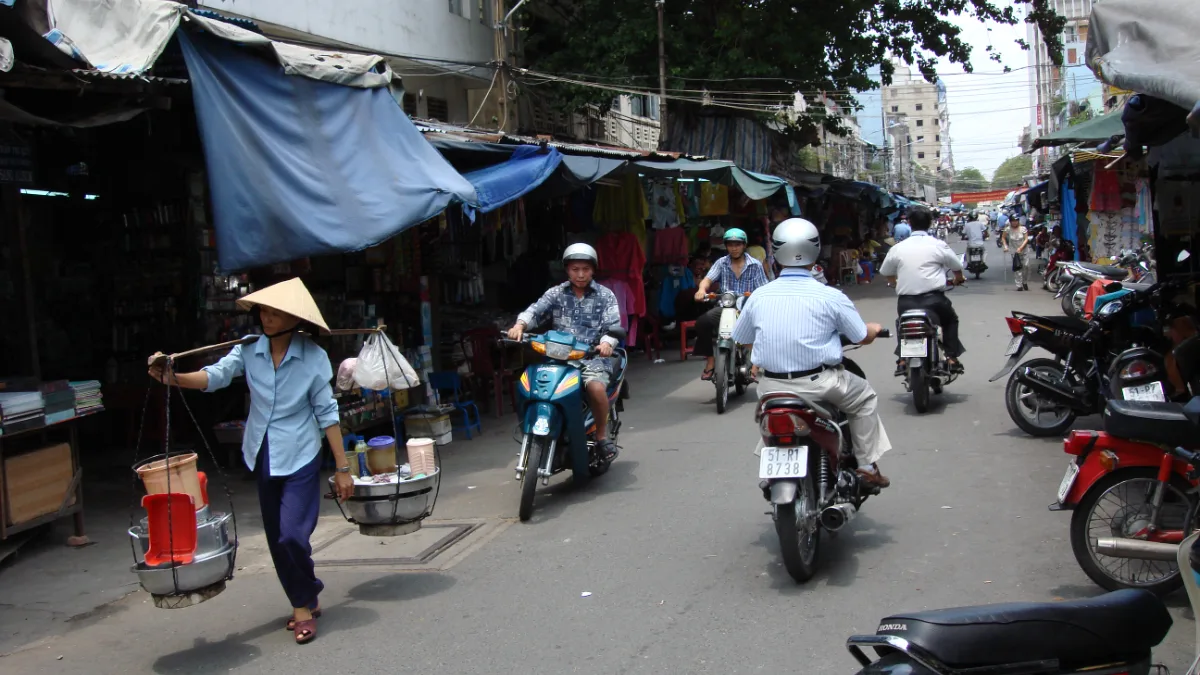
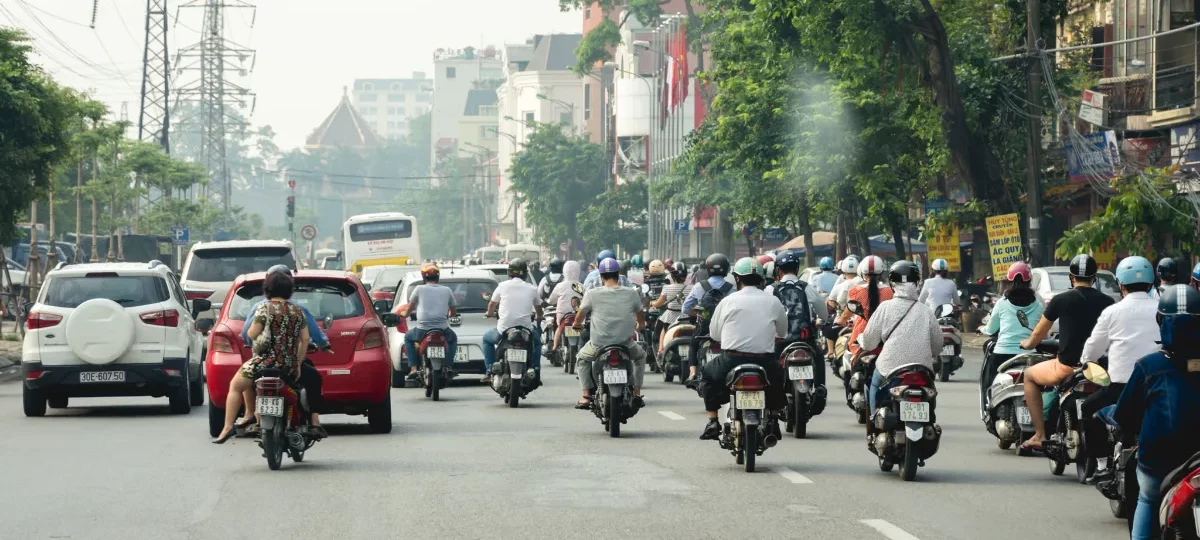
- Thieves on motorbikes sometimes snatch bags, phones and cameras – carry your bag on the side away from the road and do not hold your phone near the kerb.
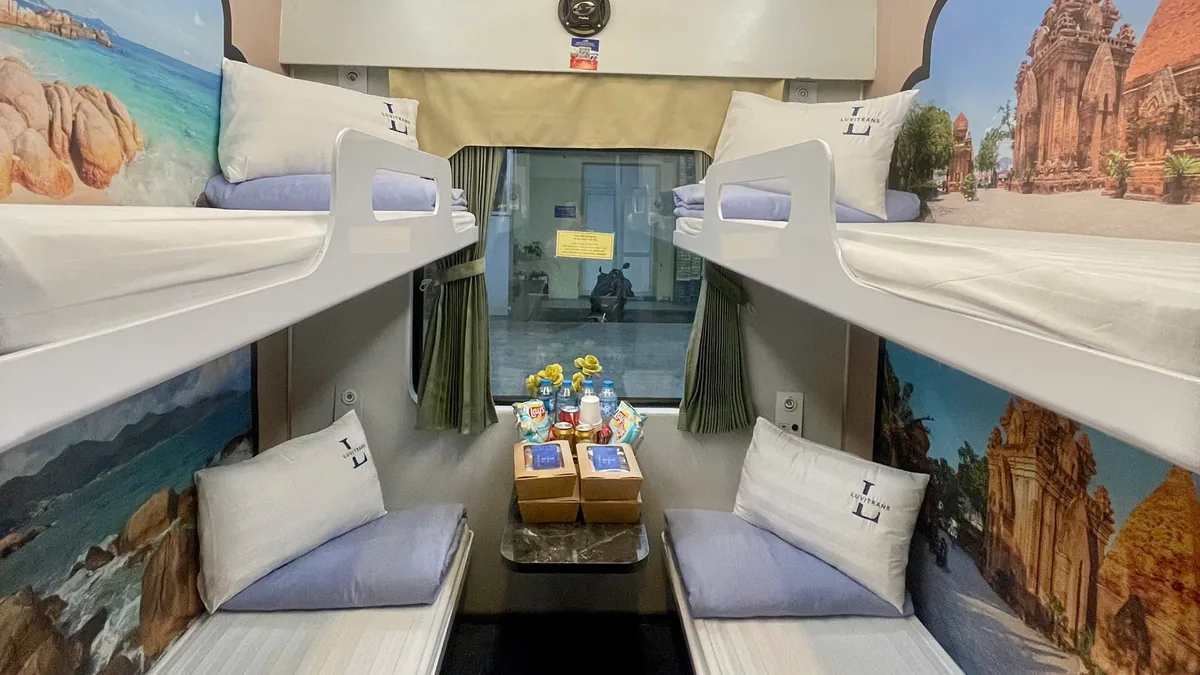
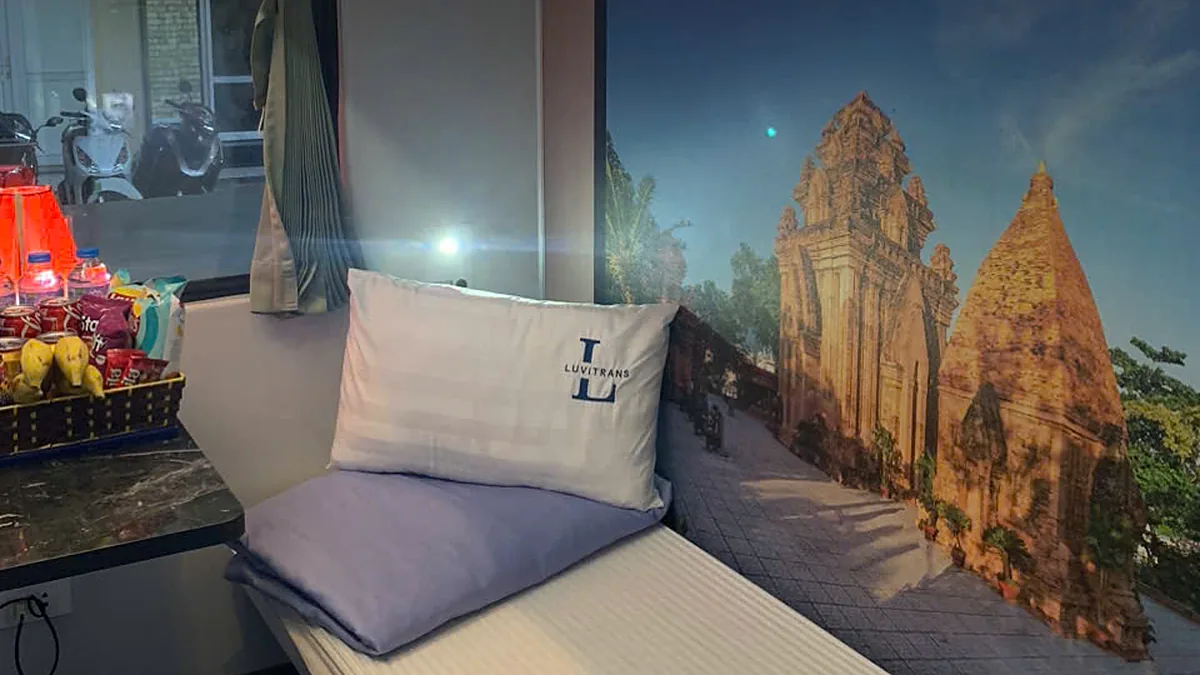
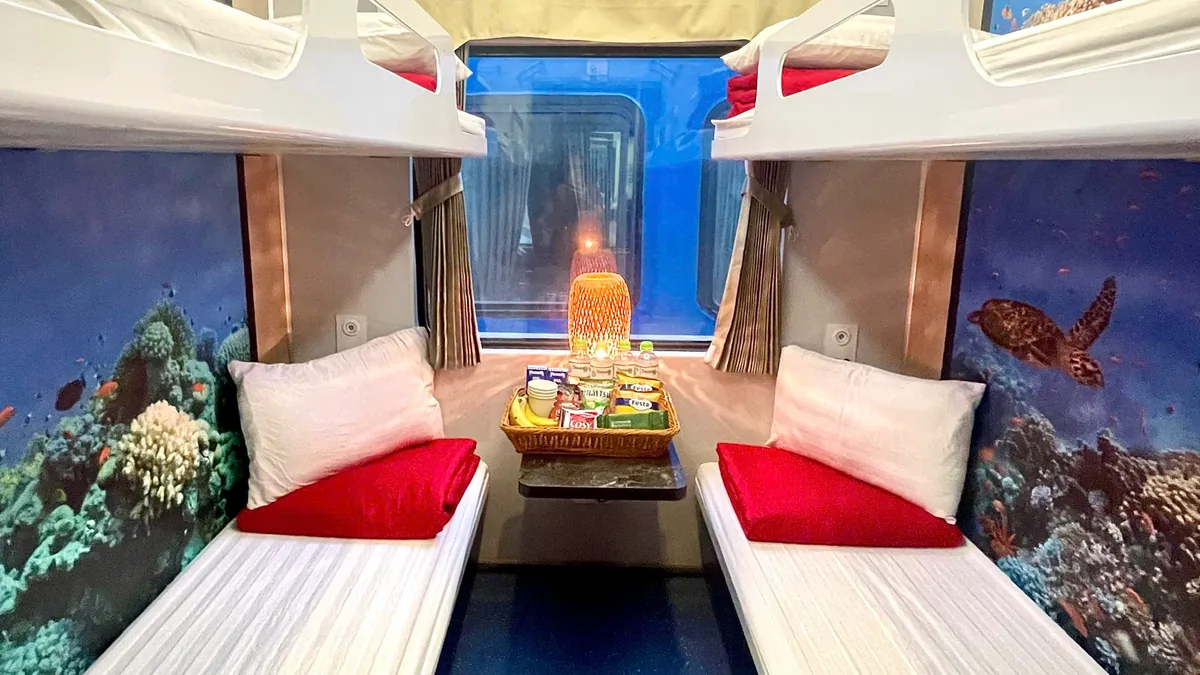
- Pickpockets work in crowded markets, night markets, festivals and on sleeper trains.
- Never hand over your passport as a deposit for a motorbike rental or accommodation.
- Buy drinks yourself in bars and stick to well-known brands; counterfeit spirits can contain methanol.
- If something is stolen, report it to the police (113) and get a report for your insurer.
Road Safety: the Biggest Risk
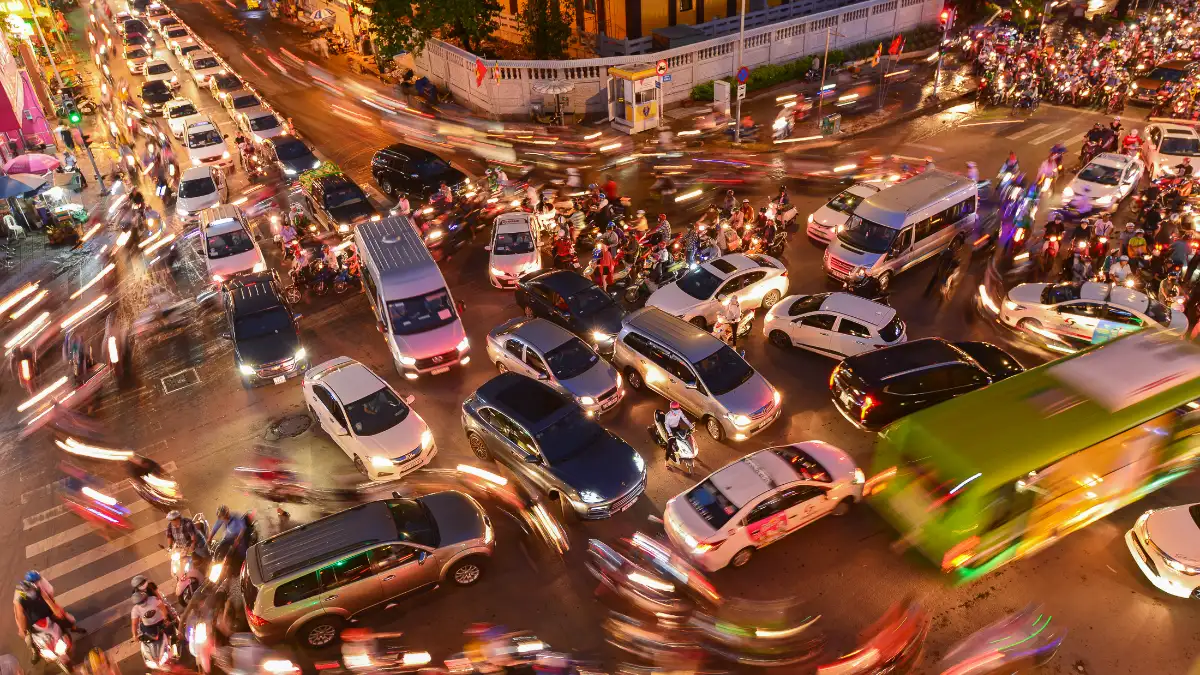
Traffic accidents are the leading cause of death and serious injury among foreign visitors. Cross streets slowly and steadily so motorbikes can steer around you – do not run or stop suddenly. Riding a motorbike is only legal with a licence that covers motorbikes and a 1968-format international driving permit (1949 permits from the USA and Canada are not valid), and riding without one usually voids your travel insurance. Helmets are compulsory. For most visitors, Grab, licensed taxis or a car with driver is the safer choice – see getting around Vietnam.
Health Tips
- Water: tap water is not safe to drink; use bottled or filtered water and be careful with ice in remote places.
- Vaccinations: see a travel clinic 6–8 weeks before you go. The US CDC recommends routine vaccines plus hepatitis A and typhoid for most travellers, and considers hepatitis B, Japanese encephalitis and rabies for some trips.
- Dengue: occurs all year, with peaks in the rainy season; use repellent during the day.
- Malaria: no risk in Hanoi, Ho Chi Minh City, Da Nang, Nha Trang or the main deltas; only remote forested areas.
- Air pollution: Hanoi’s air quality is often unhealthy from November to March; people with asthma should carry medication and consider a well-fitted mask.
- Insurance: buy travel insurance that covers medical treatment and evacuation.
Weather and Natural Hazards
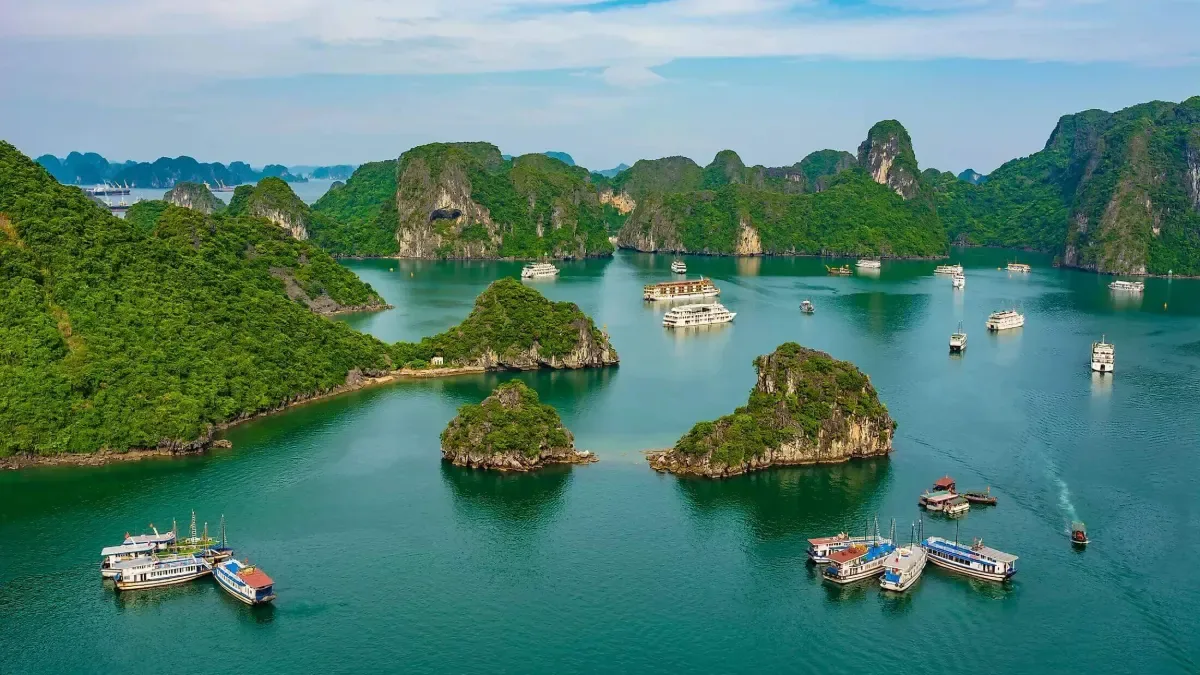
Vietnam is affected by several typhoons a year, mainly between June and December; central Vietnam floods most often in October and November. Authorities suspend Ha Long Bay boat trips when storms approach. Follow local advice, keep a spare day in your itinerary and read our best time to visit Vietnam guide.
Laws Every Visitor Should Know
- Drug offences, including cannabis, carry very severe penalties, up to the death penalty.
- Do not photograph military bases, installations or personnel.
- Flying a drone requires registration and permits under 2025 rules; we advise leaving drones at home unless your tour arranges permission.
- Carry a copy of your passport and visa; keep the original safe.
- Respect dress rules at temples and the Ho Chi Minh Mausoleum.
Is Vietnam Safe for Women and Solo Travellers?
Yes. Vietnam is popular with solo and female travellers, and harassment is uncommon compared with many destinations. Use the same common sense as at home: avoid empty streets late at night, use Grab rather than unmarked taxis, and keep an eye on your drink.
Scams to Watch For
Most problems tourists meet are scams rather than crime: rigged taxi meters, cyclo price changes, fake e-visa websites and currency confusion. Read our full guide to scams in Vietnam and how to avoid them.
Local Expert Tips
From more than ten years of looking after travellers in Vietnam:
- Save the 113, 114 and 115 emergency numbers and your hotel address in Vietnamese.
- Use hotel safes for passports and spare cash.
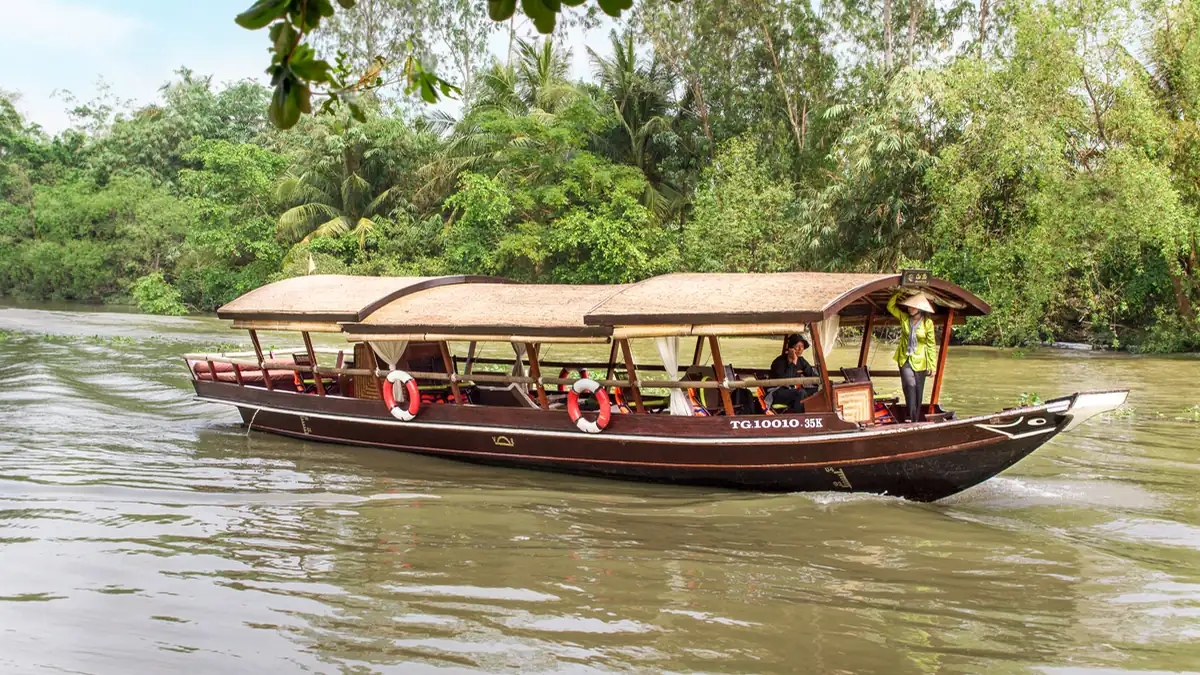
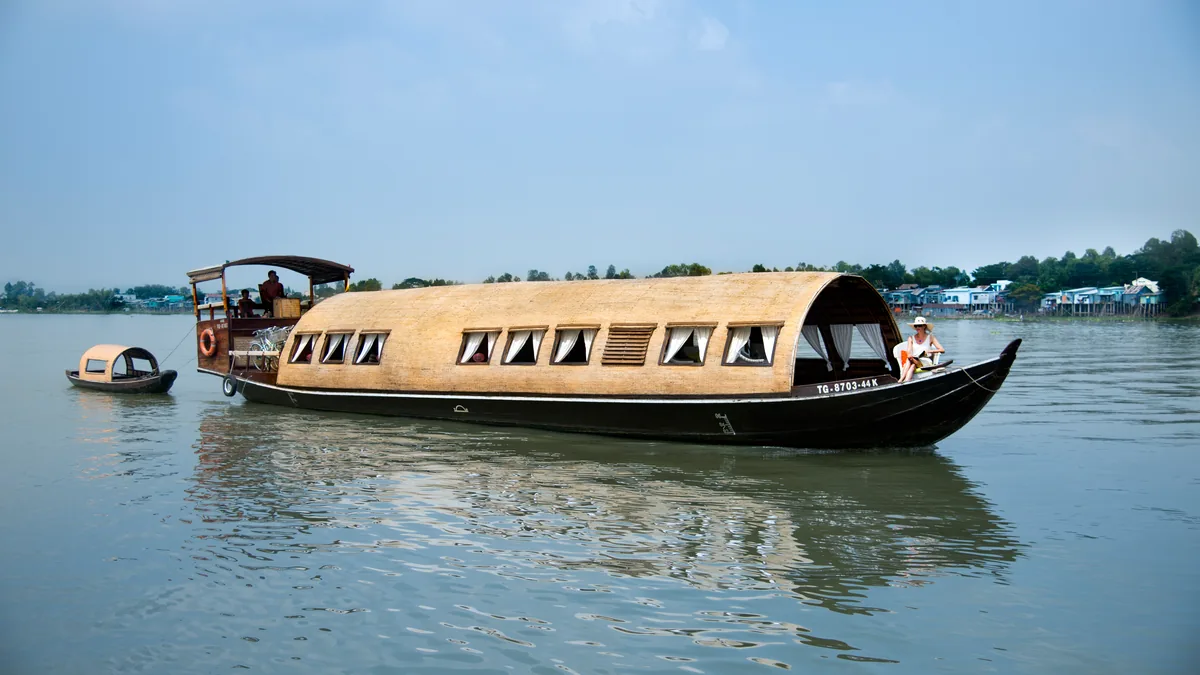
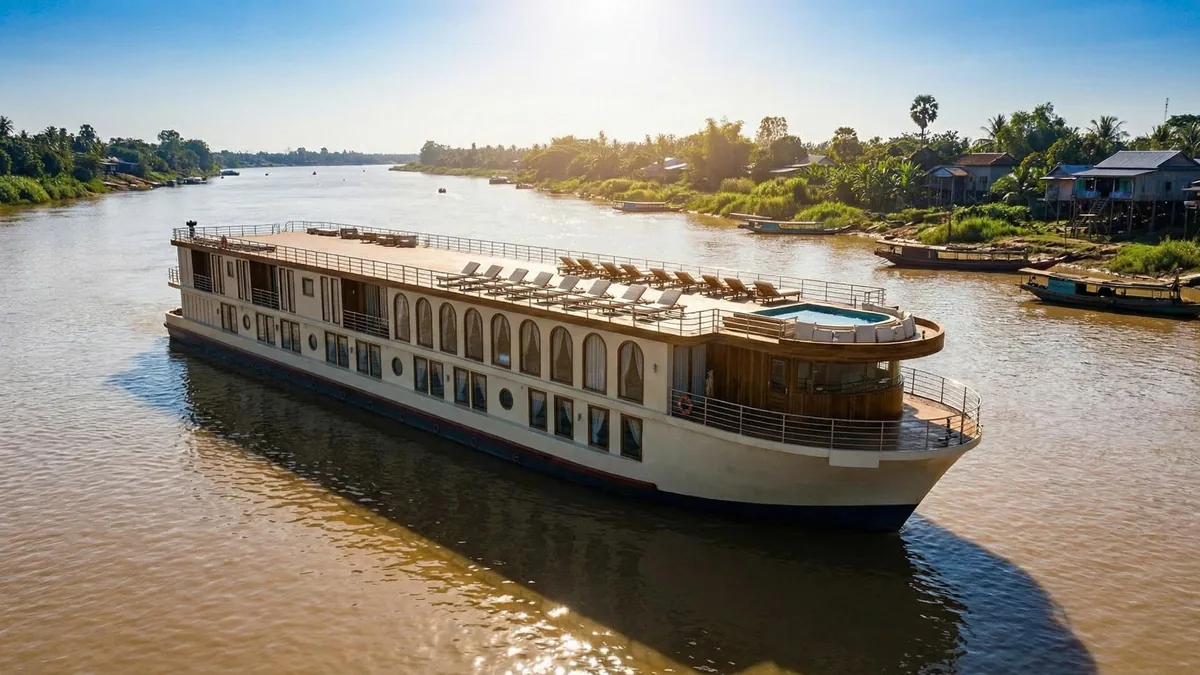
- Choose licensed boats, cruises and adventure operators.
- A local guide is the easiest way to avoid scams and traffic stress.
Travel with Peace of Mind
Our private tours include licensed guides, safe vehicles and 24/7 support. See our Vietnam travel tips for first-timers or contact Vietnam Tour Expert Team.
Frequently Asked Questions about Safety in Vietnam
1. Is Vietnam safe for tourists in 2026?
Yes. The UK, US and Canada all advise normal precautions. The main risks are traffic, petty theft and seasonal storms.
2. What is the biggest danger in Vietnam?
Road traffic. Traffic accidents are the leading cause of death and serious injury among foreign visitors.
3. Is Vietnam safe for solo female travellers?
Yes, with normal precautions: use Grab or licensed taxis, avoid empty streets late at night and watch your drink.
4. What are the emergency numbers in Vietnam?
113 for police, 114 for fire and 115 for ambulance.
5. Can you drink tap water in Vietnam?
No. Drink bottled or filtered water.
6. What vaccinations do I need for Vietnam?
Routine vaccines plus hepatitis A and typhoid are recommended for most travellers; ask a travel clinic about hepatitis B, Japanese encephalitis and rabies.
7. Is there malaria in Vietnam?
There is no malaria risk in the main cities and deltas; risk is limited to remote forested areas.
8. Is it safe to ride a motorbike in Vietnam?
Only with a licence that covers motorbikes, a 1968-format international driving permit and a helmet. Otherwise use Grab, a taxi or a driver.
9. Is Hanoi safe?
Yes. Hanoi is safe for visitors; watch for bag snatching, traffic and poor air quality in winter.
10. Is Ho Chi Minh City safe?
Yes, with care for bag and phone snatching, especially in busy streets and at night.
11. Is it safe to travel to Vietnam during typhoon season?
Yes, with flexible plans. Storms mainly affect June–December; follow local advice and keep a spare day.
12. Are drugs illegal in Vietnam?
Yes. Drug offences, including cannabis, carry very severe penalties, up to the death penalty.
13. Can I fly a drone in Vietnam?
Drones must be registered and need permits under 2025 rules; most tourists should leave them at home.
14. Does Vietnam Tour Expert provide support during tours?
Yes. Our private tours include licensed guides, drivers and 24/7 support.
Related Posts
Vietnamese Dong Banknotes 2026: Every Note, USD Value & Cash Tips
Vietnam Travel Tips 2026: 20 Things to Know Before You Go
Vietnam Packing List 2026: What to Wear & What to Bring by Season
Vietnam Etiquette 2026: Do’s and Don’ts for Travellers
Vietnam SIM Card & eSIM 2026: Best Travel SIM, Data Plans & Prices