Vietnam Scams 2026: 10 Common Tourist Scams & How to Avoid Them
 By Jimmy Nguyen, Founder & Director of Asia Travel Expert Co., Ltd.
The most common scams in Vietnam are rigged taxi meters and fake look-alike taxis, cyclo and motorbike-taxi drivers changing the price, motorbike rental damage claims, the fruit-basket photo trick, swapping a 500,000 VND note for a 20,000 note, fake “weasel coffee” and fake e-visa websites. Avoid almost all of them by using Grab or licensed taxis, agreeing prices first, paying in dong and applying for visas only at evisa.gov.vn.
Status (checked November 2026): Vietnam’s only official e-visa portals are evisa.gov.vn and thithucdientu.gov.vn (Ministry of Public Security); the government warned again in July 2026 about look-alike sites. Changing money at gold shops or unlicensed counters has been punishable since February 2026.
Quick answer – the top scams and how to avoid them:
- Taxis: use Grab, Green SM, Mai Linh or Vinasun
- Cyclos and motorbike taxis: agree the price and route first – or use the app
- Banknotes: check every 20,000 vs 500,000 VND note
- E-visa: only evisa.gov.vn or thithucdientu.gov.vn
- Street photos: say no to the fruit-basket pole unless you want to buy
- Motorbike rental: photograph the bike and never leave your passport
Vietnam Scams at a Glance
| Scam | How it works | How to avoid it |
|---|---|---|
| Taxi meter / fake taxi | Fast meter or look-alike company names at airports and stations | Use Grab, Green SM or Mai Linh / Vinasun; ride-hailing shows the fare first |
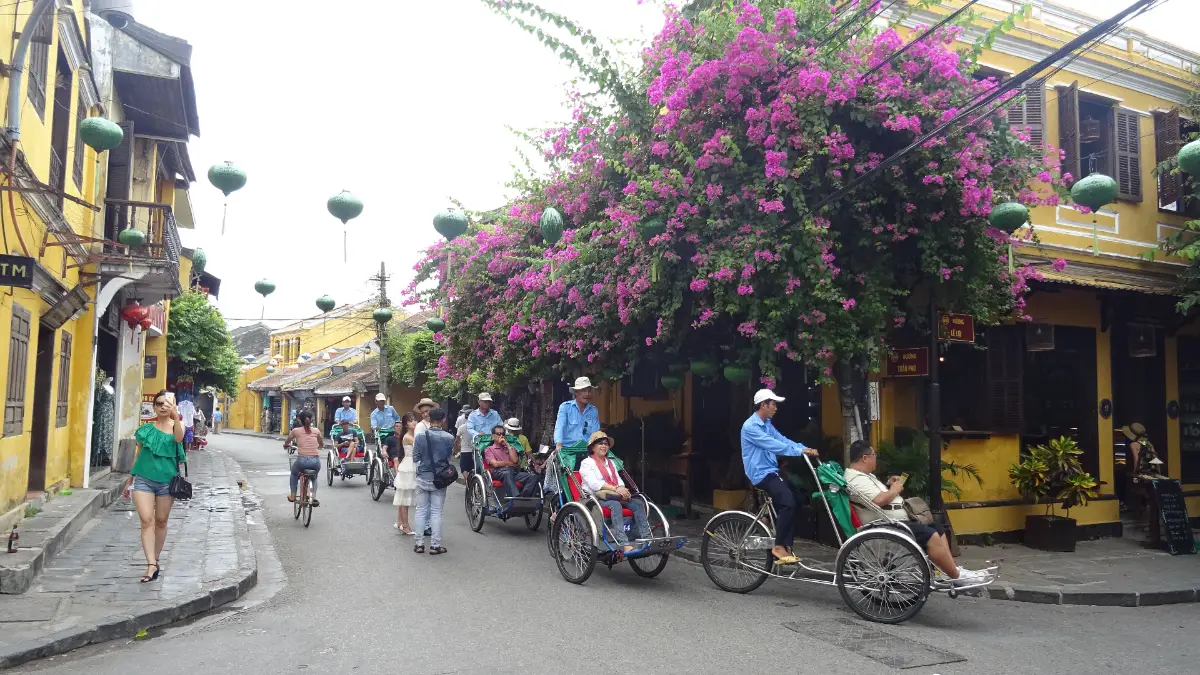
| Cyclo or xe om price change | Agreed price becomes “per person” or “per hour” at the end | Agree total price, route and time in writing; or book a cyclo through your hotel |
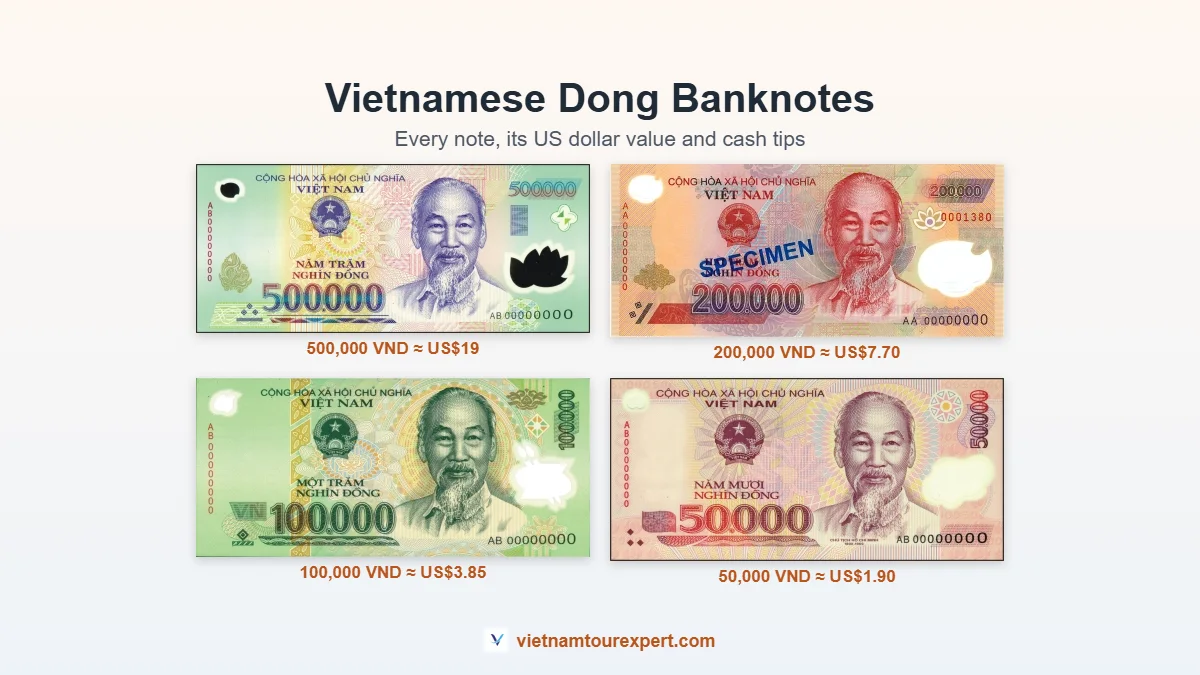
| Currency swap | Seller swaps your 500,000 VND note for a 20,000 note | Hand over notes one by one and say the amount out loud |
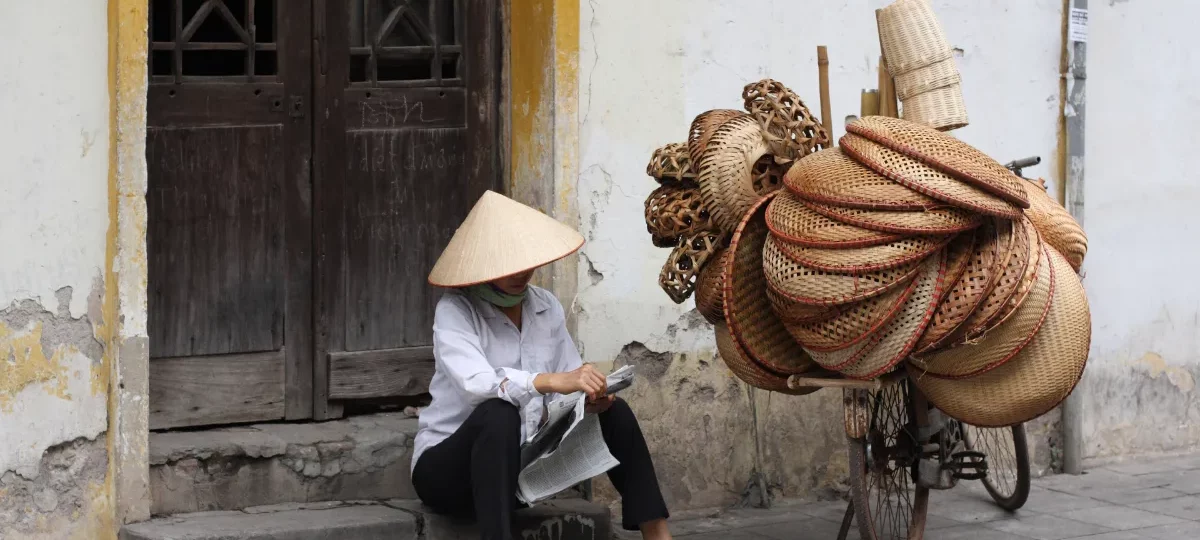
| Fruit-basket photo | Vendor puts the pole on your shoulder for a photo, then demands money | Smile, say no thank you and walk on |
| Shoe-shine or repair | Someone glues or cleans your shoes uninvited and demands payment | Keep walking; say no firmly |
| Motorbike rental damage | Owner claims damage or holds your passport | Photograph the bike, use reputable shops, never leave your passport |
| Fake e-visa websites | Look-alike sites charge extra or steal data | Apply only at evisa.gov.vn or thithucdientu.gov.vn |
| Fake weasel coffee | Cheap “civet” coffee that is flavoured ordinary coffee | Buy sealed brands from reputable shops |
| Hotel or bus touts | “Your hotel is closed” – then they take you elsewhere | Book ahead and arrange transfers through your hotel |
| Card skimming | ATM devices copy card data | Use ATMs inside banks; cover the keypad |
Taxi and Ride-Hailing Scams
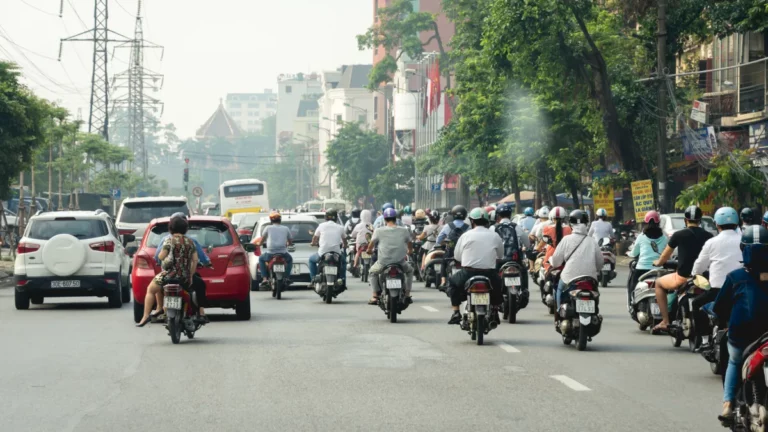
Rigged meters on airport routes and look-alike taxis with similar logos and phone numbers are the most common complaint. Ride-hailing apps such as Grab and Green SM show the price before you book and record the trip. If you take a metered taxi, choose Mai Linh (green) or Vinasun (white) from an official rank, and check that the meter starts at the right fare. See our guide to getting around Vietnam.
Street and Market Scams
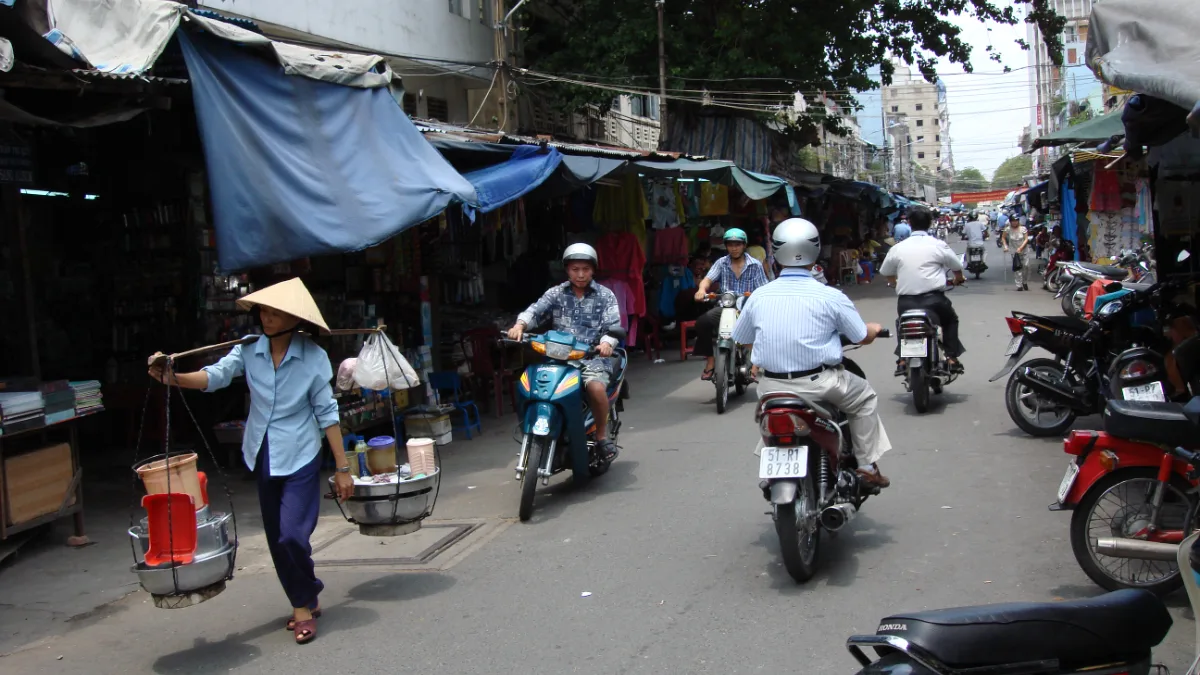
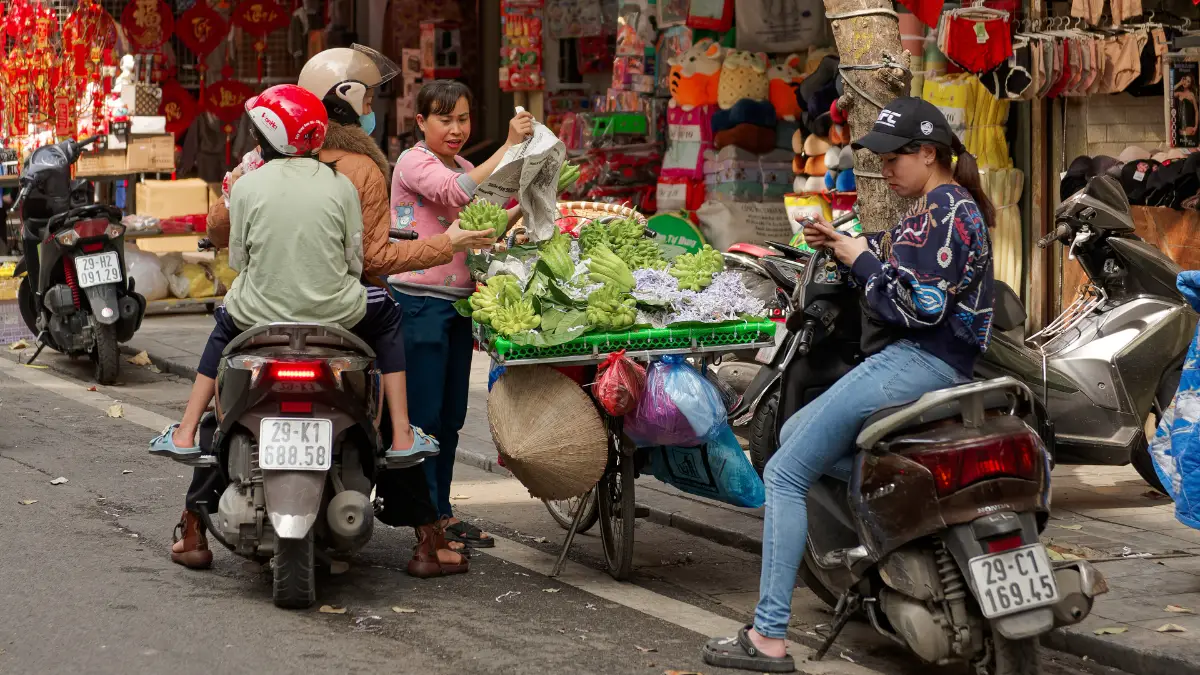
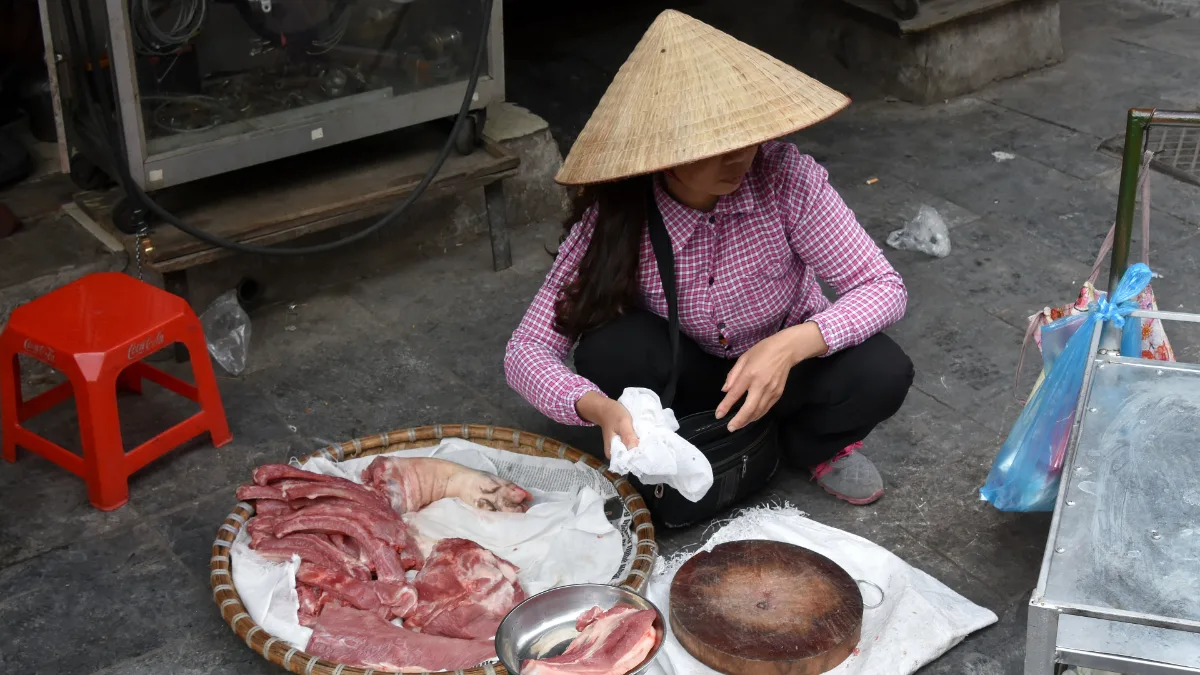
- Fruit-basket photos: in Hanoi’s Old Quarter, vendors offer their carrying pole and hat for a photo and then ask for money or sell fruit at high prices.
- Price on the go: always ask the price before eating or buying; in markets, a friendly counter-offer is normal.
- Unrequested extras: some restaurants charge for wet towels or peanuts left on the table – it is usually a few thousand dong; push them aside if you do not want them.
- Change tricks: count your change and watch for the 20,000/500,000 VND swap – see how to tell every note apart in our Vietnamese dong banknotes guide.
Online and Visa Scams
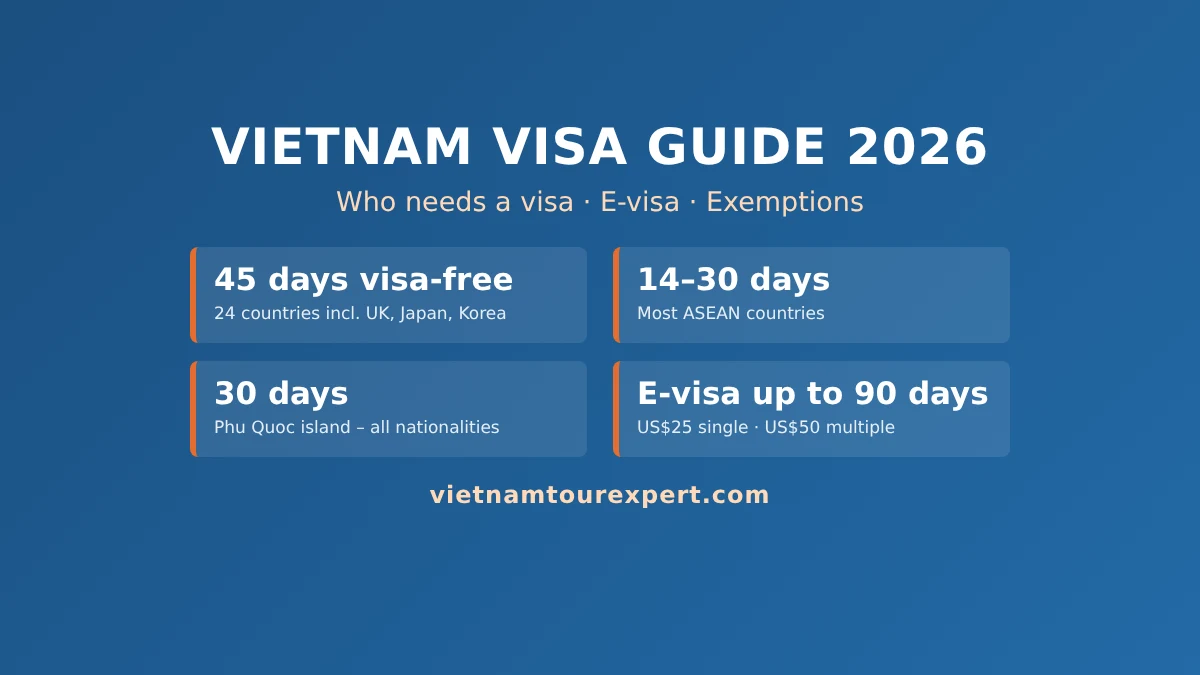
Many websites look like official Vietnamese visa sites but charge several times the official fee. The only official e-visa portals are evisa.gov.vn and thithucdientu.gov.vn; the e-visa costs US$25 for single entry and US$50 for multiple entry, valid for up to 90 days. Read our Vietnam visa guide.
Shopping Scams
Most cheap “weasel coffee” is not genuine, fake brand-name goods are common in some markets, and “antiques” are almost always reproductions. Buy from established shops – see our guides to what to buy in Hanoi and what to buy in Ho Chi Minh City.
What to Do If You Are Scammed
- Stay calm and polite – raising your voice rarely helps in Vietnam.
- Pay small disputed amounts if it keeps you safe, then report the business.
- Report thefts to the police (113) and keep the report for your insurer.
- For Grab disputes, report the trip in the app.
Local Expert Tips
From years of guiding travellers through Vietnam’s cities:
- Most Vietnamese people are honest and helpful – scams cluster in a few tourist hotspots.
- Ask your hotel what a fair price is for cyclos, taxis and massages.
- Carry small notes so you rarely need change.
- A private guide on your first day helps you learn local prices quickly.
Travel Smart
Read is Vietnam safe?, our money and tipping guide and Vietnam travel tips for first-timers, or contact Vietnam Tour Expert Team for a worry-free private tour.
Frequently Asked Questions about Scams in Vietnam
1. What are the most common scams in Vietnam?
Rigged or fake taxis, cyclo and motorbike-taxi price changes, the 20,000/500,000 VND note swap, fruit-basket photo vendors, motorbike rental damage claims, fake weasel coffee and fake e-visa websites.
2. How do I avoid taxi scams in Vietnam?
Use Grab or Green SM, which show the fare first, or licensed Mai Linh and Vinasun taxis from official ranks.
3. What is the official Vietnam e-visa website?
The official portals are evisa.gov.vn and thithucdientu.gov.vn. The e-visa costs US$25 (single entry) or US$50 (multiple entry).
4. What is the fruit-basket scam in Hanoi?
A vendor places her carrying pole and hat on you for a photo, then asks for money or sells fruit at high prices. Politely decline.
5. Which Vietnamese banknotes are confused in scams?
The blue 20,000 and 500,000 VND notes. Hand over notes one at a time and say the amount.
6. Are cyclo rides a scam?
Not if you agree the total price, route and duration in advance, or book through your hotel or tour operator.
7. How do I avoid motorbike rental scams?
Use reputable shops, photograph the bike before riding, and never leave your passport as a deposit.
8. Is weasel coffee in Vietnam real?
Cheap weasel coffee sold to tourists is rarely genuine; real civet coffee is very expensive. Buy sealed brands from reputable shops.
9. Are prices different for tourists in Vietnam?
Sometimes, in markets and with street vendors. Ask the price first and bargain politely; fixed-price shops and supermarkets show prices.
10. What should I do if I get scammed in Vietnam?
Stay calm, pay small amounts if it keeps you safe, report thefts to the police on 113 and report app rides through the app.
11. Is Grab safe in Vietnam?
Yes. Grab shows the driver, vehicle and price before you ride and records every trip.
12. Can a tour guide help me avoid scams?
Yes. A local guide knows fair prices and trusted businesses, which is why many travellers book private tours.
Related Posts
Vietnamese Dong Banknotes 2026: Every Note, USD Value & Cash Tips
Vietnam Travel Tips 2026: 20 Things to Know Before You Go
Vietnam Packing List 2026: What to Wear & What to Bring by Season
Vietnam Etiquette 2026: Do’s and Don’ts for Travellers
Vietnam SIM Card & eSIM 2026: Best Travel SIM, Data Plans & Prices