Vietnam Etiquette 2026: Do’s and Don’ts for Travellers
 By Jimmy Nguyen, Founder & Director of Asia Travel Expert Co., Ltd.
Vietnamese etiquette is easy to follow: dress modestly at temples (cover shoulders and knees), take off your shoes when entering homes and where you see shoes at the door, ask before photographing people, stay calm and polite instead of raising your voice, pass things with both hands or your right hand, and do not touch people’s heads. A smile and “xin chào” (hello) go a long way.
Status (checked November 2026): These customs apply across Vietnam. Dress rules are enforced most strictly at the Ho Chi Minh Mausoleum in Hanoi, at royal temples in Hue and at active pagodas. During Tet (6 February 2027) many families visit pagodas – be especially respectful of worshippers.
Quick answer – the top Vietnamese etiquette rules:
- Cover shoulders and knees at temples, pagodas and the Ho Chi Minh Mausoleum
- Remove shoes and hats where indicated, and in people’s homes
- Ask before taking photos of people, especially in ethnic-minority villages
- Keep calm – losing your temper means losing face
- Use both hands (or your right hand) to give and receive
- Don’t touch heads, point at people or step over altars
Vietnamese Etiquette at a Glance
| Greeting | “Xin chào” with a smile; a light handshake is common in business |
|---|---|
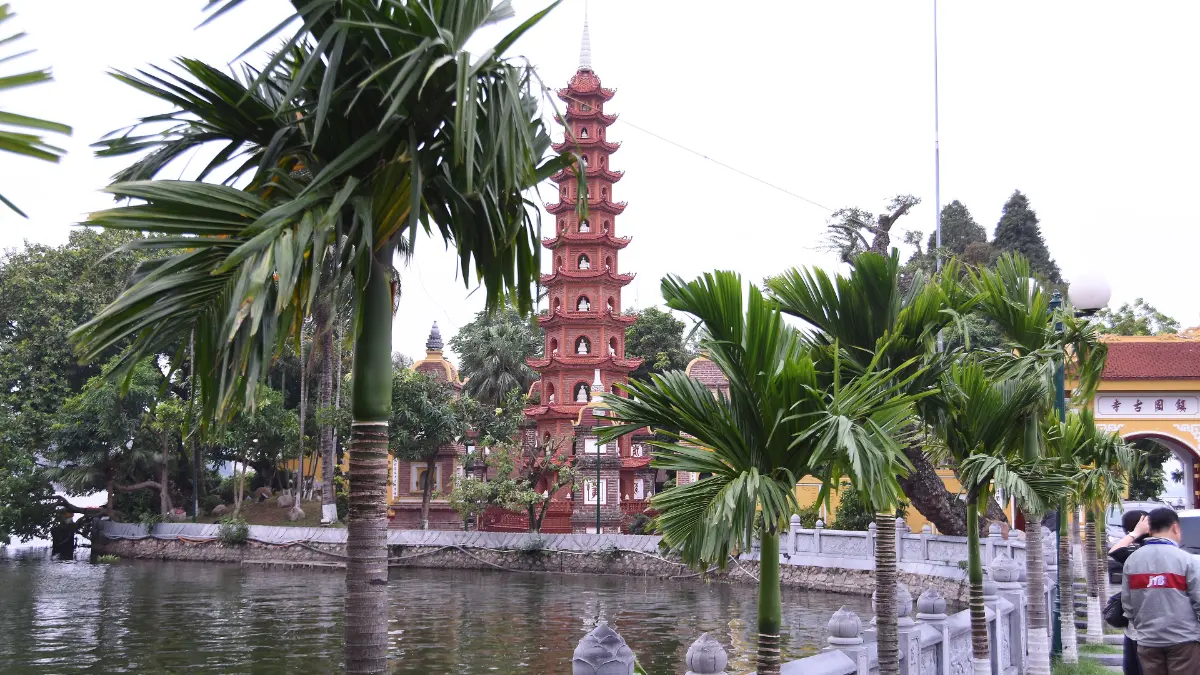
| Temples | Shoulders and knees covered, hat off, quiet voice |
| Shoes | Off in homes and where shoes are left at the door |
| Photos | Ask first; never photograph military sites |
| Gestures | Don’t point at people or touch heads |
| Dining | Pass dishes with both hands; wait for the eldest to start |
| Affection | Keep public displays of affection low-key |
| Bargaining | Normal in markets; keep it friendly |
Visiting Temples, Pagodas and Memorials
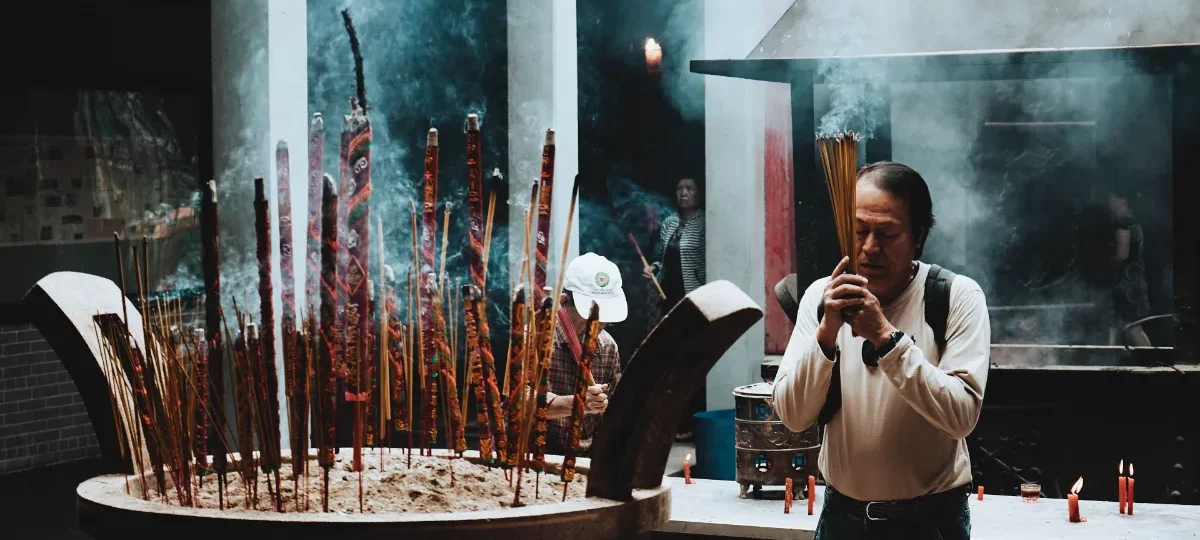
- Wear clothes that cover your shoulders and knees; avoid tank tops, short shorts and short skirts.
- Take off your hat, and your shoes if others have done so or a sign asks you to.
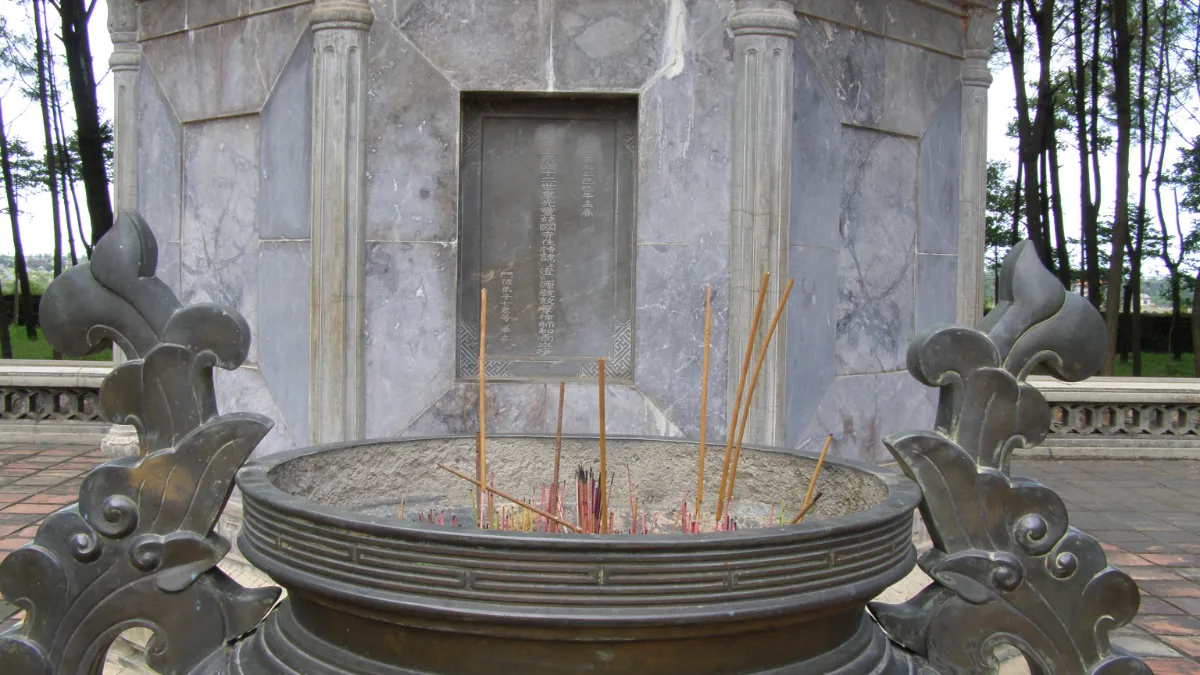
- Speak quietly, do not point your feet at altars or Buddha statues, and never step over offerings.
- Do not stand in front of people praying when taking photos.
- At the Ho Chi Minh Mausoleum, rules are strict: modest dress, silence, no hands in pockets and no photos inside.
Saving Face and Communication
Vietnamese culture values harmony and “face”. Shouting or criticising someone in public embarrasses everyone and rarely solves a problem. If something goes wrong, stay calm, smile and explain politely – you will get far better results. A “yes” can sometimes mean “I hear you” rather than “I agree”, so check details gently.
Gestures and Body Language
- Do not touch anyone’s head, especially children and older people.
- Avoid pointing at people with your finger; gesture with an open hand.
- Use both hands, or your right hand, when giving or receiving money, gifts and business cards.
- Crossing your fingers is considered rude.
- Keep public displays of affection minimal.
Dining Etiquette
- Wait for the host or eldest person to start eating.
- Pass dishes with both hands or your right hand.
- Do not leave chopsticks standing upright in your rice bowl – it resembles incense at a funeral.
- It is normal to share dishes; take a little at a time.
- Toasting is common: say “một, hai, ba, dzô!” (one, two, three, cheers!).
Visiting Homes and Villages
Take off your shoes at the door, greet the eldest person first and accept a cup of tea if offered. In ethnic-minority villages around Sapa and Ha Giang, always ask before photographing people, buy crafts directly from makers when you can, and avoid giving sweets or money to children – support community projects instead.
Shopping and Bargaining
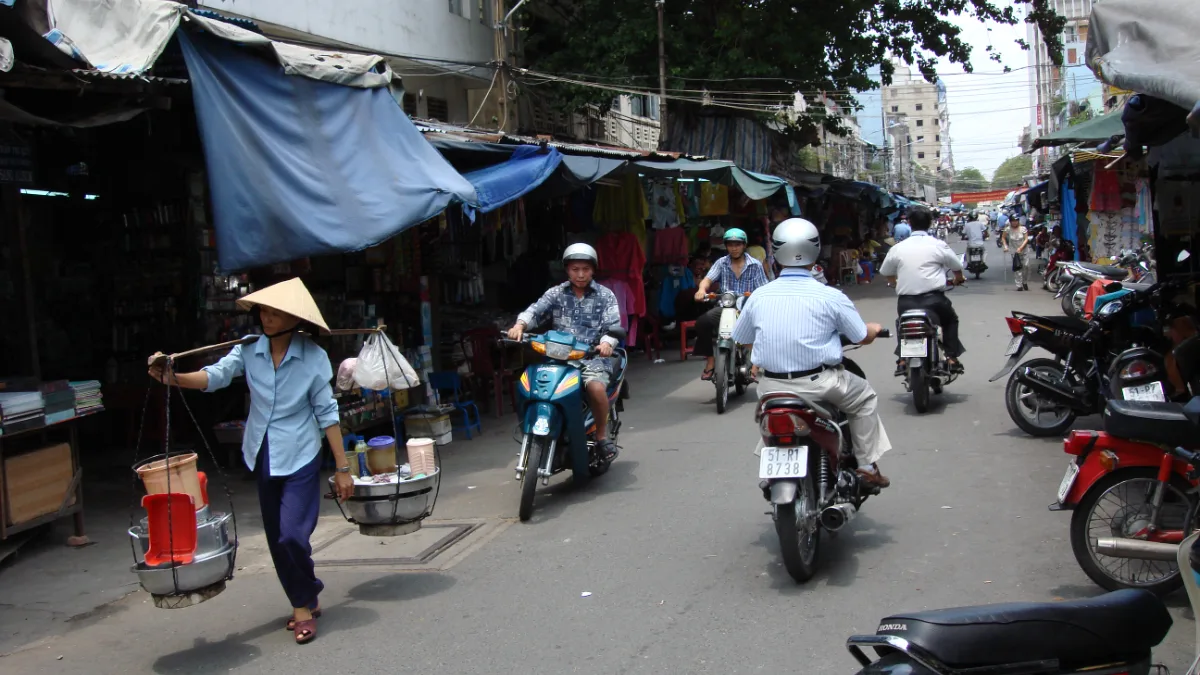
Bargaining is normal in markets and casual shops, but not in supermarkets, malls or fixed-price boutiques. Start with a friendly counter-offer, smile and be ready to walk away – and remember a few thousand dong matters more to the seller than to you. See our what to buy in Hanoi guide.
Useful Vietnamese Phrases
| English | Vietnamese | Pronunciation (approx.) |
|---|---|---|
| Hello | Xin chào | sin chow |
| Thank you | Cảm ơn | gahm un |
| Sorry / excuse me | Xin lỗi | sin loy |
| How much? | Bao nhiêu? | bow nyew |
| Delicious! | Ngon quá! | ngon kwa |
| Cheers! | Dzô! | yo |
Local Expert Tips
From more than ten years of introducing international guests to Vietnamese culture:
- Carry a light scarf or shirt to cover your shoulders when visiting temples.
- Learning “cảm ơn” (thank you) earns instant smiles.
- Vietnamese people are curious – questions about your age, family or job are friendly, not rude.
- A local guide is the best way to understand customs and avoid mistakes.
Plan Your Trip
Read our Vietnam packing list and what to wear, Vietnam travel tips for first-timers and is Vietnam safe?, or contact Vietnam Tour Expert Team for a private tour with an expert local guide.
Frequently Asked Questions about Vietnamese Etiquette
1. What should I wear to temples in Vietnam?
Clothes that cover your shoulders and knees. Remove your hat, and your shoes where indicated.
2. Do I need to take off my shoes in Vietnam?
Yes, in people’s homes and wherever you see shoes left at the door, including many temples and some shops.
3. Is it rude to point in Vietnam?
Pointing at people is considered rude; gesture with an open hand instead.
4. Can I take photos of people in Vietnam?
Always ask first, especially in ethnic-minority villages. Never photograph military sites.
5. What does “saving face” mean in Vietnam?
Avoiding public embarrassment. Stay calm and polite, and do not shout or criticise people in public.
6. How do Vietnamese people greet each other?
With “xin chào” (hello) and a smile; handshakes are common in business, and people greet elders first.
7. What are the dining customs in Vietnam?
Wait for the eldest to start, share dishes, pass food with both hands and never leave chopsticks upright in rice.
8. Is bargaining rude in Vietnam?
No. Friendly bargaining is normal in markets and casual shops, but not in supermarkets or fixed-price boutiques.
9. What are the rules at the Ho Chi Minh Mausoleum?
Modest dress, silence, no hands in pockets and no photography inside.
10. Is public affection acceptable in Vietnam?
Holding hands is fine, but kissing and other displays of affection in public are best kept low-key.
11. Should I give money to children in villages?
No. It is better to support community projects or buy crafts directly from local makers.
12. What does “dzô” mean?
It is the Vietnamese word shouted when toasting, like “cheers”.
Related Posts
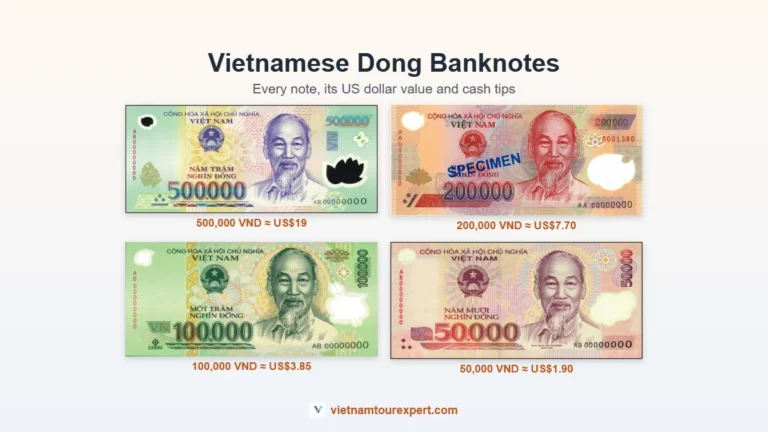
Vietnamese Dong Banknotes 2026: Every Note, USD Value & Cash Tips
Vietnam Travel Tips 2026: 20 Things to Know Before You Go
Vietnam Packing List 2026: What to Wear & What to Bring by Season
Vietnam SIM Card & eSIM 2026: Best Travel SIM, Data Plans & Prices
Vietnam Scams 2026: 10 Common Tourist Scams & How to Avoid Them