Vietnam Travel Tips 2026: 20 Things to Know Before You Go
 By Jimmy Nguyen, Founder & Director of Asia Travel Expert Co., Ltd.
For a first trip to Vietnam: check your visa (24 countries get 45 days visa-free; others use the 90-day e-visa), choose your route by season, fly between the north, centre and south, use Grab or licensed taxis, carry Vietnamese dong, buy a registered local SIM, drink bottled water, dress modestly at temples and cross the road slowly. Allow 10–14 days for a north-to-south trip.
Status (checked November 2026): Vietnam welcomed a record 21.2 million international visitors in 2025 and more than 17.7 million in January–September 2026. Long Thanh International Airport near Ho Chi Minh City opens for commercial flights on 24 December 2026; Tet 2027 falls on 6 February 2027.
Quick answer – the 5 things first-timers most need to know:
- Visa: 45 days visa-free for 24 countries, otherwise an e-visa from evisa.gov.vn
- Weather: no month is perfect everywhere – plan by region
- Transport: fly between regions; Grab in cities
- Money: pay in dong; carry cash for street food and markets
- Safety: traffic is the main risk – cross slowly and wear a helmet
Vietnam Travel Essentials at a Glance
| Visa | 45 days visa-free for 24 countries; 90-day e-visa for all nationalities |
|---|---|
| Currency | Vietnamese dong; about 26,000 VND = US$1 |
| Best time | Late January – April overall |
| Getting around | Domestic flights, trains, private cars, Grab |
| Language | Vietnamese; English in hotels and tourist areas |
| Electricity | 220 V, mostly two-pin sockets |
| Emergency numbers | 113 police · 114 fire · 115 ambulance |
| Time zone | UTC+7, no daylight saving |
20 Vietnam Travel Tips for First-Timers
1. Check your visa first
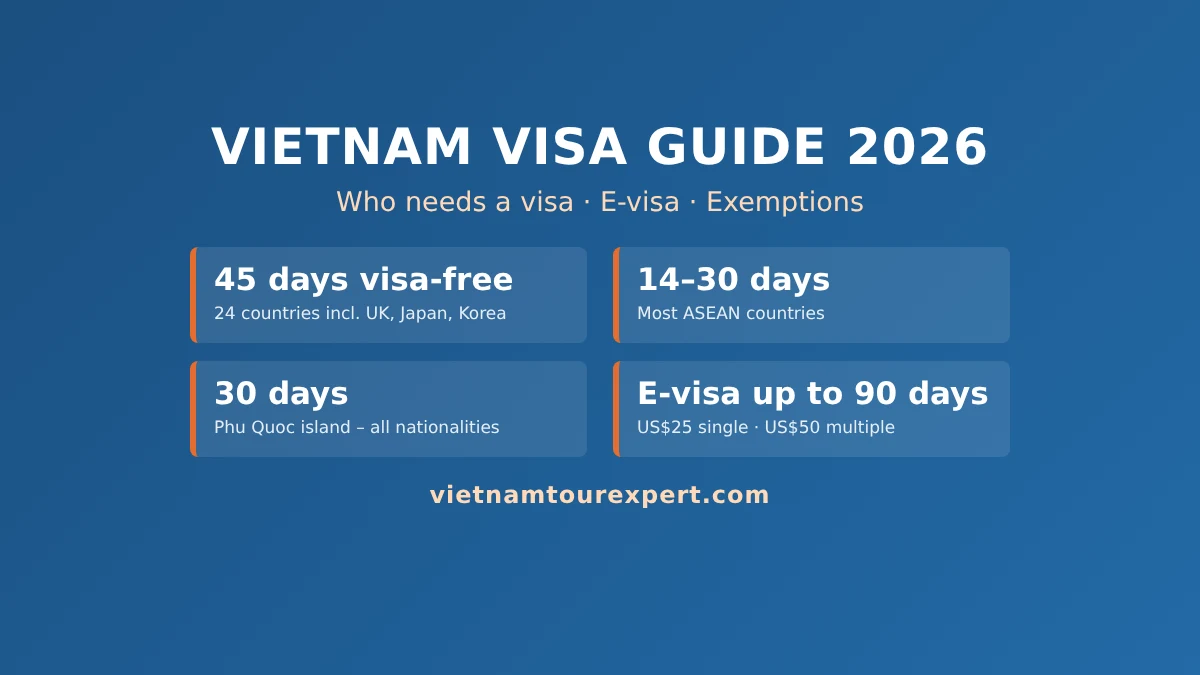
Citizens of 24 countries get 45 days visa-free; everyone else can apply for a 90-day e-visa (US$25 single, US$50 multiple entry) only at evisa.gov.vn or thithucdientu.gov.vn. Your passport needs six months’ validity. Vietnam visa guide.
2. Pick your season by region
Late January–April is best overall; central Vietnam is rainy September–December; the north is cool December–February. Best time to visit Vietnam.
3. Don’t try to see everything
Allow 7 days for one region, 10–14 days for north to south. Fly between regions. Vietnam itineraries.
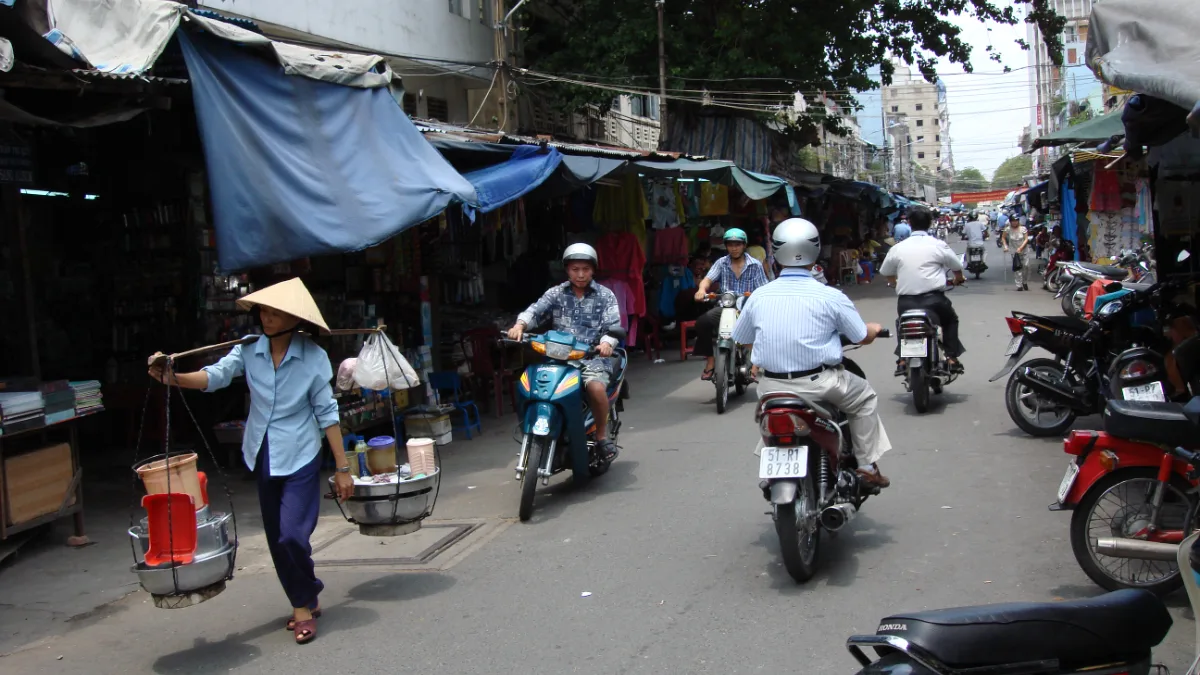
4. Carry cash, but use cards where you can
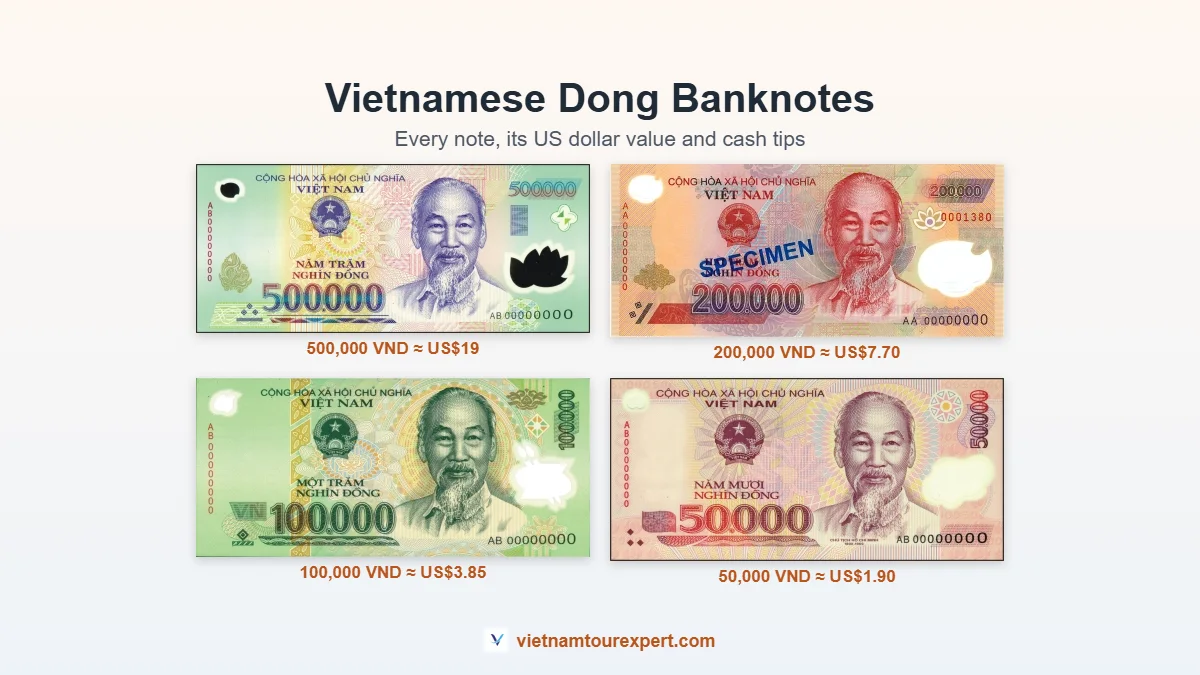
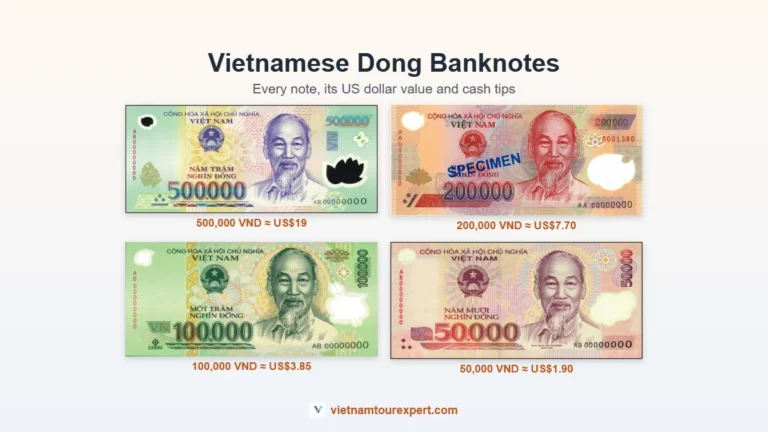
About 26,000 VND = US$1. Use ATMs inside banks, pay in dong, and change money only at banks or licensed counters. Money in Vietnam. To recognise each note and its value, see our Vietnamese dong banknotes guide.
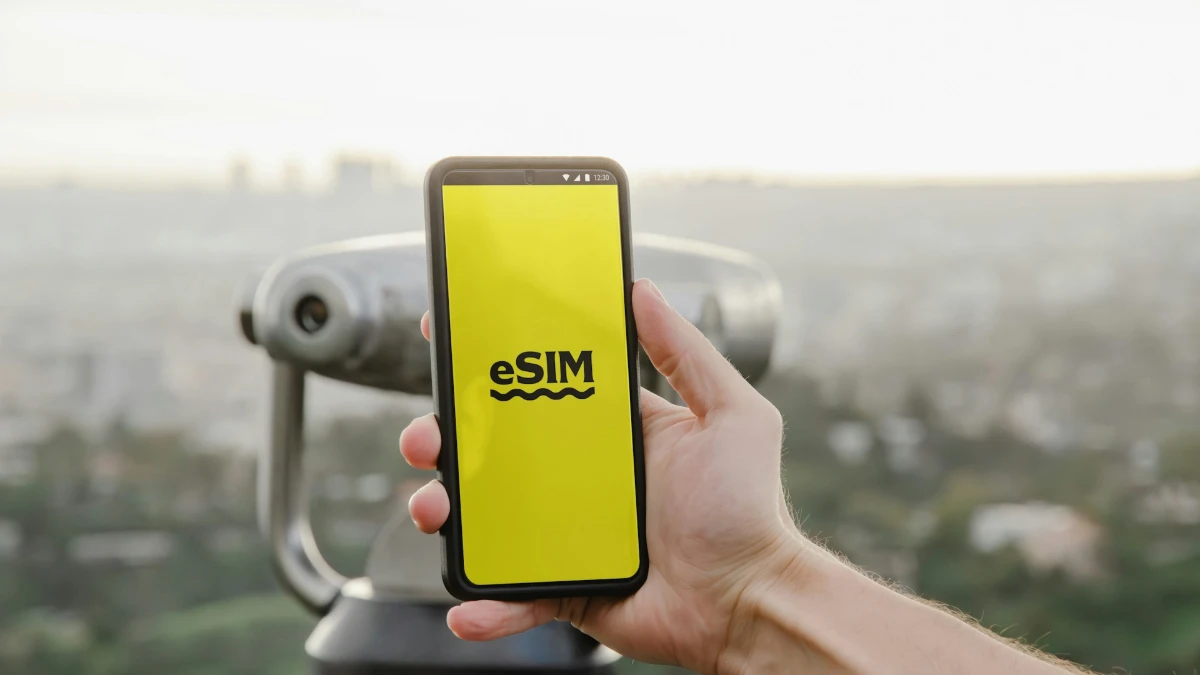
5. Get a local SIM or eSIM
Buy at an official airport counter with your passport; all SIMs must be registered. Vietnam SIM card guide.
6. Use Grab or Green SM
Ride-hailing apps show the price first and avoid taxi scams. Getting around Vietnam.
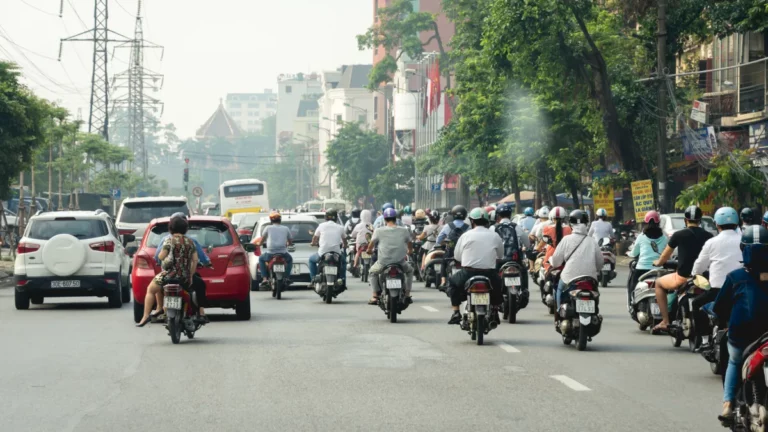
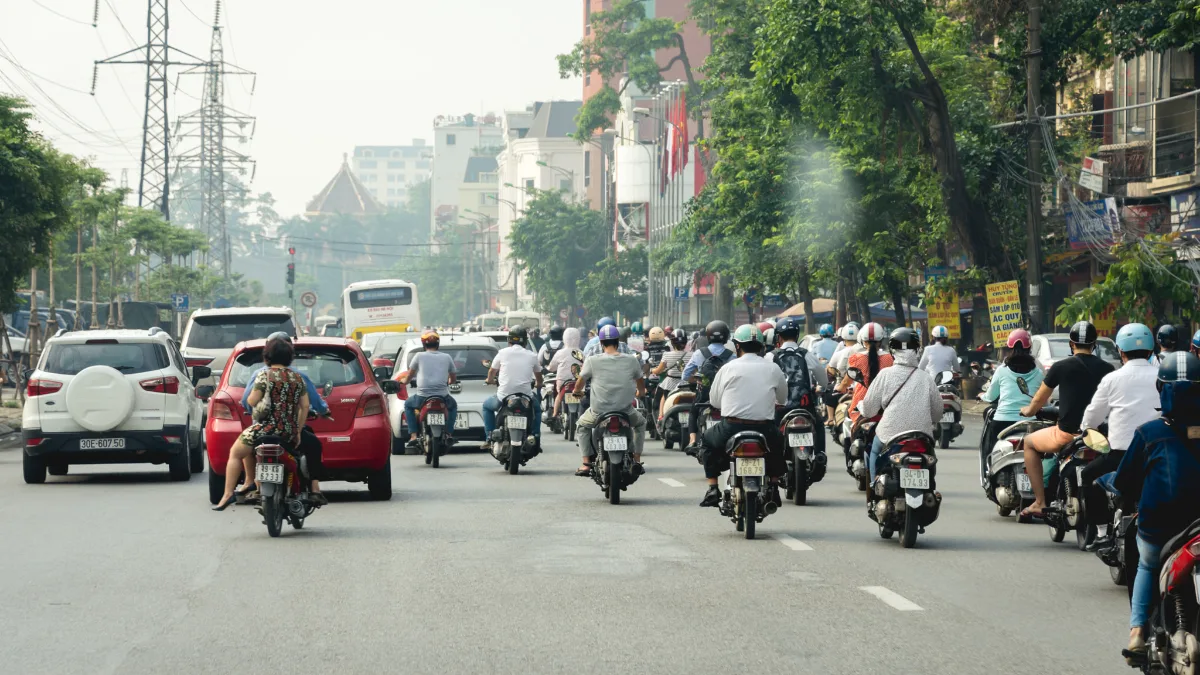
7. Cross the road slowly
Walk at a steady pace and let motorbikes flow around you – don’t run or stop suddenly.
8. Drink bottled water
Tap water is not safe to drink; street food is generally fine at busy stalls.
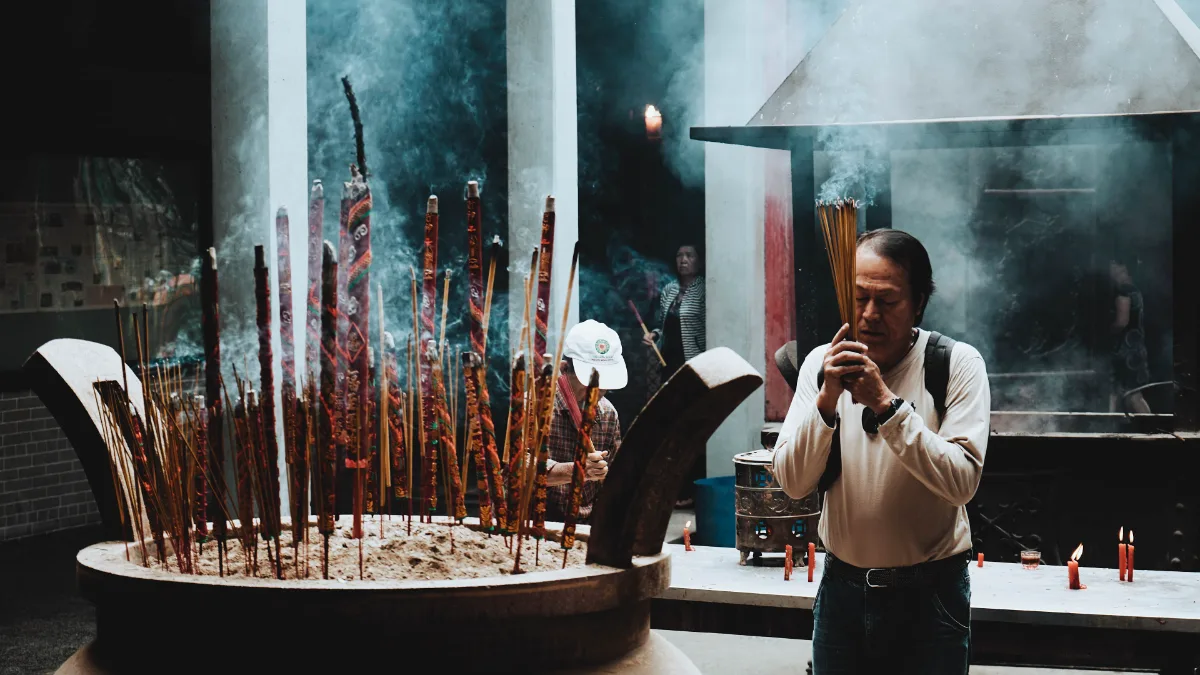
9. Dress for temples
Cover shoulders and knees, remove hats and shoes where indicated. Vietnam etiquette.
10. Know the common scams
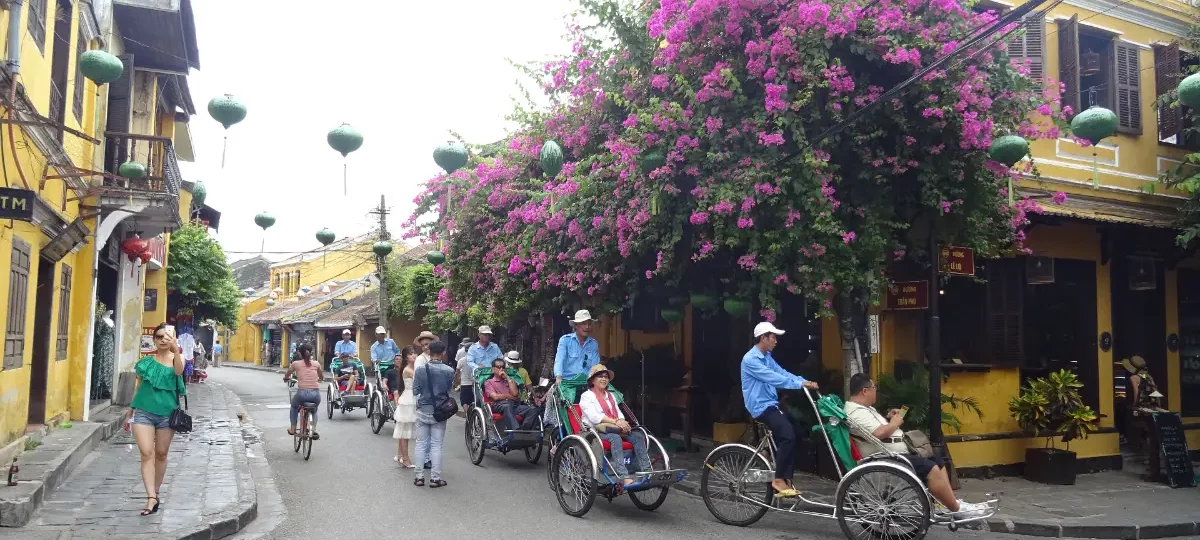
Check 20,000 vs 500,000 VND notes, agree cyclo prices first and ignore fruit-basket photo offers. Vietnam scams.
11. Budget realistically
US$30–50 a day budget, US$50–90 mid-range, US$150+ luxury. Vietnam travel cost.
12. Pack for the coldest stop
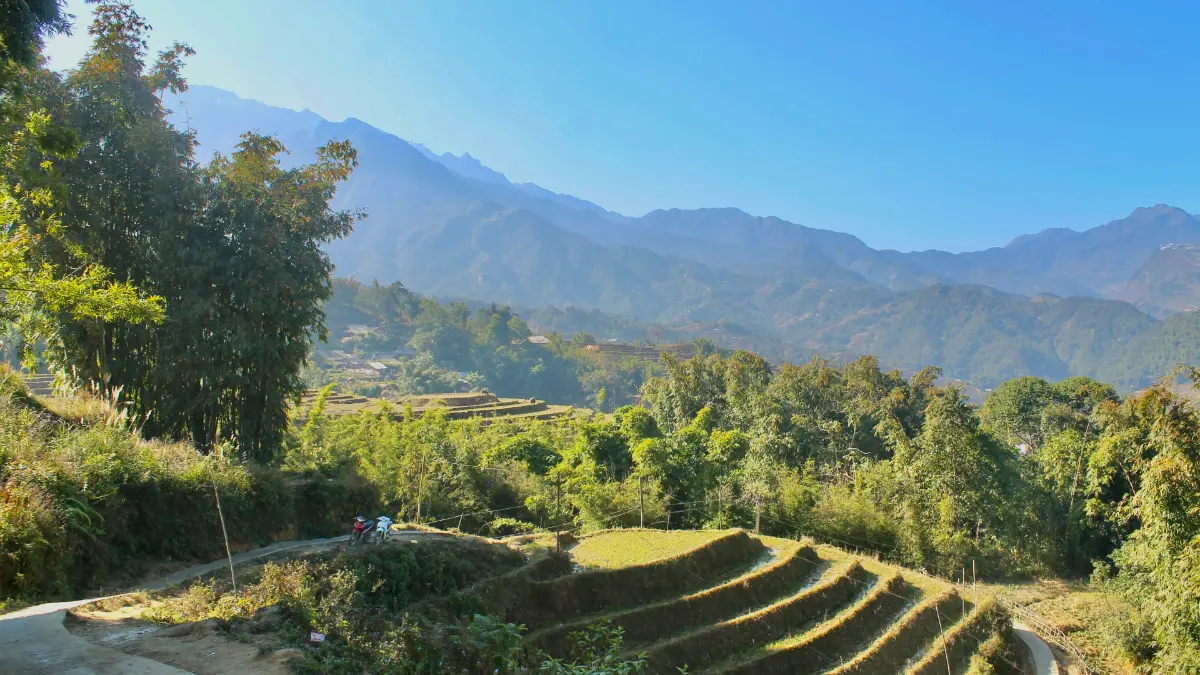
Hanoi and Sapa need layers in winter; the south is hot all year. Vietnam packing list.
13. Ride a motorbike only if licensed
You need a licence covering motorbikes and a 1968-format IDP; otherwise insurance may not cover you.
14. Book early for Tet and peak season
Tet 2027 is on 6 February; transport and hotels fill up from late January.
15. Buy travel insurance
Choose cover for medical treatment, evacuation and weather delays. Is Vietnam safe?.
16. Learn a few words
“Xin chào” (hello) and “cảm ơn” (thank you) earn instant smiles.
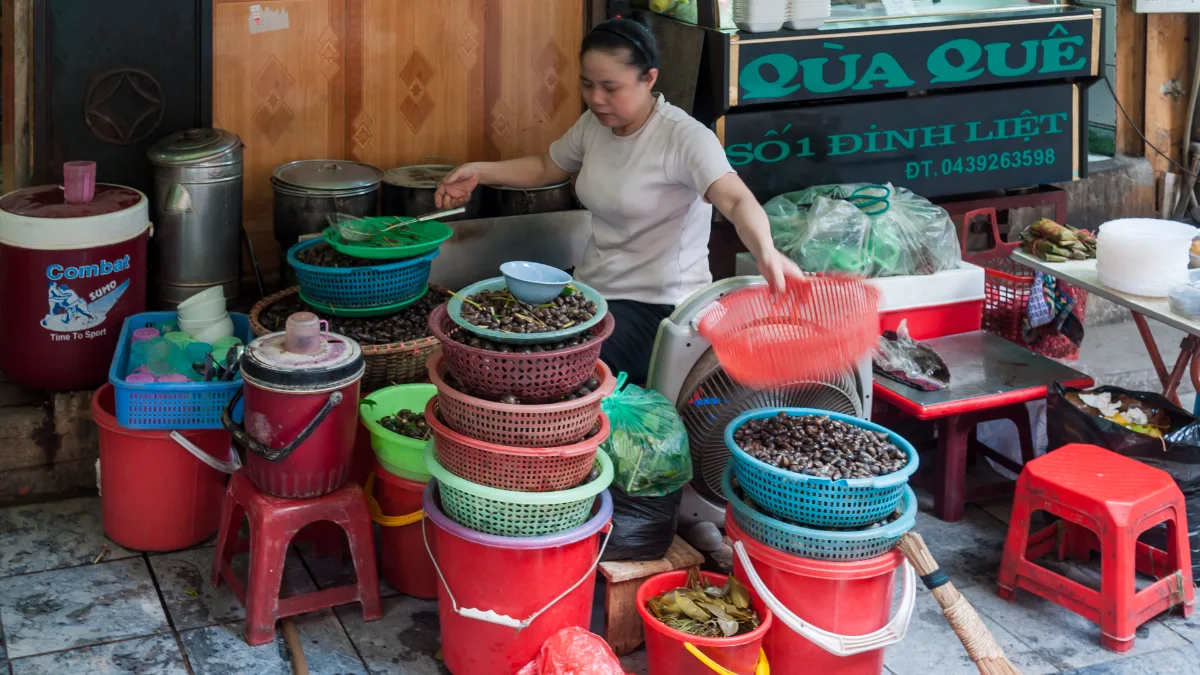
17. Try the street food
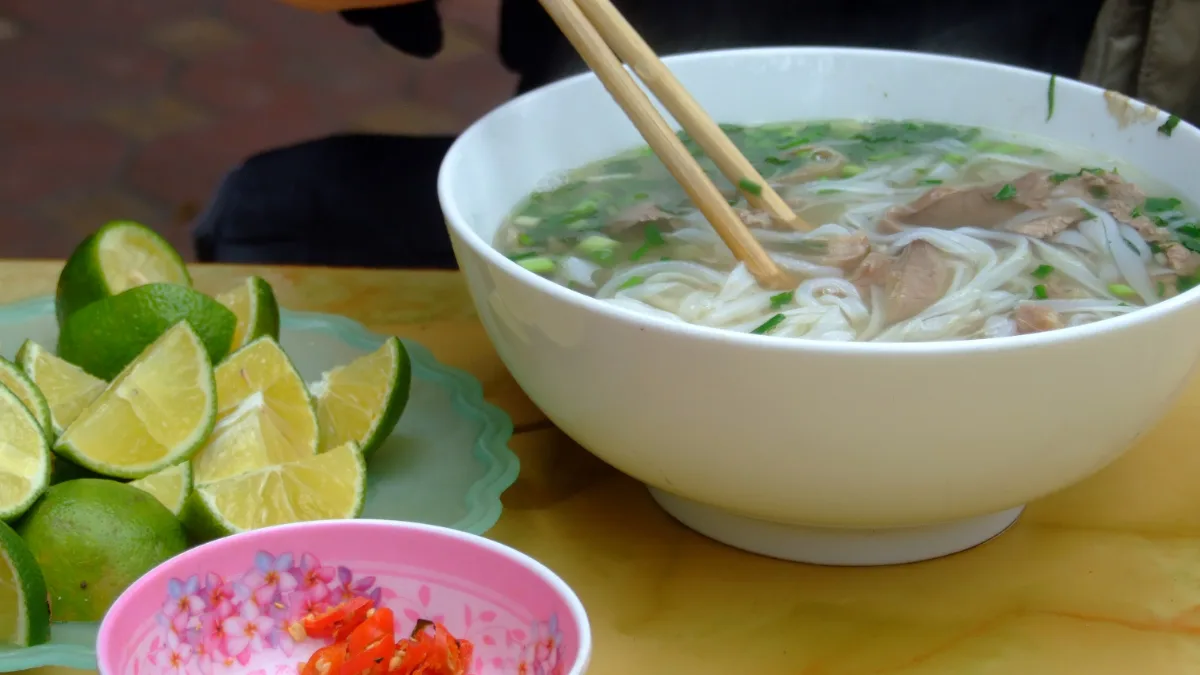
Pho, bun cha, banh mi and egg coffee are cheap and delicious – eat where locals queue. Hanoi food guide.
18. Take at least one scenic train or drive
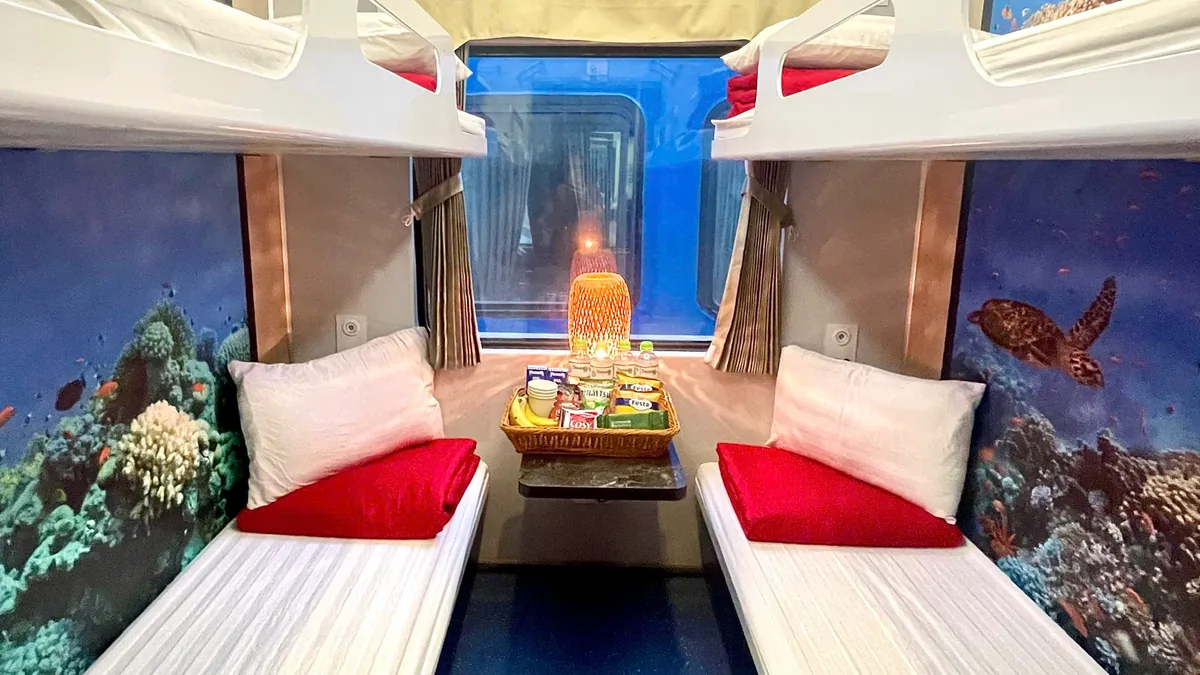
The Hue–Da Nang coast and the Hai Van Pass are highlights. Hue to Hoi An.
19. Spend a night on Ha Long Bay
An overnight cruise beats a rushed day trip. Ha Long Bay cruise guide.
20. Consider a local guide
A private guide saves time, avoids scams and explains the culture – and is affordable in Vietnam.
Vietnam Travel Essentials: Our Complete Guides
- Vietnam visa guide
- Best time to visit Vietnam
- Vietnam itineraries: 7, 10, 14 and 21 days
- Getting around Vietnam
- Vietnam train guide
- Vietnam travel cost
- Money and tipping in Vietnam
- Vietnam SIM card and eSIM
- Is Vietnam safe?
- Vietnam scams to avoid
- Vietnam etiquette
- Vietnam packing list
Local Expert Tips
From more than ten years of welcoming first-time visitors to Vietnam:
- Slow down – two nights per stop make the trip far more enjoyable.
- Say yes to the plastic stools – some of the best food in Vietnam is served on them.
- Bring patience and a sense of humour; Vietnam rewards curious travellers.
- Let a local expert handle logistics so you can enjoy the experience.
Plan Your First Trip
Contact Vietnam Tour Expert Team for a free tailor-made itinerary with private guides, drivers and hand-picked hotels, or browse our Vietnam tour 15 days north to south.
Frequently Asked Questions for First-Time Visitors to Vietnam
1. Do I need a visa for Vietnam?
Citizens of 24 countries get 45 days visa-free. Everyone else can apply online for an e-visa of up to 90 days at evisa.gov.vn.
2. What is the best time to visit Vietnam for the first time?
Late January to April is the best all-round window; March is often ideal.
3. How many days do I need in Vietnam?
Ten to fourteen days for a first trip from north to south; seven days for one region.
4. Is Vietnam safe for first-time travellers?
Yes. The UK, US and Canada advise normal precautions; traffic and petty theft are the main risks.
5. What currency should I bring to Vietnam?
Bring a bank card and some US dollars or euros in clean notes; pay in Vietnamese dong.
6. Is English widely spoken in Vietnam?
In hotels, tourist restaurants and tour companies, yes; less so in markets and rural areas, where a translation app helps.
7. Is Vietnam good for first-time travellers to Asia?
Yes. It is safe, affordable, easy to travel around and full of variety, from cities to mountains, bays and beaches.
8. What should I not do in Vietnam?
Do not dress revealingly at temples, lose your temper in public, ride a motorbike without a licence, drink tap water or carry drugs.
9. How do I get around Vietnam?
Fly between regions, take trains for scenic legs and use Grab or licensed taxis in cities.
10. What is the time zone in Vietnam?
Vietnam is on UTC+7 with no daylight saving time.
11. Can Vietnam Tour Expert plan my first trip?
Yes. We design private, tailor-made trips with guides, drivers and hotels across Vietnam.
Related Posts
Vietnamese Dong Banknotes 2026: Every Note, USD Value & Cash Tips
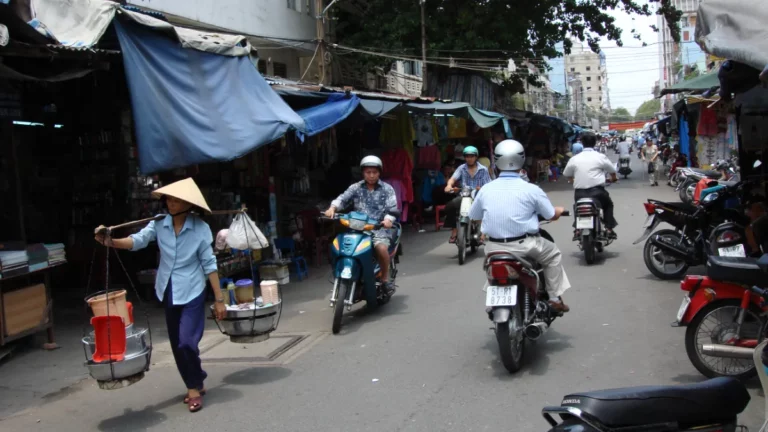
Vietnam Packing List 2026: What to Wear & What to Bring by Season
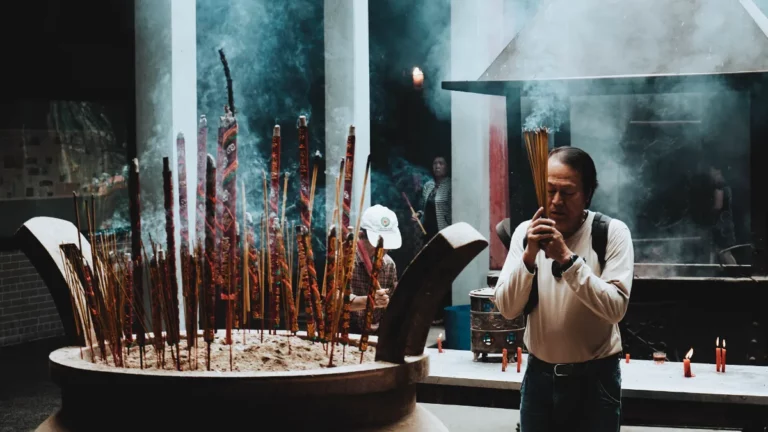
Vietnam Etiquette 2026: Do’s and Don’ts for Travellers
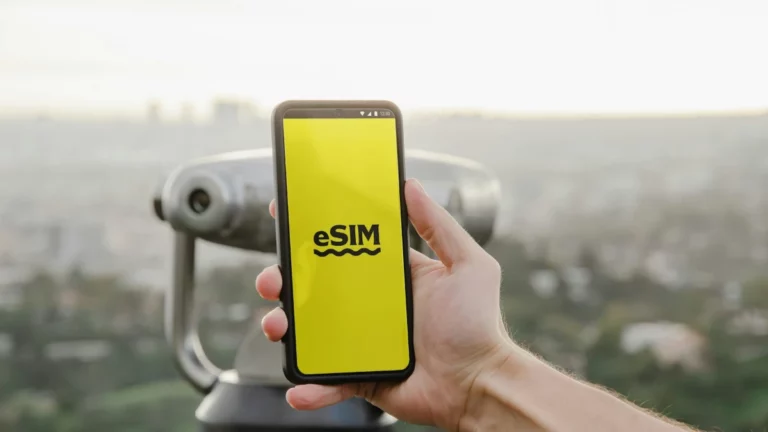
Vietnam SIM Card & eSIM 2026: Best Travel SIM, Data Plans & Prices
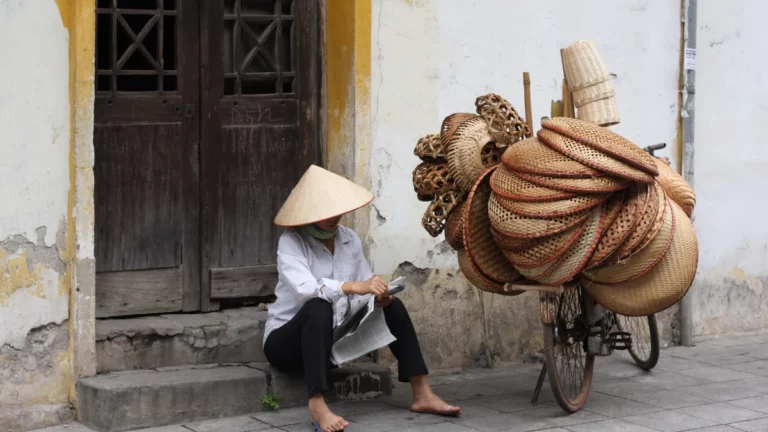
Vietnam Scams 2026: 10 Common Tourist Scams & How to Avoid Them