Call or WhatsApp Us: +84 88 626 1368

Sapa
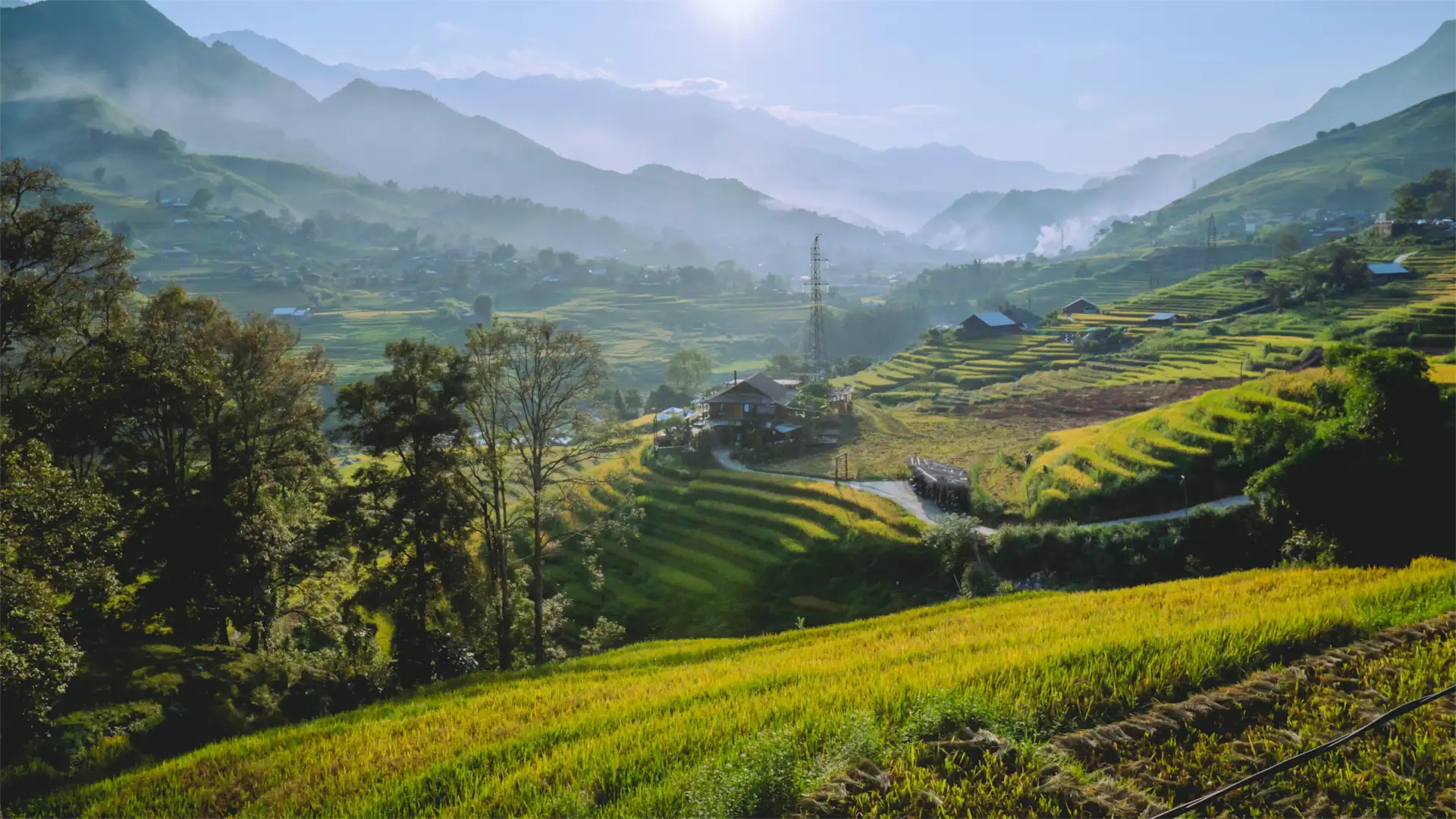
Rice terraces cascading down misty valleys, Hmong and Red Dao villages, and Fansipan – the Roof of Indochina – Sapa is Vietnam's most famous mountain escape.
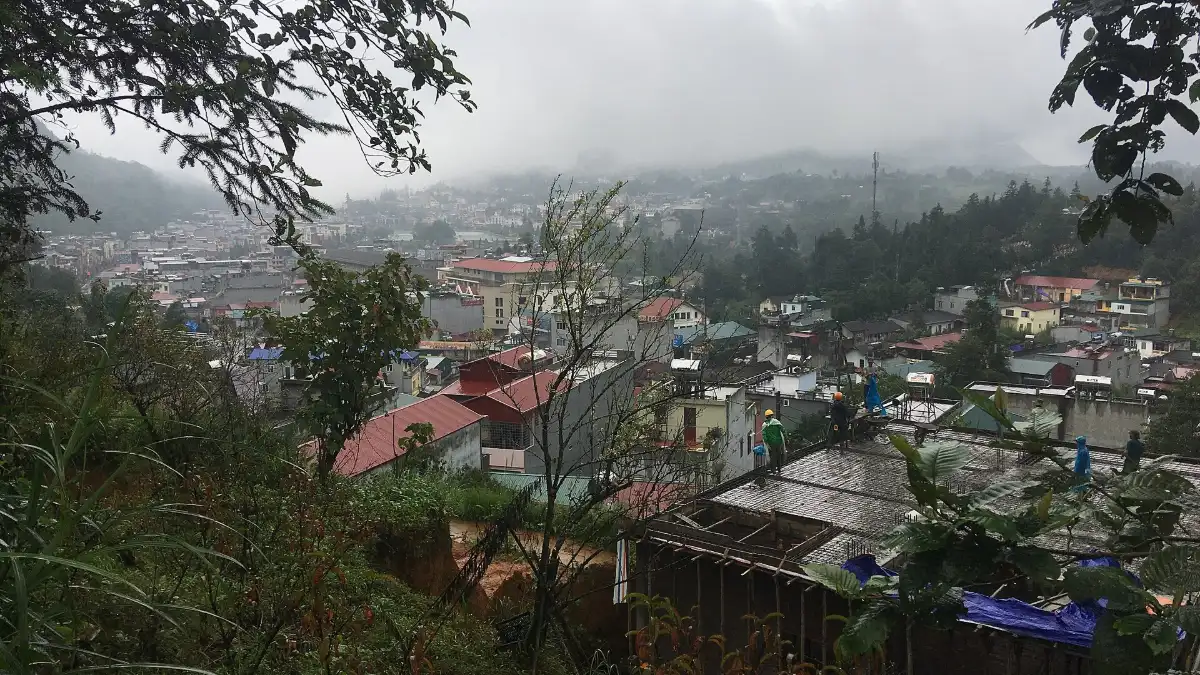
Sapa (Sa Pa) is a mountain town at about 1,500–1,600 m in the Hoang Lien Son range of Lao Cai Province, north-west Vietnam, about 5.5–6 hours from Hanoi. Founded as a French hill station in the early 20th century, it is now Vietnam’s most popular highland destination. It is famous for the rice terraces of the Muong Hoa Valley, the villages of the Hmong, Red Dao, Tay and Giay peoples, and Fansipan, at 3,147.3 m the highest peak in Indochina, reachable by a record-breaking cable car. Cool weather, trekking trails and homestays make Sapa the perfect contrast to Hanoi and Halong Bay.
Why Visit Sapa?
- Rice terraces: the Sapa terraces are a National Scenic Site, golden from mid-August to September.
- Trekking: from the easy Cat Cat Village walk to the classic Lao Chai – Ta Van trek and the Fansipan climb.
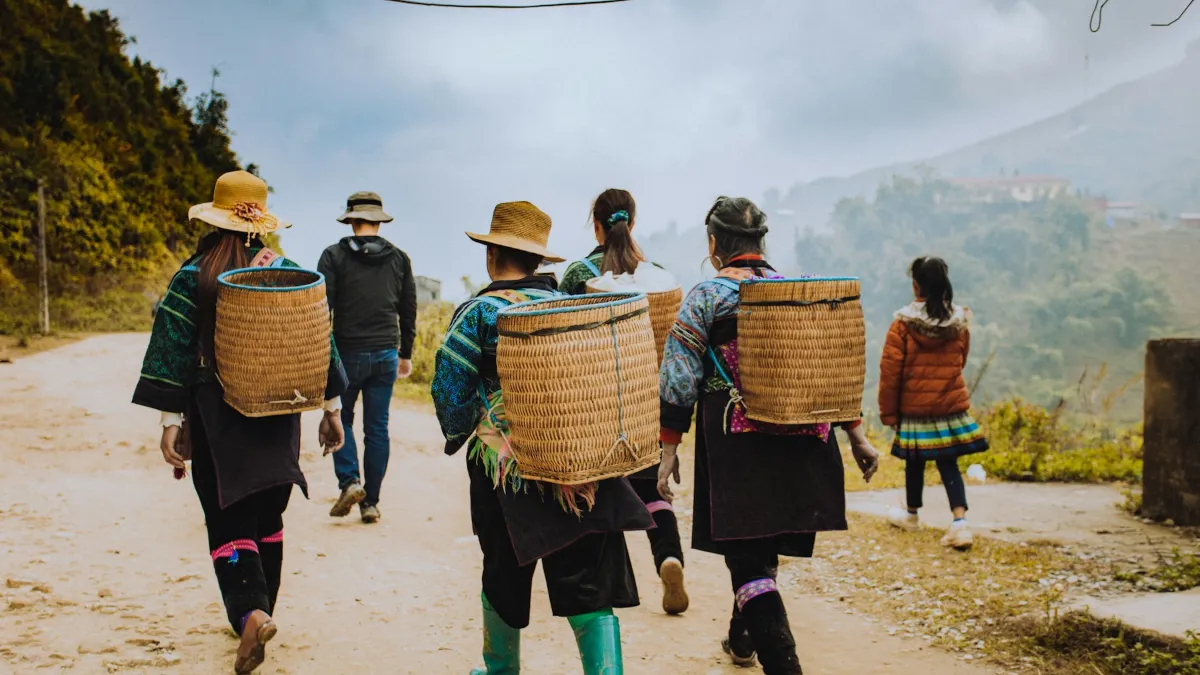
- Ethnic cultures: Hmong crafts, Red Dao herbal baths in Ta Phin and village homestays.
- The Roof of Indochina: the Fansipan cable car holds two Guinness World Records.
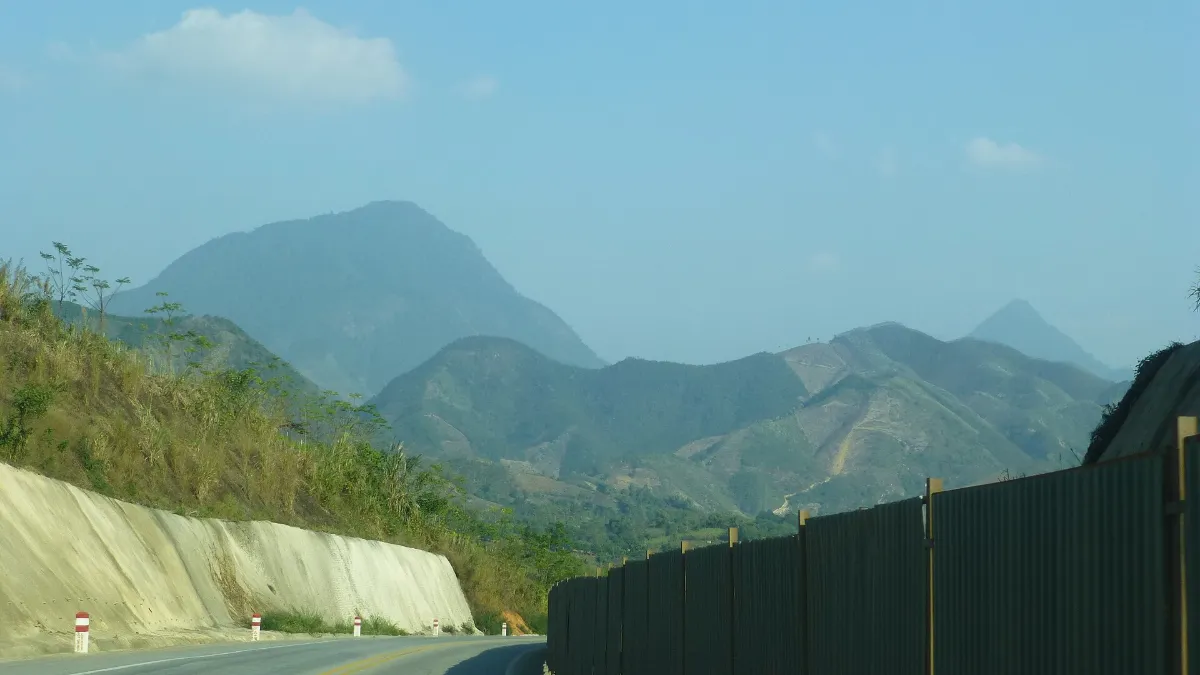
- Mountain passes: sunsets and seas of clouds on O Quy Ho Pass.
- Cool climate: about 15°C on average, a relief from the lowland heat.
Top Things to Do in Sapa
- Ride the cable car to the summit of Fansipan.
- Trek through the rice terraces of Muong Hoa Valley to Lao Chai and Ta Van.
- Walk down to Cat Cat Village to see Hmong crafts.
- Take a Red Dao herbal bath in Ta Phin Village.
- Watch the sunset at Tram Ton Pass (Heaven’s Gate) on O Quy Ho Pass.
- See the Silver Waterfall and the Love Waterfall.
- Walk on the cliff-edge Rong May Glass Bridge.
- Climb Ham Rong Mountain for views over town.
- Visit the Sapa Stone Church and the Saturday Sapa Love Market show.
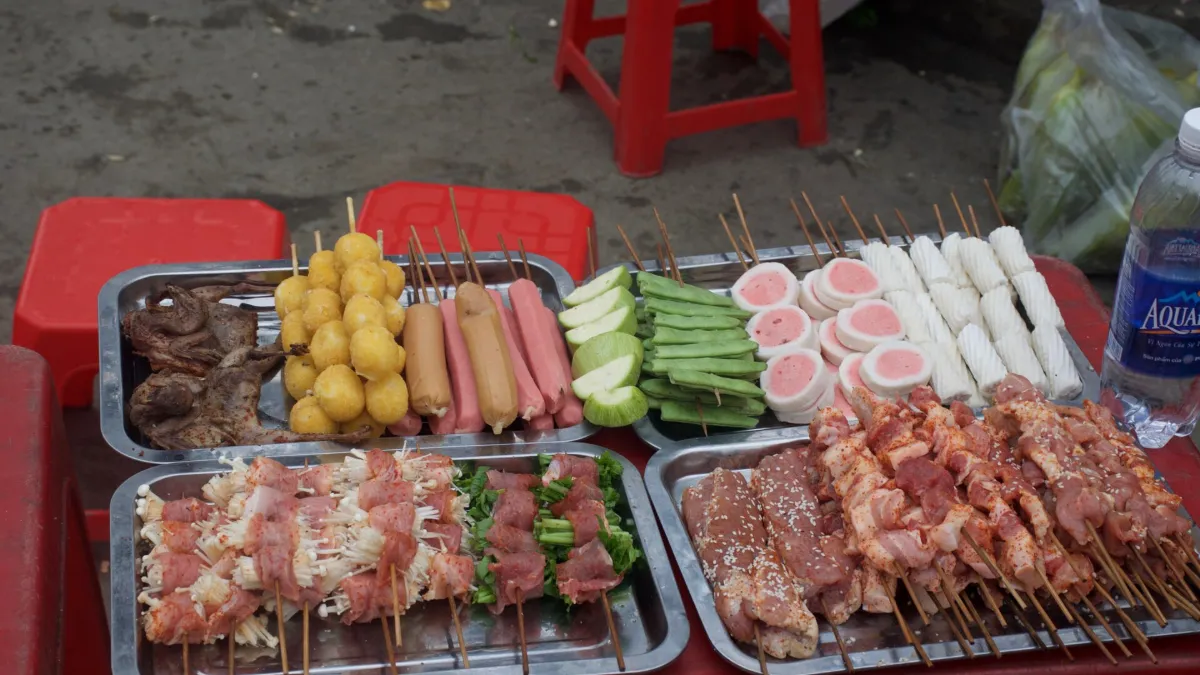
- Try salmon hotpot and street BBQ; see our Sapa food guide.
Sapa Attractions at a Glance: Opening Hours & Ticket Prices 2026
Opening hours and adult ticket prices for the main sights in Sapa, checked in October 2026 against official and local sources. Prices are in Vietnamese dong (VND), can change without notice and are usually included in our private tours. Click a name for the full guide.
| Attraction | Opening hours | Ticket (adult) |
|---|---|---|
| Fansipan | Cable car from 7:30–8:00, last ride up 14:30–15:30 (by day) | Cable car 850,000 VND, 550,000 VND child |
| Cat Cat Village | Daily, about 7:00–18:00 | 150,000 VND |
| Lao Chai & Ta Van | Daylight trekking | 75,000 VND |
| Muong Hoa Valley | Daylight | Village fee about 75,000 VND (Lao Chai – Ta Van) |
| Ham Rong Mountain | Daily, about 8:00–17:00 | 70,000 VND |
| Sapa Stone Church | Grounds all day | Free |
| Sapa Love Market | Saturday evenings, roughly 19:00–21:00 | Free |
| Ta Phin Village | Daylight, about 8:00–17:00 | 40,000 VND |
| Silver Waterfall | Daytime | 20,000 VND |
| Tram Ton Pass | Open road 24h | Free |
| O Quy Ho Pass | Public road 24h | Free (stops charge separately) |
| Rong May Glass Bridge | Daily, about 7:00–17:30 | 500,000 VND |
Best Time to Visit Sapa
The best periods are March–May (mild weather, flowers, water-filled terraces from May) and September–November (golden rice in September, then clear skies ideal for trekking and Fansipan views). June–August is the rainy season, green but muddy, with a risk of landslides. December–February is cold, sometimes below freezing, with rare snow. More in our Sapa travel tips.
How to Get to Sapa from Hanoi
Sapa is about 315–320 km from Hanoi, around 5.5–6 hours by sleeper or limousine bus or private car on the Noi Bai – Lao Cai expressway. Alternatively, take the overnight train to Lao Cai (about 8 hours) and a 45–60 minute transfer to Sapa. There is no airport in Sapa. Compare all options in our Hanoi to Sapa transportation guide.
How Many Days in Sapa?
2 nights is the minimum to trek the Muong Hoa Valley and visit Fansipan. With 3 nights you can add a homestay, Ta Phin and the O Quy Ho Pass. A day trip from Hanoi is not practical. Many travellers combine Sapa with Hanoi, Halong Bay and Ninh Binh on a 7–10 day North Vietnam itinerary.
Trekking in Sapa
Routes range from easy walks to Cat Cat to full-day valley treks and the two-day climb of Fansipan, where a licensed guide is mandatory. See our Sapa trekking guide for routes, difficulty and safety.
Plan Your Sapa Trip with Local Experts
We hope this Sapa travel guide helps you plan. Vietnam Tour Expert organises private Sapa tours with licensed local guides, homestays and comfortable transfers, and combines Sapa with the best of North Vietnam. Browse our Sapa tours, or Contact Vietnam Tour Expert Team for a free custom itinerary.
Show More
Show Less
Popular Attractions

Fansipan Mountain: Cable Car Tickets, Trekking & Tips (2026)
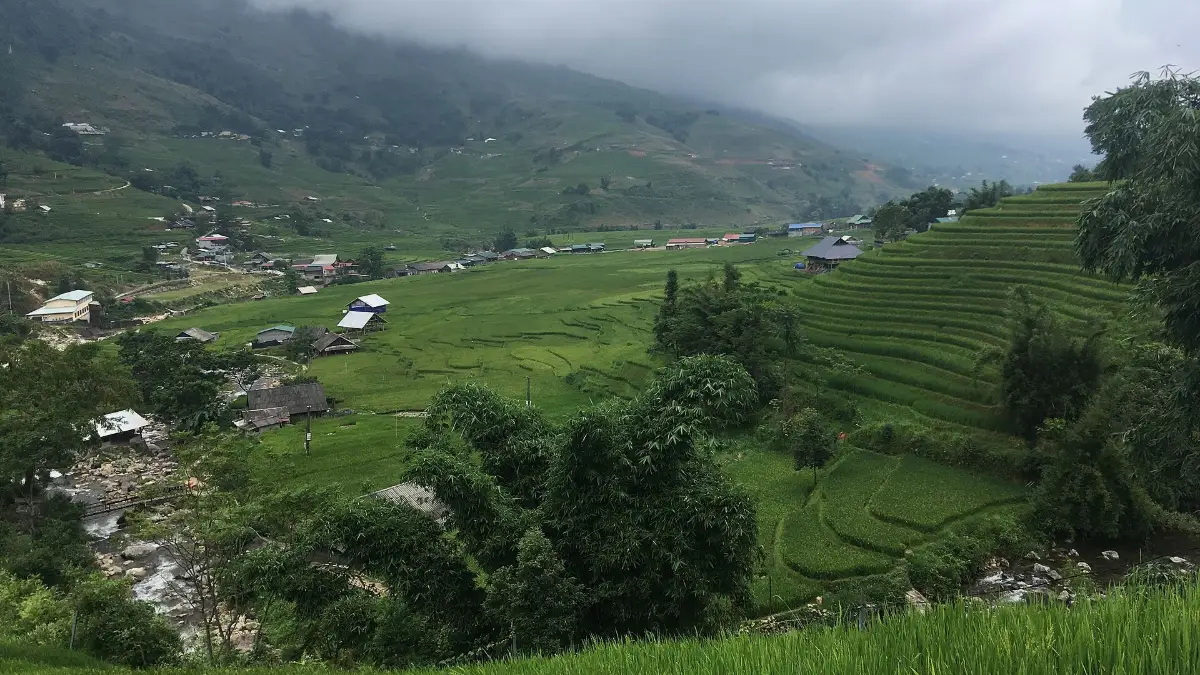
Muong Hoa Valley: Sapa Rice Terraces & Ancient Carved Stones
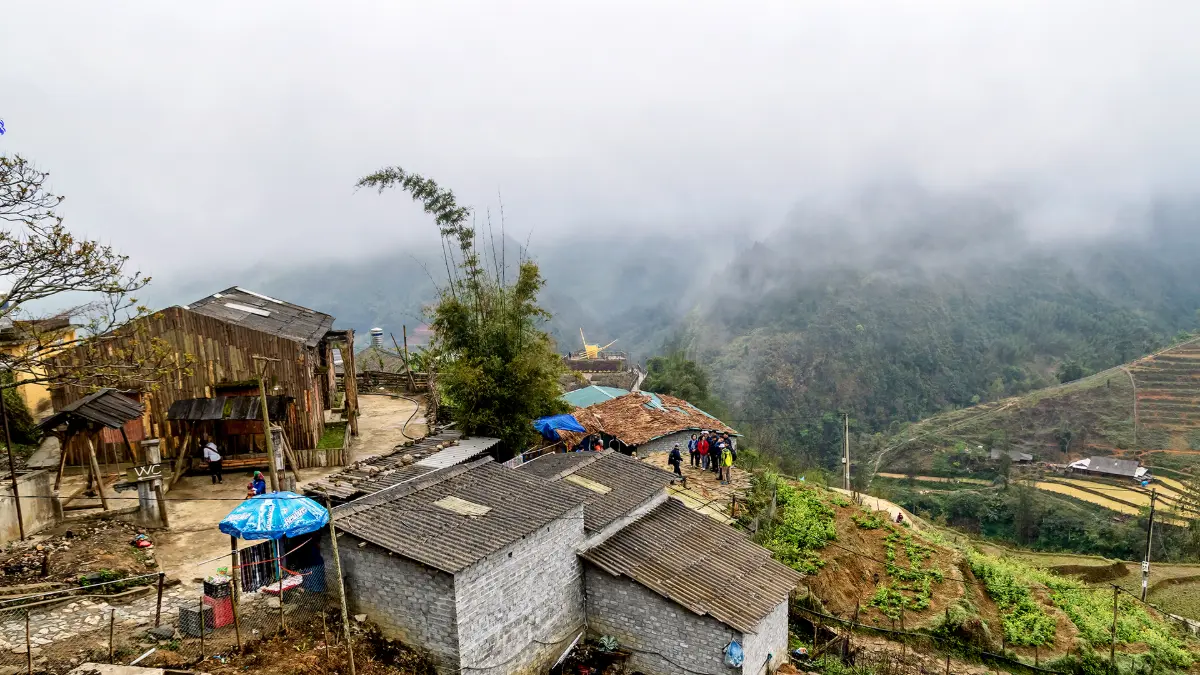
Cat Cat Village Sapa: Entrance Fee, Walk & What to See
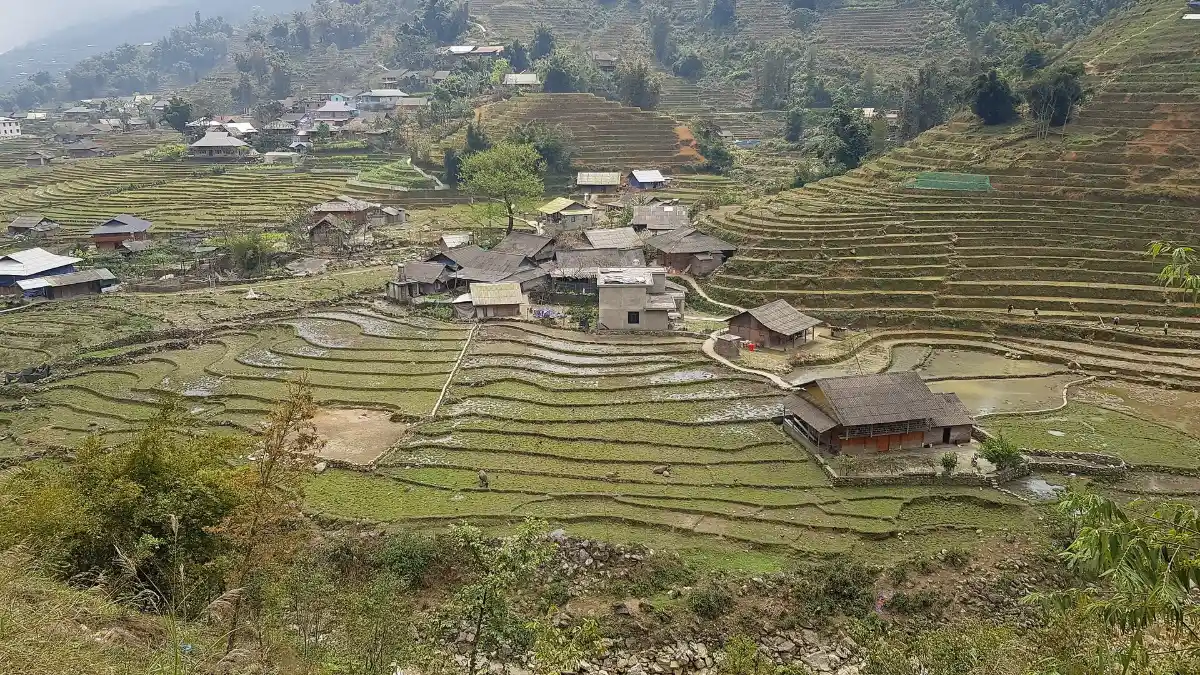
Lao Chai & Ta Van Villages: Sapa’s Classic Rice Terrace Trek

Ta Phin Village Sapa: Red Dao Culture & Herbal Bath
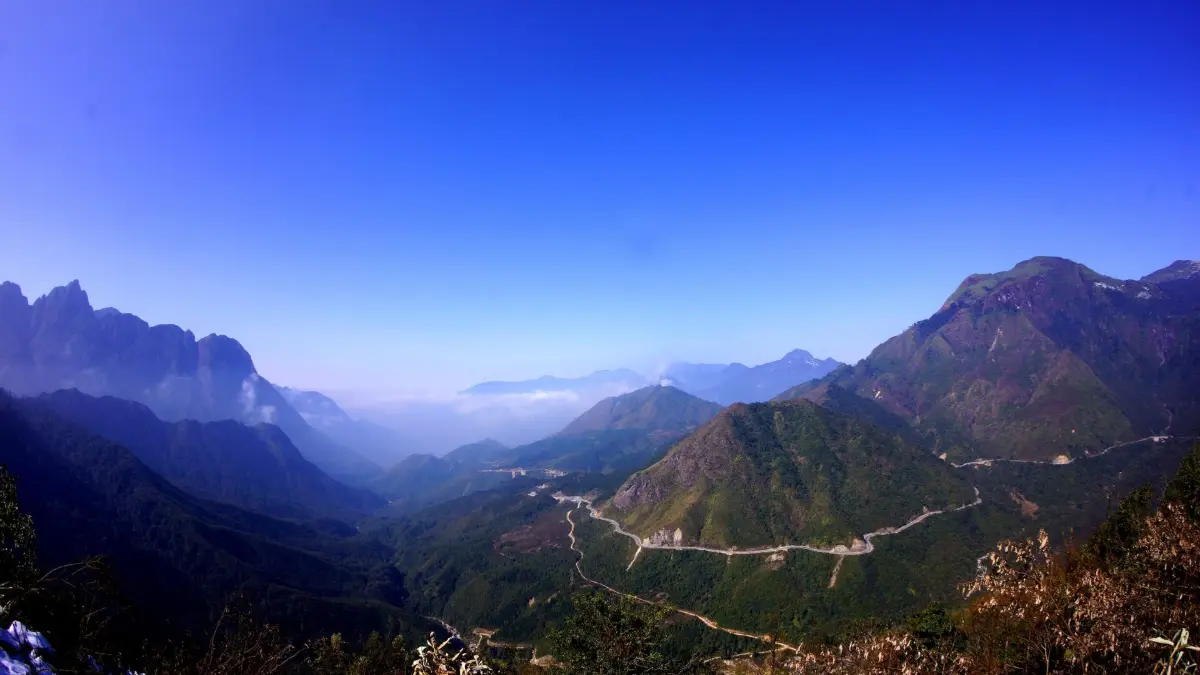
O Quy Ho Pass: Driving Vietnam’s Great Mountain Pass near Sapa
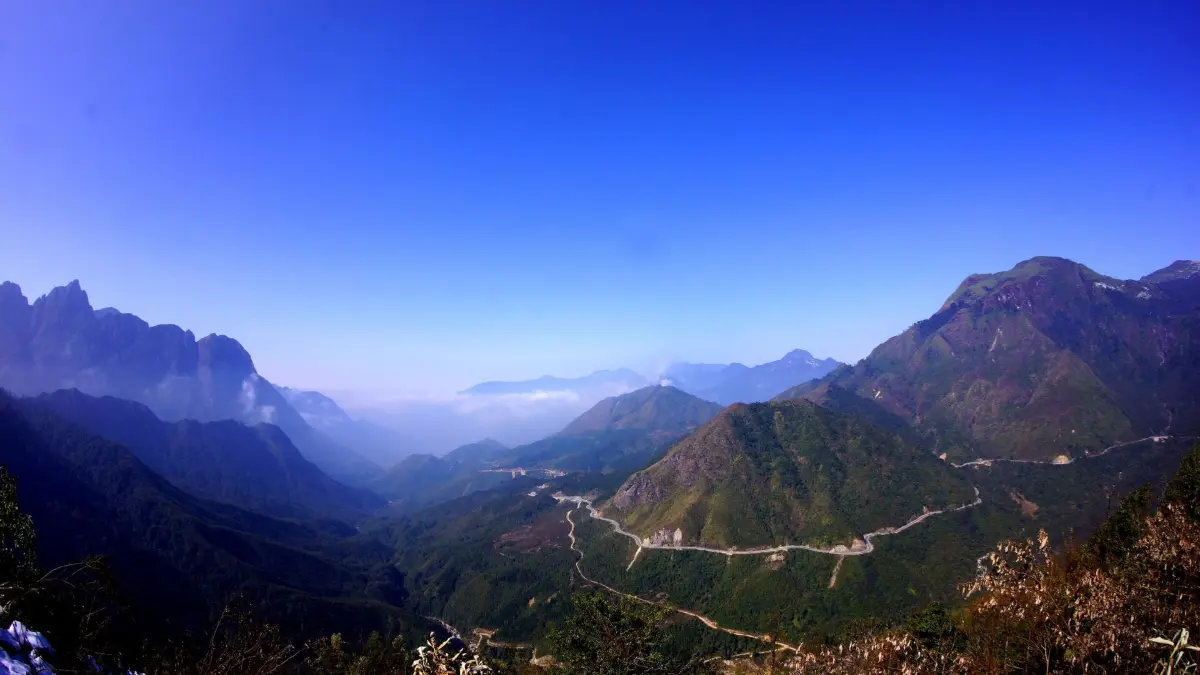
Tram Ton Pass: Heaven’s Gate Sunset & Fansipan Trailhead
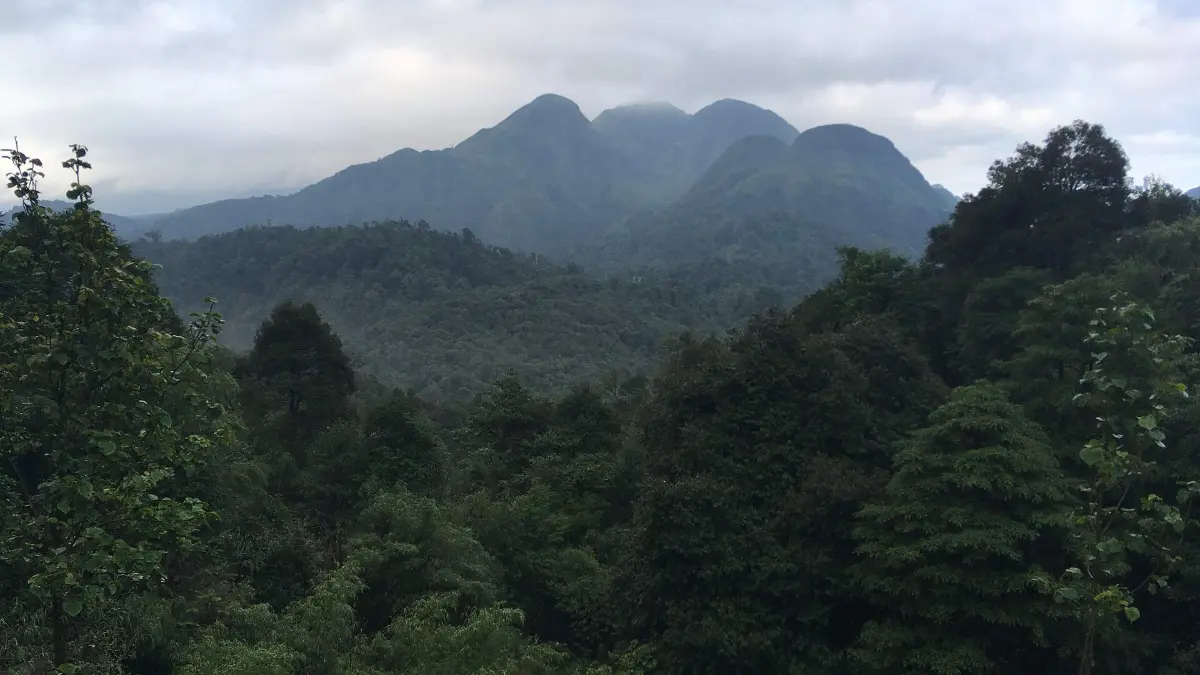
Rong May Glass Bridge: Tickets, Views & Is It Worth It?
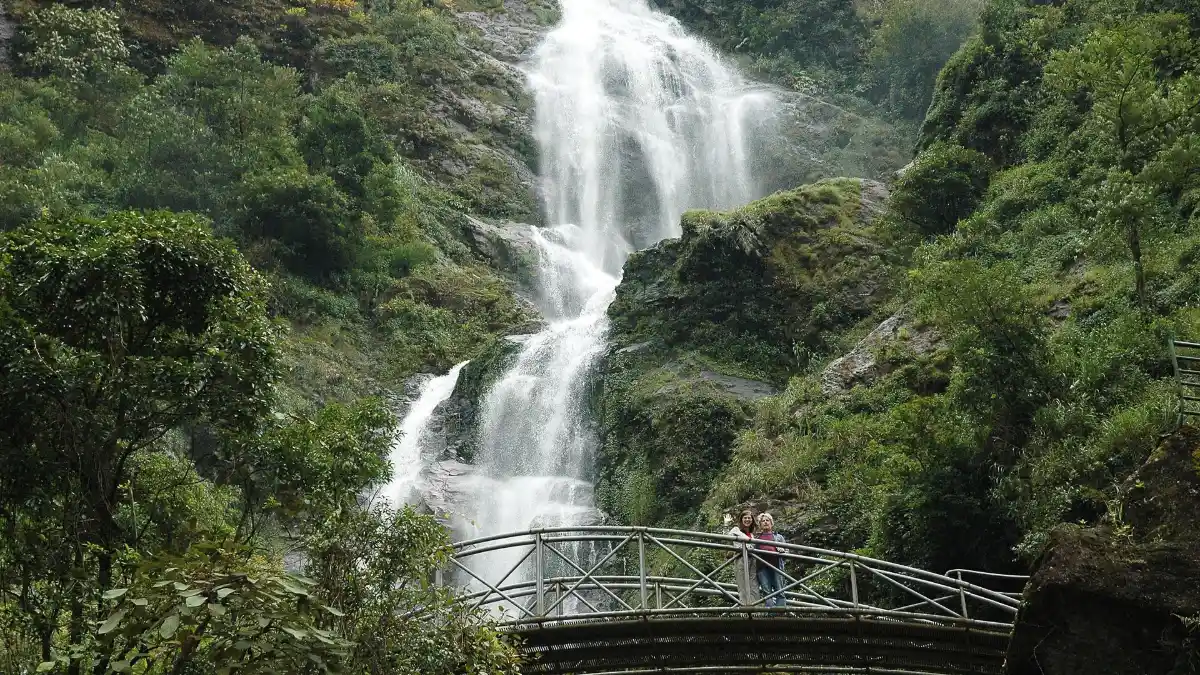
Silver Waterfall Sapa (Thac Bac): Ticket, Location & Tips
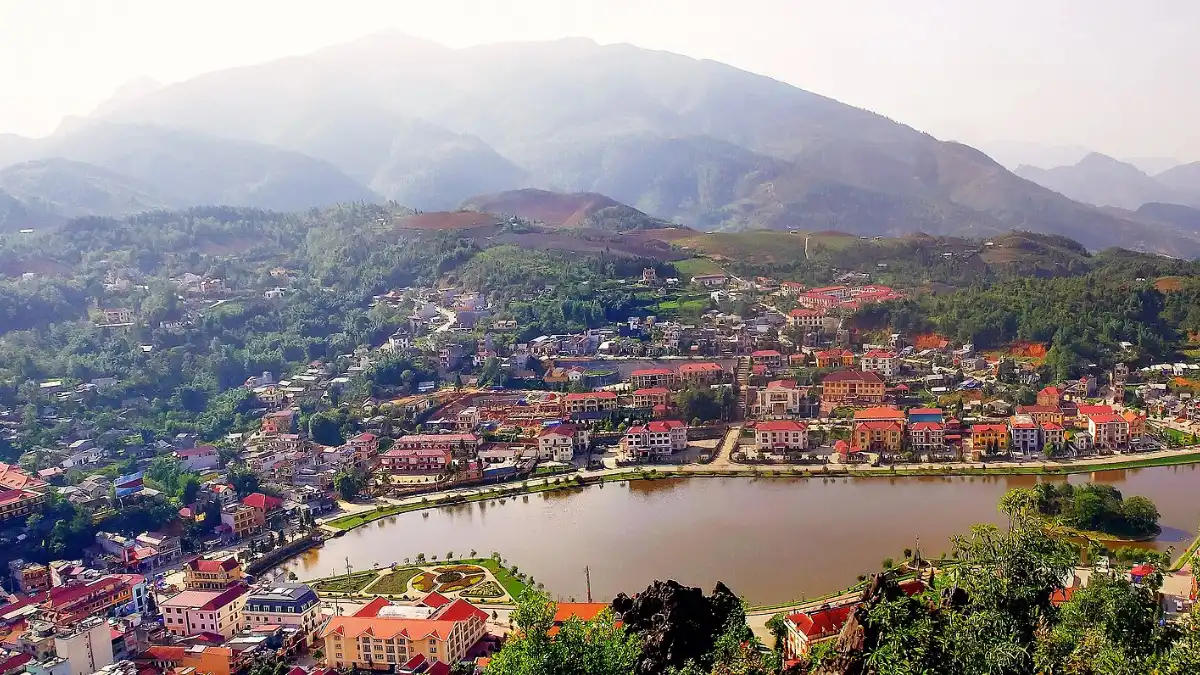
Ham Rong Mountain Sapa: Ticket, Hours & Best Viewpoints
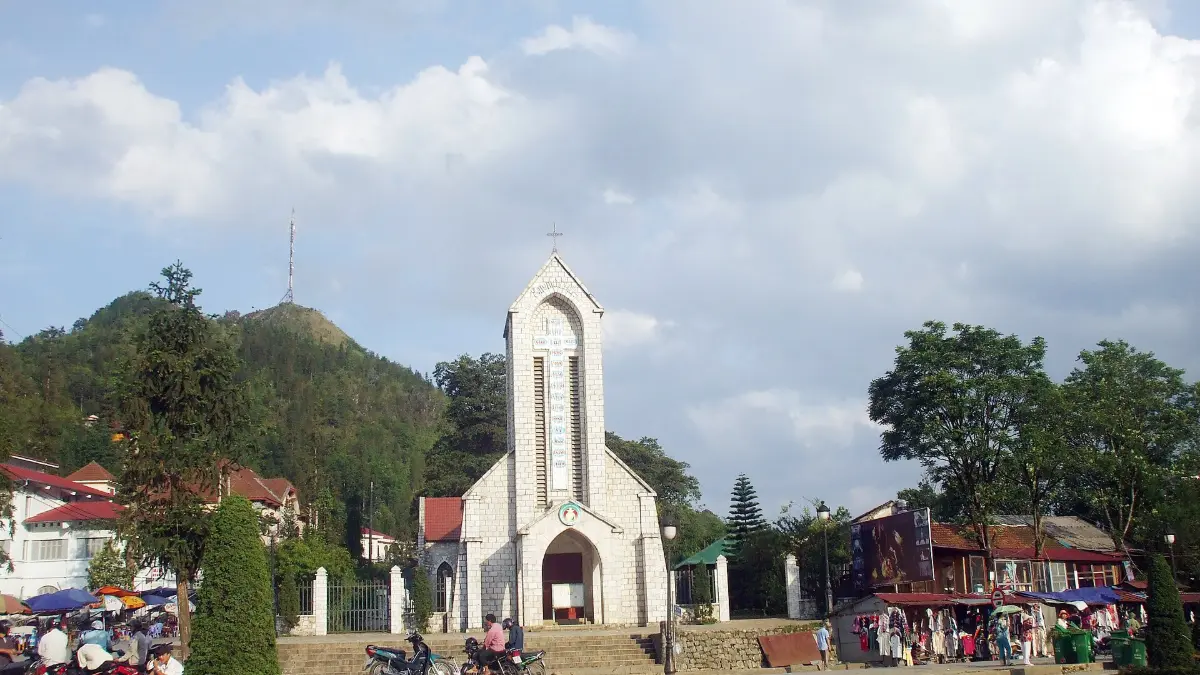
Sapa Stone Church: History, Mass Times & Sapa Square
Sapa Love Market: History, Saturday Show & What to Expect
Sapa Travel Guide

Frequently asked questions
1. Is Sapa worth visiting?
Yes. Sapa offers Vietnam’s most spectacular rice terraces, ethnic villages, trekking and Fansipan, the highest peak in Indochina. Go in the right season and stay at least 2 nights. See the top attractions in Sapa.
2. How far is Sapa from Hanoi?
About 315–320 km, around 5.5–6 hours by bus or car. Our Hanoi to Sapa guide compares bus, train and private car.
3. What is the best way to get from Hanoi to Sapa?
A limousine bus offers the best balance of time and price; the overnight train to Lao Cai is a classic alternative, and a private car is the most comfortable. See our Hanoi to Sapa transportation guide.
4. Is there a train from Hanoi to Sapa?
Trains run overnight to Lao Cai (about 8 hours); from there it is 45–60 minutes by road to Sapa. Details are in our Hanoi to Sapa guide.
5. How many days do you need in Sapa?
2–3 nights: enough for a valley trek, Fansipan and perhaps a homestay. A day trip from Hanoi is not practical.
6. What is the best time to visit Sapa?
March–May and September–November. September is golden rice season; October–November brings the clearest skies. More in our Sapa travel tips.
7. When are the Sapa rice terraces golden?
From mid-August to September. In May–June the terraces are filled with water. The best place to see them is the Muong Hoa Valley.
8. Does it snow in Sapa?
Rarely. Notable snowfalls happened in 2013, 2014 and January 2016; snow is more likely on the summit of Fansipan. Never plan a trip only for snow.
9. How cold is Sapa?
The average temperature is about 15°C. Winter nights (December–February) are around 6–8°C and can drop below freezing. Pack layers; see our Sapa travel tips.
10. How much is the Fansipan cable car?
850,000 VND for adults and 550,000 VND for children (round trip, 2026); the Muong Hoa train is 200,000 VND return, and combos with lunch start at 1,100,000 VND. See our Fansipan guide.
11. How high is Fansipan?
3,147.3 m according to the official 2019 re-measurement, the highest peak in Vietnam, Laos and Cambodia. Read our Fansipan Mountain guide.
12. Can I trek to the top of Fansipan?
Yes, with a licensed guide and permit; the official climbing fee is 150,000 VND, and most people take 2 days. See our Sapa trekking guide.
13. What is the best trek in Sapa?
The classic Sapa – Lao Chai – Ta Van trek, about 12 km through the Muong Hoa Valley rice terraces. Compare routes in our Sapa trekking guide.
14. Do I need a guide to trek in Sapa?
A licensed guide is mandatory on Fansipan and strongly recommended on village treks. Contact Vietnam Tour Expert Team to arrange one.
15. How much is the Cat Cat Village ticket?
150,000 VND for adults. Cat Cat Village is a 20–30 minute walk from town.
16. Which villages should I visit in Sapa?
Cat Cat for an easy visit, Lao Chai and Ta Van for trekking and homestays, and Ta Phin for Red Dao culture.
17. What ethnic groups live in Sapa?
The Hmong (about half the population), Red Dao, Tay, Giay and Xa Pho, along with the Kinh (Vietnamese).
18. What is the Sapa Love Market?
Once a Saturday-night courtship gathering of Red Dao and Hmong youth, it is now a weekly cultural show on Sapa square. See Sapa Love Market.
19. Is O Quy Ho Pass worth visiting?
Yes, for one of Vietnam’s great mountain passes, with sunsets and seas of clouds about 15 km from Sapa. See O Quy Ho Pass and Tram Ton Pass.
20. Is Rong May Glass Bridge worth it?
On a clear day, yes for thrill seekers; in fog the view disappears. Tickets are about 500,000 VND. See Rong May Glass Bridge.
21. What food is Sapa famous for?
Salmon and sturgeon hotpot, Hmong thang co, grilled free-range pig, smoked buffalo and street BBQ. See our Sapa food guide.
22. Where should I stay in Sapa?
In Sapa town for convenience and restaurants, or in a homestay in Ta Van or Ta Phin for village life and terrace views. See Lao Chai and Ta Van.
23. Is Sapa safe for tourists?
Yes. Take care on mountain roads and trails in heavy rain, trek with licensed guides, and do not ride a motorbike without a valid licence. See our Sapa travel tips.
24. Should I buy from children selling handicrafts in Sapa?
No. Local authorities ask visitors not to buy from or give money to children, to help keep them in school. Buy from adults and cooperatives instead.
25. Can I combine Sapa with Halong Bay and Ninh Binh?
Yes. A classic 7–10 day North Vietnam itinerary combines Hanoi, Sapa, Halong Bay and Ninh Binh. Contact Vietnam Tour Expert Team for a free custom itinerary.