Bao Dai Palace Dalat: Palace I, II & III Compared
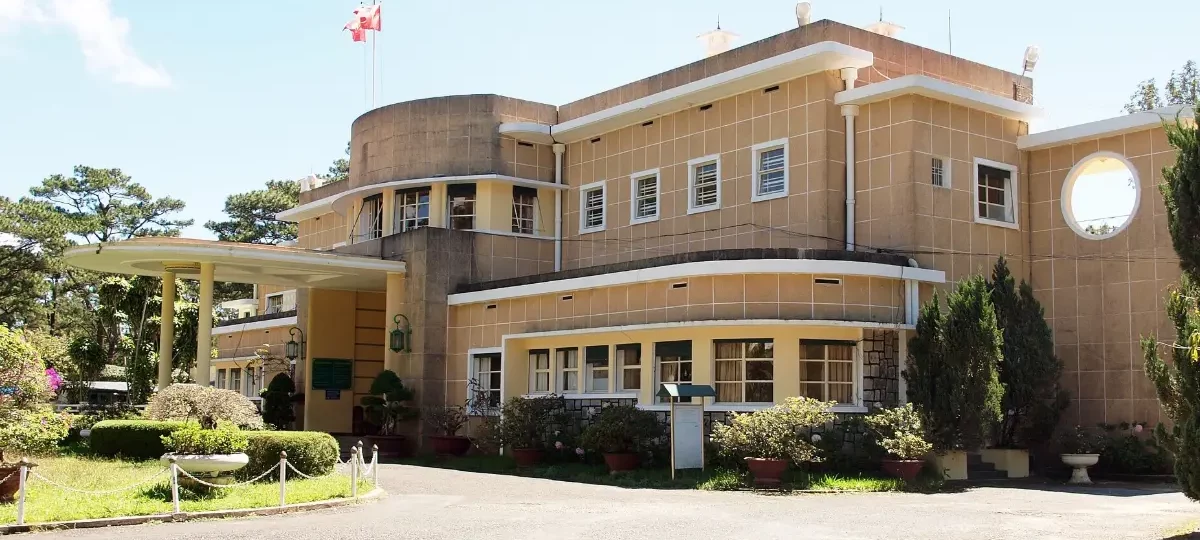
Bao Dai Palace (Dinh Bảo Đại), usually meaning Palace III (Dinh III), is the 1930s summer residence of Vietnam’s last emperor, Bảo Đại, on Ai An hill about 2 km south-west of central Da Lat. Built in 1933–1938 by French architects, it keeps the royal family’s rooms and gardens. Tickets cost about 30,000 VND. Palace I is also open; Palace II is not.
Status (checked October 2026): Palace III (1 Trieu Viet Vuong Street) is open daily, about 7:00–17:30, with tickets around 30,000 VND for adults. Palace I (Dinh I) is open daily as a separate ticketed site; Palace II (Dinh II), used by the provincial government, is not regularly open to visitors.
Why Bao Dai Palace is worth seeing:
- Royal history: the private summer home of Emperor Bảo Đại, Empress Nam Phương and their children.
- 1930s architecture: a Western-style villa with Art Deco touches, rare in Vietnam.
- Period interiors: the emperor’s office, library, dining room and family bedrooms.
- French-style gardens: geometric hedges and flower beds framed by pine forest.
- Cheap and central: one of the best-value history stops in Da Lat.
Bao Dai Palace at a Glance
| Vietnamese name | Dinh Bảo Đại (Dinh III); also Dinh I and Dinh II |
|---|---|
| Location | Palace III: 1 Trieu Viet Vuong Street, Ai An hill, Xuan Huong – Da Lat Ward, Lam Dong province |
| Distance | About 2 km south-west of Xuan Huong Lake (5–10 minutes by car) |
| Built | 1933–1938; architects Paul Veysseyre and Arthur Kruze |
| Known for | Last emperor’s summer palace, 1930s interiors, French gardens |
| Opening hours | Daily, about 7:00–17:30 |
| Entrance fee | Palace III about 30,000 VND adult, 15,000 VND child; Palace I separate ticket |
| Time needed | 45–60 minutes per palace |
| Best time | Opening time or late afternoon on weekdays |
| Nearby | Domaine de Marie Church, Xuan Huong Lake, Datanla Waterfall, Truc Lam Zen Monastery |
| Find it | Google Maps (Palace III) · Tripadvisor · Wikipedia |
Is Bao Dai Palace Worth Visiting?
Yes, if you enjoy history or architecture. Palace III is modest by royal standards, more a comfortable 1930s villa than a grand palace, but that is part of its charm: you see how Vietnam’s last emperor actually lived. It is cheap, central and quick to visit. Travellers expecting the splendour of the Hue Imperial City may find it understated.
- Best for: history lovers, architecture fans, families, rainy-day plans.
- Skip if: you are not interested in interiors or have already seen several colonial villas.
- Short on time: visit Palace III only (45 minutes), then walk or drive to Domaine de Marie Church.
History of Bao Dai Palace
A summer home for the last emperor
Da Lat was developed by the French as a cool hill station from the early 20th century, and its 1920s urban plan by Ernest Hébrard reserved hillsides for villas. Palace III was built from 1933 to 1938 on Ai An hill, at about 1,539 m, to designs by the French architects Paul Veysseyre and Arthur Kruze. Bảo Đại (reigned 1926–1945), the 13th and last emperor of the Nguyễn dynasty, used it as his summer residence with Empress Nam Phương and their children.
After the monarchy
After his abdication in 1945, Bảo Đại returned as Head of the State of Vietnam from 1949 to 1955 and continued to stay in Da Lat. The palace later passed to the state and was opened to visitors as a museum of royal life. Today it is managed under the Lam Dong provincial authorities and remains one of the city’s most visited heritage buildings.
Palace I and Palace II
Da Lat has three palaces commonly linked to Bảo Đại. Palace I (Dinh I), on a pine hill east of the centre at 1 Tran Quang Dieu Street, was built in the 1940s for the French businessman Robert Clément-Bourgery and later used by the emperor; it was restored and reopened to visitors in 2014. Palace II (Dinh II), at 12 Tran Hung Dao Street, was built in the 1930s as the residence of the French Governor-General of Indochina and is now used by the provincial government for official events.
What to See at Bao Dai Palace
1. The facade and approach
A pine-lined drive leads up to the cream-coloured villa, whose clean lines, flat roofs and tower-like stairwell show Art Deco and modernist influence.
2. Ground floor: office, library and dining room
The ground floor holds a reception hall, the emperor’s office and library, a meeting room and a large dining room, with period furniture, photographs and royal objects.
3. Upstairs: the royal family’s bedrooms
The upper floor contains the bedrooms of Bảo Đại, Empress Nam Phương, Crown Prince Bảo Long and the princesses, plus a terrace for viewing the moon. Visitors usually put on shoe covers before going inside.
4. The French-style gardens
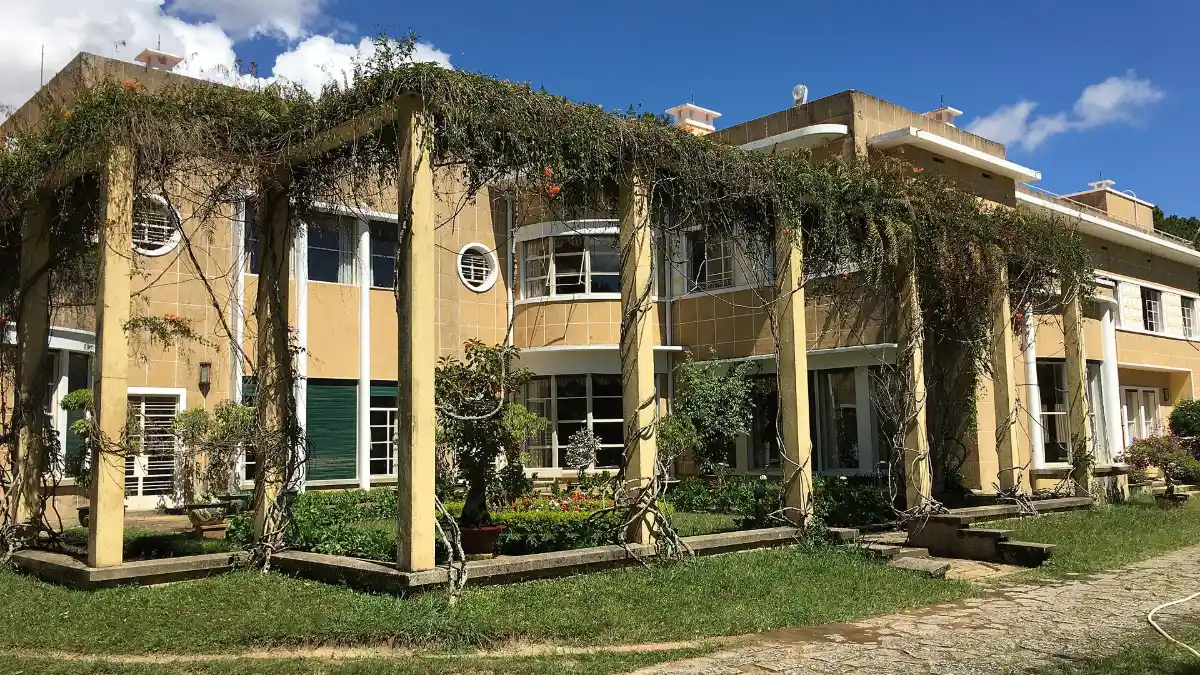
In front of the palace, geometric hedges and flower beds create a formal French garden, framed by pine forest. It is the classic photo spot.
5. Palace I (Dinh I)
If you have time, Palace I offers a larger, more lavishly restored interior and grounds with sweeping views over the hills. It is a separate visit across town; see it on Google Maps or Tripadvisor.
Bao Dai Palace Tickets and Opening Hours (2026)
| Palace | Ticket | Hours / status |
|---|---|---|
| Palace III (Dinh III), 1 Trieu Viet Vuong | About 30,000 VND adult (about 1.20 USD); about 15,000 VND child | Open daily, about 7:00–17:30 |
| Palace I (Dinh I), 1 Tran Quang Dieu | About 90,000 VND adult for a standard visit; costume packages extra | Open daily, about 7:00–17:30 |
| Palace II (Dinh II), 12 Tran Hung Dao | No regular ticket | Used for official events; not regularly open |
The palaces have no official English website; prices are set by the local managing units and can change, so treat these as guide prices and confirm at the gate.
Visiting Etiquette at Bao Dai Palace
- Wear the shoe covers provided indoors and do not touch the furniture.
- Photography is generally allowed, but follow any no-flash signs.
- Large groups can make rooms crowded; let them pass and enjoy the gardens meanwhile.
- Dress is casual, but the palace is cool inside, so bring a layer.
How to Get to Bao Dai Palace
| From | How | Time |
|---|---|---|
| Xuan Huong Lake | Taxi, Grab or a 25-minute uphill walk via Tran Hung Dao / Le Hong Phong | 5–10 minutes by car |
| Domaine de Marie Church | Taxi or motorbike | About 5–10 minutes |
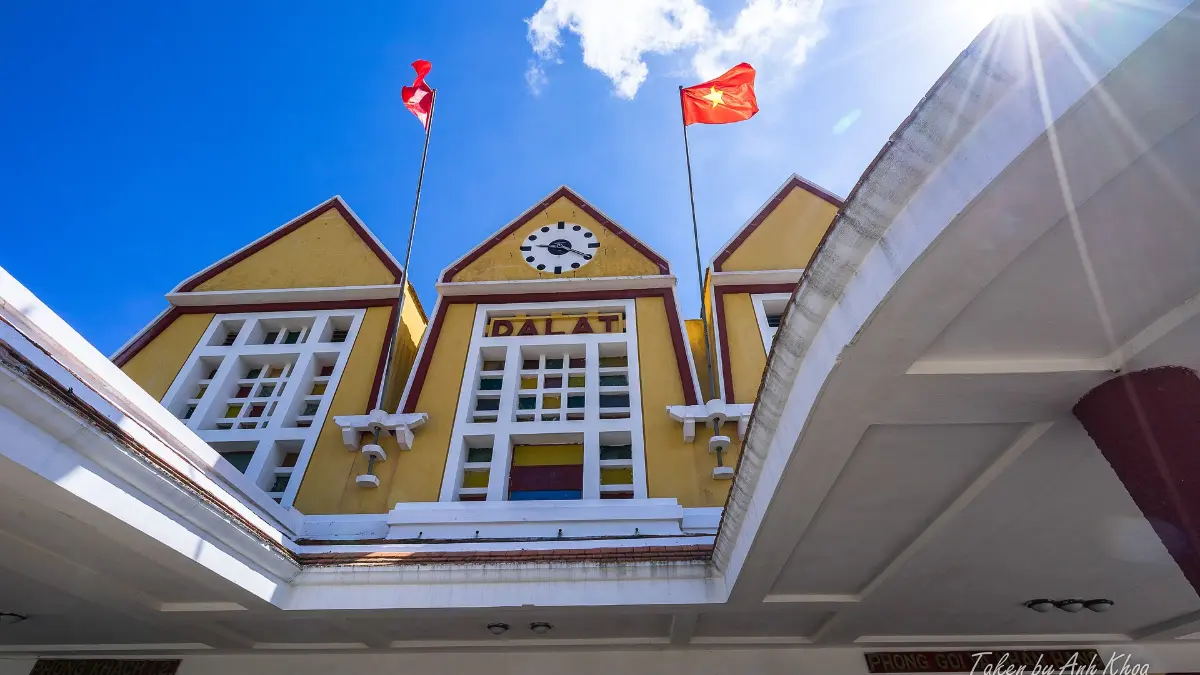
| Dalat Railway Station | Taxi | About 10 minutes |
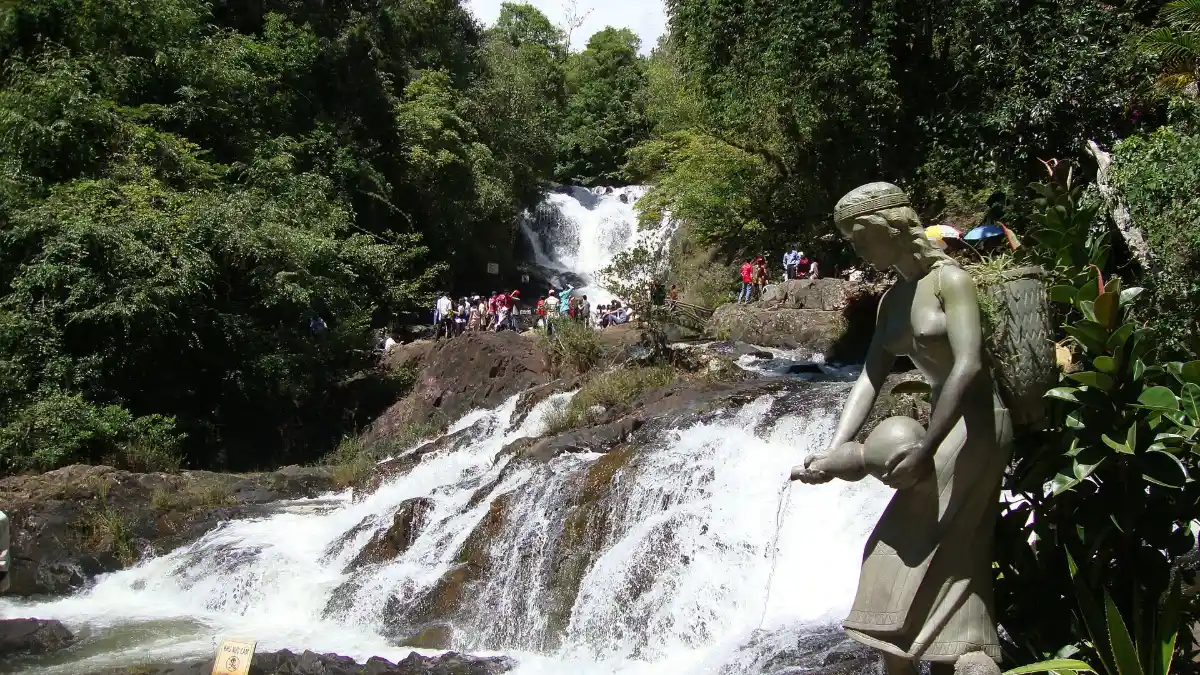
| Datanla Waterfall | Taxi via Prenn Pass | About 15 minutes |
| Palace III to Palace I | Taxi across town | About 10–15 minutes |
Our Dalat transport guide explains taxis, Grab and motorbike hire.
Best Time to Visit Bao Dai Palace
| When | What to expect |
|---|---|
| At opening (around 7:00–8:00) | Quiet rooms and soft light in the gardens |
| Late morning | Peak tour-group time; rooms get busy |
| Late afternoon | Calmer; golden light on the facade |
| December–April | Dry season; gardens at their best |
| Rainy season (May–November) | A good indoor option on wet afternoons |
Local Expert Tips for Bao Dai Palace
These tips come from years of arranging Da Lat tours for international travellers.
- Make sure your driver takes you to the palace you want; “Dinh Bảo Đại” usually means Palace III.
- Combine Palace III with Domaine de Marie Church and the railway station for a half-day heritage loop.
- A guide brings the rooms to life with stories of the royal family; ask us to arrange one.
- Choose Palace I if you prefer a more lavish restoration; Palace III if you want authenticity and gardens.
- Find more ideas in our Dalat travel tips.
Bao Dai Palace III vs Palace I
| Palace III (Dinh III) | Palace I (Dinh I) | |
|---|---|---|
| Built | 1933–1938 | 1940s |
| Original owner | Emperor Bảo Đại | Robert Clément-Bourgery, later the emperor |
| Setting | Ai An hill, south-west of the centre | Pine hill, east of the centre |
| Interiors | Modest, period furniture | Lavishly restored, larger rooms |
| Ticket | About 30,000 VND | About 90,000 VND |
Our view: Palace III is the classic, budget-friendly choice and closer to other sights; add Palace I if royal history is a highlight of your trip.
Nearby Attractions
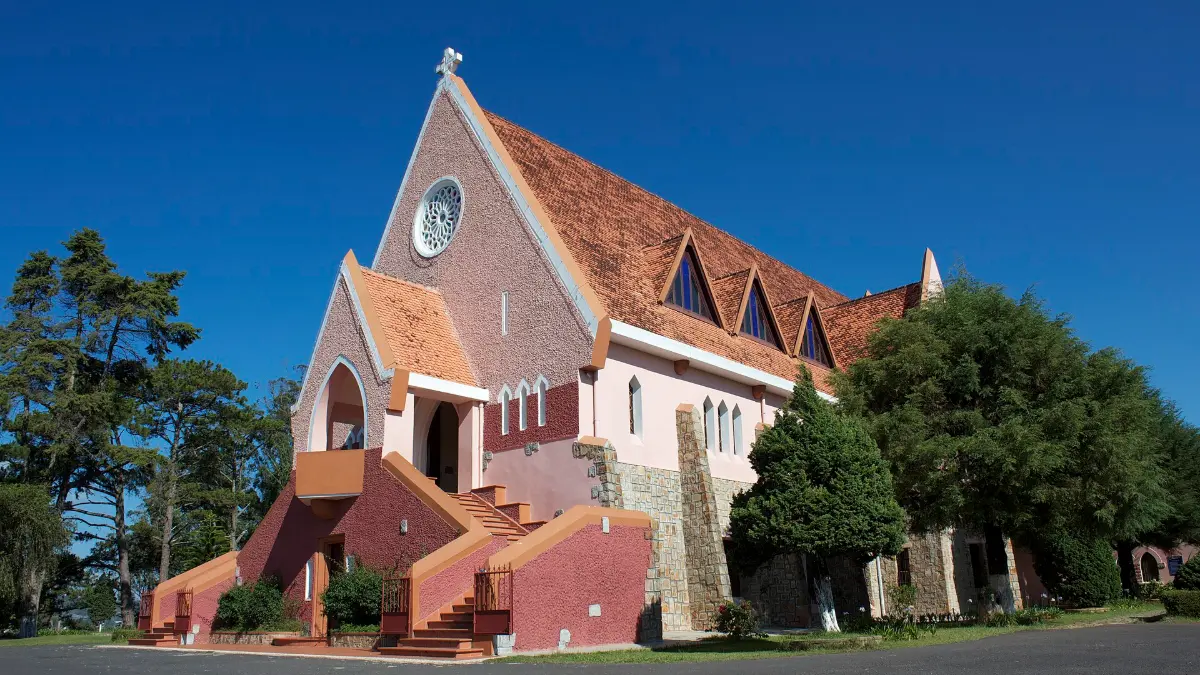
- Domaine de Marie Church: Da Lat’s pink church, a short ride away.
- Xuan Huong Lake: the heart of the city.
- Dalat Railway Station: another 1930s landmark.
- Datanla Waterfall: alpine coasters on Prenn Pass.
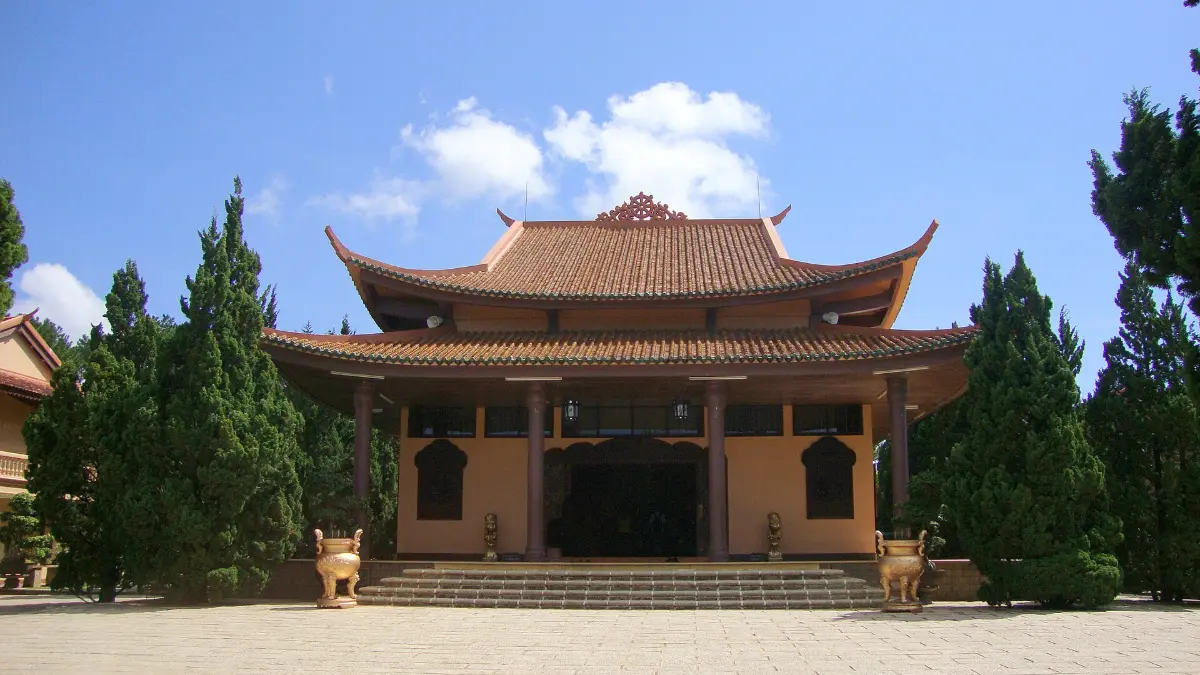
- Truc Lam Zen Monastery: by road or cable car from Robin Hill.
Sightseeing in Da Lat for First-Time Visitors: Where Bao Dai Palace Fits
On a first visit, pair Bao Dai Palace with the railway station and the pink church on a heritage afternoon, keeping mornings for nature sights. Choose a central hotel with our Dalat area guide and try local dishes from our Dalat food list.
Plan your trip with our Da Lat travel guide and Da Lat tours. Contact Vietnam Tour Expert Team for a free custom itinerary.
Frequently Asked Questions about Bao Dai Palace
1. Where is Bao Dai Palace in Da Lat?
Bao Dai Palace III is at 1 Trieu Viet Vuong Street on Ai An hill, Xuan Huong – Da Lat Ward, about 2 km south-west of Xuan Huong Lake.
2. How much is the Bao Dai Palace ticket?
The Bao Dai Palace III ticket is about 30,000 VND for adults and 15,000 VND for children; Palace I charges separately (about 90,000 VND).
3. What are the opening hours of Bao Dai Palace?
Bao Dai Palace III opens daily, roughly from 7:00 to 17:30.
4. When was Bao Dai Palace built?
Bao Dai Palace III was built between 1933 and 1938 by French architects Paul Veysseyre and Arthur Kruze.
5. Which Bao Dai Palace should I visit: I, II or III?
Most visitors choose Bao Dai Palace III; Palace I is a good addition, while Palace II is not regularly open to visitors.
6. Is Bao Dai Palace II open to visitors?
No, Bao Dai Palace II (Dinh II) is used by the provincial government for official events and is not regularly open.
7. How long does it take to visit Bao Dai Palace?
Allow 45–60 minutes for Bao Dai Palace III, including the gardens.
8. Who lived in Bao Dai Palace?
Emperor Bảo Đại, Empress Nam Phương and their children used Bao Dai Palace III as their summer residence.
9. Can you take photos inside Bao Dai Palace?
Photography is generally allowed inside Bao Dai Palace; follow any signs and avoid flash.
10. Is Bao Dai Palace worth visiting?
Yes, Bao Dai Palace is cheap, central and gives a rare look at how Vietnam’s last emperor lived.
11. What style is Bao Dai Palace?
Bao Dai Palace III is a Western-style 1930s villa with Art Deco and modernist touches and a formal French garden.
12. How do I get to Bao Dai Palace?
Bao Dai Palace III is 5–10 minutes by taxi or Grab from Xuan Huong Lake.
13. Is Bao Dai Palace suitable for children?
Yes, children enjoy the gardens and royal rooms at Bao Dai Palace, and the visit is short.
14. What is near Bao Dai Palace?
Near Bao Dai Palace are Domaine de Marie Church, Xuan Huong Lake and Datanla Waterfall.
15. Who was Bao Dai?
Bảo Đại, whose summer home was Bao Dai Palace, was the 13th and last emperor of the Nguyễn dynasty, reigning from 1926 to 1945.
16. Is Bao Dai Palace open on weekends?
Yes, Bao Dai Palace III is open every day, including weekends and most holidays, when it is busiest.
Related Posts
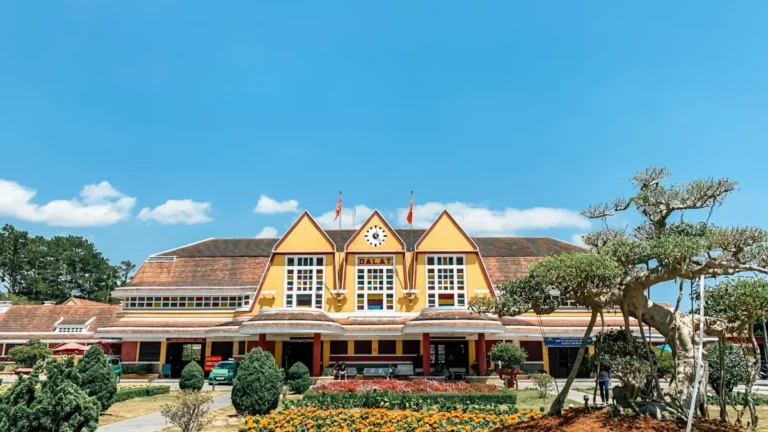
Dalat Travel Tips 2026: Weather, Best Time & Itinerary
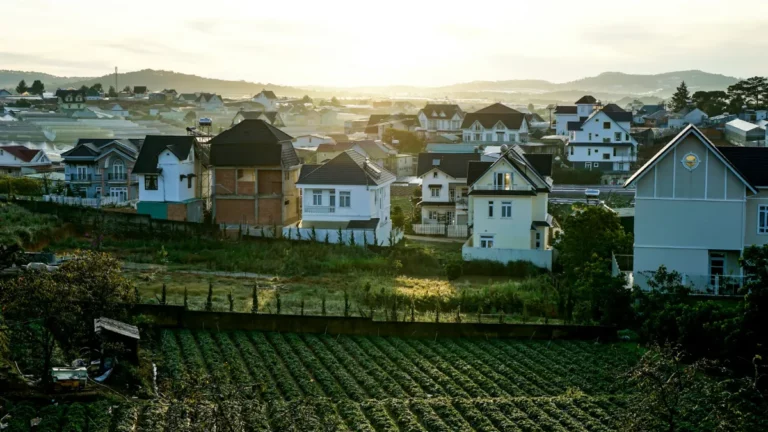
Where to Stay in Dalat: Best Areas, Villas & Resorts
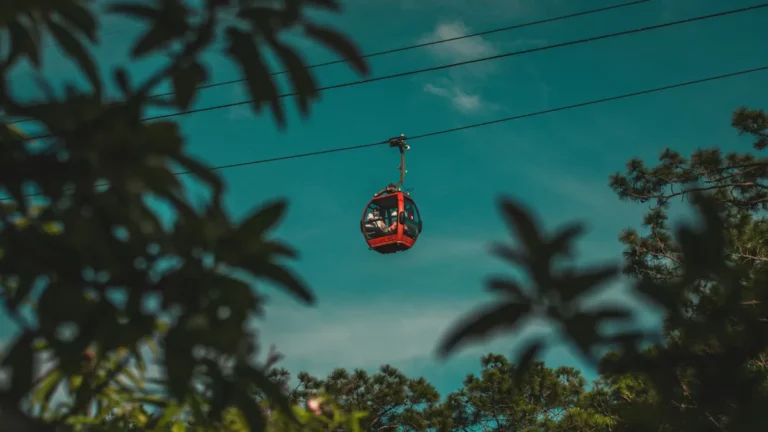
Dalat Transportation: Flights, Buses & Getting Around
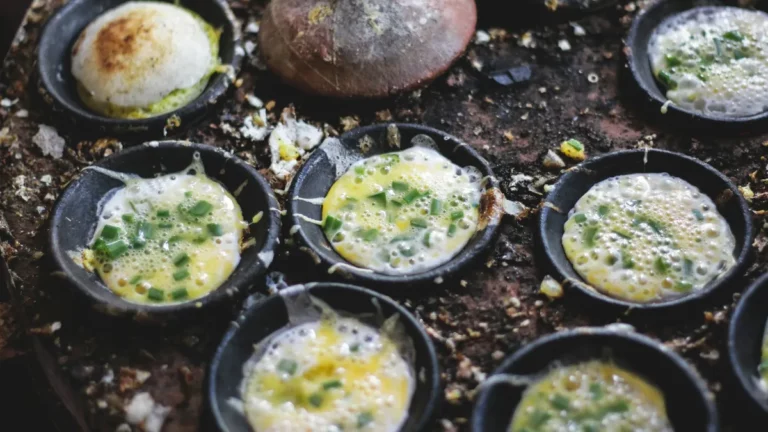
Dalat Food Guide: Banh Trang Nuong, Hotpot & Coffee
Tuyen Lam Lake Dalat: Kayaking, Boats & Lakeside Resorts