Phu Quoc Fish Sauce, Pepper & Pearl Farms: Visitor Guide
 By Jimmy Nguyen, Founder & Director of Asia Travel Expert Co., Ltd.
Phu Quoc’s three classic farm visits – fish sauce barrel houses, pepper farms and pearl farms – are all usually free to enter and take 20–40 minutes each. Phu Quoc fish sauce, fermented 12–15 months in wooden barrels, was the first Vietnamese product protected as an EU Protected Designation of Origin (2012). If you buy some, pack it in sealed plastic bottles in checked baggage only.
Status (checked November 2026): Family barrel houses around Duong Dong and An Thoi, pepper farms in the north and centre, and pearl showrooms on the west and south coasts welcome visitors daily, generally in daytime hours, with no entrance fee; you only pay for what you buy. The pepper harvest runs from around December into the early months of the year. Vietnam Airlines accepts up to 3 litres of fish sauce per passenger in checked baggage (not on ATR72 flights); other airlines have their own rules. Since 1 July 2025 Phu Quoc is a Special Zone of An Giang Province.
Why Phu Quoc’s fish sauce, pepper and pearl farms are worth seeing:
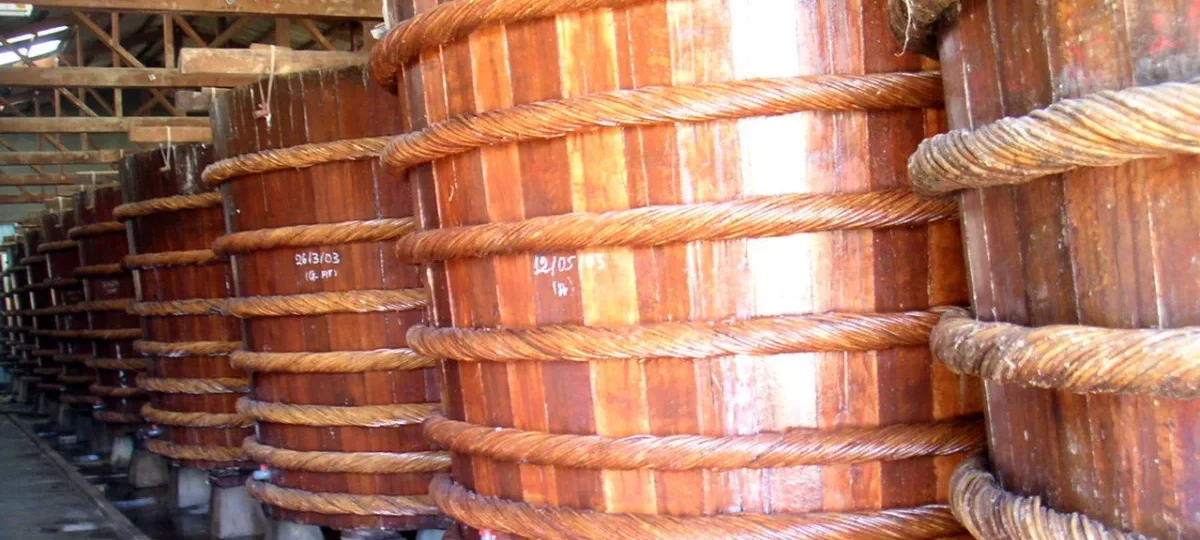
- Walk between giant wooden barrels, each holding 12–15 tonnes of anchovies and salt, at a working fish sauce house.
- See the craft behind the first Vietnamese product with EU Protected Designation of Origin, also on Vietnam’s national intangible cultural heritage list since 2021.
- Stroll through rows of pepper vines and learn how black, red and white pepper come from the same plant.
- Watch how pearl oysters are seeded and opened, then compare cultured pearls in a showroom.
- Free entry at most places, and easy to fit between beaches on a south- or north-island day.
Phu Quoc Fish Sauce, Pepper and Pearl Farms at a Glance
| Vietnamese names | Nhà thùng nước mắm · Vườn tiêu · Trại ngọc trai · Rượu sim |
|---|---|
| Location | Fish sauce houses mainly in Duong Dong and An Thoi; pepper farms mainly in the north (Cua Duong, Cua Can) and inland; pearl farm showrooms on the west and south coasts – all in the Phu Quoc Special Zone, An Giang Province |
| Distance | Most are 5–30 minutes from Duong Dong or Long Beach by car |
| Known for | PDO fish sauce, Phu Quoc pepper, cultured pearls, sim (rose myrtle) wine |
| Recognition | Phu Quoc fish sauce: EU PDO (Regulation (EU) No 928/2012), Vietnamese geographical indication (2001), national intangible cultural heritage (2021); “Ho tieu Phu Quoc” collective trademark (2011) |
| Opening hours | Generally daytime, around 08:00–17:00; pearl showrooms often open later |
| Entrance fee | Usually free |
| Time needed | 20–40 minutes per stop; 2–3 hours for all three |
| Best time | Morning; pepper harvest roughly December–April |
| Nearby | Phu Quoc Prison, Night Market, Ho Quoc Pagoda |
| Find it | Fish sauce houses on Google Maps · Pepper farms on Google Maps · Ngoc Hien Pearl Farm on Google Maps · Ngoc Hien Pearl Farm on Tripadvisor · EU PDO regulation (EUR-Lex) |
Are Phu Quoc’s Fish Sauce, Pepper and Pearl Farms Worth Visiting?
Yes, as short stops rather than destinations in themselves. A fish sauce barrel house is the most distinctive: few places in the world let you stand among barrels taller than a person and taste sauce straight from the tap. Pepper farms are pleasant and photogenic, especially at harvest time. Pearl farms are interesting for the oyster demonstration, but the showroom is a shop, so go with a budget in mind or no plan to buy.
- Best for: food lovers, families, travellers looking for authentic souvenirs.
- Skip if: you are sensitive to strong smells (the barrel house) or dislike sales showrooms (the pearl farm).
- Short on time: choose one barrel house – it is the most “Phu Quoc” of the three – and buy pepper at the farm or market.
Phu Quoc Fish Sauce: History and How It Is Made
A 200-year-old craft with EU protection
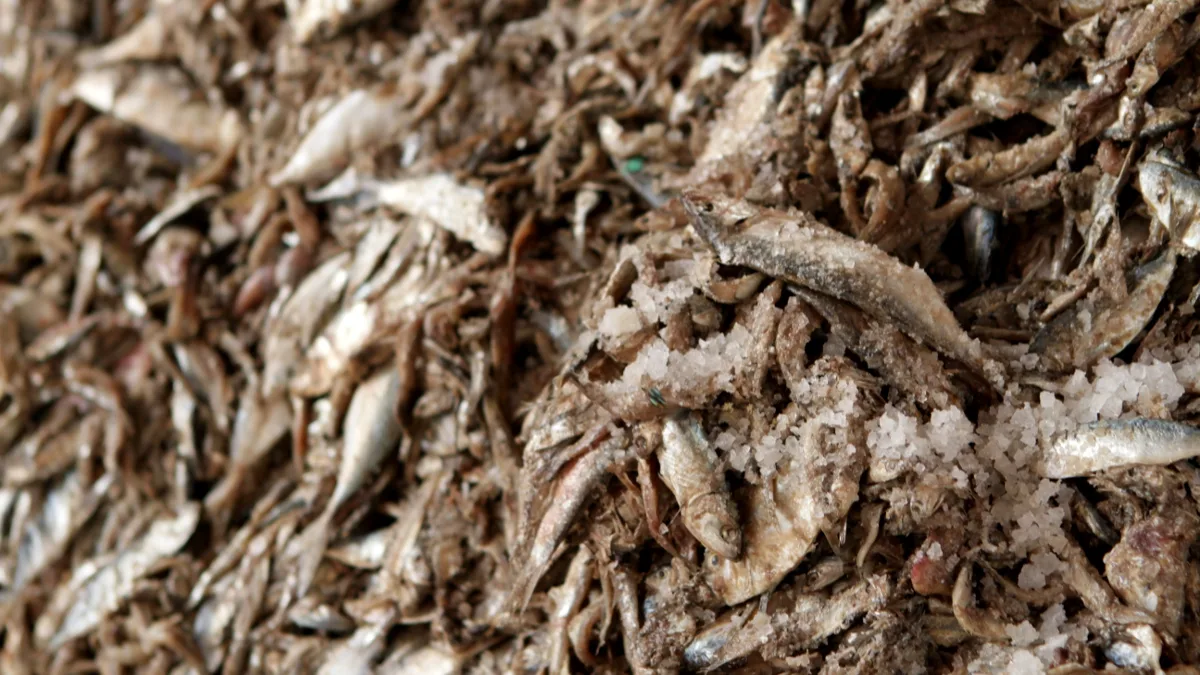
Fish sauce has been made on Phu Quoc for more than 200 years and the trade grew strongly after 1945. Vietnam granted the name a geographical indication in 2001, and on 8 October 2012 the European Commission registered “Phú Quốc” as a Protected Designation of Origin (Commission Implementing Regulation (EU) No 928/2012) – the first Vietnamese product to receive EU PDO status. In 2021 the craft was added to Vietnam’s National List of Intangible Cultural Heritage. Around 50 barrel-house owners belong to the Phu Quoc Fish Sauce Association, with production concentrated in Duong Dong and An Thoi.
From anchovy to bottle
- Fish: fresh anchovies (ca com) caught in the Gulf of Thailand; striped and black anchovy types are prized.
- Salting at sea: the anchovies are mixed with salt on the boat immediately after the catch, roughly 3 parts fish to 1 part salt, to keep them fresh.
- Barrels: the fish ferment in tall barrels made from local boi loi or ven ven wood, bound with rattan hoops; a large barrel holds 12–15 tonnes of fish.
- Fermentation: 12–15 months, with no additives. The first liquid drawn from the tap (nuoc mam nhi or cot) is the richest.
- Protein grade: quality is measured in “do dam” (grams of nitrogen per litre, written °N). Traditional Phu Quoc sauces are typically labelled around 35–45°N; higher numbers mean a stronger, more concentrated sauce.
What to See at Phu Quoc’s Fish Sauce, Pepper and Pearl Farms
1. A Fish Sauce Barrel House (Nha Thung)
Barrel houses are long sheds lined with wooden vats. A staff member usually explains the process, lets you look into a barrel and offers tastings of different grades. The smell is strong but fades after a few minutes. Visits are free, short and there is no obligation to buy. Ask whether bottles carry the “Phú Quốc” name and producer details, since the name is protected.
2. Pepper Farms (Vuon Tieu)
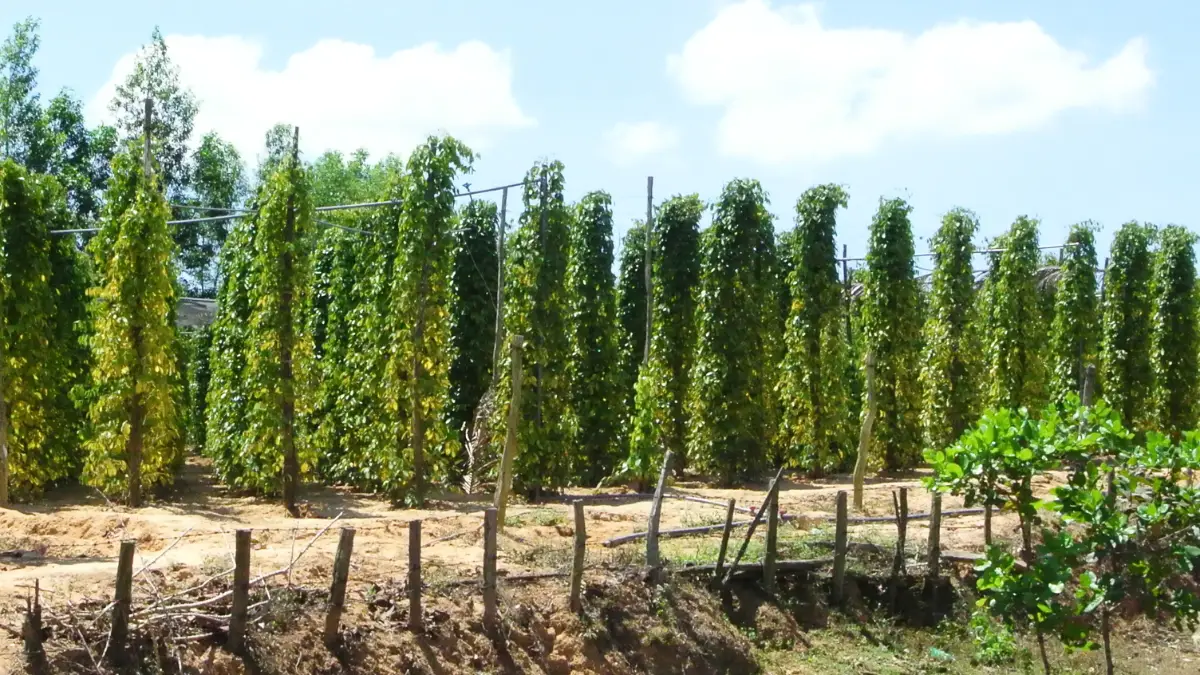
Phu Quoc has more than 400 ha of pepper, concentrated in Cua Duong and Cua Can in the north, producing over 1,200 tonnes a year. Vines climb wooden or brick posts in neat rows; a new vine takes about two years to give its first crop. The island’s pepper received a collective trademark, “Ho tieu Phu Quoc”, in 2011. At most farms you can walk among the vines for free, taste peppercorns and buy direct.
- Black pepper: green berries picked and sun-dried until they turn black.
- Red pepper: fully ripe red berries picked by hand and dried; milder and slightly sweet, and more expensive.
- White pepper (tieu so): ripe berries with the outer skin removed, leaving the pale seed; usually the most expensive.
3. Pearl Farms and Showrooms
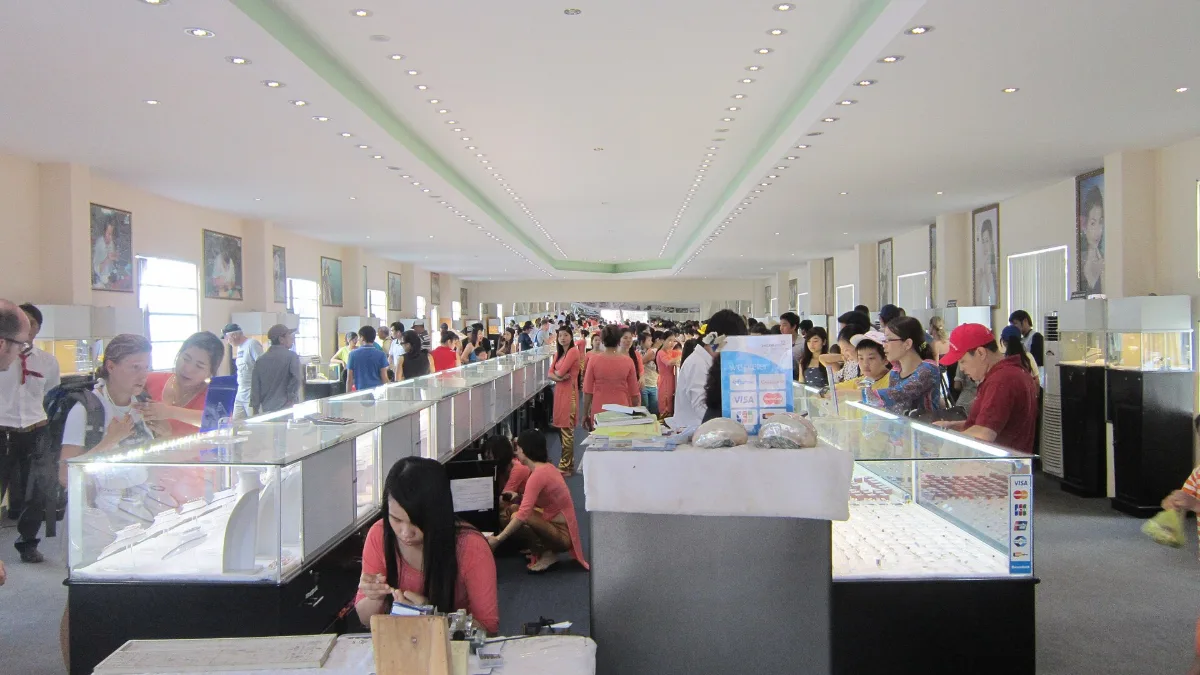
Pearl farming on Phu Quoc dates back to the 1990s; Ngoc Hien Pearl Farm, which has operated since 1994 and is open to visitors in 2026, shows how oysters are selected, seeded with a nucleus and cared for in seawater, and opens an oyster to reveal a pearl. Small oysters are usually cultured for a few years before harvest. The tour ends in a large showroom selling necklaces, earrings and rings. Entry and the demonstration are free.
4. Sim Wine (Ruou Sim) Shops
Sim wine is made from the purple berries of the rose myrtle (Rhodomyrtus tomentosa), which grows wild on Phu Quoc’s hills. It is deep red and sweet, ranging from light fruit wines to stronger liqueurs, and many shops in Duong Dong let you taste before buying. A bottle usually costs around 100,000–270,000 VND (about US$4–10).
Prices and Opening Hours (2026)
| Stop | Entrance | Typical hours | What it costs to buy |
|---|---|---|---|
| Fish sauce barrel house | Free | About 08:00–17:00 | Roughly 100,000–300,000 VND per litre (about US$4–12), depending on protein grade and brand |
| Pepper farm | Usually free | Daytime | Roughly 200,000–360,000 VND per kg (about US$8–14); red and white cost more than black |
| Ngoc Hien Pearl Farm | Free | About 08:00–19:00 | From modest single-pearl pieces to many millions of VND for strands |
| Sim wine shop | Free tasting at many shops | Daytime to evening | Around 100,000–270,000 VND per bottle (about US$4–10) |
Prices are 2026 estimates and may change; there is no single official website for these producers.
How to Buy Wisely
Fish sauce
- Buy at a barrel house or a reputable shop, and check that the label names the producer and shows “Phú Quốc” and the protein grade (°N).
- Higher °N is not always “better” for cooking; 35–40°N is a good all-round choice, 40°N+ for dipping.
- Choose plastic bottles if you will fly – glass is refused by Vietnamese airlines for smelly liquids.
Pepper
- Buy whole peppercorns rather than ground pepper; they keep their aroma for much longer.
- Vacuum-sealed bags travel best; check your home country’s rules on bringing in plant products.
Pearls
- Know the difference between cultured pearls (grown in oysters) and imitation pearls (glass, plastic or shell paste). Very cheap “pearls” at street stalls are often imitations.
- Judge lustre, surface, shape, size and colour; ask staff to explain each and compare several pieces side by side.
- Ask for a written receipt that states the pearl type and origin, and set your budget before entering the showroom.
- Keep pearls away from perfume, cosmetics and household chemicals.
Can You Take Phu Quoc Fish Sauce on a Plane?
| Airline | Cabin baggage | Checked baggage |
|---|---|---|
| Vietnam Airlines | Not recommended (and liquids over 100 ml are not allowed through security on international flights) | Up to 3 litres or 3 kg per passenger; plastic bottles with taped caps, filled to max. 95%, packed in a sealed foam box; not accepted on ATR72 flights |
| Sun PhuQuoc Airways | Not accepted | Accepted in tightly sealed, taped plastic bottles (max. 95% full) inside a sealed foam, plastic or waterproof box wrapped in a thick plastic bag; no glass |
| Vietjet and other airlines | Check before you fly | Rules and quantity limits differ; glass bottles are generally refused |
Most barrel houses sell fish sauce already sealed in plastic bottles and packed in foam boxes for flights. Check the current rules on the Vietnam Airlines odorous-baggage page or the Sun PhuQuoc Airways conditional-baggage page, and your destination country’s customs rules, before buying. Sim wine and other alcohol must follow separate alcohol limits and the 100 ml cabin rule on international flights.
How to Get to the Farms
| From | How | Time |
|---|---|---|
| Duong Dong / Long Beach | Car, Grab or motorbike to a barrel house in Duong Dong | 5–15 minutes |
| Duong Dong | Car or motorbike to the pepper areas of Cua Duong / Cua Can in the north | 15–30 minutes |
| Long Beach / An Thoi road | Car to a pearl farm showroom on the west or south coast | 10–30 minutes |
| Organised tour | A fish sauce house or pearl farm is the first stop of our Phu Quoc South Island Tour 1 Day; a pepper farm is on Day 4 of the Phu Quoc Tour 4 Days 3 Nights | Hotel pick-up |
Grab works across the island. For travel to Phu Quoc itself, see how to get to Phu Quoc.
Best Time to Visit
| When | What to expect |
|---|---|
| Morning (08:00–10:30) | Cooler pepper farms, barrel houses active, fewer tour groups |
| Midday | Hot in the open pepper fields; good time for a shaded barrel house or air-conditioned showroom |
| December–April | Pepper harvest season: red berries on the vines and drying in the sun; dry, sunny weather |
| May–October | Rainy season; farms stay open, but bring an umbrella and expect muddy paths |
See more in our guide to the best time to visit Phu Quoc.
Local Expert Tips for Phu Quoc’s Fish Sauce, Pepper and Pearl Farms
These tips come from years of arranging Phu Quoc tours for international travellers.
- Visit the barrel house before lunch, not after – the smell is easier on an empty stomach.
- Wear closed shoes or sandals you do not mind getting wet at barrel houses; floors can be damp.
- Buy fish sauce on your last day, already packed for the plane, so it does not sit in a hot car.
- Ask your guide or driver to take you to a farm of your choosing, so you are not limited to one showroom.
- At pearl showrooms, take a photo of the price tag and the receipt with the pearl type written on it.
- Pepper makes a light, durable souvenir; one 250 g bag is plenty for a home cook.
Fish Sauce House vs Pearl Farm: Which to Choose?
| Feature | Fish sauce barrel house | Pearl farm showroom |
|---|---|---|
| Experience | Working production, barrels and tasting | Oyster demonstration, then showroom |
| Time | 20–30 minutes | 30–45 minutes |
| Entrance | Free | Free |
| Souvenir | Fish sauce (checked baggage only) | Pearl jewellery |
| Best for | Food lovers and the curious | Jewellery buyers and families |
Our view: The barrel house is the more authentic Phu Quoc experience and is unique to the island. On our Phu Quoc South Island Tour 1 Day you can choose either as the first stop.
Nearby Attractions
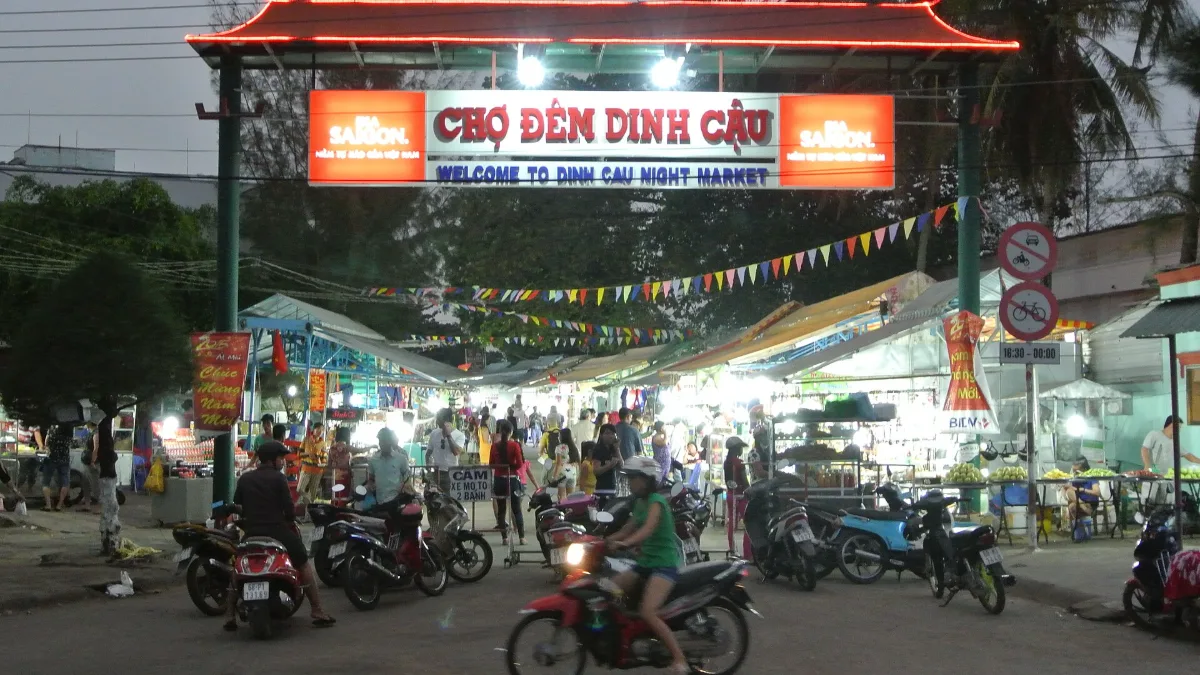
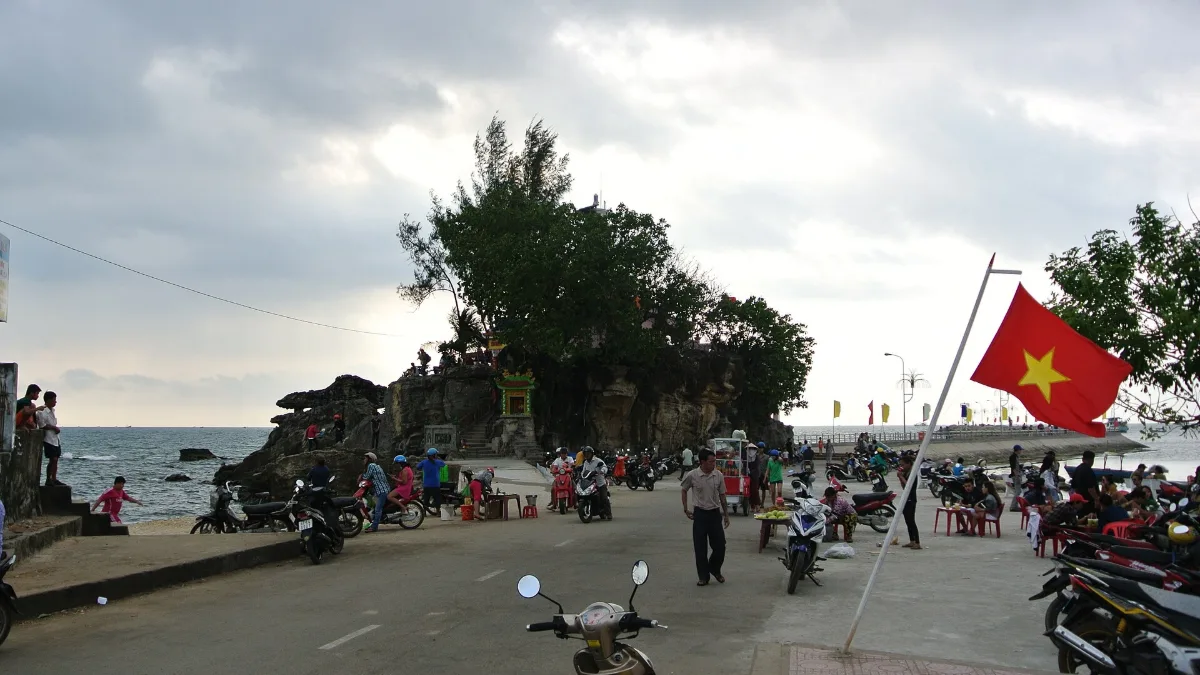
- Phu Quoc Night Market & Dinh Cau Shrine – pepper, sim wine and seafood stalls in Duong Dong.
- Phu Quoc Prison – free historic site near An Thoi.
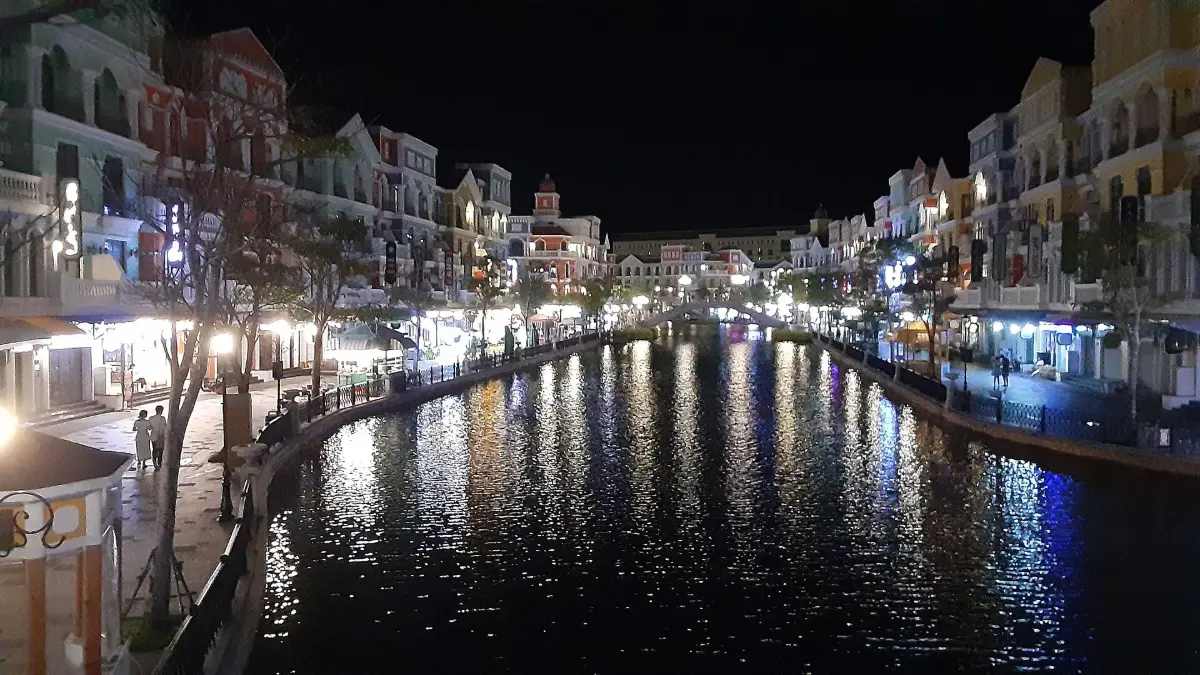
- Sao Beach – the south-east’s best-known white-sand beach.
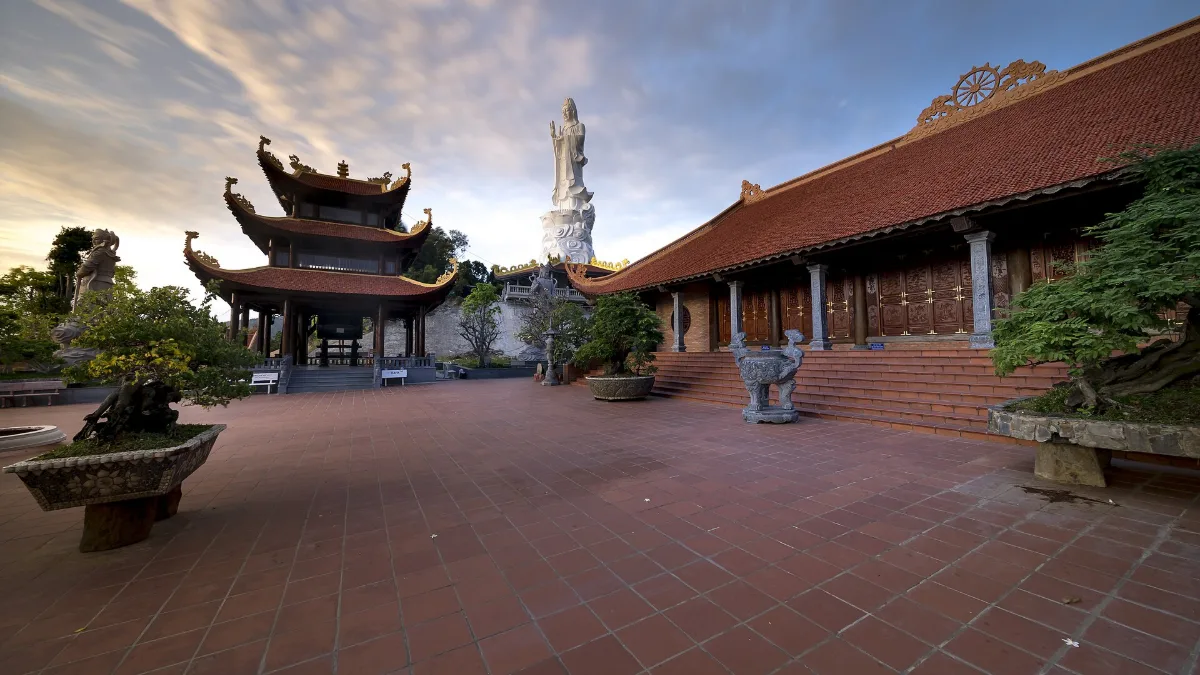
- Ho Quoc Pagoda – free Zen monastery above the east coast.
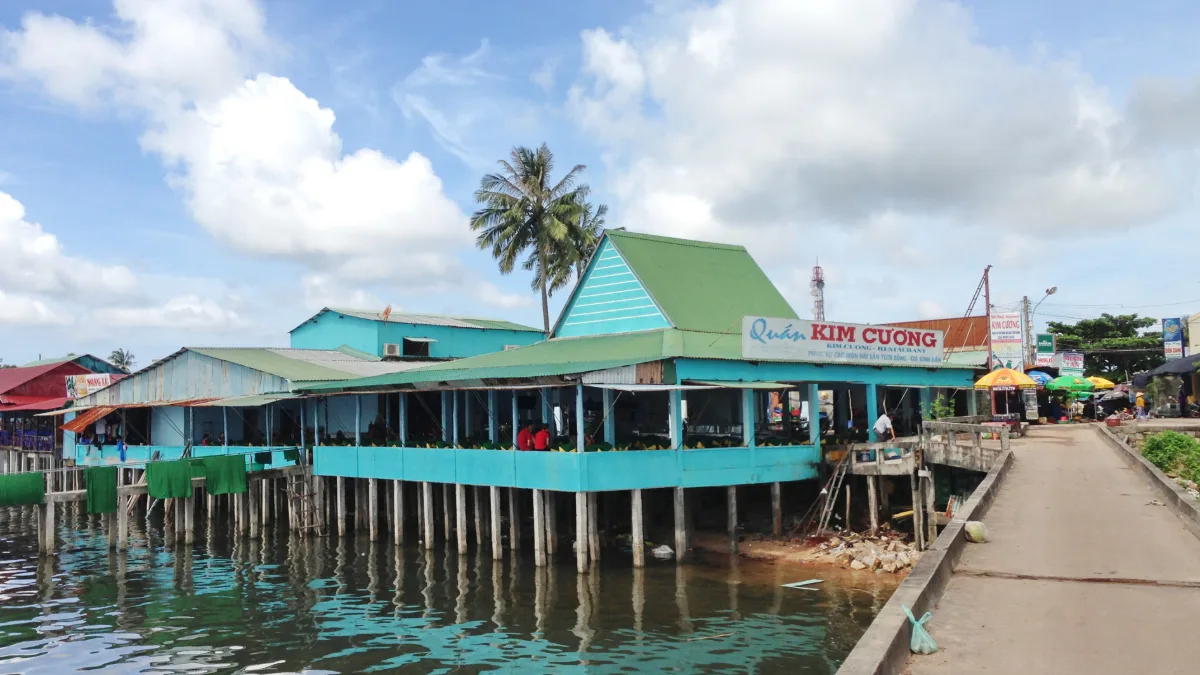
- Ham Ninh Fishing Village – seafood on the pier.
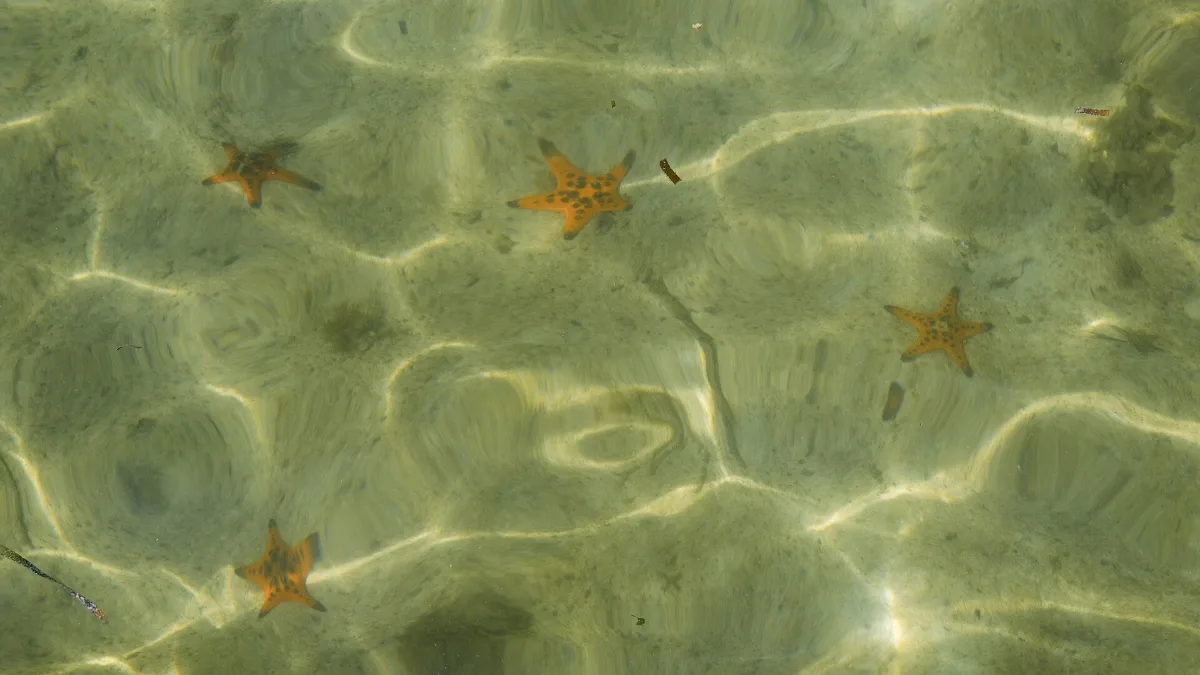
- Starfish Beach (Rach Vem) – in the north near the pepper areas.
Where the Farms Fit in a Phu Quoc Itinerary
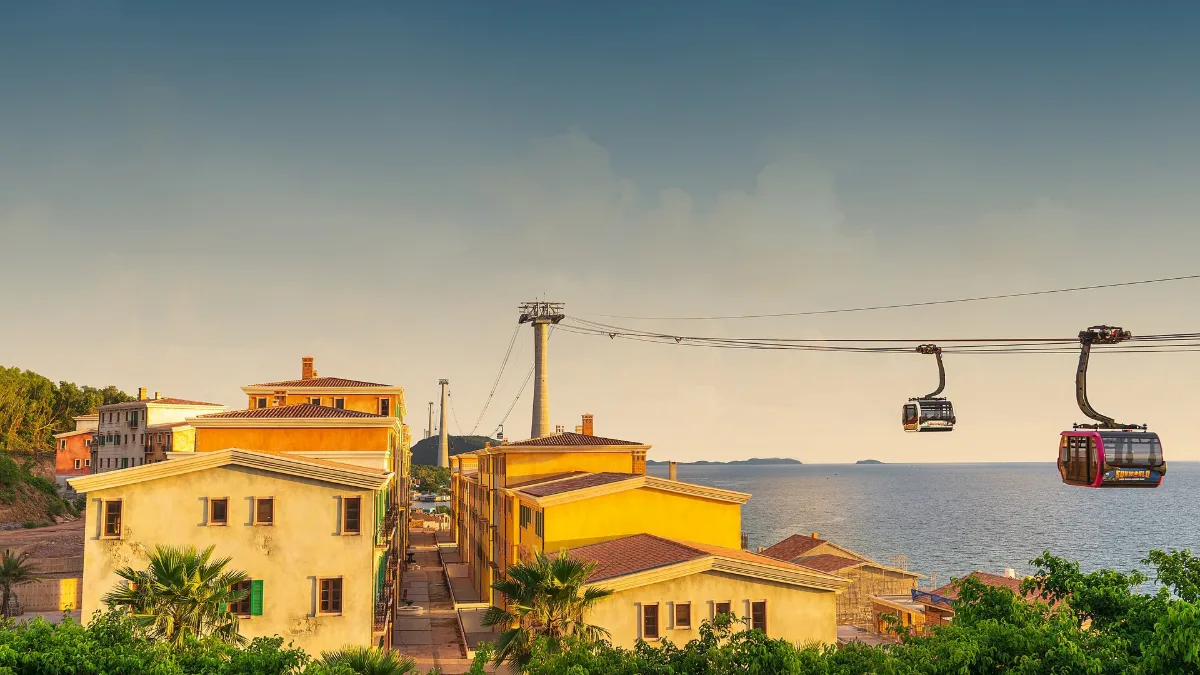
Use these stops to break up beach days rather than planning a separate trip. A fish sauce house or pearl farm makes an easy first stop on a south-island day before Phu Quoc Prison, the Hon Thom cable car, Sao Beach and Sunset Town – exactly how our Phu Quoc South Island Tour 1 Day (from US$95) runs. A pepper farm fits a north- or east-island day; our Phu Quoc Tour 4 Days 3 Nights (from US$385) visits one on Day 4 with Ho Quoc Pagoda and Ham Ninh. For more ideas, read the Phu Quoc itinerary, the Phu Quoc travel tips and our Phu Quoc Travel Guide.
Would you like a food-focused day with a barrel house, pepper farm and seafood lunch? Contact Vietnam Tour Expert Team and we will arrange it privately.
Frequently Asked Questions about Phu Quoc Fish Sauce, Pepper and Pearl Farms
1. Is it free to visit a Phu Quoc fish sauce factory?
Yes, Phu Quoc fish sauce barrel houses are usually free to visit, with free tastings and no obligation to buy.
2. Why is Phu Quoc fish sauce famous?
Phu Quoc fish sauce is made only from anchovies and salt aged 12–15 months in wooden barrels, and in 2012 became the first Vietnamese product with EU Protected Designation of Origin.
3. How long is Phu Quoc fish sauce fermented?
Traditional Phu Quoc fish sauce ferments for about 12–15 months in barrels of local boi loi wood.
4. What does the °N number on Phu Quoc fish sauce mean?
The °N (do dam) on Phu Quoc fish sauce shows its protein content in grams of nitrogen per litre; traditional sauces are usually around 35–45°N.
5. Can I take Phu Quoc fish sauce on a plane?
Usually only in checked baggage: Vietnam Airlines allows up to 3 litres of Phu Quoc fish sauce in taped plastic bottles inside a sealed foam box, and refuses glass.
6. Can I bring Phu Quoc fish sauce in hand luggage?
No, Phu Quoc fish sauce should not go in hand luggage; airlines advise against it and international security limits liquids to 100 ml containers.
7. How much does Phu Quoc fish sauce cost?
In 2026 Phu Quoc fish sauce costs roughly 100,000–300,000 VND (about US$4–12) per litre at barrel houses, depending on grade and brand.
8. When is the Phu Quoc pepper harvest?
The Phu Quoc pepper harvest starts around December–January and continues into the early months of the year, roughly to April.
9. Are Phu Quoc pepper farms free to visit?
Most Phu Quoc pepper farms are free to walk around, and you can taste and buy peppercorns directly from the farm.
10. What is the difference between black, red and white Phu Quoc pepper?
Black Phu Quoc pepper is dried green berries, red is fully ripe berries dried whole, and white is ripe berries with the skin removed.
11. How much does Phu Quoc pepper cost?
Phu Quoc pepper costs roughly 200,000–360,000 VND (about US$8–14) per kg in 2026, with red and white pepper priced higher than black.
12. Are Phu Quoc pearls real?
Pearls sold at established Phu Quoc pearl farms are cultured pearls grown in oysters, but very cheap pieces at street stalls are often imitations.
13. Is the Phu Quoc pearl farm free?
Yes, entry and the oyster demonstration at Ngoc Hien Pearl Farm on Phu Quoc are free; the showroom sells jewellery.
14. How do I choose a good Phu Quoc pearl?
Compare lustre, surface, shape, size and colour, ask what type of pearl it is, and get a written receipt when buying a Phu Quoc pearl.
15. What is Phu Quoc sim wine?
Phu Quoc sim wine (ruou sim) is a sweet red wine or liqueur made from the berries of the rose myrtle that grows wild on the island.
16. Which is better on a tour: a Phu Quoc fish sauce house or pearl farm?
The Phu Quoc fish sauce house is the more authentic and unique visit; the pearl farm suits those who want jewellery.
17. Do tours include Phu Quoc fish sauce houses and pepper farms?
Yes, our Phu Quoc South Island Tour 1 Day starts at a fish sauce house or pearl farm, and the 4 Days 3 Nights tour includes a Phu Quoc pepper farm.
18. Where are Phu Quoc fish sauce houses located?
Most Phu Quoc fish sauce barrel houses are in Duong Dong and An Thoi, within a short drive of Long Beach hotels.
Related Posts
Sao Beach Phu Quoc: White Sand, Best Time & Local Tips
An Thoi Islands Phu Quoc: Snorkelling, Boat Tours & Tips
Sunset Town Phu Quoc: Kiss Bridge, Kiss of the Sea & Tips
Hon Thom Cable Car Phu Quoc: Tickets, Times & Tips
Ham Ninh Fishing Village Phu Quoc: Crab, Seafood & Tips