Phu Quoc Prison (Coconut Tree Prison): History & Visiting Guide
 By Jimmy Nguyen, Founder & Director of Asia Travel Expert Co., Ltd.
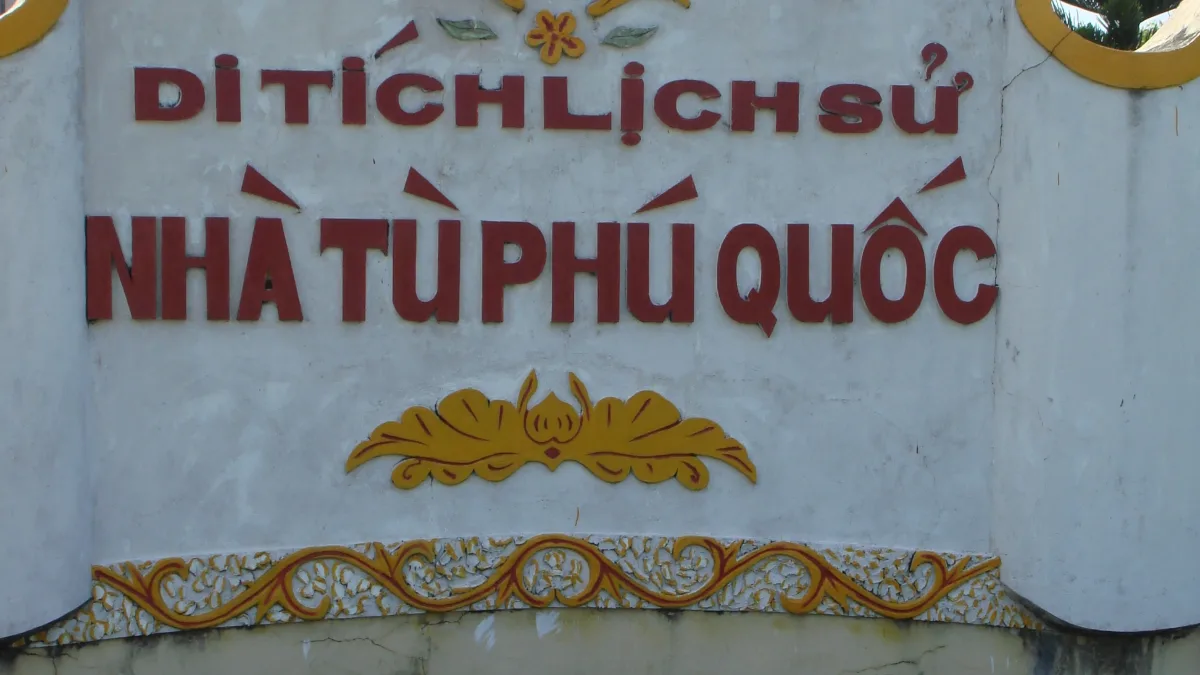
Phu Quoc Prison (Nhà tù Phú Quốc), also called Coconut Tree Prison, is a war-history site at 350 Nguyen Van Cu Street in An Thoi, about 25 km south of Duong Dong. First built by the French around 1949, it became South Vietnam’s largest prison camp, holding more than 40,000 prisoners from 1967 to 1973. Entry is free, and most visitors spend 60–90 minutes here.
Status (checked November 2026): Open daily, usually about 07:30–11:00 and 13:30–17:00, with free entry. The site is a Special National Relic. Restoration work funded by the province has been under way in stages, so a section may sometimes be fenced off. Some exhibits show torture scenes with life-size figures, so parents of young children should read the advice below first.
Why Phu Quoc Prison is worth seeing:
- It is the most important history site on Phu Quoc, and it explains a part of the island’s past that the resorts never mention.
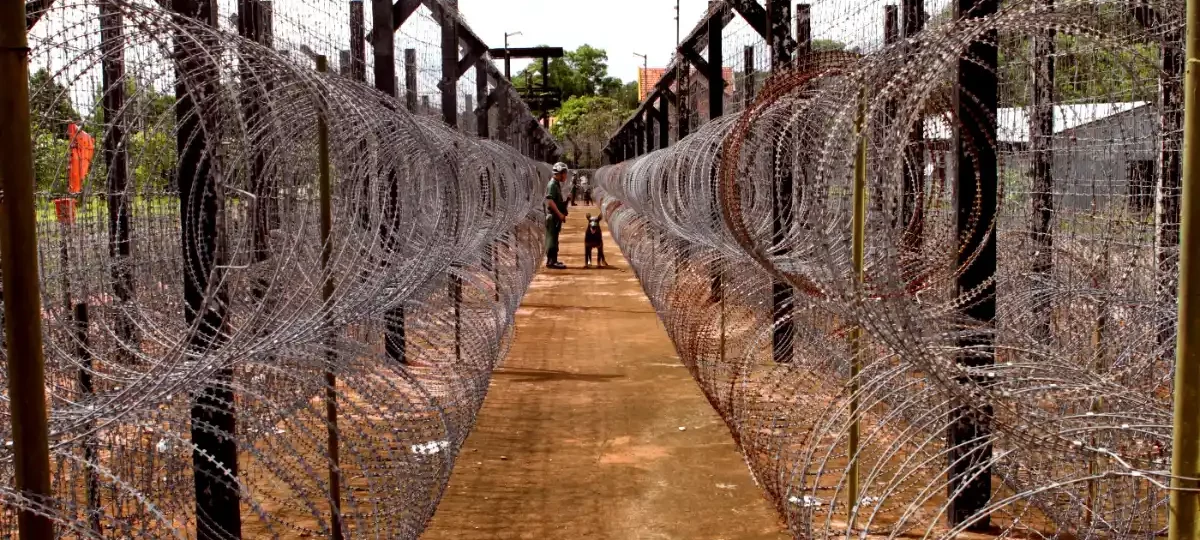
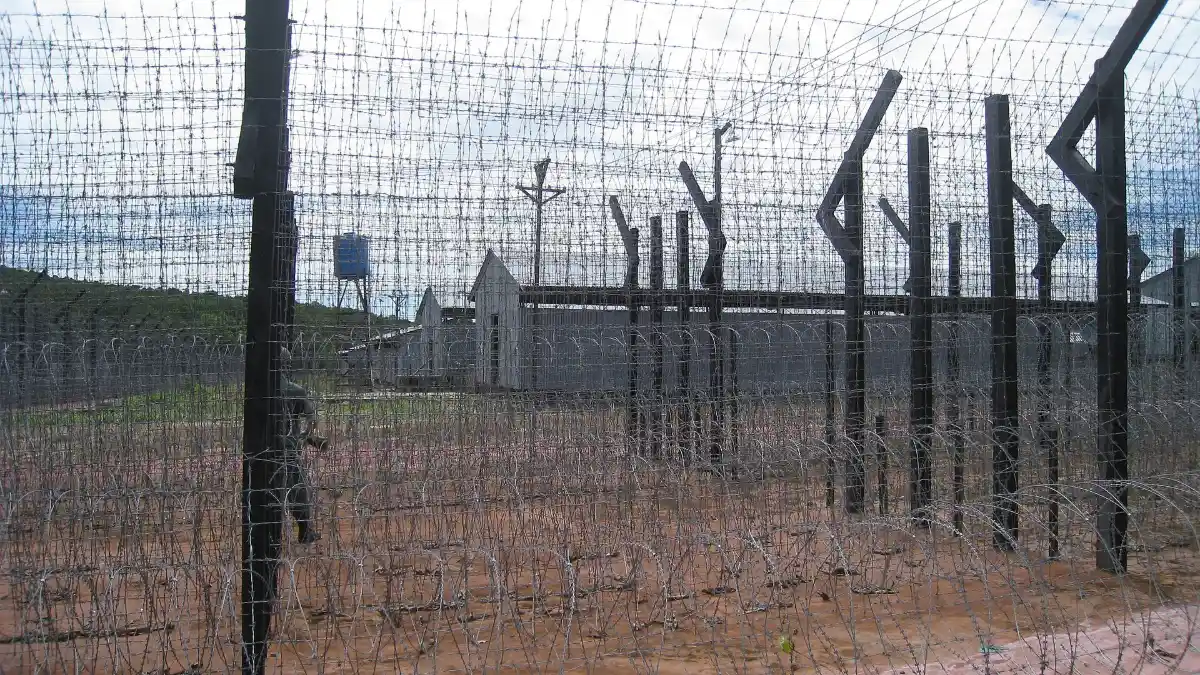
- It has reconstructed barbed-wire compounds, watchtowers and the notorious outdoor “tiger cages”.
- A small museum displays original shackles, prisoners’ belongings and documents from 1967–1973.
- Entry is free, it sits on the main road in An Thoi, and you can easily combine it with the Hon Thom cable car or Sunset Town.
- The martyrs’ cemetery and memorial show how Vietnam remembers the war today.
Phu Quoc Prison at a Glance
| Vietnamese name | Nhà tù Phú Quốc / Di tích Trại giam Phú Quốc (locally Nhà lao Cây Dừa – Coconut Tree Prison) |
|---|---|
| Location | 350 Nguyen Van Cu Street, An Thoi, Phu Quoc Special Zone, An Giang Province |
| Distance | About 25 km south of Duong Dong (around 40 minutes by car) and roughly 20–30 minutes from Phu Quoc International Airport |
| Known for | The largest prison camp of the former Republic of Vietnam, 1967–1973; reconstructed compounds and tiger cages |
| Recognition | National historic relic in the 1990s; upgraded to Special National Relic by Prime Minister’s Decision 2408/QĐ-TTg (31 December 2014) |
| Opening hours | Daily, about 07:30–11:00 and 13:30–17:00 |
| Entrance fee | Free |
| Time needed | 60–90 minutes for the exhibition and outdoor compound; 2 hours if you add the cemetery and memorial |
| Best time | Opening time (07:30) or after 15:30, when it is cooler and quieter; dry season December–April |
| Nearby | Hon Thom Cable Car, Sunset Town, Sao Beach |
| Find it | Google Maps · Tripadvisor · Wikipedia |
Is Phu Quoc Prison Worth Visiting?
Yes, for most adults and older teenagers. It is the only major attraction on Phu Quoc about the island’s history rather than its beaches. It is free and sits right on the way to the cable car. The displays are blunt and one-sided in tone, but they show how Vietnam tells this chapter of its history. Allow an hour, and go before lunch or late in the afternoon.
- Best for: history readers, veterans’ families, students, and anyone who wants more from Phu Quoc than beaches and theme parks.
- Skip if: you are travelling with small children who may be upset by graphic figures, or you prefer not to see depictions of violence on holiday.
- Short on time: it is a fixed stop on our Phu Quoc South Island Tour 1 Day, together with Hon Thom cable car and Sao Beach.
History of Phu Quoc Prison
The French “Coconut Tree” camp (about 1949–1954)
The French colonial administration began building a detention camp in the An Thoi valley around 1949. Vietnamese sources give dates between 1949 and 1953. Locals called it Nhà lao Cây Dừa, the Coconut Tree Prison, after the palms on the site. It held Viet Minh fighters and people who opposed French rule. After the Geneva Accords of July 1954, most prisoners were handed over and the camp closed.
Reopened under the Republic of Vietnam (1955–1966)
From 1955 the government of Ngo Dinh Diem repaired the old camp, which covered about 4 hectares, to hold communist prisoners. As the war widened in the 1960s, the authorities planned a much larger prisoner-of-war camp across the south of the island.
The largest prison camp in the South (1967–1973)
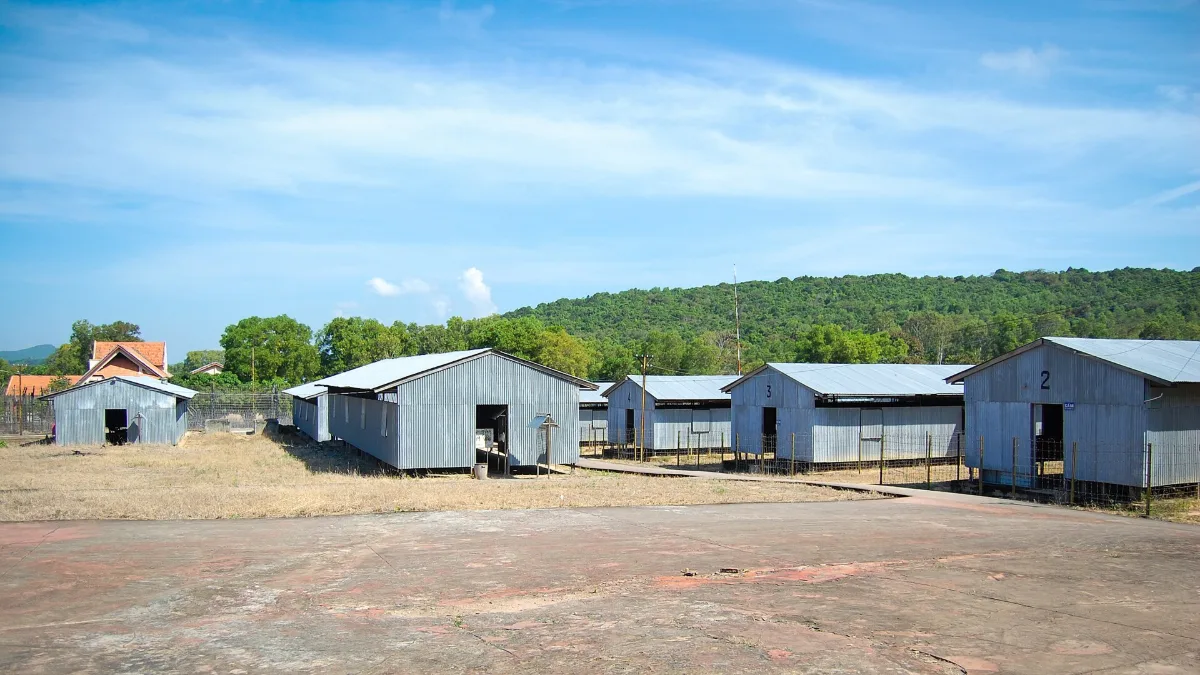
The new camp opened in July 1967 and stretched about 3.5 km through the An Thoi valley. At its peak it had 12 to 14 compounds, each split into sub-compounds of barbed-wire huts behind several fences and guard towers. Between 1967 and 1973 it held more than 40,000 prisoners. Most were captured Northern and Southern soldiers, but some were civilians from war zones. Vietnamese records say more than 4,000 prisoners died there. International Committee of the Red Cross inspectors who visited in 1969 and 1972 reported poor food, inadequate medical care and beatings. Prisoners dug tunnels and made dozens of escape attempts. The largest came during the Tet Offensive of 1968.
Release and remembrance
After the Paris Peace Accords were signed in 1973, the prisoners were exchanged and sent home, and the camp was dismantled. Former prisoners still meet here each year. The site was listed as a national historic relic in the 1990s. Records give 1993, 1995 or 1996, depending on whether they mean the decision or the certificate. On 31 December 2014 the Prime Minister upgraded it to a Special National Relic, Vietnam’s highest heritage rank. Today the protected area covers about 8.5 hectares.
What to See at Phu Quoc Prison
1. The reconstructed compound (Section B2)
Behind the main gate is a full-size reconstruction of one compound. It has barbed-wire fences, watchtowers, corrugated-iron huts and life-size figures of guards and prisoners. Scenes include interrogations, punishments and an escape tunnel dug from inside a hut. This is the part most visitors remember and photograph.
2. The tiger cages
The “tiger cages” (chuồng cọp) were low barbed-wire enclosures in the open air, where prisoners were left exposed to sun and rain. Reconstructions stand in the yard. Please treat this area quietly: it is a place of suffering, not a photo prop.
3. Exhibition house and museum
Indoor rooms display original leg shackles, tools, letters, handmade items and photographs, with captions in Vietnamese and English. A model shows the full extent of the 1967–1973 camp, which helps you picture how big it was compared with the small area you walk through.
4. The original Coconut Tree Prison gate and command area
Across the road from the reconstructed compound you can see the gate of the original Cay Dua camp. Remains of the military-police gates and the command block also survive. These are original structures rather than replicas.
5. Martyrs’ cemetery and memorial
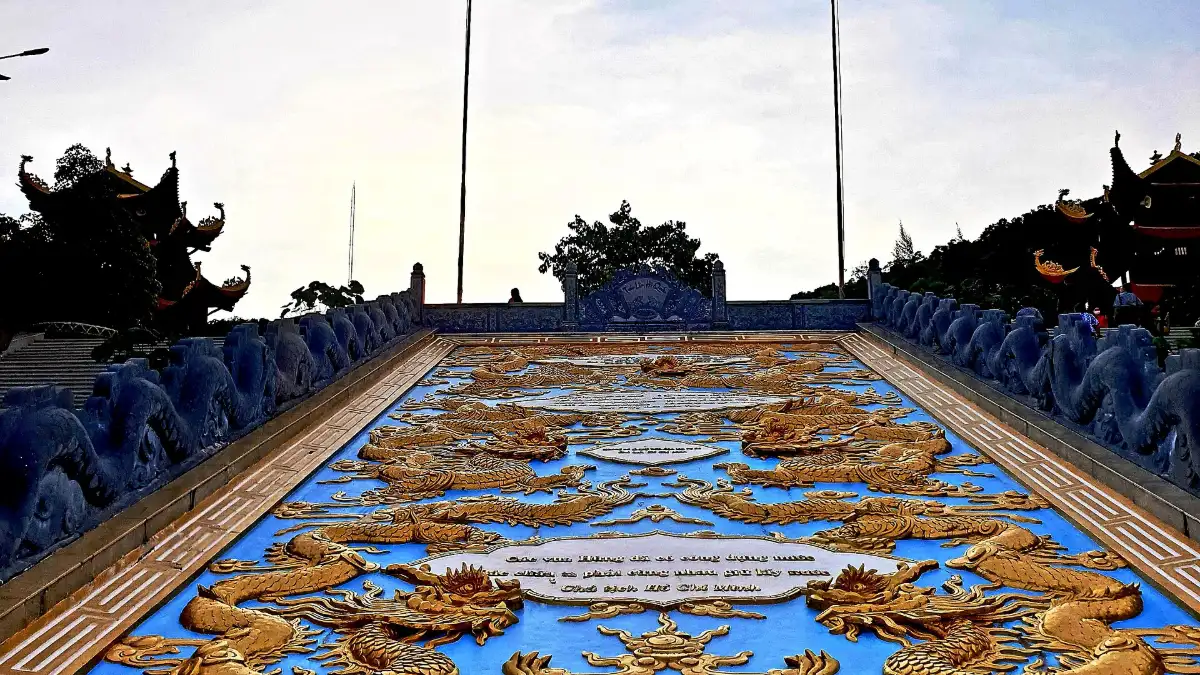
A short drive away is the cemetery for prisoners who died in the camp. Nearby is a large memorial with an altar where Vietnamese visitors light incense. It is a calm place to end the visit, and you may see families or former prisoners paying their respects.
Phu Quoc Prison Tickets and Opening Hours (2026)
| Item | Details | Price |
|---|---|---|
| Entry to exhibition, compound and memorial | All visitors, every nationality | Free |
| Opening hours | Daily; usually closed around lunchtime | 07:30–11:00 and 13:30–17:00 |
| Parking | Car and motorbike parking at the gate | Usually free or a few thousand VND |
| Private guide | Not offered on site as standard; arrange in advance with your tour | Included in our south island tour |
Hours can change on public holidays and anniversaries, so if you are going independently, ask your hotel to check by phone on the day.
How to Visit Phu Quoc Prison Step by Step
- Arrive by 08:00 or after 15:30. Tour coaches bunch up at around 09:30–10:30 on their way to the cable car.
- Start with the reconstructed compound and tiger cages (30–40 minutes), then go to the exhibition rooms (20 minutes).
- Cross to the original Coconut Tree Prison gate and command area if they are open.
- Finish at the martyrs’ cemetery and memorial (15–20 minutes by car or Grab).
- Continue to Hon Thom cable car (a short drive further south) or to Sunset Town for the evening.
Rules and etiquette
- Dress modestly: shoulders and knees covered is respectful, especially at the memorial and cemetery.
- Speak quietly, do not climb on structures or figures, and do not pose for jokey photos in the cages.
- Ask before photographing older Vietnamese visitors. Some may be former prisoners or relatives.
- Drones need permission and are not appropriate at a memorial site.
Visiting with children
The life-size torture scenes are explicit. Many parents of children under about 10 choose to see only the outdoor compound and museum. Others wait outside the reconstructed huts. For teenagers, the visit works well if you explain the context first. Set it alongside a lighter afternoon at Hon Thom cable car or Sao Beach.
How to Get to Phu Quoc Prison
| From | How | Time |
|---|---|---|
| Duong Dong (town centre) | Grab car or taxi south on the main north–south road | About 40 minutes |
| Phu Quoc International Airport | Grab car or taxi | About 20–30 minutes |
| Sunset Town / An Thoi port | Grab, taxi or hotel shuttle | About 10 minutes |
| Hon Thom cable car station | Grab or taxi | About 10 minutes |
| Organised tour | Private car and guide on our Phu Quoc South Island Tour 1 Day | Included |
Best Time to Visit Phu Quoc Prison
| When | What to expect |
|---|---|
| December–April (dry season) | Sunny and dry; the outdoor compound gets hot by late morning, so go early |
| May–October (rainy season) | Short heavy showers, usually in the afternoon; museum rooms give shelter |
| 07:30–09:00 | Quietest time, softer light for photographs |
| 15:30–17:00 | Cooler, fewer groups; pairs well with sunset at Sunset Town |
| Anniversaries and holidays | Commemorations bring Vietnamese groups and former prisoners; moving to see, but busier |
Local Expert Tips for Phu Quoc Prison
These tips come from years of arranging Phu Quoc tours for international travellers.
- Bring water and a hat. The outdoor compound has little shade, and the visit is mostly on foot.
- Read a short history before you go. The site’s captions use wartime terms, and some context helps you understand them.
- Do the prison first and the cable car second. The cable car’s morning boarding windows suit a 08:00 start at the prison.
- Do not miss the cemetery. Many visitors leave after the replica compound and skip the most reflective part.
- Keep the lunchtime closure (around 11:00–13:30) in mind when you plan a south-island day.
Phu Quoc Prison vs Hoa Lo Prison (Hanoi)
| Feature | Phu Quoc Prison | Hoa Lo Prison |
|---|---|---|
| Where | An Thoi, south Phu Quoc | Central Hanoi |
| Period covered | French camp from about 1949; POW camp 1967–1973 | French colonial prison; later known to US airmen as the ‘Hanoi Hilton’ |
| Setting | Large outdoor compound, cages, cemetery | Compact indoor museum in the remaining gatehouse |
| Entry | Free | About 50,000 VND (~US$2) |
| Time needed | 1–2 hours | About 1 hour |
Our view: The two tell different stories. Hoa Lo is mainly about the colonial period and political prisoners. Phu Quoc covers the prisoner-of-war camp of the American War. If you visit only one on a beach holiday, Phu Quoc Prison is the easier choice because it is free and on the way to the south-island sights.
Nearby Attractions
- Hon Thom Cable Car & Sun World Hon Thom – the 7,899.9 m cable car over the An Thoi Islands.
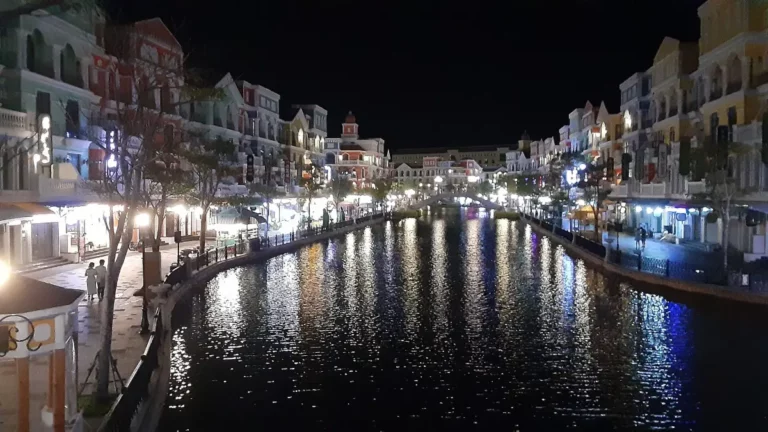
- Sunset Town, Kiss Bridge & Kiss of the Sea – evening show and sunset walk.
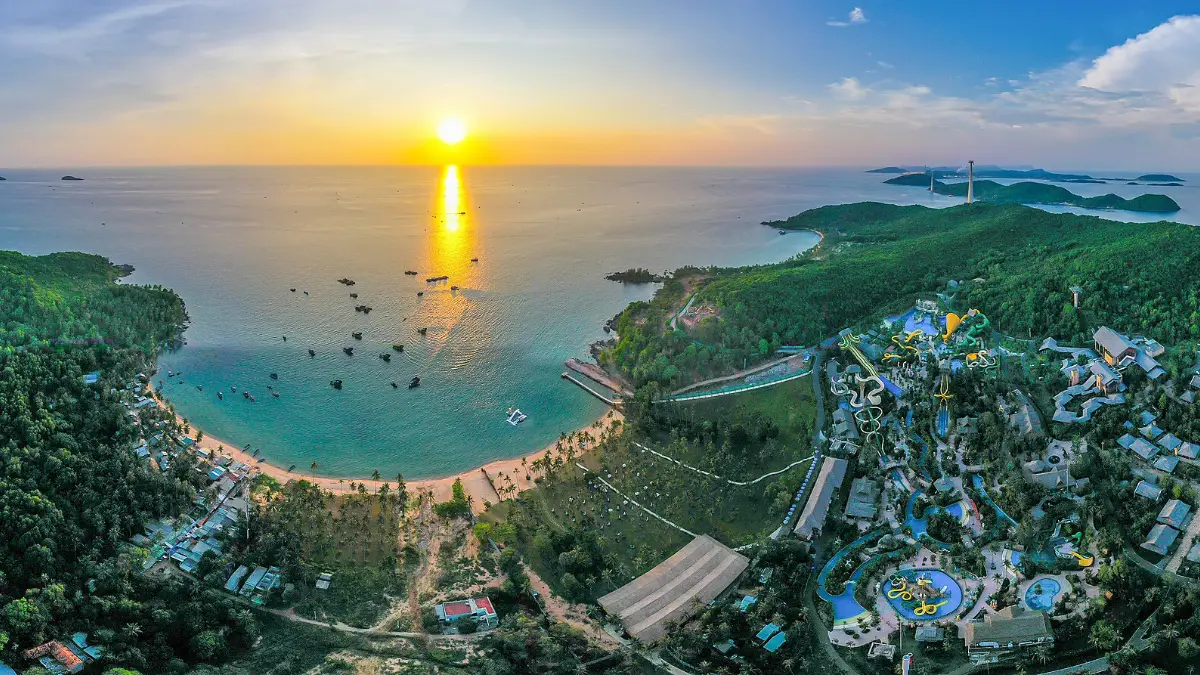
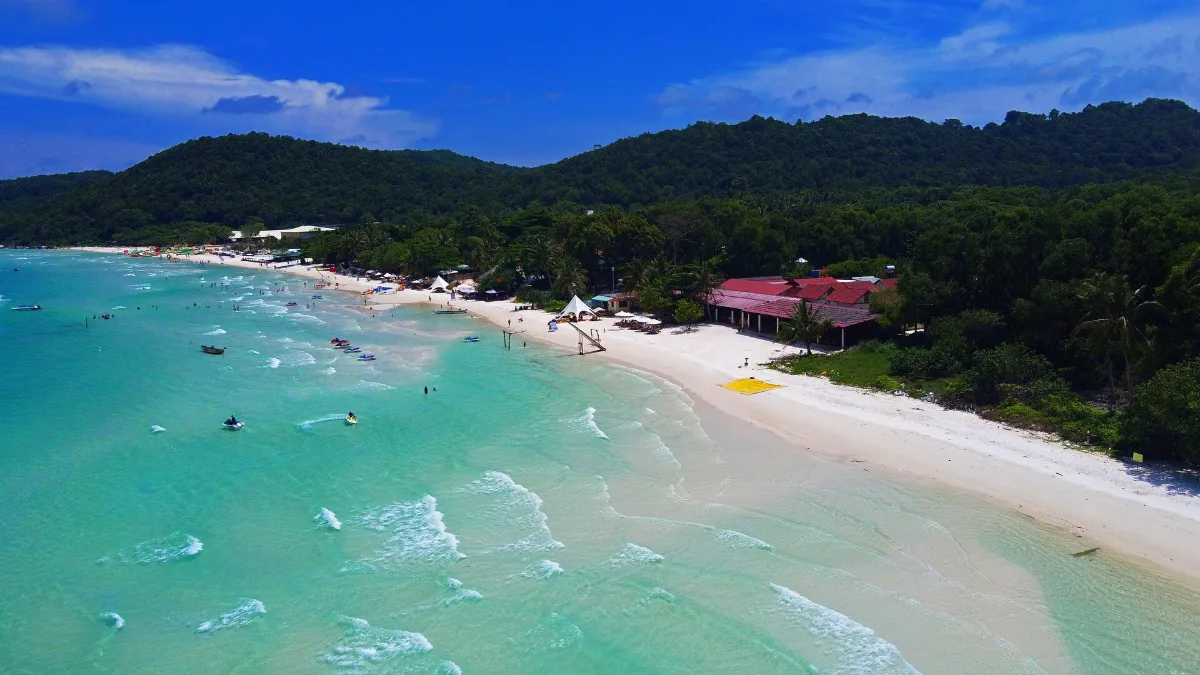
- Sao Beach (Bai Sao) – white-sand beach on the south-east coast.
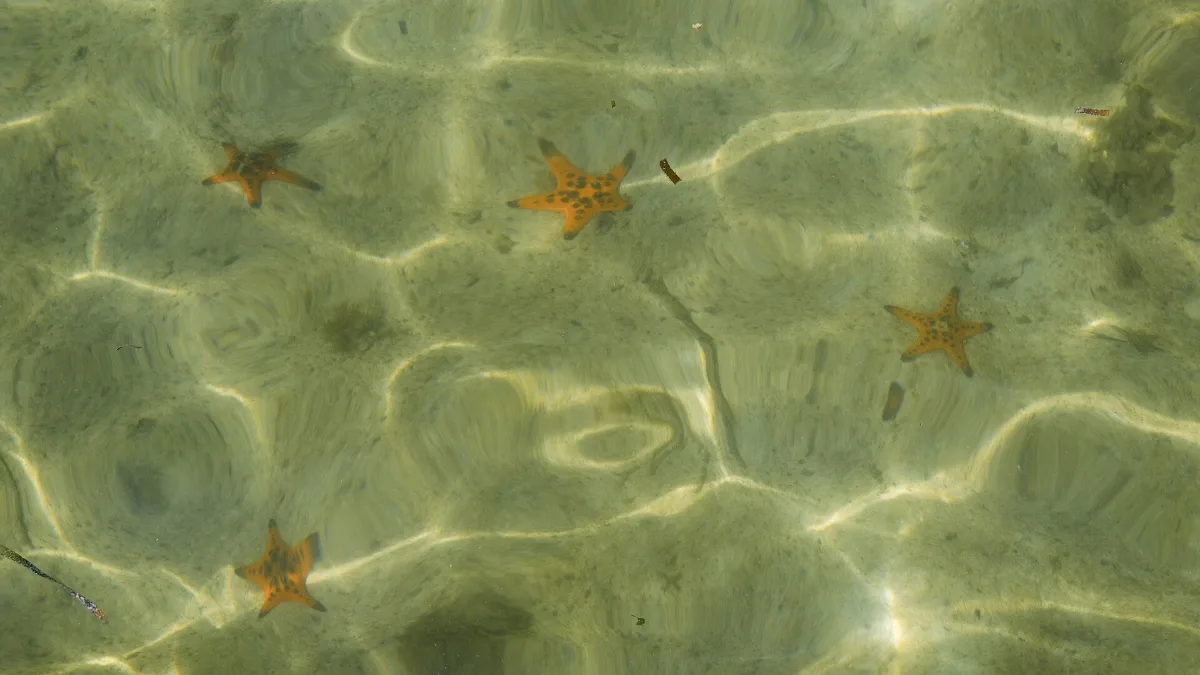
- An Thoi Islands – snorkelling day trips from An Thoi.
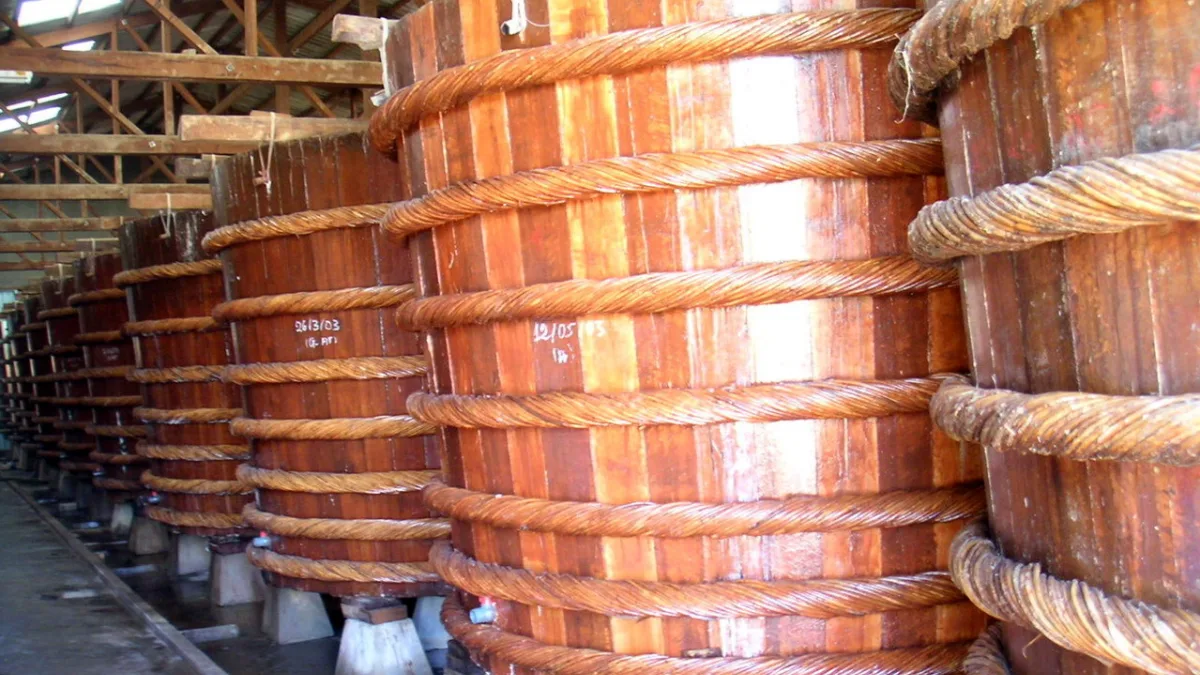
- Fish sauce houses, pepper and pearl farms – easy stops on the drive south.
Where Phu Quoc Prison Fits in a Phu Quoc Itinerary
Phu Quoc Prison belongs on your south-island day. Start at the prison at opening time, ride the cable car to Hon Thom and stop at Sao Beach in the afternoon. Then watch the sunset and evening show at Sunset Town. Our Phu Quoc South Island Tour 1 Day follows exactly this order with a private car and English-speaking guide. The Phu Quoc Tour 4 Days 3 Nights adds the islands, the north and Duong Dong. For more ideas, see our Phu Quoc Travel Guide or Phu Quoc itinerary. To shape a trip around your interests, Contact Vietnam Tour Expert Team.
Frequently Asked Questions about Phu Quoc Prison
1. Where is Phu Quoc Prison?
Phu Quoc Prison is at 350 Nguyen Van Cu Street in An Thoi, in the south of the Phu Quoc Special Zone, An Giang Province. It is about 25 km south of Duong Dong and close to the Hon Thom cable car station.
2. Is Phu Quoc Prison free to enter?
Yes. Phu Quoc Prison is free for all visitors in 2026, including the exhibition, the reconstructed compound and the memorial.
3. What are Phu Quoc Prison’s opening hours?
Phu Quoc Prison usually opens daily from about 07:30 to 11:00 and 13:30 to 17:00. Hours can change on holidays, so check on the day if you are travelling independently.
4. Why is Phu Quoc Prison called Coconut Tree Prison?
The original French camp at Phu Quoc Prison was known locally as Nhà lao Cây Dừa, the Coconut Tree Prison, after the coconut palms on the site. The name stuck for the whole complex.
5. When was Phu Quoc Prison built?
The French began building the first Phu Quoc Prison camp around 1949, and Vietnamese sources give dates up to 1953. The much larger prisoner-of-war camp opened in July 1967 and operated until 1973.
6. How many prisoners were held at Phu Quoc Prison?
Between 1967 and 1973, Phu Quoc Prison held more than 40,000 prisoners. Vietnamese records say more than 4,000 died there.
7. Is Phu Quoc Prison a national heritage site?
Yes. Phu Quoc Prison was listed as a national historic relic in the 1990s. On 31 December 2014 the Prime Minister upgraded it to a Special National Relic, Vietnam’s highest heritage rank.
8. How long do you need at Phu Quoc Prison?
Most people spend 60–90 minutes at Phu Quoc Prison. Allow about two hours if you also visit the martyrs’ cemetery and memorial.
9. Is Phu Quoc Prison suitable for children?
Phu Quoc Prison has graphic life-size figures of torture, so many parents keep children under about 10 out of the reconstructed huts. Teenagers usually manage well if you explain the history first.
10. What should I wear to Phu Quoc Prison?
At Phu Quoc Prison, wear light clothing that covers your shoulders and knees, comfortable shoes and a hat. Much of the visit is outdoors in the sun.
11. Can I take photos at Phu Quoc Prison?
Photography is generally allowed at Phu Quoc Prison, but be respectful. Avoid posed or jokey shots in the cages, and ask before photographing other visitors.
12. How do I get to Phu Quoc Prison from Duong Dong?
Take a Grab car or taxi south for about 40 minutes to reach Phu Quoc Prison. Most visitors instead see it on a south-island tour with the cable car and Sao Beach.
13. Is Phu Quoc Prison near the Hon Thom cable car?
Yes. Phu Quoc Prison is about 10 minutes by car from the Hon Thom cable car station in An Thoi, so the two fit easily into one morning. See our Hon Thom cable car guide.
14. Are there English captions at Phu Quoc Prison?
Most main displays at Phu Quoc Prison have English captions, though some are short. A guide adds a lot of context about the camp’s history.
15. Is Phu Quoc Prison included in tours?
Yes. Phu Quoc Prison is a standard stop on our Phu Quoc South Island Tour 1 Day, together with the cable car, Sao Beach and Sunset Town.
16. What is the best time of day to visit Phu Quoc Prison?
Visit Phu Quoc Prison at opening time (07:30) or after 15:30. It is cooler then, and the tour groups heading for the cable car have mostly gone.
Related Posts

Sao Beach Phu Quoc: White Sand, Best Time & Local Tips

An Thoi Islands Phu Quoc: Snorkelling, Boat Tours & Tips

Sunset Town Phu Quoc: Kiss Bridge, Kiss of the Sea & Tips
Hon Thom Cable Car Phu Quoc: Tickets, Times & Tips
Ham Ninh Fishing Village Phu Quoc: Crab, Seafood & Tips