Phu Quoc National Park: Forest Walks, Tranh Stream & Wildlife
 By Jimmy Nguyen, Founder & Director of Asia Travel Expert Co., Ltd.
Phu Quoc National Park (Vườn quốc gia Phú Quốc) protects about 31,422 ha of lowland rainforest, melaleuca and mangrove across the north and north-east of Phu Quoc. It was created in 2001 and is a core zone of UNESCO’s Kien Giang Biosphere Reserve. There is no single park gate or ticket. The easiest way in is Tranh Stream (about 30,000 VND), and for deeper forest you need a guided trek.
Status (checked November 2026): The park is open to visitors along roads and set walking routes, with no general entrance fee. Tranh Stream (Suối Tranh) charges about 30,000 VND per adult. Its waterfall flows mainly in the rainy season (about May–November) and can be almost dry from February to April. Rangers may close forest areas without notice during the dry-season fire risk. Mount Chua (603 m) has no developed public trail.
Why Phu Quoc National Park is worth seeing:
- It is the largest area of natural forest left on Phu Quoc, and a real contrast to the resort strip.
- It is part of a UNESCO biosphere reserve (Kien Giang, 2006) that also protects dugong and seagrass habitat offshore.
- Around 200 bird species have been recorded, including hornbills, plus slow lorises, silvered langurs and otters.
- Tranh Stream is an easy, low-cost nature stop of 2–3 hours, about 9 km from Duong Dong.
- Guided forest walks from 1 km to half a day suit families as well as keen hikers.
Phu Quoc National Park at a Glance
| Vietnamese name | Vườn quốc gia Phú Quốc |
|---|---|
| Location | North and north-east of the island (Ganh Dau, Bai Thom, Cua Duong, Cua Can and Ham Ninh areas), Phu Quoc Special Zone, An Giang Province |
| Distance | Forest edge about 10–15 km from Duong Dong; Tranh Stream about 9 km (15–20 minutes); the far north-east about 35 km |
| Known for | Lowland evergreen rainforest, streams and waterfalls, birdlife, Mount Chua (603 m), the island’s highest peak |
| Recognition | National park since 8 June 2001 (Decision 91/2001/QĐ-TTg); core zone of the Kien Giang Biosphere Reserve (UNESCO, 2006) |
| Opening hours | Roads open at all times; Tranh Stream roughly 07:00 until late afternoon; guided walks usually in the morning |
| Entrance fee | No general park fee; Tranh Stream about 30,000 VND adult / 20,000 VND child; guided walks priced separately |
| Time needed | 2–3 hours for Tranh Stream; half a day for a guided forest walk |
| Best time | Rainy season (May–November) for running streams; dry season (December–April) for easier trails; always early morning for wildlife |
| Nearby | Starfish Beach & Ganh Dau, VinWonders & Vinpearl Safari, Ham Ninh Fishing Village |
| Find it | Google Maps · Tripadvisor · Wikipedia · UNESCO |
Is Phu Quoc National Park Worth Visiting?
Yes, if you like nature and walk with realistic expectations. This is a working protected forest, not a theme park. Trails are simple, signs are few, and you will hear far more wildlife than you see. A half-day guided walk or a morning at Tranh Stream is the best way to understand the green interior of the island.
- Best for: walkers, birdwatchers, families who want a cool forest stream, and repeat visitors who have already done the beaches and islands.
- Skip if: you expect marked trails with visitor centres like national parks in Europe or North America, or you are visiting in March–April and want waterfalls.
- Short on time: spend two hours at Tranh Stream, or drive the forest road between Ganh Dau and Bai Thom on the way to Starfish Beach.
About Phu Quoc National Park
From nature reserve to national park
Protection began in 1986, when a forest reserve was set up in the north of the island. On 8 June 2001 the Prime Minister upgraded it to Phu Quoc National Park with Decision 91/2001/QĐ-TTg. The park covers about 31,422 ha. About 8,800 ha is strictly protected, about 22,600 ha is a forest-restoration zone, and a small area is set aside for administration and services. Since 2025 it has been managed under An Giang Province.
A UNESCO biosphere core zone
In 2006 UNESCO recognised the Kien Giang Biosphere Reserve. It covers about 1.19 million ha of land and sea in the far south-west of Vietnam. Phu Quoc National Park is one of its core zones, together with the surrounding marine protected area. UNESCO lists 89 hard coral species, 19 soft corals and 125 reef-fish species in the reserve’s waters, as well as seagrass beds used by sea turtles and a small dugong population.
Forest types and wildlife
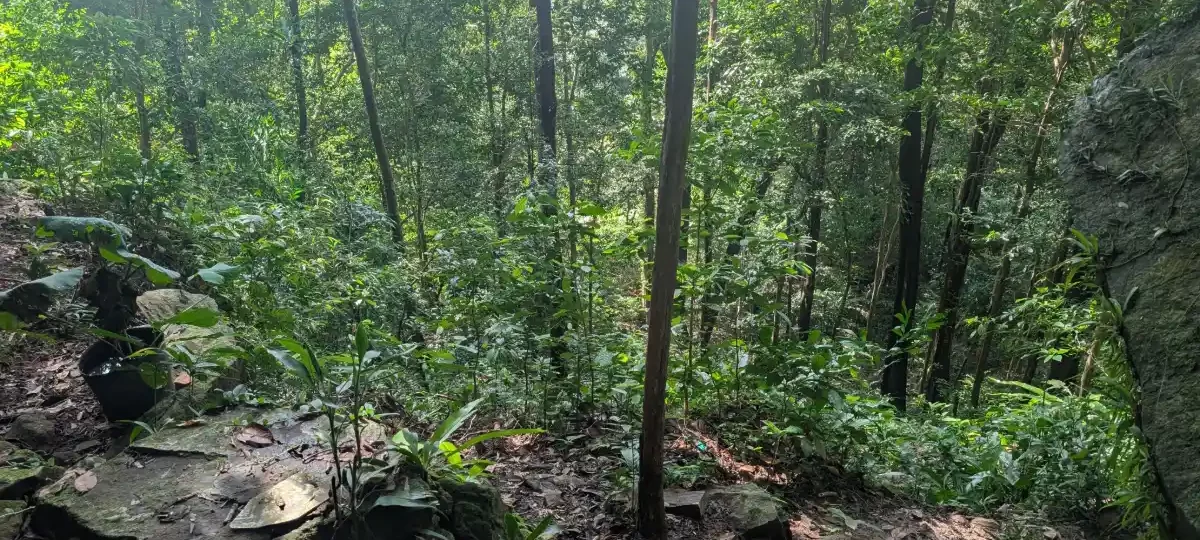
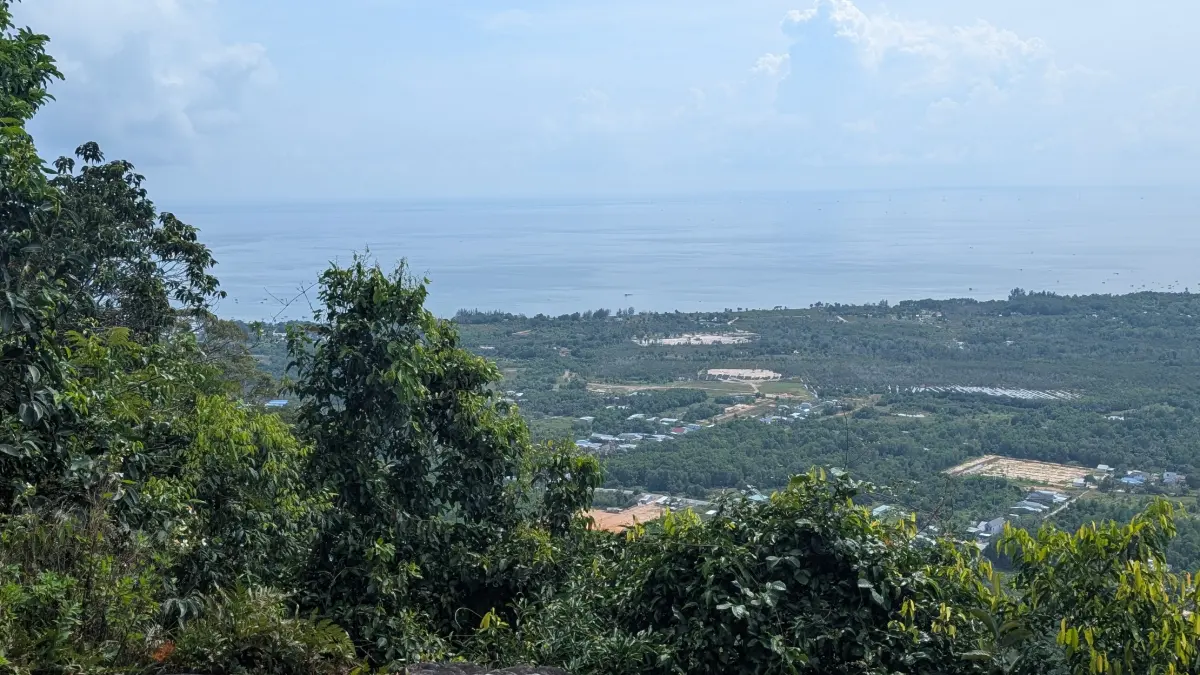
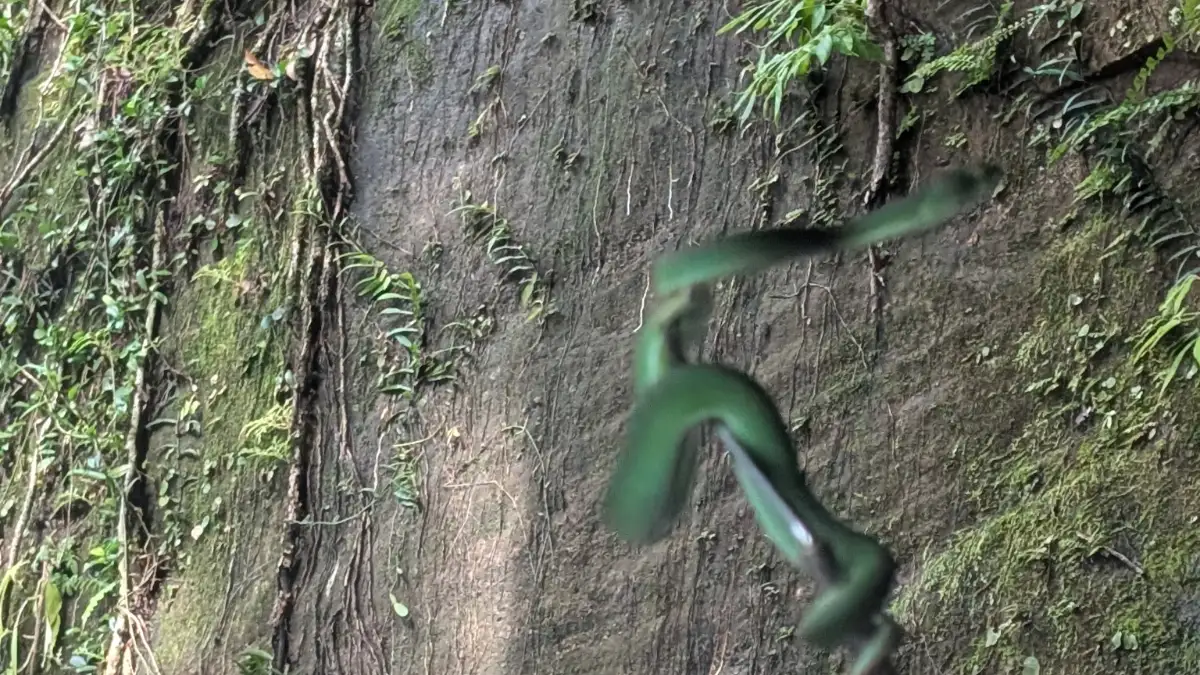
The natural vegetation is lowland evergreen forest. It runs along the Ham Ninh range in the east and up to Mount Chua (603 m) in the north. On lower, wetter ground there is melaleuca forest, and mangroves line some estuaries. Close to 930 plant species have been recorded on the island, including orchids and medicinal herbs. Surveys list more than 30 mammal species, including silvered langur, slow loris, long-tailed macaque and small-clawed otter. There are also about 200 bird species, such as hornbills, and about 50 reptiles. Several are on Vietnam’s Red List. Hawksbill turtles nest on a few beaches, and dugongs are occasionally reported offshore.
What to See and Do in Phu Quoc National Park
1. Tranh Stream (Suối Tranh)
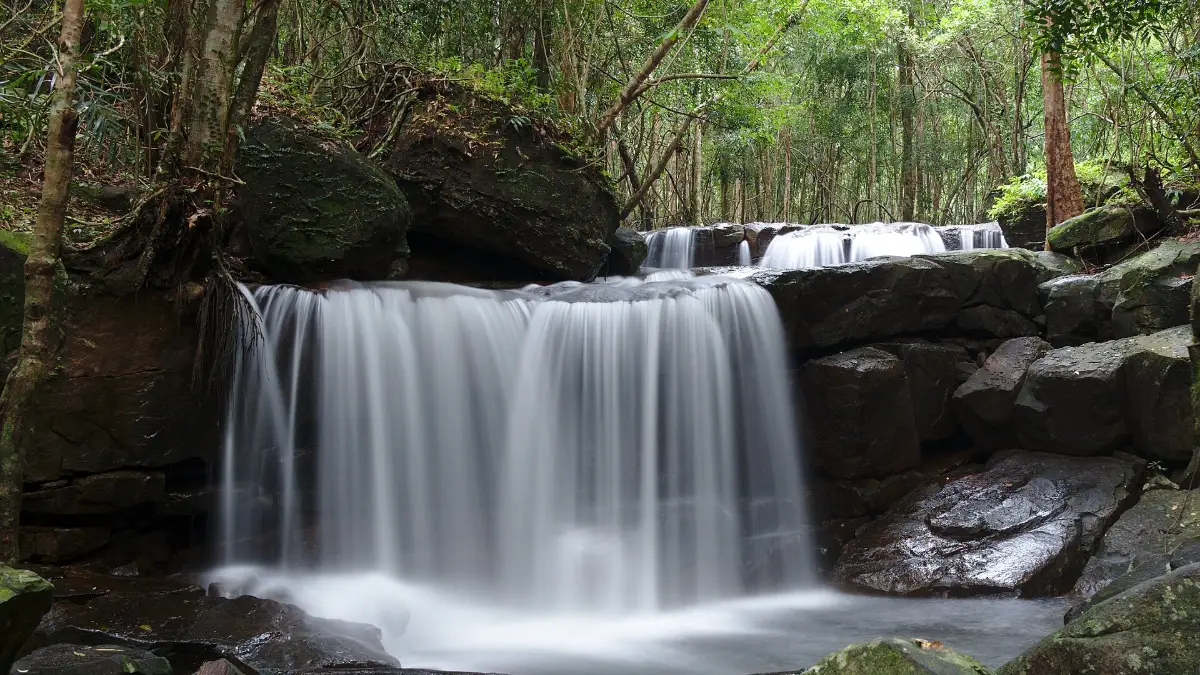
Tranh Stream is the most visited corner of the park and the easiest to reach. A short path and wooden bridges lead upstream past rock pools and small cascades to the main waterfall. In the rainy season you can paddle in the pools. In the late dry season the stream can shrink to a trickle. Allow 2–3 hours, wear grippy sandals or shoes, and expect some steps. Find it on Google Maps.
2. Guided forest walks
Local guides lead short walks of about 1, 2 and 5 km into the forest, usually starting early in the morning. Longer routes follow old tracks across the island, often called the cross-island forest road. A guide finds the right path, points out plants and birds, and knows which areas are open.
3. Other streams: Da Ban and Da Ngon
Two more streams flow down from the Ham Ninh range: Suối Đá Bàn, with flat granite slabs and pools, and Suối Đá Ngọn. Both are quieter than Tranh Stream and best after rain. The access roads are rough, so go with a driver who knows the way.
4. The Ganh Dau–Bai Thom forest road
The road across the north passes through some of the best-preserved forest on the island. You can drive or ride it on the way to Starfish Beach or Ganh Dau Cape. Stop at lay-bys rather than on blind bends, and do not enter the forest from the roadside.
5. Mount Chua and the Ham Rong area
Mount Chua (Núi Chúa, 603 m) is the highest point on Phu Quoc. The Ham Rong area (Mũi Hàm Rồng), with its headland and hills, is also inside the park. Neither has a developed visitor trail, and both lie in strictly protected forest patrolled by rangers. If you are a fit hiker who wants to go, travel with an experienced local guide who arranges access in advance. Never try it alone.
6. Birdwatching at first light
The best wildlife time is from dawn to about 08:30. Listen for hornbills’ heavy wingbeats and look for langurs in the canopy along forest edges. Binoculars make a big difference.
Phu Quoc National Park Fees and Opening Hours (2026)
| Item | Details | Price (2026) |
|---|---|---|
| Park roads and viewpoints | Public roads through the forest | Free |
| Tranh Stream – adult | Includes parking; roughly 07:00 to late afternoon | About 30,000 VND (~US$1.15) |
| Tranh Stream – child | Height rules vary; ask at the gate | About 20,000 VND (~US$0.80) |
| Hammock or picnic spot at Tranh Stream | Optional extras | Small extra charge |
| Guided forest walk | Arranged in advance through your hotel or tour operator | Varies by length and group size |
Phu Quoc National Park has no English-language booking website, and fees at small sites change, so treat these prices as a guide and carry small notes.
How to Visit Phu Quoc National Park Responsibly
- Choose your experience: Tranh Stream for an easy visit, a guided walk for real forest, or the northern forest road for a scenic drive.
- Start early (07:00–08:00). It is cooler, and the birds are more active.
- Book a guide for anything beyond Tranh Stream. Trails are not well marked, and phone signal is patchy.
- Carry water, insect repellent and a light rain jacket; wear closed shoes and long trousers on forest trails.
- Check for ticks and leeches after rainy-season walks.
Rules and etiquette
- Stay on paths. Do not pick plants or orchids, and do not collect shells, coral or insects.
- No fires and no smoking in the forest. Dry-season fire risk is high, and rangers take it seriously.
- Do not feed or chase monkeys or other animals, and keep noise down.
- Take all rubbish out with you, including from Tranh Stream picnic spots.
- Drones need permission in protected areas.
How to Get to Phu Quoc National Park
| From | How | Time |
|---|---|---|
| Duong Dong to Tranh Stream | Grab car, taxi or scooter east towards Ham Ninh | About 15–20 minutes |
| Duong Dong to the northern forest road (Ganh Dau–Bai Thom) | Car or scooter north | About 40–60 minutes |
| Ong Lang / Cua Can area | Car or scooter | About 20–40 minutes |
| Grand World / VinWonders area (north) | Car or scooter | About 15–30 minutes to forest roads |
| Private tour | Car, driver and guide on a tailored day, or add to our Phu Quoc Tour 4 Days 3 Nights | Flexible |
Best Time to Visit Phu Quoc National Park
| When | What to expect |
|---|---|
| May–November (rainy season) | Streams and waterfalls flowing, lush forest; afternoon showers, slippery rocks, leeches |
| December–January | Good balance: drier trails and some water left in the streams |
| February–April (late dry season) | Easiest walking but streams very low; higher fire-risk closures |
| 06:30–09:00 any day | Best for birds and monkeys; cooler temperatures |
| Weekends and holidays | Tranh Stream busy with local families; weekdays are quieter |
Local Expert Tips for Phu Quoc National Park
These tips come from years of arranging Phu Quoc tours for international travellers.
- Ask your driver to check that Tranh Stream has water before you go in March or April. A dry waterfall disappoints many visitors.
- Combine the park with the north: a morning walk, then Starfish Beach or Ganh Dau for lunch and a swim.
- Rent binoculars or bring your own. Hornbills and langurs are often high in the canopy.
- Wear shoes with grip, not flip-flops. Granite slabs at the streams are slippery when wet.
- Do not ride a scooter on unpaved forest tracks after heavy rain. The red-earth roads turn to mud quickly.
Phu Quoc National Park vs the An Thoi Islands
| Feature | Phu Quoc National Park | An Thoi Islands |
|---|---|---|
| Experience | Forest walks, streams, birdlife | Boat trip, snorkelling, beaches |
| Where | North and north-east of the island | Off the southern tip |
| Best season | Rainy season for streams; any time for walks | Dry season (December–April) for calm, clear sea |
| Typical cost | Tranh Stream about 30,000 VND; guided walks extra | Day tour or private boat |
| Best for | Nature lovers, walkers, cooler mornings | Swimmers, families, sea lovers |
Our view: Do the islands when the sea is calm and the forest when it is not. In the May–October south-west monsoon, boat trips on the west and south coasts are often cut short, while the forest streams are at their best. That makes the national park a good rainy-season plan.
Nearby Attractions
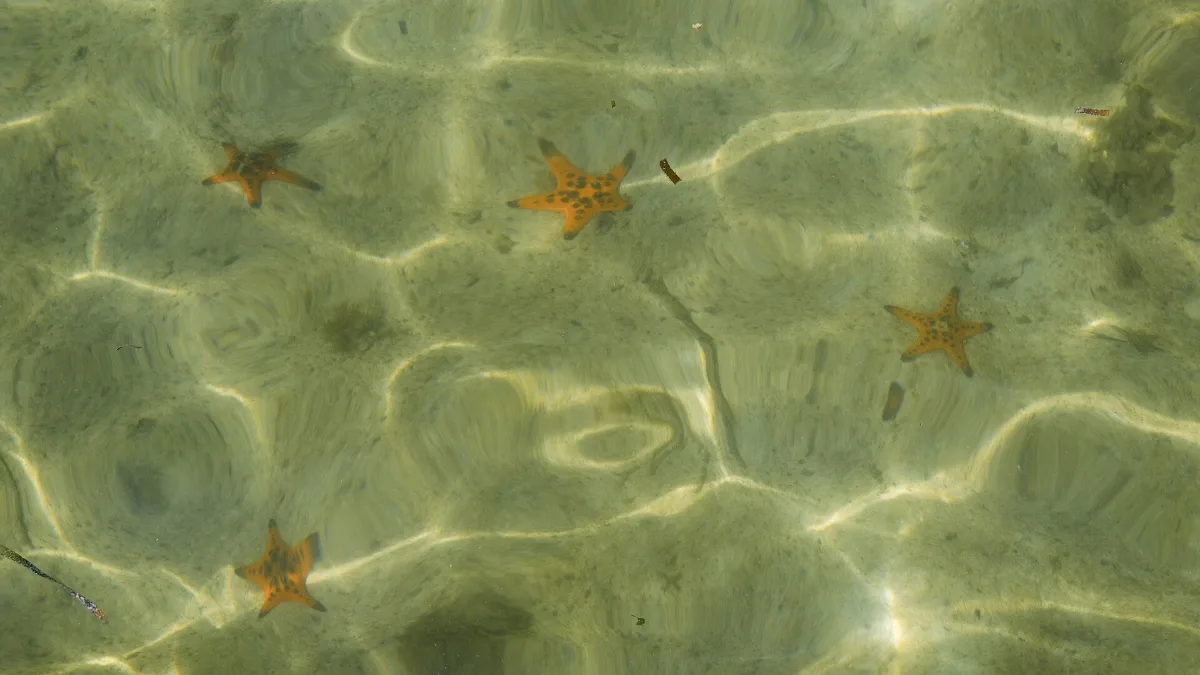
- Starfish Beach (Rach Vem) & Ganh Dau – calm northern beach on the edge of the park.
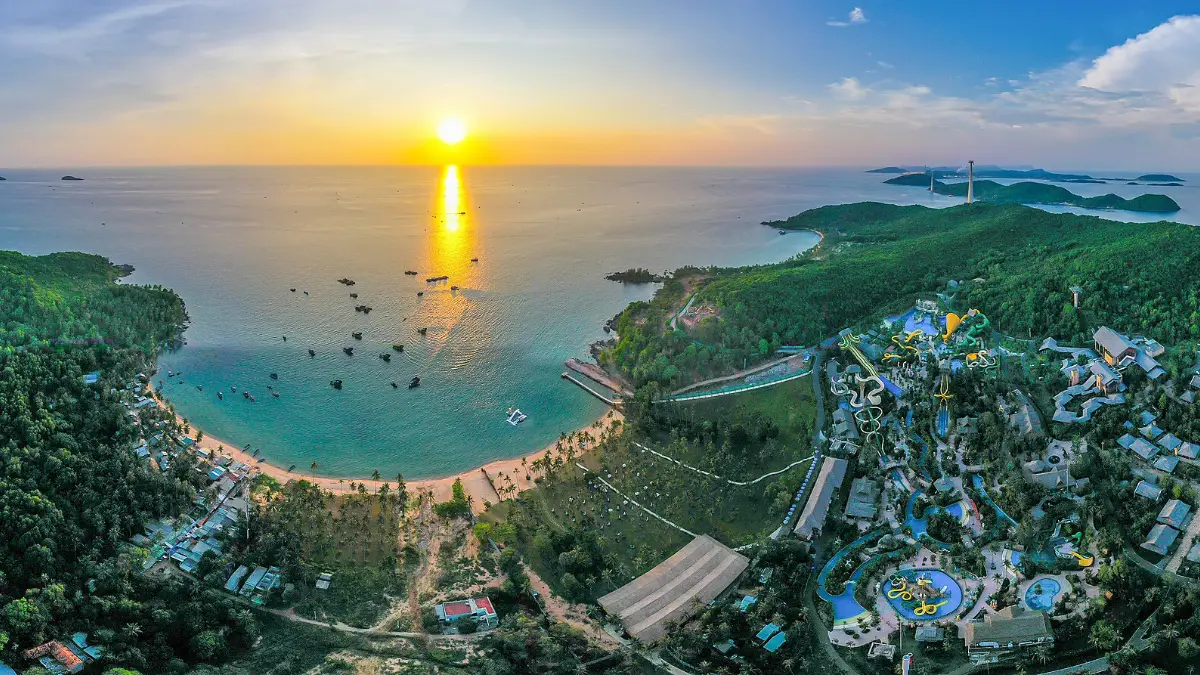
- VinWonders Phu Quoc & Vinpearl Safari – theme park and safari in the north.
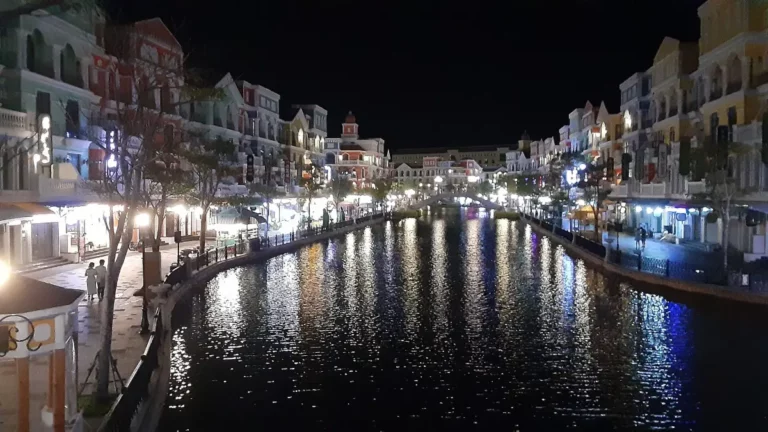
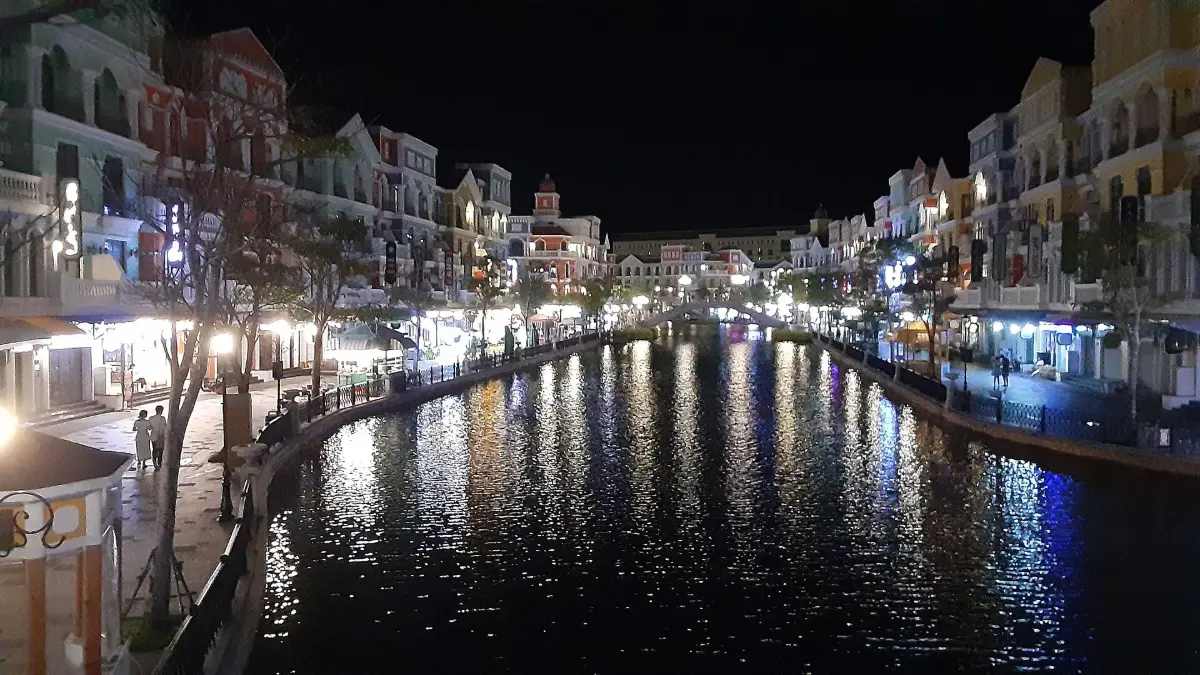
- Grand World Phu Quoc – evening entertainment district near Ganh Dau.
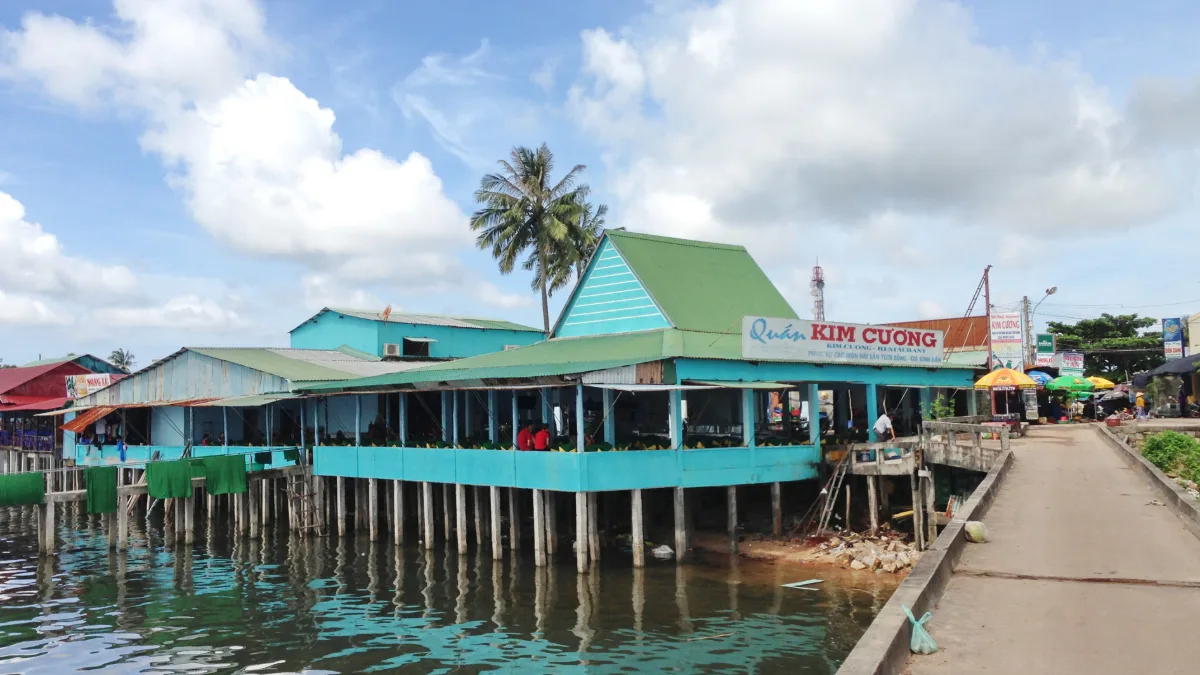
- Ham Ninh Fishing Village – seafood village below the Ham Ninh range.
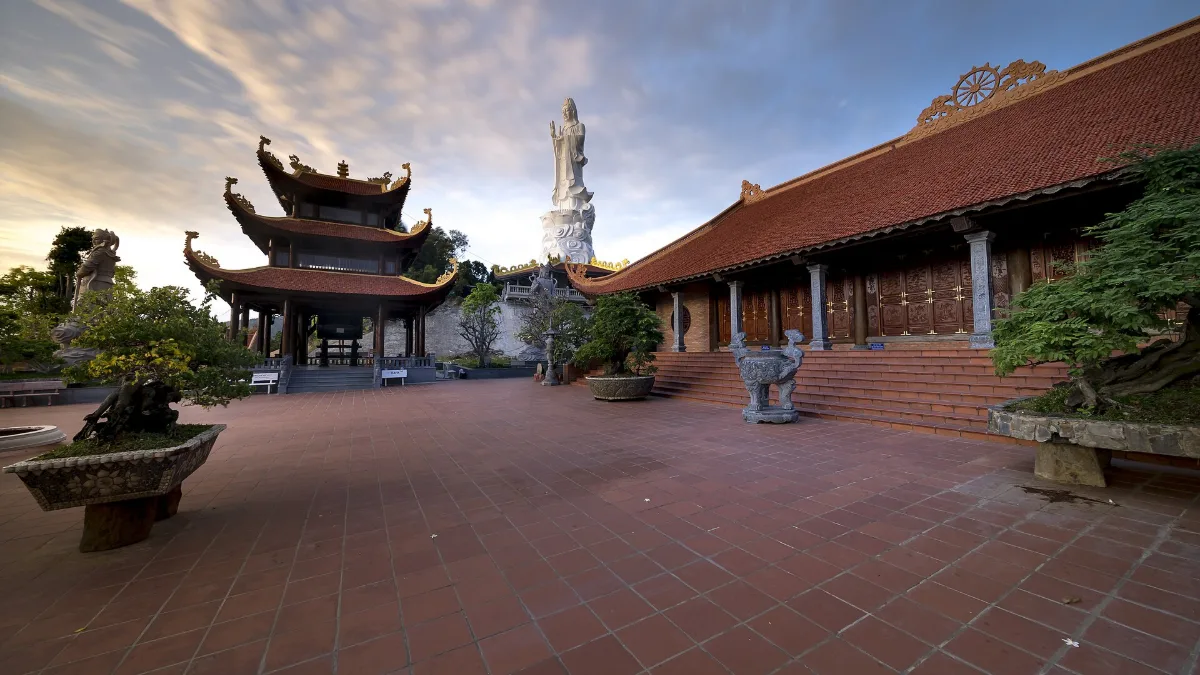
- Ho Quoc Pagoda – Zen monastery on the east coast, backed by forested hills.
Where Phu Quoc National Park Fits in a Phu Quoc Itinerary
Most visitors fit the national park into a north-island day. Start with an early forest walk or Tranh Stream, then go on to Starfish Beach, Ganh Dau and an evening at Grand World. On a rainy-season trip, keep a spare morning for the forest in case the sea is too rough for the islands. Our Phu Quoc Tour 4 Days 3 Nights can be adapted to include a guided forest walk. Our Phu Quoc 4 Islands Snorkelling Tour 1 Day covers the sea side of the island. See the Phu Quoc Travel Guide and best time to visit Phu Quoc for planning, then Contact Vietnam Tour Expert Team to arrange a guide.
Frequently Asked Questions about Phu Quoc National Park
1. Where is Phu Quoc National Park?
Phu Quoc National Park covers the north and north-east of the island, around Ganh Dau, Bai Thom, Cua Duong, Cua Can and the Ham Ninh range. It is in the Phu Quoc Special Zone, An Giang Province.
2. How big is Phu Quoc National Park?
Phu Quoc National Park covers about 31,422 ha. About 8,800 ha is strictly protected and most of the rest is a forest-restoration zone.
3. When was Phu Quoc National Park established?
Phu Quoc National Park was established on 8 June 2001 by Prime Minister’s Decision 91/2001/QĐ-TTg. It upgraded a forest reserve first set up in 1986.
4. Is Phu Quoc National Park a UNESCO site?
Phu Quoc National Park is a core zone of the Kien Giang Biosphere Reserve, which UNESCO recognised in 2006. It is a biosphere reserve, not a World Heritage Site.
5. Is there an entrance fee for Phu Quoc National Park?
There is no general entrance fee for Phu Quoc National Park. Individual sites charge small fees; Tranh Stream costs about 30,000 VND per adult in 2026.
6. What is Tranh Stream in Phu Quoc National Park?
Tranh Stream (Suối Tranh) is a forest stream with pools and a small waterfall in Phu Quoc National Park, about 9 km from Duong Dong. It is the easiest place to experience the park.
7. When does the waterfall flow in Phu Quoc National Park?
The streams in Phu Quoc National Park flow best in the rainy season, about May to November. From February to April Tranh Stream can be almost dry.
8. Can you hike in Phu Quoc National Park?
Yes. Phu Quoc National Park has guided walks of about 1–5 km and longer forest routes. Trails are poorly marked, so go with a local guide.
9. Can I climb Mount Chua in Phu Quoc National Park?
Mount Chua (603 m), the highest point of Phu Quoc National Park, has no developed public trail and lies in strictly protected forest. Only attempt it with an experienced local guide who arranges access.
10. What animals live in Phu Quoc National Park?
Phu Quoc National Park has more than 30 mammal species, including silvered langurs, slow lorises, macaques and otters. It also has about 200 bird species, such as hornbills, and around 50 reptile species.
11. Are there dugongs near Phu Quoc National Park?
A small dugong population feeds in the seagrass beds of the Kien Giang Biosphere Reserve, which includes waters around Phu Quoc National Park. Sightings are rare.
12. What is the best time to visit Phu Quoc National Park?
Visit Phu Quoc National Park early in the morning for wildlife. Go in the rainy season for flowing streams, or December–January for a balance of dry trails and water.
13. How long do I need at Phu Quoc National Park?
Allow 2–3 hours for Tranh Stream, or half a day for a guided walk in Phu Quoc National Park. A scenic drive through the northern forest takes about an hour.
14. Is Phu Quoc National Park safe to visit?
Phu Quoc National Park is safe on set routes. Wear closed shoes, carry water, watch for slippery rocks and stay on paths. Do not walk off-trail alone, as phone signal is patchy.
15. What should I bring to Phu Quoc National Park?
For Phu Quoc National Park, bring water, insect repellent, sun protection, shoes with grip, a light rain jacket, small cash for fees and, if possible, binoculars.
16. Can I visit Phu Quoc National Park on a tour?
Yes. A guided forest walk in Phu Quoc National Park can be added to our Phu Quoc Tour 4 Days 3 Nights or arranged as a private half-day.
Related Posts
Sao Beach Phu Quoc: White Sand, Best Time & Local Tips
An Thoi Islands Phu Quoc: Snorkelling, Boat Tours & Tips

Sunset Town Phu Quoc: Kiss Bridge, Kiss of the Sea & Tips
Hon Thom Cable Car Phu Quoc: Tickets, Times & Tips
Ham Ninh Fishing Village Phu Quoc: Crab, Seafood & Tips