Dalat Travel Tips 2026: Weather, Best Time & Itinerary
Dalat is a cool highland city at about 1,500 m, mild all year (often around 15–24°C by day). The best time to visit is the dry season from about November to April; May to October brings afternoon rain. Plan 2–3 days, carry a jacket, use cash or QR for small purchases, and check your visa or e-visa (up to 90 days) before you fly in.
Status (checked October 2026): Since 1 July 2025 Lam Dong has merged with Dak Nong and Binh Thuan, and the former Da Lat city has been replaced by five wards (Xuan Huong–Da Lat, Cam Ly–Da Lat, Lam Vien–Da Lat, Xuan Truong–Da Lat and Lang Biang–Da Lat). October is late rainy season: expect afternoon showers and possible landslides on mountain passes. The Dalat Flower Festival (11th edition) is planned for December 2026.
Key takeaways:
- Best time: November to April for dry, sunny days; December to February has the coldest nights (can fall to about 10–12°C).
- Ideal stay: 2–3 days for the lakes, waterfalls, Langbiang, the cable car and the night market.
- Entry: e-visa up to 90 days (US$25 single / US$50 multiple) via the official portal, or visa exemption for eligible nationalities.
- Key ticket prices: Datanla 80,000 VND, Langbiang 50,000 VND, cable car 120,000/150,000 VND, Valley of Love 250,000 VND (adult).
- Pack layers, a rain jacket and comfortable shoes for steep streets.
Dalat Travel Tips at a Glance
| Altitude & climate | About 1,500 m; mild all year, around 15–24°C by day, cooler at night |
|---|---|
| Best time to visit | November–April (dry season); flowers peak around December–January |
| Rainy season | About May–October, mostly afternoon showers |
| How long to stay | 2–3 days |
| Getting there | Lien Khuong Airport (DLI), about 30 km; or road from Ho Chi Minh City (about 300 km) and Nha Trang (about 140 km) |
| Daily budget | Budget about 600,000–1,000,000 VND (US$24–40); mid-range about 1,500,000–3,000,000 VND (US$60–120) |
| Currency & payment | Vietnamese dong (VND); cash and QR common; cards in hotels and larger restaurants |
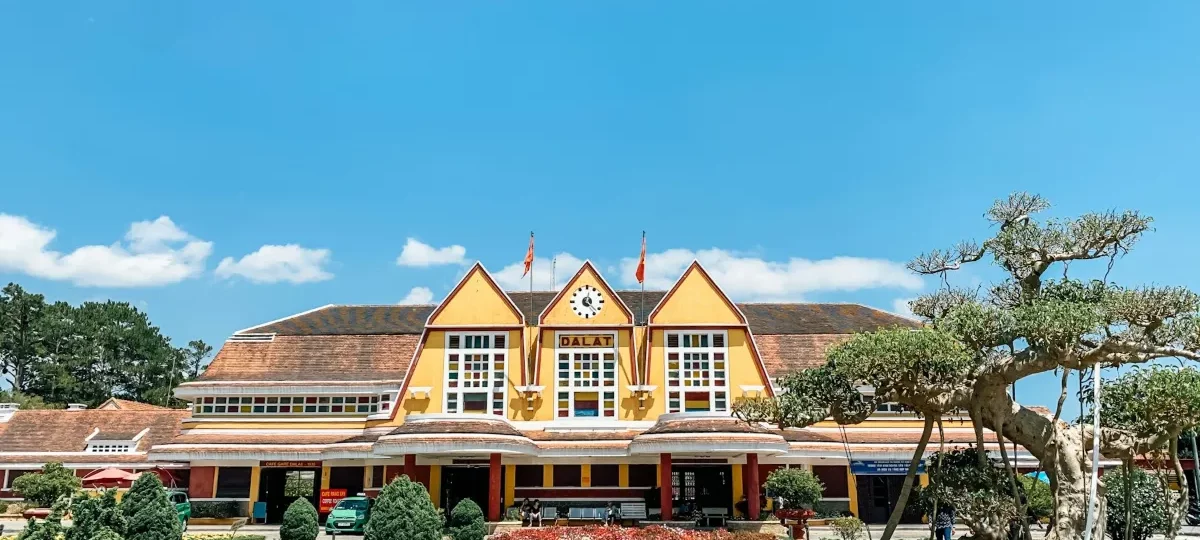
| Top sights | Xuan Huong Lake, Datanla Waterfall, Langbiang, Truc Lam cable car, railway station, Domaine de Marie Church |
| Administrative status | Five wards of Lam Dong province since 1 July 2025 |
| Emergency numbers | Police 113, Fire 114, Ambulance 115 |
When Is the Best Time to Visit Dalat?
The best time to visit Dalat is the dry season from about November to April, when skies are clear and days are sunny but fresh. Dalat is pleasant all year, though, and the rainy months are greener and cheaper.
| Period | Weather | Highlights | Watch out for |
|---|---|---|---|
| November–January | Dry, sunny days, cold nights (can drop to about 10–12°C) | Wild sunflowers, cherry blossoms start, flower festival period in December | Busy holiday weekends; bring a warm jacket |
| February–April | Dry, sunny, warmest days of the year | Tet (6 February 2027), cherry and jacaranda blossoms, good for trekking | Tet crowds and higher prices |
| May–July | Start of rainy season, afternoon showers | Green hills, fewer tourists, lower prices | Rain on outdoor plans; slippery trails |
| August–October | Wettest months, frequent rain and fog | Misty mornings, waterfalls at full flow | Landslide risk on passes; Datanla trails may close in storms |
Do I Need a Visa to Visit Dalat?
Dalat follows Vietnam’s national entry rules. Many nationalities can apply online for an e-visa valid for up to 90 days (single or multiple entry) at the official portal evisa.gov.vn; the government fee is US$25 for single entry and US$50 for multiple entry. Citizens of a list of countries, including the UK, Germany, France, Italy, Spain, Japan and South Korea, currently enjoy 45-day visa-free entry; the list and validity dates change, so check the official portal or your nearest Vietnamese embassy before travelling. Your passport should be valid for at least six months.
How Many Days Do You Need in Dalat?
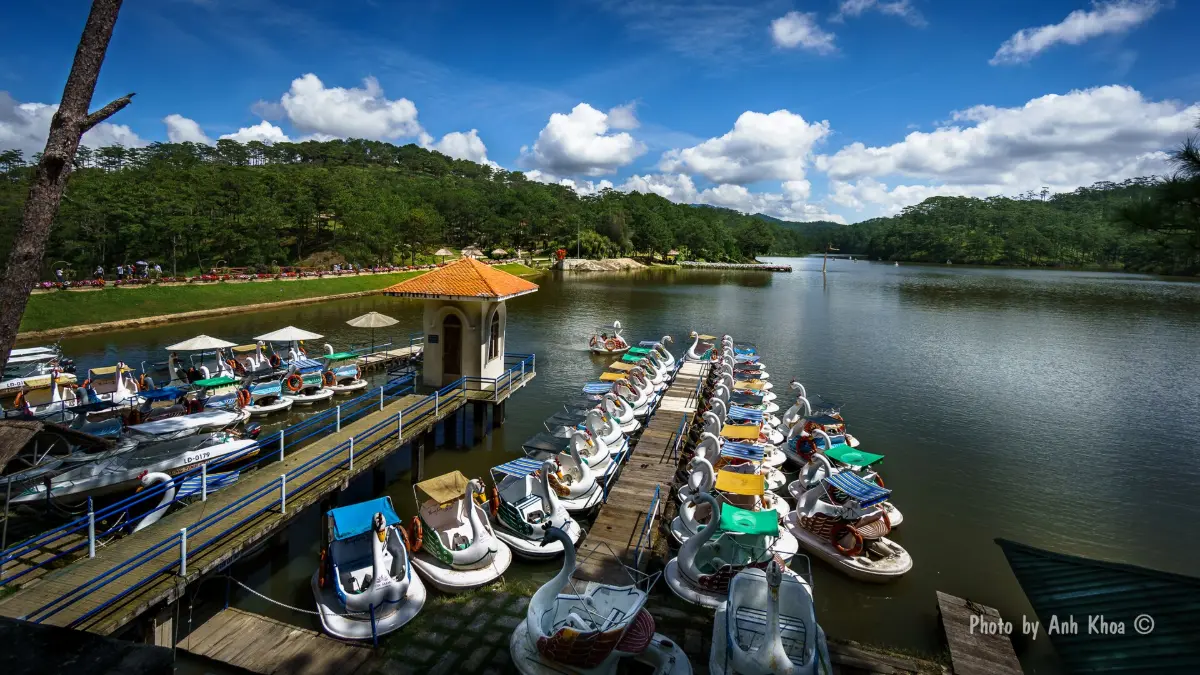
Two to three days is ideal. Two days covers the centre and the main sights; a third day lets you add Langbiang, a coffee farm or a slow day at the lakes.
1. Day 1: City Centre and Night Market
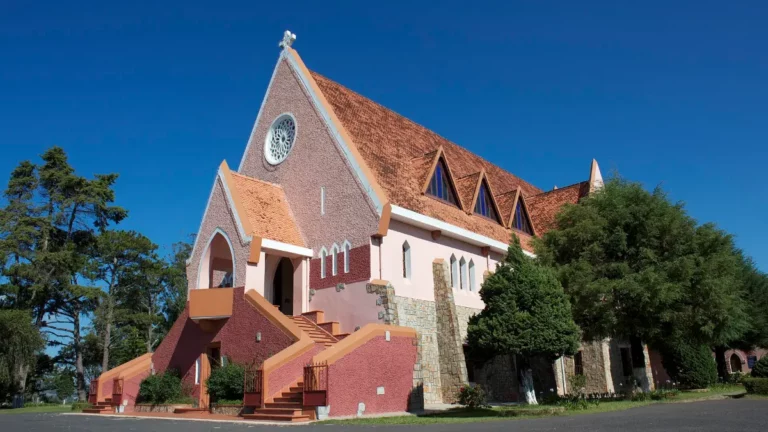
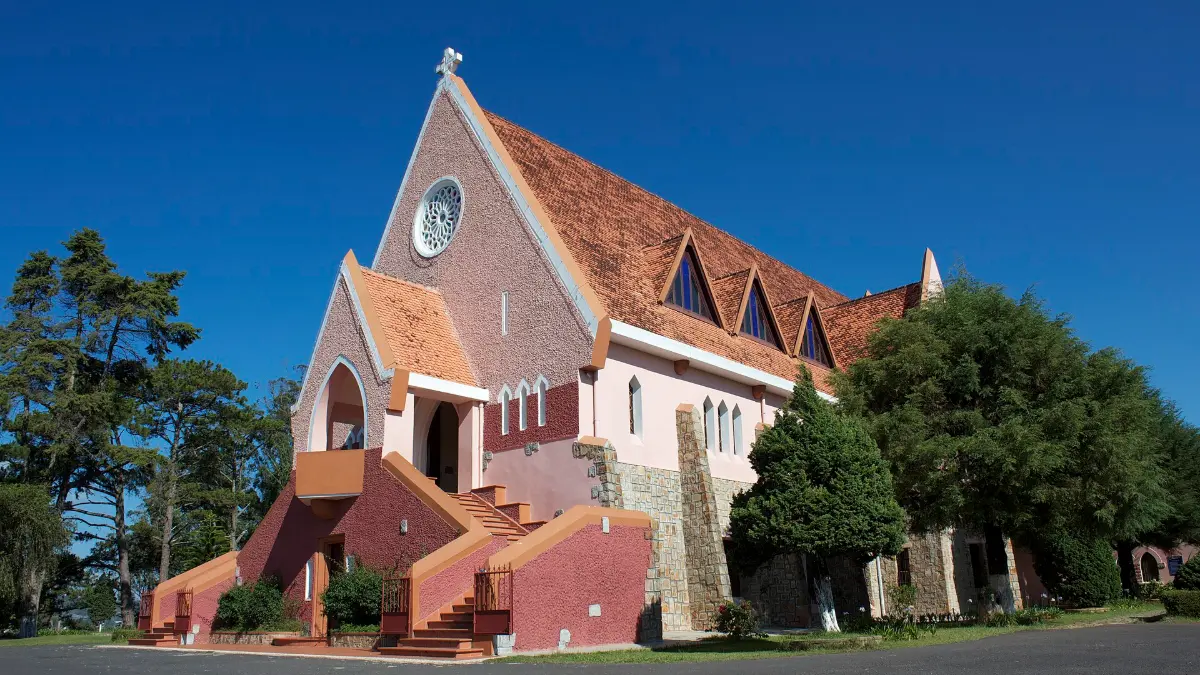
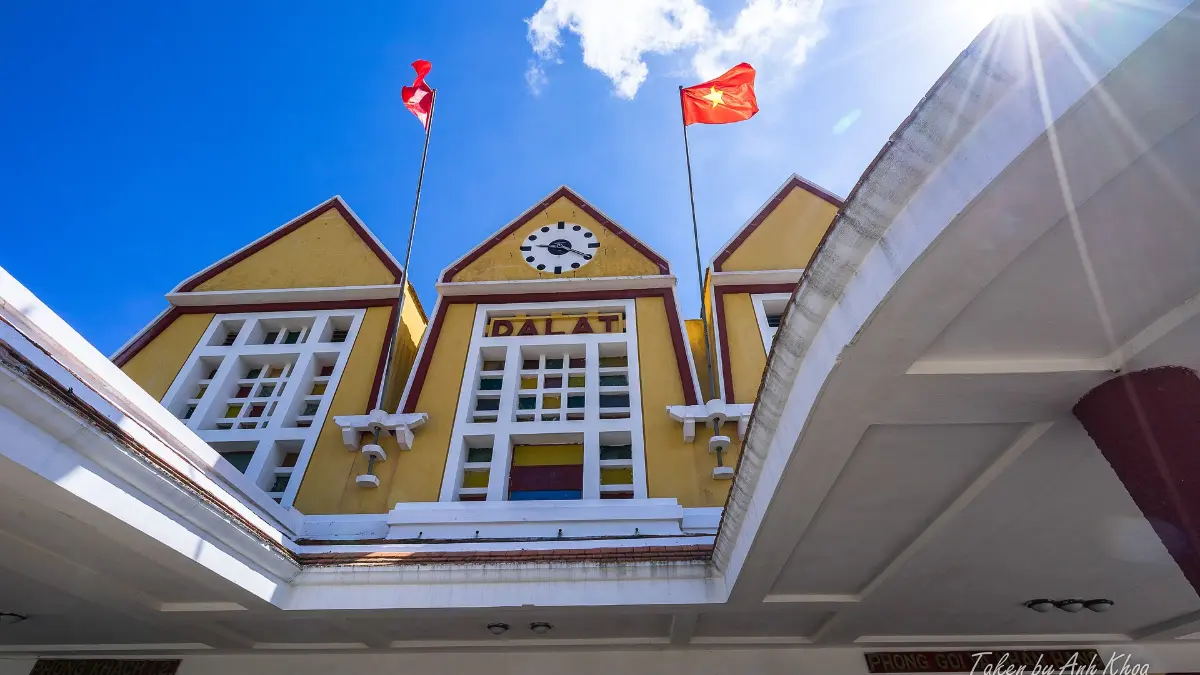
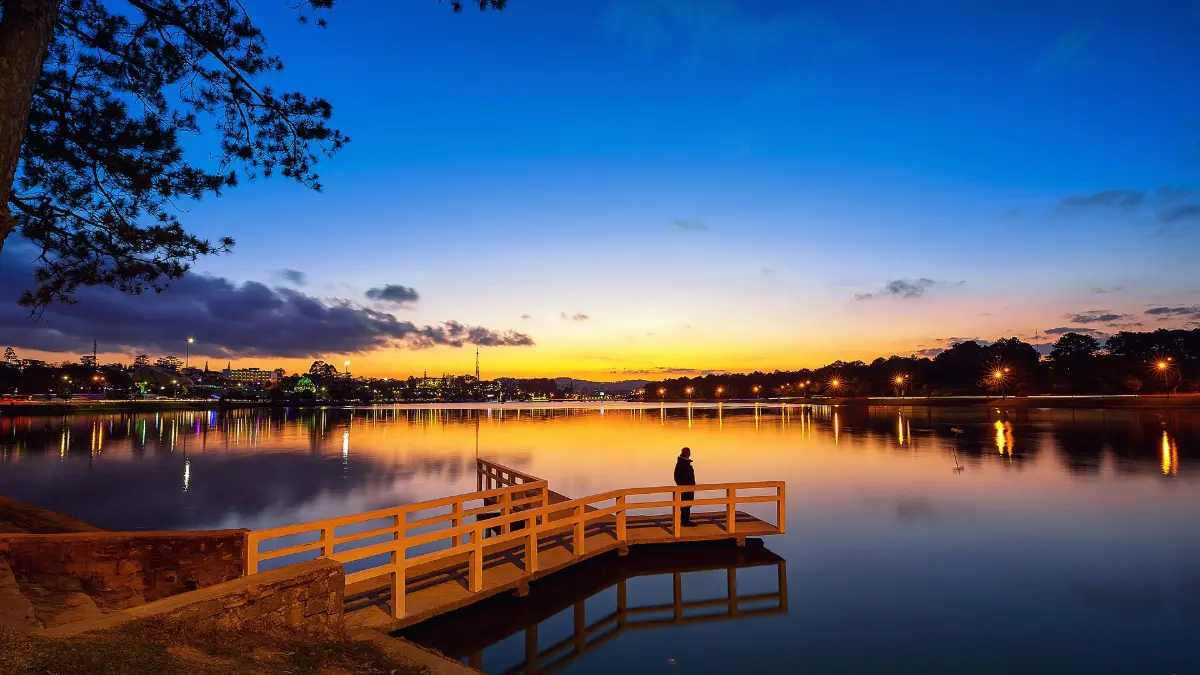
Walk around Xuan Huong Lake, visit Dalat Railway Station (sightseeing ticket about 50,000 VND), take the heritage train to Trai Mat if time allows, see Domaine de Marie Church, and end with street food at the night market.
2. Day 2: Waterfall, Cable Car and Lakes
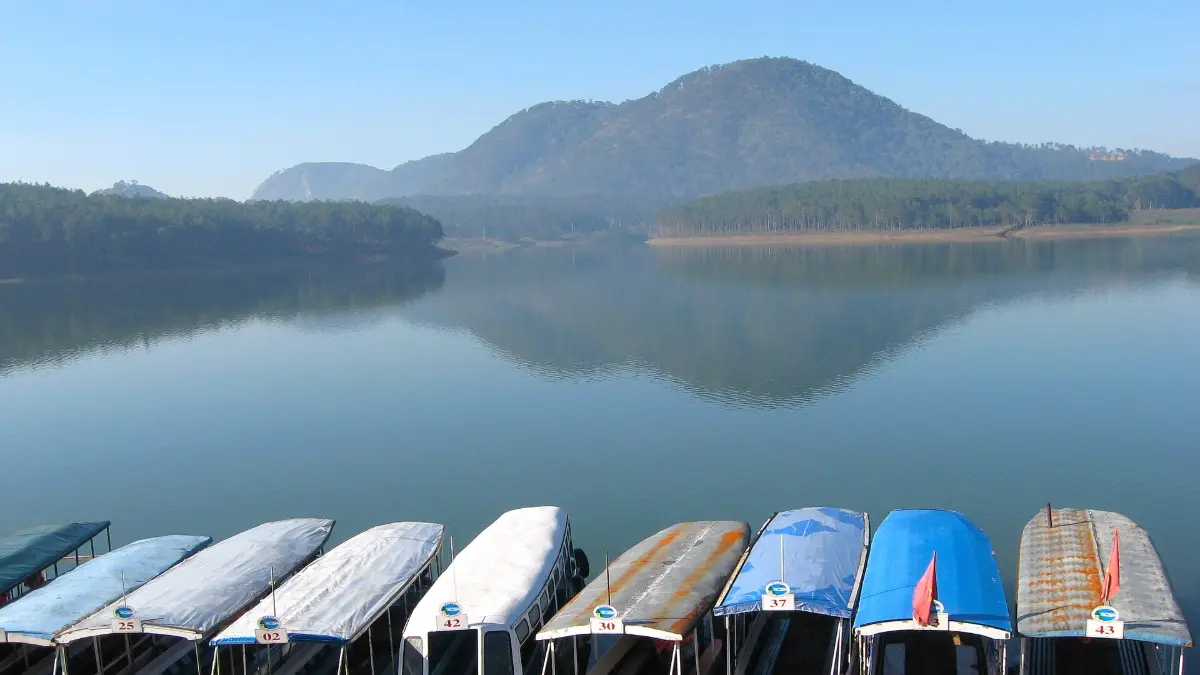
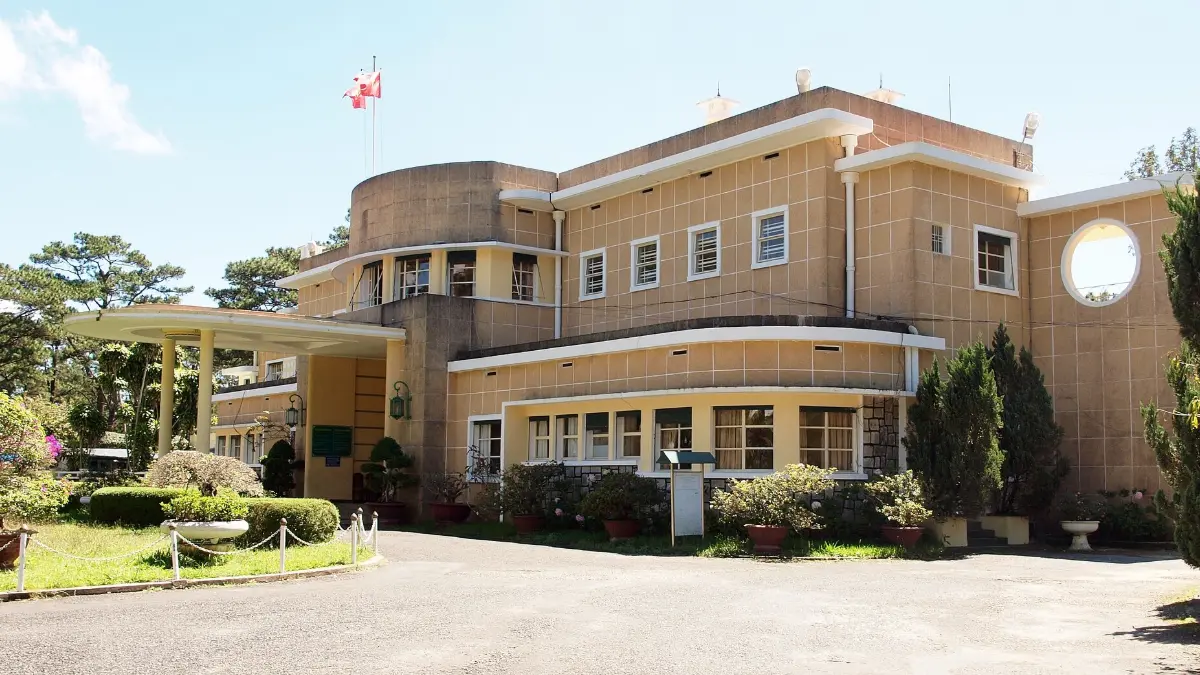
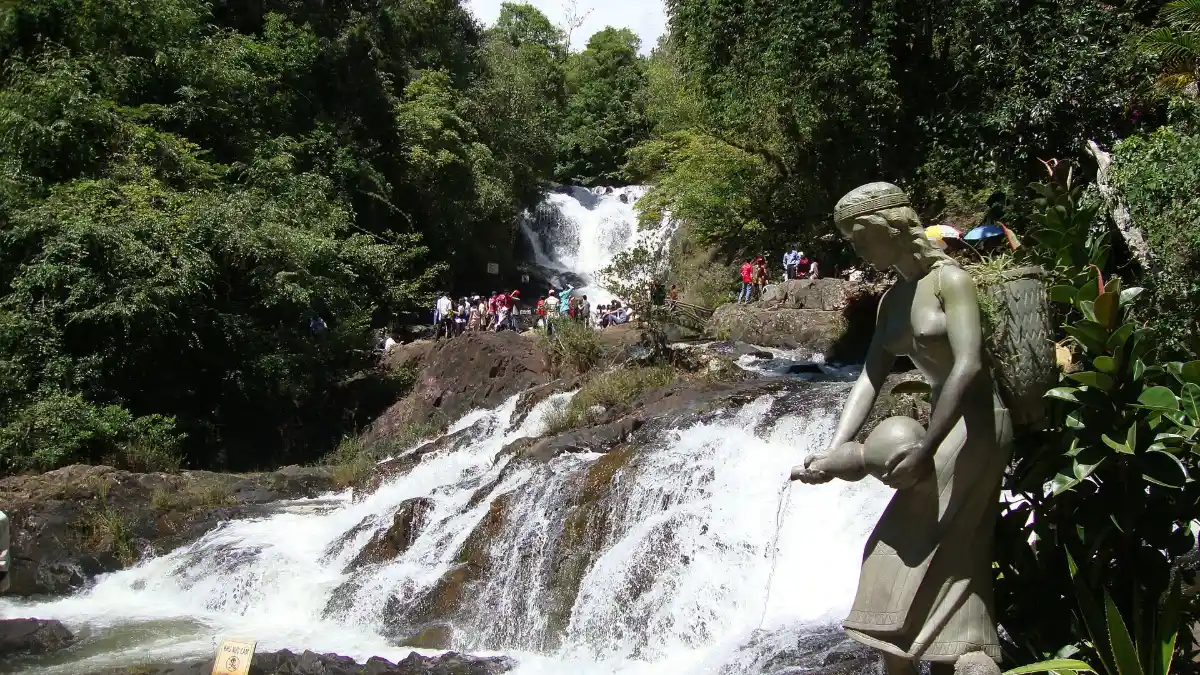
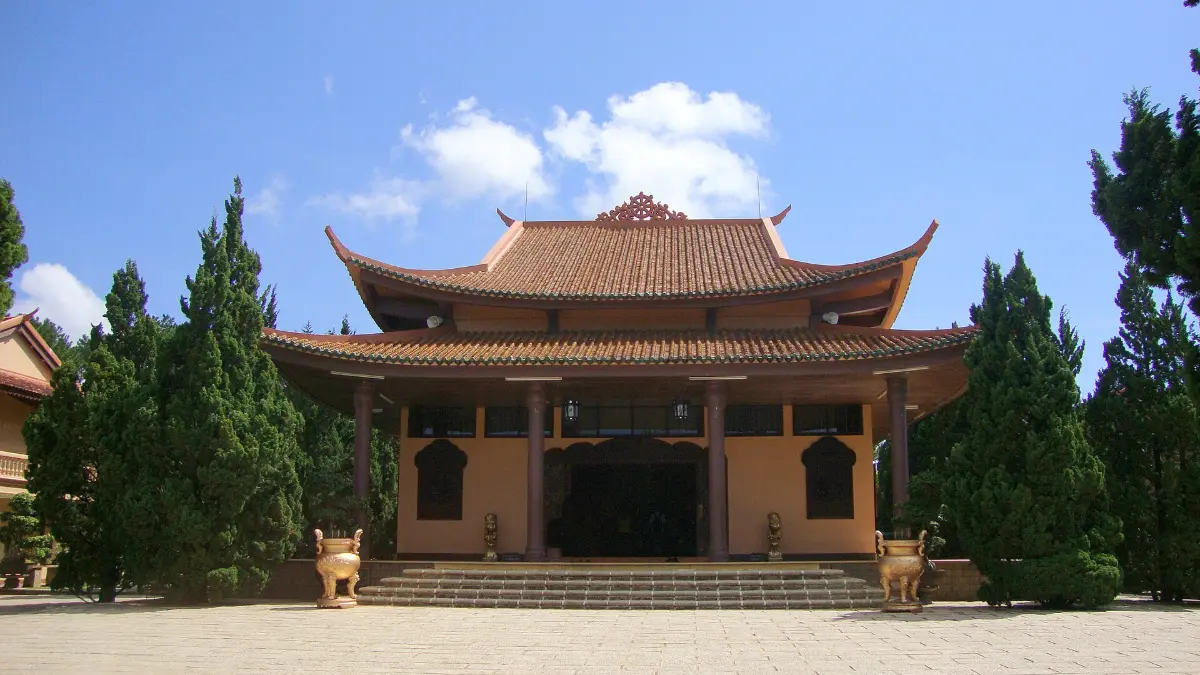
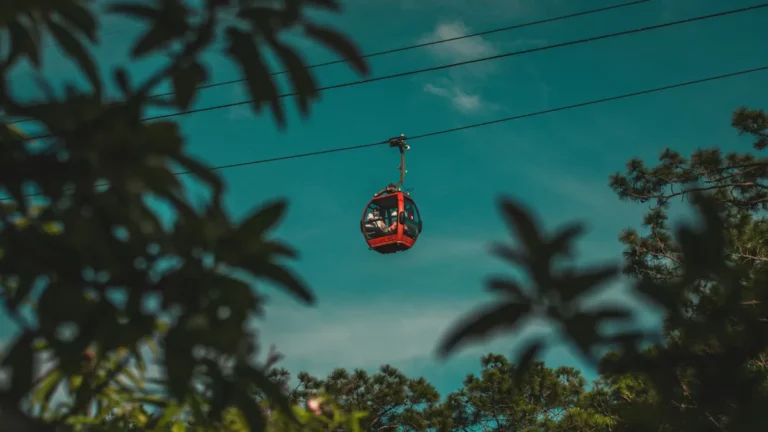
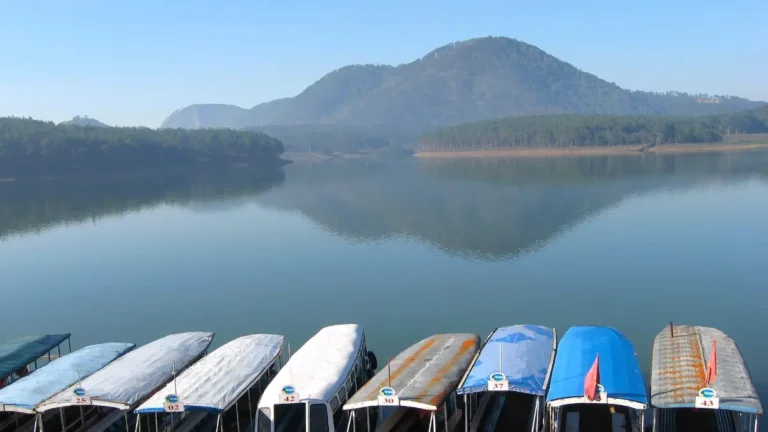
Start at Datanla Waterfall (80,000 VND entry, alpine coaster extra), ride the cable car (120,000 VND one-way / 150,000 VND return) to Truc Lam Zen Monastery, then relax by Tuyen Lam Lake. In the afternoon visit Bao Dai Palace.
3. Day 3: Langbiang and Valley of Love
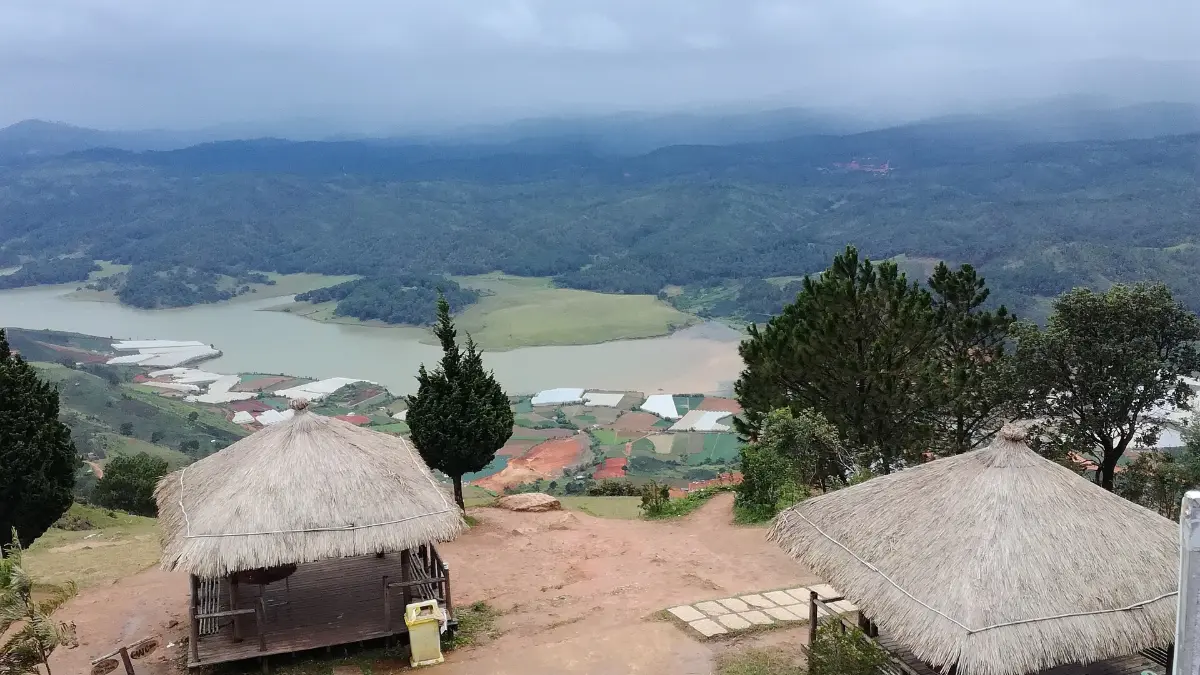
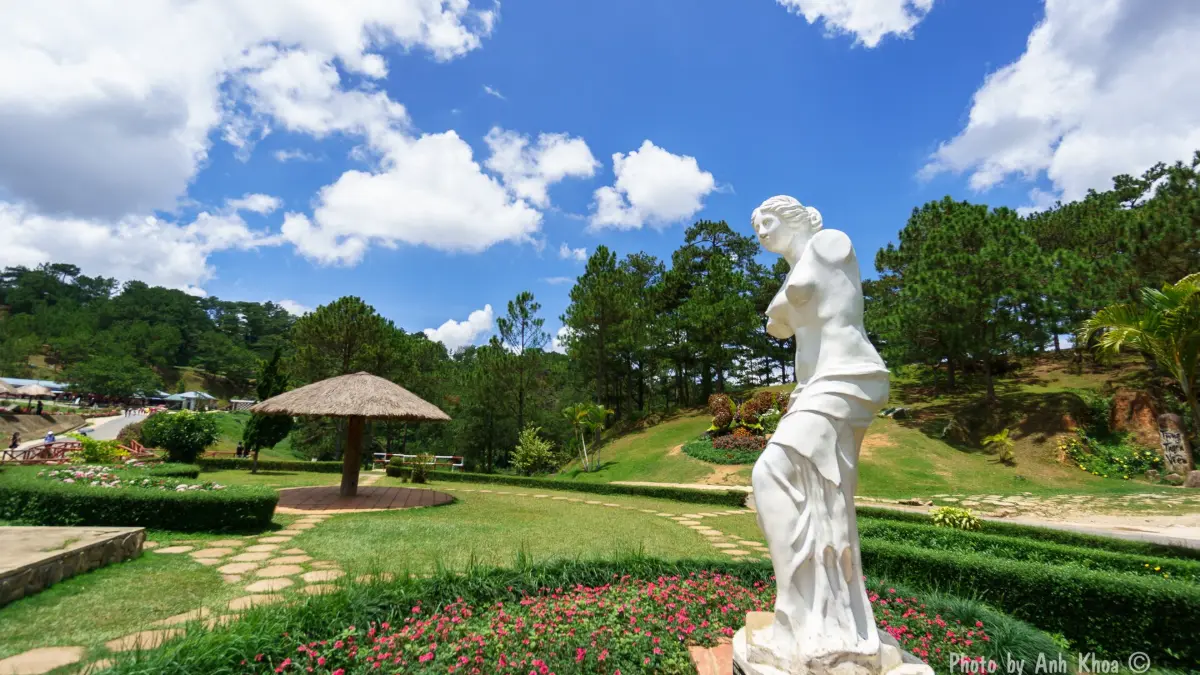
Drive about 12 km north to Langbiang Mountain (50,000 VND entry; jeep to Radar 120,000 VND) for wide views, then stop at the Valley of Love (250,000 VND adult / 150,000 VND child in 2026) on the way back.
How Much Does a Trip to Dalat Cost?
Dalat is affordable. A comfortable mid-range trip costs about 1,500,000–3,000,000 VND (US$60–120) per person per day including a hotel, meals, transport and tickets.
| Item | Price (VND) | Approx. USD |
|---|---|---|
| Datanla Waterfall entry | 80,000 | $3.20 |
| Langbiang entry / jeep to Radar | 50,000 / 120,000 | $2 / $4.80 |
| Robin Hill–Truc Lam cable car (adult) | 120,000 one-way / 150,000 return | $4.80 / $6 |
| Valley of Love (adult / child, 2026) | 250,000 / 150,000 | $10 / $6 |
| Dalat Railway Station sightseeing ticket | About 50,000 | About $2 |
| Street food dish | 20,000–60,000 | $0.80–2.40 |
| Mid-range hotel | 600,000–1,500,000 per night | $24–60 |
| Grab ride in town | 30,000–80,000 | $1.20–3.20 |
Ticket prices for Datanla, Langbiang and the cable car are published by the operator Dalattourist; prices may change, so check on the day.
Money, ATMs and Payments in Dalat
ATMs are easy to find in the centre and accept international cards; withdraw larger amounts to limit fees. Hotels, larger restaurants and attractions take Visa and Mastercard, but street stalls, markets and small cafés prefer cash or Vietnamese QR bank transfers. Carry small notes (10,000–100,000 VND) for food and parking. Tipping is not expected but appreciated for guides and drivers.
SIM Cards, eSIM and Internet in Dalat
Buy a tourist SIM or eSIM from Viettel, Vinaphone or Mobifone at the airport or in town; you will need your passport for registration, as Vietnam requires SIM cards to be registered to the user’s identity. 4G coverage is good in the city and at the main sights, weaker in forests and valleys. Most hotels and cafés have free Wi-Fi.
What Should I Wear and Pack for Dalat?
Pack layers: T-shirts for sunny days, a fleece or light down jacket for evenings, and a rain jacket from May to October. Bring comfortable shoes with grip for steep streets and waterfall steps. When visiting pagodas such as Truc Lam or Linh Phuoc, cover shoulders and knees and remove shoes where asked. Sunscreen is essential – the sun is strong at altitude even when it feels cool.
Is Dalat Safe for Tourists?
Yes, Dalat is one of the safest destinations in Vietnam. The main risks are traffic on steep, foggy roads, slippery trails in the rain and occasional overcharging. Agree prices before rides or purchases, use app-based cars at night, and keep bags zipped in crowds. Riding a motorbike without a valid licence or 1968-Convention IDP is illegal and fined 2–8 million VND under Decree 168/2024. For canyoning or adventure activities, use licensed operators and follow safety briefings.
Health Tips for Dalat
Altitude sickness is not an issue at 1,500 m, but evenings are cold, so dress warmly to avoid chills. Drink bottled water, wash fruit before eating, and bring any regular medicines. Dalat has public and private hospitals and many pharmacies in the centre. Travel insurance that covers adventure activities is recommended.
Festivals and Holidays in Dalat
The Dalat Flower Festival is held every two years; the 11th edition is planned for December 2026 with flower displays across the city and in other parts of the enlarged Lam Dong province. Tet (Lunar New Year) falls on 6 February 2027, when Dalat is very busy with domestic visitors and some shops close for several days. Other busy periods are 30 April–1 May and 2 September (National Day).
Local Expert Tips for Visiting Dalat
These tips come from years of arranging Dalat tours for international travellers.
- Plan outdoor sightseeing for mornings; in the rainy season showers usually arrive after lunch.
- Visit Dalat on weekdays if you can – weekends fill with visitors from Ho Chi Minh City.
- Bring a warm layer even in the dry season; nights in December–February can feel cold.
- Combine the cable car and Truc Lam with Datanla Waterfall – they are close together on the same side of town.
- Ask your hotel for a car and driver for a day; it is often cheaper than separate taxis for 4–5 sights.
- Use Google Maps pins rather than addresses – ward names changed in 2025.
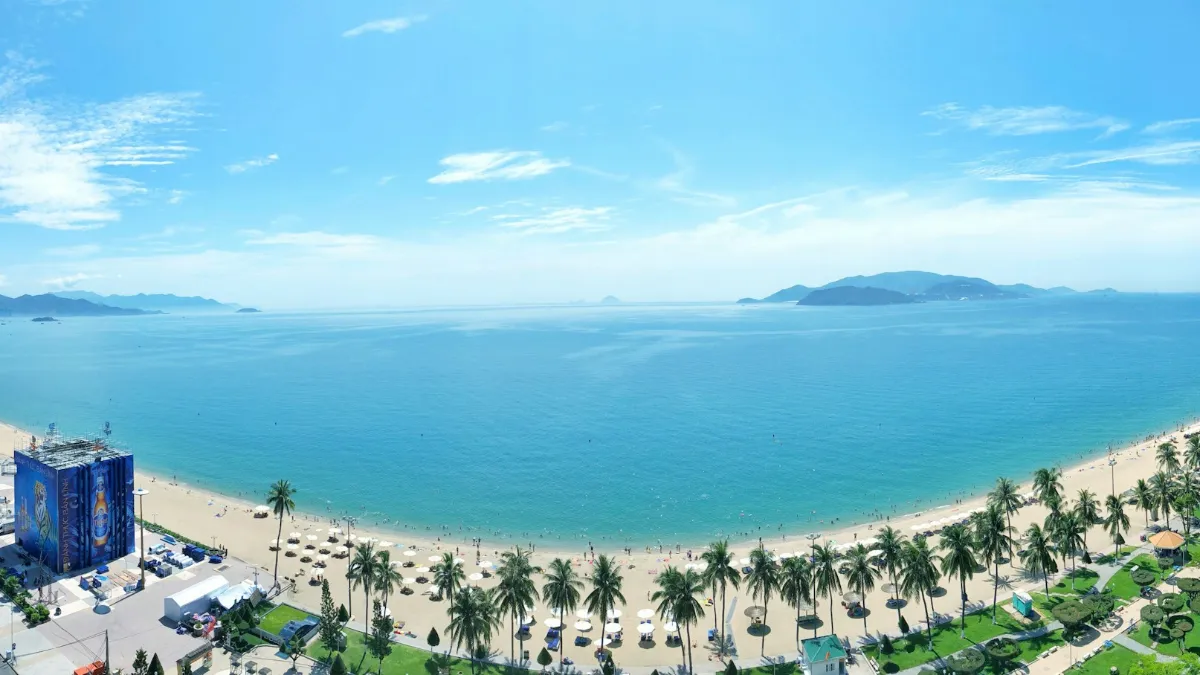
- Pair Dalat with the beach: Nha Trang and Mui Ne are 3.5–5 hours away by road.
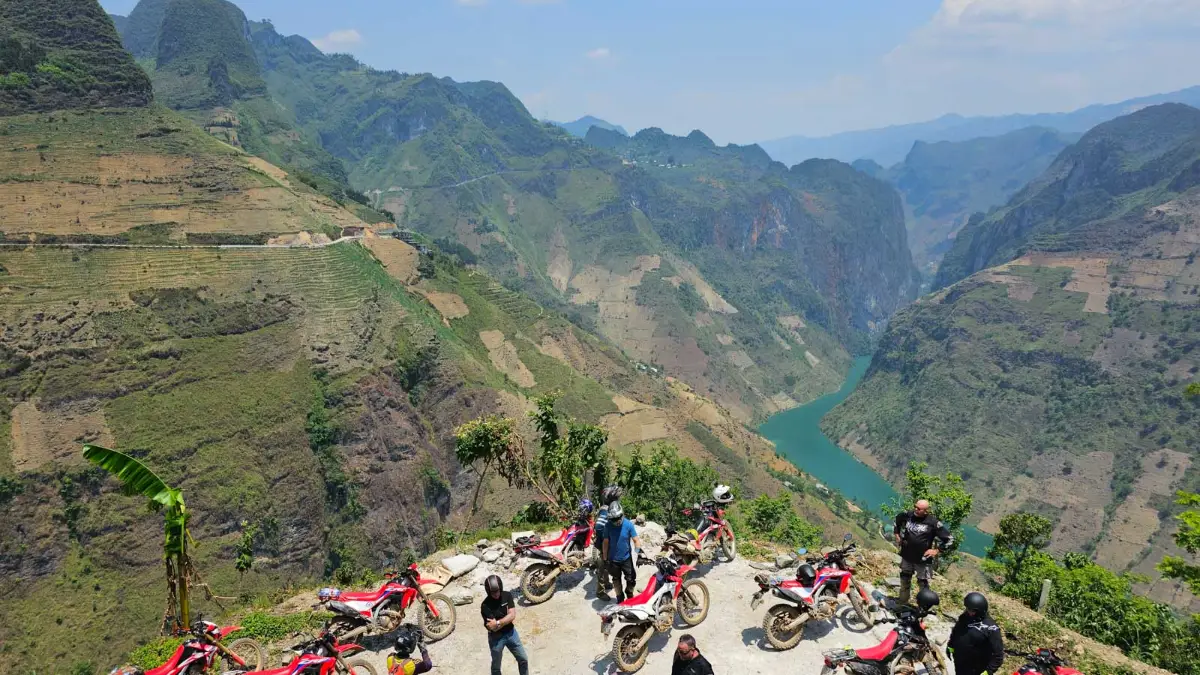
- Do not rent a motorbike without a valid licence; hire an “easy rider” with a local driver instead.
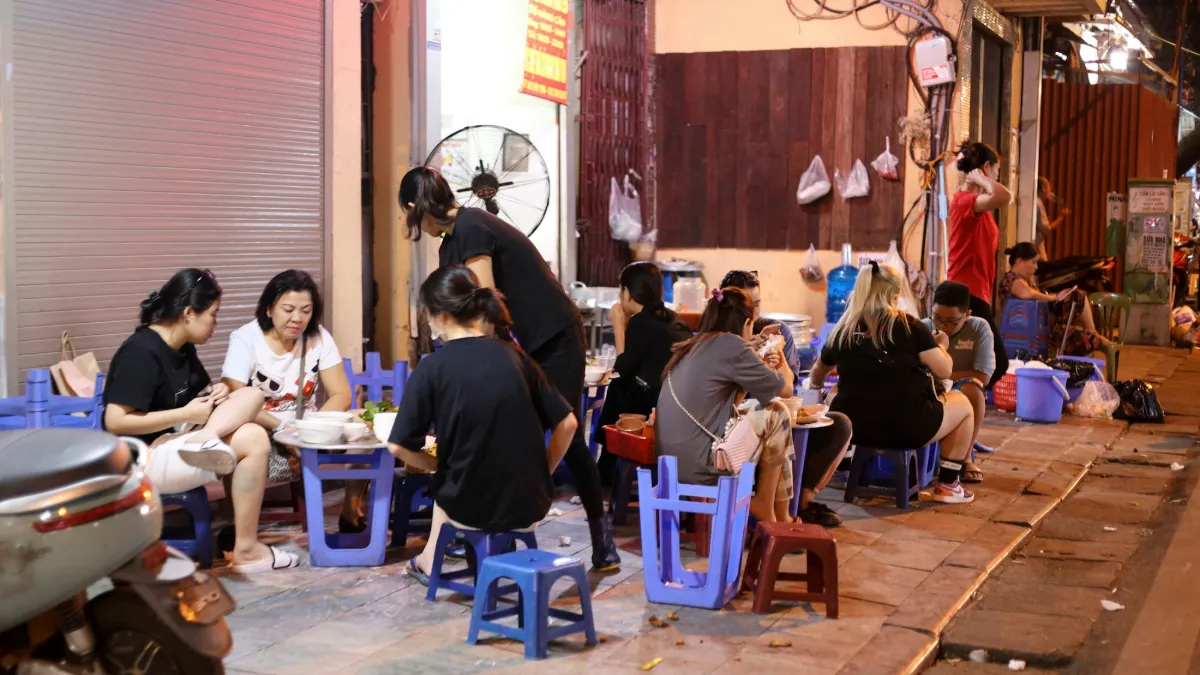
- Carry cash for the night market and small cafés.
Plan Your Dalat Trip
Read our guides to Dalat’s top sights – Xuan Huong Lake, Datanla Waterfall, Langbiang Mountain, Truc Lam Zen Monastery, Valley of Love and Bao Dai Palace – plus our Dalat food guide, Dalat transportation guide and where to stay in Dalat. Continuing your trip? See Nha Trang travel tips, Mui Ne travel tips and Saigon travel tips.
Plan your trip with our Dalat travel guide and Dalat tours. Contact Vietnam Tour Expert Team for a free custom itinerary.
Frequently Asked Questions about Dalat Travel Tips
1. What is the best month to visit Dalat?
The best months to visit Dalat are November to April, the dry season, with December to March offering sunny days, cool nights and many flowers.
2. How cold does Dalat get?
Dalat is usually around 15–24°C by day, and nights in December to February can drop to about 10–12°C.
3. When is the rainy season in Dalat?
Dalat’s rainy season runs from about May to October, with showers usually in the afternoon and the heaviest rain around August to October.
4. How many days should I spend in Dalat?
Two to three days in Dalat is ideal to see the lakes, waterfalls, Langbiang, the cable car and the night market.
5. Do I need a visa for Dalat?
Dalat follows Vietnam’s national rules: most visitors need an e-visa (up to 90 days, from US$25) unless their nationality is visa-exempt.
6. Is Dalat still a city after the 2025 merger?
Since 1 July 2025 the former Da Lat city has been replaced by five wards of Lam Dong province, though everyone still calls the area Dalat.
7. How much does Datanla Waterfall cost in Dalat?
Entry to Datanla Waterfall in Dalat costs 80,000 VND per adult; the alpine coaster costs extra.
8. How much is the Valley of Love ticket in Dalat?
The Valley of Love in Dalat costs 250,000 VND for adults and 150,000 VND for children from 1 April to 31 December 2026.
9. How much does a trip to Dalat cost per day?
A mid-range Dalat trip costs about 1,500,000–3,000,000 VND (US$60–120) per person per day; budget travellers can manage on about 600,000–1,000,000 VND.
10. Is Dalat safe for tourists?
Yes, Dalat is one of Vietnam’s safest destinations; the main risks are traffic on steep foggy roads and slippery trails in the rain.
11. Can I use credit cards in Dalat?
Hotels, larger restaurants and attractions in Dalat accept cards, but markets and street stalls usually take only cash or QR transfers.
12. What should I wear in Dalat?
Wear layers in Dalat: T-shirts by day, a warm jacket at night, a rain jacket from May to October and shoes with good grip.
13. When is the Dalat Flower Festival?
The Dalat Flower Festival is held every two years, and the 11th edition is planned for December 2026.
14. Is Dalat busy during Tet?
Yes, Dalat is very busy during Tet (6 February 2027), with higher hotel prices and some shops closed, so book well ahead.
15. Can I buy a SIM card in Dalat?
Yes, you can buy a tourist SIM or eSIM from Viettel, Vinaphone or Mobifone in Dalat or at the airport, with passport registration.
16. Can I combine Dalat with a beach trip?
Yes, Dalat combines well with Nha Trang (about 3.5–4 hours by road) or Mui Ne (about 4–5 hours); see our Dalat transportation guide.
17. Is it worth visiting Dalat in the rainy season?
Dalat is still worth visiting in the rainy season: mornings are often dry, the hills are green and prices are lower, but plan outdoor sights early.
18. What are the emergency numbers in Dalat?
The emergency numbers in Dalat, as across Vietnam, are 113 for police, 114 for fire and 115 for ambulance.
Related Posts
Where to Stay in Dalat: Best Areas, Villas & Resorts
Dalat Transportation: Flights, Buses & Getting Around

Dalat Food Guide: Banh Trang Nuong, Hotpot & Coffee
Tuyen Lam Lake Dalat: Kayaking, Boats & Lakeside Resorts
Valley of Love Dalat: Ticket, Gardens & Is It Worth It?