Best Time to Visit Vietnam 2026–2027: Weather by Region & Month
 By Jimmy Nguyen, Founder & Director of Asia Travel Expert Co., Ltd.
The best time to visit Vietnam overall is from late January to April, when the north is mild, the central coast is dry and the south is sunny. Because Vietnam is 1,650 km long, each region has its own best season: the north from October to April, the central coast from February to August, and the south from December to April. Central Vietnam’s rainy and typhoon season runs from September to December.
Status (checked November 2026): Tet (Lunar New Year) 2027 falls on Saturday 6 February 2027; public offices close from 4 to 10 February, and transport and hotels are busiest from late January to mid-February. Vietnam welcomed a record 21.2 million international visitors in 2025 and more than 17.7 million in January–September 2026, so book peak months early.
Quick answer – best time by region:
- Whole country: late January to April (March is often ideal)
- North – Hanoi, Ha Long Bay, Ninh Binh: October to April; Sapa’s golden rice terraces peak in September
- Centre – Hue, Hoi An, Da Nang: February to August; avoid October–November rains
- South – Ho Chi Minh City, Mekong Delta, Phu Quoc: December to April
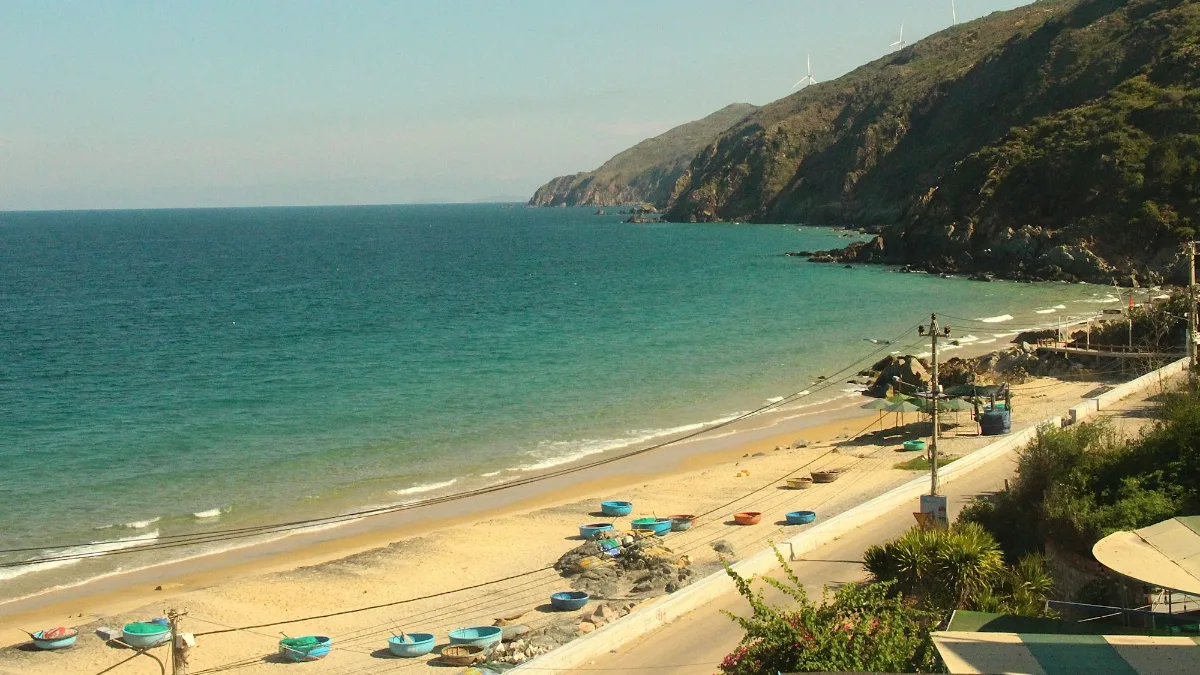
- Beaches: central coast February–August, Phu Quoc December–March

Best Time to Visit Vietnam at a Glance
| Best overall | Late January – April |
|---|---|
| North (Hanoi, Ha Long, Sapa) | October – April; cool to cold December – February |
| Centre (Hue, Hoi An, Da Nang) | February – August; rainy September – December |
| South (Saigon, Mekong, Phu Quoc) | December – April dry; rainy May – November |
| Typhoon season | Roughly June – December: north most exposed July–September, centre September–November |
| Hottest months | May – August in the north and centre (Hanoi highs about 33–35 °C) |
| Coldest place | Sapa: winter lows about 6–7 °C, occasional frost or snow on Fansipan |
| Tet 2027 | 6 February 2027 – book transport and hotels early |
Vietnam Weather by Region
Northern Vietnam: Hanoi, Ha Long Bay, Ninh Binh, Sapa
The north has four seasons. Winter (December–February) is cool and often grey, with Hanoi highs of about 20–21 °C and lows of about 14 °C; Sapa can drop to freezing, with frost or a dusting of snow on Fansipan. Spring (March–April) is mild with light drizzle. Summer (May–September) is hot and humid, with Hanoi highs of about 33–35 °C and most of the year’s rain, and storms can briefly stop cruises on Ha Long Bay. Autumn (October–November) is the favourite season – dry, sunny and comfortable.
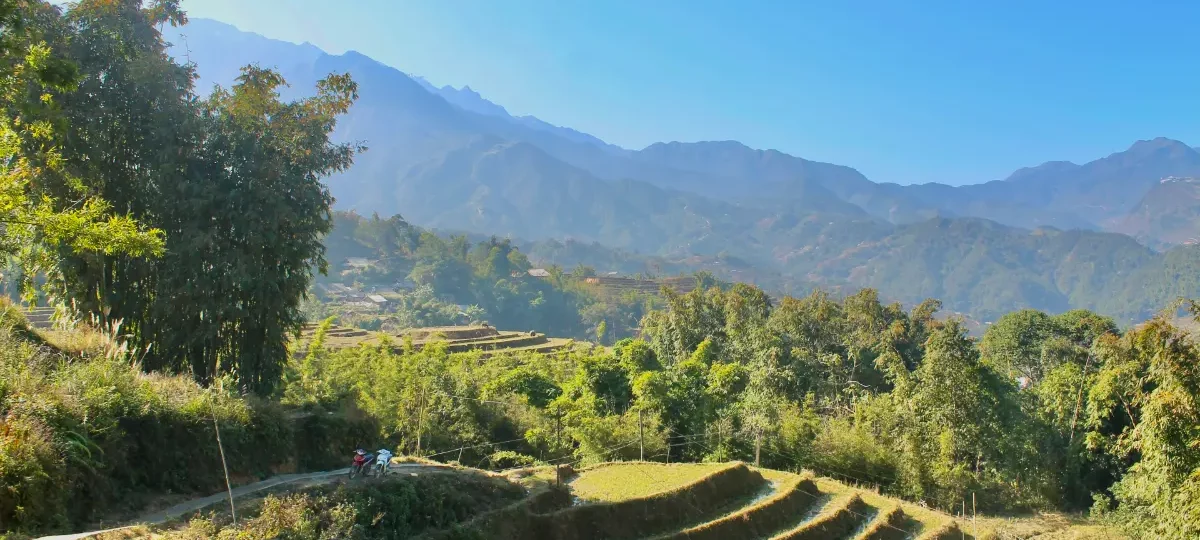
Rice terraces: Sapa’s terraces turn golden from late August to late September, peaking in September; Mu Cang Chai is best from mid-September to early October. See our Sapa travel tips.
Central Vietnam: Hue, Hoi An, Da Nang, Nha Trang
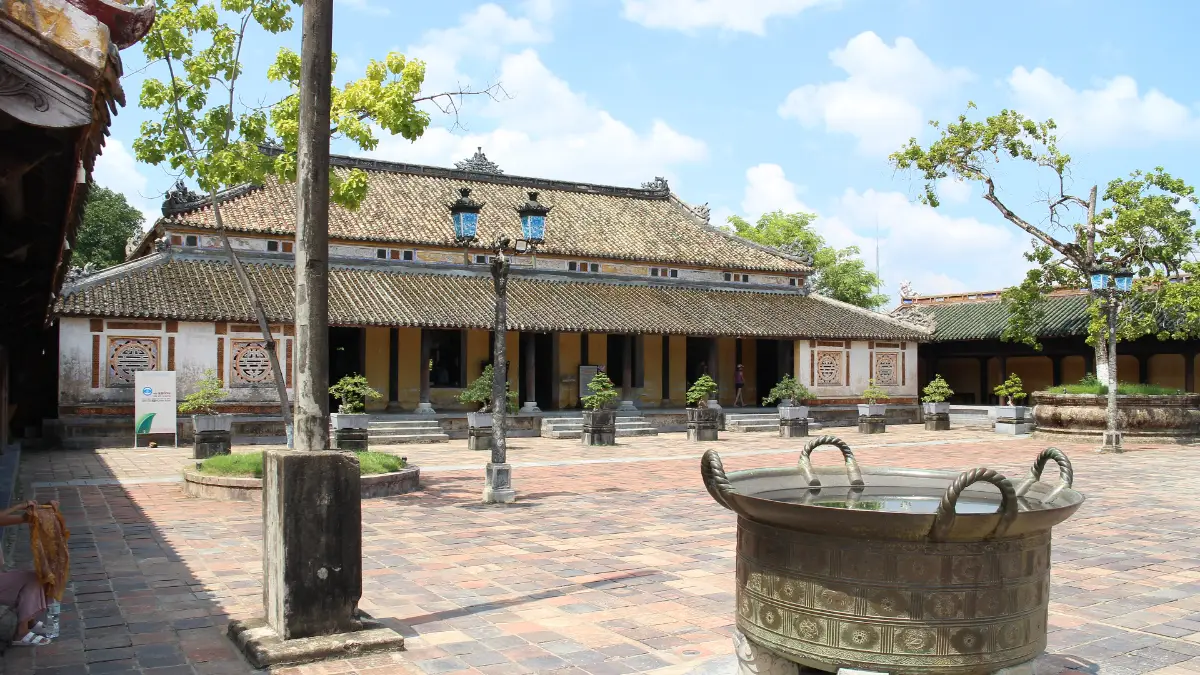
The central coast is dry and hot from about February to August – perfect beach weather in Da Nang and Hoi An. From September to December it receives most of its rain: Hue averages about 773 mm in October and Da Nang about 628 mm, and floods are common in October and November. In late October 2025 record rain flooded Hue and Hoi An’s Ancient Town. Nha Trang’s wet season is later, from October to December.
Southern Vietnam: Ho Chi Minh City, Mekong Delta, Phu Quoc
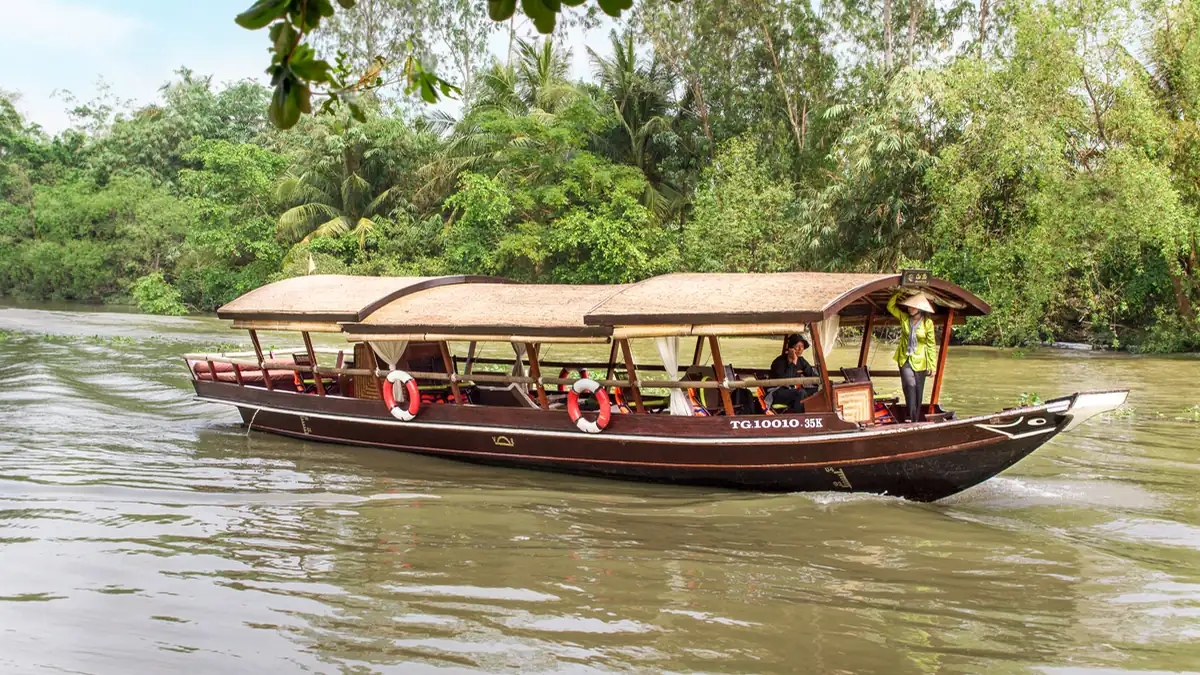
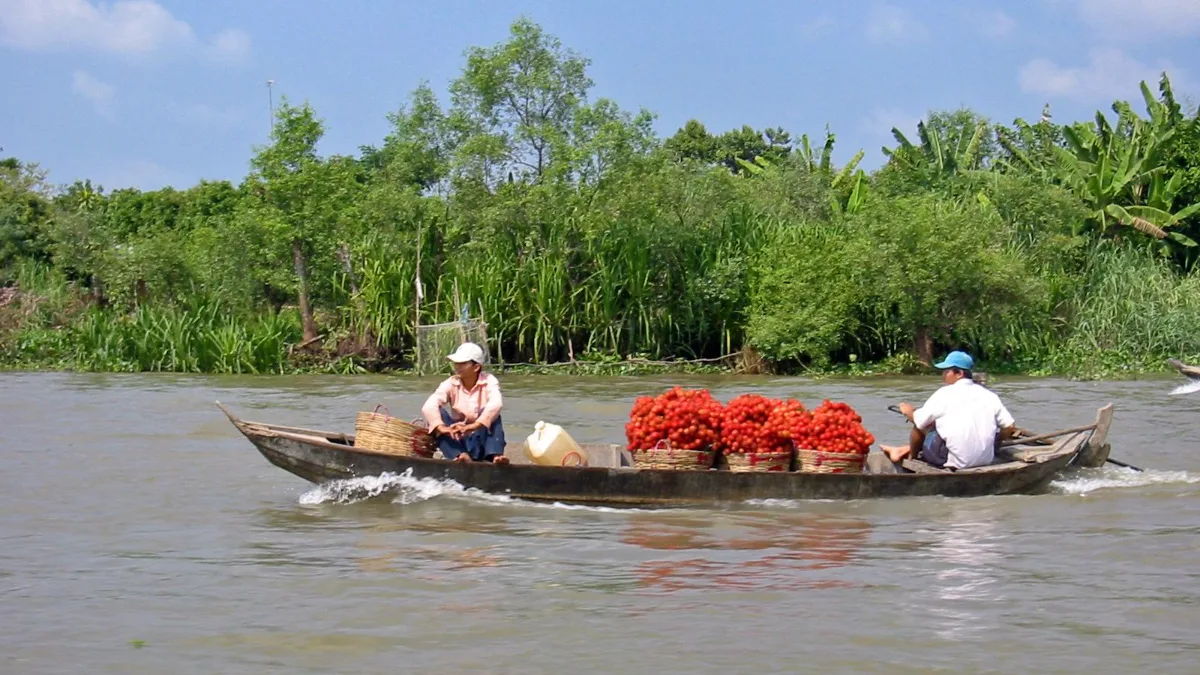
The south is hot all year, with highs of about 31–35 °C. The dry season runs from December to April; the rainy season from May to November brings short, heavy afternoon downpours rather than all-day rain. Phu Quoc has its best beach weather from December to March. The Mekong Delta is green all year and the floating markets operate year round.
Vietnam Weather Month by Month
| Month | North | Centre | South | Our verdict |
|---|---|---|---|---|
| January | Cool, dry, grey; cold in Sapa | Drying out, mild | Dry, sunny | Good – pack layers for the north |
| February | Cool, drizzle; Tet holiday | Dry, pleasant | Dry, sunny | Good – but plan around Tet (6 Feb 2027) |
| March | Mild, spring | Dry, warm | Dry, hot | Excellent everywhere |
| April | Warm, pleasant | Dry, warm | Hot, dry | Excellent everywhere |
| May | Hot, rains begin | Hot, dry – beach season | Rains begin | Good for the centre |
| June | Hot, wet | Hot, dry | Rainy afternoons | Good for the centre |
| July | Hot, wet, storm risk | Hot, dry | Rainy afternoons | Centre best; Ha Long storm risk |
| August | Hot, wet, storm risk | Hot, mostly dry | Rainy | Centre best; Ha Long storm risk |
| September | Rice harvest in Sapa, storms possible | Rains start | Wettest period | Good for Sapa terraces |
| October | Dry, sunny – ideal | Heavy rain, flood risk | Wet, easing | Excellent north; avoid centre |
| November | Dry, cool | Heavy rain, flood risk | Drying out | Excellent north and south |
| December | Cool to cold | Rain easing | Dry, sunny | Good north and south |
Average highs and rainfall in four key cities (long-term climate normals):
| City | Coolest month | Hottest month | Wettest month |
|---|---|---|---|
| Hanoi | Jan: about 20 °C high | Jun: about 35 °C high | Aug: about 274 mm |
| Hue | Jan: about 24 °C high | Jun–Jul: about 35 °C high | Oct: about 773 mm |
| Da Nang / Hoi An | Jan: about 25 °C high | Jun: about 35 °C high | Oct: about 628 mm |
| Ho Chi Minh City | Dec: about 32 °C high | May: about 35 °C high | Sep–Oct: about 340–490 mm |
Typhoon and Rainy Season in Vietnam
Vietnam is affected by about six to eight typhoons or tropical storms a year, mainly between June and December. The north coast, including Ha Long Bay, is most exposed from July to September, and central Vietnam from September to November. When a storm approaches, authorities suspend boat trips on Ha Long Bay, so keep a spare day and buy travel insurance. Storms usually pass in one or two days.
Tet and Festivals
- Tet 2027 (Lunar New Year): 6 February 2027. Many family-run shops and restaurants close for the first three days; flights, trains and hotels are busy and more expensive from about late January to mid-February. Major sights stay open, and the festive decorations are memorable.
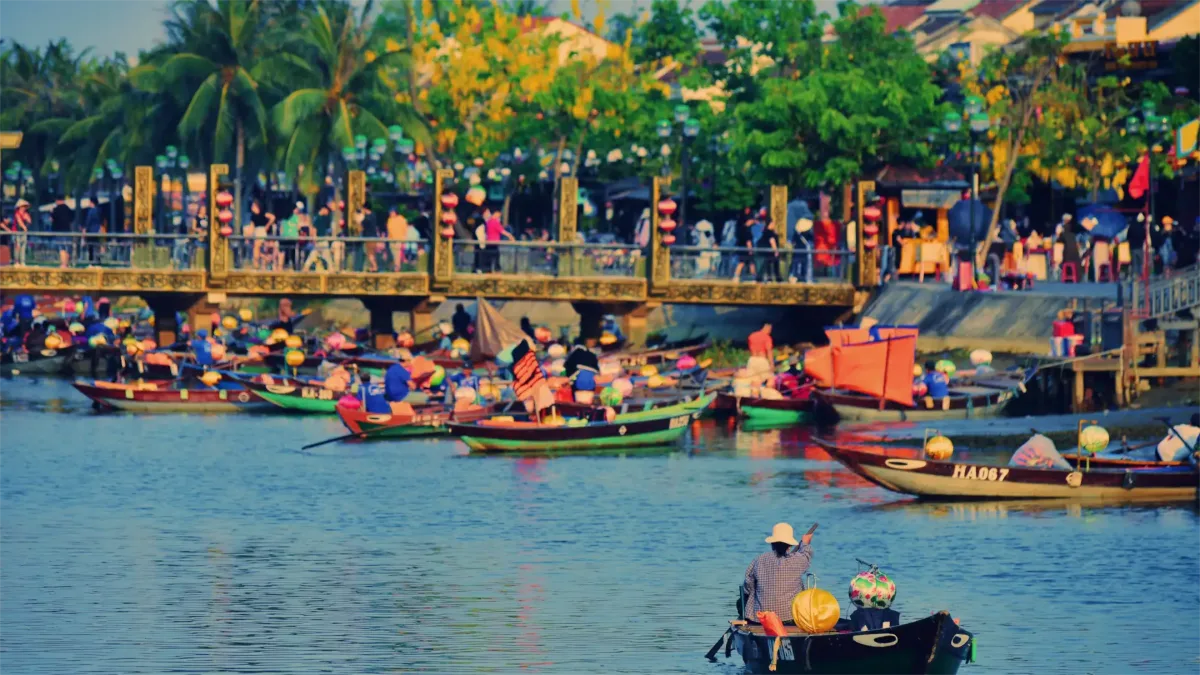
- Hoi An full-moon lantern nights: every month on the 14th day of the lunar calendar, when the Ancient Town switches off electric lights.
- Mid-Autumn Festival 2027: 15 September 2027, with lanterns and mooncakes.
- Hue Festival: a year-round programme in four seasons; Festival Week is usually between April and June (2027 dates to be announced).
Which Direction Should I Travel?
From January to April either direction works. From May to August the central coast is at its best, so build your trip around Hoi An and Da Nang. From September to December, keep Hue and Hoi An flexible and finish in the drier south or north. In December–February pack warm layers for Hanoi, Ha Long Bay and Sapa. See our guide to getting around Vietnam and Vietnam itinerary ideas.
Local Expert Tips
From more than ten years of planning Vietnam trips in every season:
- There is no bad month to visit Vietnam – there is only the right route for the month.
- In October and November, choose the north and south and keep central Vietnam short.
- For Sapa’s golden terraces, go in September; for clear Ha Long views, October–November and March–April are best.
- Avoid travelling on the first three days of Tet unless you want to experience the festival itself.
- Always buy travel insurance that covers weather delays.
Plan Your Trip
Read our guides to Hanoi, Hoi An and Ho Chi Minh City, check the Vietnam visa guide, and contact Vietnam Tour Expert Team for a free itinerary built around the best weather for your dates.
Frequently Asked Questions about the Best Time to Visit Vietnam
1. What is the best month to visit Vietnam?
March and April are usually the best months to visit the whole of Vietnam, with mild weather in the north, dry weather in the centre and sunshine in the south.
2. When is the rainy season in Vietnam?
It depends on the region: May–September in the north, September–December on the central coast and May–November in the south.
3. When is typhoon season in Vietnam?
Roughly June to December. The north coast is most exposed from July to September and central Vietnam from September to November.
4. What is the best time to visit Hanoi?
October to April, especially October–November and March–April, when the weather is dry and comfortable.
5. What is the best time to visit Ha Long Bay?
October–November and March–April. Winter brings cool weather and possible mist; summer has the most storm risk.
6. What is the best time to visit Hoi An and Da Nang?
February to August. Avoid October and November, the wettest months with frequent floods.
7. What is the best time to visit Ho Chi Minh City and the Mekong Delta?
December to April, the dry season. The rest of the year brings short afternoon downpours.
8. When are Sapa’s rice terraces golden?
From late August to late September, peaking in September.
9. Is it cold in Vietnam in December and January?
The north is cool – Hanoi highs of about 20 °C – and Sapa can reach freezing. The centre is mild and the south is hot.
10. Is it worth visiting Vietnam in October?
Yes for the north and south, which are dry and pleasant; central Vietnam is at the peak of its rainy season.
11. When is Tet 2027?
Tet (Lunar New Year) 2027 falls on Saturday 6 February 2027; public offices close from 4 to 10 February.
12. Should I travel to Vietnam during Tet?
You can, but book early: transport and hotels are busy and more expensive, and many small shops and restaurants close for the first few days.
13. What is the hottest month in Vietnam?
May to July in the north and centre, with highs of about 34–35 °C; April–May in the south.
14. When is the best time for beaches in Vietnam?
February to August on the central coast (Da Nang, Hoi An) and December to March on Phu Quoc.
15. Can I visit Vietnam in the rainy season?
Yes. Rain is often short and heavy, prices are lower and sights are quieter; keep plans flexible in the typhoon months.
16. What should I pack for Vietnam in winter?
Light layers, a warm jacket for Hanoi, Ha Long Bay and Sapa, and summer clothes for the centre and south.
17. Can Vietnam Tour Expert plan a trip for my dates?
Yes. We design tailor-made routes around the best weather for your travel dates.
Related Posts
Vietnamese Dong Banknotes 2026: Every Note, USD Value & Cash Tips
Vietnam Travel Tips 2026: 20 Things to Know Before You Go
Vietnam Packing List 2026: What to Wear & What to Bring by Season
Vietnam Etiquette 2026: Do’s and Don’ts for Travellers

Vietnam SIM Card & eSIM 2026: Best Travel SIM, Data Plans & Prices