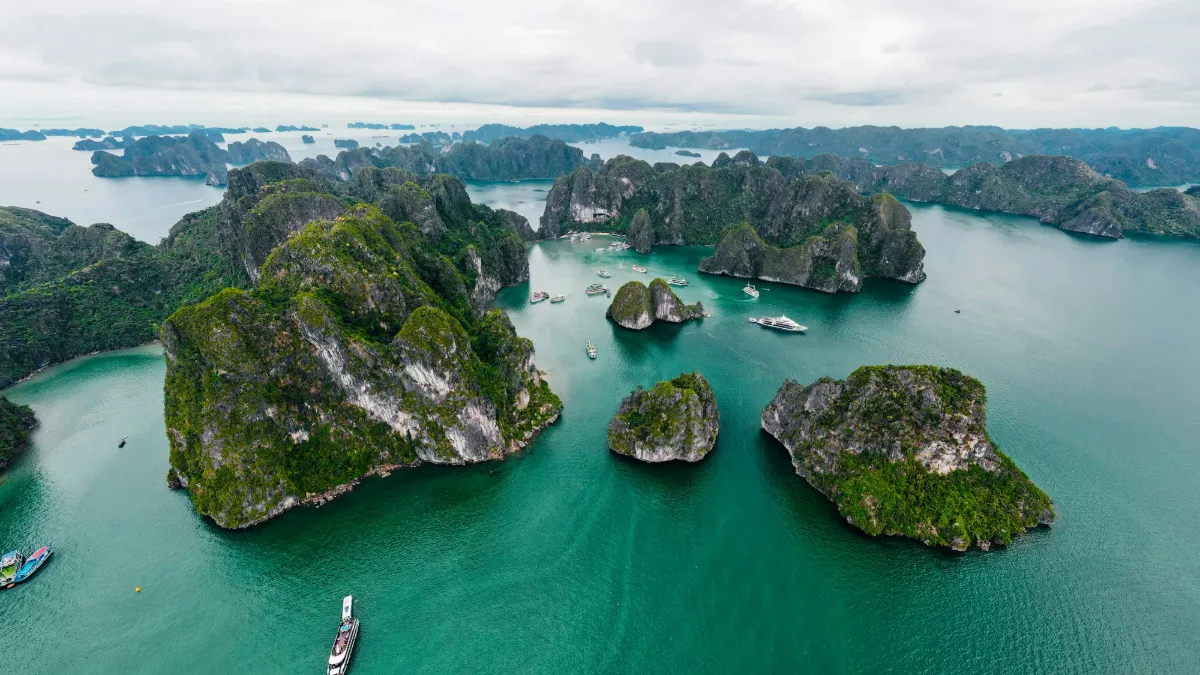
Hanoi Travel Tips: Essential Things to Know Before You Go (2026)
Before visiting Hanoi, check whether you are visa-exempt (45 days for the UK, most of Western and Central Europe, Japan and South Korea) or need a US$25 e-visa, valid up to 90 days. Come in October–April for cooler, drier weather, carry some cash, register a local SIM with your passport, and use Grab or Xanh SM to get around.
Status (checked October 2026): The Ho Chi Minh Mausoleum is closed for maintenance from 4 September to 2 November 2026, and the Hanoi Opera House has been under renovation since early 2026, so check both before planning. Visa-free stays of 45 days for 24 European and Asian countries now run until March 2028 or August 2028. Tet (Lunar New Year) 2027 falls on 6 February, when many shops and restaurants close for several days.
Key takeaways:
- Visa: 45-day visa-free entry for 24 countries; everyone else can apply online for an e-visa of up to 90 days (single or multiple entry).
- Best time: October–December and March–April; June–August is hot, humid and rainy, and December–February can be chilly and grey.
- Money: Vietnamese dong (VND) only; cards work in hotels and malls, cash is still essential for street food and markets.
- Connectivity: buy a SIM at the airport with your passport (about 150,000–300,000 VND for 30 days) or install an eSIM before you fly.
- Safety: Hanoi is generally safe; the main risks are traffic, bag snatching and taxi or price scams.
- Respect: cover shoulders and knees at temples, pagodas and the Mausoleum.
Hanoi Travel Essentials at a Glance
| Currency | Vietnamese dong (VND); about 26,000 VND = US$1 (rates move – check before you go) |
|---|---|
| Visa-free stay | 45 days for the UK, Germany, France, Italy, Spain, the Nordics, Benelux, Switzerland, Poland, Czechia and other listed countries, Japan, South Korea and Russia; 14–30 days for ASEAN citizens |
| E-visa | Up to 90 days, single entry US$25 or multiple entry US$50, via the official portal evisa.gov.vn |
| Best months | October–December and March–April |
| Rainy season | May–September (wettest June–September) |
| Time zone | GMT+7, no daylight saving |
| Electricity | 220V, 50Hz; mostly two-pin round or flat sockets |
| Mobile data | Tourist SIM about 150,000–300,000 VND (US$6–12) for 30 days; passport needed |
| Getting around | Walk, Grab, Xanh SM or Be; metro and buses for longer trips |
| Emergency numbers | Police 113, Fire 114, Ambulance 115 |
| Tet 2027 | Saturday 6 February 2027 (Year of the Goat) |
| Old Quarter address | Hoan Kiem ward, Hanoi (wards replaced districts on 1 July 2025) |
Do I Need a Visa to Visit Hanoi?
It depends on your passport: 24 countries get 45 days visa-free, ASEAN citizens get 14–30 days, and everyone else can apply online for an e-visa valid for up to 90 days. Your passport should be valid for at least six months from arrival.
1. Visa-free entry (45 days)
Under Resolution 44/NQ-CP, citizens of the United Kingdom, Germany, France, Italy, Spain, Denmark, Sweden, Norway, Finland, Russia, Japan and South Korea can stay up to 45 days without a visa until 14 March 2028. Under Resolution 229/NQ-CP, citizens of Belgium, Bulgaria, Croatia, the Czech Republic, Hungary, Luxembourg, the Netherlands, Poland, Romania, Slovakia, Slovenia and Switzerland also get 45 days from 15 August 2025 to 14 August 2028. Belarus is also visa-exempt for 45 days. The full list is summarised on Wikipedia’s Visa policy of Vietnam page.
2. ASEAN and other bilateral exemptions
All ASEAN citizens can visit visa-free, with stays of 14–30 days depending on nationality (30 days for Singapore, Thailand, Malaysia, Indonesia, Cambodia and Laos). A few other countries have bilateral agreements, such as Panama (up to 90 days) and Chile. Phu Quoc island also allows 30-day visa-free stays for all nationalities arriving directly, but this does not cover Hanoi.
3. The Vietnam e-visa (up to 90 days)
Travellers from the US, Canada, Australia, New Zealand, India, Ireland, Portugal, Austria and all other countries not listed above should apply for an e-visa. It allows stays of up to 90 days, single entry (US$25) or multiple entry (US$50), and is usually processed in about three to five working days. Apply only on the official Vietnam e-visa portal – many look-alike sites charge extra fees. Print or save the approval letter and check that your name, passport number and dates are exactly right.
4. Travel insurance
Buy a policy that covers medical treatment, evacuation and trip cancellation. If you plan to ride a motorbike, check the licence conditions – most insurers refuse claims from riders without a valid licence.
When Is the Best Time to Visit Hanoi?
October to December and March to April are the most pleasant months, with mild temperatures and less rain. Summer (May–September) is hot, humid and stormy, while winter (December–February) can feel cold and damp, with lows around 14°C.
| Month | Average high / low | Average rainfall | What to expect |
|---|---|---|---|
| January | About 20°C / 14°C | About 20 mm | Cool, grey, drizzly; pack layers |
| February | About 22°C / 16°C | About 20 mm | Cool and misty; Tet closures possible |
| March | About 26°C / 21°C | About 35 mm | Warming up, humid spring |
| April | About 29°C / 22°C | About 100 mm | Warm and pleasant, flowers in bloom |
| May | About 33°C / 25°C | About 165 mm | Hot; first summer storms |
| June | About 35°C / 27°C | About 260 mm | Very hot and humid, heavy showers |
| July | About 34°C / 27°C | About 255 mm | Hot, wet; typhoon season begins on the coast |
| August | About 33°C / 26°C | About 275 mm | Wettest month; check Halong Bay cruise status |
| September | About 32°C / 25°C | About 230–245 mm | Still hot and rainy; typhoon risk |
| October | About 30°C / 23°C | About 155 mm | Autumn begins; one of the best months |
| November | About 27°C / 20°C | About 60 mm | Dry, clear and comfortable |
| December | About 21°C / 14°C | About 20 mm | Cool and dry; bring a jacket |
The typhoon season (roughly July–October) mainly affects the coast. Halong Bay cruises can be cancelled or rerouted at short notice when storms approach, so keep a spare day in your plans.
When Is Tet 2027 and How Does It Affect a Hanoi Trip?
Tet, the Lunar New Year, falls on Saturday 6 February 2027 (the Year of the Goat). The week before is busy and festive, with flower markets and decorated streets, but during the first three to five days of Tet many family-run shops, restaurants and street-food stalls close, and trains, buses and flights sell out early.
Major sights, hotels and international restaurants usually stay open, and Hoan Kiem Lake hosts fireworks at midnight on New Year’s Eve. If you travel at Tet, book transport and hotels well ahead and expect higher prices. Other public holidays include 30 April (Reunification Day), 1 May (Labour Day) and 2 September (National Day).
How Should I Handle Money in Hanoi?
Carry a mix of cash and cards: hotels, malls, supermarkets and most restaurants accept Visa and Mastercard, but street food, markets, small cafés and cyclos are cash-only. ATMs are everywhere in the city centre.
1. Cash and ATMs
Withdraw dong from bank ATMs (Vietcombank, BIDV, Techcombank, VietinBank and others); a single withdrawal is often limited to about 2–5 million VND, and both your bank and the local bank may charge a fee. Keep small notes (10,000–50,000 VND) for street food and tips.
2. Exchanging money
US dollars and euros can be exchanged at banks and licensed counters; avoid street changers. Bring clean, untorn notes – damaged bills are often refused.
3. Cards, QR codes and apps
Many vendors display VietQR codes, but scanning them usually needs a Vietnamese banking app. Foreign cards work in Grab, Xanh SM and Be, which is handy for transport and food delivery.
4. Typical costs
| Item | Typical price in Hanoi |
|---|---|
| Bowl of pho or bun cha (street) | About 40,000–70,000 VND (US$1.50–2.70) |
| Egg coffee or iced coffee | About 25,000–60,000 VND |
| Local beer at a street bar | About 15,000–40,000 VND |
| Mid-range restaurant meal | About 150,000–400,000 VND per person |
| Short Grab car ride in the centre | About 30,000–80,000 VND |
| Mid-range hotel in the Old Quarter | About US$30–80 per night |
Tipping is not required, but rounding up or leaving 5–10% for good service in restaurants, spas and for guides and drivers is appreciated.
How Do I Get a SIM Card or eSIM in Hanoi?
Buy a prepaid SIM from an official Viettel, Vinaphone or MobiFone counter at Noi Bai Airport or a carrier store in the city, or install a travel eSIM before you fly. Physical SIMs must be registered to your passport by law, and staff will scan it and take your photo.
1. Physical SIM cards
A 30-day tourist SIM with generous data typically costs about 150,000–300,000 VND (US$6–12); airport kiosks are slightly more expensive but quick and open for most international arrivals. Avoid unregistered SIMs from street sellers – they can be blocked after a few days. A local number also makes it easier to receive SMS codes from Grab and banks.
2. eSIMs
International eSIMs are convenient because they work on landing, but most are data-only without a Vietnamese phone number and cost more per gigabyte. Check that your phone is unlocked and eSIM-compatible before travel.
3. Wi-Fi
Free Wi-Fi is standard in hotels, cafés and restaurants across Hanoi, though speeds vary. Use a VPN or your mobile data for banking on public networks.
How Do I Get Around Hanoi?
Walk around the Old Quarter and Hoan Kiem Lake, and use Grab, Xanh SM or Be for longer trips; a car from Noi Bai Airport to the Old Quarter costs about 250,000–400,000 VND, while airport bus 86 costs 45,000 VND. The metro (Lines 2A and 3) serves the west of the city. See our full Hanoi transportation guide for fares, routes and intercity trains.
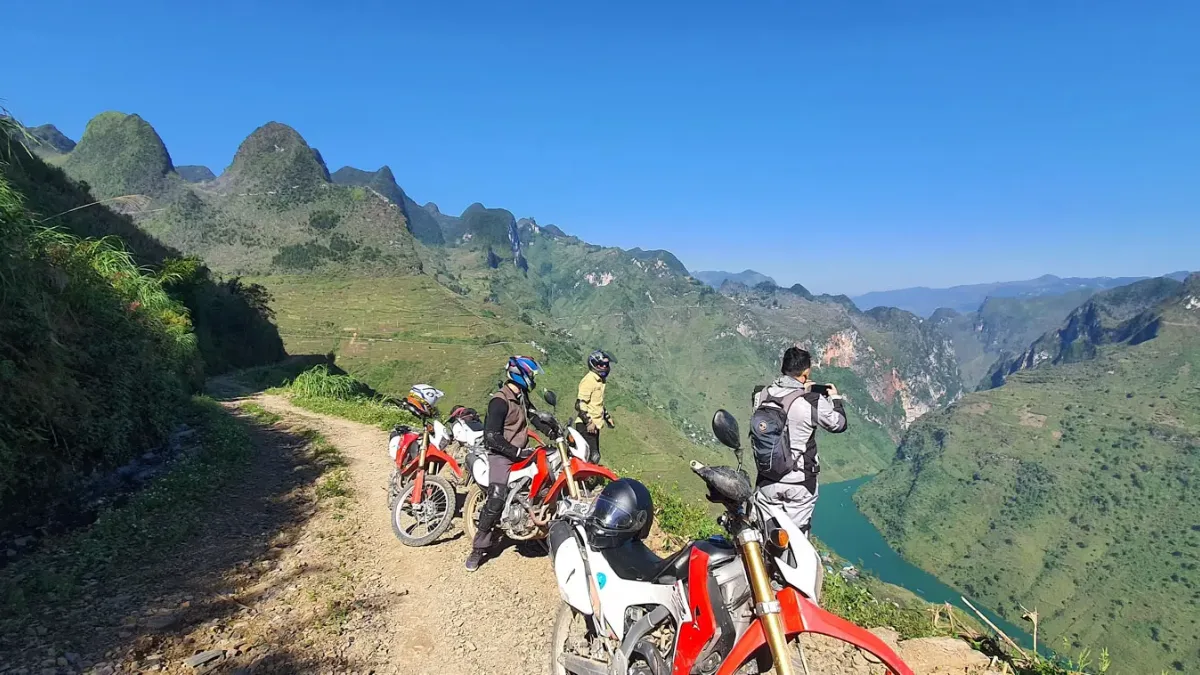
To cross busy roads, walk slowly and steadily without stopping or running. Only ride a motorbike yourself if you hold a home motorcycle licence plus a 1968-Convention International Driving Permit; under Decree 168/2024, riding without a valid licence is fined 2–4 million VND for bikes up to 125cc, and insurance may not cover you.
Is Hanoi Safe for Tourists?
Yes. Hanoi is generally safe, with low violent crime, but petty theft and scams do happen. Traffic is the biggest everyday risk.
1. Common scams to avoid
- Fake or rigged taxis – use apps, official ranks or ask your hotel to book.
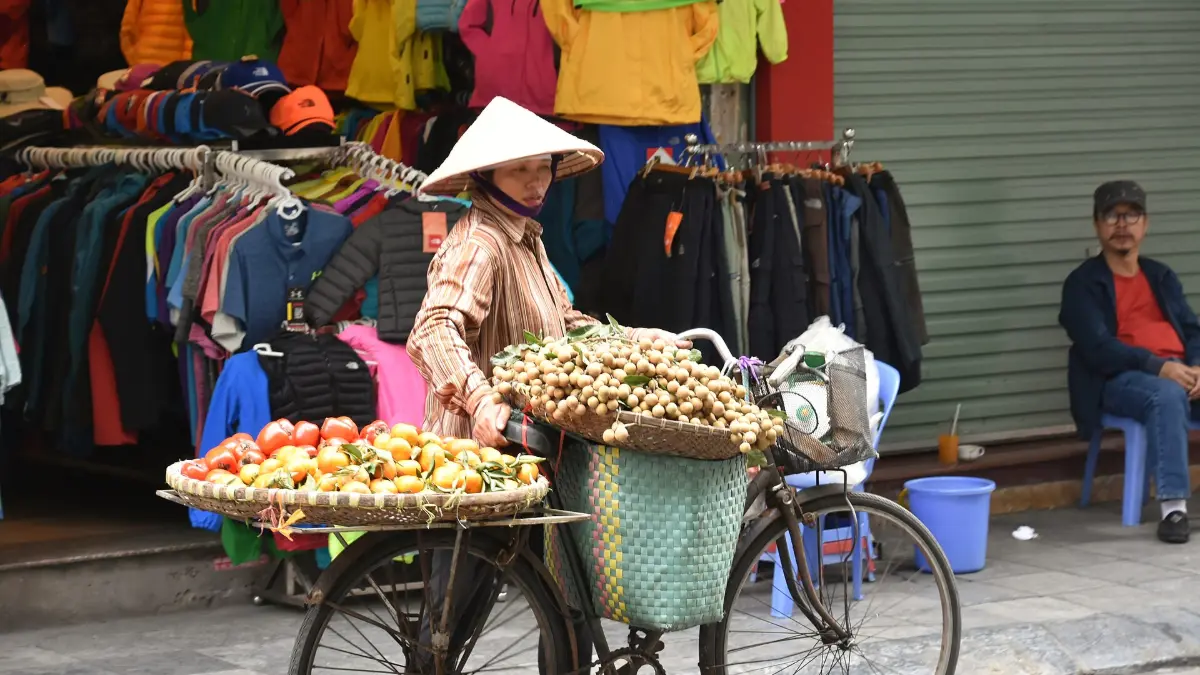
- Shoe-shiners and fruit-basket sellers who demand high payment after a “free” photo or service.
- Cyclo or motorbike drivers who change the price at the end – agree the total first.
- Look-alike hotels and tour offices using the names of popular companies – book directly or through trusted operators.
- Fake e-visa websites – use only evisa.gov.vn.
2. Protect your belongings
Bag and phone snatching by passing motorbikes can happen, so carry bags on the side away from the road and avoid holding your phone at the kerb. Keep your passport in the hotel safe and carry a photocopy or photo.
3. Street safety
Watch out for uneven pavements, parked motorbikes and riders using the pavement to skip traffic. At night, stick to busy, well-lit streets and use app-booked transport back to your hotel.
What Should I Know About Etiquette and Dress Code in Hanoi?
Dress modestly at religious and state sites, remove shoes where asked, and be polite and patient – raising your voice causes loss of face. Vietnamese people are warm and welcoming to visitors who show respect.
1. Temples, pagodas and the Mausoleum
Cover shoulders and knees at temples, pagodas and the Ho Chi Minh Mausoleum, where visitors must also keep silent, remove hats and not take photos inside.
2. Everyday manners
- Use both hands to give or receive items such as money, cards or gifts.
- Ask before photographing people, especially elderly people and monks.
- Don’t point with your finger or feet, or touch people on the head.
- Bargaining is normal at markets, but keep it friendly; fixed prices apply in shops and malls.
What Health Precautions Should I Take in Hanoi?
Drink bottled or filtered water, use mosquito repellent, and be aware of air pollution in winter. Hanoi has international-standard hospitals and clinics for visitors.
- Check routine vaccinations; many travel clinics also recommend hepatitis A and typhoid. Ask your doctor before travel.
- Dengue fever is present, especially in the rainy season – use repellent and cover up at dusk.
- Air quality can be poor from roughly November to March; sensitive travellers may want a mask and to check an air-quality app.
- Pharmacies are widespread and sell many medicines without prescription; bring your own regular medication in original packaging.
- In an emergency call 115 for an ambulance.
What Should I Know Before Sightseeing in Hanoi?
Check opening days and closures before you go: many museums close on Mondays, and some major sights have seasonal closures or renovations in 2026.
- Ho Chi Minh Mausoleum: closed for annual maintenance from 4 September to 2 November 2026; normally open mornings only and closed on Mondays and Fridays.
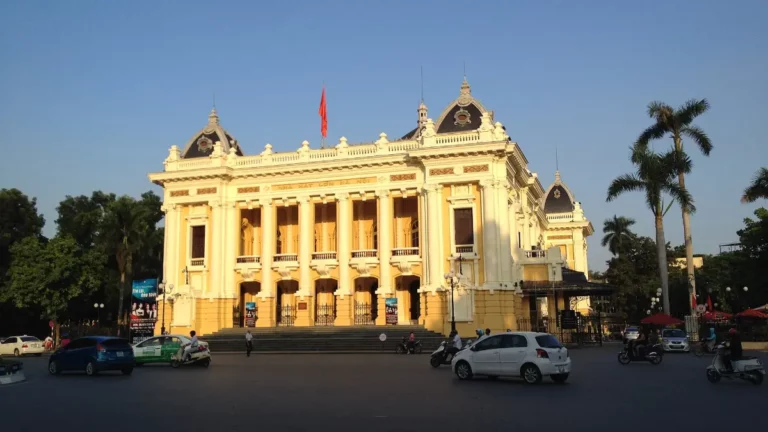
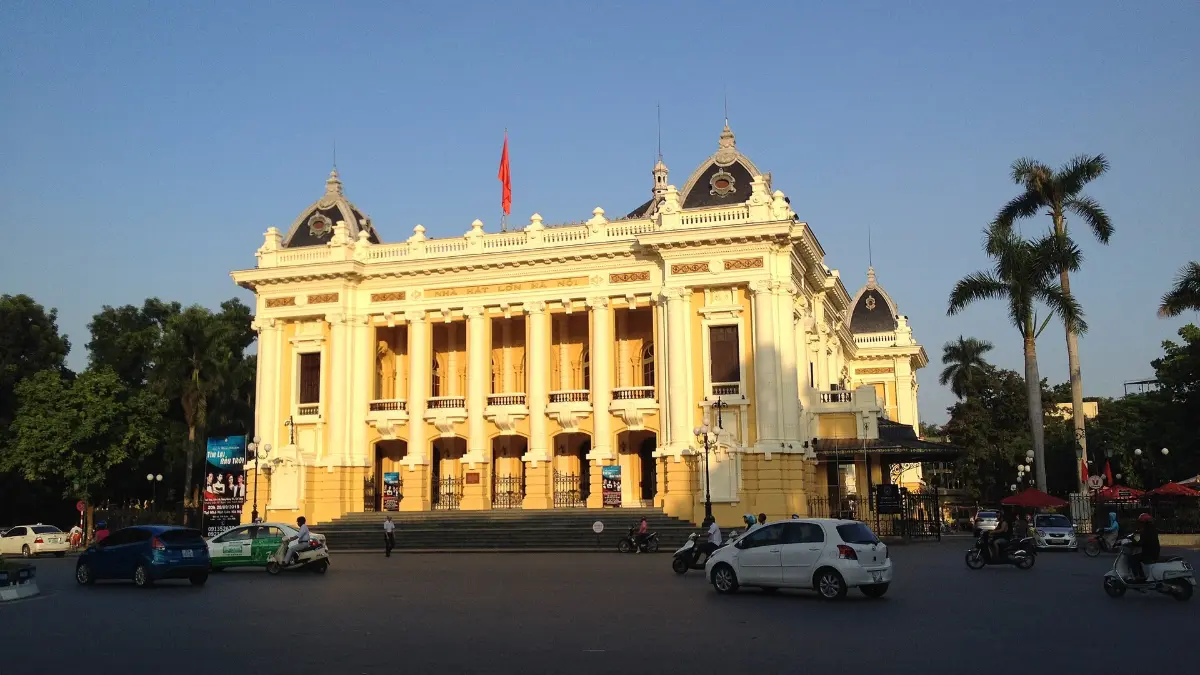
- Hanoi Opera House: under renovation since early 2026, so performances and tours may be suspended – admire the façade from the square.
- Weekend walking street: the streets around Hoan Kiem Lake and parts of the Old Quarter are car-free from Friday 19:00 (18:00 in winter) until Sunday midnight.
- Museums: several, including the Vietnam Museum of Ethnology, close on Mondays.
How Many Days Do I Need in Hanoi?
Two to three days is ideal for Hanoi itself, plus one to three days for Halong Bay, Ninh Binh or Sapa. A sample plan:
| Day | Plan |
|---|---|
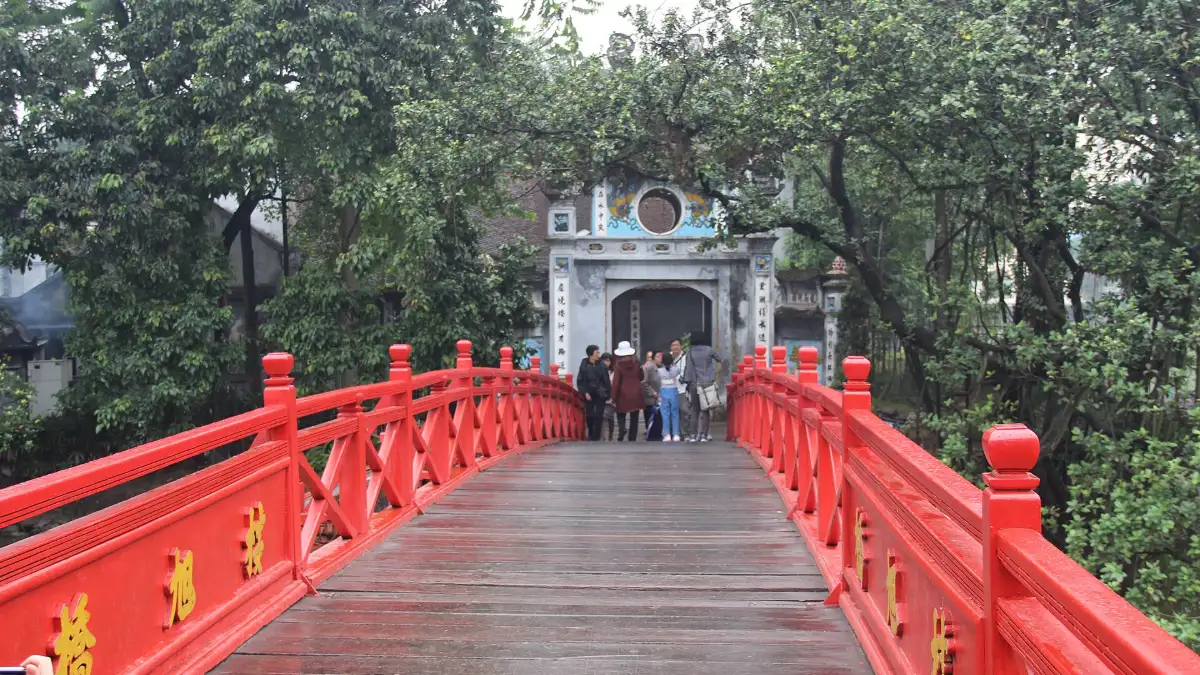
| Day 1 | Old Quarter walk, Hoan Kiem Lake and Ngoc Son Temple, street-food dinner, water puppet show |
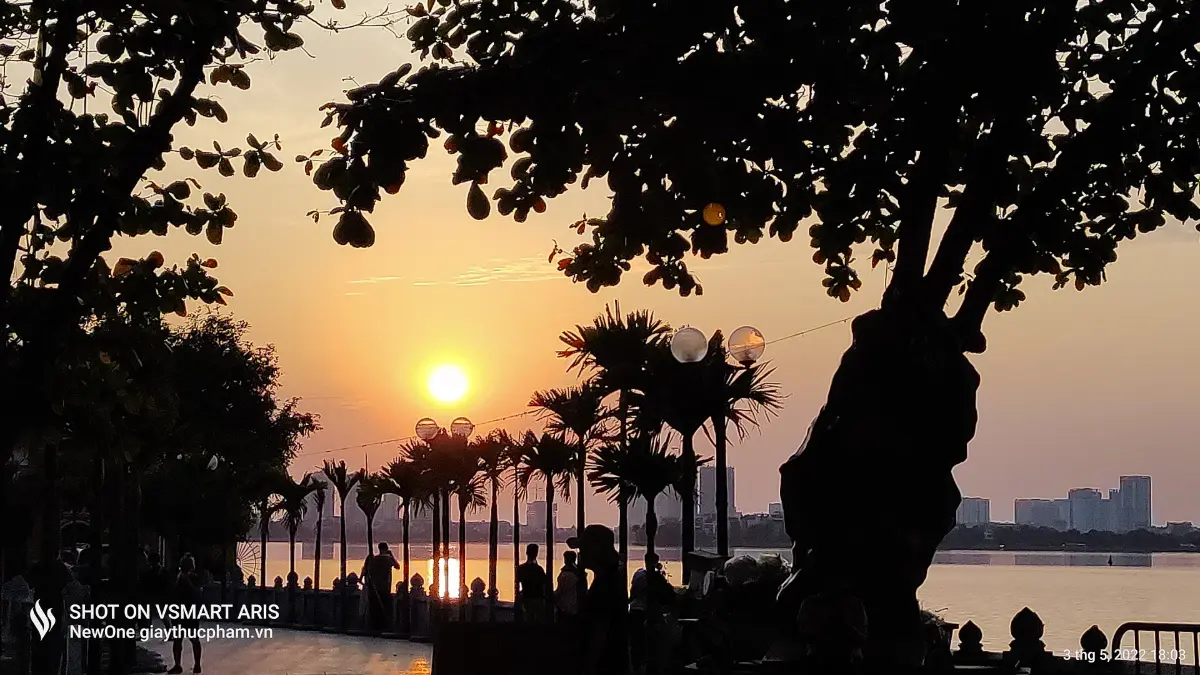
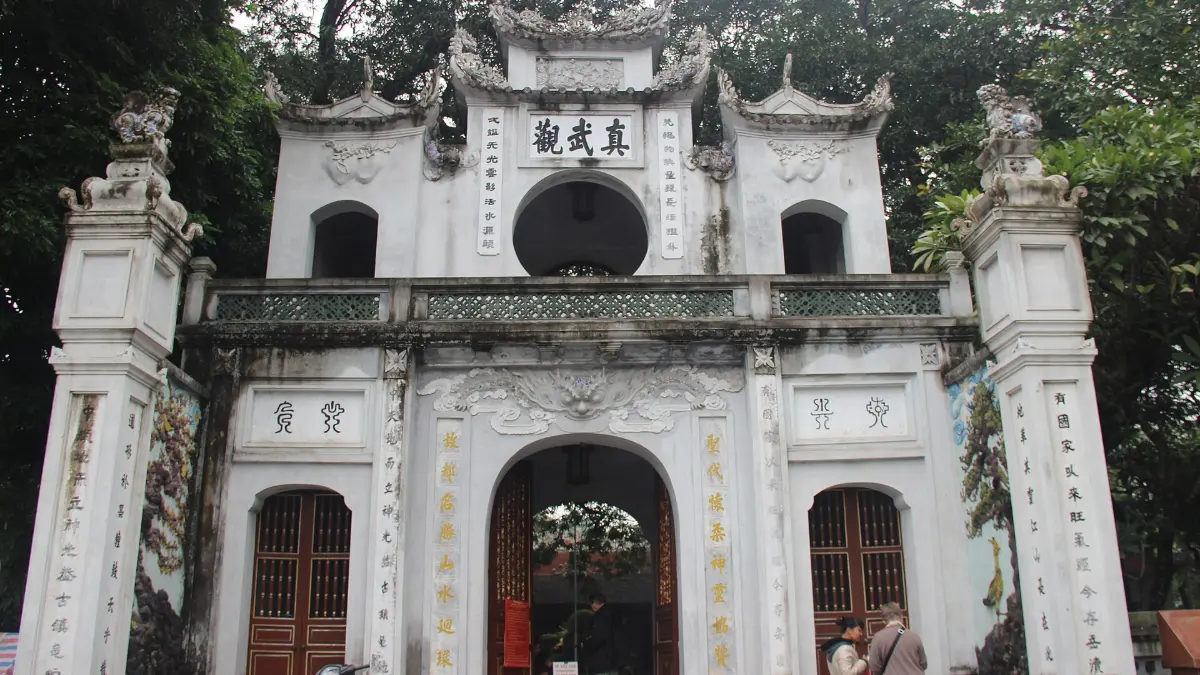
| Day 2 | Ba Dinh area (Mausoleum when open, One Pillar Pagoda), Temple of Literature, Hoa Lo Prison, West Lake sunset |
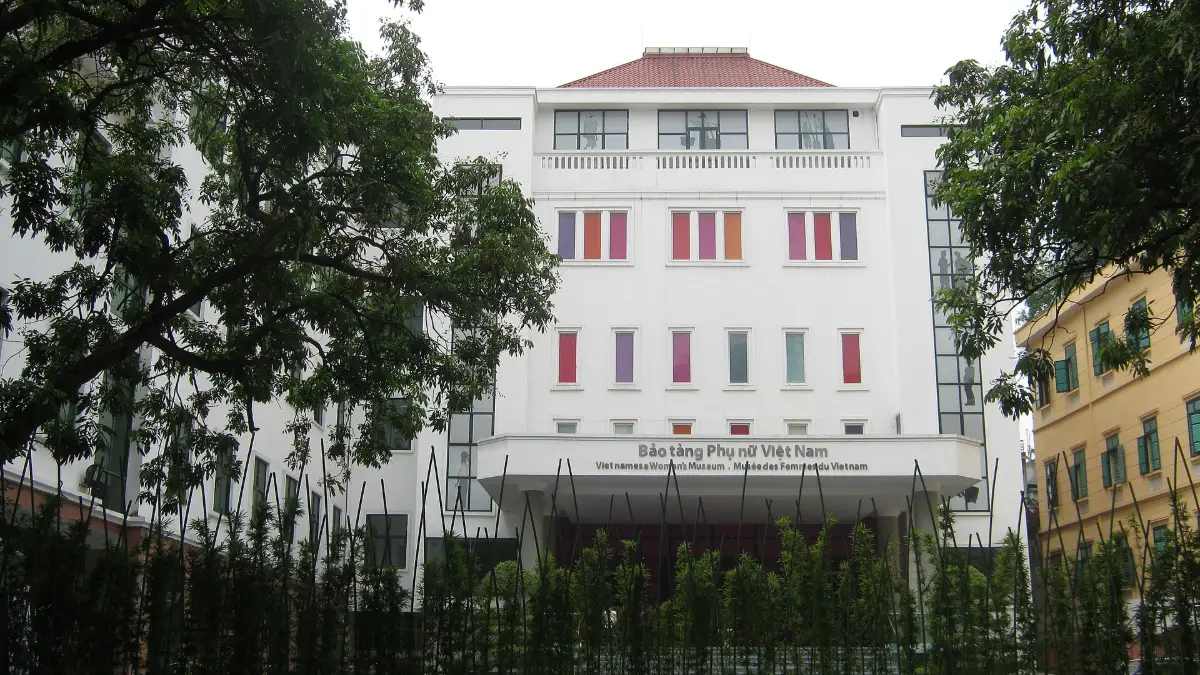
| Day 3 | Vietnam Museum of Ethnology or Women’s Museum, cooking class or food tour, shopping |
| Days 4–5 | Overnight Halong Bay or Lan Ha Bay cruise, or a day trip to Ninh Binh |
What Should I Pack for Hanoi?
- Light, breathable clothes for summer, plus a light rain jacket or poncho from May to October.
- Warm layers and a jacket from December to February.
- Clothes covering shoulders and knees for temples and the Mausoleum.
- Comfortable walking shoes, sunscreen, mosquito repellent and a reusable water bottle.
- A universal adaptor (220V), a power bank, and printed copies of your visa or e-visa approval.
Local Expert Tips for Visiting Hanoi
These tips come from years of arranging Hanoi tours for international travellers.
- Check your visa status first: if you are not on the 45-day list, apply for the e-visa at least a week before you fly.
- Choose a hotel in the Old Quarter or French Quarter (Hoan Kiem ward) so most sights are walkable.
- Start sightseeing by 08:00 in summer to avoid the midday heat, and save museums for the afternoon.
- Visit the Mausoleum area early in the morning, and check its closure dates before planning that day.
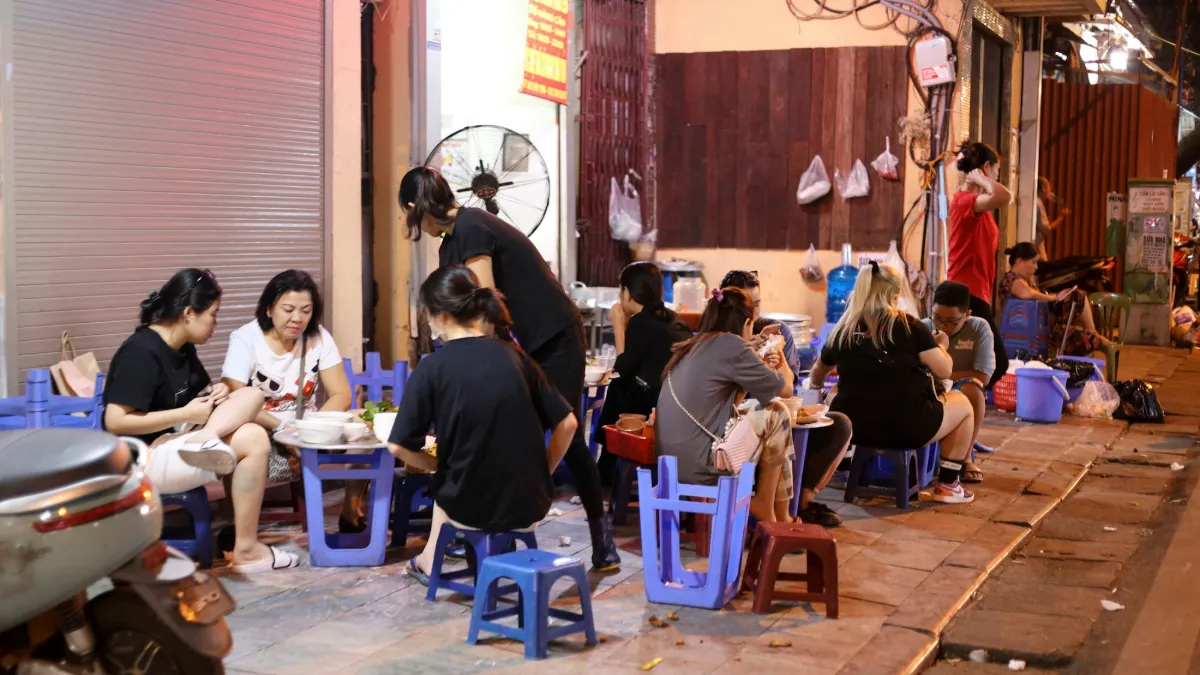
- Try a street-food tour on your first evening to learn what and where to eat safely.
- Book water puppet shows a day ahead in high season (October–April).
- Keep a buffer day between a Halong Bay cruise and your international flight in typhoon season.
- Save your hotel address in Vietnamese with the new ward name to show drivers.
- Carry small notes and a photocopy of your passport, and leave the original in your hotel safe.
Plan Your Hanoi Trip
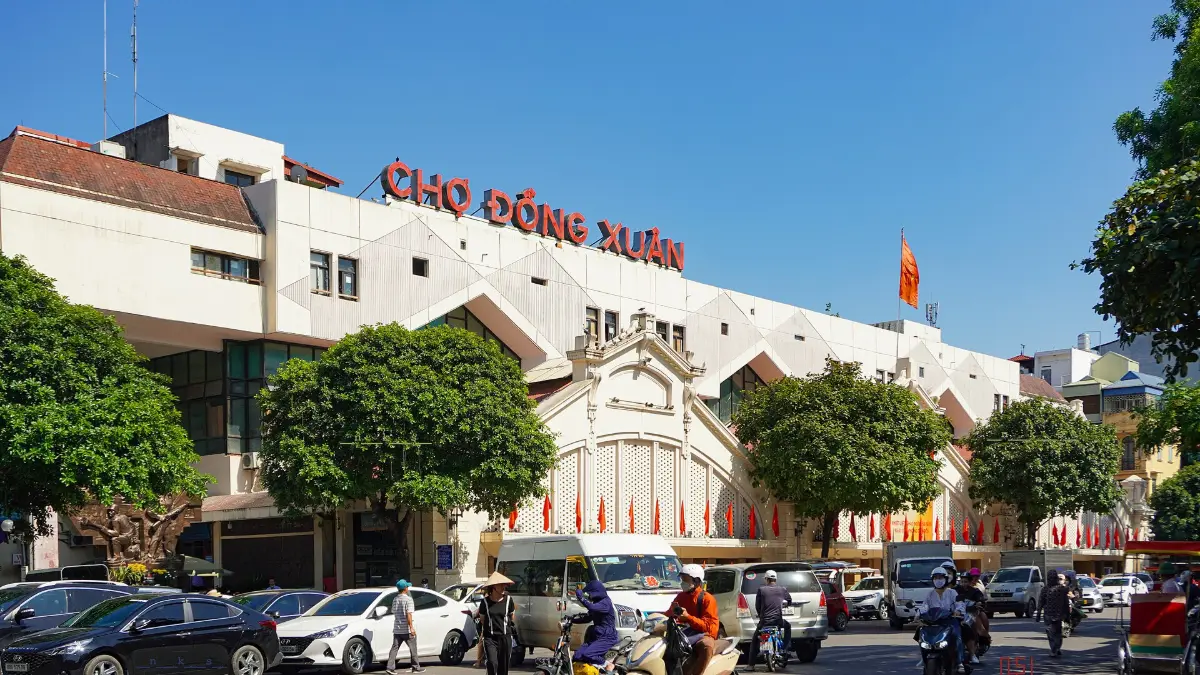
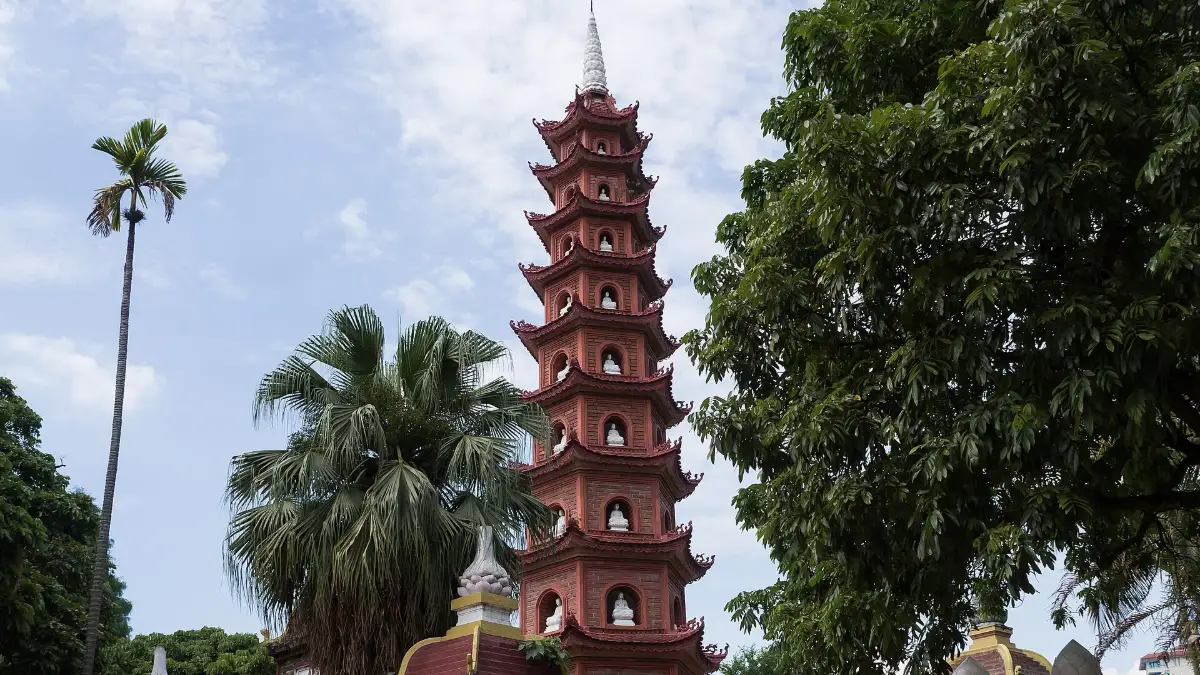
Use these guides to build your days: wander the Hanoi Old Quarter and Hoan Kiem Lake with Ngoc Son Temple, then visit the Temple of Literature, the Imperial Citadel of Thang Long, Hoa Lo Prison Museum, the Vietnamese Women’s Museum, Tran Quoc Pagoda and West Lake. Admire the façade of the Hanoi Opera House and shop at Dong Xuan Market. Eat well with our Hanoi food and drinks guide, find souvenirs in the Hanoi shopping guide, and head out to the coast with Hanoi to Halong Bay or to the mountains with Hanoi to Sapa.
Plan your trip with our Hanoi travel guide and Hanoi tours. Contact Vietnam Tour Expert Team for a free custom itinerary.
Frequently Asked Questions about Hanoi Travel Tips
1. Do I need a visa to visit Hanoi?
It depends on your nationality. Citizens of 24 countries including the UK, Germany, France, Japan and South Korea get 45 days visa-free, ASEAN citizens get 14–30 days, and everyone else needs an e-visa of up to 90 days from evisa.gov.vn.
2. How much does a Vietnam e-visa cost for a Hanoi trip?
The official Vietnam e-visa costs US$25 for single entry or US$50 for multiple entry, valid for stays of up to 90 days. It is usually processed in about three to five working days.
3. Can Americans visit Hanoi without a visa?
No. US citizens need a visa to visit Hanoi; the easiest option is the e-visa, valid up to 90 days with single or multiple entry.
4. How long can UK citizens stay in Hanoi without a visa?
British citizens can stay in Vietnam, including Hanoi, for up to 45 days without a visa under the current exemption, which runs until 14 March 2028.
5. What is the best time to visit Hanoi?
October to December and March to April are the best months for Hanoi, with mild temperatures and little rain. June to August is hot, humid and the wettest period.
6. How cold does Hanoi get in winter?
From December to February, Hanoi averages highs of about 20–22°C and lows of about 14–16°C, and it often feels colder because of damp air and grey skies. Bring a warm jacket.
7. When is Tet 2027 in Hanoi?
Tet (Lunar New Year) 2027 falls on Saturday 6 February 2027. Many small shops and restaurants in Hanoi close for several days around it, while major sights and hotels usually remain open.
8. Is Hanoi safe for tourists?
Yes, Hanoi is generally safe for tourists, with low violent crime. Watch for traffic, bag snatching and taxi or price scams, and use ride-hailing apps for transport.
9. Is Hanoi safe for solo female travellers?
Hanoi is generally considered a safe city for solo female travellers. Take normal precautions at night, use app-booked transport and keep drinks in sight in bars.
10. Can I use credit cards in Hanoi?
Visa and Mastercard are accepted in hotels, malls, supermarkets and many restaurants in Hanoi, but street food, markets and small shops are cash-only, so carry some dong.
11. How much money do I need per day in Hanoi?
Budget travellers can manage on about US$30–40 a day in Hanoi, mid-range travellers about US$70–120 including a comfortable hotel, meals and transport. Street food meals cost about 40,000–70,000 VND.
12. Do I need to tip in Hanoi?
Tipping is not mandatory in Hanoi, but leaving 5–10% or rounding up for good service in restaurants and spas, and tipping guides and drivers on tours, is appreciated.
13. How do I get a SIM card in Hanoi?
Buy a SIM from official Viettel, Vinaphone or MobiFone counters at Noi Bai Airport or in city stores; your passport is required for registration. A 30-day data SIM costs about 150,000–300,000 VND.
14. Can I use an eSIM in Hanoi?
Yes. Most international travel eSIMs work in Hanoi on major Vietnamese networks, but they are usually data-only, so you will not get a local number for SMS codes.
15. What should I wear in Hanoi?
Wear light, breathable clothes in summer and warm layers in winter, and cover shoulders and knees when visiting temples, pagodas and the Ho Chi Minh Mausoleum in Hanoi.
16. Is the tap water safe to drink in Hanoi?
No. Drink bottled or filtered water in Hanoi; ice in established restaurants and cafés is generally made from purified water.
17. How many days do I need in Hanoi?
Two to three days is enough for the main sights of Hanoi, plus one to three days for a Halong Bay cruise, Ninh Binh or Sapa.
18. Is the Ho Chi Minh Mausoleum in Hanoi open in October 2026?
No. The Ho Chi Minh Mausoleum in Hanoi is closed for maintenance from 4 September to 2 November 2026; outside closures it opens in the mornings and closes on Mondays and Fridays.
19. What are the emergency numbers in Hanoi?
In Hanoi, call 113 for police, 114 for fire and 115 for an ambulance. Your hotel and tour operator can also help arrange an English-speaking doctor.
Related Posts

Hanoi Egg Coffee (2026): Best Cafés, Prices, History & Recipe
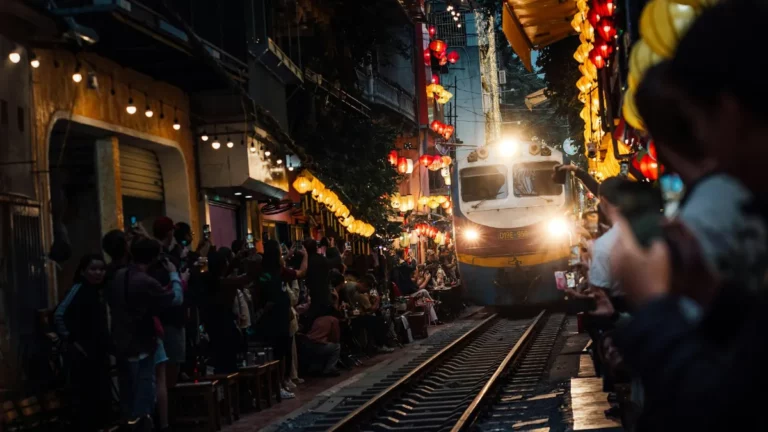
Hanoi Train Street (2026): Is It Open? Train Times, Cafés & Rules
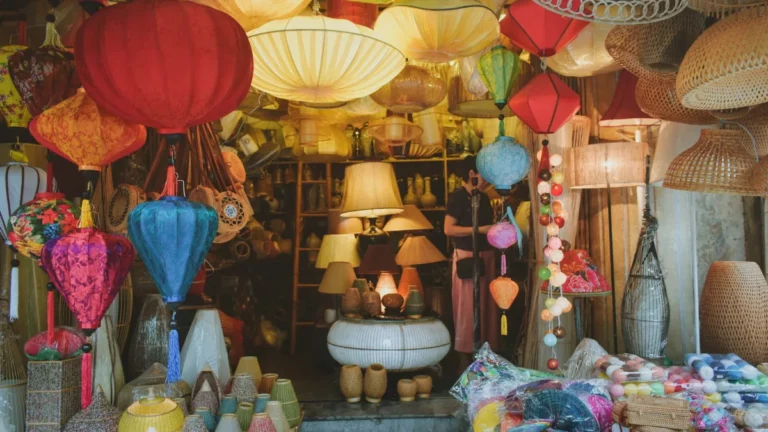
Hanoi Shopping Guide: Best Markets, Streets & Souvenirs to Buy (2026)
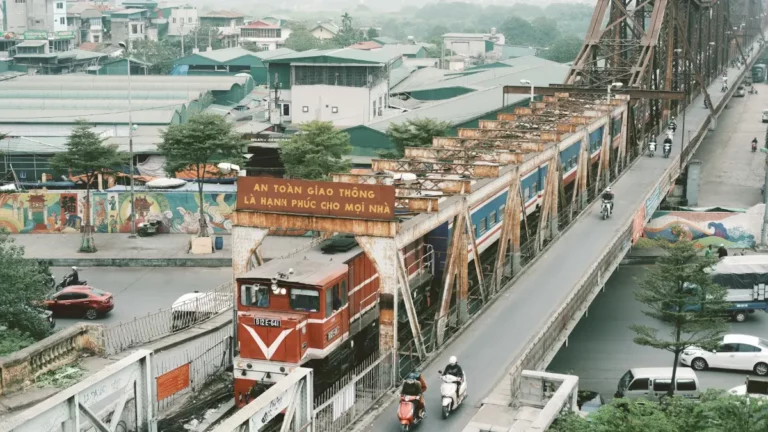
Hanoi Transportation: How to Get Around Hanoi & From Noi Bai Airport (2026 Guide)
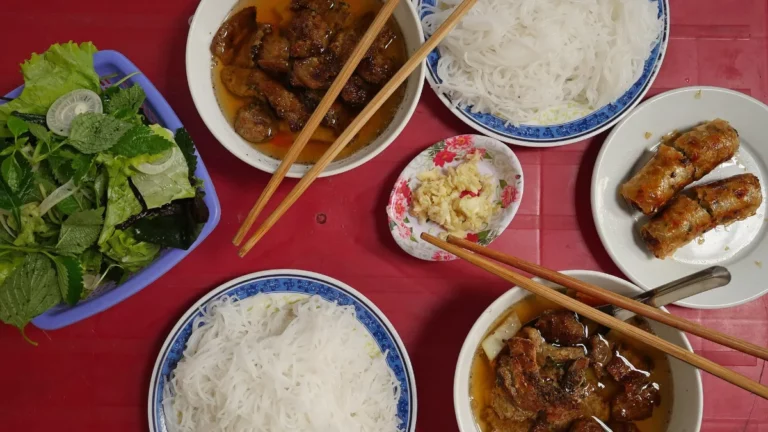
Hanoi Food & Drinks: 15 Must-Try Dishes, Egg Coffee & Where to Eat (2026)