Ho Chi Minh Mausoleum: A Must-Visit Attraction in Hanoi – Complete Visitor Guide (2026)
 By Jimmy Nguyen, Founder & Director of Asia Travel Expert Co., Ltd.
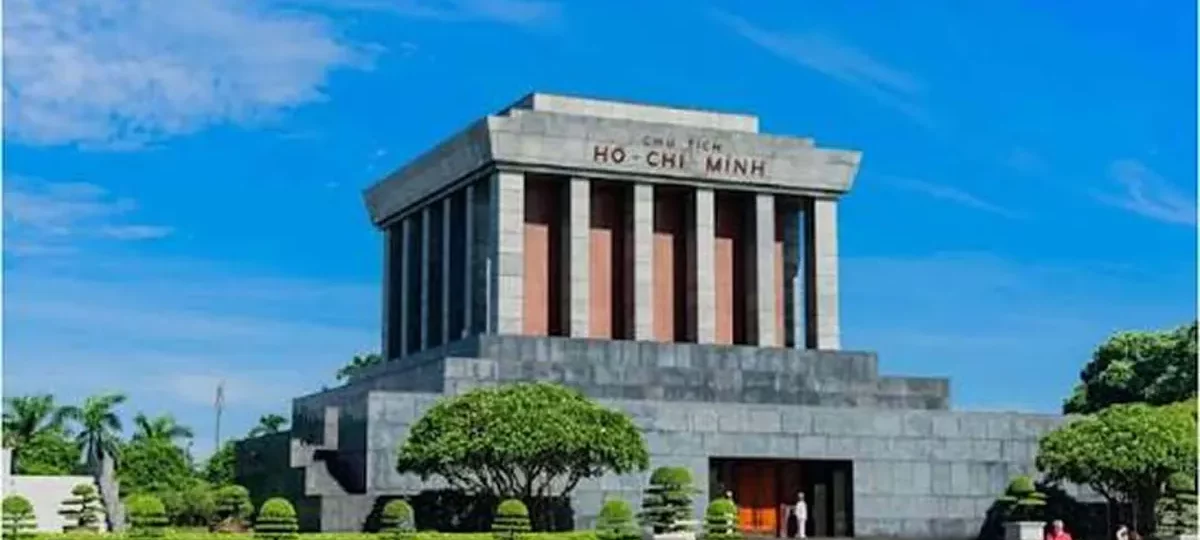
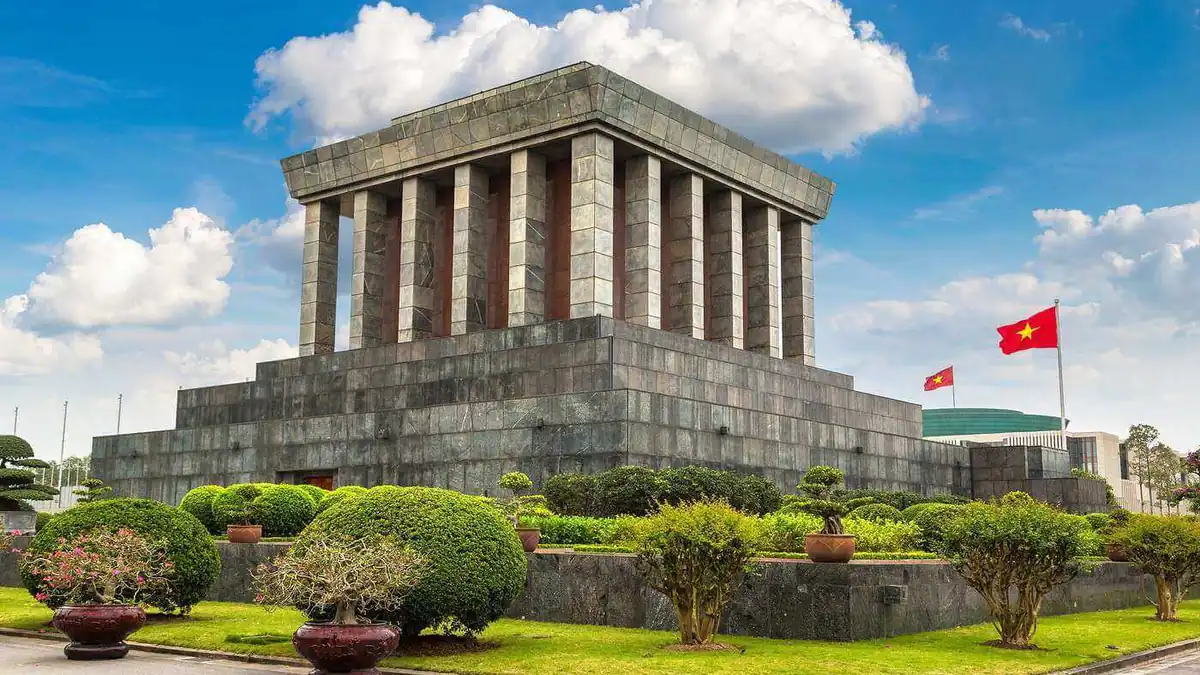
The Ho Chi Minh Mausoleum (Lăng Chủ tịch Hồ Chí Minh) is the granite monument on Ba Dinh Square in Hanoi where the embalmed body of President Ho Chi Minh lies in state. It stands where he declared Vietnam’s independence on 2 September 1945. Entry is free, but it opens only on five mornings a week and closes each year for maintenance.
Status (checked October 2026): the mausoleum is closed for its scheduled annual maintenance from 4 September to 2 November 2026 and reopens on 3 November 2026 (winter hours 8:00–11:00, weekends and holidays to 11:30). Ba Dinh Square, the flag ceremonies and the surrounding sights such as the One Pillar Pagoda normally remain open during the closure.
Why the Ho Chi Minh Mausoleum is a must-see in Hanoi:
- Vietnam’s most revered leader: Ho Chi Minh’s body lies in a glass case under a military guard of honour, one of only a handful of such mausoleums in the world.
- The birthplace of the nation: Ba Dinh Square is where the Democratic Republic of Vietnam was proclaimed in 1945.
- A whole heritage complex: the Presidential Palace, the Stilt House, the One Pillar Pagoda and the Ho Chi Minh Museum are all within a short walk.
- Free entry: the mausoleum costs nothing; the neighbouring sites charge foreign visitors about 40,000 VND each.
- Living ritual: the daily flag ceremonies and the long, silent queues show how Vietnam sees its own history.
Ho Chi Minh Mausoleum at a Glance
| Vietnamese name | Lăng Chủ tịch Hồ Chí Minh (often called Lăng Bác, “Uncle Ho’s Mausoleum”) |
|---|---|
| Location | Ba Dinh Square, Hung Vuong Street, Ba Dinh Ward, Hanoi |
| Distance | About 2.5 km west of Hoan Kiem Lake (10–15 minutes by taxi) |
| Known for | The embalmed body of Ho Chi Minh, Ba Dinh Square, flag ceremonies, guard of honour |
| Built | 2 September 1973 – 29 August 1975; 21.6 m high and 41.2 m wide |
| Opening hours | Tue, Wed, Thu, Sat, Sun mornings only. Summer (1 Apr–31 Oct) 7:30–10:30, weekends and holidays 7:30–11:00; winter (1 Nov–31 Mar) 8:00–11:00, weekends and holidays 8:00–11:30. Closed Mondays, Fridays and during the annual maintenance period |
| Entrance fee | Free (Presidential Palace relic site and Ho Chi Minh Museum about 40,000 VND each for foreign visitors) |
| Time needed | About 1 hour for the mausoleum; 2.5–3 hours for the whole complex |
| Best time | Opening time on a weekday; October–April for cooler weather |
| Nearby | One Pillar Pagoda, Presidential Palace, Imperial Citadel of Thang Long, Temple of Literature |
| Find it | Google Maps · Tripadvisor · Official website |
Is the Ho Chi Minh Mausoleum Worth Visiting?
Yes, for most first-time visitors to Hanoi it is essential. You will not find a more direct way to understand how Vietnam remembers Ho Chi Minh, and the surrounding complex covers a century of modern history in one compact area. The visit itself is short and strictly controlled; the real value lies in the atmosphere, the ritual and the sights around it.
- Best for: history lovers, first-time visitors, anyone curious about modern Vietnam and its political culture.
- Skip if: you cannot visit on a morning when it is open, or you dislike queues and strict dress and behaviour rules.
- Short on time? See the mausoleum and the One Pillar Pagoda, then walk 15 minutes to the Temple of Literature.
History of the Ho Chi Minh Mausoleum
Ho Chi Minh and Ba Dinh Square
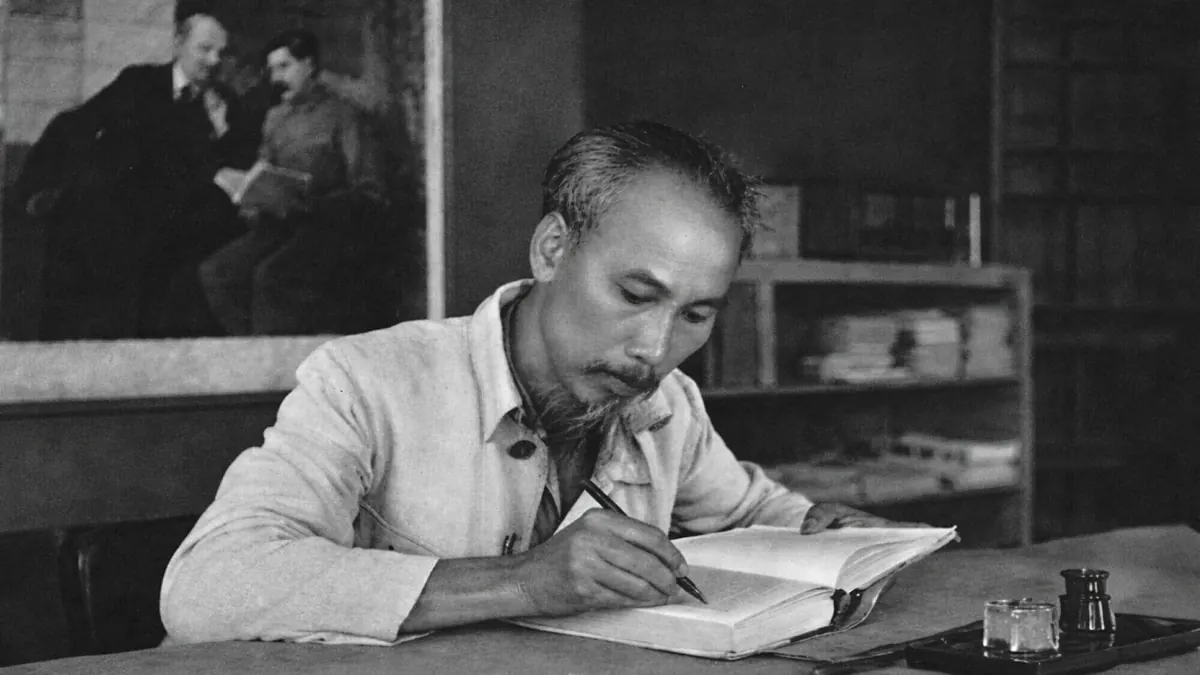
Ho Chi Minh (1890–1969) led Vietnam’s struggle for independence for more than three decades. On 2 September 1945 he read the Declaration of Independence on Ba Dinh Square, founding the Democratic Republic of Vietnam. He served as president until his death on 2 September 1969, and is still called “Bác Hồ” (Uncle Ho) by Vietnamese people. Read more about his life on the Wikipedia page on the mausoleum.
Building the mausoleum (1973–1975)
In his testament Ho Chi Minh asked to be cremated, but the leadership decided to preserve his body so that future generations could pay their respects. Work on the mausoleum began on 2 September 1973 with the help of Soviet experts, and it was inaugurated on 29 August 1975, just months after the end of the Vietnam War. The design is often compared with Lenin’s Mausoleum in Moscow, yet it also borrows from traditional Vietnamese architecture: a raised three-level base, grey granite cladding and a lotus-like roof line.
The mausoleum today
The site is managed by the Ho Chi Minh Mausoleum Management Board, while the Mausoleum Guard Command provides the honour guard. Every year the mausoleum closes for around two months for maintenance of the building and the preservation of the body; in 2026 this runs from 4 September to 2 November. Millions of Vietnamese, from schoolchildren to veterans, visit every year, especially around 19 May (Ho Chi Minh’s birthday) and 2 September (National Day).
What to See at the Ho Chi Minh Mausoleum
A natural route runs: Ba Dinh Square, the mausoleum, the Presidential Palace grounds, House No. 54, the Stilt House and fish pond, the One Pillar Pagoda and finally the Ho Chi Minh Museum. Visitors to the mausoleum are guided along this route after leaving the building.
1. Ba Dinh Square and the flag ceremonies
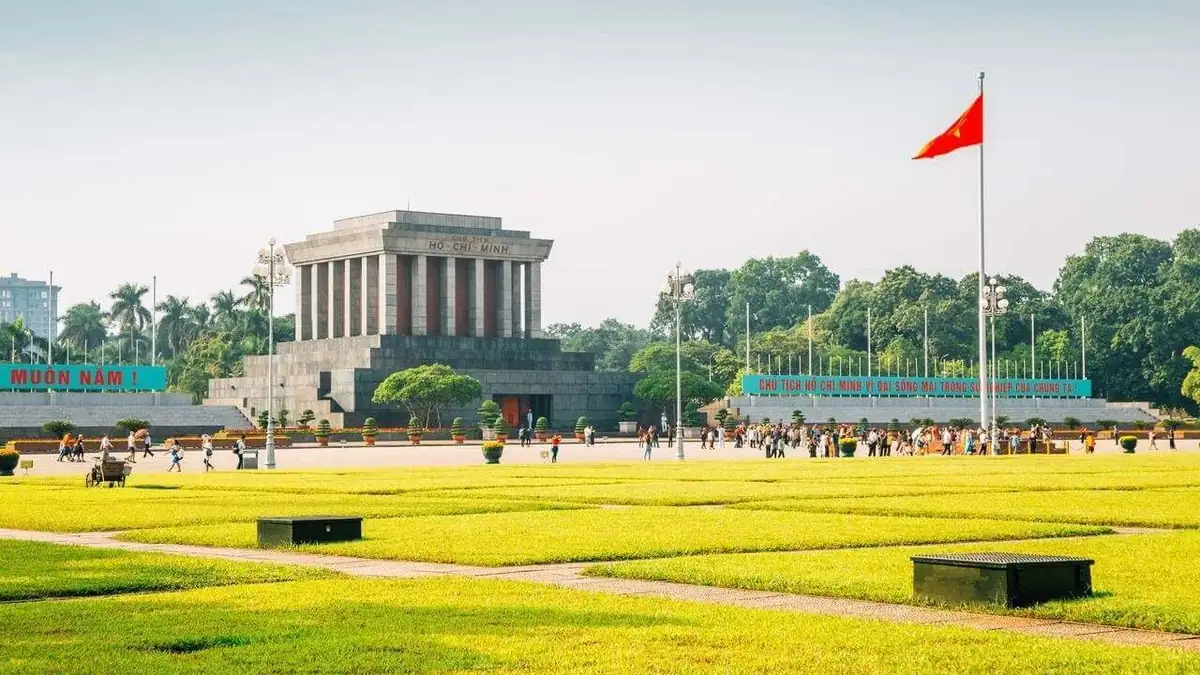
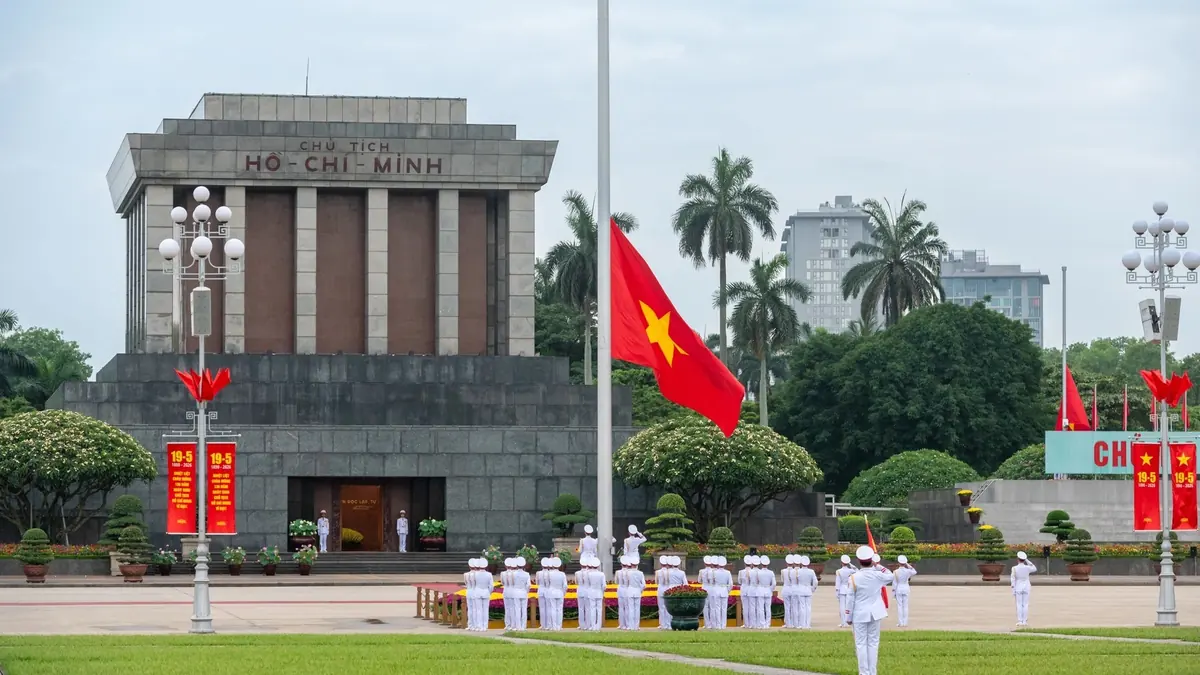
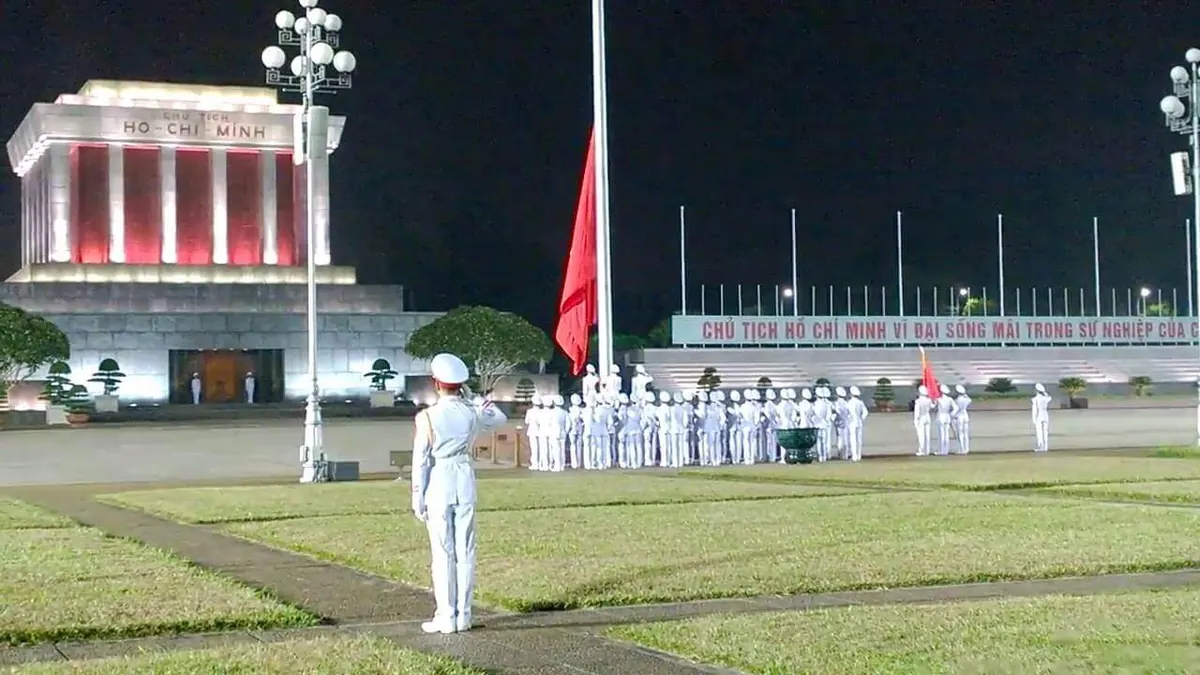
Ba Dinh Square is the political heart of Vietnam, a vast plaza of grass squares in front of the mausoleum, used for national parades. It is open to everyone at any hour and free to visit. The guard of honour raises the national flag every morning at 6:00 in summer and 6:30 in winter, and lowers it every evening at 21:00, according to the Hanoi city government.
2. Inside the mausoleum
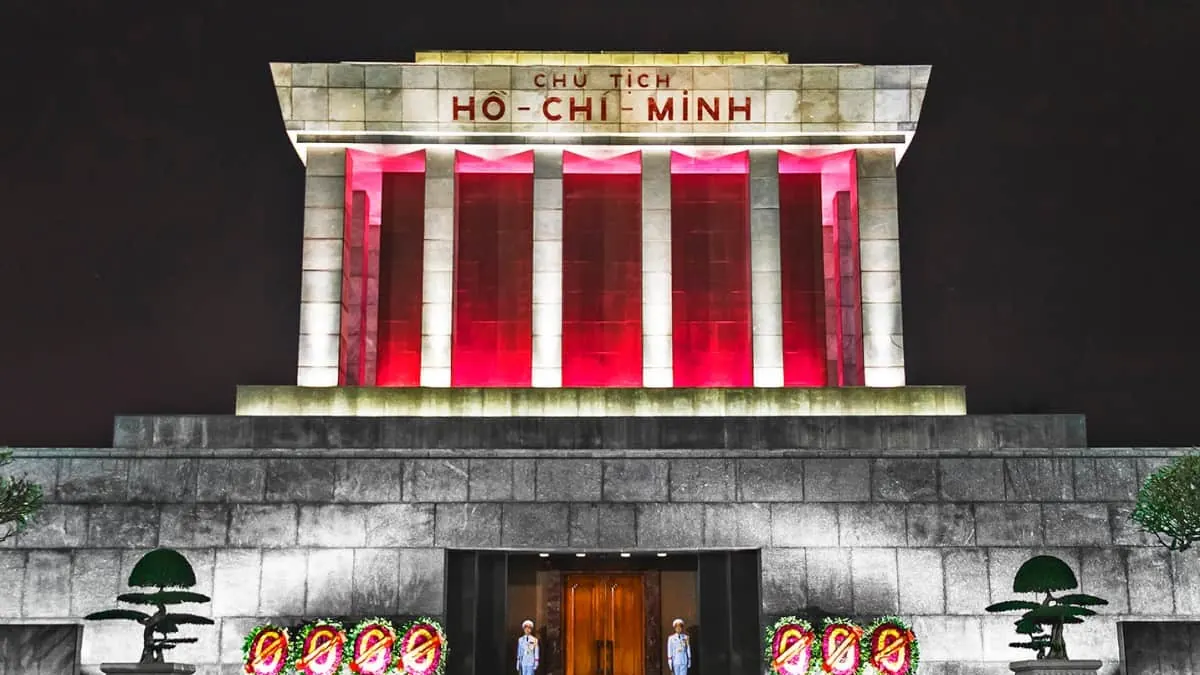
Visitors file in two lines up the steps, past guards in white (summer) or dark green (winter) uniforms, into a cool, dimly lit hall. Ho Chi Minh’s body lies in a glass sarcophagus, guarded by four soldiers. You walk slowly around three sides without stopping; the whole passage takes only a few minutes. Photography, talking and hands in pockets are not allowed.
3. The Presidential Palace
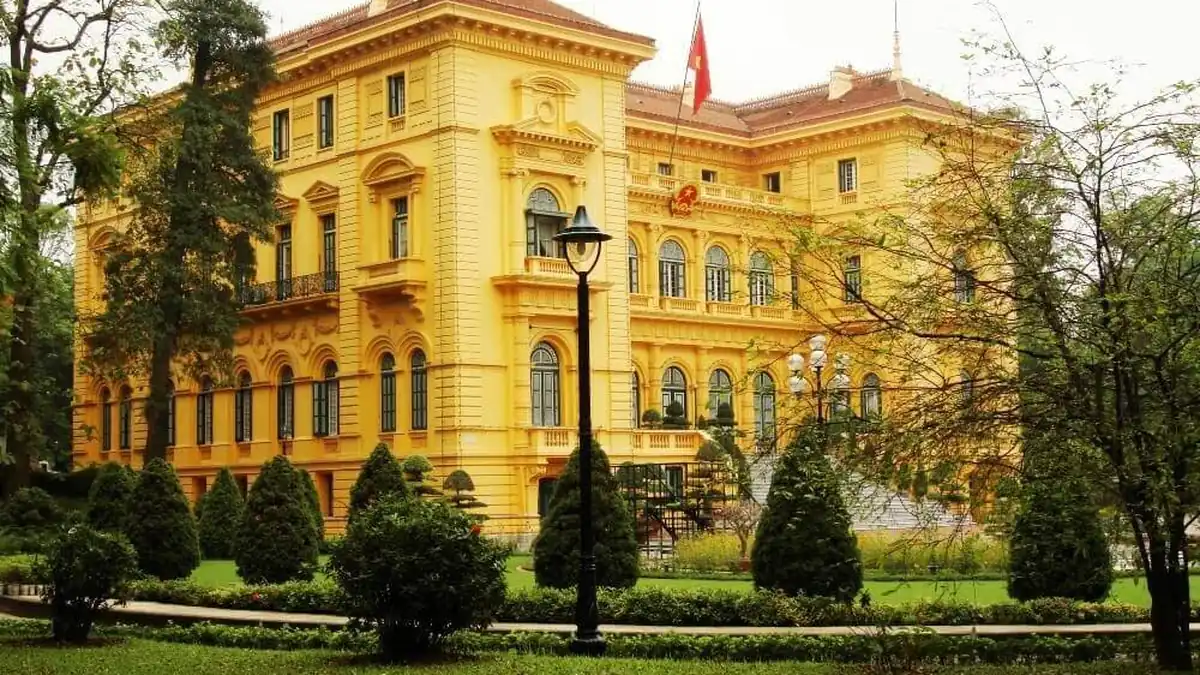
This ochre-yellow French colonial mansion was built between 1900 and 1906 for the Governor-General of French Indochina. Ho Chi Minh refused to live in it, but used it to receive foreign guests. The palace is still used for state functions, so you view it from the gardens rather than inside.
4. House No. 54
The former electrician’s house at the edge of the palace grounds was Ho Chi Minh’s home and office from December 1954 to 1958. Its simple rooms, with his desk and personal belongings, set the tone for the modest lifestyle he chose.
5. Ho Chi Minh’s Stilt House
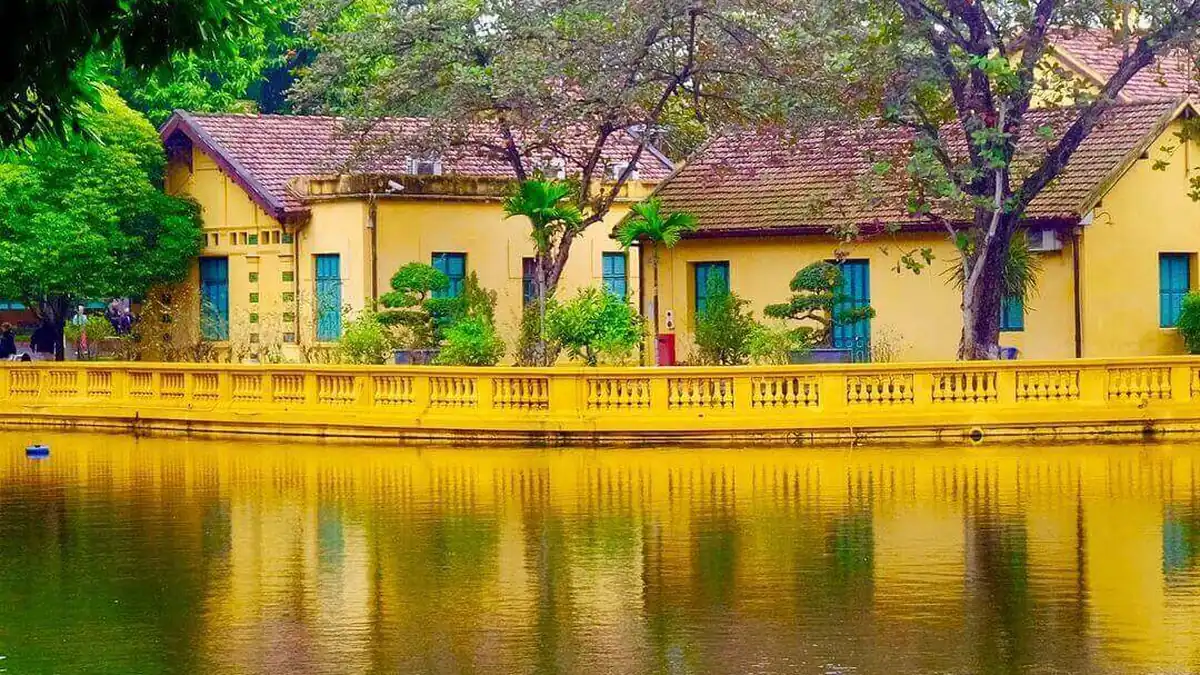
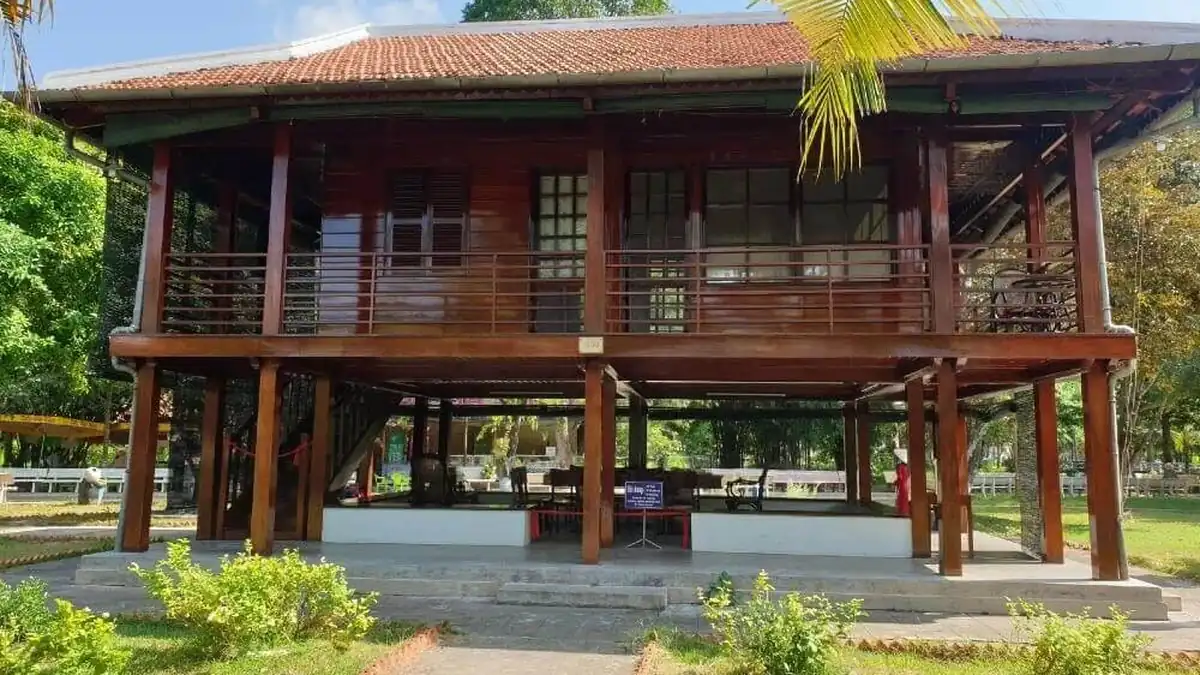
From 1958 until his death in 1969, Ho Chi Minh lived in a two-storey wooden stilt house, inspired by the homes of ethnic minorities in northern Vietnam. The ground floor served as an open meeting space; upstairs are a small study and bedroom, kept as he left them.
6. Uncle Ho’s fish pond
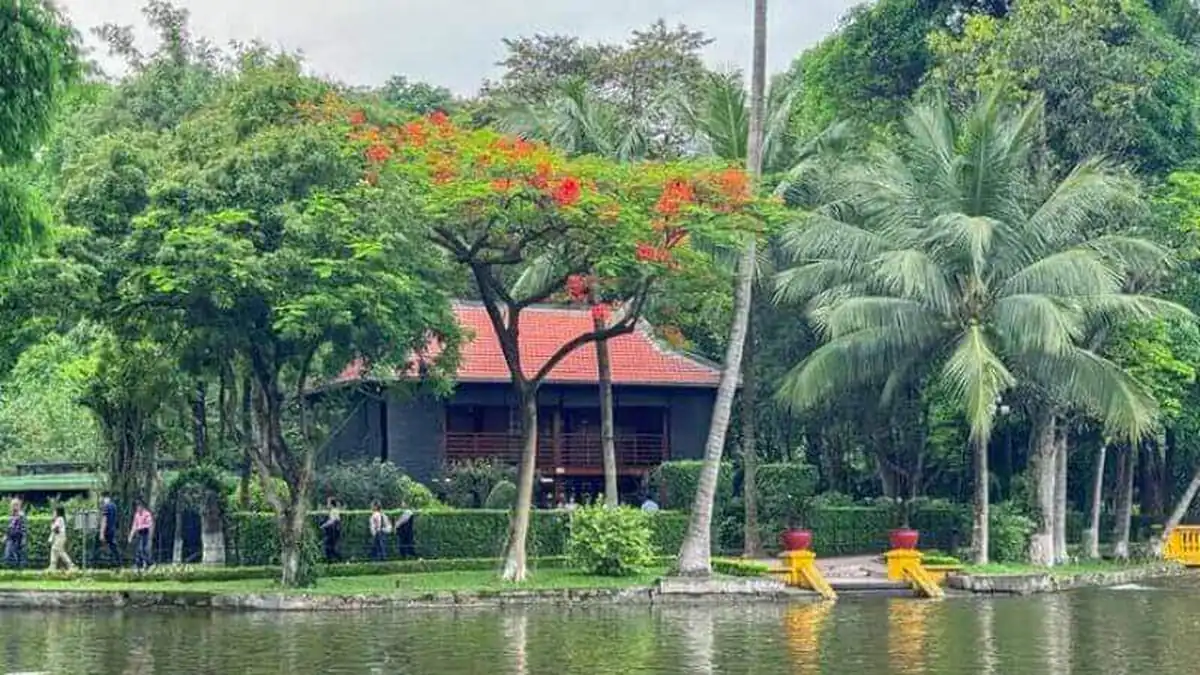
In front of the Stilt House lies a fish pond of about 3,320 m², fringed with fruit trees. Ho Chi Minh liked to feed the carp here; visitors still clap to call them.
7. One Pillar Pagoda
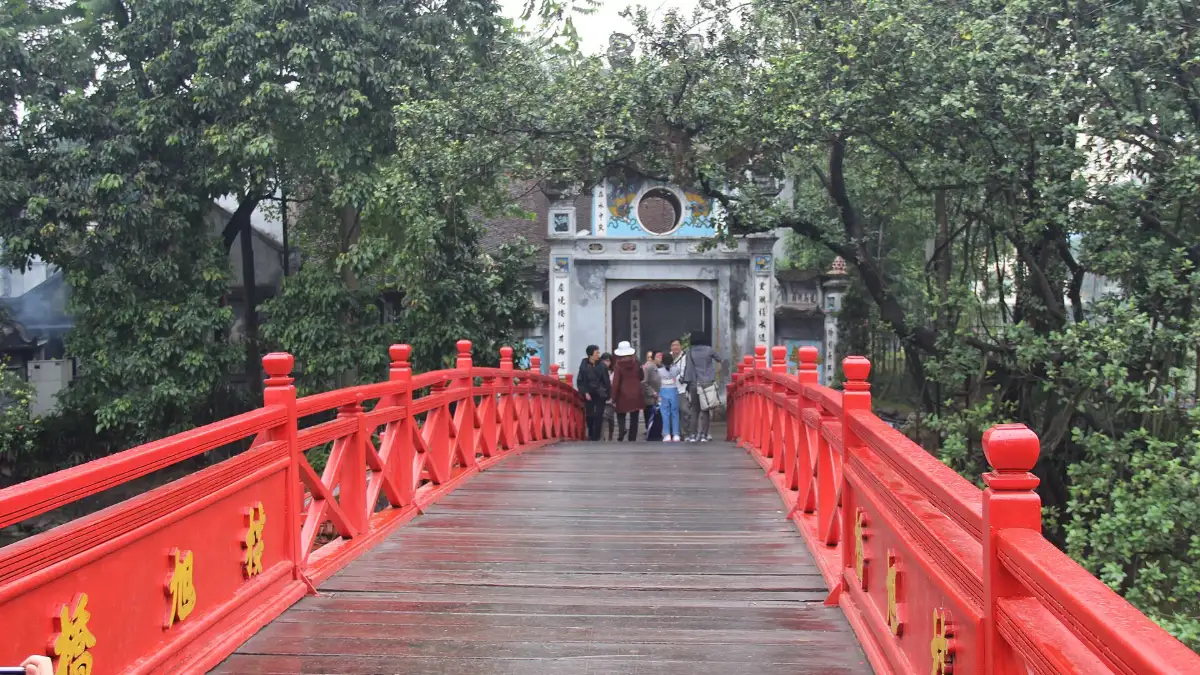
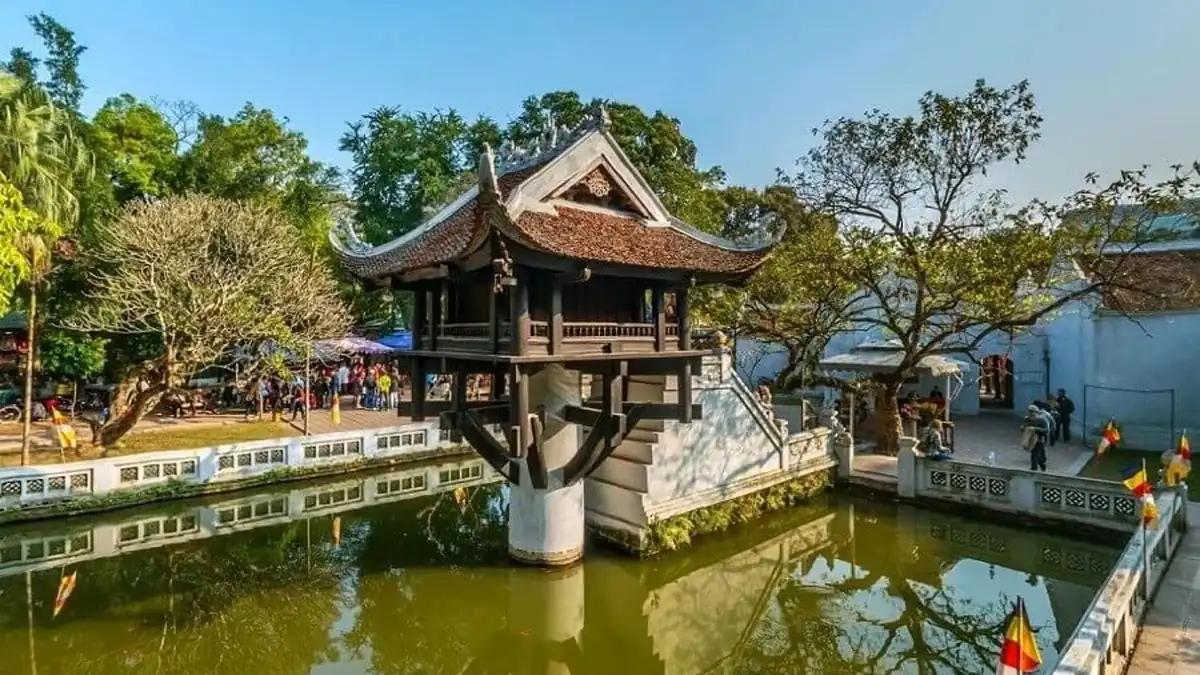
The One Pillar Pagoda (Chùa Một Cột) was first built in 1049 under Emperor Ly Thai Tong and is shaped like a lotus rising from a pond. French forces destroyed it in 1954 and it was rebuilt in 1955. It is free and stays open when the mausoleum is closed.
8. Ho Chi Minh Museum
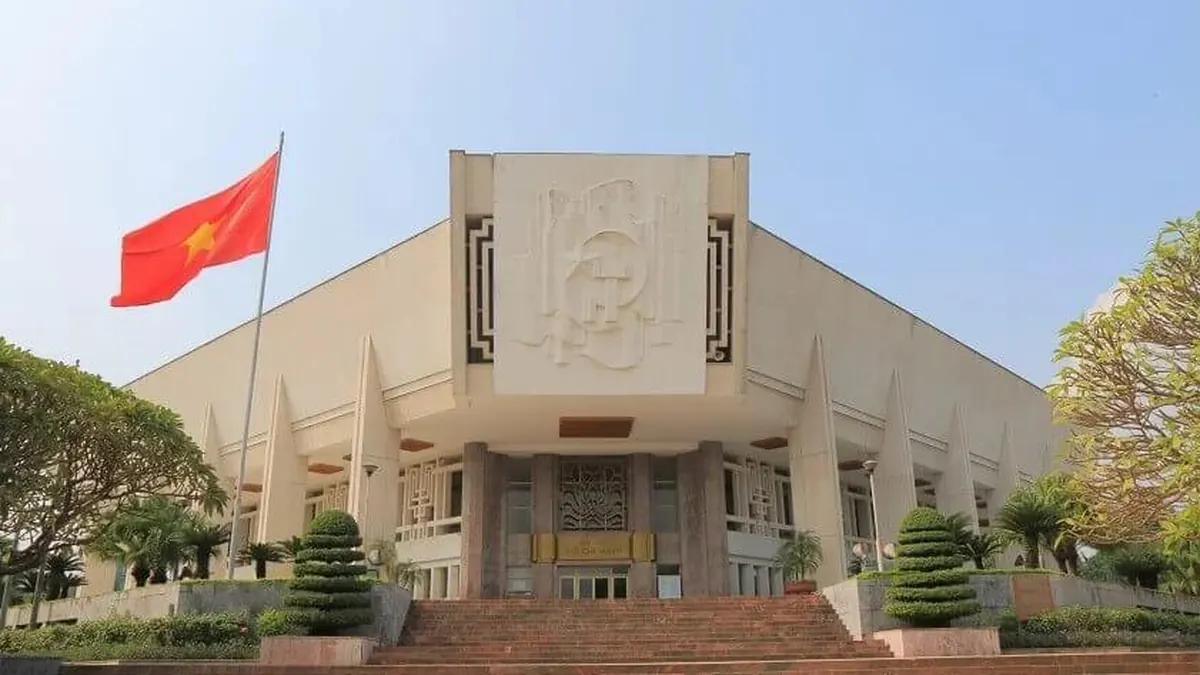
The large white museum behind the One Pillar Pagoda opened on 19 May 1990 for the centenary of Ho Chi Minh’s birth. It tells his life story through documents, photographs and symbolic, sometimes abstract, installations. Allow 45–60 minutes.
Ho Chi Minh Mausoleum Opening Hours and Tickets (2026)
| Site | Opening hours | Ticket (foreign visitors) |
|---|---|---|
| Ho Chi Minh Mausoleum, summer (1 Apr–31 Oct) | Tue–Thu 7:30–10:30; Sat, Sun and holidays 7:30–11:00 | Free |
| Ho Chi Minh Mausoleum, winter (1 Nov–31 Mar) | Tue–Thu 8:00–11:00; Sat, Sun and holidays 8:00–11:30 | Free |
| Closed days | Every Monday and Friday (except when 19 May, 2 September or the first day of Tet fall on those days); annual maintenance, 4 Sep–2 Nov 2026 | – |
| Ba Dinh Square and flag ceremonies | Open 24 hours; flag raising 6:00 (summer) / 6:30 (winter), lowering 21:00 | Free |
| Presidential Palace relic site (Stilt House, House No. 54, fish pond) | Mornings and afternoons, roughly 7:30–11:00 and 13:30–16:00; afternoon hours vary | About 40,000 VND (US$1.50) |
| Ho Chi Minh Museum | About 8:00–12:00 and 14:00–16:30; reduced opening on Mondays and Fridays | About 40,000 VND (US$1.50) |
| One Pillar Pagoda | Daytime, daily | Free |
Hours are set by the Ho Chi Minh Mausoleum Management Board and can change around national holidays and state events; check the official website before you go.
How to Visit the Ho Chi Minh Mausoleum, Step by Step
- Arrive 15–30 minutes before opening at the visitor entrance on Ngoc Ha or Hung Vuong Street; staff will direct foreign visitors to the right security point.
- Pass the security check and leave large bags, food, drinks and professional cameras at the free baggage deposit. Phones may be carried but must stay silent and off inside.
- Join the double queue along the edge of Ba Dinh Square. On busy days the line moves steadily and the wait is usually 20–60 minutes.
- Walk through the mausoleum in silence, without stopping, in about five minutes.
- Continue along the route to the Presidential Palace grounds, Stilt House, One Pillar Pagoda and museum, then collect your belongings from the deposit point you used.
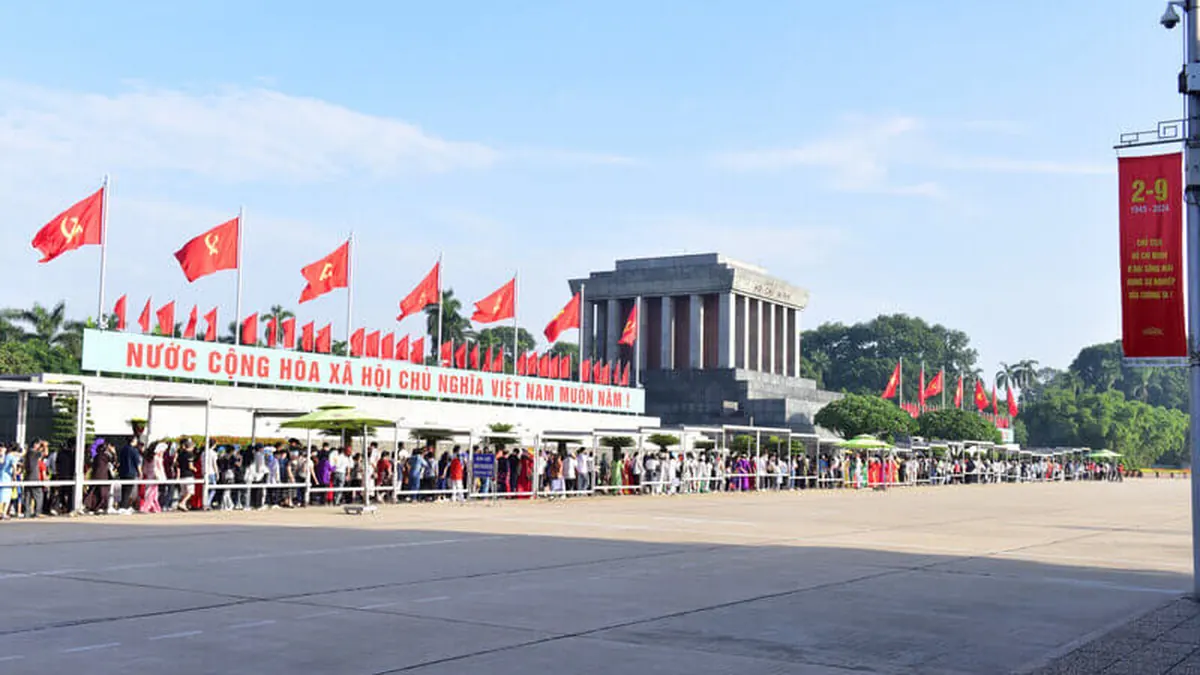
Dress Code and Rules at the Ho Chi Minh Mausoleum
- Dress modestly: no shorts, short skirts, sleeveless tops or vests; shoulders and knees covered.
- Hats off before you enter, and take your hands out of your pockets.
- No photos or video inside, and no talking, pointing, eating or smoking.
- Keep moving in line and follow the guards’ instructions; they are polite but strict.
- Children are welcome but must stay quiet and hold an adult’s hand.
How to Get to the Ho Chi Minh Mausoleum
| From | How | Time |
|---|---|---|
| Hoan Kiem Lake / Old Quarter | Taxi or Grab car (about 50,000–80,000 VND) | 10–15 minutes |
| Hoan Kiem Lake / Old Quarter | Walk via Phung Hung or Dien Bien Phu streets | 30–40 minutes |
| Old Quarter | Cyclo or electric car tour (often includes the mausoleum exterior) | 15–25 minutes |
| Temple of Literature | Walk north along Le Duan or Hung Vuong area | 15–20 minutes |
| Noi Bai International Airport | Taxi or Grab via Nhat Tan Bridge | 40–60 minutes |
For buses, Grab and taxi tips, see our guide to getting around Hanoi.
Best Time to Visit the Ho Chi Minh Mausoleum
| When | What to expect |
|---|---|
| October–April | Cooler, drier weather and the most comfortable queuing; note the 2026 maintenance closure until 2 November |
| May–September | Hot and humid (often above 33°C) with summer showers; go at opening time and bring water for the queue |
| Tuesday–Thursday mornings | Usually shorter queues than weekends |
| Weekends, 19 May, 2 September, Tet | Very crowded with Vietnamese visitors and school groups; an unforgettable atmosphere but long waits |
| 6:00 or 21:00 daily | Flag raising or lowering on Ba Dinh Square, open even when the mausoleum is closed |
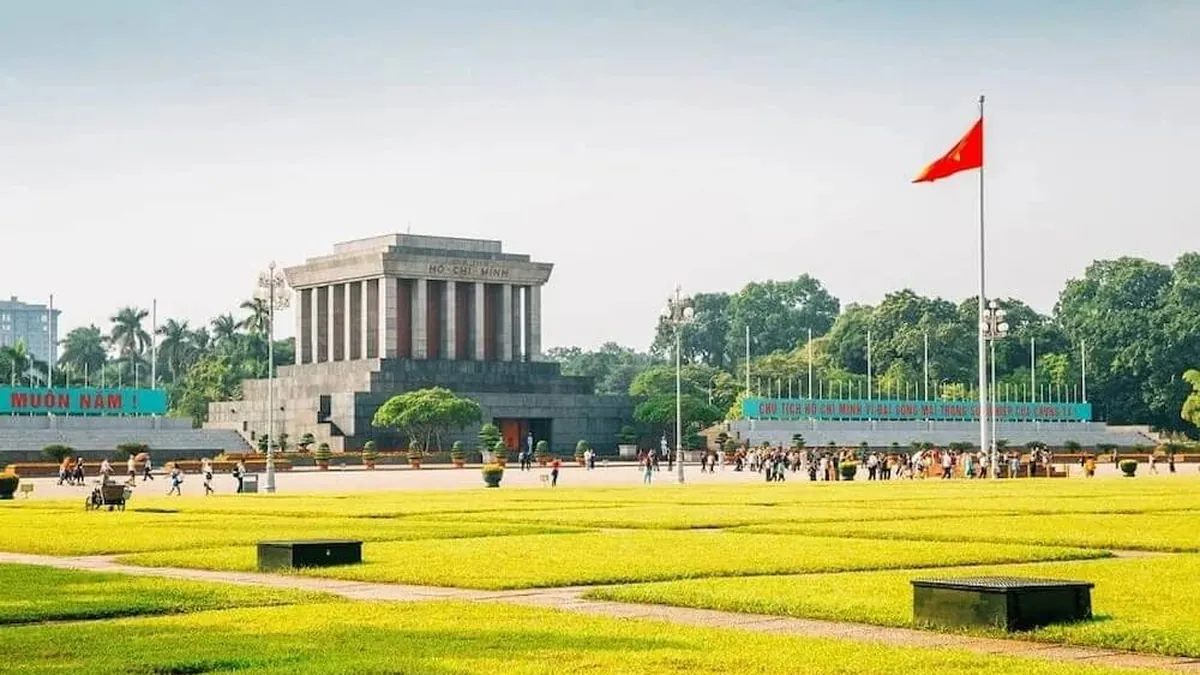
Local Expert Tips for the Ho Chi Minh Mausoleum
These tips come from years of arranging Hanoi tours for international travellers.
- Plan the mausoleum for your first open morning in Hanoi; if it falls on a Monday or Friday, swap days with the Old Quarter or a museum.
- Wear long trousers or a long skirt from the start; there is nowhere convenient to change near the queue.
- Carry as little as possible so you can skip the baggage deposit and save time.
- Visiting during the September–November closure? Watch the evening flag lowering at 21:00 and see the One Pillar Pagoda and Presidential Palace grounds instead.
- Combine the complex with the Temple of Literature and lunch nearby; our Hanoi food and drinks guide lists good options.
- A licensed guide adds a lot here, because almost no signs inside the complex are in English.
Ho Chi Minh Mausoleum vs Imperial Citadel of Thang Long
| Ho Chi Minh Mausoleum | Imperial Citadel of Thang Long | |
|---|---|---|
| Era | 20th century, modern Vietnam | 11th–19th centuries, royal dynasties, plus wartime bunkers |
| Experience | Short, solemn, highly structured | Relaxed walk through gates, palaces and excavations |
| Ticket | Free | 100,000 VND |
| Opening | Five mornings a week; annual closure | Full day, about 8:00–17:00 |
| Recognition | National special relic | UNESCO World Heritage Site (2010) |
Our view: they are only 10 minutes apart on foot, so do both. Visit the mausoleum at opening time and walk to the Thang Long Citadel for the late morning or afternoon.
Nearby Attractions
- Temple of Literature: Vietnam’s first national university, about 1.5 km south.
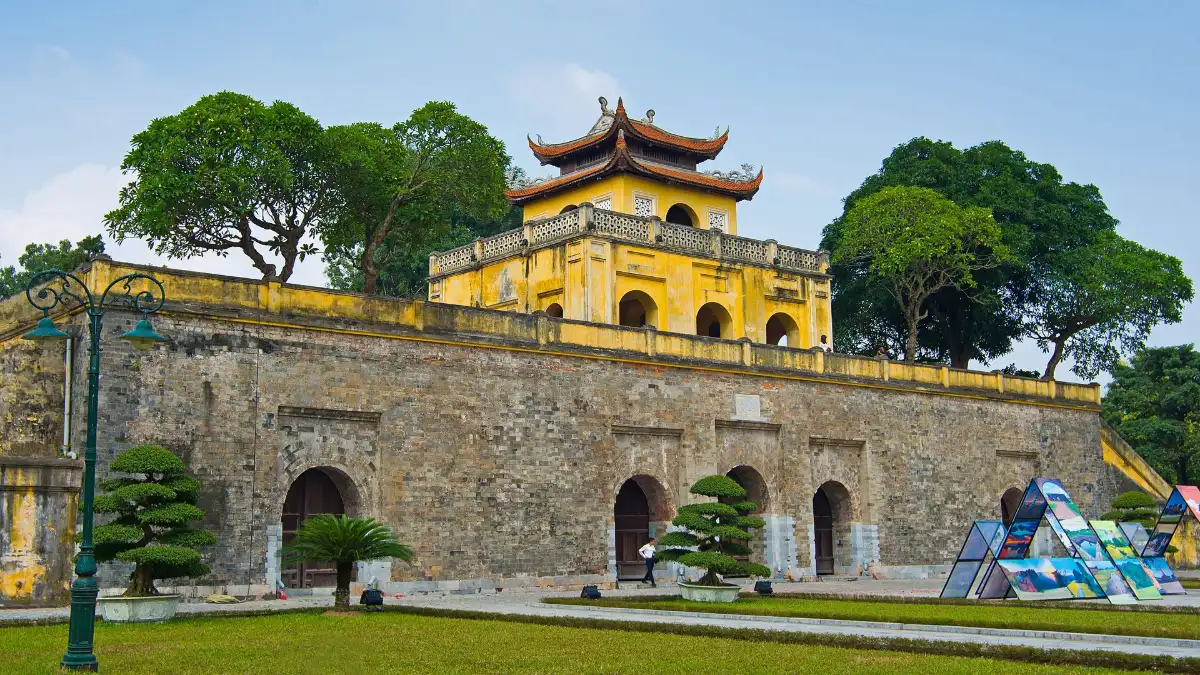
- Imperial Citadel of Thang Long: UNESCO-listed royal citadel across Hoang Dieu Street.
- Vietnam Military History Museum: the new museum on Thang Long Avenue, or the Hanoi Flag Tower near the citadel.
- Tran Quoc Pagoda and Quan Thanh Temple: about 1.5 km north, towards West Lake.
- Vietnam Fine Arts Museum: opposite the Temple of Literature.
- Hoa Lo Prison Museum: the “Hanoi Hilton”, for more 20th-century history.
Sightseeing in Hanoi for First-Time Visitors: Where the Ho Chi Minh Mausoleum Fits
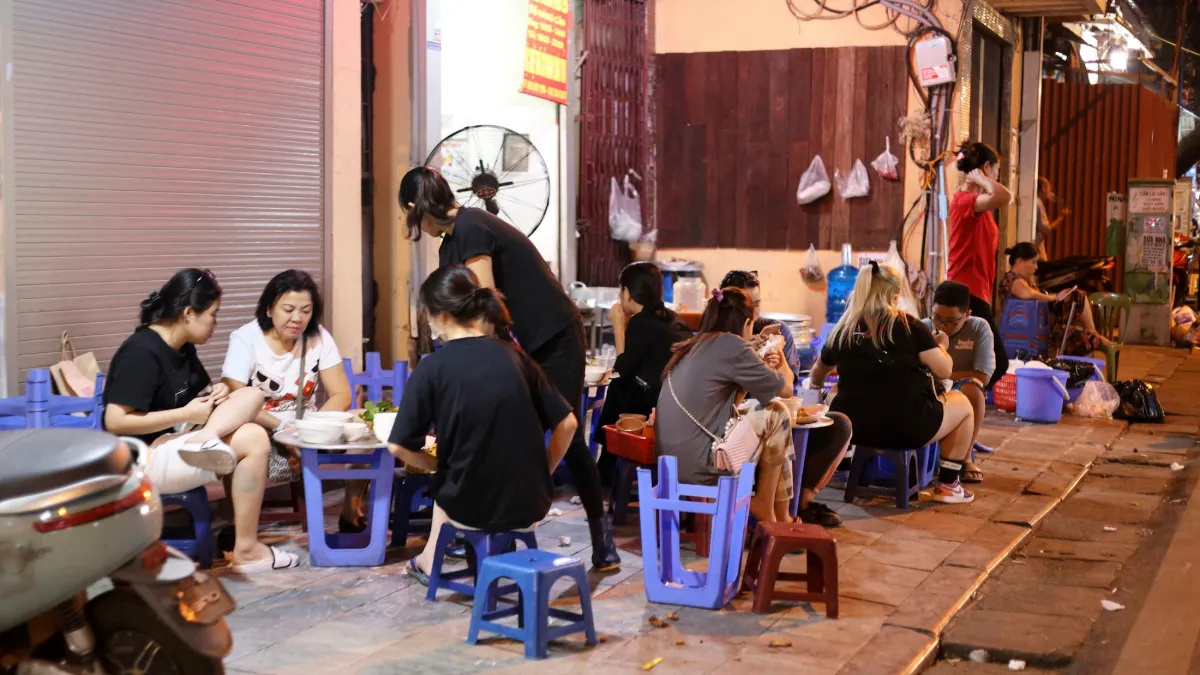
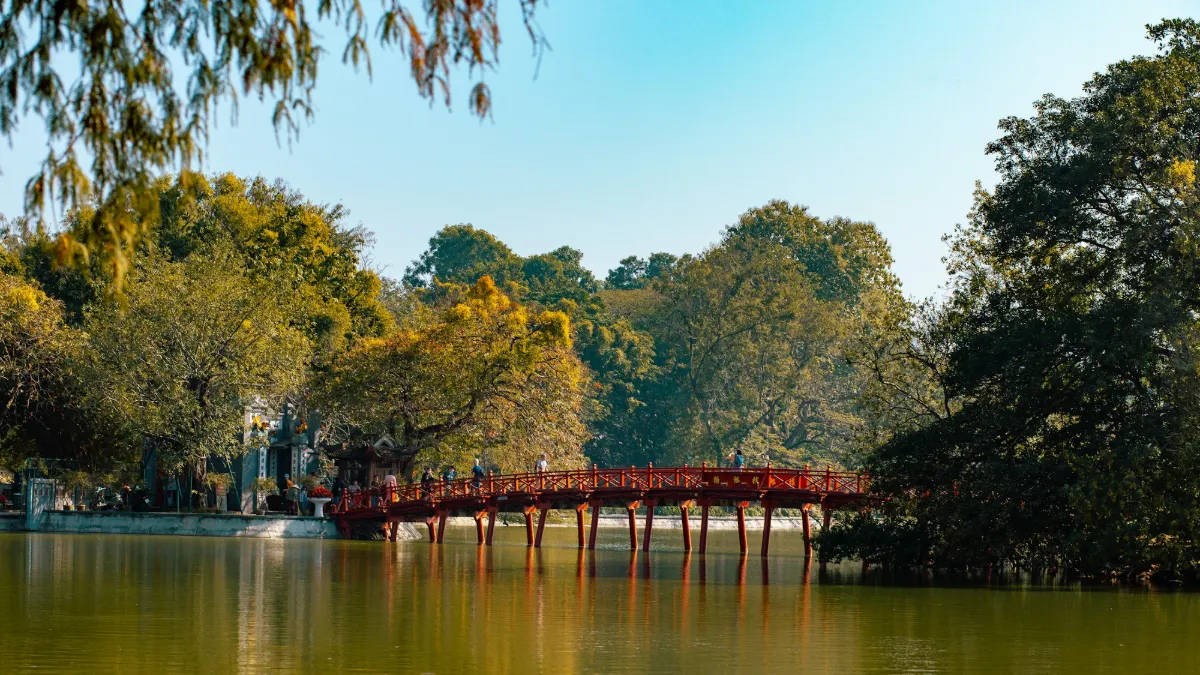
One day in Hanoi? Start at the mausoleum at opening time, see the One Pillar Pagoda and Stilt House, walk to the Temple of Literature, then spend the afternoon at Hoan Kiem Lake and Ngoc Son Temple, ending with street food in the Old Quarter. With two days, add the citadel, West Lake and the Museum of Ethnology. Our Hanoi travel tips cover money, weather and safety.
Plan your trip with our Hanoi travel guide and Hanoi tours. Contact Vietnam Tour Expert Team for a free custom itinerary.
Frequently Asked Questions about the Ho Chi Minh Mausoleum
1. Is the Ho Chi Minh Mausoleum open now?
It is closed for annual maintenance from 4 September to 2 November 2026 and reopens on 3 November 2026. Outside that period it opens on Tuesday, Wednesday, Thursday, Saturday and Sunday mornings.
2. What are the Ho Chi Minh Mausoleum opening hours?
From 1 April to 31 October it opens 7:30–10:30 (Tuesday–Thursday) and 7:30–11:00 at weekends and on holidays. From 1 November to 31 March the hours are 8:00–11:00 and 8:00–11:30 at weekends and on holidays.
3. Which days is the Ho Chi Minh Mausoleum closed?
It is closed every Monday and Friday, except when 19 May, 2 September or the first day of Tet falls on those days, and during the annual maintenance period.
4. How much is the Ho Chi Minh Mausoleum ticket?
Entry to the mausoleum is free for everyone. The Presidential Palace relic site with the Stilt House and the Ho Chi Minh Museum each charge foreign visitors about 40,000 VND.
5. What should I wear to the Ho Chi Minh Mausoleum?
Wear clothes that cover your shoulders and knees: no shorts, short skirts, sleeveless tops or vests. Remove hats before entering.
6. Can I take photos inside the Ho Chi Minh Mausoleum?
No. Photography and filming are forbidden inside the building; you may take photos of the exterior and Ba Dinh Square.
7. How long does a visit to the Ho Chi Minh Mausoleum take?
The walk past the body takes only a few minutes, but with security and queuing allow about an hour. The whole complex needs 2.5–3 hours.
8. How long is the queue at the Ho Chi Minh Mausoleum?
Usually 20–60 minutes; it is longest at weekends and around national holidays. Arriving before opening on a weekday helps.
9. Can I bring a bag to the Ho Chi Minh Mausoleum?
Small personal items are allowed, but large bags, food, drinks and professional cameras must be left at the free baggage deposit before you queue.
10. Is Ho Chi Minh really inside the mausoleum?
Yes. His embalmed body lies in a glass sarcophagus in the central hall, guarded by soldiers of the Mausoleum Guard Command.
11. Why is the Ho Chi Minh Mausoleum closed every year?
The building and the preservation of the body undergo scheduled maintenance for around two months each year; in 2026 the period is 4 September–2 November.
12. What can I see near the Ho Chi Minh Mausoleum when it is closed?
Ba Dinh Square, the flag ceremonies, the One Pillar Pagoda and the nearby Imperial Citadel of Thang Long remain open.
13. When is the flag ceremony at the Ho Chi Minh Mausoleum?
The flag is raised at 6:00 in summer and 6:30 in winter, and lowered at 21:00 every evening on Ba Dinh Square.
14. How do I get to the Ho Chi Minh Mausoleum from the Old Quarter?
A taxi or Grab takes 10–15 minutes from the Old Quarter; walking takes 30–40 minutes.
15. Can children visit the Ho Chi Minh Mausoleum?
Yes, children are welcome, but they must stay quiet and keep moving with the line.
16. When was the Ho Chi Minh Mausoleum built?
Construction started on 2 September 1973 and the mausoleum was inaugurated on 29 August 1975.
17. How tall is the Ho Chi Minh Mausoleum?
The granite structure is 21.6 metres high and 41.2 metres wide.
18. Is the Ho Chi Minh Mausoleum worth visiting?
Yes. It is free, central and the best introduction to modern Vietnamese history, especially combined with the Temple of Literature on the same morning.
Related Posts

Hanoi Egg Coffee (2026): Best Cafés, Prices, History & Recipe
Hanoi Train Street (2026): Is It Open? Train Times, Cafés & Rules

Hanoi Shopping Guide: Best Markets, Streets & Souvenirs to Buy (2026)

Hanoi Travel Tips: Essential Things to Know Before You Go (2026)

Hanoi Transportation: How to Get Around Hanoi & From Noi Bai Airport (2026 Guide)