Can Tho & Cai Rang Floating Market: Best Time & Guide
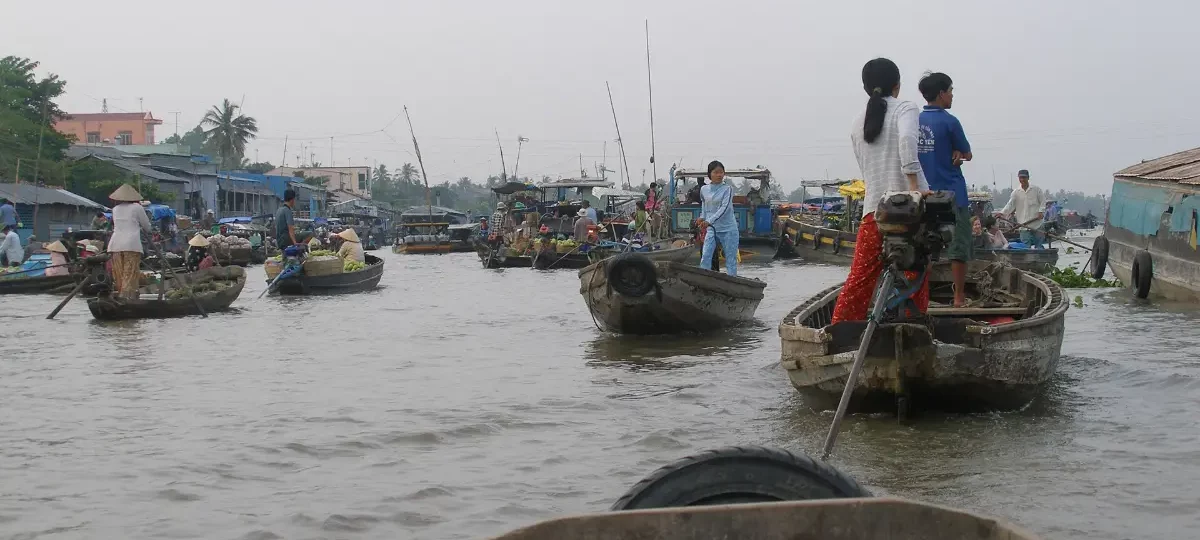
Can Tho (Cần Thơ) is the largest city of the Mekong Delta, about 170 km (3.5 hours) south-west of Saigon on the Hau River. It is famous for the Cai Rang floating market, the biggest in the delta, where wholesale boats trade fruit and vegetables from about 5:00 to 7:00. Boats leave Ninh Kieu Wharf at dawn; the market itself is free.
Status (checked October 2026): the Cai Rang floating market trades every morning as normal, though it is smaller than a decade ago as goods move to roads. In February 2026 the city stopped tourist pick-ups at one pier beside the market over price gouging, so book boats at Ninh Kieu Wharf or through a reputable operator. Since mid-2025 Can Tho city includes former Soc Trang and Hau Giang provinces.
Why Can Tho is worth seeing:
- Cai Rang floating market: the delta’s largest, a national intangible cultural heritage since 2016.
- Sunrise on the Hau River: boat trips at dawn past houseboats and riverside life.
- Ninh Kieu Wharf: a lively riverside promenade and night market.
- Binh Thuy Ancient House: an 1870 mansion blending French and Vietnamese styles.
- Best base in the delta: good hotels and quick links to Chau Doc, Vinh Long and Soc Trang.
Can Tho and Cai Rang Floating Market at a Glance
| Vietnamese name | Cần Thơ; Chợ nổi Cái Răng |
|---|---|
| Location | Hau (Bassac) River; market on the Can Tho River in Cai Rang ward, Can Tho city |
| Distance | About 170 km from Ho Chi Minh City; market 6–7 km from Ninh Kieu Wharf |
| Known for | Floating market, river life, fruit orchards, rice-noodle workshops |
| Recognition | Cai Rang floating market culture: national intangible cultural heritage (2016) |
| Market hours | From before dawn; busiest about 5:00–7:00 |
| Entrance fee | Free; you pay only for the boat |
| Time needed | 1–2 nights in Can Tho; 3–4 hours for the market boat trip |
| Best time | December–April; sunrise |
| Nearby | Vinh Long, Chau Doc, Cai Be |
| Find it | Google Maps · Tripadvisor · Wikipedia |
Is Can Tho Worth Visiting?
Yes, it is the place to see a real floating market. Markets near Saigon have almost vanished, but at Cai Rang dozens of boats still trade each morning. Can Tho is a modern, friendly city with good hotels, so one night here turns a hurried Mekong trip into a memorable one.
- Best for: travellers with two or more days for the delta, photographers and food lovers.
- Skip if: you have only one day from Saigon; choose My Tho and Ben Tre instead.
- Short on time: sunrise boat to Cai Rang, a noodle workshop, then breakfast on the water.
History of Can Tho and Its Floating Market
Can Tho developed in the 18th and 19th centuries as a rice and trading town on the Hau River, the southern branch of the Mekong. Before roads and bridges spread, canals were the delta’s highways, and markets formed on the water where channels met. Cai Rang grew from the early 20th century into the biggest of them, a wholesale hub where farmers sold to traders who shipped produce across the region.
In 2016 Vietnam’s Ministry of Culture, Sports and Tourism listed the culture of the Cai Rang floating market as a national intangible cultural heritage. Today the city faces the challenge of keeping it alive as trucks replace boats; the authorities have discussed upgrades and even evening activities to support traders. In 2025 Can Tho merged with Soc Trang and Hau Giang, becoming a city of more than 6,300 km².
What to See in Can Tho
1. Cai Rang Floating Market
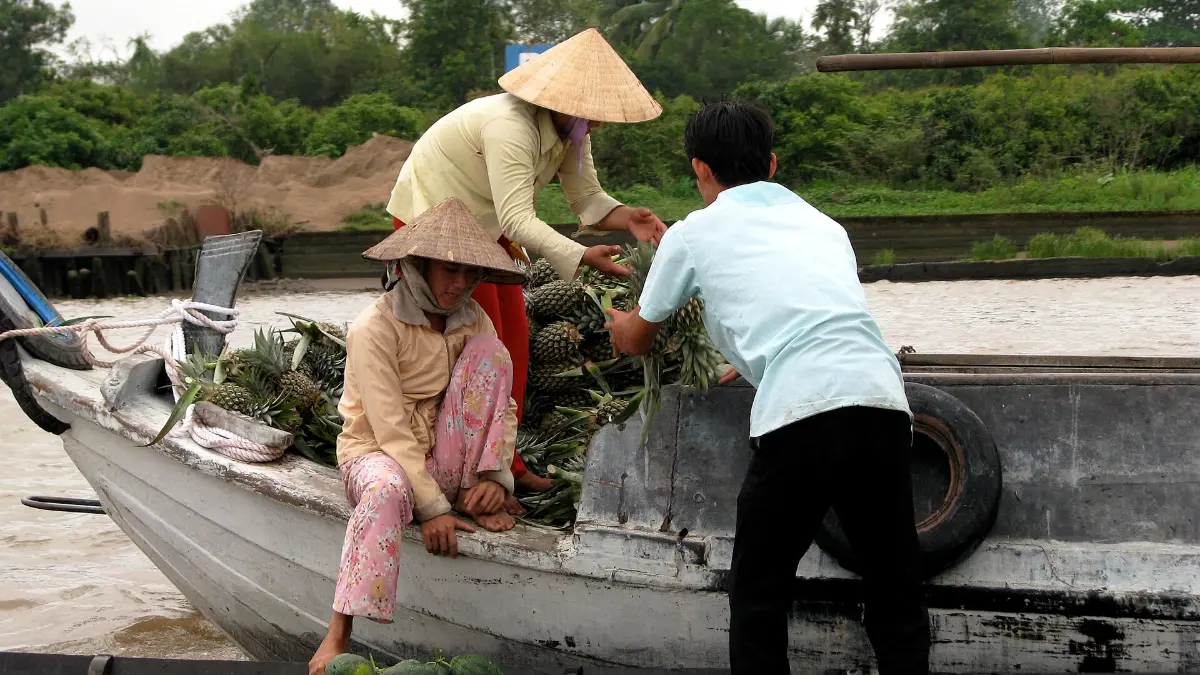
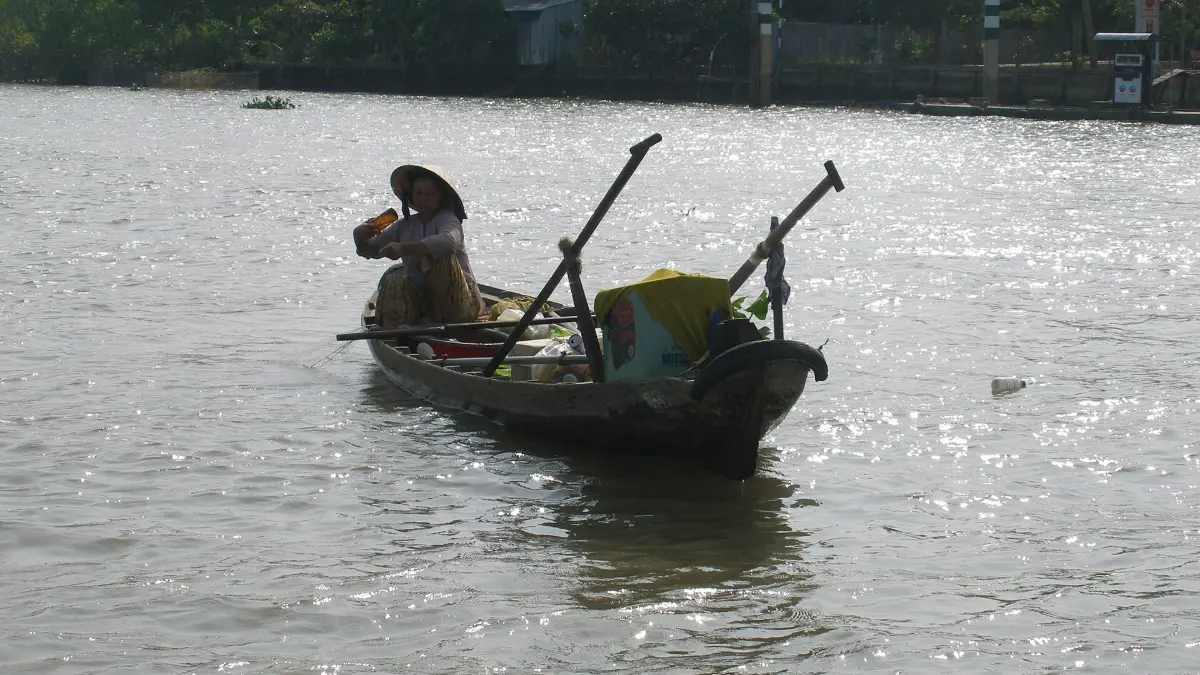
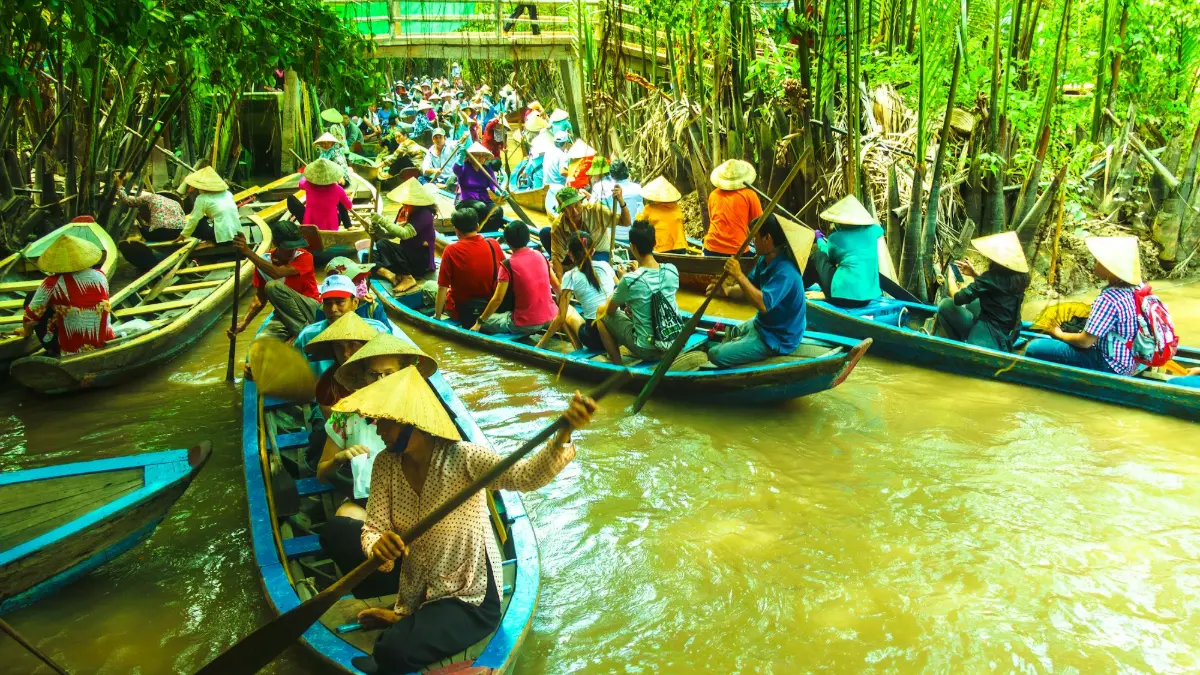
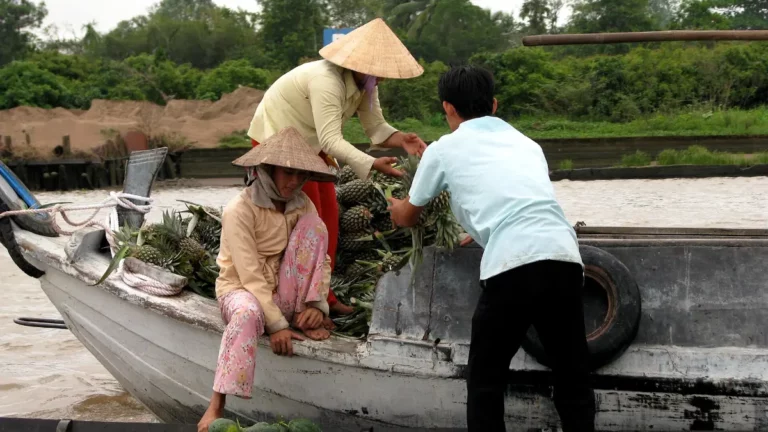
Large wooden boats moor in the Can Tho River near Cai Rang Bridge, loaded with pumpkins, watermelons, pineapples, sweet potatoes and more. Each hangs samples of its goods from a tall bamboo pole, the cây bẹo, instead of a sign. Small sampans weave between them selling coffee, fruit and hot noodle soup to traders and visitors. Families live aboard, so you will see laundry, pot plants and even motorbikes on deck.
2. Ninh Kieu Wharf
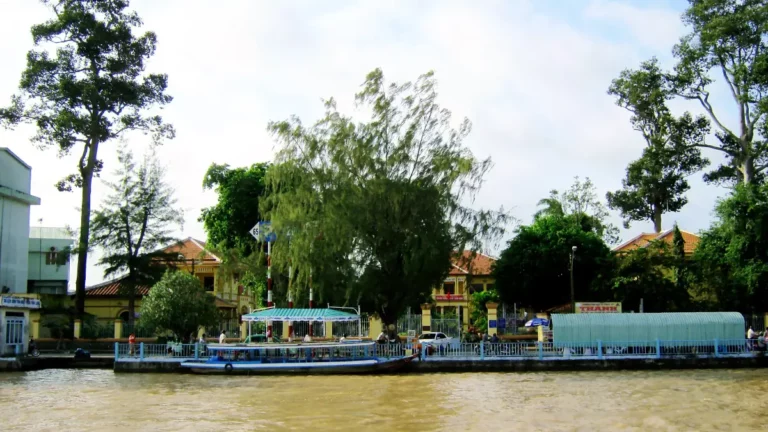
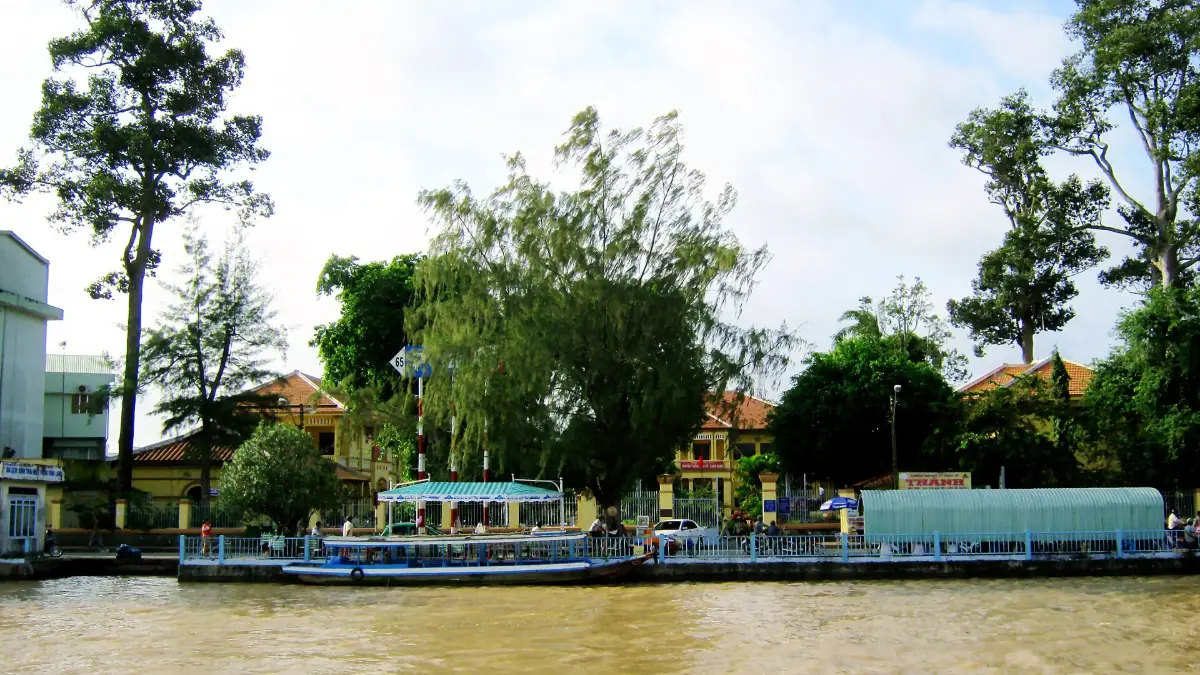
Can Tho’s riverside promenade is where dawn boats depart. In the evening the wharf, the illuminated pedestrian bridge and the nearby night market fill with locals.
3. Binh Thuy Ancient House
Built in 1870 for the Duong family, this mansion in Binh Thuy ward combines a French façade with a Vietnamese wooden interior, antiques and a garden. It is a short drive from the centre.
4. Ong Pagoda
Facing Ninh Kieu Wharf, this late-19th-century Chinese assembly hall built by the Cantonese community is dedicated to Guan Yu and filled with incense coils and carved woodwork.
5. Rice-noodle workshops
Near Cai Rang, family workshops make hủ tiếu noodles by steaming rice batter into sheets, drying them on bamboo racks and cutting them; most market tours stop at one.
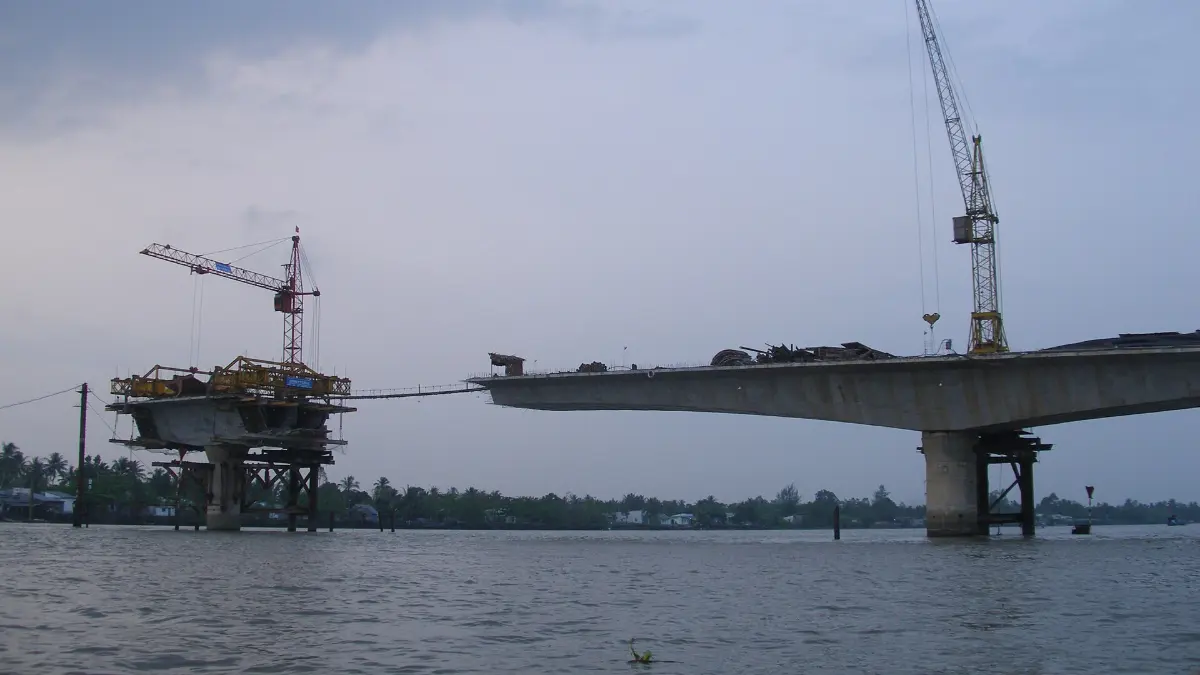
6. Can Tho Bridge
The cable-stayed bridge over the Hau River opened in 2010, ending the ferry crossing and linking Can Tho with Vinh Long and Saigon.
7. Orchards and canals
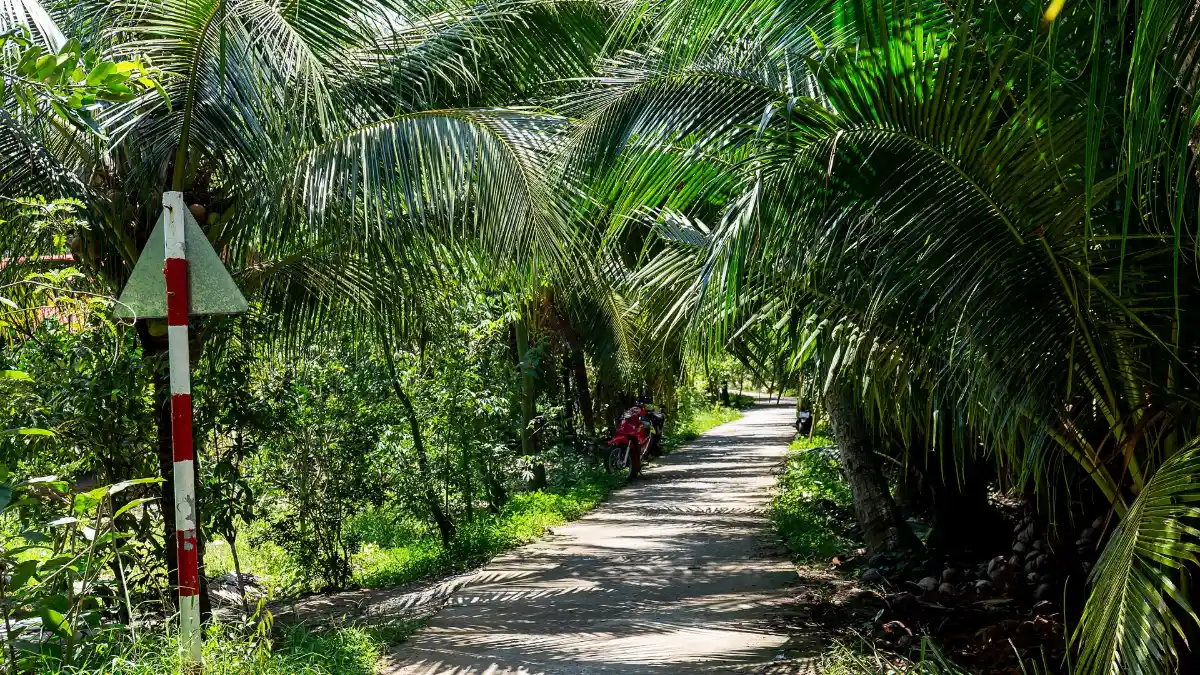
Phong Dien and the countryside around the city have fruit gardens and quiet canals, ideal for cycling or a sampan ride after the market.
Boat Trips and Prices (2026)
| Option | Typical price | Duration |
|---|---|---|
| Shared boat from Ninh Kieu Wharf to Cai Rang | From about 100,000–150,000 VND per person | 2–3 hours |
| Private boat (Cai Rang only) | Priced per boat; agree before boarding | 2–3 hours |
| Private boat (Cai Rang + canals + orchard) | Higher, depending on route | 4–5 hours |
| Floating market itself | Free | Busiest about 5:00–7:00 |
Boat prices are set by operators and vary with season and fuel costs; use licensed boats with life jackets.
How to Visit the Cai Rang Floating Market, Step by Step
- Book a boat the evening before at Ninh Kieu Wharf, through your hotel or a tour operator.
- Board around 5:00–5:30; it takes about 30 minutes to reach the market.
- Watch the wholesale trading and buy a coffee or fruit from a passing sampan.
- Eat a bowl of noodle soup served from a boat.
- Continue to a rice-noodle workshop and, if time allows, small canals and an orchard.
- Return to Ninh Kieu Wharf by about 9:00–11:00.
How to Get to Can Tho
| From | How | Time |
|---|---|---|
| Ho Chi Minh City | Private car via the expressway and My Thuan bridges | About 3.5 hours |
| Mien Tay bus station | Sleeper or seated bus, limousine van | About 3.5–4 hours |
| Hanoi and other cities | Domestic flight to Can Tho International Airport | About 2 hours from Hanoi |
| Chau Doc | Car or bus | About 3 hours |
| Vinh Long | Car or bus | About 1 hour |
More options are in our Mekong Delta transportation guide.
Best Time to Visit Can Tho
| When | What to expect |
|---|---|
| December – April | Dry, clear sunrises; the market is busiest before Tet |
| May – August | Fruit season; hot with afternoon storms |
| September – November | High water; green and dramatic skies, occasional heavy rain |
| Time of day | Be on the water by 5:30; trading thins after about 8:00 |
Local Expert Tips for Can Tho
These tips come from years of arranging Mekong Delta tours for international travellers.
- Sleep near Ninh Kieu Wharf: a five-minute walk to the boats makes the early start easy.
- Agree on everything first: price, route and finish time before boarding.
- Choose a smaller boat: it can slip between the wholesale boats for better views.
- Avoid the first days of Tet: the market is almost empty.
- Bring small notes for drinks and fruit bought from sampans.
- Read our Mekong Delta travel tips before you go.
Cai Rang vs Cai Be Floating Market
| Feature | Cai Rang (Can Tho) | Cai Be |
|---|---|---|
| Distance from Saigon | About 170 km | About 110 km |
| Size today | Largest in the delta, still active | Only a few boats |
| Best time | 5:00–7:00 | Early morning |
| Trip type | Overnight | Day trip |
Our view: if a floating market is a priority, Cai Rang is the one to see; Cai Be is worth visiting for its church and old houses rather than its market.
Nearby Attractions
- Vinh Long: An Binh island homestays and brick kilns, 1 hour away.
- Chau Doc: Sam Mountain and the Tra Su forest.
- Cai Be: riverside church and heritage houses.
- Ben Tre: coconut canals and cycling.
Mekong Delta for First-Time Visitors: Where Can Tho Fits
Two days? Drive from Saigon via Ben Tre or Vinh Long, sleep in Can Tho and see Cai Rang at sunrise. Three days? Continue to Chau Doc, or return via My Tho. Compare options in our Mekong Delta day trip guide and choose a hotel from where to stay in the Mekong Delta.
Plan your trip with our Mekong Delta travel guide and Mekong Delta tours. Contact Vietnam Tour Expert Team for a free custom itinerary.
Frequently Asked Questions about Can Tho and Cai Rang Floating Market
1. What is the best time to visit the Cai Rang floating market in Can Tho?
Arrive at the Cai Rang floating market between about 5:00 and 7:00, when wholesale trading is busiest; most boats from Can Tho leave Ninh Kieu Wharf around 5:00–5:30.
2. How far is the Cai Rang floating market from Can Tho centre?
The Cai Rang floating market is about 6–7 km from central Can Tho, roughly 30 minutes by boat from Ninh Kieu Wharf.
3. Is the Cai Rang floating market still worth visiting in 2026?
Yes. The Cai Rang floating market in Can Tho is smaller than a decade ago as trade moves to roads, but it remains the largest and liveliest floating market in the Mekong Delta.
4. How much is a boat to the Cai Rang floating market?
Shared boats from Can Tho’s Ninh Kieu Wharf typically cost from about 100,000–150,000 VND per person, while private boats are priced per boat; agree the price and route before boarding.
5. How far is Can Tho from Saigon?
Can Tho is about 170 km from Saigon, roughly 3.5 hours by car or bus on the expressway via the My Thuan bridges.
6. Can I visit Can Tho on a day trip from Saigon?
It is possible but tiring and you would miss the dawn market, so we recommend staying at least one night in Can Tho.
7. What do the poles on Cai Rang floating market boats mean?
At the Cai Rang floating market each boat hangs samples of its goods on a tall bamboo pole called a cây bẹo, so buyers can see from afar what is for sale.
8. Is the Cai Rang floating market a heritage site?
Yes. The culture of the Cai Rang floating market in Can Tho was recognised as a national intangible cultural heritage by Vietnam’s Ministry of Culture, Sports and Tourism in 2016.
9. What else is there to see in Can Tho?
Besides the floating market, Can Tho has Ninh Kieu Wharf and its night market, the 1870 Binh Thuy Ancient House, Ong Pagoda, rice-noodle workshops and fruit orchards.
10. Which province is Can Tho in after 2025?
Can Tho is a centrally run city; in 2025 it absorbed Soc Trang and Hau Giang provinces, becoming much larger.
11. Does Can Tho have an airport?
Yes. Can Tho International Airport is about 9 km north-west of the city centre, with domestic flights to cities such as Hanoi.
12. How many days do I need in Can Tho?
One night in Can Tho is enough for the Cai Rang floating market and the city sights; two nights let you add orchards, cycling or Phong Dien.
13. Is the Cai Rang floating market open every day?
The Cai Rang floating market trades every morning, but it is very quiet on the first days of Tet and on some festival days.
14. Where should I stay in Can Tho?
Stay near Ninh Kieu Wharf in Can Tho for easy dawn boat departures, or in a riverside homestay; see where to stay in the Mekong Delta.
15. What food should I try in Can Tho?
In Can Tho try hu tieu noodle soup on the floating market, banh xeo pancakes, grilled fish and tropical fruit; our Mekong Delta food guide has more.
16. What is the Phong Dien floating market near Can Tho?
Phong Dien is a smaller floating market about 20 km from central Can Tho; it has shrunk to very few boats, so Cai Rang is the better choice.
17. Is Can Tho a good base for exploring the Mekong Delta?
Yes. Can Tho is the largest city in the Mekong Delta, with good hotels and road links to Vinh Long, Chau Doc and Soc Trang.
Related Posts
Mekong Delta Travel Tips 2026: Best Time, Floods & Itineraries
Where to Stay in the Mekong Delta: Best Bases & Homestays

Mekong Delta Transportation: Saigon to Can Tho & Beyond
Mekong Delta Food Guide: Must-Try Dishes & Specialties
Cai Be Mekong Delta: Floating Market, Church & Old Houses