Mekong Delta Food Guide: Must-Try Dishes & Specialties
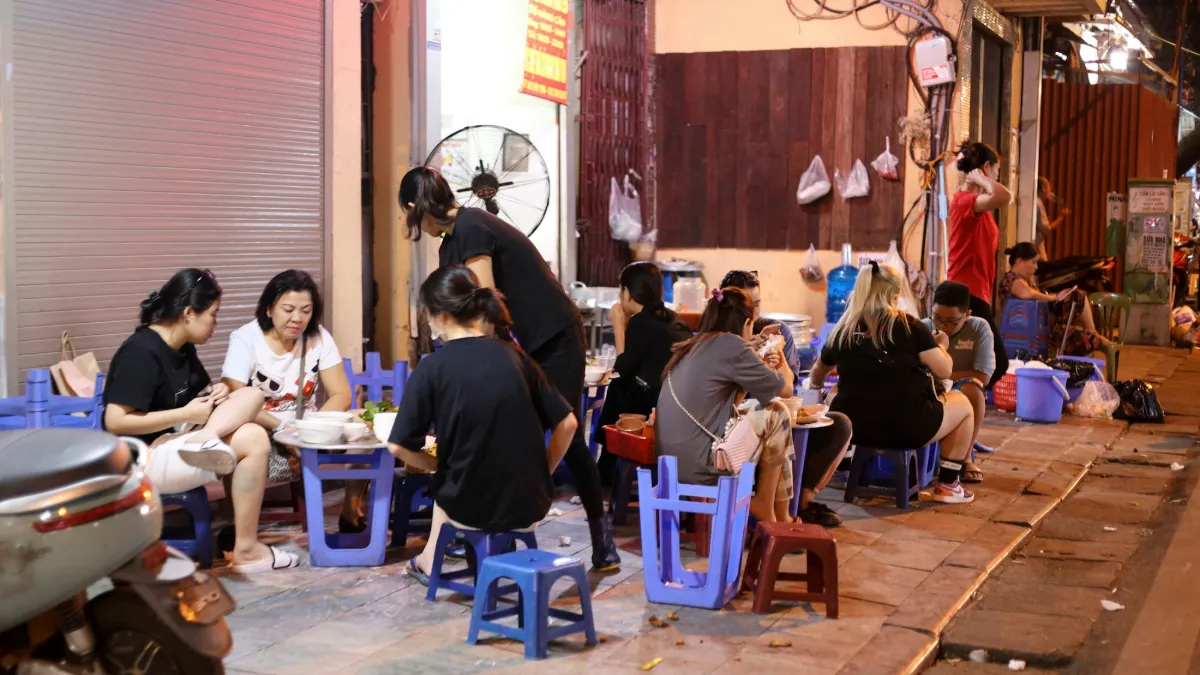
Mekong Delta food is fresh, sweet-savoury and river-based: try deep-fried elephant-ear fish rolled in rice paper, giant crispy bánh xèo pancakes, hủ tiếu My Tho noodle soup, lẩu mắm fermented-fish hotpot, Chau Doc fish noodle soup and orchard fruit. Street dishes cost about 30,000–60,000 VND (US$1.20–2.40); a full riverside meal about 150,000–350,000 VND per person.
Status (checked October 2026): Since the 1 July 2025 province mergers, many famous food towns sit in new provinces: My Tho is now in Dong Thap, Ben Tre in Vinh Long, Soc Trang in Can Tho city and Chau Doc in An Giang. October is the flood season, when sesbania (điên điển) flowers and linh fish appear in hotpots and soups across the upper delta.
Key takeaways:
- Signature dishes: elephant-ear fish, bánh xèo, hủ tiếu My Tho, lẩu mắm, bún cá Chau Doc, bún nước lèo and bánh cống.
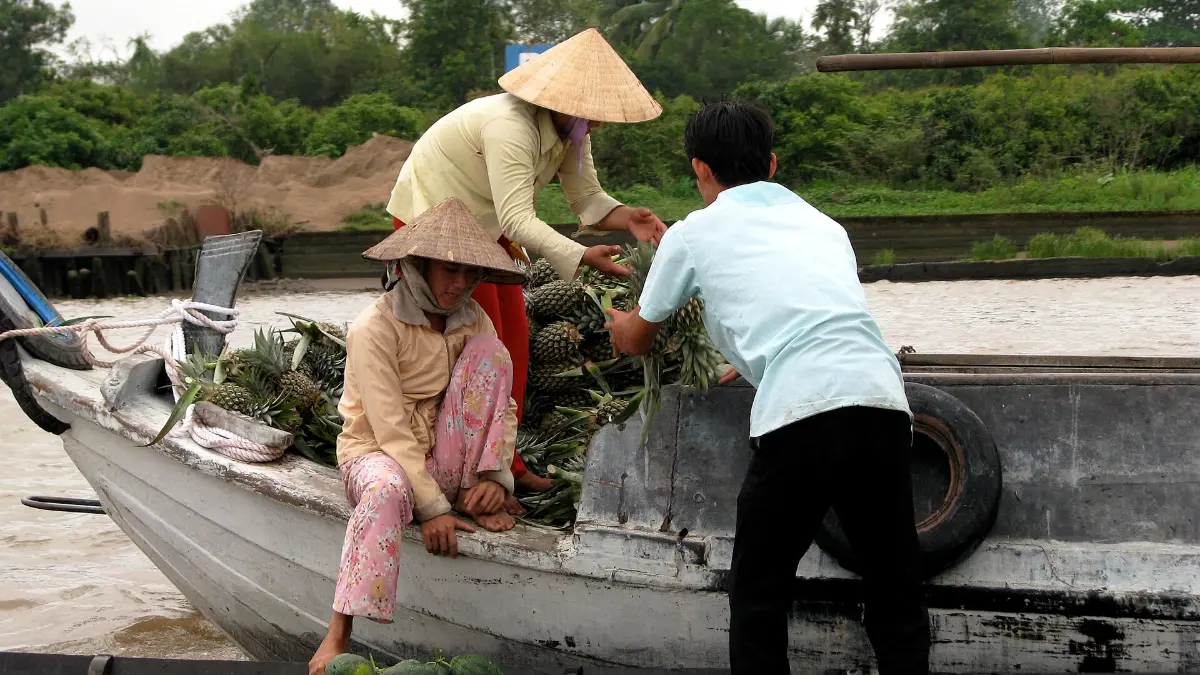
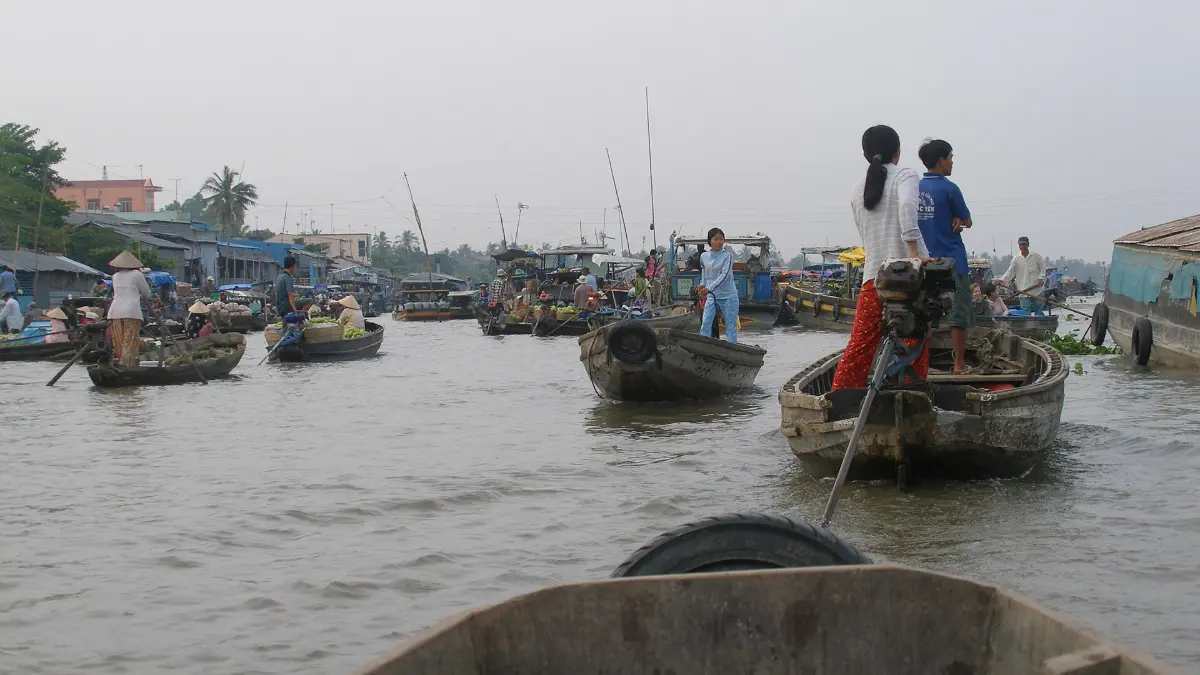
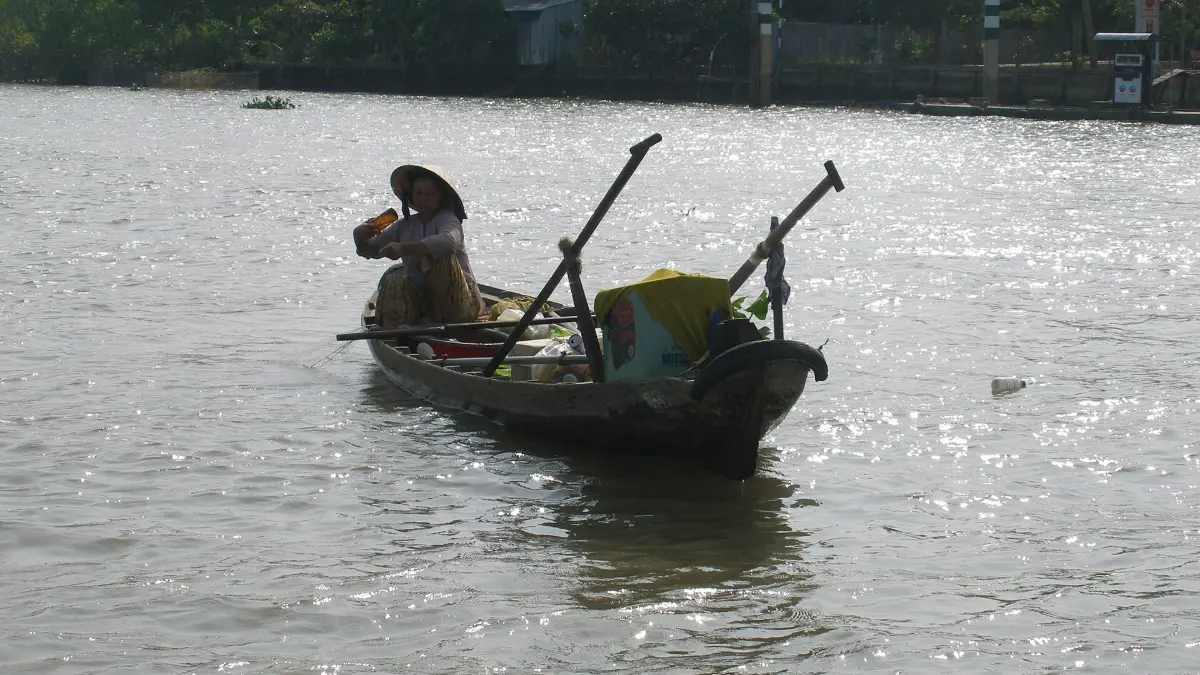
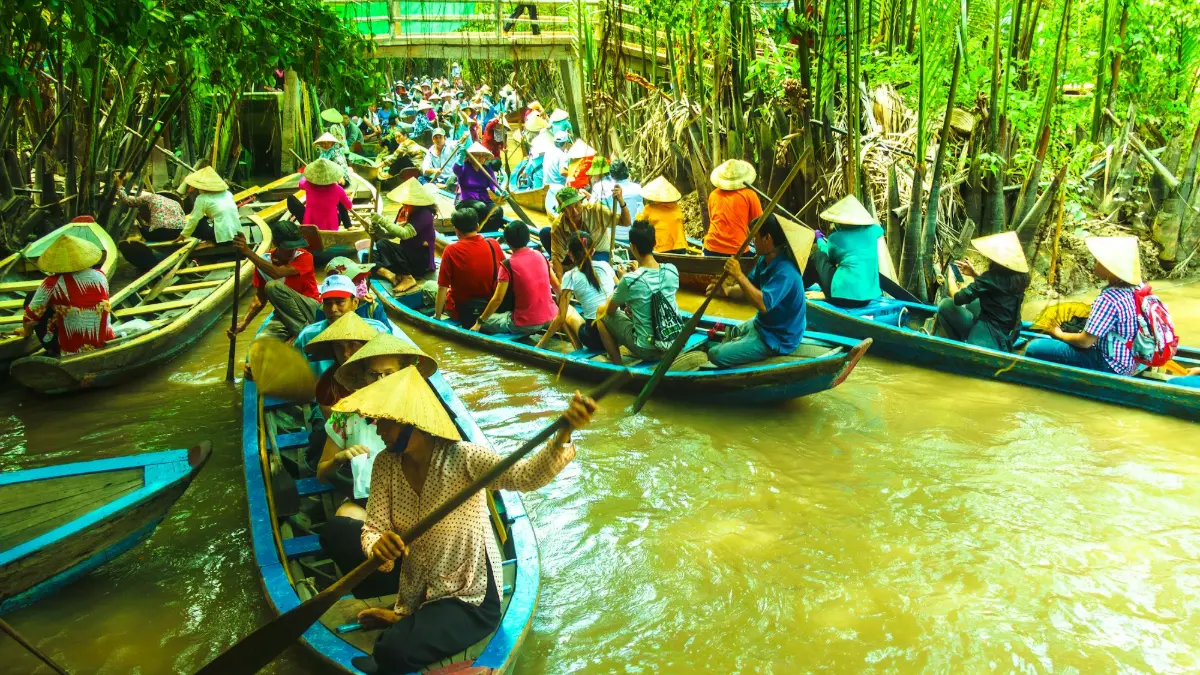
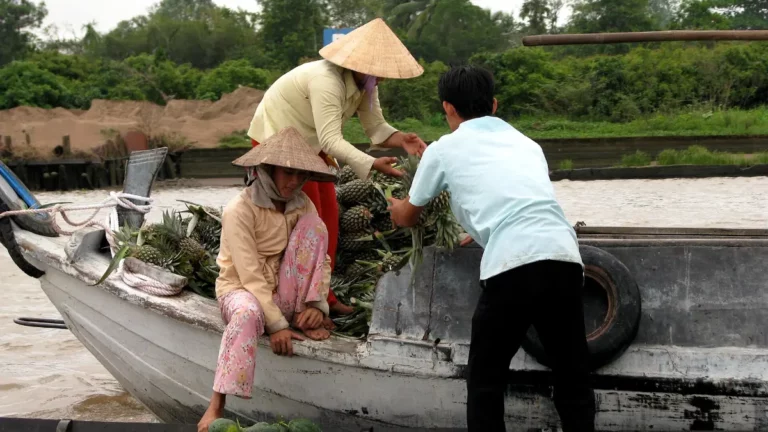
- Breakfast on the water: noodle soup and coffee sold from boats at the Cai Rang floating market in Can Tho.
- Fruit is the delta’s pride: peak orchard season is roughly May–August, but something is always in season.
- Most dishes are mild; chilli, lime and dipping sauces are added at the table.
- Prices are lower than in Ho Chi Minh City, but carry cash for markets, boats and orchards.
Mekong Delta Food at a Glance
| Cuisine style | Southern Vietnamese: sweeter, generous with herbs, coconut and freshwater fish |
|---|---|
| Must-try dishes | Cá tai tượng chiên xù, bánh xèo, hủ tiếu My Tho, lẩu mắm, bún cá Chau Doc, bún nước lèo, bánh cống |
| Best food bases | Can Tho, Chau Doc, My Tho, Ben Tre, Cai Be and Vinh Long |
| Street food price | About 30,000–60,000 VND (US$1.20–2.40) per dish |
| Riverside restaurant meal | About 150,000–350,000 VND (US$6–14) per person |
| Local coffee | About 15,000–30,000 VND (US$0.60–1.20) |
| Fruit season | Peak about May–August; flood-season foods August–November |
| Edible souvenirs | Ben Tre coconut candy, Chau Doc fermented fish (mắm), Soc Trang bánh pía, Sa Dec dried rice noodles |
| Michelin Guide | Covers Hanoi, Ho Chi Minh City and Da Nang; no Mekong Delta selection yet |
| Payment | Cash for markets and boats; VietQR or cards in larger restaurants and hotels |
What Food Is the Mekong Delta Famous For?
The Mekong Delta is famous for freshwater fish, rice dishes and noodles, coconut and tropical fruit. Its cooking is built on what grows along the river: rice from the paddies, fish and shrimp from canals, coconuts from the palm groves of Ben Tre and fruit from the orchards of Cai Be, Vinh Long and Can Tho.
Compared with northern cooking, food here is slightly sweeter, uses more coconut milk and palm sugar, and comes with a basket of fresh herbs and wild leaves. Many families eat by “rolling”: wrapping fish, pork or pancake in rice paper or lettuce with herbs and dipping it in fish sauce. Khmer and Chinese communities add their own dishes, from fermented-fish noodle soups to mooncake-like pastries.
15 Must-Try Mekong Delta Dishes
These are the dishes we most often recommend to travellers on a first visit, with where they are best known and roughly what they cost.
1. Cá tai tượng chiên xù (deep-fried elephant-ear fish)
A whole elephant-ear gourami, deep-fried until the scales puff up and turn crisp, then served upright on a stand. Staff peel off the flesh and roll it with you in rice paper with lettuce, herbs, cucumber, pineapple and rice vermicelli, dipped in sweet-and-sour fish sauce. It is priced per fish, so it is best for a group of three or four. Garden restaurants near Cai Be, Vinh Long, Ben Tre and My Tho serve it, often on tours.
2. Bánh xèo miền Tây (Mekong-style sizzling pancake)
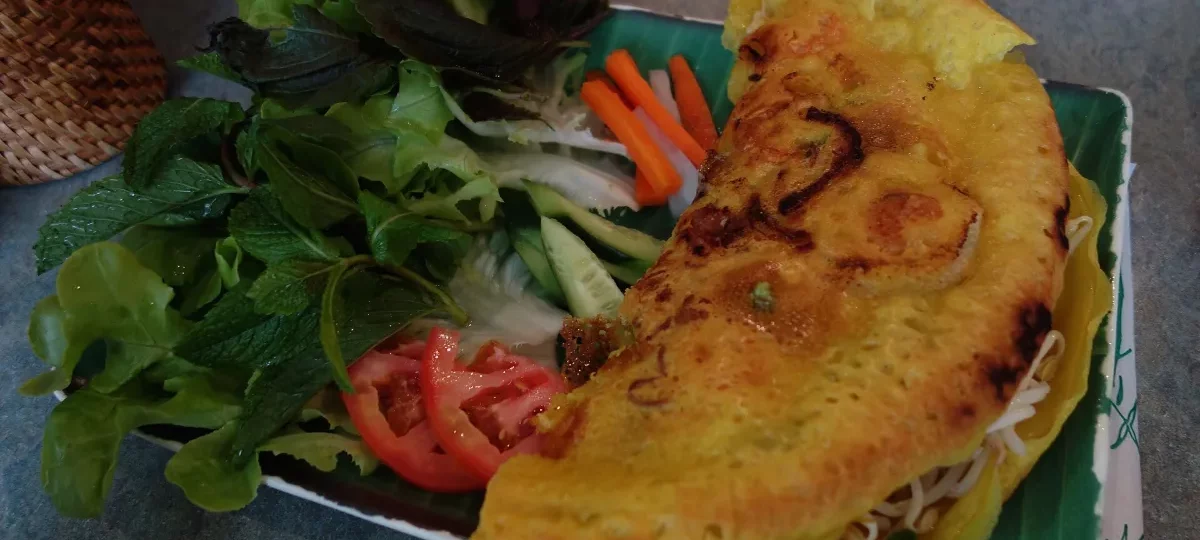
The delta’s pancake is larger and thinner than the central version. The rice-flour batter is coloured with turmeric and enriched with coconut milk, then filled with shrimp, pork, bean sprouts and sometimes mushrooms. Tear off a piece, wrap it in mustard greens or lettuce with a pile of herbs and wild leaves, and dip it in fish sauce. Expect about 30,000–70,000 VND per pancake; Can Tho and the countryside around Ben Tre are good places to try it.
3. Hủ tiếu My Tho
My Tho’s famous noodle soup uses thin, chewy rice noodles made from Go Cat rice. The clear, slightly sweet broth is simmered with pork bones, dried squid and dried shrimp, and the bowl is topped with sliced pork, minced pork, liver and shrimp. Order it with broth (nước) or dry (khô) with the soup on the side. A bowl costs about 30,000–50,000 VND, and it is a classic breakfast if you stay in My Tho.
4. Lẩu mắm (fermented-fish hotpot)
The delta’s signature hotpot is built on a broth of fermented fish (mắm cá linh or mắm cá sặc), with pork, shrimp, squid, fish and eggplant. It comes with a huge tray of river vegetables and flowers: water lily stems, banana flower, morning glory and, in flood season, yellow sesbania flowers. The smell is strong but the taste is rich and savoury. Can Tho, Chau Doc and Soc Trang are known for it; one pot usually serves two to four people.
5. Bún cá Châu Đốc (Chau Doc fish noodle soup)
A yellow, turmeric-and-lemongrass broth with snakehead fish, round rice vermicelli, banana flower and water spinach, often with a little fermented fish for depth. It is Chau Doc’s favourite breakfast and costs about 25,000–45,000 VND at the market stalls. Combine it with a visit to Chau Doc and Sam Mountain.
6. Bún nước lèo (Khmer-style noodle soup)
Associated with Soc Trang and Tra Vinh, two areas with large Khmer communities, this soup has a broth flavoured with fermented fish (prahok-style mắm bò hóc), lemongrass and galangal, served with fish, roast pork and shrimp over vermicelli. It shows the Khmer influence that makes delta cooking different from the rest of Vietnam.
7. Cá lóc nướng trui (straw-grilled snakehead fish)
A whole snakehead fish skewered on a stick and grilled over burning straw, the way farmers once cooked in the fields. The blackened skin is peeled away and the white flesh is rolled with herbs and rice paper and dipped in tamarind or fish sauce. Many garden restaurants serve it alongside elephant-ear fish.
8. Bánh cống (mung bean and shrimp fritter)
A deep-fried cake of rice and soy flour, mung beans and taro, topped with a whole shrimp, cooked in a small cylindrical mould. It is wrapped in lettuce and herbs and dipped in fish sauce. It is closely linked to Can Tho and the former Soc Trang province and makes an excellent afternoon snack.
9. Lẩu cá linh bông điên điển (flood-season linh fish hotpot)
From about September to November, when water floods the upper delta, tiny linh fish arrive with the current and sesbania trees bloom yellow. The two are cooked together in a light sour hotpot. It is only available in flood season, especially around Chau Doc, Long Xuyen and the former Dong Thap areas.
10. Gỏi cuốn and cuốn dishes
Fresh rolls with shrimp, pork, herbs and vermicelli are found across Vietnam, but in the delta you will also roll grilled fish, pork belly and fried pancakes yourself. A cooking class at a homestay often starts with learning how to roll properly.
11. Cơm tấm Long Xuyên (broken rice)
Long Xuyen’s version of broken rice comes with sweet grilled pork, shredded pork skin, steamed egg meatloaf and a sweet sauce. It is a hearty breakfast or lunch for about 30,000–50,000 VND.
12. Hủ tiếu Sa Đéc and nem Lai Vung
Sa Dec is known for its dried rice noodles, sold as a souvenir and used in soups, while Lai Vung is famous for nem, fermented pork wrapped in leaves with a sour, garlicky taste. Both are in today’s Dong Thap province, a short trip from Sa Dec flower village.
13. Chè and coconut desserts
Sweet soups (chè) made with beans, sticky rice, banana or taro and topped with coconut cream are sold everywhere. Try chuối nướng (grilled banana in sticky rice with coconut sauce) and fresh coconut jelly served in the shell.
14. Bánh pía (Soc Trang flaky pastry)
A round, flaky pastry filled with mung bean, durian and salted egg yolk, made by the Chinese-Vietnamese community of Soc Trang. It is a popular gift to take home.
15. Kẹo dừa Bến Tre (Ben Tre coconut candy)
Ben Tre’s coconut candy began in Mo Cay and is made from coconut milk, malt syrup and sugar, cooked down and cut into chewy squares. Flavours include durian, pandan, peanut and cocoa. Many tours to Ben Tre stop at small family workshops to watch it being made.
Which Fruits Should You Try in the Mekong Delta?
Try whatever is in season at a riverside orchard: rambutan, longan, mangosteen, durian, star apple, pomelo, Hoa Loc mango, dragon fruit and jackfruit. The delta is Vietnam’s fruit basket, and visiting an orchard by bicycle or boat is one of the most enjoyable parts of a trip.
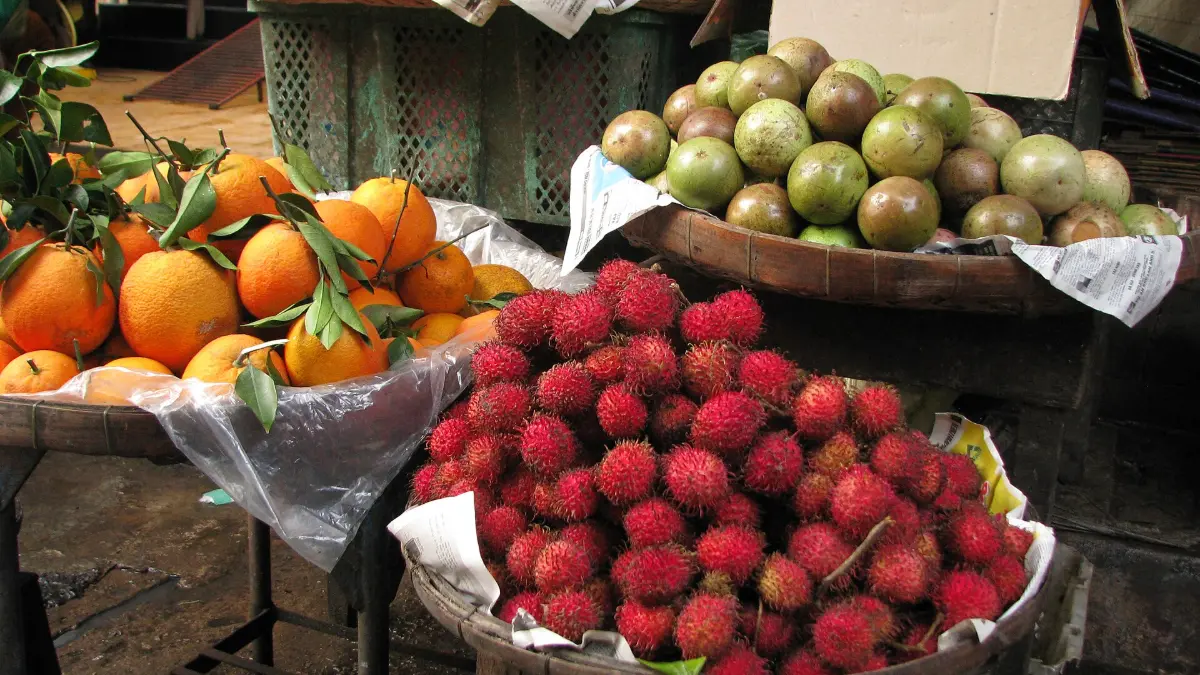
| Fruit | Where it is famous | Main season (approximate) |
|---|---|---|
| Hoa Loc mango | Cai Be area (former Tien Giang, now Dong Thap) | Main crop about March–May, available most of the year |
| Lo Ren star apple (vú sữa) | Vinh Kim area (former Tien Giang) | About December–March |
| Rambutan and durian | Cai Mon, Cho Lach (former Ben Tre, now Vinh Long) | About May–August |
| Nam Roi and green-skin pomelo | Vinh Long and former Ben Tre | Available most of the year; best before Tet |
| Longan and mangosteen | Vinh Long, Can Tho (Phong Dien), Cai Be | About June–August |
| Coconut | Former Ben Tre (now Vinh Long) | All year |
Orchard owners usually sell fruit by the kilo, and many tours include a fruit tasting with honey tea and traditional music. Ask before picking anything; the fruit is the family’s income.
Where to Eat in the Mekong Delta by Town
Can Tho has the widest choice, Chau Doc the most distinctive flavours, and the My Tho–Ben Tre–Cai Be area the easiest garden-restaurant lunches on a day trip from Ho Chi Minh City.
1. Can Tho
The delta’s largest city is the best base for food. Eat breakfast on the water at the Cai Rang floating market, then try lẩu mắm, bánh xèo and bánh cống in town. In the evening the riverside around Ninh Kieu wharf and the Ninh Kieu night market have grilled seafood, snails and desserts. See our Can Tho guide.
2. Chau Doc
Near the Cambodian border, Chau Doc is famous for its fermented fish market, bún cá, Khmer palm-sugar sweets and halal dishes from the local Cham Muslim community. The flood-season dishes here are excellent from September to November.
3. My Tho, Ben Tre and Cai Be
The classic day-trip area from Ho Chi Minh City. Lunch is usually at an orchard or garden restaurant serving elephant-ear fish, grilled shrimp and seasonal fruit, with coconut candy and honey tea along the way. Visit Cai Be and Vinh Long for quieter orchards and homestay dinners.
4. Soc Trang and Tra Vinh
Now part of Can Tho city and Vinh Long province respectively, these former provinces are the heartland of Khmer culture in Vietnam. Try bún nước lèo, bánh pía and Khmer-style rice cakes near the pagodas.
How Much Does Food Cost in the Mekong Delta?
Eating in the delta is inexpensive: a filling street meal costs about 30,000–60,000 VND, and a shared feast at a garden restaurant about 150,000–350,000 VND per person. Prices below are typical ranges in 2026 and vary by town and season.
| Item | Typical price (VND) | Approx. USD |
|---|---|---|
| Bowl of hủ tiếu or bún cá | About 25,000–50,000 | US$1–2 |
| Bánh xèo (one pancake) | About 30,000–70,000 | US$1.20–2.80 |
| Iced coffee (cà phê sữa đá) | About 15,000–30,000 | US$0.60–1.20 |
| Fresh coconut | About 15,000–30,000 | US$0.60–1.20 |
| Lẩu mắm hotpot for two to three | About 250,000–450,000 | US$10–18 |
| Garden restaurant set lunch | About 150,000–350,000 per person | US$6–14 |
| Bag of Ben Tre coconut candy | About 30,000–60,000 | US$1.20–2.40 |
Is Mekong Delta Food Spicy or Safe to Eat?
Most Mekong Delta dishes are not spicy; chilli is served separately so you can add it yourself. Food is generally safe if you follow a few simple habits.
- Choose busy stalls where food is cooked fresh in front of you.
- Drink bottled or filtered water; ice in towns is usually factory-made.
- Peel fruit or wash it with bottled water.
- Fermented fish dishes are strong in flavour; try a small portion first.
- Carry rehydration salts and basic medicine on longer trips into rural areas.
Vegetarian, Halal and Allergy Notes
Vegetarian food is easy to find in the delta, and halal food is available around Chau Doc. Look for “cơm chay” (vegetarian rice) signs, especially near pagodas; many restaurants serve vegetarian versions of bánh xèo, hotpot and fried rice on the 1st and 15th days of the lunar month. The Cham Muslim villages near Chau Doc have halal food stalls and small restaurants.
Fish sauce, shrimp paste and dried shrimp are used in many dishes, so tell your guide or host if you have a seafood or peanut allergy. A written card in Vietnamese is useful: “Tôi bị dị ứng với…” means “I am allergic to…”.
Mekong Delta Food Tours and Cooking Classes
The best way to taste the region is on a food-focused day trip or overnight stay, combining a floating market, an orchard and a homestay dinner. Popular experiences include:
- Breakfast by boat at Cai Rang, with noodle soup and coffee from floating vendors.
- Making rice paper, rice noodles or popped rice at family workshops around Cai Be and Can Tho.
- Cooking class at a homestay on An Binh islet in Vinh Long or in Ben Tre.
- Evening street-food walk in Can Tho around Ninh Kieu.
- A visit to Chau Doc’s fermented fish market.
A Mekong Delta day trip from Saigon gives a taste, but two or three days let you eat far more widely.
Local Expert Tips for Eating in the Mekong Delta
These tips come from years of arranging Mekong Delta tours for international travellers.
- Stay overnight in Can Tho so you can eat breakfast on a boat at Cai Rang before 7 am.
- Order elephant-ear fish only if you are three or more; it is a whole fish priced accordingly.
- Ask for “không bột ngọt” if you prefer no MSG.
- In flood season (about September–November) ask for linh fish and sesbania flower dishes.
- Buy coconut candy at a workshop rather than in tourist shops in Ho Chi Minh City; it is fresher.
- Bring wet wipes: rolling food by hand is part of the fun.
- Check the price of seafood sold by weight before it is cooked.
- Try fruit at an orchard rather than a market; it is picked that morning.
Plan Your Mekong Delta Trip
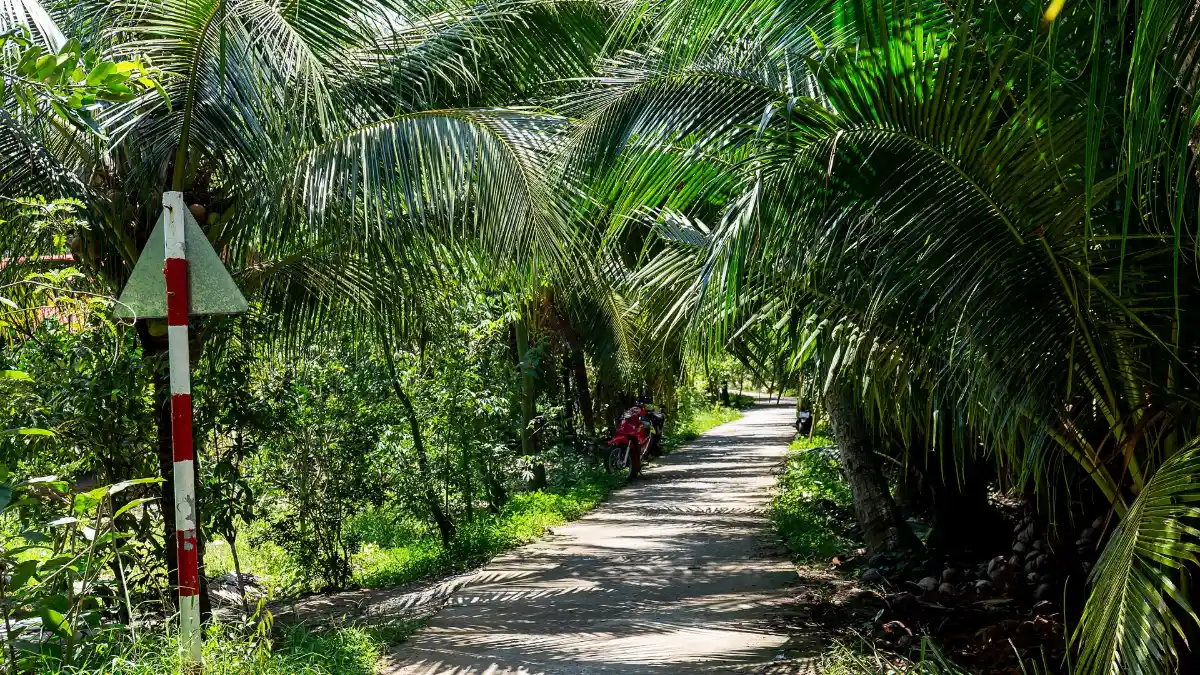
Pair your food stops with the delta’s sights: the floating markets of Can Tho, the coconut canals of Ben Tre, the islands of My Tho, the orchards of Vinh Long and Cai Be, and Sam Mountain in Chau Doc. Read our Mekong Delta travel tips, how to get around the Mekong Delta and where to stay in the Mekong Delta. Starting in the city? Our Saigon food guide covers what to eat before you head south.
Plan your trip with our Mekong Delta travel guide and Mekong Delta tours. Contact Vietnam Tour Expert Team for a free custom itinerary.
Frequently Asked Questions about Mekong Delta Food
1. What food is the Mekong Delta famous for?
The Mekong Delta is famous for deep-fried elephant-ear fish, bánh xèo pancakes, hủ tiếu My Tho, lẩu mắm fermented-fish hotpot, Chau Doc fish noodle soup and tropical fruit. Coconut dishes and Ben Tre coconut candy are also local favourites.
2. What is the most famous dish in the Mekong Delta?
Deep-fried elephant-ear fish (cá tai tượng chiên xù), rolled in rice paper with herbs, is the dish most visitors associate with the Mekong Delta. Lẩu mắm hotpot is the favourite of locals.
3. What is lẩu mắm in the Mekong Delta?
Lẩu mắm is a Mekong Delta hotpot with a broth of fermented fish, served with pork, seafood, eggplant and a large tray of river vegetables and flowers. It has a strong smell but a rich, savoury taste.
4. Is Mekong Delta food spicy?
No, most Mekong Delta food is mild and slightly sweet. Fresh chilli and chilli sauce are served on the side so you can add as much heat as you like.
5. How much does a meal cost in the Mekong Delta?
A street dish in the Mekong Delta costs about 30,000–60,000 VND (US$1.20–2.40). A shared meal at a garden or riverside restaurant costs about 150,000–350,000 VND per person.
6. When is fruit season in the Mekong Delta?
Peak fruit season in the Mekong Delta is roughly May to August, when rambutan, durian, longan and mangosteen are abundant. Mango, pomelo and coconut are available for much of the year.
7. Where can I eat breakfast on a boat in the Mekong Delta?
At the Cai Rang floating market, about 6–7 km from central Can Tho, vendors sell noodle soup and coffee from boats in the early morning. Arrive by 6–7 am for the liveliest scene; see our Can Tho guide.
8. What is hủ tiếu My Tho?
Hủ tiếu My Tho is a noodle soup from My Tho made with thin, chewy rice noodles and a clear broth of pork bones, dried squid and dried shrimp. It costs about 30,000–50,000 VND a bowl and can be eaten with broth or dry.
9. Is there vegetarian food in the Mekong Delta?
Yes. Look for “cơm chay” signs in Mekong Delta towns, especially near pagodas, and ask homestays to prepare vegetarian versions of bánh xèo, hotpot and stir-fries.
10. Can I find halal food in the Mekong Delta?
Halal food is available in the Cham Muslim villages around Chau Doc in An Giang province. Elsewhere in the Mekong Delta it is limited, so ask your tour operator to arrange meals in advance.
11. What souvenirs can I buy from the Mekong Delta?
Popular Mekong Delta food souvenirs are Ben Tre coconut candy, Chau Doc fermented fish, Soc Trang bánh pía pastries, Sa Dec dried rice noodles and dried fruit. Check your home country’s customs rules for fish products.
12. Is street food safe in the Mekong Delta?
Street food in the Mekong Delta is generally safe if you choose busy stalls with freshly cooked food and drink bottled or filtered water. Peel fruit and take care with raw herbs if you have a sensitive stomach.
13. What are flood-season dishes in the Mekong Delta?
From about September to November, Mekong Delta cooks use linh fish and yellow sesbania flowers, often together in a sour hotpot. Chau Doc and the upper delta are the best places to try them.
14. Is the Mekong Delta in the Michelin Guide?
Not yet. The MICHELIN Guide Vietnam currently covers Hanoi, Ho Chi Minh City and Da Nang, so Mekong Delta restaurants have no Michelin listings.
15. Can I take a cooking class in the Mekong Delta?
Yes. Many homestays on An Binh islet in Vinh Long and in the Ben Tre and Can Tho countryside offer cooking classes, often including market shopping and rolling fresh spring rolls.
16. Where does Ben Tre coconut candy come from?
Ben Tre coconut candy originated in Mo Cay in the former Ben Tre province, now part of Vinh Long. It is made from coconut milk, malt syrup and sugar, and you can watch it being made at family workshops.
17. What should I drink in the Mekong Delta?
Try fresh coconut water, Vietnamese iced coffee, sugarcane juice and honey tea with kumquat at Mekong Delta orchards. Local rice wine is offered at some homestays; drink it in moderation.
18. How many days do I need for a Mekong Delta food trip?
Two to three days are ideal for a Mekong Delta food trip: one day for the My Tho–Ben Tre orchards, a night in Can Tho for the floating market and, if possible, a day in Chau Doc.
Related Posts
Mekong Delta Travel Tips 2026: Best Time, Floods & Itineraries
Where to Stay in the Mekong Delta: Best Bases & Homestays
Mekong Delta Transportation: Saigon to Can Tho & Beyond
Cai Be Mekong Delta: Floating Market, Church & Old Houses
Vinh Long: An Binh Island Homestays & Mang Thit Kilns