National Oceanographic Museum Nha Trang: Ticket & Guide
The National Oceanographic Museum (Bảo tàng Hải dương học) is the public museum of Vietnam’s Institute of Oceanography, founded in Nha Trang in 1922. At 1 Cau Da Street, about 6 km south of the centre, it shows some 23,000 specimens of about 5,000 marine species plus live aquariums. It is open 6:00–18:00 daily; adults pay 40,000 VND.
Status (checked October 2026): open daily as normal, 6:00–18:00, with tickets of 40,000 VND for adults, 20,000 VND for university students, 10,000 VND for school pupils and free for children under 6. Since September 2025 the museum also runs a deep-sea exhibition, “Mysterious Ocean” (Đại Dương Kỳ Bí), at its Hon Chong hill site in north Nha Trang.
Why the National Oceanographic Museum is worth seeing:
- Over a century of marine science: the institute was founded by the French on 14 September 1922 and is still a working research centre.
- About 23,000 specimens from roughly 5,000 species found in Vietnam’s seas.
- A giant whale skeleton about 18 m long in the large-specimen hall.
- Live aquariums covering about 5,000 m² with more than 300 species: turtles, sharks, rays, corals and reef fish.
- Cheap, family-friendly and a perfect rainy-day plan.
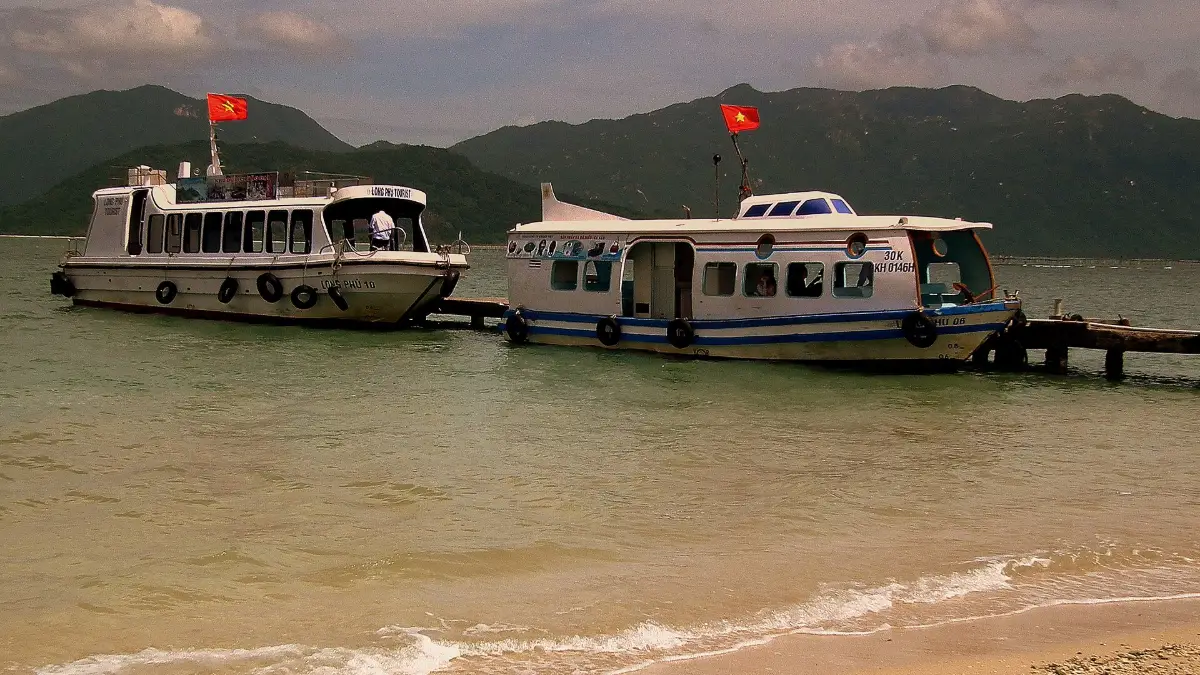
- Right by Cau Da port, the departure point for many island boats.
National Oceanographic Museum at a Glance
| Vietnamese name | Bảo tàng Hải dương học (Viện Hải dương học Nha Trang) |
|---|---|
| Location | 1 Cau Da Street, southern Nha Trang, Khanh Hoa Province, beside Cau Da port |
| Distance | About 6 km south of central Nha Trang; about 30 km from Cam Ranh International Airport |
| Founded | 14 September 1922 (as the Indochina Oceanographic and Fisheries Service) |
| Known for | About 23,000 specimens of 5,000 species, 18 m whale skeleton, live aquarium tanks, Paracel and Spratly marine resources exhibition |
| Managed by | Institute of Oceanography, Vietnam Academy of Science and Technology |
| Opening hours | 6:00–18:00 daily |
| Entrance fee | Adults 40,000 VND (≈ US$1.60); students 20,000 VND; pupils 10,000 VND; under 6 free |
| Time needed | 1–1.5 hours |
| Best time | Opening time or late afternoon; any rainy day (September–December) |
| Nearby | Cau Da port, Vinpearl cable car station, Bao Dai’s Villas, Hon Mun and Hon Tam islands |
| Find it | Google Maps · Tripadvisor · Official website |
Is the National Oceanographic Museum Worth Visiting?
Yes, especially for families, nature lovers and anyone heading to the islands. It is not a slick modern aquarium, but its research collection is the most complete record of Vietnam’s marine life, the ticket is cheap and it explains what you will see snorkelling in Nha Trang Bay.
- Best for: children, divers and snorkellers, science fans, rainy days, travellers waiting for a boat at Cau Da.
- Skip if: you expect a polished, interactive aquarium; some older displays and labels show their age.
- Short on time: see the outdoor tanks, the whale skeleton and the turtle pool in 45 minutes.
History of the National Oceanographic Museum
A French research station, 1922
The institute began on 14 September 1922 as the Indochina Oceanographic and Fisheries Service, set up by the French colonial government to study the South China Sea (called the East Sea in Vietnam) and its fisheries. Its yellow colonial headquarters by the sea at Cau Da still stands.
A century of collecting
Generations of scientists gathered specimens from Vietnam’s coast, islands and open sea, building the largest marine collection in the country. Today the Institute of Oceanography belongs to the Vietnam Academy of Science and Technology, and in 2026 it marks its 104th anniversary.
The museum today
The museum is the part of the institute open to the public; the research laboratories are not. In September 2025 it opened a new deep-sea exhibition at its Hon Chong hill facility, about 8 km north of the main site, showing ocean layers from the surface down to 6,000 m.
What to See at the National Oceanographic Museum
1. Outdoor tanks and turtle pools
The visit starts with open-air tanks holding sea turtles, rays, groupers and small sharks. Children can watch feeding up close from the railings.
2. Indoor aquarium halls
Dozens of tanks recreate coral reefs, seagrass beds and rocky shores, with clownfish, lionfish, moray eels, seahorses, lobsters and living corals. Together the aquarium zones cover about 5,000 m² and more than 300 species.
3. Mangrove and artificial reef displays
A small indoor mangrove forest and an artificial-reef area show how coastal ecosystems protect shores and shelter young fish.
4. The large-specimen hall and whale skeleton
The highlight for many visitors is a whale skeleton about 18 m long, hung in its own hall, along with preserved dugongs, a false killer whale and other large marine mammals.
5. Marine biodiversity collection
Rows of jars and cases hold thousands of preserved fish, molluscs, crustaceans, sea snakes and corals, part of the reference collection of about 23,000 specimens.
6. Paracel and Spratly marine resources exhibition
A dedicated room presents specimens, maps and documents from the Hoang Sa (Paracel) and Truong Sa (Spratly) archipelagos, an important topic for Vietnamese visitors.
7. Deep-sea exhibition at Hon Chong
The “Mysterious Ocean” exhibition at the Hon Chong site uses more than 50 specimens and models to explain the sunlit zone, the twilight and dark zones and the abyss. It is a separate site in north Nha Trang, so combine it with Hon Chong Promontory rather than the main museum.
National Oceanographic Museum Tickets and Opening Hours
| Ticket | Price (VND) |
|---|---|
| Adult | 40,000 (≈ US$1.60) |
| University student | 20,000 |
| School pupil | 10,000 |
| Child under 6 | Free |
| Parking | Motorbike 4,000; car under 7 seats 15,000; 7+ seats 20,000 |
| Opening hours | 6:00–18:00 daily |
Prices are set by the Institute of Oceanography; check the official museum website or the Institute of Oceanography website before you go, as fees for special exhibitions can differ.
How to Visit the National Oceanographic Museum Step by Step
- Arrive near opening time or after 15:00 to avoid school groups.
- Buy tickets at the counter by the gate; cash is the safest option.
- Start with the outdoor tanks and turtle pools, then follow the arrows through the indoor aquarium halls.
- Continue to the whale skeleton and large-specimen hall, then the biodiversity and Paracel–Spratly rooms.
- Finish at Cau Da port for a boat to the islands or the nearby Vinpearl cable car station.
How to Get to the National Oceanographic Museum
| From | How | Time |
|---|---|---|
| Tran Phu beach hotels | Grab car or taxi south along Tran Phu Street | 15–20 min |
| Tran Phu beach hotels | Bicycle along the seafront | About 30 min |
| Nha Trang city centre | Local bus towards Cau Da (check current route numbers) | 25–35 min |
| Cam Ranh International Airport | Taxi or Grab via Nguyen Tat Thanh road | About 40 min |
| Cau Da port / Vinpearl cable car | Walk | 5–10 min |
Read our Nha Trang transportation guide for buses, Grab and scooter hire.
Best Time to Visit the National Oceanographic Museum
| When | What to expect |
|---|---|
| September–December (rainy season) | The best indoor plan when rain or rough seas cancel boat trips |
| January–August (dry season) | Combine with an island trip from Cau Da port the same day |
| 6:00–8:30 | Quiet halls and active animals before the heat |
| Mid-morning on weekdays | School groups can make the halls noisy |
| Late afternoon | Fewer visitors; good before sunset at the port |
Local Expert Tips for the National Oceanographic Museum
These tips come from years of arranging Nha Trang tours for international travellers.
- Visit the museum the day before snorkelling at Hon Mun Island; you will recognise far more fish on the reef.
- Bring small notes: the counter may not take cards.
- Some halls are warm and humid; go early and carry water.
- Do not tap on glass or use flash near the tanks.
- Pair it with the nearby Vinpearl cable car for VinWonders or a boat from Cau Da for a full day in the south of the city.
- With children, allow time at the turtle pools and touch-free feeding sessions.
National Oceanographic Museum vs VinWonders Nha Trang Aquarium
| Feature | National Oceanographic Museum | VinWonders aquarium |
|---|---|---|
| Focus | Scientific collection of Vietnam’s marine life | Entertainment aquarium inside a theme park |
| Price | 40,000 VND | Included in the much higher VinWonders ticket |
| Style | Older halls, real research specimens | Modern tunnels and shows |
| Location | Mainland, Cau Da port | Hon Tre Island, by cable car or boat |
| Time needed | 1–1.5 hours | Part of a full day |
Our view: choose the Oceanographic Museum for real science and value; choose VinWonders if you are spending a whole day at the theme park anyway. Curious children enjoy both.
Nearby Attractions
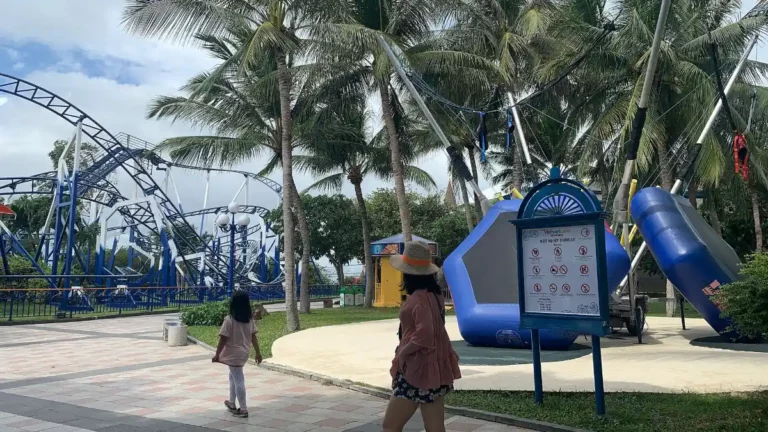
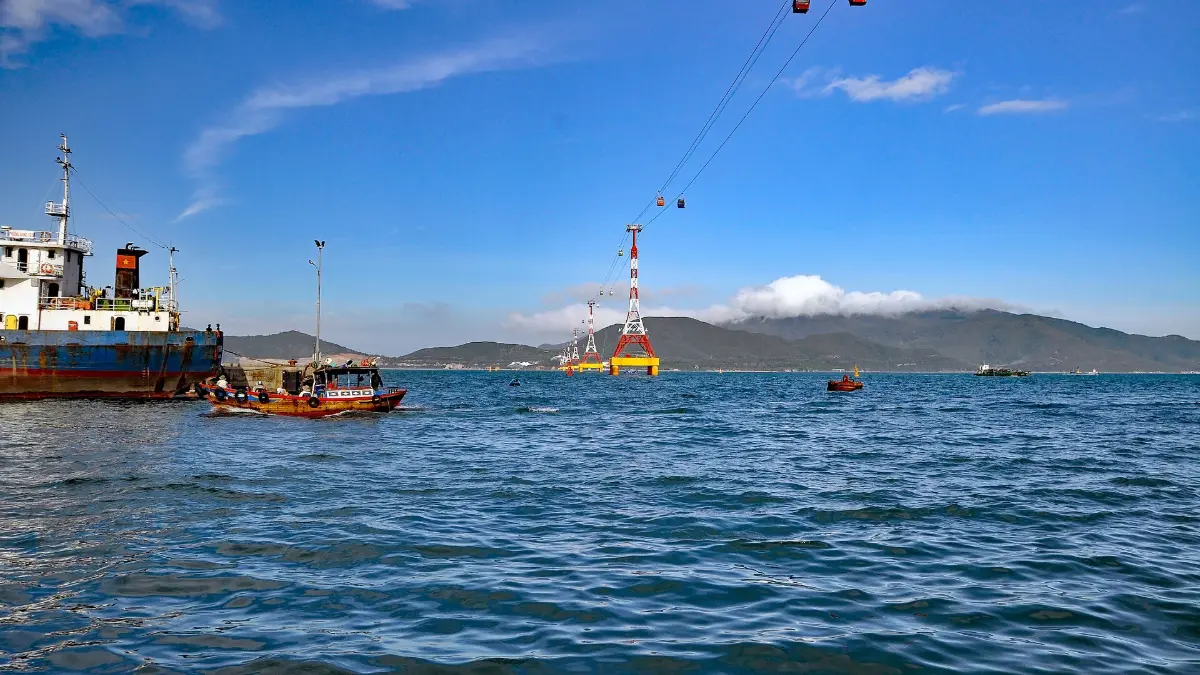
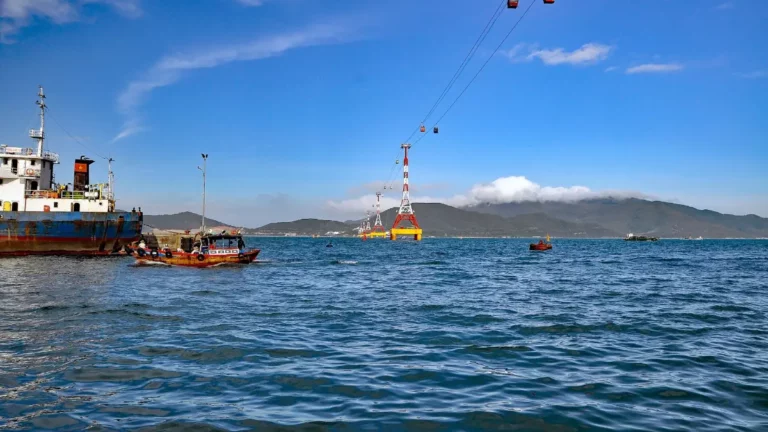
- Vinpearl Harbour: the cable car terminal and Hon Tre waterfront a few minutes away.
- Hon Mun Island: reef snorkelling in Nha Trang Bay Marine Protected Area.
- Hon Tam Island: beach club and mud baths.
- Bao Dai’s Villas: the last emperor’s seaside villas on a headland nearby.
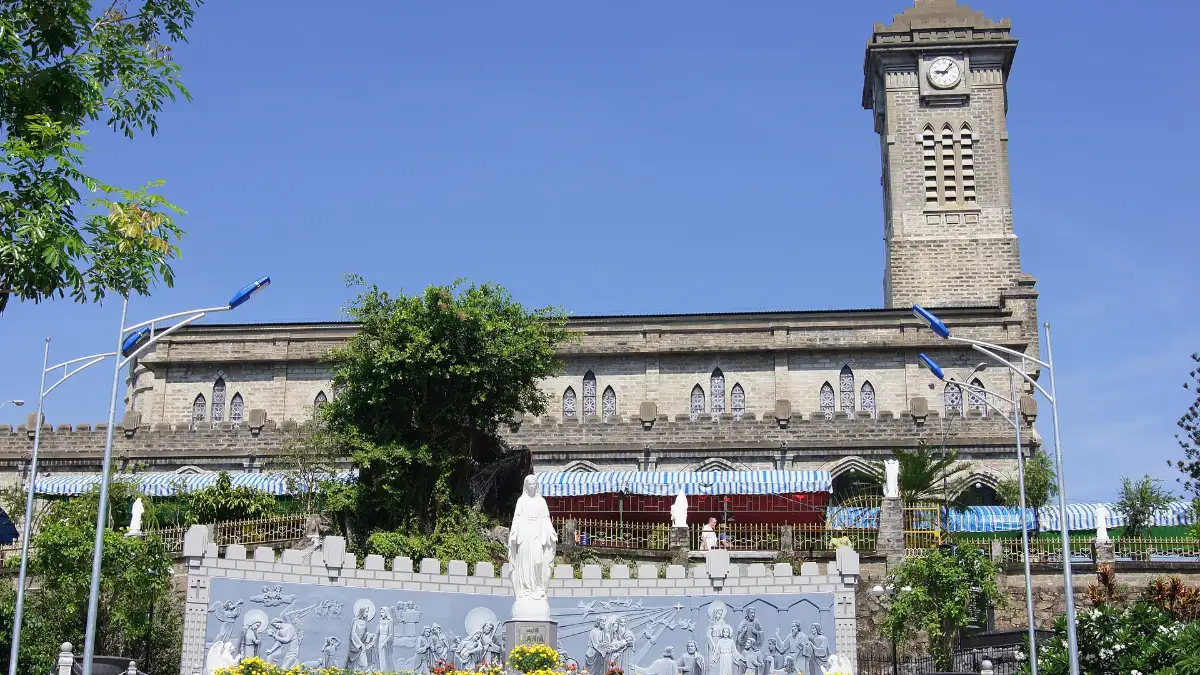
- Long Son Pagoda and Nha Trang Cathedral in the city centre.
- Ponagar Cham Tower: Champa temples in the north of the city.
Sightseeing in Nha Trang for First-Time Visitors: Where the National Oceanographic Museum Fits
The museum fits neatly into a “southern Nha Trang” day: morning at the museum, then a boat from Cau Da to Hon Mun and Hon Tam, or the cable car to the theme park. Spend another morning on culture at Ponagar and Long Son Pagoda, and keep a day for Doc Let Beach or Diep Son Island. Seafood ideas are in our Nha Trang food guide, and family-friendly hotels in where to stay in Nha Trang.
Plan your trip with our Nha Trang travel guide and Nha Trang tours. Contact Vietnam Tour Expert Team for a free custom itinerary.
Frequently Asked Questions about the National Oceanographic Museum
1. What is the National Oceanographic Museum in Nha Trang?
The National Oceanographic Museum is the public museum of Vietnam’s Institute of Oceanography, displaying about 23,000 marine specimens and live aquariums in Nha Trang.
2. How much is the National Oceanographic Museum ticket?
The National Oceanographic Museum ticket costs 40,000 VND for adults, 20,000 VND for students, 10,000 VND for pupils, and children under 6 enter free.
3. What are the National Oceanographic Museum opening hours?
The National Oceanographic Museum is open every day from 6:00 to 18:00.
4. Where is the National Oceanographic Museum located?
The National Oceanographic Museum is at 1 Cau Da Street in southern Nha Trang, beside Cau Da port and about 6 km from the city centre.
5. When was the National Oceanographic Museum founded?
The institute that runs the National Oceanographic Museum was founded on 14 September 1922 as the Indochina Oceanographic and Fisheries Service.
6. What can you see at the National Oceanographic Museum?
At the National Oceanographic Museum you can see live turtles, sharks and reef fish, an 18 m whale skeleton, preserved dugongs and thousands of specimens.
7. How big is the whale skeleton at the National Oceanographic Museum?
The whale skeleton at the National Oceanographic Museum is about 18 m long and is one of its most popular exhibits.
8. How long do you need at the National Oceanographic Museum?
Most visitors spend 1–1.5 hours at the National Oceanographic Museum, or about 45 minutes for the highlights.
9. Is the National Oceanographic Museum good for kids?
Yes, the National Oceanographic Museum is very good for children, with turtle pools, colourful reef fish and the giant whale skeleton.
10. Is the National Oceanographic Museum worth visiting?
Yes, the National Oceanographic Museum is worth visiting for its unique scientific collection and low price, especially on a rainy day.
11. How do I get to the National Oceanographic Museum from Tran Phu beach?
The National Oceanographic Museum is a 15–20 minute Grab or taxi ride south of Tran Phu beach road, or about 30 minutes by bicycle.
12. Is the National Oceanographic Museum the same as the Institute of Oceanography?
The National Oceanographic Museum is the public exhibition part of the Institute of Oceanography; the research laboratories are not open to visitors.
13. Does the National Oceanographic Museum have a deep-sea exhibition?
Yes, since September 2025 the National Oceanographic Museum has run the “Mysterious Ocean” deep-sea exhibition at its Hon Chong hill site in north Nha Trang.
14. Can I take photos at the National Oceanographic Museum?
Photography is allowed at the National Oceanographic Museum, but avoid flash near the aquarium tanks.
15. What is near the National Oceanographic Museum?
Near the National Oceanographic Museum are Cau Da port, Bao Dai’s Villas and the cable car to VinWonders Nha Trang.
16. Is the National Oceanographic Museum open on public holidays?
The National Oceanographic Museum normally opens every day, but hours can change over Lunar New Year and public holidays, so check the official website first.
Related Posts

Nha Trang Travel Tips 2026: Best Time, Weather & Itinerary
Where to Stay in Nha Trang: Best Areas & Beach Resorts
Nha Trang Transportation: Cam Ranh Airport, Trains & Boats
Nha Trang Food Guide: Seafood, Bun Cha Ca & Local Dishes
Vinpearl Harbour Nha Trang: Cable Car, Shows & Shopping