Ponagar Cham Tower Nha Trang: Ticket, History & Tips
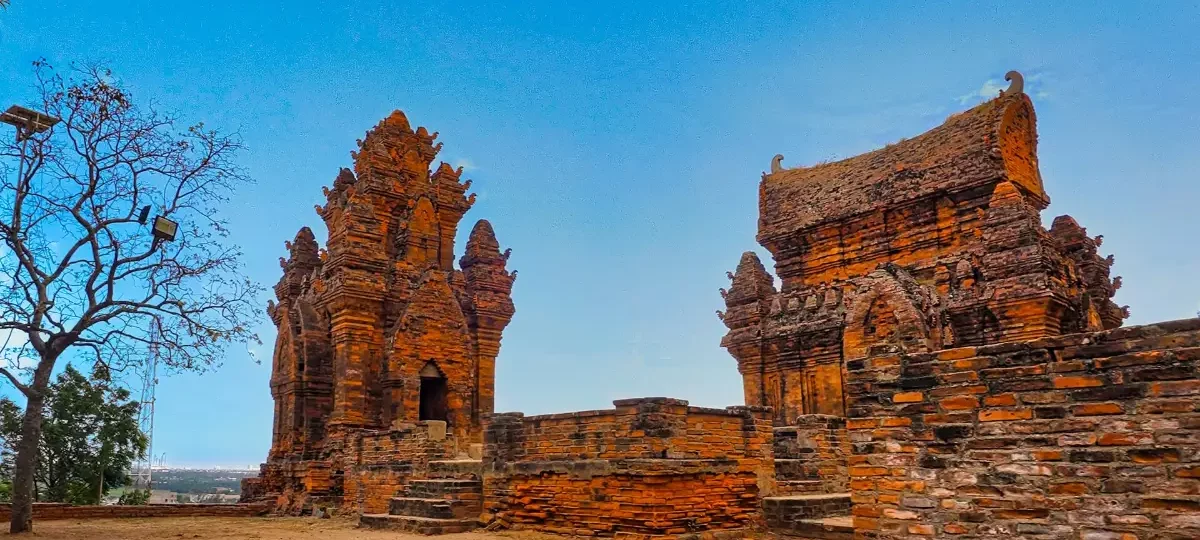
Ponagar Cham Tower (Tháp Bà Ponagar, also spelled Po Nagar) is a hilltop complex of red-brick Champa temples built between the 8th and 13th centuries on Cu Lao Hill, about 2 km north of central Nha Trang. Dedicated to the mother goddess Yan Po Nagar, it is still an active place of worship and became a Special National Relic in 2025. Entry costs about 30,000 VND.
Status (checked October 2026): open daily as normal, roughly 8:00–18:00, with a ticket of about 30,000 VND (around US$1.20). Following the July 2025 merger of Khanh Hoa and Ninh Thuan provinces, the site’s address is now Bac Nha Trang Ward, Khanh Hoa Province; expect big crowds during the Ponagar Festival (20th–23rd day of the third lunar month).
Why Ponagar Cham Tower is worth seeing:
- Over 1,200 years of Champa history: the oldest inscription on site dates from 781 AD, and the main tower was rebuilt in the 11th century.
- A living temple: Cham and Vietnamese worshippers still bring incense, fruit and flowers to the goddess they call Thiên Y A Na, the Holy Mother.
- Special National Relic: Vietnam’s Prime Minister gave it the country’s highest heritage ranking in January 2025.
- Cham culture up close: traditional Cham dance and music performances are held at the site.
- Views over the Cai River: the hilltop looks down on colourful fishing boats and Xom Bong Bridge.
- Cheap and central: a 10-minute ride from most hotels on Tran Phu beach road.
Ponagar Cham Tower at a Glance
| Vietnamese name | Tháp Bà Ponagar (Tháp Bà Thiên Y A Na) |
|---|---|
| Location | Cu Lao Hill, 2 Thang 4 Street, Bac Nha Trang Ward, Khanh Hoa Province (north bank of the Cai River) |
| Distance | About 2–3 km north of central Nha Trang; about 45 km from Cam Ranh International Airport |
| Built | Between the 8th and 13th centuries by the Champa kingdom (principality of Kauthara) |
| Known for | Four surviving brick towers, the 23–25 m main tower of the goddess Po Nagar, the Mandapa pillar hall, Cham dance |
| Recognition | National Relic (1979); Special National Relic (Decision 152/QĐ-TTg, 17 January 2025); Ponagar Festival is National Intangible Cultural Heritage (2012) |
| Opening hours | Daily, about 8:00–18:00 |
| Entrance fee | About 30,000 VND (≈ US$1.20) per person |
| Time needed | 45–60 minutes; 90 minutes if you watch a dance show |
| Best time | 7:30–9:30 or after 16:00; January to August for dry weather |
| Nearby | Hon Chong Promontory, Xom Bong Bridge, Thap Ba hot-spring mud baths, Long Son Pagoda |
| Find it | Google Maps · Tripadvisor · Wikipedia |
Is Ponagar Cham Tower Worth Visiting?
Yes, it is the most important historic site in Nha Trang and the easiest place on the south-central coast to see Champa architecture. It is cheap, close to the beach hotels and compact enough for a one-hour visit, and unlike many Cham ruins it is still a working temple, so you see real worship as well as old bricks.
- Best for: history and culture lovers, photographers, families wanting a short break from the beach, anyone curious about the Cham people.
- Skip if: you have already seen My Son Sanctuary in depth and only want beaches and islands.
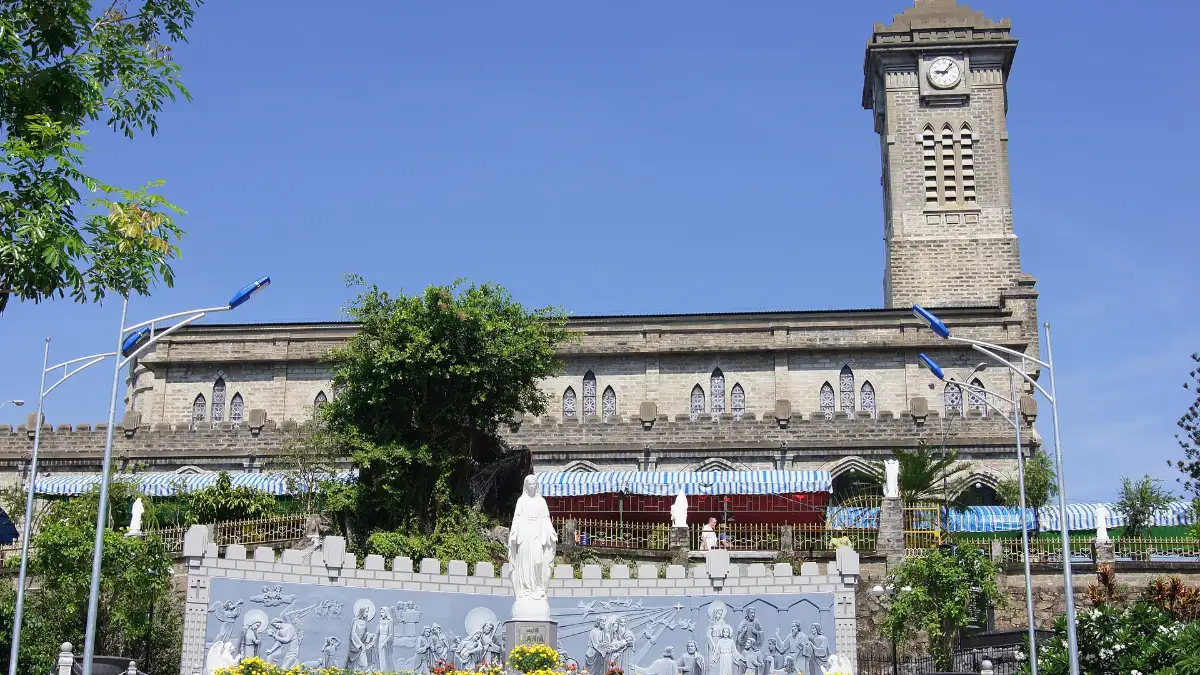
- Short on time: combine Ponagar, Long Son Pagoda and the Stone Church in a single half-day city tour.
History of Ponagar Cham Tower
A temple of the Kauthara principality
Ponagar was the chief sanctuary of Kauthara, the southern Champa principality centred on today’s Nha Trang. A stele dated 781 records that King Satyavarman restored the temple after raiders arriving by sea had damaged it and carried off its treasures, and that the sacred linga was re-established in 784. This makes the site older than the inscription itself.
Royal gifts, Khmer raids and rebuilding
Inscriptions trace a long line of royal donations. In 918 King Indravarman III offered a golden statue of the goddess; it was stolen by Khmer troops of King Rajendravarman II around 950, and in 965 King Jaya Indravarman I replaced it with the stone statue still venerated today. In 1050 King Jaya Paramesvaravarman I gave land, servants and treasure, and the main tower took its present form around this time. Further gifts are recorded in the 12th century, and the towers you see today date from roughly the 8th to the 13th centuries.
From Yan Po Nagar to Thiên Y A Na
Yan Po Nagar means “Lady of the Country”. The Cham identified her with the Hindu goddess Bhagavati, a form of Shiva’s consort, and honoured her as the creator of the land who taught people to farm. After the Vietnamese settled the region in the 17th century, they adopted her cult as Thiên Y A Na Thánh Mẫu, a mother goddess of the Vietnamese Mother Goddess tradition. Local legend tells of a girl who floated on a piece of fragrant agarwood to China, married a prince and returned to Khanh Hoa to teach the people; she is still regarded as the patron of the province’s agarwood trade.
Heritage status today
Ponagar was listed as a National Architectural and Artistic Relic in 1979. The Ponagar Festival was added to Vietnam’s National Intangible Cultural Heritage list in 2012, and on 17 January 2025 the Prime Minister ranked the complex as a Special National Relic under Decision 152/QĐ-TTg; the certificate was presented in Nha Trang in July 2025.
What to See at Ponagar Cham Tower
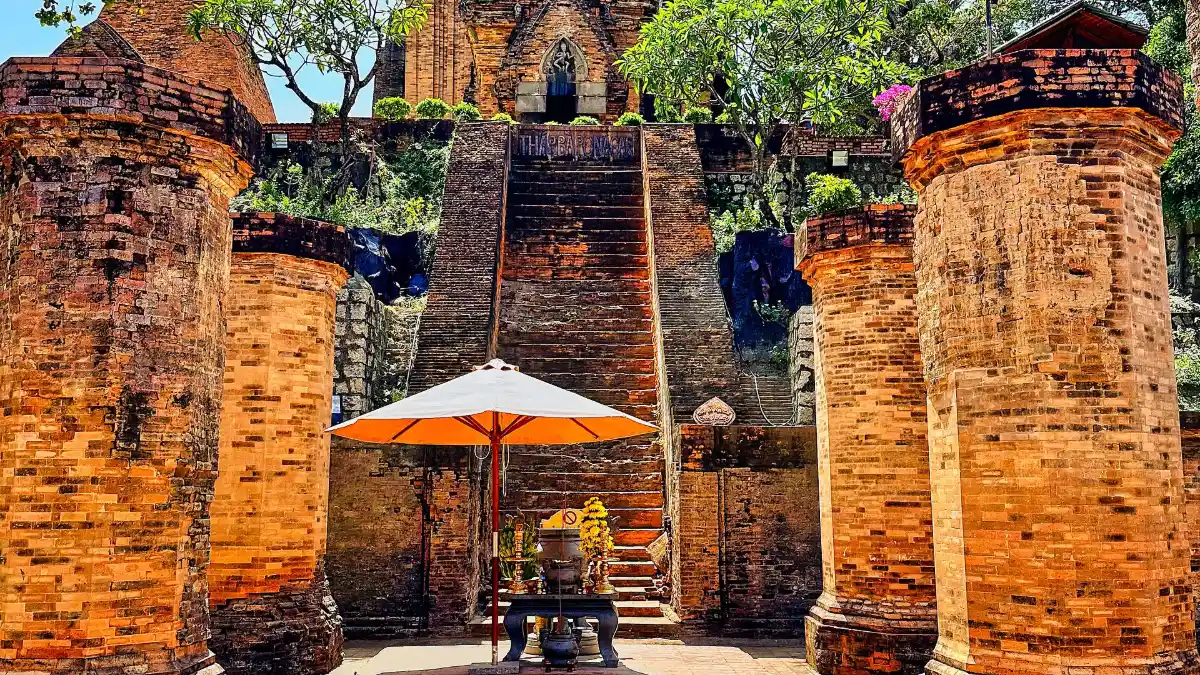
The complex rises in three levels up Cu Lao Hill. Climb the steep brick steps from the road to reach them in order.
1. The Gate Tower ruins (lowest level)
Only the foundations of the original gate tower survive at the bottom of the hill. In Cham times, pilgrims entered here before climbing to the pillar hall.
2. The Mandapa pillar hall (middle level)
The Mandapa was a meditation and preparation hall where pilgrims purified themselves before worship. Its roof is long gone, but 10 large brick pillars, each over 3 m tall, still stand in two rows, surrounded by 12 smaller columns on a raised base about 1 m high.
3. The Main Tower of Po Nagar (north tower)
The tallest building, about 23–25 m high, is the tower of the goddess, rebuilt in the 11th century. Above the entrance a sandstone pediment shows a four-armed goddess standing on a buffalo, carved in the late 10th or early 11th century. Inside the dark, incense-filled chamber sits the 1.2 m stone statue of Yan Po Nagar with ten arms, dressed by worshippers in colourful robes.
4. The South Tower (Shiva tower)
Locals call it Tháp Ông, the Tower of the Lord. It shelters a linga, the stone symbol of Shiva, and visitors leave small offerings here too.
5. The Southeast and Northwest towers
The two smaller towers held further lingas and an image of Ganesha, the elephant-headed son of Shiva. Look closely at the brickwork: the Cham laid bricks with almost invisible joints, a technique researchers still debate.
6. Cham dance and music performances
On a stage at the back of the hilltop, dancers in traditional costume perform Cham dances to Ginang drums and Saranai horns. Performances run regularly through the day and are included in your ticket.
7. The view over the Cai River
From the hilltop edge you look over the Cai River mouth, blue fishing boats and Xom Bong Bridge towards the city. Late afternoon light turns the bricks a deep orange.
Ponagar Cham Tower Tickets and Opening Hours
| Item | Detail (2026) |
|---|---|
| Adult ticket | About 30,000 VND (≈ US$1.20) |
| Children, students, seniors | Reduced or free entry may apply under Khanh Hoa’s fee rules; ask at the ticket desk |
| Opening hours | Daily, about 8:00–18:00 (times can change on festival days) |
| Robes for modest dress | Borrowed free at the main tower |
| Cham dance show | Included in the ticket |
The fee is set by Khanh Hoa Province and collected by the provincial relic conservation centre, so it occasionally changes; check at the gate before you go.
Rules and Etiquette at Ponagar Cham Tower
- Dress modestly: cover shoulders and knees to enter the towers; if you forget, borrow a robe at the main tower.
- Take off your shoes where asked before stepping inside a sanctuary.
- Do not climb on the towers, pillars or altars.
- Be discreet with cameras inside the main tower and never photograph worshippers at close range without permission.
- Do not touch statues or offerings; leave a small donation in the box if you light incense.
How to Get to Ponagar Cham Tower
| From | How | Time |
|---|---|---|
| Tran Phu beach hotels | Grab car or taxi (about 50,000–80,000 VND), or Grab bike | 10–15 min |
| Tran Phu beach hotels | Bicycle or walk along the coast and over Tran Phu Bridge | 20 min cycling / 45 min walking |
| Nha Trang railway station | Taxi or Grab | 10–15 min |
| Cam Ranh International Airport | Taxi, Grab or airport bus to the city, then a short ride north | 50–60 min |
| Any Nha Trang city tour | Private car with driver and guide | Included |
For airport buses, taxis and scooter rental, see our Nha Trang transportation guide.
Best Time to Visit Ponagar Cham Tower
| When | What to expect |
|---|---|
| January–August (dry season) | Sunny, settled weather; the best months for combining the towers with island trips |
| September–December (rainy season) | Heavy rain and occasional typhoons, especially October–November; the site stays open but the steps get slippery |
| Early morning (7:30–9:30) | Cooler, quieter, soft light before the tour buses arrive |
| Late afternoon (after 16:00) | Warm light on the bricks and views of boats on the Cai River |
| Ponagar Festival (20th–23rd day of the 3rd lunar month, usually April or May) | Processions, robe-changing and bathing rituals for the goddess, Cham dances; very crowded |
| Lunar New Year (Tet) | Thousands of local pilgrims pray for luck; lively but busy |
Local Expert Tips for Ponagar Cham Tower
These tips come from years of arranging Nha Trang tours for international travellers.
- Go first thing in the morning; by 10:00 the small hilltop fills with tour groups and the stone steps get hot.
- Carry small notes for the ticket, a drink and a donation box.
- Wear sandals you can slip off quickly, as you may remove shoes several times.
- Pair the visit with a mud bath at one of the hot-spring centres a few minutes away; it is the classic Nha Trang half-day combination.
- Hire a local guide or join a tour if you want the stories behind the carvings; signage on site is brief.
- Look back from Xom Bong Bridge after your visit for the best photo of the towers above the river.
- If you plan to visit during the festival, book accommodation early; see where to stay in Nha Trang.
Ponagar Cham Tower vs Po Shanu Cham Towers
| Feature | Ponagar (Nha Trang) | Po Shanu (Mui Ne) |
|---|---|---|
| Age | 8th–13th centuries | Late 8th–9th century |
| Towers | Four towers plus Mandapa pillars | Three small towers |
| Main tower height | About 23–25 m | Much smaller |
| Active worship | Yes, daily incense and an annual festival | Mostly a heritage site |
| Extras | Cham dance shows, river views | Sea and sand-dune views |
| Best combined with | Nha Trang islands and mud baths | Mui Ne dunes and Fairy Stream |
Our view: if you can see only one Cham site on the coast, Ponagar is the more complete and atmospheric choice. Travellers driving the coast can also stop at Po Klong Garai near Phan Rang, about 105 km south and now part of the same Khanh Hoa Province, for a quieter complex from the late 13th century.
Nearby Attractions
- Hon Chong Promontory: granite boulders on the sea about 2 km north, with a giant “handprint” legend.
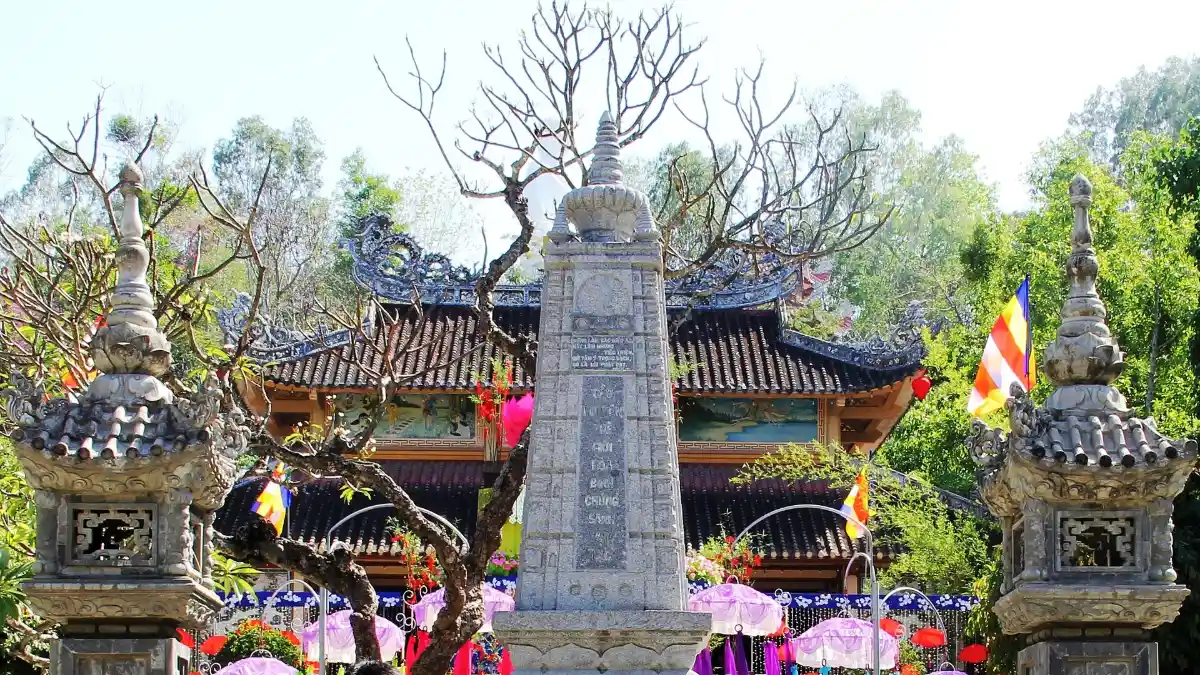
- Long Son Pagoda: the giant White Buddha on Trai Thuy Hill, about 10 minutes by car.
- Nha Trang Cathedral: a Gothic-style stone church from the 1930s near the railway station.
- National Oceanographic Museum: marine life collections in the south of the city.
- Hon Mun Island: the best snorkelling in Nha Trang Bay Marine Protected Area.
- Hon Tam Island: beach club and mud-bath island.
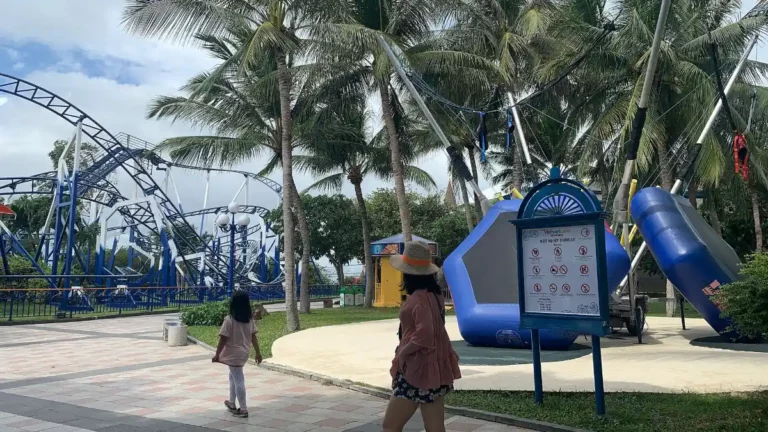
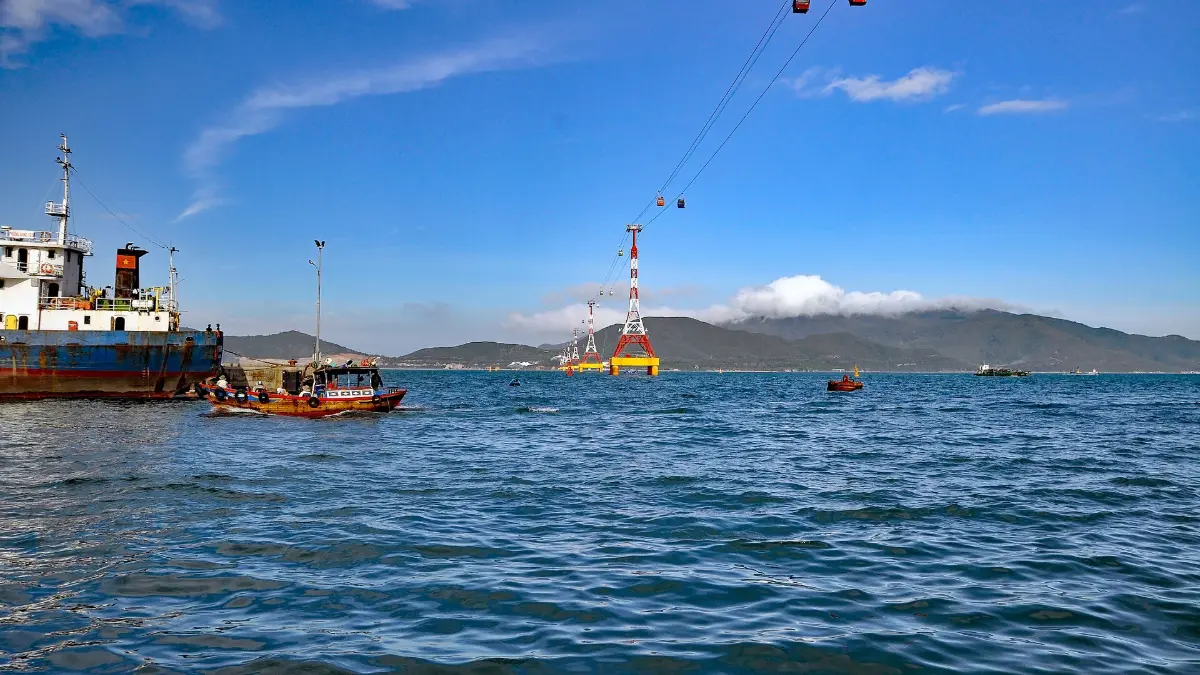
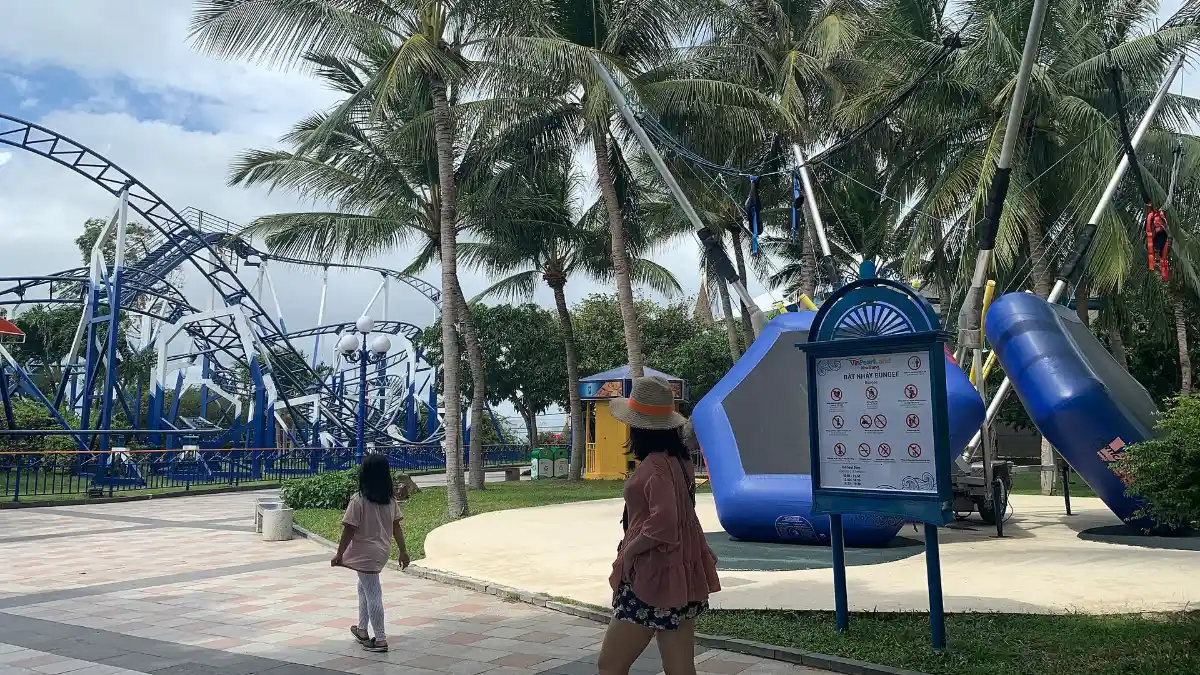
- VinWonders Nha Trang: the big theme park on Hon Tre Island.
Sightseeing in Nha Trang for First-Time Visitors: Where Ponagar Cham Tower Fits
Most travellers spend one morning on culture and the rest of their stay on the bay. A good first-day plan is Ponagar Cham Tower at opening time, Long Son Pagoda and the cathedral, lunch on local seafood (see our Nha Trang food guide), then a mud bath or the beach in the afternoon. Day two suits an island-hopping boat trip to Hon Mun and Hon Noi, and day three can take in Monkey Island or the quieter Doc Let Beach. Practical advice on weather, money and safety is in our Nha Trang travel tips.
Plan your trip with our Nha Trang travel guide and Nha Trang tours. Contact Vietnam Tour Expert Team for a free custom itinerary.
Frequently Asked Questions about Ponagar Cham Tower
1. What is Ponagar Cham Tower famous for?
Ponagar Cham Tower is famous as Nha Trang’s oldest monument: a group of Champa brick temples from the 8th–13th centuries dedicated to the mother goddess Yan Po Nagar, still used for worship today.
2. How much is the Ponagar Cham Tower ticket in 2026?
The Ponagar Cham Tower ticket costs about 30,000 VND (around US$1.20) per person, and the Cham dance performance is included.
3. What are the Ponagar Cham Tower opening hours?
Ponagar Cham Tower is open every day, roughly from 8:00 to 18:00; hours can change during the annual festival.
4. Where is Ponagar Cham Tower located?
Ponagar Cham Tower stands on Cu Lao Hill at 2 Thang 4 Street, Bac Nha Trang Ward, Khanh Hoa Province, on the north bank of the Cai River about 2–3 km from the city centre.
5. How old is Ponagar Cham Tower?
The oldest inscription at Ponagar Cham Tower dates from 781 AD, and the surviving towers were built or rebuilt between the 8th and 13th centuries, the main tower in the 11th century.
6. Who is worshipped at Ponagar Cham Tower?
Ponagar Cham Tower honours Yan Po Nagar, the Cham “Lady of the Country”, whom Vietnamese worshippers call Thiên Y A Na Thánh Mẫu, the Holy Mother.
7. Is Ponagar Cham Tower a UNESCO World Heritage Site?
No, Ponagar Cham Tower is not on the UNESCO list, but it is a Special National Relic of Vietnam, ranked in January 2025; the UNESCO-listed Cham site is My Son Sanctuary near Hoi An.
8. Is there a dress code at Ponagar Cham Tower?
Yes, at Ponagar Cham Tower you should cover your shoulders and knees to enter the towers; free robes can be borrowed at the main tower.
9. How long do you need at Ponagar Cham Tower?
Most visitors spend 45–60 minutes at Ponagar Cham Tower, or about 90 minutes if they watch a Cham dance performance.
10. How do I get to Ponagar Cham Tower from the city centre?
A Grab or taxi from Tran Phu beach road to Ponagar Cham Tower takes 10–15 minutes and costs about 50,000–80,000 VND; you can also cycle in about 20 minutes.
11. When is the Ponagar Cham Tower festival?
The Ponagar Cham Tower festival takes place from the 20th to the 23rd day of the third lunar month, which usually falls in April or May.
12. What is the best time of day to visit Ponagar Cham Tower?
Early morning (7:30–9:30) is the best time to visit Ponagar Cham Tower for cool air and few crowds; late afternoon is best for warm light.
13. Can you take photos at Ponagar Cham Tower?
Photography is allowed around Ponagar Cham Tower, but be discreet inside the sanctuaries and ask before photographing worshippers.
14. Are there Cham dance shows at Ponagar Cham Tower?
Yes, traditional Cham dance and music performances are held regularly at Ponagar Cham Tower and are included in the entrance ticket.
15. Is Ponagar Cham Tower suitable for children and older travellers?
Ponagar Cham Tower is fine for children, but the steep brick steps up the hill can be tiring for older travellers or anyone with limited mobility.
16. Is Ponagar Cham Tower worth visiting?
Yes, Ponagar Cham Tower is the best place in Nha Trang to see Champa architecture and living worship, and it costs very little.
17. What is near Ponagar Cham Tower?
Near Ponagar Cham Tower you can visit Hon Chong Promontory, the hot-spring mud baths, Xom Bong Bridge and Long Son Pagoda.
18. Which province is Ponagar Cham Tower in after the 2025 merger?
Ponagar Cham Tower is still in Khanh Hoa Province, which absorbed Ninh Thuan on 1 July 2025; its ward is now Bac Nha Trang.
Related Posts
Nha Trang Travel Tips 2026: Best Time, Weather & Itinerary
Where to Stay in Nha Trang: Best Areas & Beach Resorts
Nha Trang Transportation: Cam Ranh Airport, Trains & Boats
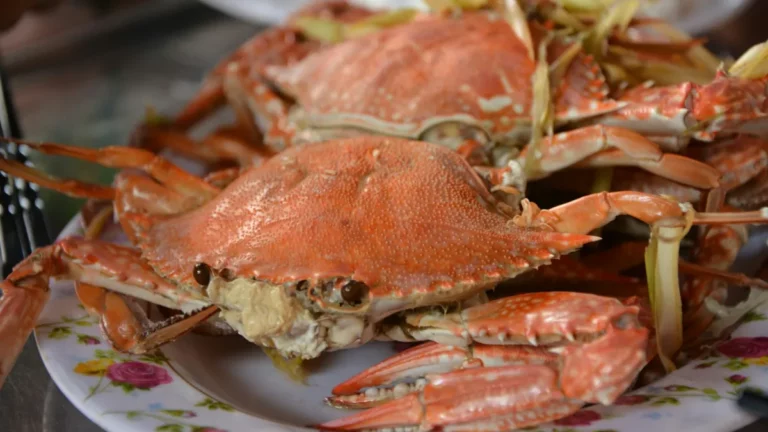
Nha Trang Food Guide: Seafood, Bun Cha Ca & Local Dishes
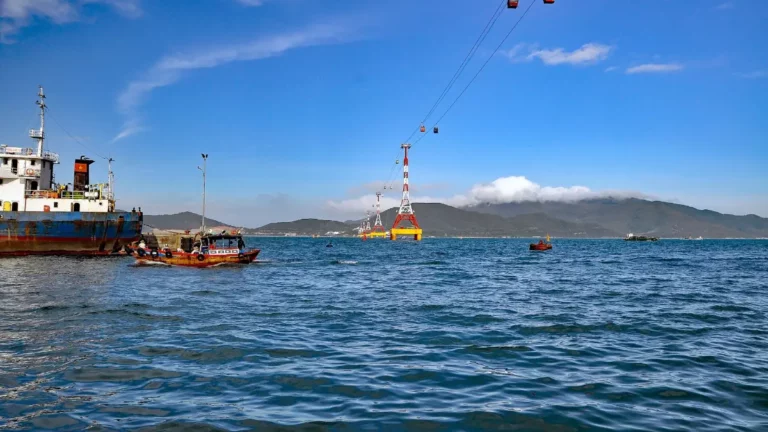
Vinpearl Harbour Nha Trang: Cable Car, Shows & Shopping