Hue Food Guide: Bun Bo Hue, Royal Cuisine & Where to Eat
Hue food is spicy, refined and cheap. Start with bún bò Huế (lemongrass beef noodle soup), cơm hến (baby clam rice), bánh khoái (crispy rice pancake) and the steamed royal cakes bánh bèo, bánh nậm and bánh bột lọc, then finish with chè. Most local dishes cost about 15,000–60,000 VND (US$0.60–2.30). The Michelin Guide does not cover Hue.
Status (checked October 2026): The Michelin Guide Vietnam 2026 (announced June 2026) still covers only Hanoi, Ho Chi Minh City and Da Nang, so Hue has no Michelin stars or Bib Gourmands; its best food is in markets and family eateries. October to December is the heavy rain and flood season, when some riverside stalls close on stormy days. Night traffic over Truong Tien Bridge is closed from 21:00 to 05:00 during repairs, so allow extra time for evening food trips across the river.
Key takeaways:
- Must-eat dishes: bún bò Huế, cơm hến, bánh khoái, nem lụi, bánh bèo, bánh nậm, bánh bột lọc and Hue chè.
- Street food is very affordable: about 15,000–60,000 VND per dish; a full local meal rarely costs more than 100,000 VND.
- Hue food is the spiciest in central Vietnam; say “không cay” (not spicy) or “ít cay” (a little spicy).
- Hue has a strong Buddhist vegetarian tradition, so vegetarians eat better here than almost anywhere in Vietnam.
- Royal cuisine dinners with court music are a memorable evening for groups and families.
- Salt coffee (cà phê muối) is widely credited to Hue and is now popular across Vietnam.
Hue Food at a Glance
| Signature dish | Bún bò Huế: lemongrass beef and pork noodle soup with chilli oil |
|---|---|
| Other must-tries | Cơm hến, bánh khoái, nem lụi, bánh bèo, bánh nậm, bánh bột lọc, bánh ướt thịt nướng, chè |
| Street food price | About 15,000–60,000 VND (US$0.60–2.30) per dish |
| Sit-down restaurant | About 150,000–400,000 VND (US$6–15) per person |
| Royal banquet dinner | About 500,000–1,500,000 VND (US$19–58) per person, often with court music |
| Spice level | High; chilli is served on the side and in the broth |
| Best breakfast | Bún bò Huế, eaten from about 6:00 to 10:00 |
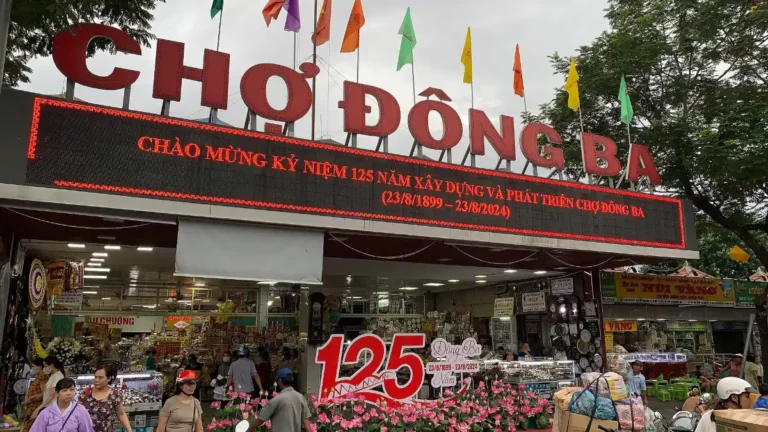
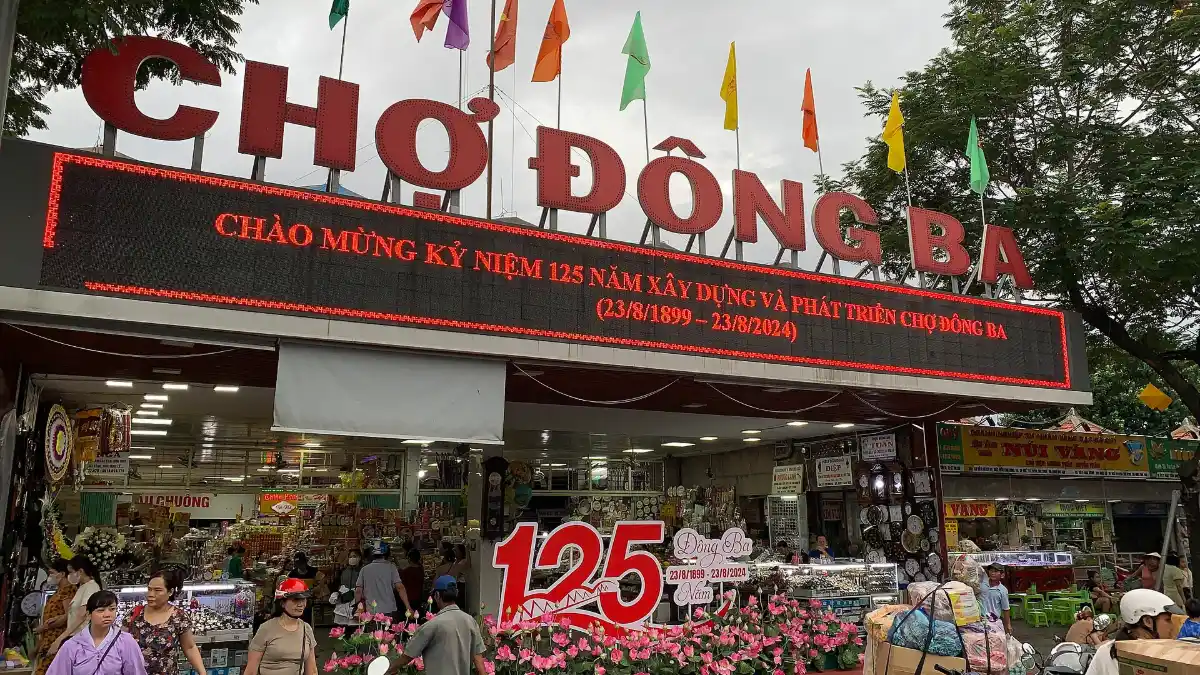
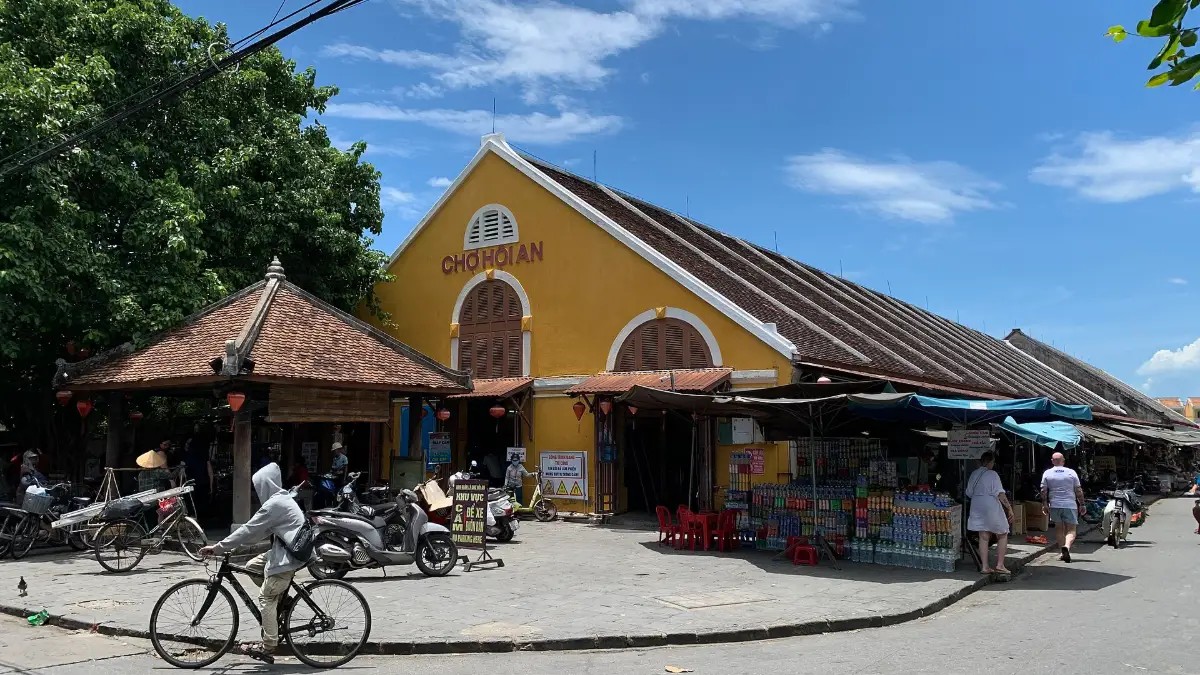
| Main food market | Dong Ba Market, on the north bank of the Perfume River |
| Michelin Guide | Not covered (Hanoi, Ho Chi Minh City and Da Nang only) |
| Vegetarian | Excellent; many vegetarian restaurants, especially busy on the 1st and 15th of the lunar month |
| Food souvenirs | Mè xửng (sesame candy), tôm chua (sour shrimp), dried lotus seeds, royal tea |
What Food Is Hue Famous For?
Hue is famous for bún bò Huế, the steamed royal rice cakes and dozens of sweet chè. As the capital of the Nguyen dynasty from 1802 to 1945, Hue developed two cuisines side by side: an elaborate court cuisine of many small, decorative dishes, and a bold, spicy everyday cuisine that is still sold from street stalls today. Add hundreds of Buddhist pagodas and you get one of the most varied food cultures in Vietnam.
1. Bún bò Huế (Hue beef noodle soup)
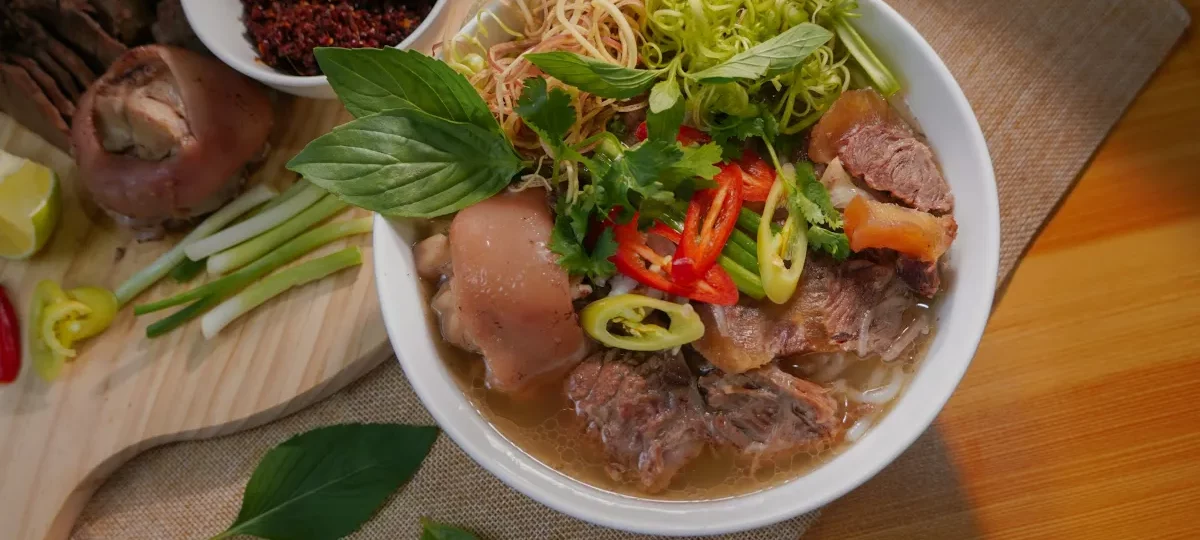
Hue’s signature dish is a rich broth simmered with beef and pork bones, scented with lemongrass and fermented shrimp paste (mắm ruốc), and finished with chilli oil. It is served with thick round rice noodles, beef shank, pork knuckle, sometimes crab balls and congealed pig’s blood, plus a plate of herbs, banana blossom and lime. Expect to pay about 30,000–60,000 VND a bowl. Long-running local favourites include Bún bò Mệ Kéo on Bach Dang Street and Bún bò O Cương Chú Điệp on Tran Thuc Nhan Street. Read more about the dish on Wikipedia.
2. Cơm hến (baby clam rice)
A humble, intensely flavoured bowl of cold rice topped with tiny river clams, crispy pork crackling, peanuts, herbs, starfruit and chilli, with a little hot clam broth on the side. It comes from Con Hen, an islet in the Perfume River, and costs about 15,000–30,000 VND. The sister dishes bún hến (with noodles) and bánh đa xúc hến (scooped up with rice crackers) are just as good. Cơm hến Hoa Đông in a lane off Ung Binh Street is a well-known address.
3. Bánh khoái (Hue crispy pancake)
Smaller and thicker than the southern bánh xèo, bánh khoái is fried in a small pan until crunchy and filled with shrimp, pork and bean sprouts. It is dipped in a thick sauce of peanuts, sesame and pork liver. Expect about 25,000–55,000 VND per piece. Two well-known names are Lạc Thiện on Dinh Tien Hoang Street near Thuong Tu Gate, a family business since the 1970s, and Bánh khoái Hạnh on Pho Duc Chinh Street.
4. Bánh bèo, bánh nậm and bánh bột lọc (royal rice cakes)
These steamed cakes were once court snacks. Bánh bèo are tiny saucers of rice batter topped with dried shrimp and crispy pork skin; bánh nậm are flat rice-flour parcels steamed in banana leaf; bánh bột lọc are chewy, translucent tapioca dumplings with shrimp and pork. All are eaten with sweet fish sauce. A mixed set costs about 30,000–60,000 VND. The small eateries on Nguyen Binh Khiem Street, including Quán Bà Đỏ, specialise in them.
5. Nem lụi (lemongrass pork skewers)
Minced pork is grilled on lemongrass sticks, then rolled at the table in rice paper with herbs, green banana and starfruit and dipped in a peanut and liver sauce. A serving costs about 40,000–80,000 VND and is often paired with bánh khoái.
6. Bánh ướt thịt nướng and bún thịt nướng
Soft steamed rice sheets or rice noodles with charcoal-grilled pork, fresh herbs and peanut sauce. A light, cheap lunch at about 25,000–40,000 VND.
7. Cơm âm phủ
The curiously named “underworld rice” is a colourful plate of rice with shredded egg, pork, prawn, sausage and herbs, mixed with fish sauce. It is a classic late dinner at about 30,000–50,000 VND.
8. Hue chè (sweet soups)
Hue is said to have dozens of kinds of chè. Try lotus seed chè, chè bột lọc heo quay (tapioca with roast pork, sweet and savoury) and mung bean chè. A cup costs about 15,000–30,000 VND. Chè Hẻm, tucked in a lane off Hung Vuong Street, is a local institution.
9. Tôm chua, mè xửng and other food souvenirs
Tôm chua (fermented sour shrimp) is a pungent side dish for boiled pork, while mè xửng is a chewy sesame and peanut candy that travels well. Both are sold at Dong Ba Market and specialty shops.
What Should I Drink in Hue?
Try salt coffee, Hue’s best-known drink, plus royal herbal tea and fresh sugarcane juice. Salt coffee is strong Vietnamese coffee topped with lightly salted cream; it costs about 20,000–40,000 VND in local cafés. Royal tea (trà cung đình) is a caffeine-free blend of herbs and dried fruits once served at court, sold in gift packs. Huda is the local beer, about 15,000–30,000 VND a bottle in local eateries.
How Much Does Food Cost in Hue?
Hue is one of the cheapest food cities in Vietnam: a street-food meal costs about 30,000–80,000 VND, and a full day of eating well costs under 400,000 VND (about US$15).
| Dish or meal | Typical price (VND) | Approx. USD |
|---|---|---|
| Bún bò Huế (bowl) | 30,000–60,000 | US$1.20–2.30 |
| Cơm hến / bún hến | 15,000–30,000 | US$0.60–1.20 |
| Bánh khoái (per piece) | 25,000–55,000 | US$1–2.10 |
| Bánh bèo, nậm, lọc (mixed set) | 30,000–60,000 | US$1.20–2.30 |
| Nem lụi (serving) | 40,000–80,000 | US$1.50–3 |
| Chè (cup) | 15,000–30,000 | US$0.60–1.20 |
| Salt coffee | 20,000–40,000 | US$0.80–1.50 |
| Restaurant dinner | 150,000–400,000 | US$6–15 |
| Royal banquet dinner | 500,000–1,500,000 | US$19–58 |
Prices are indicative ranges for 2026 and vary by location; places near the Citadel and on tourist streets charge more.
What Is Hue Royal Cuisine?
Hue royal cuisine is the court food of the Nguyen emperors: many small dishes, carefully carved and decorated, often shaped like phoenixes or dragons. Today several restaurants recreate royal banquets, sometimes with guests dressed in Nguyen-dynasty costume and with performances of Nhã nhạc, the Hue royal court music recognised by UNESCO as intangible cultural heritage. It is a touristy but genuinely enjoyable evening, especially for families and groups. Ask your guide or hotel to book a reputable venue, as quality varies.
Is Hue Good for Vegetarians, Halal and Food Allergies?
Hue is excellent for vegetarians, workable for halal diets and manageable for allergies with some care. Many residents eat vegetarian on the 1st and 15th days of the lunar month, and pure vegetarian restaurants (quán chay) serve meat-free versions of bún bò Huế, bánh bèo and nem. Well-known vegetarian places include Liên Hoa on Le Quy Don Street. There are very few halal-certified restaurants in Hue, so Muslim travellers usually choose vegetarian or seafood dishes and ask about lard and fish sauce; we can arrange suitable meals on a private tour. For allergies, note that peanuts, shrimp paste and shellfish appear in many Hue dishes; carry a written note in Vietnamese.
Where to Eat in Hue by Area
The best food areas are the Dong Ba Market area and the Citadel on the north bank, and the streets around Vy Da and Le Loi on the south bank.
| Area | What it is good for | Best time |
|---|---|---|
| Dong Ba Market | Bún bò, bánh bèo, chè, food souvenirs | Morning |
| Inside the Citadel (Dinh Tien Hoang, Dang Tran Con streets) | Bánh khoái, nem lụi, local family eateries | Lunch and dinner |
| Vy Da and Con Hen islet | Cơm hến, bún hến, riverside snacks | Breakfast and afternoon |
| South bank (Le Loi, Pham Ngu Lao, Nguyen Cong Tru) | Restaurants, cafés, bars, international food | Evening |
| Nguyen Binh Khiem and Kim Long streets | Bánh bèo, bánh nậm, bánh ướt thịt nướng | Afternoon snacks |
Is Street Food in Hue Safe to Eat?
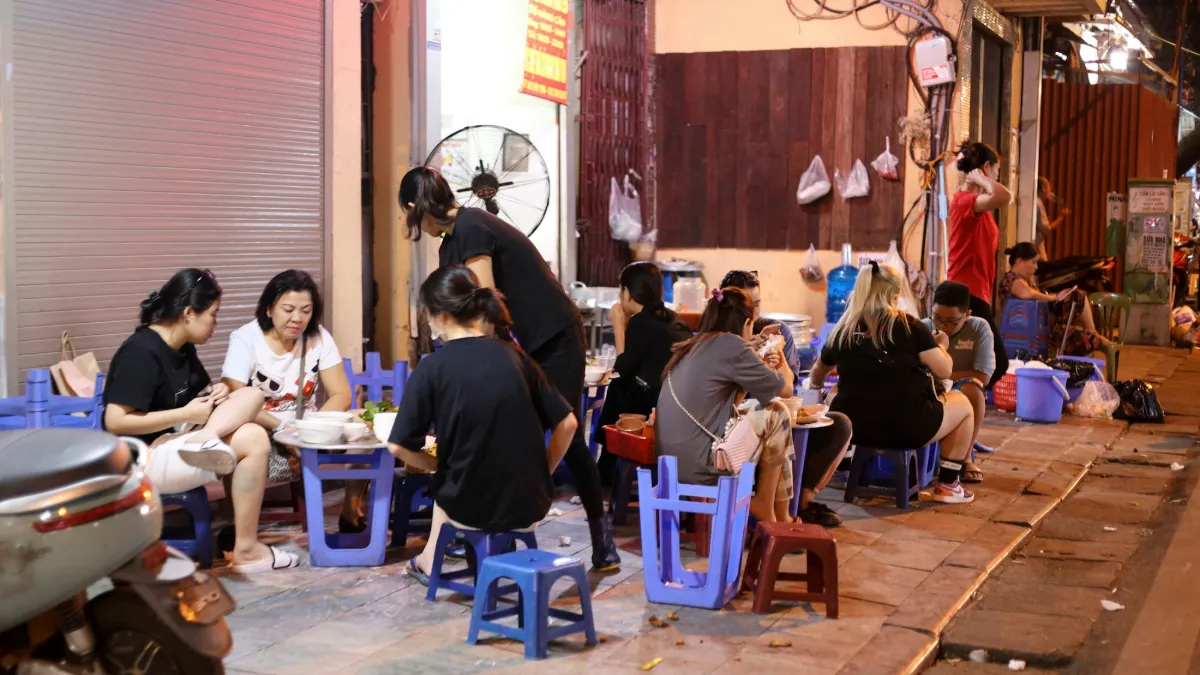
Yes, street food in Hue is generally safe if you choose busy stalls with a fast turnover. Pick places full of locals, eat dishes that are cooked or reheated in front of you, drink bottled or filtered water and go easy on raw herbs and ice for the first day or two. Most stalls have low plastic stools and shared tables; you pay at the end, usually in cash, though many now accept bank QR payments.
Are Hue Food Tours Worth It?
A food tour is the quickest way to try 8–10 Hue dishes in one evening, often by cyclo or on the back of a motorbike. A guide explains how to eat each dish, handles ordering and picks hygienic stalls. Food tours usually last about 3–4 hours. We include street-food stops on our Hue tours and can add a private food tour to any itinerary.
Local Expert Tips for Eating in Hue
These tips come from years of arranging Hue tours for international travellers.
- Eat bún bò Huế for breakfast, as locals do; the best stalls often sell out by late morning.
- Ask for “ít cay” (a little spicy) rather than “không cay” if you want to taste the dish as intended.
- Order bánh bèo, nậm and lọc as a mixed set so you can try all three in one sitting.
- Pair bánh khoái with nem lụi; they share the same peanut and liver dipping sauce.
- Try a chè stall after dinner; it is the local dessert habit and costs under 30,000 VND.
- Keep small notes (10,000–50,000 VND) for street food; many stalls cannot change large bills.
- Book a royal banquet in advance in peak months (March–April and during festival events).
- In the flood season (October–December), have a covered restaurant as a back-up for rainy evenings.
Plan Your Hue Trip
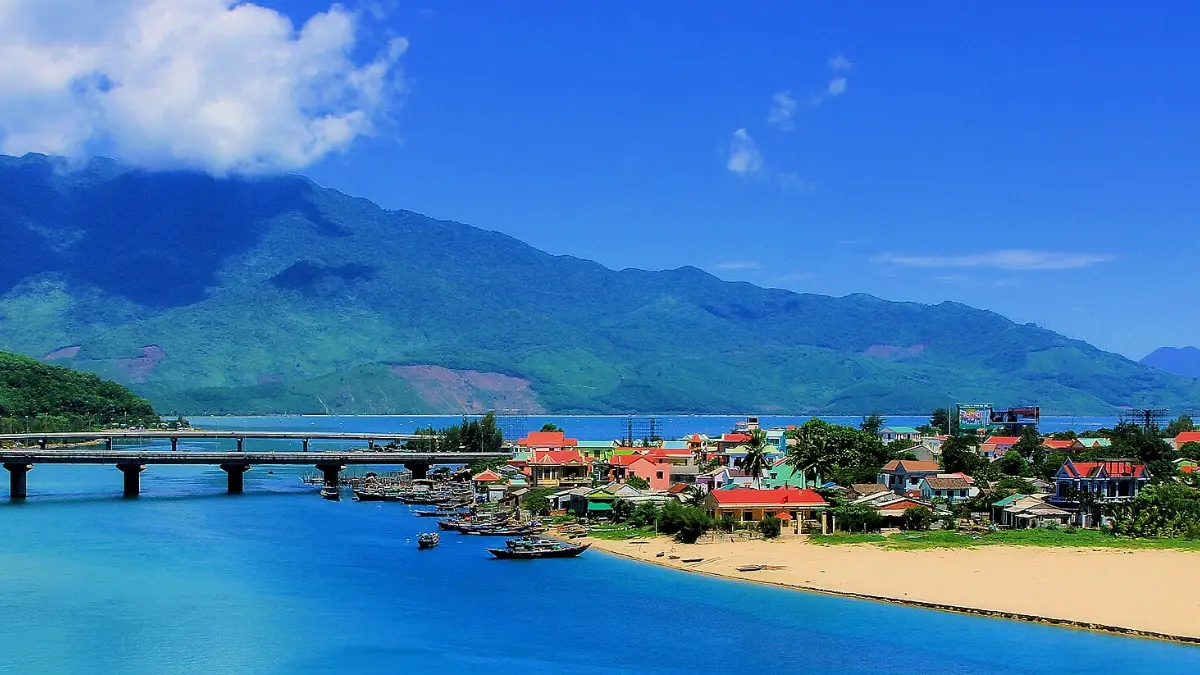
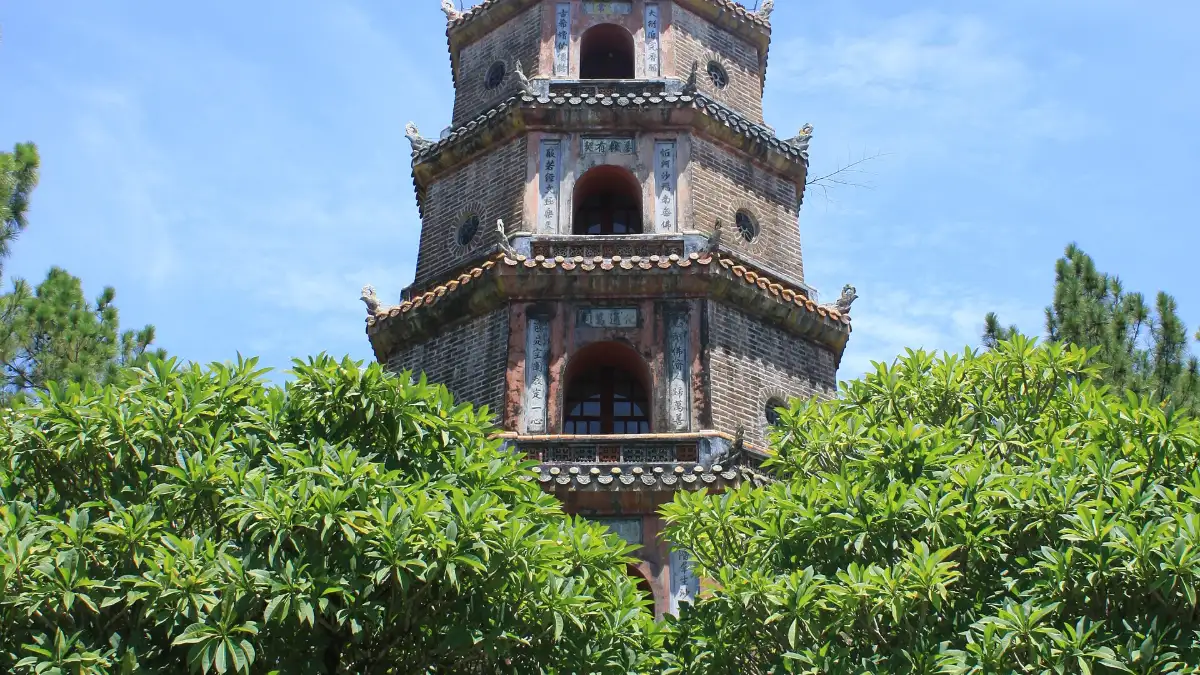
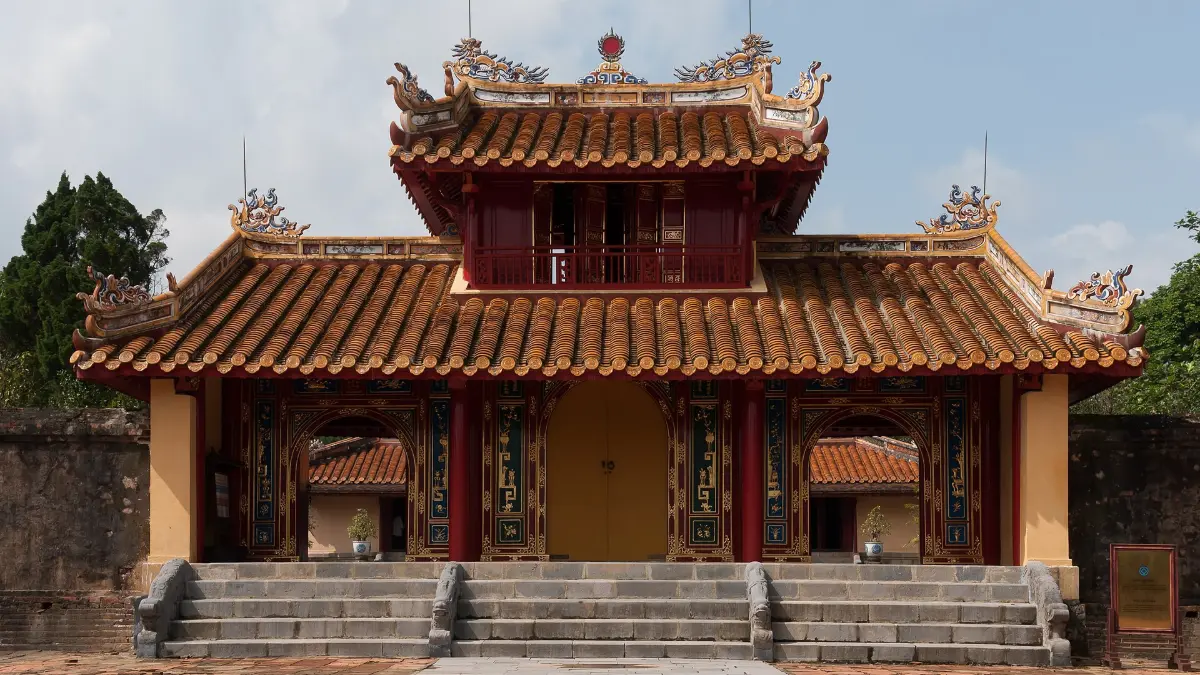
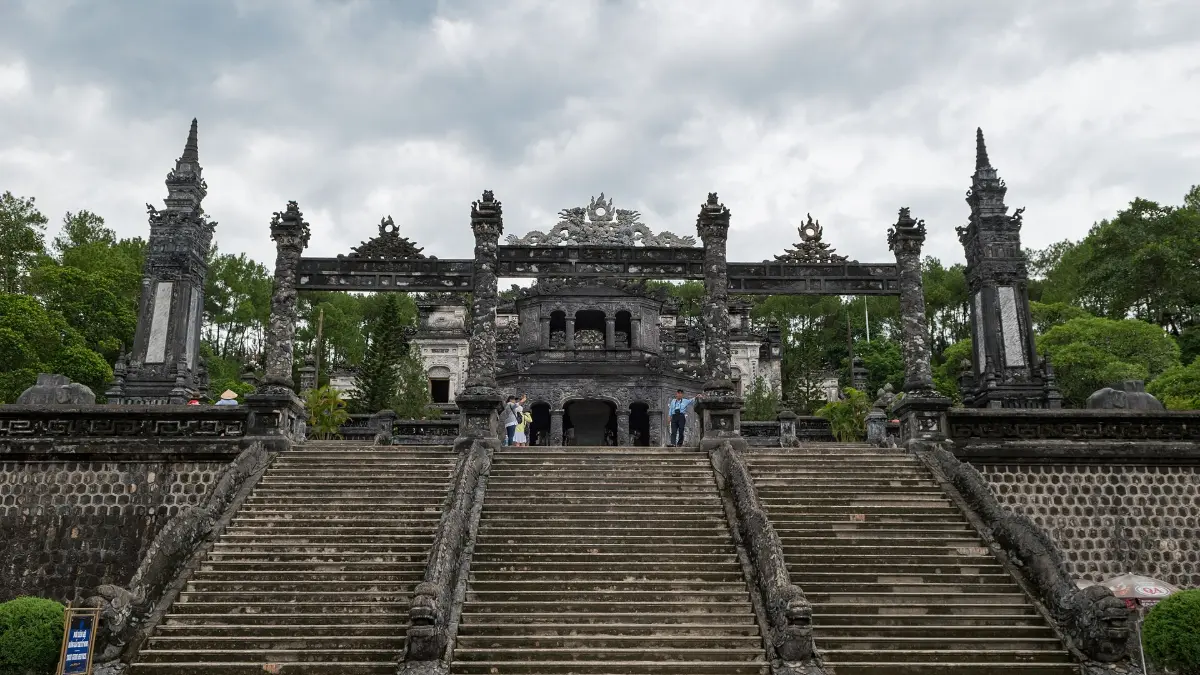
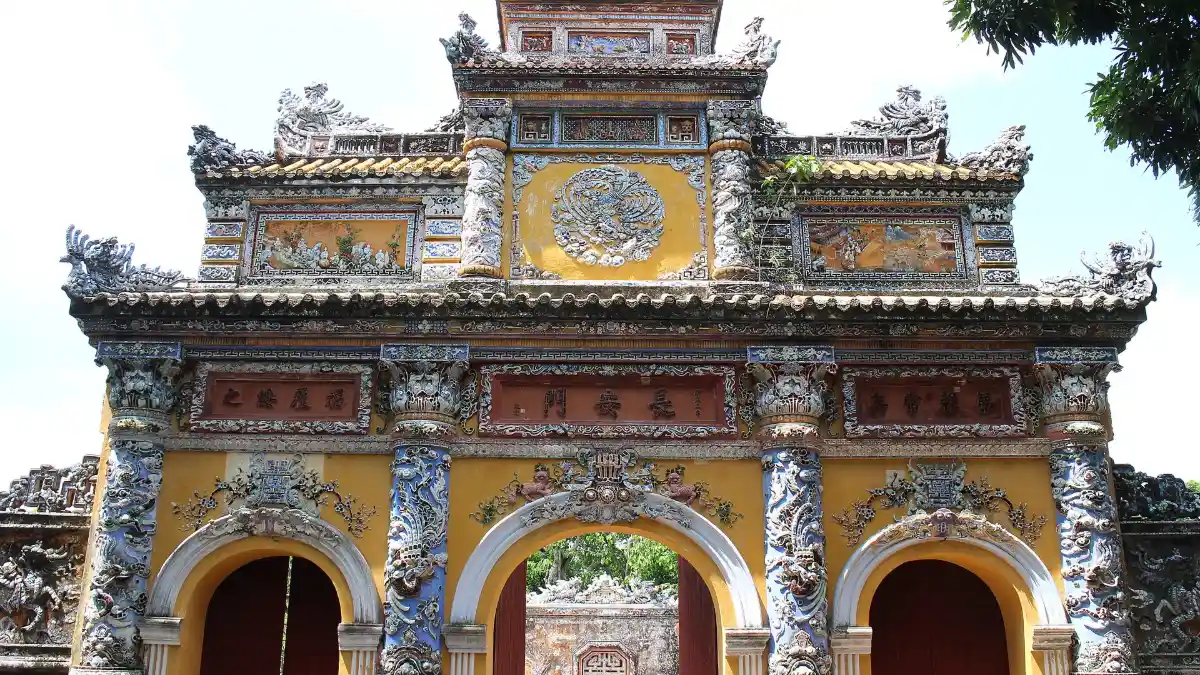
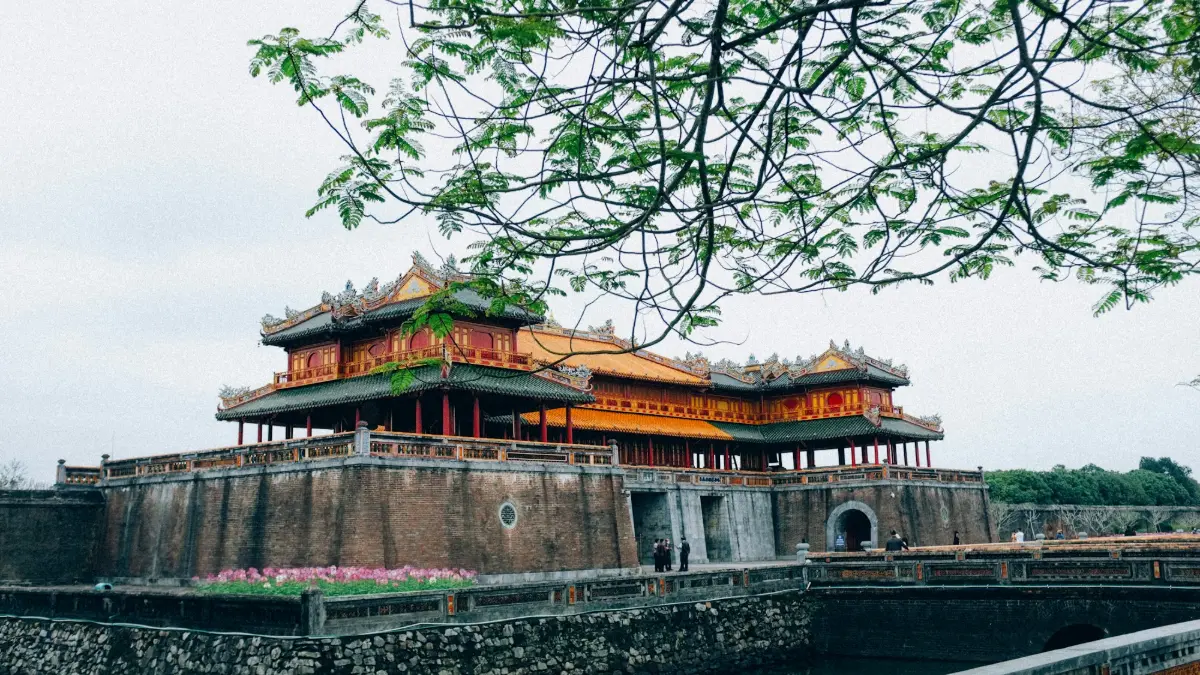
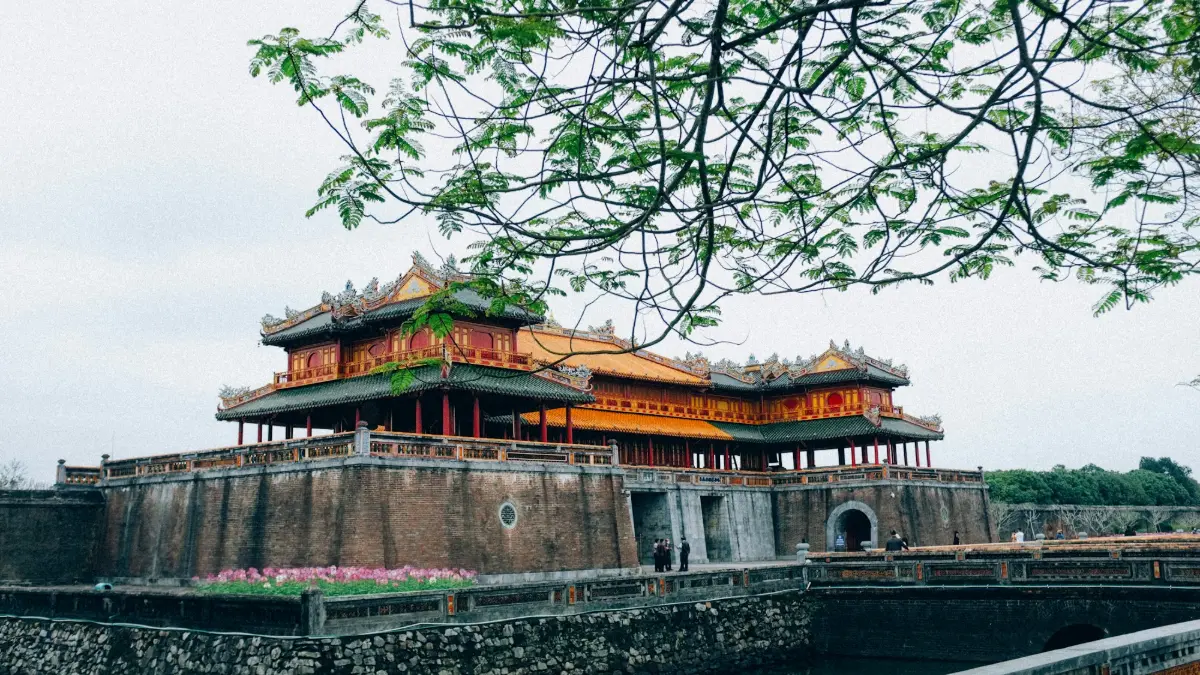
Build your food stops around the sights: start at the Hue Imperial Citadel, walk to Dong Ba Market for a market lunch, then visit the royal tombs of Khai Dinh, Minh Mang and Tu Duc and the Thien Mu Pagoda on the Perfume River. Seafood lovers should stop at Lang Co Beach on the way to Da Nang. For practical planning read our Hue transportation guide, where to stay in Hue and Hue travel tips, and compare with Da Nang food and Hoi An food.
Plan your trip with our Hue travel guide and Hue tours. Contact Vietnam Tour Expert Team for a free custom itinerary.
Frequently Asked Questions about Hue Food
1. What food is Hue most famous for?
Hue is most famous for bún bò Huế, a spicy lemongrass beef noodle soup. Other signature dishes are cơm hến (baby clam rice), bánh khoái, nem lụi and the steamed royal cakes bánh bèo, bánh nậm and bánh bột lọc.
2. How much does bún bò Huế cost in Hue?
A bowl of bún bò Huế costs about 30,000–60,000 VND (US$1.20–2.30) at local eateries in Hue. Bowls with extra toppings such as pork knuckle or crab balls cost a little more.
3. When do people eat bún bò Huế in Hue?
In Hue, bún bò is mainly a breakfast dish, eaten from about 6:00 to 10:00. Some stalls stay open all day, but the most popular ones often sell out by late morning.
4. Is Hue food spicy?
Yes, Hue food is the spiciest in central Vietnam, with chilli in broths, sauces and on the table. Ask for “ít cay” (a little spicy) or “không cay” (not spicy) when ordering.
5. Does the Michelin Guide cover Hue?
No. The Michelin Guide Vietnam 2026 covers only Hanoi, Ho Chi Minh City and Da Nang, so Hue has no Michelin-starred or Bib Gourmand restaurants. Hue’s best food is found in markets and family-run eateries.
6. What is cơm hến in Hue?
Cơm hến is a Hue dish of rice topped with tiny river clams, pork crackling, peanuts, herbs and chilli, served with clam broth. It comes from Con Hen islet on the Perfume River and costs about 15,000–30,000 VND.
7. What are bánh bèo, bánh nậm and bánh bột lọc in Hue?
They are Hue’s steamed rice and tapioca cakes, once served at the royal court. Bánh bèo are small rice saucers with dried shrimp, bánh nậm are flat parcels in banana leaf and bánh bột lọc are chewy tapioca dumplings; a mixed set costs about 30,000–60,000 VND.
8. Where is the best place to try street food in Hue?
The best area for Hue street food is around Dong Ba Market and inside the Citadel in the morning and at lunchtime. Vy Da is good for clam dishes and the south bank for evening restaurants.
9. What is royal cuisine in Hue?
Hue royal cuisine is the decorative court food of the Nguyen emperors, served as many small dishes. Several Hue restaurants offer royal banquet dinners, often with costumes and court music, for about 500,000–1,500,000 VND per person.
10. Is Hue good for vegetarians?
Yes. Thanks to its Buddhist heritage, Hue has many vegetarian restaurants serving meat-free bún bò, bánh bèo and nem. Vegetarian food is especially popular on the 1st and 15th days of the lunar month.
11. Can I find halal food in Hue?
Halal-certified restaurants are very rare in Hue. Muslim travellers usually choose vegetarian or seafood dishes and check for lard and fish sauce; we can arrange suitable meals on private tours.
12. What is salt coffee in Hue?
Salt coffee (cà phê muối) is strong Vietnamese coffee topped with lightly salted cream, widely credited to Hue. A cup costs about 20,000–40,000 VND in local Hue cafés.
13. Is street food in Hue safe?
Street food in Hue is generally safe if you choose busy stalls with a fast turnover and food cooked in front of you. Drink bottled or filtered water and go easy on ice and raw herbs for the first day or two.
14. How much should I budget for food per day in Hue?
Eating local street food in Hue costs about 150,000–400,000 VND (US$6–15) per day. Budget about 800,000–1,500,000 VND per day if you include restaurant dinners or a royal banquet.
15. What food souvenirs can I buy in Hue?
Popular Hue food souvenirs are mè xửng (sesame candy), tôm chua (sour shrimp), dried lotus seeds and royal herbal tea. They are sold at Dong Ba Market and specialty shops.
16. Is a food tour in Hue worth it?
A Hue food tour is worth it if you have only one or two evenings, as you can try 8–10 dishes in about 3–4 hours with a guide who handles ordering. Many tours travel by cyclo or motorbike.
17. Do Hue street food stalls accept cards?
Most Hue street food stalls take cash only, although many now accept Vietnamese bank QR payments. Carry small notes of 10,000–50,000 VND.
Related Posts
Hue Travel Tips 2026: Best Time, Tickets & Dress Code
Where to Stay in Hue: Best Areas & Hotels by Budget
Hue Transportation: Airport, Trains, Hai Van Pass & Boats
Lang Co Beach: Bay, Lagoon & Seafood Between Hue and Da Nang

Truong Tien Bridge Hue: History, Night Lights & Myths