Ben Thanh Market Saigon: Hours, What to Buy & Bargaining
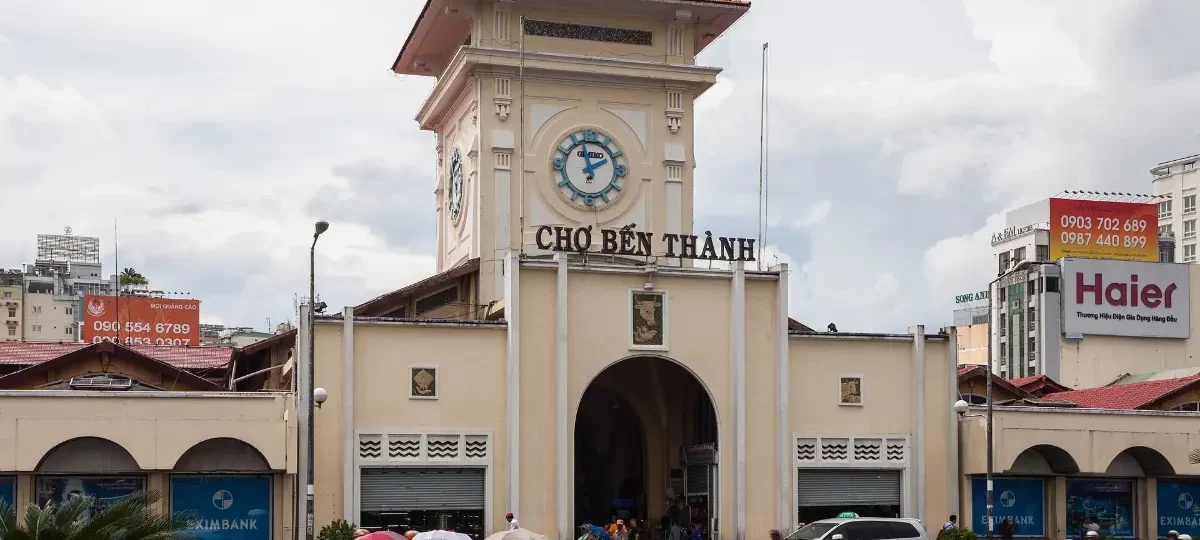
Ben Thanh Market (Chợ Bến Thành) is Ho Chi Minh City’s best-known covered market, a 1914 building with a famous clock tower on Lê Lợi Street in Bến Thành Ward. Its roughly 1,500 stalls sell street food, coffee, textiles, souvenirs and fresh produce. Entry is free and stalls trade daily from about 6:00–7:00 to 18:00–19:00.
Status (checked October 2026): open daily as normal, with free entry. The facade, roof drainage and surrounding pavements were refreshed in January 2026 ahead of Tết, and Ben Thanh Metro station (Line 1, opened December 2024) is right next to the market. Most stalls close during the first days of Tết; prices are rarely displayed, so bargaining is expected in the clothing and souvenir sections.
Why Ben Thanh Market is worth seeing:
- A Saigon icon: the clock tower over the main gate has been a symbol of the city for more than a century.
- Food court in the middle of the market: bánh xèo, phở, cơm tấm, fresh juices and Vietnamese desserts under one roof.
- One-stop souvenir shopping: coffee, tea, lacquerware, áo dài, conical hats and dried fruit.
- Local life: fresh produce, flowers and dried seafood sections used by city residents.
- Central and free: next to the metro and within walking distance of most District 1 hotels.
Ben Thanh Market at a Glance
| Vietnamese name | Chợ Bến Thành |
|---|---|
| Location | Lê Lợi Street at Quách Thị Trang Square, Bến Thành Ward, Ho Chi Minh City (the former District 1) |
| Distance | In the city centre; about 1 km from Independence Palace and about 7 km from Tan Son Nhat Airport |
| Built | 1912–1914; renovated in 1952, 1985 and 2022 |
| Size | About 13,000 m², nearly 1,500 stalls |
| Known for | Clock tower, food stalls, souvenirs, fabrics and coffee |
| Opening hours | Daily, about 6:00–7:00 until 18:00–19:00 (varies by stall) |
| Entrance fee | Free |
| Time needed | 1–2 hours |
| Best time | 8:00–10:00 for shopping; 11:00–13:00 for lunch at the food stalls |
| Nearby | Independence Palace, Nguyen Hue Walking Street, Bui Vien Street, Notre Dame Cathedral |
| Find it | Google Maps · Tripadvisor · Wikipedia |
Is Ben Thanh Market Worth Visiting?
Yes, for an hour or two. Ben Thanh Market is touristy and prices for foreigners start high, but it is still the easiest place in central Ho Chi Minh City to see a traditional Vietnamese market, eat several local dishes in one sitting and pick up souvenirs. Go with realistic expectations and a smile for bargaining.
- Best for: first-time visitors, food lovers, souvenir shoppers, photographers.
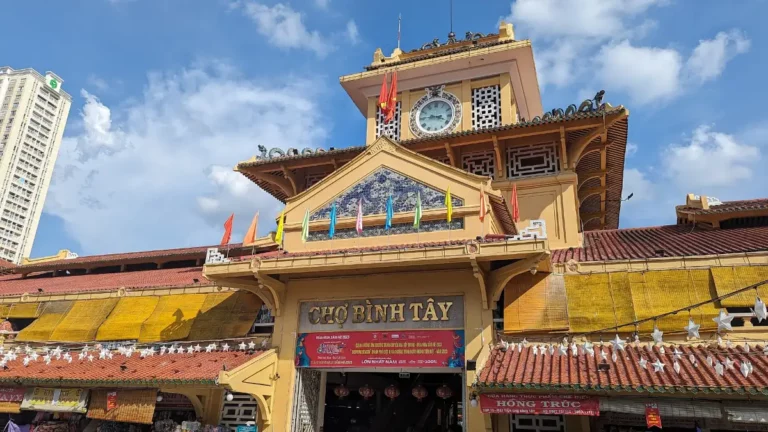
- Skip if: you dislike crowds and haggling, or want a truly local market; visit Binh Tay Market in Cholon instead.
- Short on time: enter by the clock-tower gate, walk through the food section to lunch, and pick up coffee on the way out; about 45 minutes.
History of Ben Thanh Market
Trading by the Saigon River began in the early 17th century, near a wharf (“bến”) beside the old Gia Định citadel (“thành”), which gave the market its name. After the French captured the citadel in 1859 they formalised the riverside market, but it burned down in 1870 and was rebuilt in a temporary form. The site later became the wholesale Chợ Cũ (Old Market).
The market moved to its present site in 1912, and the new building, completed in 1914, became the commercial heart of colonial Saigon. Its clock tower over the main gate quickly turned into a city symbol. The market was renovated in 1952, when architect Lê Văn Mậu redesigned parts of the facade, again in 1985, and most recently in 2022. In January 2026 the facade and roof drainage were cleaned and repainted before Tết, while the adjacent Ben Thanh Metro station opened on 22 December 2024 as the central hub of Line 1.
What to See at Ben Thanh Market
1. The clock-tower gate
The main gate with its clock tower faces Quách Thị Trang Square and the Lê Lợi metro area. It is the classic photo of the market, best taken from across the square in the morning.
2. The food stalls
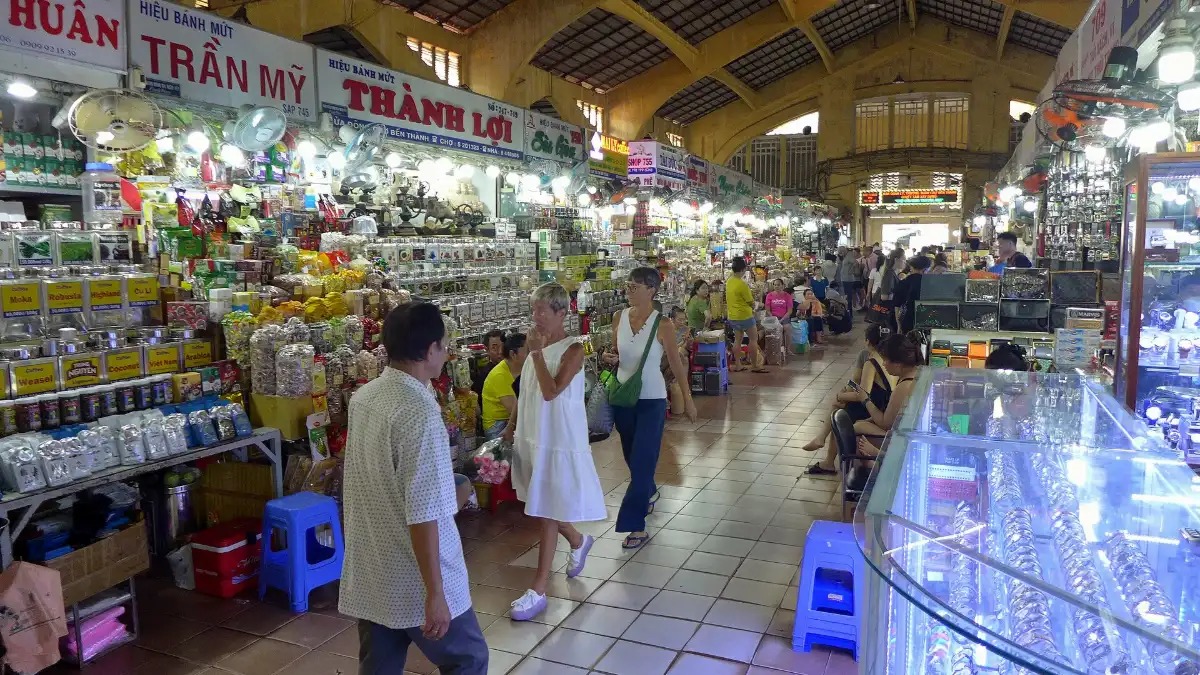
Rows of food stalls in the centre of the market serve bánh xèo (crispy pancakes), phở, bún bò Huế, cơm tấm (broken rice), gỏi cuốn (fresh spring rolls), chè (sweet soups) and fresh sugarcane or fruit juices. Prices are higher than street stalls but still modest.
3. Coffee, tea and dried goods
Stalls sell Vietnamese robusta and arabica coffee, phin filters, tea, cashew nuts, dried fruit and spices, all easy to pack as gifts.
4. Textiles, áo dài and tailoring
The clothing section has fabrics, ready-made áo dài, silk scarves and T-shirts, and some stalls offer quick tailoring.
5. Handicrafts and souvenirs
Look for lacquerware, ceramics, embroidered bags, wooden toys and conical hats; quality varies, so inspect before you buy.
6. Fresh produce, flowers and seafood
The wet-market and produce sections show the everyday side of the market, with tropical fruits, flowers, fish and dried seafood used by local cooks.
7. The streets around the market at night
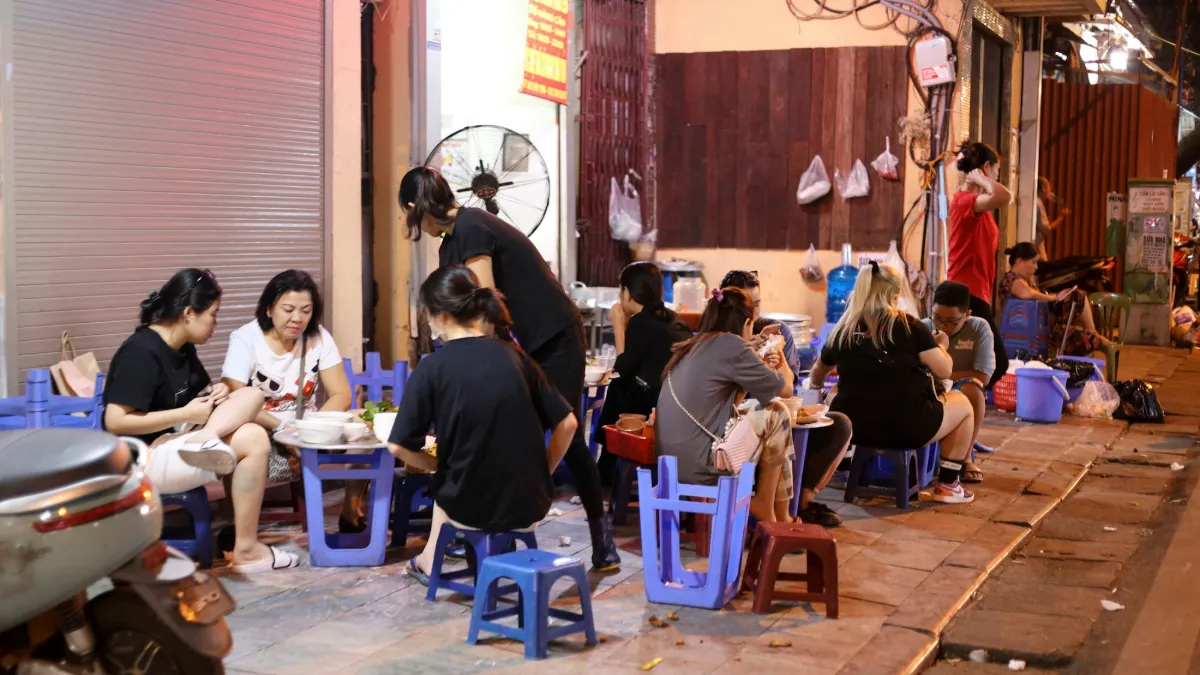
After the market closes, restaurants and food stalls on the side streets, such as Phan Bội Châu and Phan Chu Trinh, keep the area lively in the evening.
Ben Thanh Market Opening Hours and Prices
| Item | Details |
|---|---|
| Entrance fee | Free |
| Inside stalls | About 6:00–7:00 to 18:00–19:00 daily |
| Food stalls | Dishes typically from about 40,000–100,000 VND |
| Evening | Restaurants and stalls on surrounding streets after closing time |
| Tết | Most stalls close for the first days of the Lunar New Year |
Ben Thanh Market is managed by the city’s market management board; individual stalls set their own prices and hours.
How to Shop at Ben Thanh Market: Bargaining Step by Step
- Walk around first and compare prices at two or three stalls before buying.
- Ask the price, smile, and offer around half to two-thirds of the first quote in the clothing and souvenir sections.
- Meet in the middle; walking away politely often brings a better offer.
- Food stalls and stalls with printed price tags are fixed price; do not bargain there.
- Pay in Vietnamese dong, count your change and keep small notes ready.
Rules and etiquette
- Keep phones and wallets in front pockets or zipped bags; pickpocketing happens in crowds.
- Ask before photographing vendors close up.
- Once a price is agreed, it is polite to buy.
How to Get to Ben Thanh Market
| From | How | Time |
|---|---|---|
| Metro Line 1 | Ben Thanh station, exit to the market | 2–3 minutes on foot |
| Bui Vien / Pham Ngu Lao | Walk along Lê Lai Street or through 23/9 Park | About 10 minutes on foot |
| Nguyen Hue Walking Street | Walk along Lê Lợi Street | About 10 minutes on foot |
| Independence Palace | Walk along Nam Kỳ Khởi Nghĩa or Lê Thánh Tôn Street | 12–15 minutes on foot |
| Tan Son Nhat Airport | Grab, taxi or airport bus 109 to the centre | 25–45 minutes depending on traffic |
Our Saigon transportation guide explains the metro, buses and Grab.
Best Time to Visit Ben Thanh Market
| When | What to expect |
|---|---|
| 7:00–10:00 | Cooler, fewer tour groups; vendors are keen on their first sale of the day. |
| 11:00–13:00 | Lunch rush at the food stalls; lively and hot. |
| Late afternoon | Some stalls start closing from about 17:30. |
| Before Tết (January–February) | Festive decorations and very busy shopping days. |
| Rainy season (May–November) | Covered market, a good refuge from afternoon showers. |
Local Expert Tips for Ben Thanh Market
These tips come from years of arranging Saigon tours for international travellers.
- Eat first, shop second: a full stomach makes for calmer bargaining.
- Buy coffee and dried goods here, but compare prices for clothes with nearby shops.
- Check fake brand goods carefully; they may be confiscated at customs at home.
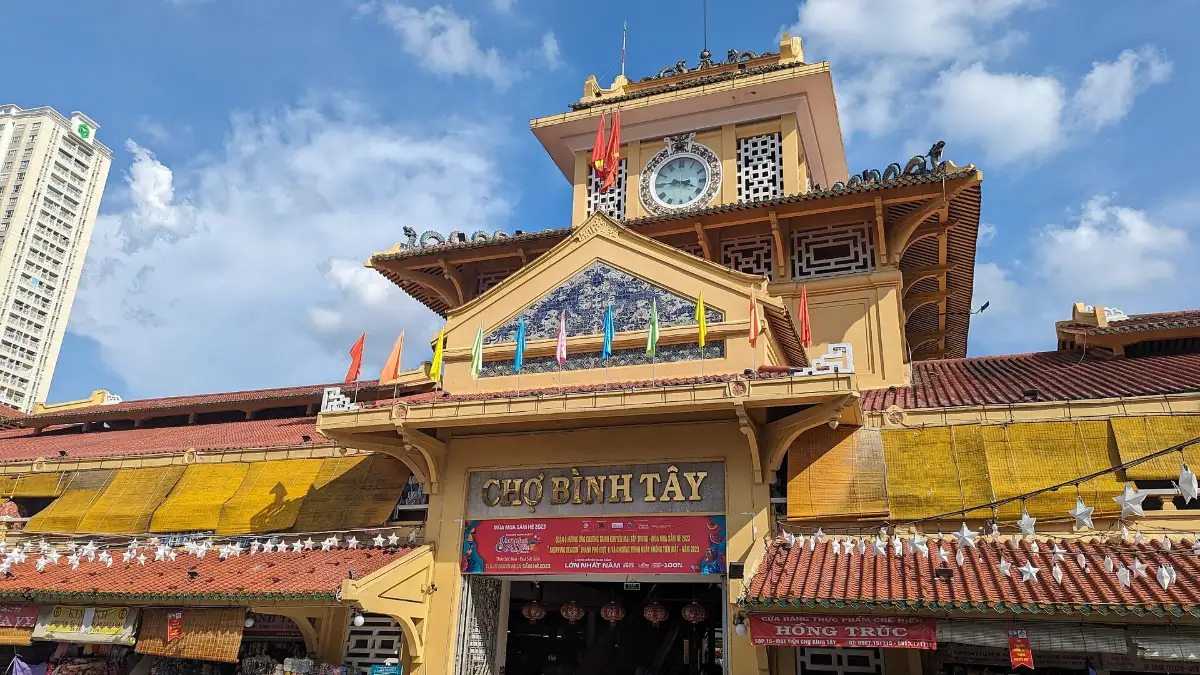
- For a more local market with fewer tourists, visit Binh Tay Market in Cholon.
- Our Saigon food guide explains what each dish is before you order.
- Stay within walking distance; see where to stay in Ho Chi Minh City.
Ben Thanh Market vs Binh Tay Market
| Ben Thanh Market | Binh Tay Market | |
|---|---|---|
| Location | City centre, next to the metro | Cholon (Chinatown), about 6 km west |
| Built | 1912–1914 | 1928–1930 |
| Atmosphere | Touristy, retail, food court | Wholesale, mostly local traders |
| Prices | Higher; bargaining expected | Wholesale prices, often in bulk |
| Best for | Souvenirs, food, convenience | Local life, architecture, Chinese heritage |
Our view: visit Ben Thanh for convenience and food, and Binh Tay if you want an authentic wholesale market and Chinatown temples; with a full day in the city, do both.
Nearby Attractions
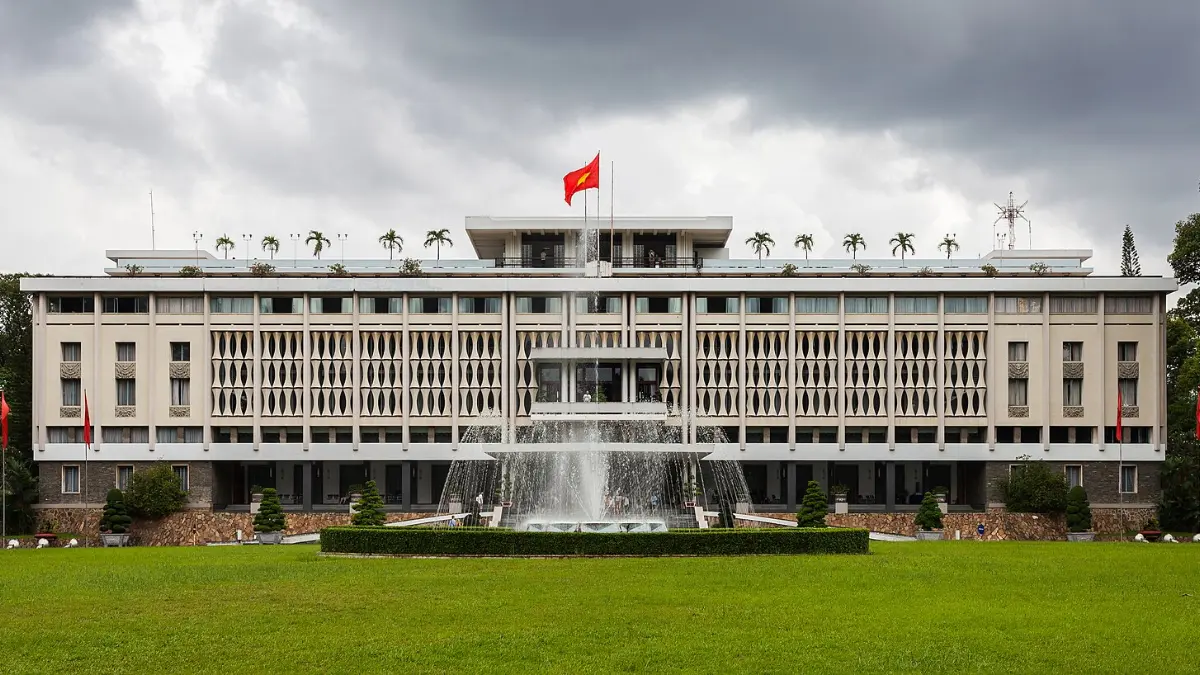
- Independence Palace: the presidential palace of South Vietnam, 12–15 minutes on foot.
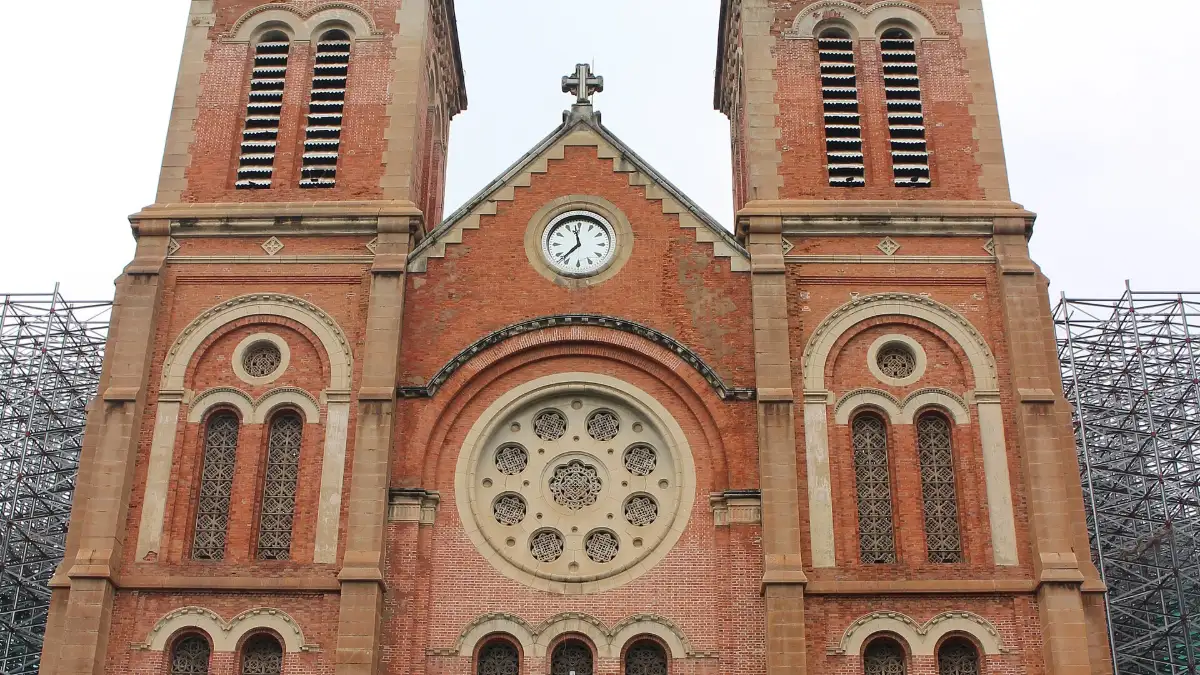
- Notre Dame Cathedral: the red-brick cathedral, about 15 minutes on foot.
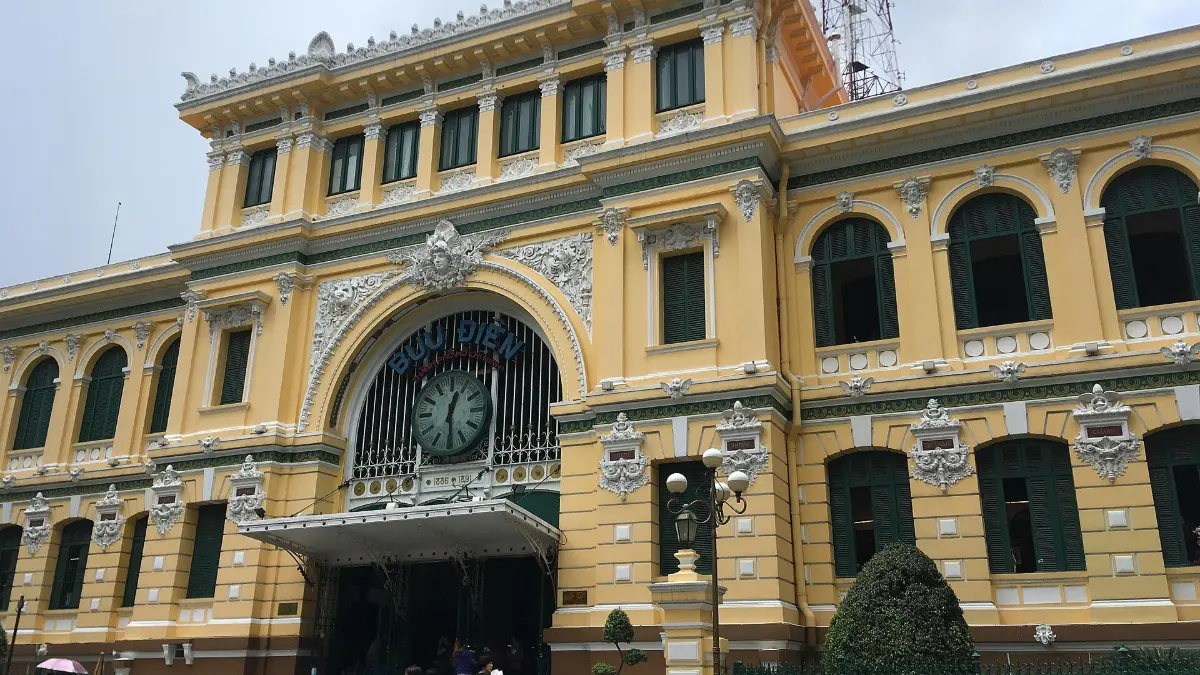
- Central Post Office: colonial architecture opposite the cathedral.
- War Remnants Museum: the city’s most important museum, 20 minutes on foot.
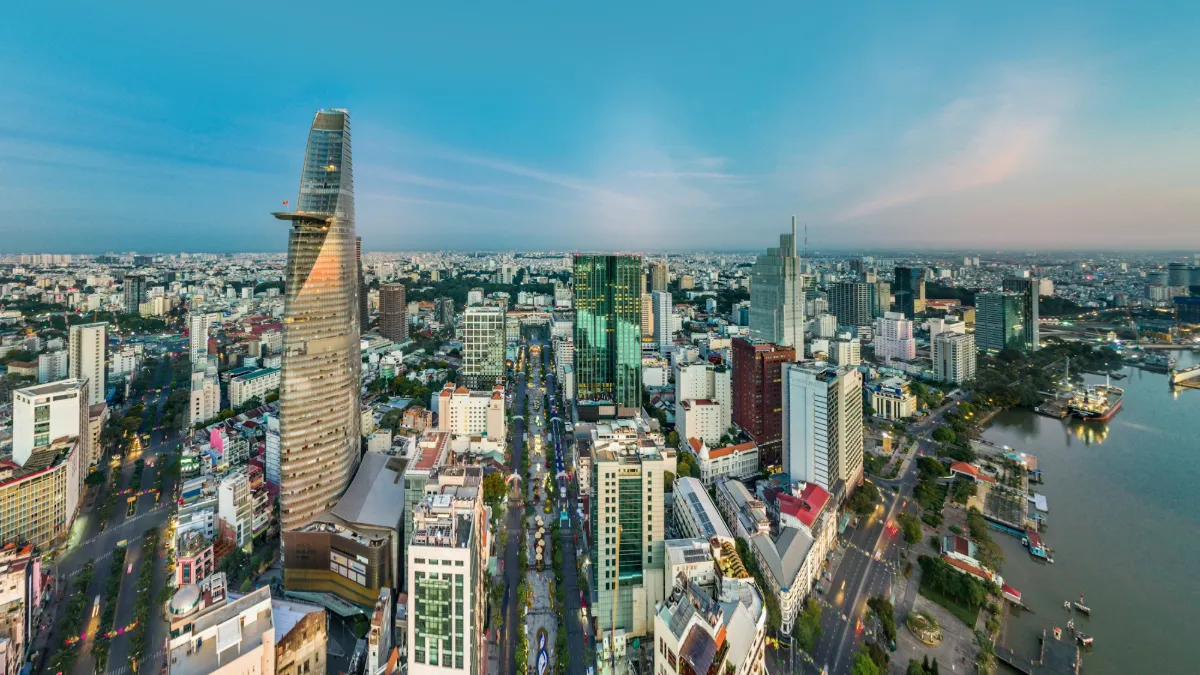
- Landmark 81: Vietnam’s tallest building with an observation deck.
- Cholon Chinatown: temples and the Binh Tay wholesale market.
Sightseeing in Ho Chi Minh City for First-Time Visitors: Where Ben Thanh Market Fits
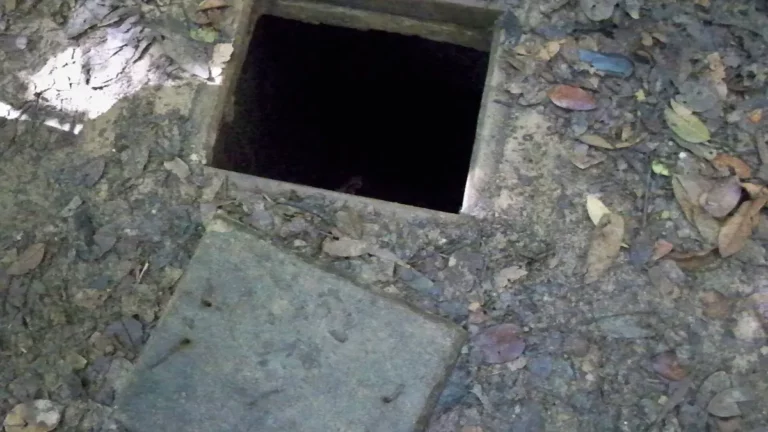
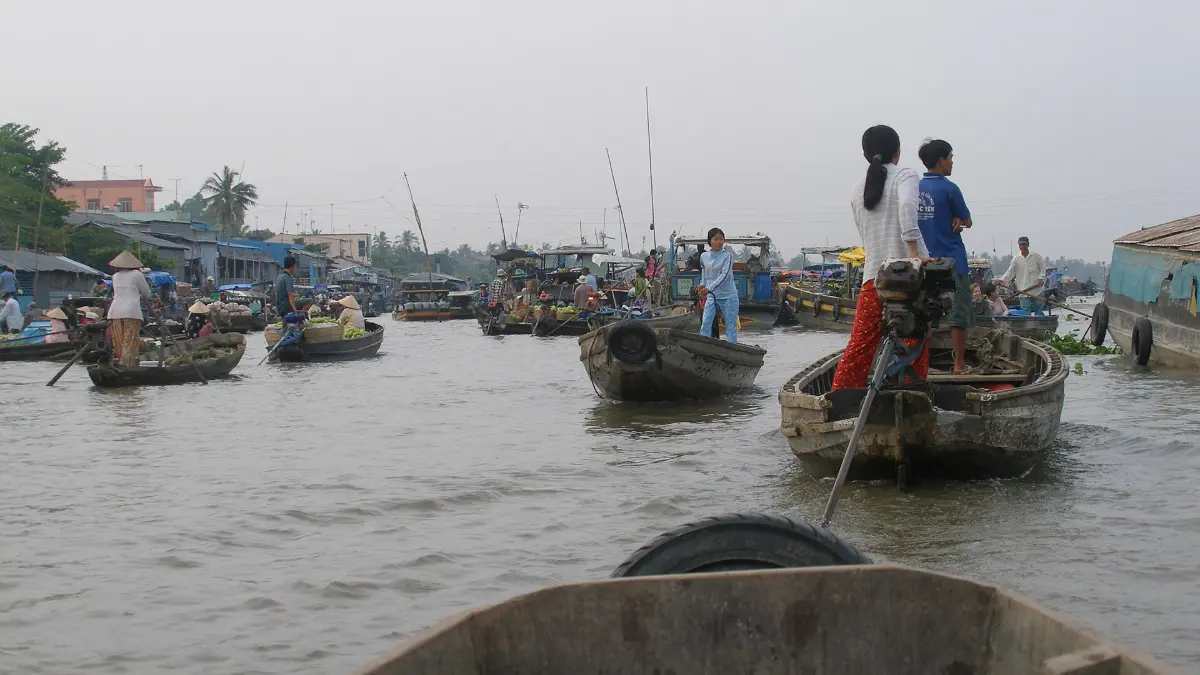
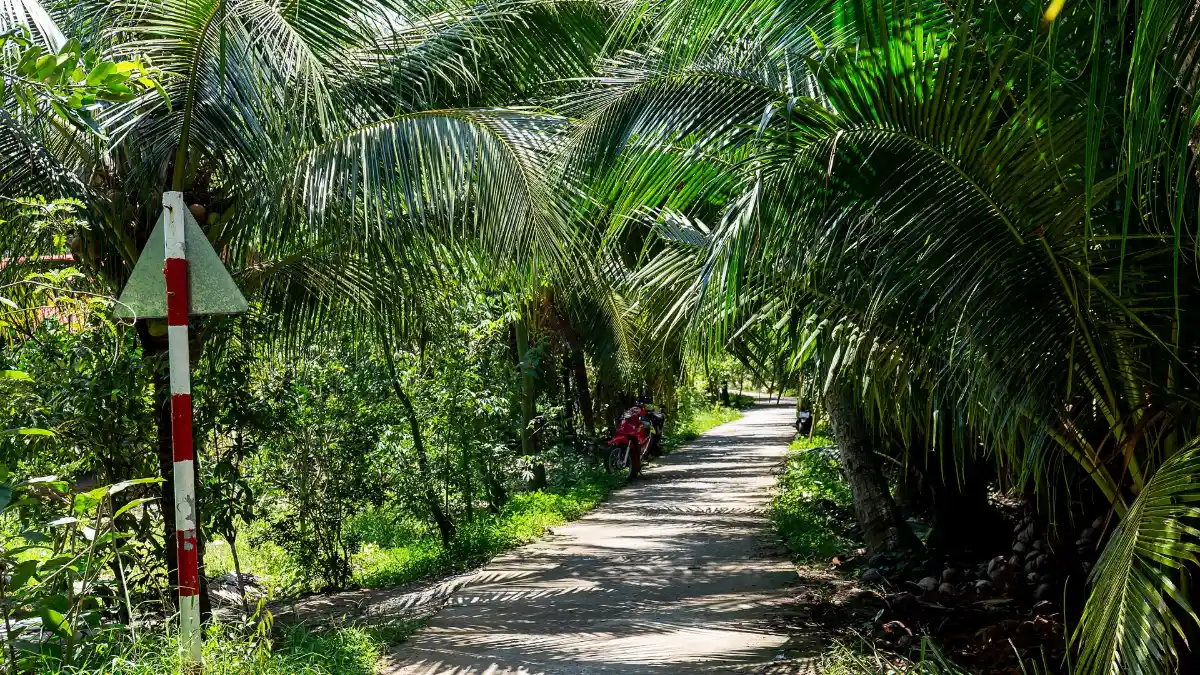
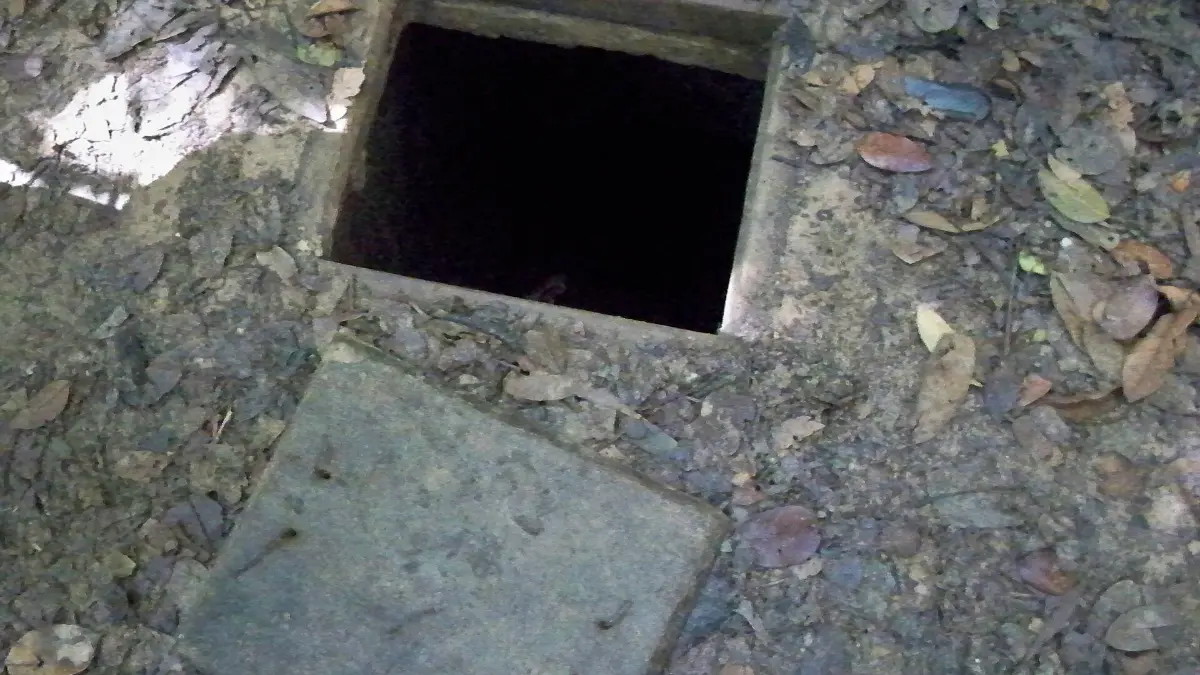
Ben Thanh Market is the natural lunch stop on a first day in Ho Chi Minh City, after a morning at Independence Palace, the War Remnants Museum, Notre Dame Cathedral and the post office. Use day two for the Cu Chi Tunnels, and day three for a Mekong Delta trip to My Tho and Ben Tre. Read our travel tips for Saigon before you go.
Plan your trip with our Saigon travel guide and Ho Chi Minh City tours. Contact Vietnam Tour Expert Team for a free custom itinerary.
Frequently Asked Questions about Ben Thanh Market
1. What are Ben Thanh Market opening hours?
Ben Thanh Market opens daily from about 6:00–7:00 until 18:00–19:00; individual stalls set their own times.
2. Is there an entrance fee for Ben Thanh Market?
No. Ben Thanh Market is free to enter.
3. Where is Ben Thanh Market?
Ben Thanh Market is on Lê Lợi Street at Quách Thị Trang Square, Bến Thành Ward, in the centre of Ho Chi Minh City, next to Ben Thanh Metro station.
4. Do you need to bargain at Ben Thanh Market?
Yes, in the clothing and souvenir sections of Ben Thanh Market; start at around half to two-thirds of the first price. Food stalls and tagged goods are fixed price.
5. What should I buy at Ben Thanh Market?
Good buys at Ben Thanh Market include Vietnamese coffee and phin filters, tea, dried fruit, cashews, lacquerware, silk scarves and áo dài.
6. What can I eat at Ben Thanh Market?
The Ben Thanh Market food stalls serve bánh xèo, phở, bún bò Huế, cơm tấm, spring rolls, chè and fresh juices.
7. Is Ben Thanh Market safe?
Ben Thanh Market is generally safe, but keep valuables in front pockets or zipped bags because pickpockets work in crowded areas.
8. When was Ben Thanh Market built?
The current Ben Thanh Market building was constructed between 1912 and 1914, replacing an earlier riverside market.
9. Is there still a Ben Thanh night market?
After Ben Thanh Market closes, food stalls and restaurants on the surrounding streets stay open into the evening, though the scene is smaller than in the past.
10. How do I get to Ben Thanh Market by metro?
Take Metro Line 1 to Ben Thanh station; the market is a two- to three-minute walk from the exits.
11. Is Ben Thanh Market open during Tết?
Most Ben Thanh Market stalls close for the first days of the Lunar New Year, while the days before Tết are among the busiest of the year.
12. How long should I spend at Ben Thanh Market?
One to two hours at Ben Thanh Market is enough to eat, browse and shop.
13. Can I pay by card at Ben Thanh Market?
Many Ben Thanh Market stalls now accept QR or card payments, but cash in Vietnamese dong is still the easiest for small purchases and bargaining.
14. Is Ben Thanh Market or Binh Tay Market better?
Ben Thanh Market is better for souvenirs and food in the centre, while Binh Tay Market in Cholon is more local and wholesale; see our Cholon and Binh Tay Market guide.
15. What is near Ben Thanh Market?
Independence Palace, Nguyen Hue Walking Street, Bui Vien Street, Notre Dame Cathedral and the Central Post Office are all within walking distance of Ben Thanh Market.
16. Are goods at Ben Thanh Market genuine?
Many branded goods at Ben Thanh Market are copies; buy local crafts, coffee and food products for better value and authenticity.
Related Posts
Cholon & Binh Tay Market: Saigon Chinatown Guide
Can Tho & Cai Rang Floating Market: Best Time & Guide
Ben Tre: Coconut Canals, Sampan Rides & Homestays
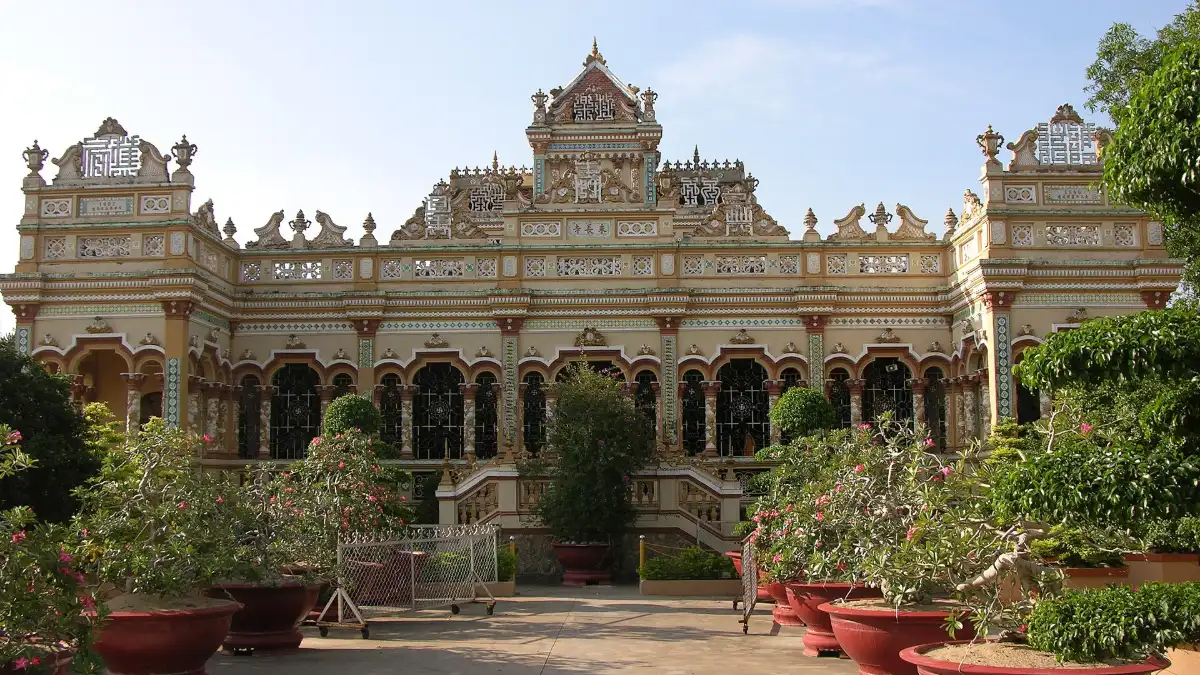
My Tho Mekong Delta: Vinh Trang Pagoda, Islands & Day Trip

Mekong Delta Day Trip from Saigon: Routes, Tips & Tours