War Remnants Museum Saigon: Ticket, Hours & What to Expect
The War Remnants Museum (Bảo tàng Chứng tích Chiến tranh) at 28 Võ Văn Tần Street, central Ho Chi Minh City, documents the Vietnam War and its human cost through photographs, prison replicas, Agent Orange exhibits and a yard of US-era aircraft and tanks. It is open daily from 7:30 to 17:30, and an adult ticket costs 40,000 VND.
Status (checked October 2026): open daily as normal from 7:30 to 17:30 (ticket counter closes at 17:00); adults pay 40,000 VND, students half price, children under 6 free. Since 10 February 2026 tickets can also be bought online with a QR code, so you can skip the queue at the counter.
Why the War Remnants Museum is worth seeing:
- The war from the Vietnamese side: the most visited museum in the city and a powerful counterpoint to Western accounts of the conflict.
- World-class war photography: images by famous photojournalists, including those who died covering the wars in Indochina.
- Agent Orange: the clearest explanation anywhere of the long-term effects of dioxin on Vietnamese families.
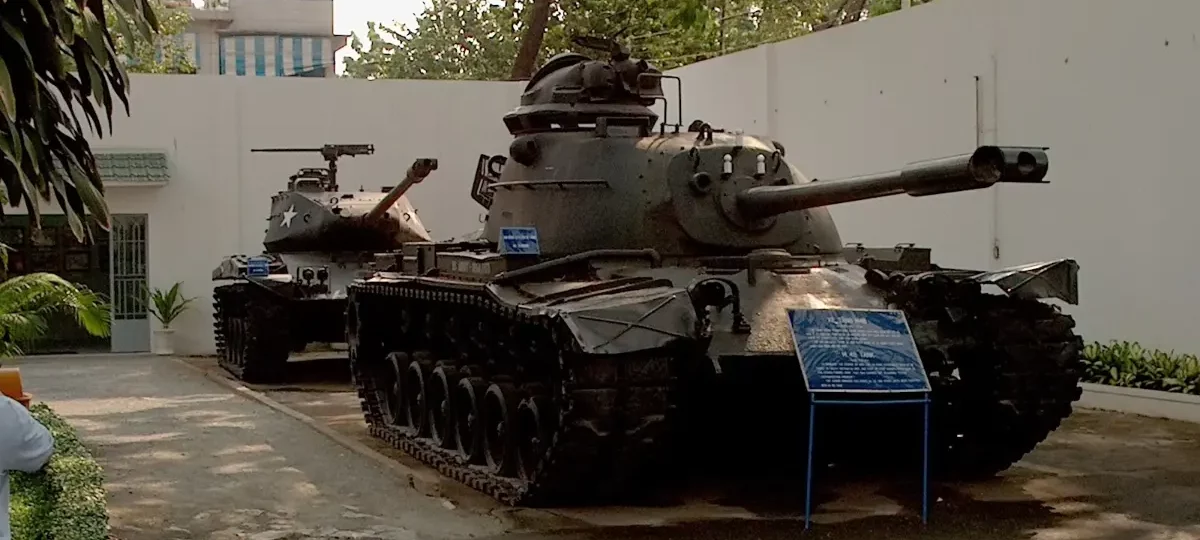
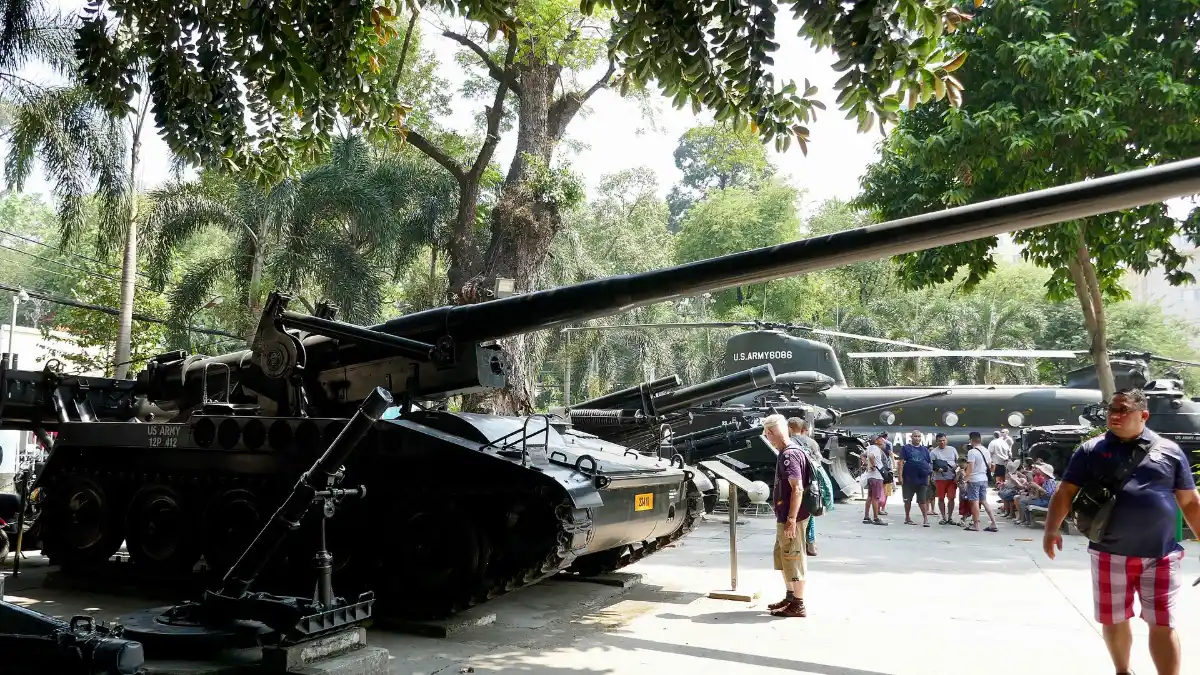
- The aircraft and tank yard: a Huey helicopter, fighter jets, an M48 tank and a huge BLU-82 bomb in the courtyard.
- Cheap and central: 40,000 VND, a 10-minute walk from Independence Palace.
War Remnants Museum at a Glance
| Vietnamese name | Bảo tàng Chứng tích Chiến tranh |
|---|---|
| Location | 28 Võ Văn Tần Street, Xuân Hòa Ward, Ho Chi Minh City (the former District 3) |
| Distance | About 1.5 km from Ben Thanh Market; about 700 m from Independence Palace |
| Known for | War photography, Agent Orange exhibits, “tiger cage” prison replicas, US military aircraft and tanks |
| Opened | 4 September 1975; named War Remnants Museum since 1995 |
| Opening hours | Daily 7:30–17:30 (last tickets 17:00) |
| Entrance fee | Adults 40,000 VND (about US$1.50); students 50% off; children under 6 free |
| Time needed | 1.5–2 hours |
| Best time | At opening (7:30) or after 15:00; good on rainy afternoons |
| Nearby | Independence Palace, Notre Dame Cathedral, Tao Dan Park, Ben Thanh Market |
| Find it | Google Maps · Tripadvisor · Official website · Wikipedia |
Is the War Remnants Museum Worth Visiting?
Yes, for almost every traveller. The War Remnants Museum is not a balanced academic account and does not try to be: it shows the war as experienced by Vietnamese civilians, and the photographs are graphic in places. That is exactly why it is so affecting, and why most visitors leave saying it was the most memorable stop of their time in Ho Chi Minh City.
- Best for: anyone interested in modern history, photography, veterans and their families, students.
- Skip if: you are travelling with young children or find images of injuries and birth defects too distressing; the courtyard of aircraft is an easier alternative.
- Short on time: see the courtyard, the “Requiem” photography gallery and the Agent Orange rooms; about 60 minutes.
History of the War Remnants Museum
The museum opened on 4 September 1975, just four months after the end of the war, as the “Exhibition House for US and Puppet Crimes”. It was set up in the former United States Information Agency building on what is now Võ Văn Tần Street. In 1990 it became the “Exhibition House for Crimes of War and Aggression”, and in 1995, the year Vietnam and the United States normalised diplomatic relations, it took its current, less confrontational name: the War Remnants Museum.
The collection has grown into one of Vietnam’s best-known museums, with several themed exhibitions spread over a three-storey main building, an outdoor yard of military hardware, and a reconstruction of the prisons used for political detainees. Much of its photography was donated by international journalists and peace organisations, and in recent decades exhibitions have increasingly focused on reconciliation, Agent Orange victims and the international anti-war movement.
What to See at the War Remnants Museum
1. The military equipment yard
The walled courtyard displays a Bell UH-1 “Huey” helicopter, an F-5A fighter, an A-37 Dragonfly and an A-1 Skyraider, an M48 Patton tank, artillery pieces and a BLU-82 “Daisy Cutter” bomb, one of the largest conventional bombs of the war. It is the easiest part of the museum for families.
2. The prison and “tiger cage” replicas
In the courtyard building, life-size reconstructions show the “tiger cages” of Côn Đảo (Côn Sơn) Island, where political prisoners were held in cramped cells, alongside a guillotine used by the French and later by the South Vietnamese government, last used in 1960.
3. Historical Truths
Inside the main building, a chronological exhibition sets out the war from the French colonial period through the 1954 Geneva Accords, American escalation and the end of the war in 1975, using documents, photographs and quotations from world leaders.
4. War crimes and civilian victims
The most difficult rooms present photographs of bombing, napalm and phosphorus injuries and massacres such as Mỹ Lai in 1968. Images taken by Western and Vietnamese photojournalists make these rooms very powerful; take your time and step out if needed.
5. Agent Orange consequences
This exhibition explains the spraying of defoliants containing dioxin over southern Vietnam and its effects on later generations, with photographs of affected families and, in a display case, preserved foetuses. It is the part of the museum most visitors remember.
6. “Requiem”: the war photographers
The Requiem exhibition honours the photographers of many nationalities who died covering the wars in Vietnam, Laos and Cambodia, showing some of their final images. Even visitors who skip the graphic rooms usually find this gallery deeply moving.
7. International support and peace
Further rooms cover the worldwide anti-war movement, letters from American veterans, children’s paintings about peace and the story of post-war reconciliation between Vietnam and the United States.
War Remnants Museum Tickets and Opening Hours
| Ticket / item | Price or time | Notes |
|---|---|---|
| Adult | 40,000 VND (about US$1.50) | At the counter or online |
| Students | 50% discount | Show a valid student card |
| Children under 6 | Free | Accompanied by an adult |
| Opening hours | 7:30–17:30 daily | Ticket counter closes at 17:00 |
| Online tickets | Since 10 February 2026 | Choose a time slot; the QR code is emailed to you |
Prices are set by the museum; check the official War Remnants Museum website or its online ticket page before your visit.
How to Visit the War Remnants Museum Step by Step
- Enter from Võ Văn Tần Street and buy a ticket, or scan your online QR code at the gate.
- Start with the aircraft and tanks in the yard while it is still cool.
- Visit the prison replicas in the courtyard building.
- Go up through the main building: history, war crimes, Agent Orange and international support.
- Finish in the Requiem gallery, then rest in the shady courtyard before moving on.
Rules and etiquette
- This is a place of remembrance: speak quietly and avoid posing for jokey photos in front of exhibits.
- Photography without flash is generally allowed; follow any signs where it is not.
- Do not climb on the aircraft or tanks.
- Parents should preview the Agent Orange and war crimes rooms before bringing children in.
How to Get to the War Remnants Museum
| From | How | Time |
|---|---|---|
| Independence Palace | Walk along Nam Kỳ Khởi Nghĩa and Võ Văn Tần Streets | About 10 minutes on foot |
| Ben Thanh Market | Grab or taxi; or walk via Nam Kỳ Khởi Nghĩa Street | 5–10 minutes by car; 20 minutes on foot |
| Notre Dame Cathedral | Walk past Independence Palace | About 15 minutes on foot |
| Bui Vien / Pham Ngu Lao | Grab or taxi | 10 minutes |
| Tan Son Nhat Airport | Grab, taxi or bus to the centre | 25–40 minutes depending on traffic |
See our Saigon transport guide for buses, Grab and the metro.
Best Time to Visit the War Remnants Museum
| When | What to expect |
|---|---|
| December–April (dry season) | Hot, sunny days; the outdoor yard is best early in the morning. |
| May–November (rainy season) | Afternoon showers; the indoor galleries make this a good rainy-day visit. |
| 7:30–9:00 | Quietest time, before tour groups arrive. |
| 10:00–14:00 | Busiest, with groups and school visits. |
| Weekends and holidays | More domestic visitors; buy tickets online to avoid queues. |
Local Expert Tips for the War Remnants Museum
These tips come from years of arranging Saigon tours for international travellers.
- Visit Independence Palace first and the museum second; the palace shows the political ending, the museum the human cost.
- Bring a small amount of cash; buying online is the easiest way to avoid queues.
- Plan something calm afterwards, such as a coffee in Tao Dan Park or a walk to the Central Post Office.
- Go with a local guide if you want context; our guides can explain different perspectives respectfully.
- Pair it with the Cu Chi Tunnels the next day for the full wartime story.
War Remnants Museum vs Independence Palace
| War Remnants Museum | Independence Palace | |
|---|---|---|
| Focus | Civilian victims, photography, Agent Orange | The South Vietnamese government and the fall of Saigon |
| Tone | Emotional and graphic in parts | Calm, architectural, retro interiors |
| Adult ticket | 40,000 VND | 80,000 VND |
| Hours | 7:30–17:30 | 7:00–18:00 |
| Children | Courtyard fine; some rooms unsuitable | Suitable for all ages |
Our view: they are 10 minutes apart and best seen together in one morning. If you only have time for one, choose the War Remnants Museum for impact, or Independence Palace if you travel with young children.
Nearby Attractions
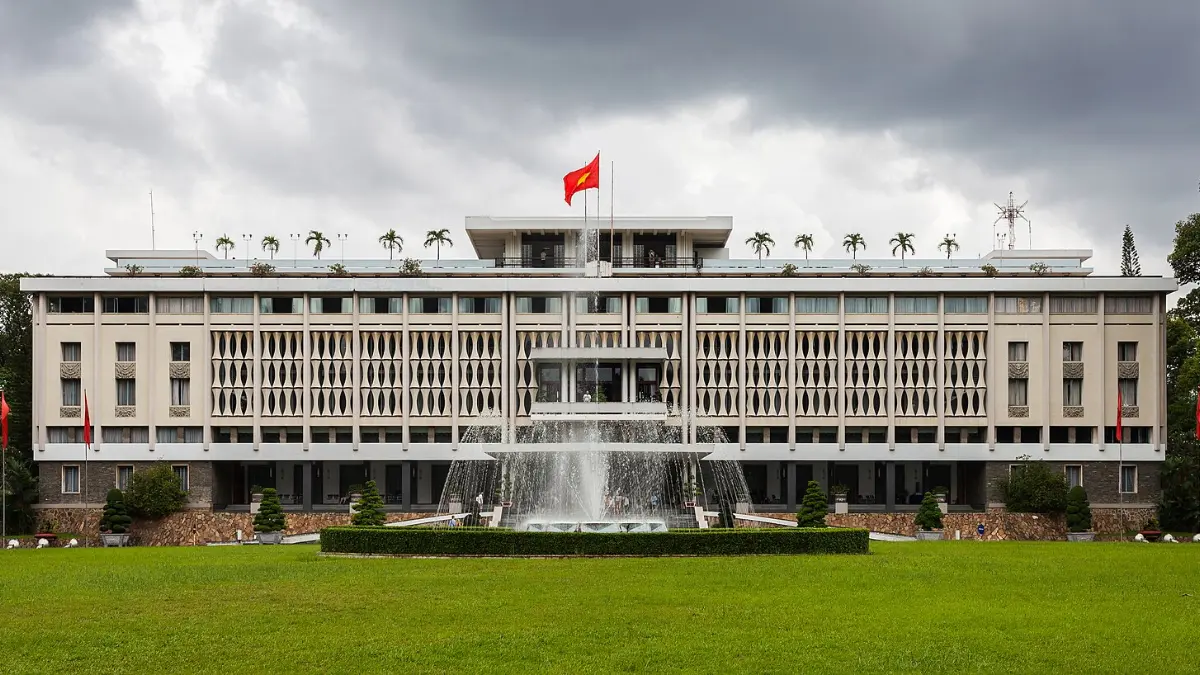
- Independence Palace (Reunification Palace): the 1960s presidential palace and bunker.
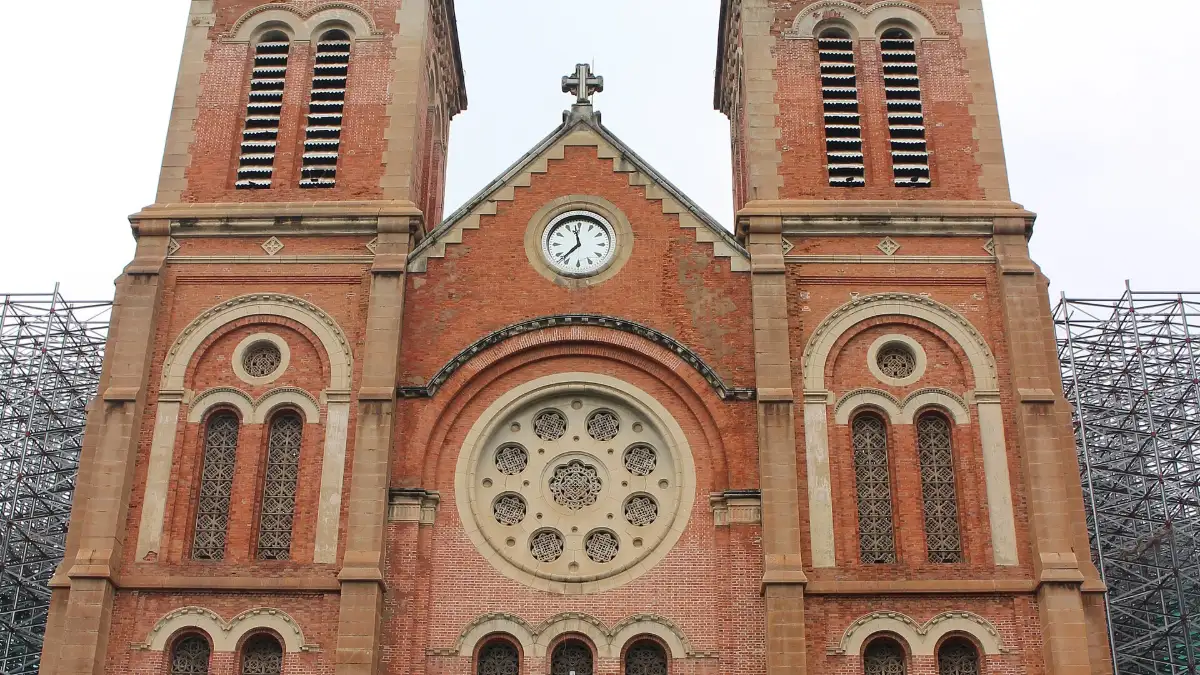
- Notre Dame Cathedral Basilica of Saigon: the French red-brick cathedral, about 15 minutes away on foot.
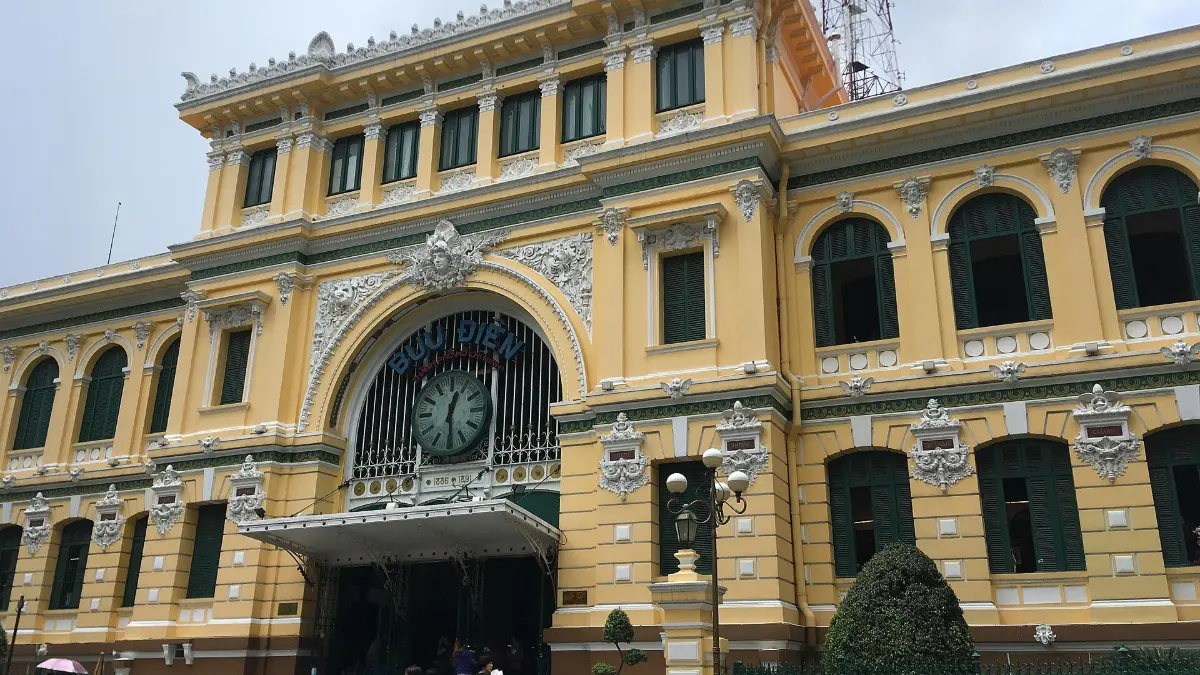
- Saigon Central Post Office: colonial architecture next to the cathedral.
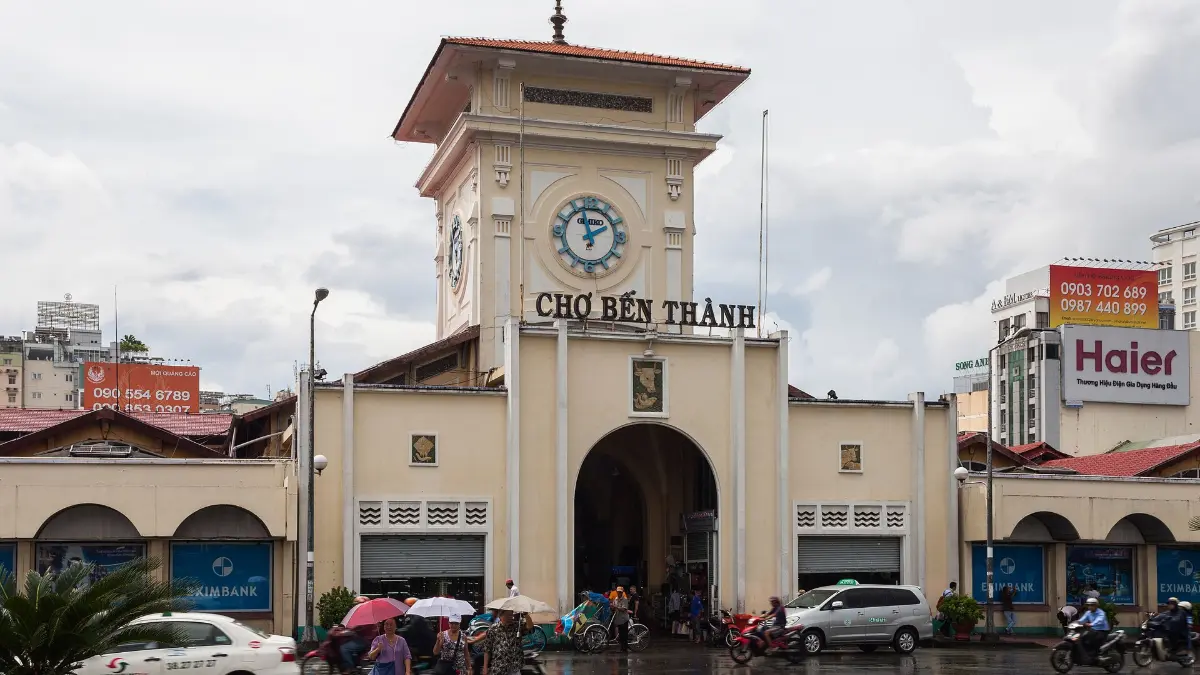
- Ben Thanh Market: street food and souvenirs, about 1.5 km away.
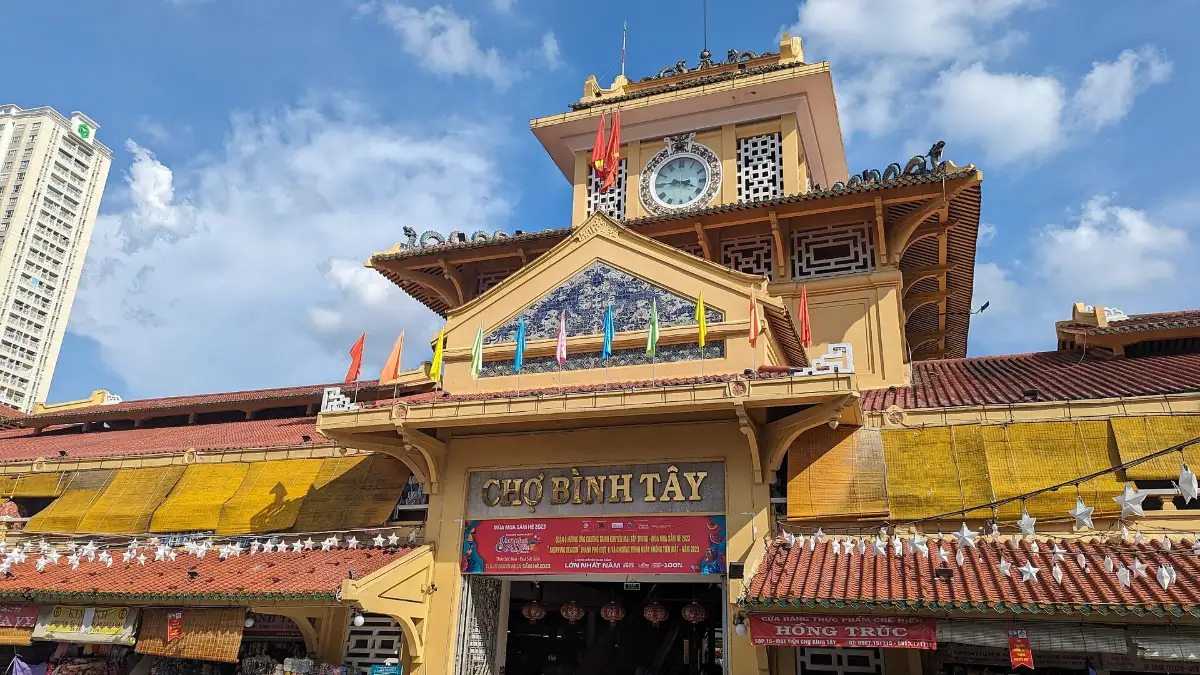
- Cholon Chinatown and Binh Tay Market: temples and wholesale markets west of the centre.
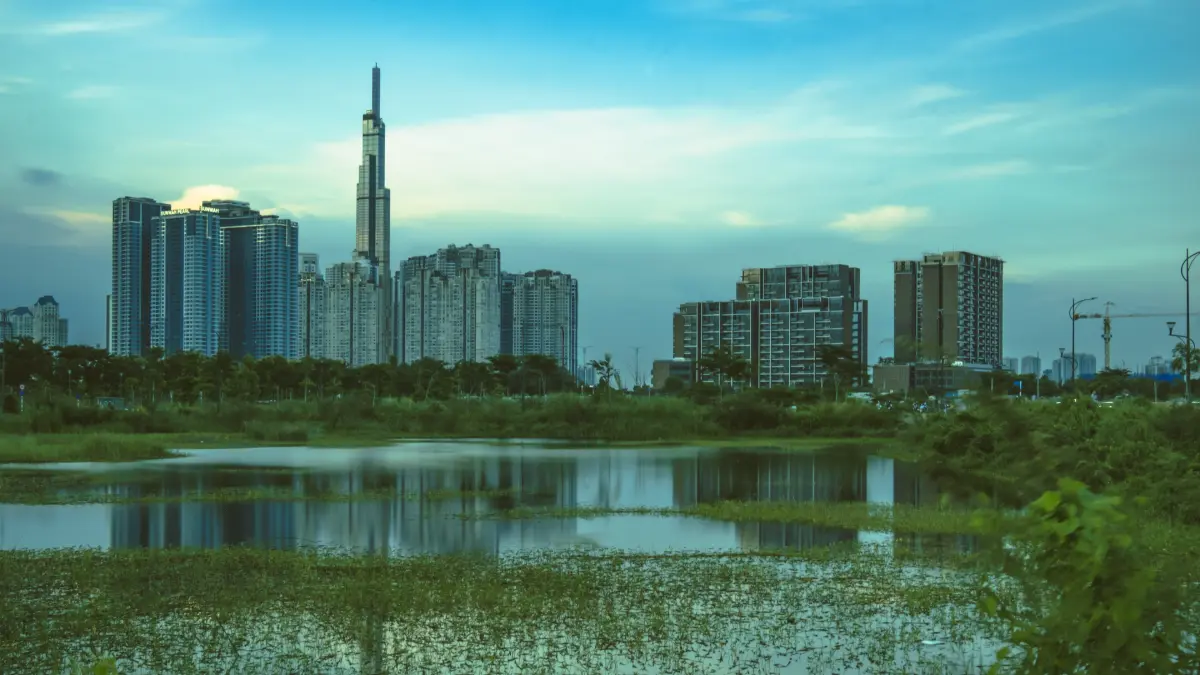
- Landmark 81: sunset views from Vietnam’s tallest tower.
Sightseeing in Ho Chi Minh City for First-Time Visitors: Where the War Remnants Museum Fits
On a classic first day in Ho Chi Minh City, combine the War Remnants Museum with Independence Palace, Notre Dame Cathedral and the Central Post Office, then have lunch in the centre; our guide to Saigon food has ideas. Spend day two at the Cu Chi Tunnels and day three in the delta with a Mekong Delta day trip from Saigon. Check our Ho Chi Minh City travel tips and best areas to stay in Saigon before you go.
Plan your trip with our Saigon travel guide and Ho Chi Minh City tours. Contact Vietnam Tour Expert Team for a free custom itinerary.
Frequently Asked Questions about the War Remnants Museum
1. How much is the War Remnants Museum ticket in 2026?
An adult ticket to the War Remnants Museum costs 40,000 VND (about US$1.50). Students get 50% off and children under 6 enter free.
2. What are the War Remnants Museum opening hours?
The War Remnants Museum is open every day from 7:30 to 17:30, and the ticket counter closes at 17:00.
3. Can I buy War Remnants Museum tickets online?
Yes. Since 10 February 2026 the War Remnants Museum sells tickets on its official ticket website; the QR code is emailed to you and scanned at the entrance.
4. Where is the War Remnants Museum?
The War Remnants Museum is at 28 Võ Văn Tần Street, Xuân Hòa Ward, Ho Chi Minh City, about 10 minutes on foot from Independence Palace.
5. How long do you need at the War Remnants Museum?
Most people spend 1.5 to 2 hours at the War Remnants Museum; a focused visit to the yard, Requiem and Agent Orange rooms takes about an hour.
6. Is the War Remnants Museum suitable for children?
The courtyard of aircraft and tanks is fine for children, but some War Remnants Museum galleries show graphic injuries and preserved foetuses, so parents should preview them first.
7. Is the War Remnants Museum biased?
The War Remnants Museum presents the war from the Vietnamese perspective and focuses on civilian suffering; it is best seen as one powerful viewpoint rather than a complete history.
8. What was the War Remnants Museum called before?
The War Remnants Museum opened in 1975 as the Exhibition House for US and Puppet Crimes, became the Exhibition House for Crimes of War and Aggression in 1990, and took its current name in 1995.
9. What aircraft are at the War Remnants Museum?
The War Remnants Museum yard includes a UH-1 Huey helicopter, an F-5A fighter, an A-37 Dragonfly and an A-1 Skyraider, along with an M48 tank and a BLU-82 bomb.
10. Can you take photos in the War Remnants Museum?
Yes, photography without flash is generally allowed in the War Remnants Museum; respect any signs and avoid jokey poses in front of exhibits.
11. What are the tiger cages at the War Remnants Museum?
The tiger cages at the War Remnants Museum are life-size replicas of the cramped cells on Côn Đảo Island where political prisoners were held during the war.
12. Is the War Remnants Museum open on public holidays?
Yes, the War Remnants Museum normally opens daily, including weekends and holidays; expect bigger crowds then, so buying online helps.
13. Should I visit the War Remnants Museum or Independence Palace first?
Visit Independence Palace first and the War Remnants Museum second; together they take a morning, and our Saigon city guide suggests how to fit in the rest of the centre.
14. Is there an audio guide at the War Remnants Museum?
The War Remnants Museum offers audio guide services in several languages; check at the ticket desk for the current price and languages, or visit with a private guide.
15. What is the Requiem exhibition at the War Remnants Museum?
Requiem at the War Remnants Museum honours photojournalists of many nationalities who died covering the wars in Indochina, displaying their work.
16. Is the War Remnants Museum worth visiting?
Yes. The War Remnants Museum is the most affecting museum in Ho Chi Minh City and essential for understanding how Vietnamese people remember the war.
Related Posts
Cholon & Binh Tay Market: Saigon Chinatown Guide
Can Tho & Cai Rang Floating Market: Best Time & Guide
Ben Tre: Coconut Canals, Sampan Rides & Homestays
My Tho Mekong Delta: Vinh Trang Pagoda, Islands & Day Trip
Mekong Delta Day Trip from Saigon: Routes, Tips & Tours