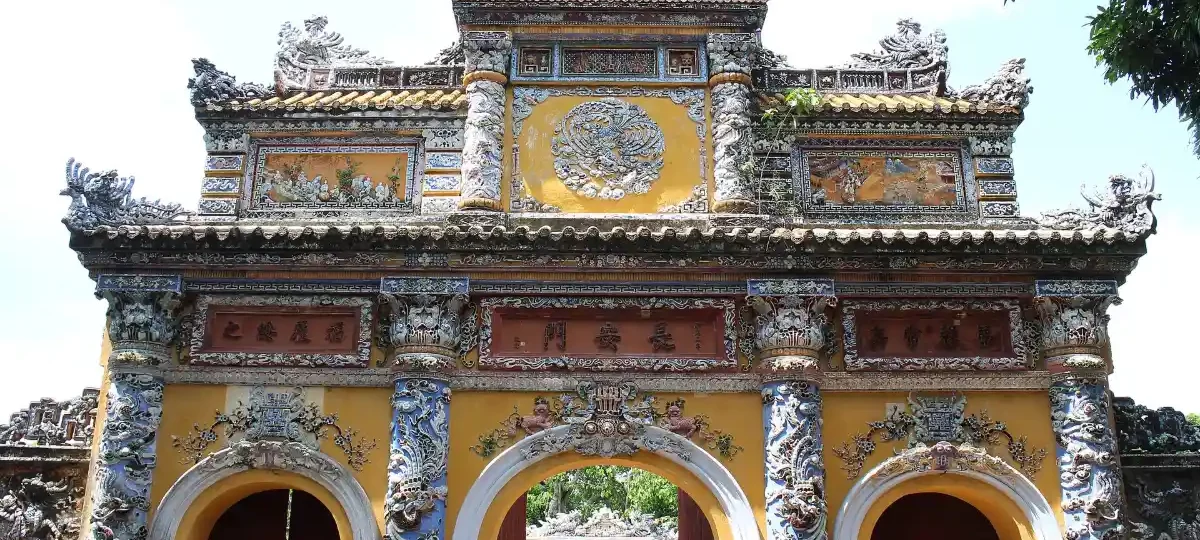
Hue Imperial Citadel 2026: Tickets, Hours & What to See
The Hue Imperial City (Đại Nội Huế) is the walled palace complex of the Nguyen emperors, who ruled Vietnam from Hue between 1802 and 1945. It sits inside the vast Hue Citadel on the north bank of the Perfume River and is the centrepiece of the UNESCO-listed Complex of Hue Monuments. Entry costs 200,000 VND for adults; allow at least three hours.
Status (checked October 2026): open daily. Winter hours apply from 16 October (ticket desks 7:00–17:00, site closes 18:00). Can Chanh Palace is being rebuilt (work began in April 2025 and is planned to finish in 2028–2029), so expect a fenced-off area behind Thai Hoa Palace; October and November are the main flood months in Hue.
Why the Hue Imperial City is worth seeing:
- Vietnam’s last royal court: thirteen Nguyen emperors reigned here, making it the most complete imperial complex in the country.
- UNESCO World Heritage: part of the Complex of Hue Monuments, inscribed in 1993.
- Restored throne hall: Thai Hoa Palace reopened in November 2024 after a three-year restoration.
- Gardens, gates and galleries: Ngo Mon Gate, the Nine Dynastic Urns, the royal theatre and the long painted corridors of the Forbidden Purple City.
- Easy to combine: one combo ticket also covers the great royal tombs outside the city.
Hue Imperial City at a Glance
| Vietnamese name | Đại Nội Huế (Hoàng Thành and Tử Cấm Thành), inside Kinh Thành Huế (Hue Citadel) |
|---|---|
| Location | Inside the Citadel, Phu Xuan Ward, Hue City; main entrance at Ngo Mon Gate, facing the Flag Tower |
| Distance | About 1.5–2 km from the riverside hotel area on the south bank; about 15 km from Phu Bai Airport |
| Size | Imperial City roughly 600 m per side; the outer Citadel walls run for almost 10 km |
| Built | From 1804–1805 under Emperor Gia Long; largely completed under Minh Mang by the 1830s |
| Known for | Ngo Mon Gate, Thai Hoa Palace, Forbidden Purple City, Nine Dynastic Urns, royal theatre |
| Recognition | UNESCO World Heritage Site (Complex of Hue Monuments, 1993) |
| Opening hours | Summer (16 Mar–15 Oct): tickets 6:30–17:30, closes 18:30. Winter (16 Oct–15 Mar): tickets 7:00–17:00, closes 18:00 |
| Entrance fee | 200,000 VND adults (about US$8); 40,000 VND children aged 7–12; under 7 free |
| Time needed | 3–4 hours (half a day with the museum) |
| Best time | February–April; arrive at opening or after 15:00 |
| Nearby | Flag Tower, Hue Royal Antiquities Museum, Dong Ba Market, Truong Tien Bridge |
| Find it | Google Maps · Tripadvisor · Official website · UNESCO |
Is the Hue Imperial City Worth Visiting?
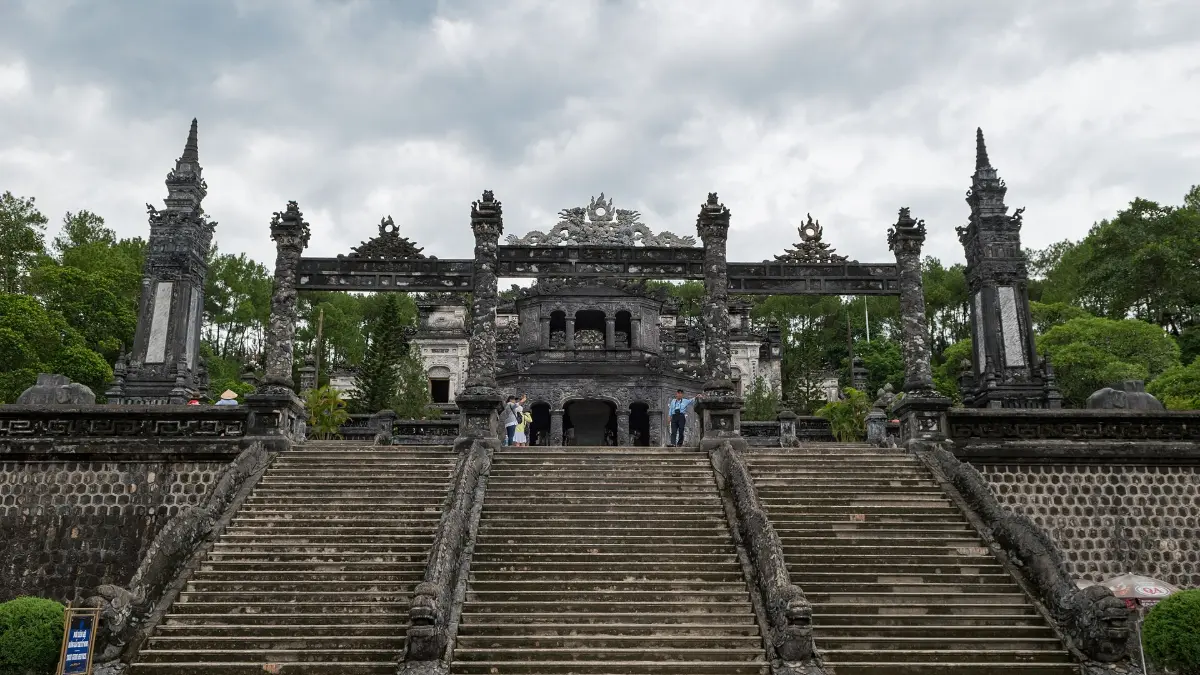
Yes. It is the single most important sight in Hue and one of the great historic sites of Vietnam. Much of the palace was destroyed in 1947 and 1968, so you will walk past empty foundations and grassy courtyards as well as gilded halls. That mix is part of its atmosphere: you see both the grandeur of the Nguyen court and the scars of the 20th century. Pair it with the royal tombs, such as Khai Dinh Tomb and Minh Mang Tomb, to understand the dynasty fully.
- Best for: history and architecture lovers, photographers, families and anyone visiting Hue for the first time.
- Skip if: you dislike walking in heat; the site is large and shade is limited between May and August.
- Short on time? Follow the central axis from Ngo Mon Gate to Thai Hoa Palace and the Forbidden Purple City, then exit past the Mieu temples and the Nine Urns. That takes about 90 minutes.
History of the Hue Imperial City
A capital for a new dynasty
After Nguyen Phuc Anh unified the country and crowned himself Emperor Gia Long in 1802, he chose Phu Xuan (Hue), the old seat of the Nguyen lords, as the capital. Surveys began in 1803 and construction of the Citadel started in 1805. The Imperial City at its centre was begun in 1804, and much of the complex took its final shape under his son, Emperor Minh Mang, in the 1820s and 1830s.
The design blends Chinese imperial planning with Vietnamese geomancy and Vauban-style European fortification. The whole complex faces south-east towards the Perfume River and Ngu Binh Mountain, which serves as a natural screen in front of the palace.
Three walls, one city
Hue has three concentric enclosures. The outer Kinh Thanh (Citadel) has walls almost 10 km long and ten main gates. Inside it, the Hoang Thanh (Imperial City) is a square of roughly 600 m per side with four gates, which held the throne halls, temples and offices. At its heart lay the Tu Cam Thanh (Forbidden Purple City), the private residence of the emperor and his family.
War, loss and restoration
The court lasted until Emperor Bao Dai abdicated in August 1945. In 1947 fighting between the Viet Minh and French forces destroyed many buildings, and the Tet Offensive of 1968 caused far worse damage; of about 160 buildings, only around ten major structures survived intact. Restoration has continued since the 1980s under the Hue Monuments Conservation Centre. UNESCO inscribed the Complex of Hue Monuments in 1993, and the Imperial City of Hue is now steadily regaining its lost palaces.
What to See at the Hue Imperial City
1. The Flag Tower (Ky Dai)
Before you enter, look up at the Flag Tower on the Citadel’s southern wall. First built in 1807, it carries a 37 m flagpole (the present concrete pole dates from 1948) and is the city’s most recognisable landmark. The Nine Holy Cannons, cast in 1803–1804 and now a national treasure, stand near the gates on either side.
2. Ngo Mon Gate (Meridian Gate)
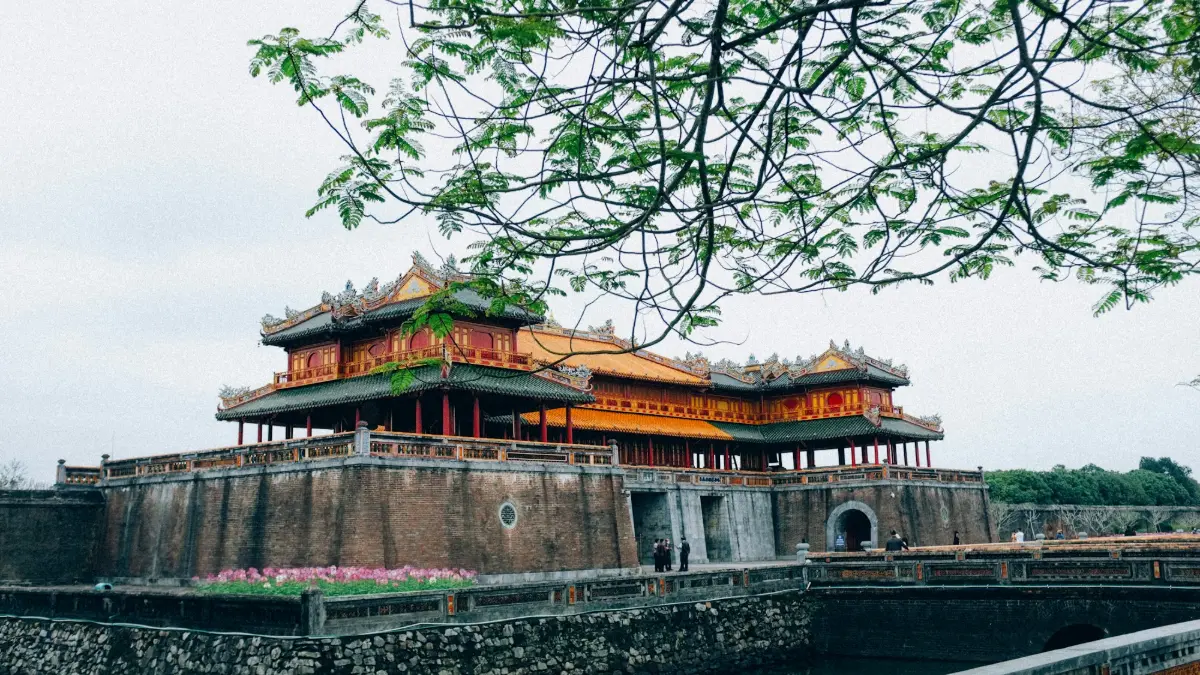
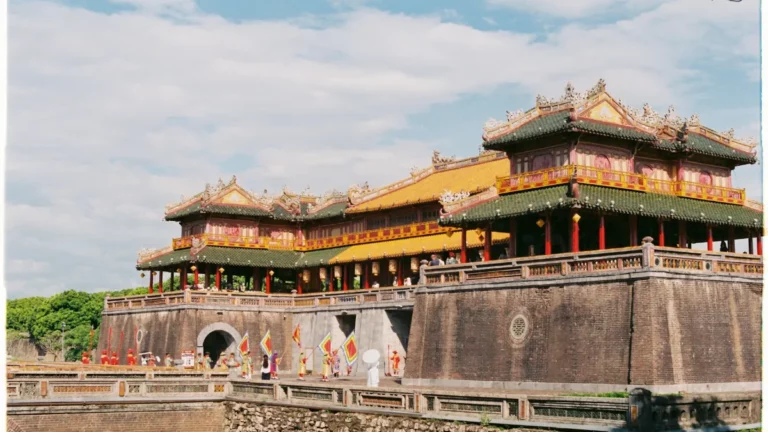
The main entrance, built in 1833 under Minh Mang, is a massive stone base topped by the wooden Five Phoenix Pavilion (Lau Ngu Phung). The central door was reserved for the emperor. It was from this gate that Bao Dai announced his abdication in 1945, ending the Vietnamese monarchy.
3. Thai Hoa Palace (Palace of Supreme Harmony)
Beyond the Golden Water Bridge and the Esplanade of Great Salutation, Thai Hoa Palace was the throne hall for coronations and formal court audiences. Built in 1805 and moved to its present site in 1833, it has 80 lacquered and gilded columns decorated with dragons. A major restoration costing nearly 129 billion VND was completed in November 2024, nine months ahead of schedule.
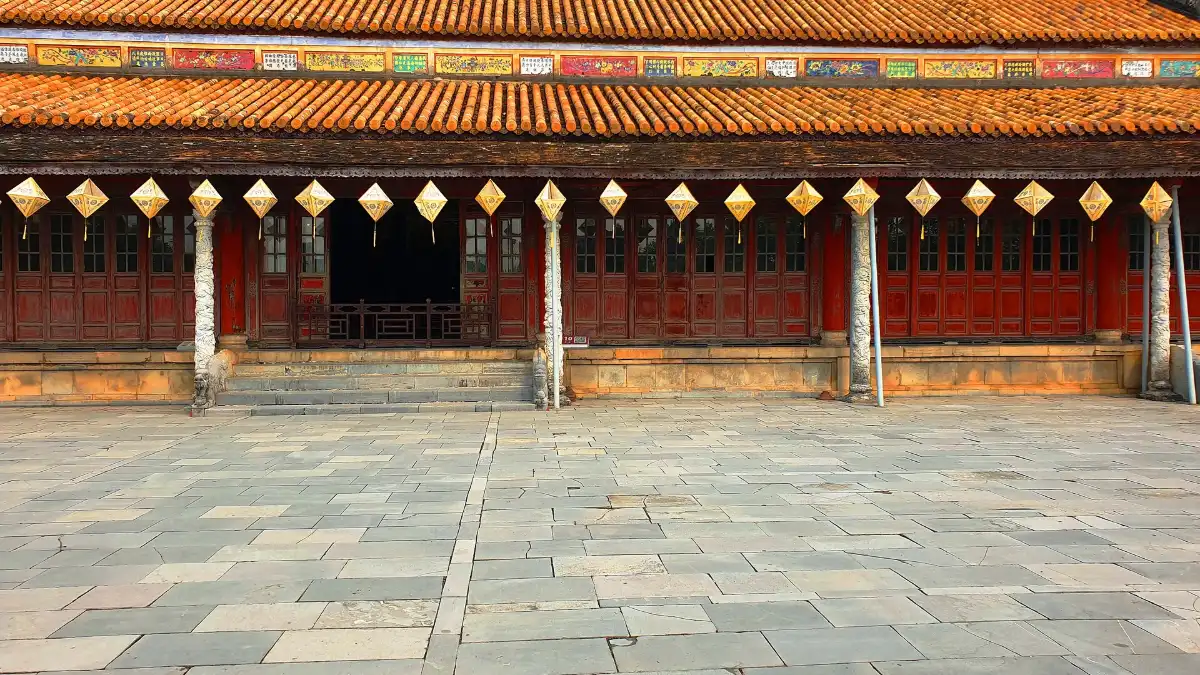
4. The Forbidden Purple City (Tu Cam Thanh)
Only the emperor, his wives, concubines and eunuchs could enter this inner enclosure. Most of its buildings were lost in 1947, but restoration has brought parts back. Kien Trung Palace, built for Emperor Khai Dinh in the 1920s in a striking East-West style, was the first palace here to be restored. Can Chanh Palace, the emperor’s working hall, is now being rebuilt with a budget of nearly 200 billion VND.
5. Duyet Thi Duong Royal Theatre
Built in 1826, this is one of the oldest surviving theatres in Vietnam. It hosts performances of Nha Nhac, the royal court music that UNESCO recognises as Intangible Cultural Heritage. Showtimes vary, so ask at the ticket desk when you arrive.
6. Thai Binh Lau and the royal reading pavilions
Thai Binh Lau, the emperor’s reading pavilion, is famous for its rock garden, ornamental pond and porcelain mosaic decoration. Nearby, the restored Long Corridor (Truong Lang) with its red-lacquered columns makes one of the best photo spots in the Imperial City.
7. Dien Tho and Truong Sanh residences
In the north-west corner, the Dien Tho Residence housed the queen mothers. Its quiet courtyards, lotus ponds and pavilions show how the women of the court lived. Truong Sanh Residence nearby has a lovely lakeside garden.
8. The Mieu temples and the Nine Dynastic Urns
In the south-west, The Mieu is the dynastic temple honouring the Nguyen emperors. In front of the three-tiered Hien Lam Pavilion (17 m, built 1821–1822) stand the Nine Dynastic Urns, bronze vessels cast in 1835–1837 and decorated with 162 images of Vietnam’s rivers, mountains, animals and plants. They are a national treasure.
9. Hien Nhon Gate and Hoa Binh Gate
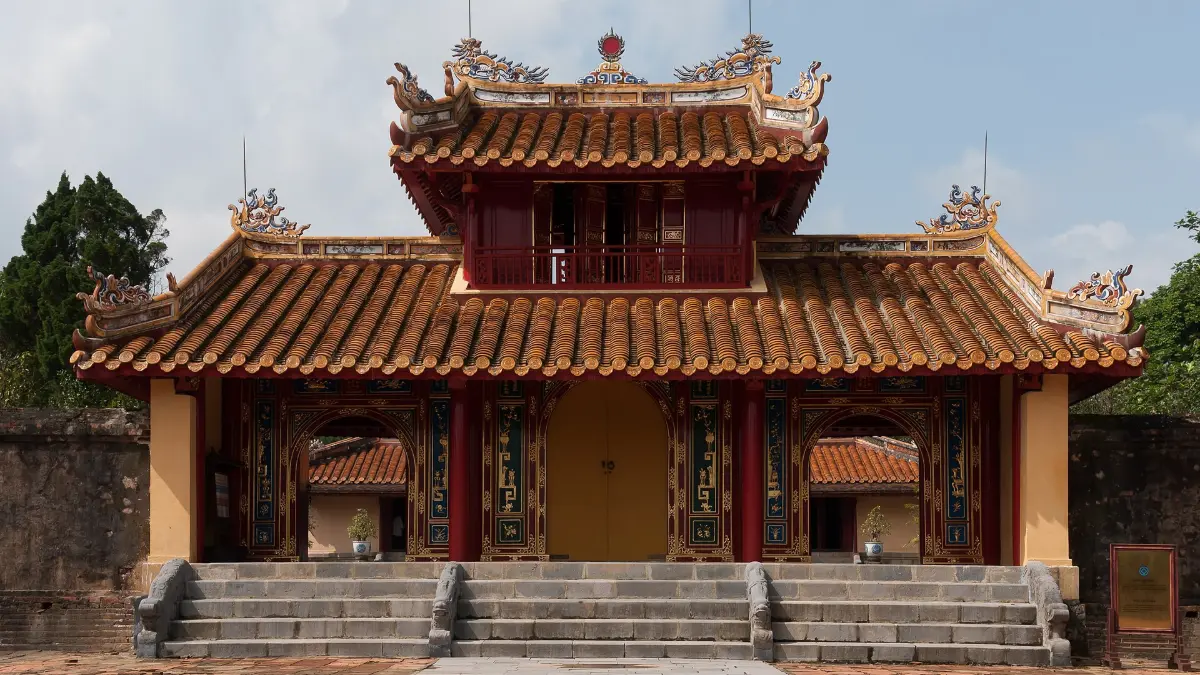
The ornate east gate, Hien Nhon, is a good exit towards the Royal Antiquities Museum. Hoa Binh Gate, on the north side, leads out towards the quieter streets of the Citadel and Tinh Tam Lake.
10. The Hue Royal Antiquities Museum
Just outside the Imperial City at 3 Le Truc Street, Long An Palace (1845) houses royal costumes, ceramics and furniture. It needs a separate ticket (50,000 VND) unless you buy the all-sites combo, and it is the best place to see the objects that once filled the palaces.
Hue Imperial City Tickets and Opening Hours (2026)
| Ticket | Adult | Child (7–12) |
|---|---|---|
| Hue Imperial City only | 200,000 VND (about US$8) | 40,000 VND |
| 3 sites: Imperial City + two of Minh Mang, Tu Duc or Khai Dinh tombs | 420,000 VND (about US$16) | 80,000 VND |
| 4 sites: Imperial City + Minh Mang + Tu Duc + Khai Dinh tombs | 530,000 VND (about US$20) | 100,000 VND |
| All heritage sites combo | 600,000 VND (about US$23) | 120,000 VND |
| Children under 7 | Free | |
| Hours, 16 March–15 October | Tickets 6:30–17:30; site closes 18:30 | |
| Hours, 16 October–15 March | Tickets 7:00–17:00; site closes 18:00 | |
Prices are set by the Hue City People’s Council and collected by the Hue Monuments Conservation Centre; check the official ticket page before you go. Combo tickets can be used over more than one day (the all-sites ticket is valid for five days), so you do not have to see everything at once. US dollar figures are approximate.
How to Explore the Hue Imperial City, Step by Step
- Buy your ticket at the desk opposite Ngo Mon Gate, or online through the official website.
- Enter through Ngo Mon Gate, climb to the Five Phoenix Pavilion and look back at the Flag Tower.
- Cross the Golden Water Bridge to Thai Hoa Palace.
- Continue north into the Forbidden Purple City: Duyet Thi Duong, the Long Corridor, Thai Binh Lau and Kien Trung Palace.
- Turn west to Dien Tho and Truong Sanh residences.
- Finish in the south-west at The Mieu, Hien Lam Pavilion and the Nine Dynastic Urns, then exit and visit the Royal Antiquities Museum.
Rules and Dress Code at the Hue Imperial City
- Dress modestly: the Conservation Centre does not allow revealing clothes such as shorts, short skirts or off-the-shoulder tops in the inner halls and places of worship.
- Remove hats inside the halls and keep your voice down.
- Do not touch, sit on or climb artefacts and buildings, and do not walk on the lawns.
- Smoking is not allowed anywhere on the site.
- Flying drones requires prior permission.
How to Get to the Hue Imperial City
| From | How | Time |
|---|---|---|
| Hotels on the south bank (Le Loi, Pham Ngu Lao) | Walk across Truong Tien Bridge, or take a cyclo, taxi or Grab | 20–30 min on foot; 5–10 min by car |
| Phu Bai Airport | Taxi, Grab or airport bus | About 30 min |
| Hue Railway Station | Taxi or Grab | About 10 min |
| Da Nang | Private car via the Hai Van Tunnel, bus or train | 2–3 hours |
| Hoi An | Private car or tourist bus | About 3 hours |
See our guide to getting around Hue for taxis, bikes and cyclos.
Best Time to Visit the Hue Imperial City
| When | What to expect |
|---|---|
| February–April | Mild, mostly dry weather; the most comfortable months for walking |
| May–August | Hot and sunny, often above 35°C at midday; visit early or late |
| September–December | Rainy season; floods are most likely in October and November |
| Early morning (from opening) | Soft light, fewer groups, cooler temperatures |
| Late afternoon | Golden light on Ngo Mon Gate and the moat |
| Festival Hue | Special events and occasional evening openings; dates change each year |
Local Expert Tips for the Hue Imperial City
These tips come from years of arranging Hue tours for international travellers.
- Buy the 4-site combo if you plan to see the three main tombs; it saves 220,000 VND compared with separate tickets.
- Hire a licensed guide or use an audio guide: without context, many courtyards look empty.
- Carry water, a hat and an umbrella; there are few shaded paths in the centre.
- Electric buggies run inside the grounds for a fee, which helps with children or older travellers.
- Combine the visit with lunch nearby; our Hue food guide lists royal dishes worth trying.
- Allow time for the outer Citadel streets and the walls near the Flag Tower, especially at sunset.
Hue Imperial City vs Imperial Citadel of Thang Long
| Hue Imperial City | Thang Long Citadel (Hanoi) | |
|---|---|---|
| Period | Nguyen dynasty, 1802–1945 | Over 1,000 years, from the 11th century |
| What survives | Gates, palaces, temples and gardens | Mainly archaeological remains, gates and a few buildings |
| UNESCO | 1993 (Complex of Hue Monuments) | 2010 |
| Time needed | 3–4 hours | 1.5–2 hours |
| Adult ticket | 200,000 VND | Lower; check locally |
Our view: if you can see only one imperial site in Vietnam, choose Hue. Its palaces, gates and gardens give a far fuller picture of royal life than the archaeological site in Hanoi.
Nearby Attractions
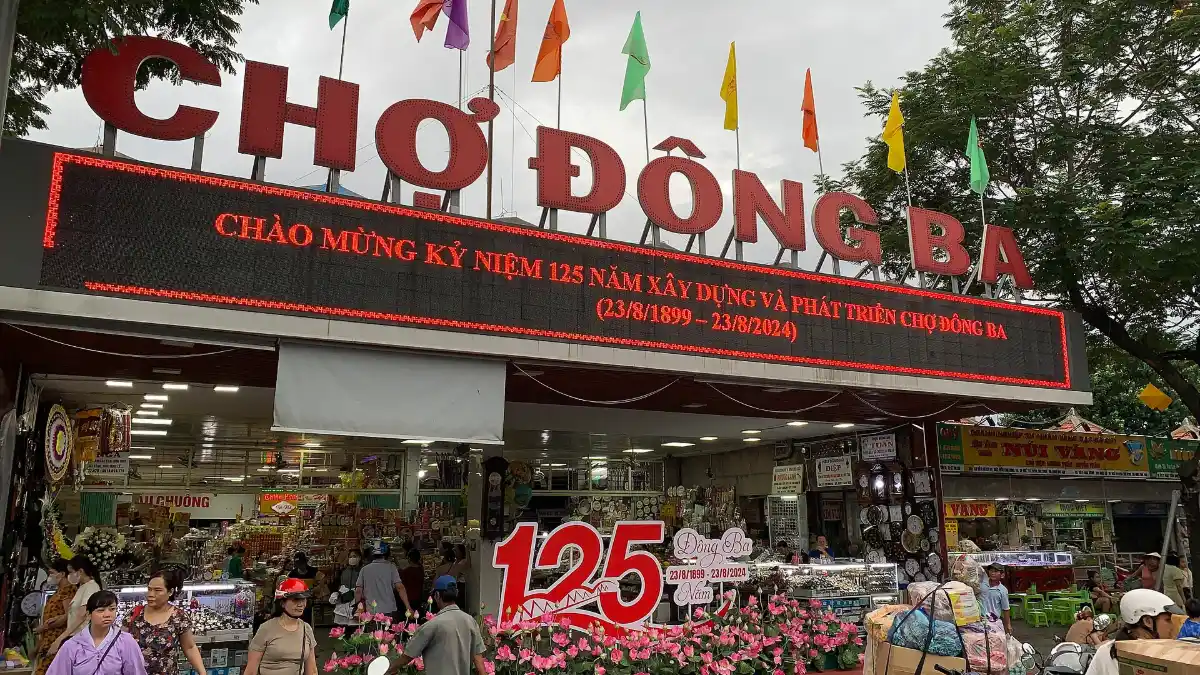
- Dong Ba Market: Hue’s biggest market, about 1 km east, for snacks, conical hats and local life.
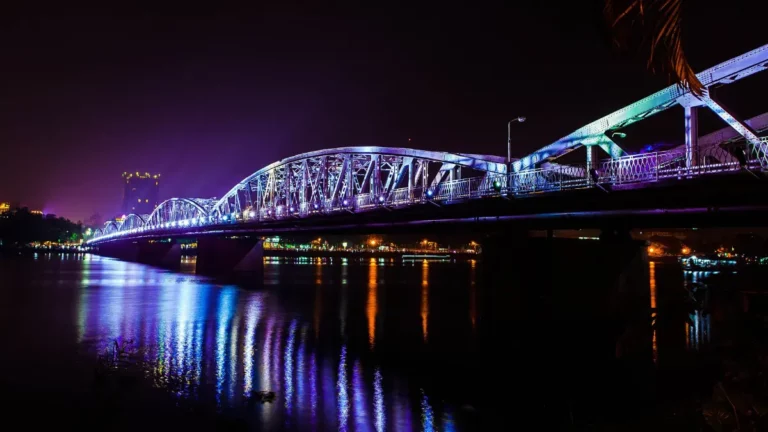
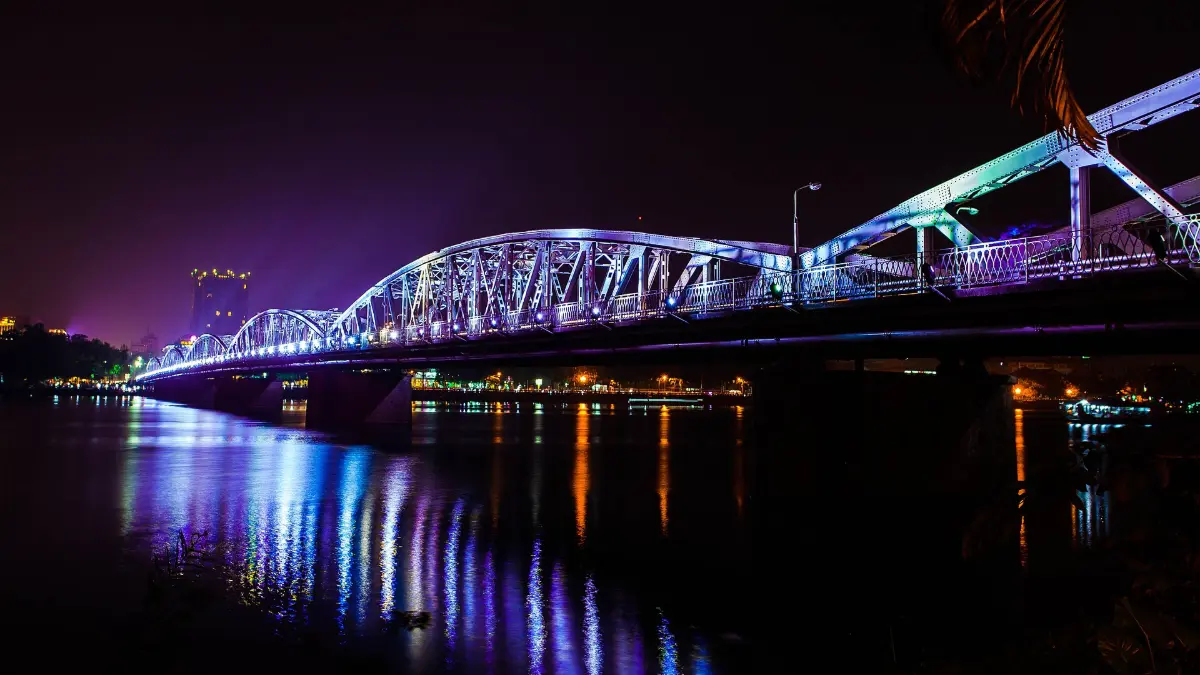
- Truong Tien Bridge: the 19th-century steel bridge, beautifully lit at night.
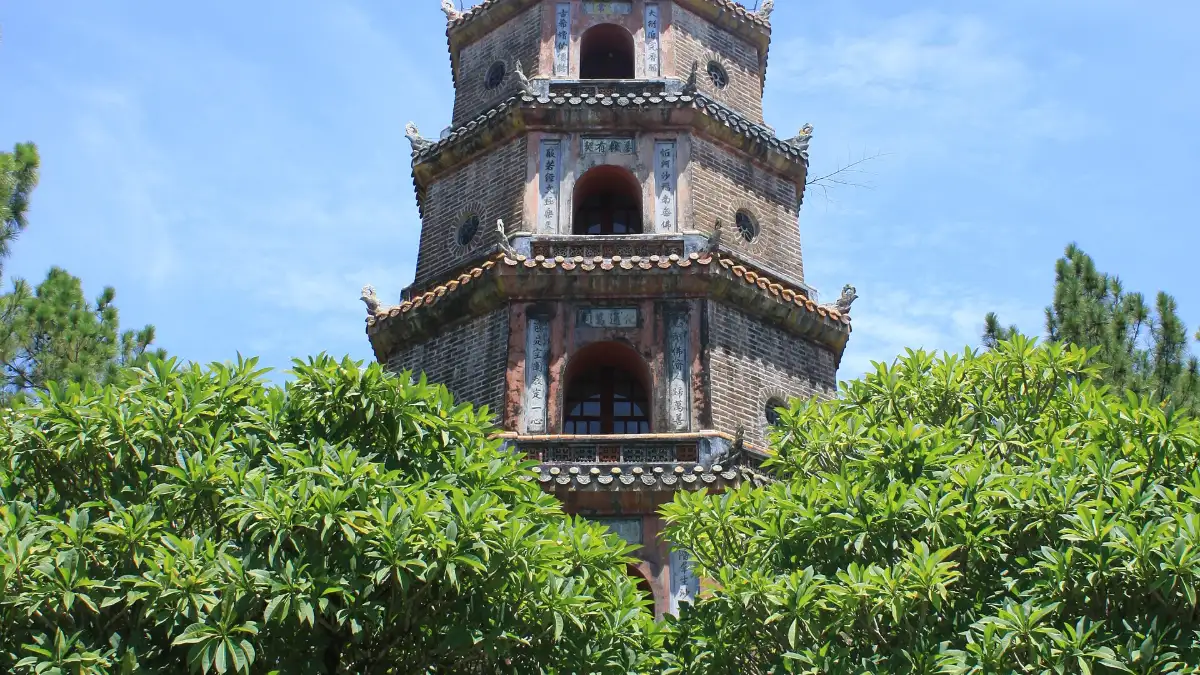
- Thien Mu Pagoda: the seven-storey tower on the Perfume River, about 4 km west.
- Tu Duc Tomb: a romantic lakeside tomb about 7 km south.
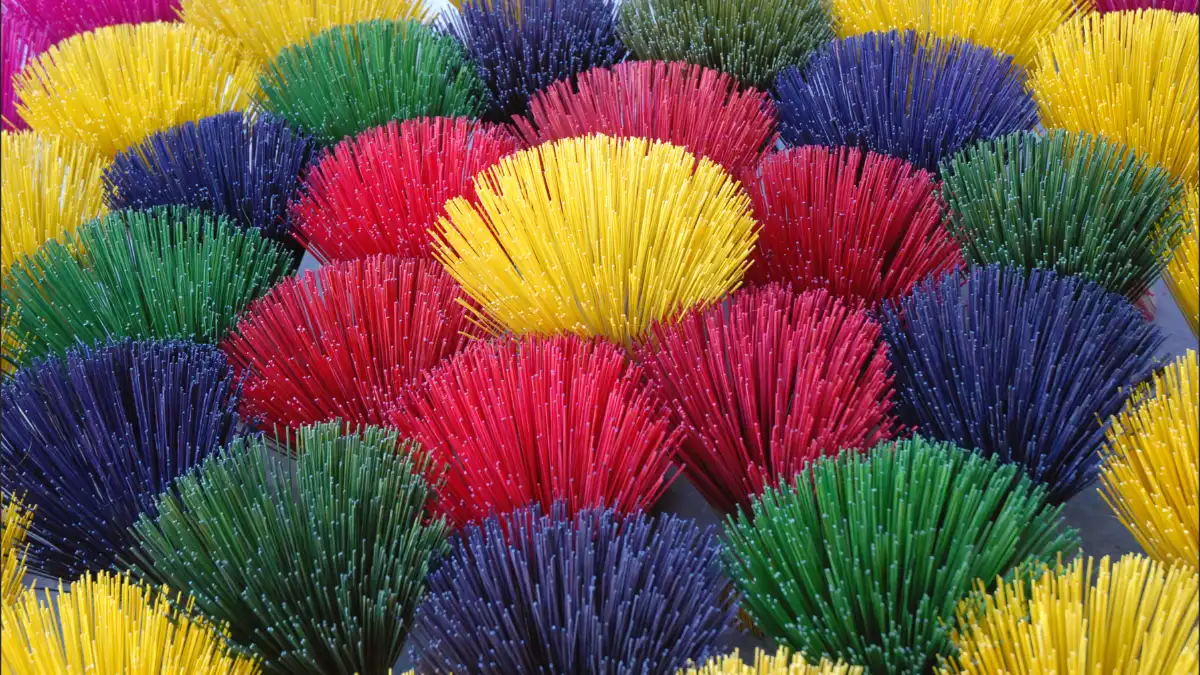
- Thuy Xuan Incense Village: colourful incense displays on the way to the tombs.
Sightseeing in Hue for First-Time Visitors: Where the Imperial City Fits
One day in Hue? Spend the morning at the Imperial City, have lunch in the Citadel, then visit Thien Mu Pagoda and one of the tombs, such as Khai Dinh or Tu Duc, in the afternoon. Cross the river in the evening for street food and the illuminated bridge.
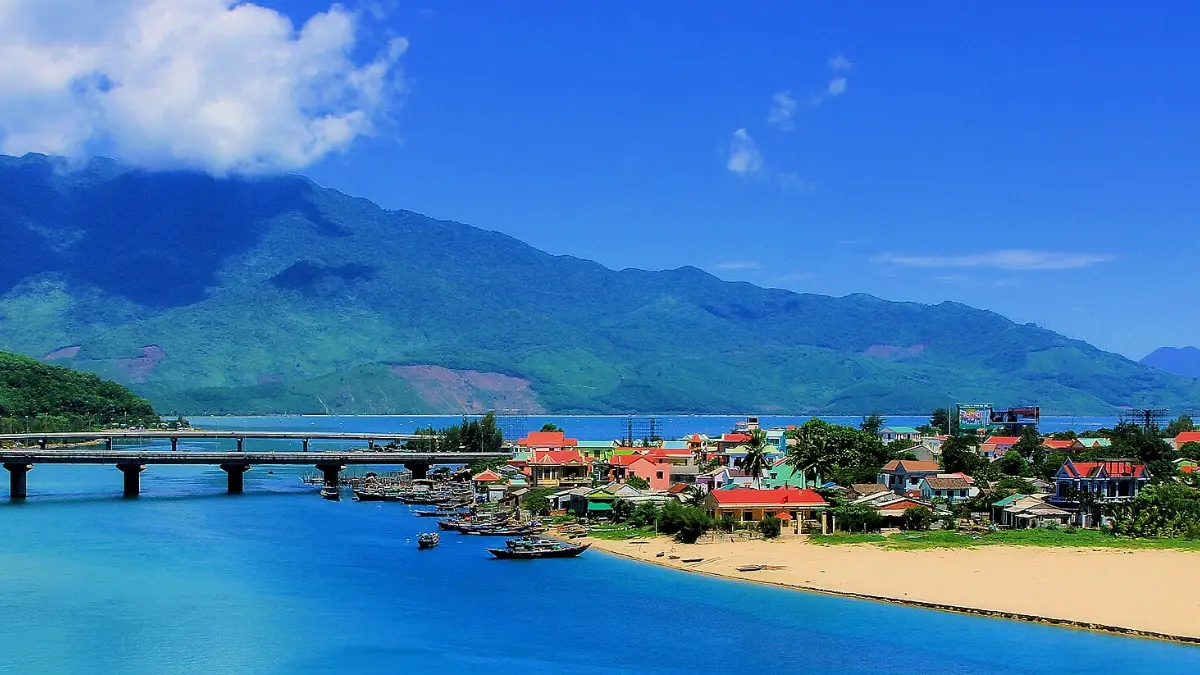
Two days? Add a Perfume River boat trip, Minh Mang Tomb and the incense village, or a day out to Lang Co Beach on the road to Da Nang. Read our Hue travel tips and see where to stay in Hue to plan the rest.
Plan your trip with our Hue travel guide and Hue tours. Contact Vietnam Tour Expert Team for a free custom itinerary.
Frequently Asked Questions about the Hue Imperial City
1. What is the Hue Imperial City?
The Hue Imperial City (Đại Nội) is the walled palace complex of the Nguyen dynasty, Vietnam’s last royal family, who ruled from Hue from 1802 to 1945. It stands inside the larger Hue Citadel.
2. How much is the Hue Imperial City ticket in 2026?
An adult ticket costs 200,000 VND (about US$8) and a child ticket (ages 7–12) costs 40,000 VND. Children under 7 enter free.
3. What are the Hue Imperial City opening hours?
From 16 March to 15 October tickets are sold 6:30–17:30 and the site closes at 18:30. From 16 October to 15 March tickets are sold 7:00–17:00 and the site closes at 18:00.
4. Is the Hue Imperial City open every day?
Yes, the Hue Imperial City is open every day of the year, including weekends and public holidays.
5. Is there a combo ticket for the Hue Imperial City and the tombs?
Yes. The 4-site ticket covering the Imperial City and the tombs of Minh Mang, Tu Duc and Khai Dinh costs 530,000 VND for adults, and 3-site tickets cost 420,000 VND.
6. How long do you need at the Hue Imperial City?
Plan three to four hours to see the main palaces, temples and gardens at a relaxed pace. Ninety minutes is enough for a quick walk along the central axis.
7. Is the Hue Imperial City a UNESCO World Heritage Site?
Yes. It is the core of the Complex of Hue Monuments, inscribed on the UNESCO World Heritage List in 1993.
8. What is the difference between the Hue Citadel and the Hue Imperial City?
The Citadel (Kinh Thanh) is the outer fortress with walls almost 10 km long, while the Imperial City (Hoang Thanh) is the walled palace area inside it. The Forbidden Purple City sits at the centre of the Imperial City.
9. Is there a dress code at the Hue Imperial City?
Yes. Revealing clothes such as shorts, short skirts and off-the-shoulder tops are not allowed in the inner halls and places of worship, and hats should be removed indoors.
10. Can you visit the Hue Imperial City at night?
Regular visits end at 18:00–18:30. Night openings are held only for special events such as Festival Hue, so check the official website for current dates.
11. What is the best time of day to visit the Hue Imperial City?
Arrive at opening time for cooler weather and fewer groups, or after 15:00 for warm light and a quieter atmosphere.
12. Is the Hue Imperial City worth visiting?
Yes. It is the most important historic site in Hue and gives the best picture of Vietnam’s royal past, even though war destroyed many buildings.
13. Was the Hue Imperial City damaged in the war?
Yes. Fighting in 1947 and during the 1968 Tet Offensive destroyed most of the buildings; only around ten major structures survived out of about 160.
14. How do I get to the Hue Imperial City from my hotel?
From the south-bank hotels it is a 20–30 minute walk across Truong Tien Bridge, or a short taxi, Grab or cyclo ride. Our Hue transport guide explains the options.
15. Do I need a guide for the Hue Imperial City?
A guide is not required, but a licensed guide or audio guide makes the Hue Imperial City far more meaningful, because many buildings no longer stand.
16. Is the Hue Imperial City suitable for children?
Yes. The open courtyards, gardens and ponds suit families, and electric buggies help with the distances; bring sun protection in summer.
17. What is under restoration at the Hue Imperial City in 2026?
Can Chanh Palace in the Forbidden Purple City is being rebuilt, with completion planned for 2028–2029. Thai Hoa Palace reopened in November 2024 after restoration.
18. Can I combine the Hue Imperial City with Dong Ba Market?
Yes. Dong Ba Market is about 1 km from the Imperial City and makes an easy stop for lunch or souvenirs afterwards.
Related Posts
Hue Travel Tips 2026: Best Time, Tickets & Dress Code
Where to Stay in Hue: Best Areas & Hotels by Budget
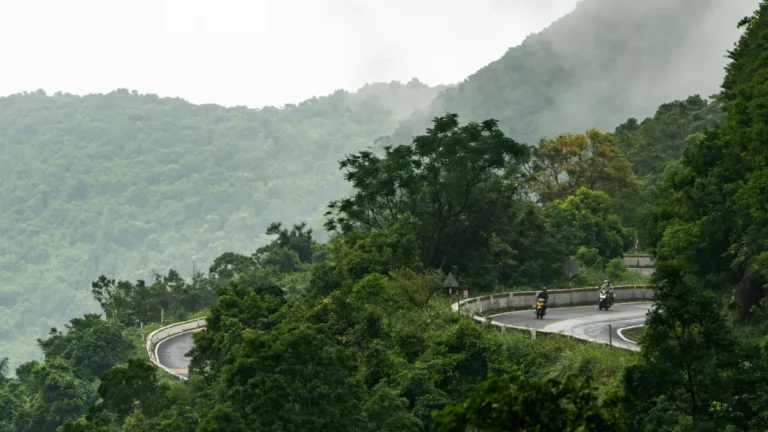
Hue Transportation: Airport, Trains, Hai Van Pass & Boats
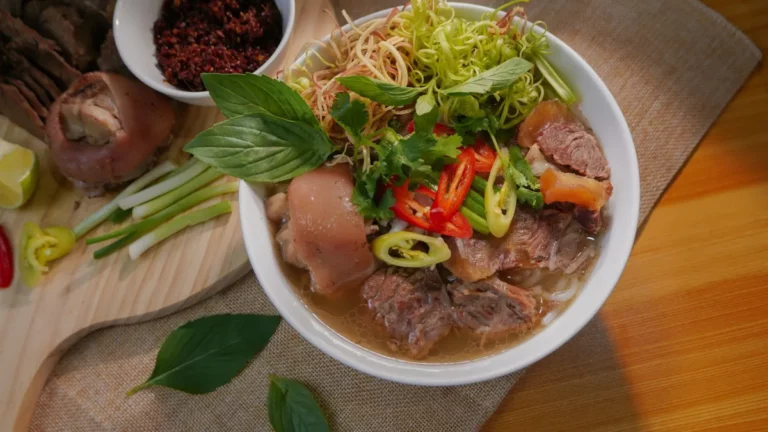
Hue Food Guide: Bun Bo Hue, Royal Cuisine & Where to Eat
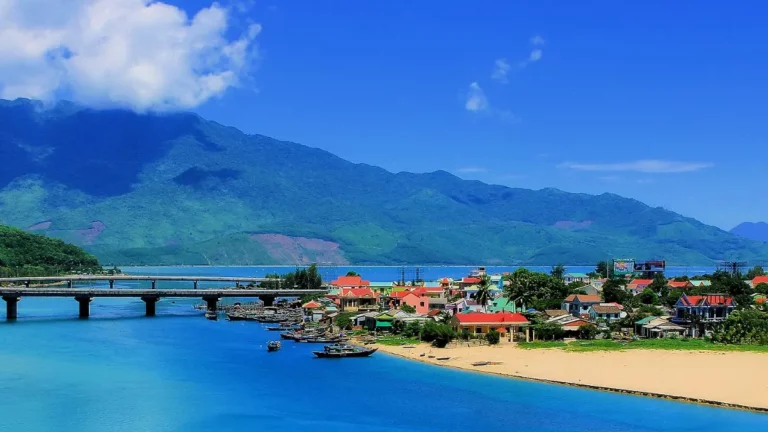
Lang Co Beach: Bay, Lagoon & Seafood Between Hue and Da Nang