Hue Travel Tips 2026: Best Time, Tickets & Dress Code
Visit Hue from February to April for the best weather, spend two days, and buy a combo ticket: 420,000 VND covers the Imperial City and two royal tombs, 530,000 VND adds a third tomb and 600,000 VND covers all sites. Dress modestly at temples and tombs, carry some cash and avoid tight plans in the September–December flood season.
Status (checked October 2026): New single-site prices apply from 2 June 2026 (Imperial City 200,000 VND; Minh Mang, Tu Duc and Khai Dinh tombs 150,000 VND each). Can Chanh Palace inside the Imperial City is being rebuilt, with completion expected around 2028–2029. Truong Tien Bridge is closed to vehicles from 21:00 to 05:00 during repairs (from 1 June 2026, about 150 days). October–November is peak flood season.
Key takeaways:
- Best time: February–April; hottest May–August; heaviest rain and floods September–December.
- Combo tickets save money: 420,000 VND (3 sites), 530,000 VND (4 sites), 600,000 VND (all sites).
- Monuments open 6:30–17:30 in summer (16 March–15 October) and 7:00–17:00 in winter (ticket sales).
- Cover shoulders and knees at pagodas, tombs and palaces.
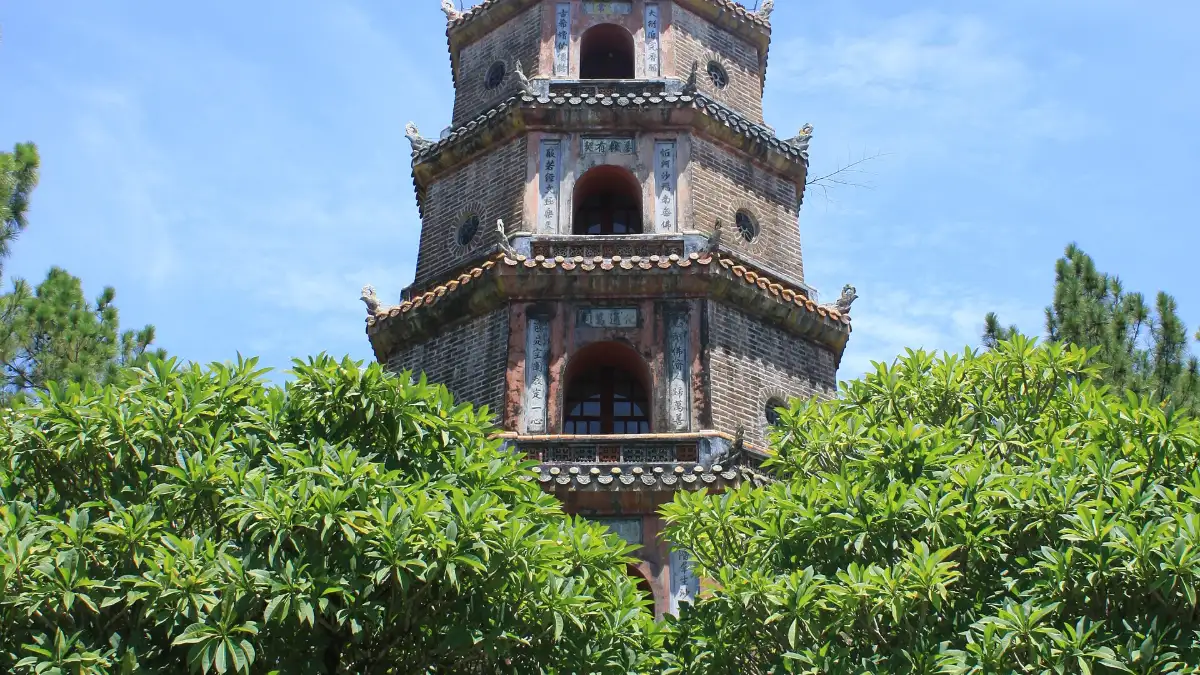
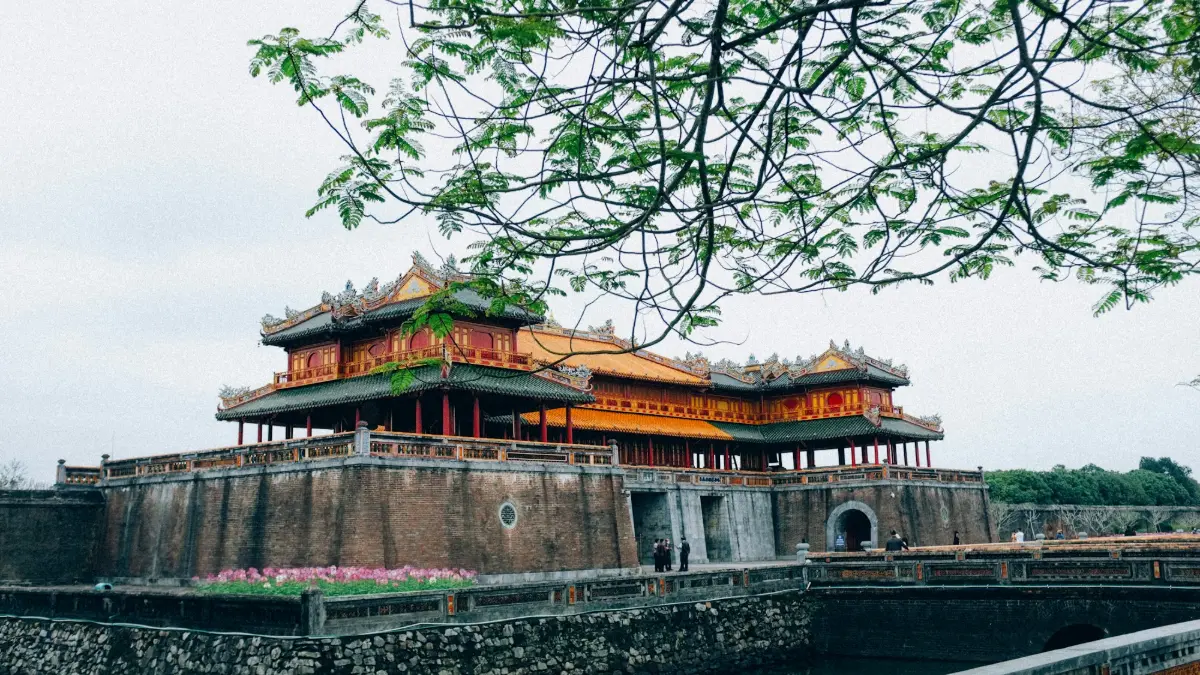
- Two days is enough for the Citadel, the tombs and Thien Mu Pagoda; three with Lang Co or the DMZ.
- Hue is now a centrally run city; the Citadel is in Phu Xuan ward and the south-bank centre in Thuan Hoa ward.
Hue Travel Essentials at a Glance
| Best time to visit | February–April (mild and fairly dry) |
|---|---|
| Rain and flood season | September–December; floods most likely October–November |
| Hot season | May–August, often 35°C or more |
| Imperial City ticket | 200,000 VND adult; 40,000 VND child 7–12 (from 2 June 2026) |
| Combo tickets | 3 sites 420,000; 4 sites 530,000; all sites 600,000 VND (about US$16–23) |
| Opening hours | Tickets 6:30–17:30 (16 Mar–15 Oct), 7:00–17:00 (16 Oct–15 Mar); sites close 1 hour later |
| How long to stay | 2 days (3 with Lang Co or the DMZ) |
| Airport | Phu Bai International (HUI), about 15 km from the centre |
| UNESCO | Complex of Hue Monuments (1993); Nhã nhạc royal court music (intangible heritage) |
| Money | Vietnamese dong; cards in hotels, cash or bank QR at markets and stalls |
| Dress code | Shoulders and knees covered at pagodas, tombs and palaces |
When Is the Best Time to Visit Hue?
The best time to visit Hue is February to April, when days are mild, mostly dry and good for walking the Citadel and tombs. Hue has a central-Vietnam climate with a very wet autumn, quite different from Hanoi or Saigon.
| Months | Weather | Good for | Watch out for |
|---|---|---|---|
| January | Cool, drizzly, about 17–23°C | Quiet sightseeing, Tet preparations | Grey skies, light rain |
| February–April | Mild to warm, mostly dry, about 20–30°C | Best overall: walking, cycling, photography | Higher demand around Tet and festival events |
| May–August | Hot and humid, often 35°C+; foehn “Laos wind” heat | Lang Co beach, early-morning sightseeing | Midday heat; plan indoor breaks |
| September–December | Heavy rain; peak floods October–November; cooler from November | Low prices, few crowds, misty atmosphere | Floods, storms, closed boat trips; keep plans flexible |
How Much Are Hue Monument Tickets?
A single Imperial City ticket costs 200,000 VND, the main royal tombs cost 150,000 VND each, and combo tickets bring the cost down. Prices below are the official rates of the Hue Monuments Conservation Centre, in force from 2 June 2026.
| Ticket | Adult (VND) | Child 7–12 (VND) |
|---|---|---|
| Imperial City (Đại Nội) | 200,000 | 40,000 |
| Minh Mang, Tu Duc or Khai Dinh tomb (each) | 150,000 | 30,000 |
| Gia Long tomb | 150,000 | Free |
| Dong Khanh tomb | 100,000 | Free |
| Thieu Tri tomb, Royal Antiquities Museum, Hon Chen Temple, An Dinh Palace, Nam Giao Esplanade, Duc Duc tomb (each) | 50,000 | Free |
| Hai Van Quan | 70,000 | Free |
| Combo: Imperial City + 2 of Minh Mang / Tu Duc / Khai Dinh | 420,000 | 80,000 |
| Combo: Imperial City + Minh Mang + Tu Duc + Khai Dinh | 530,000 | 100,000 |
| All sites combined | 600,000 | 120,000 |
Children under 7 enter free. Ask at the ticket office how long your combo ticket is valid if you plan to split the Citadel and the tombs over two days. Thien Mu Pagoda is an active pagoda and free to enter.
What Are the Opening Hours of the Hue Monuments?
Ticket sales run from 6:30 to 17:30 in summer (16 March–15 October) and from 7:00 to 17:00 in winter (16 October–15 March); the sites close one hour after ticket sales end. The Imperial City holds occasional free night openings during festival programmes, such as the “Hoàng cung huyền ảo” evenings in April 2026, so check the event calendar.
What Should I Wear in Hue?
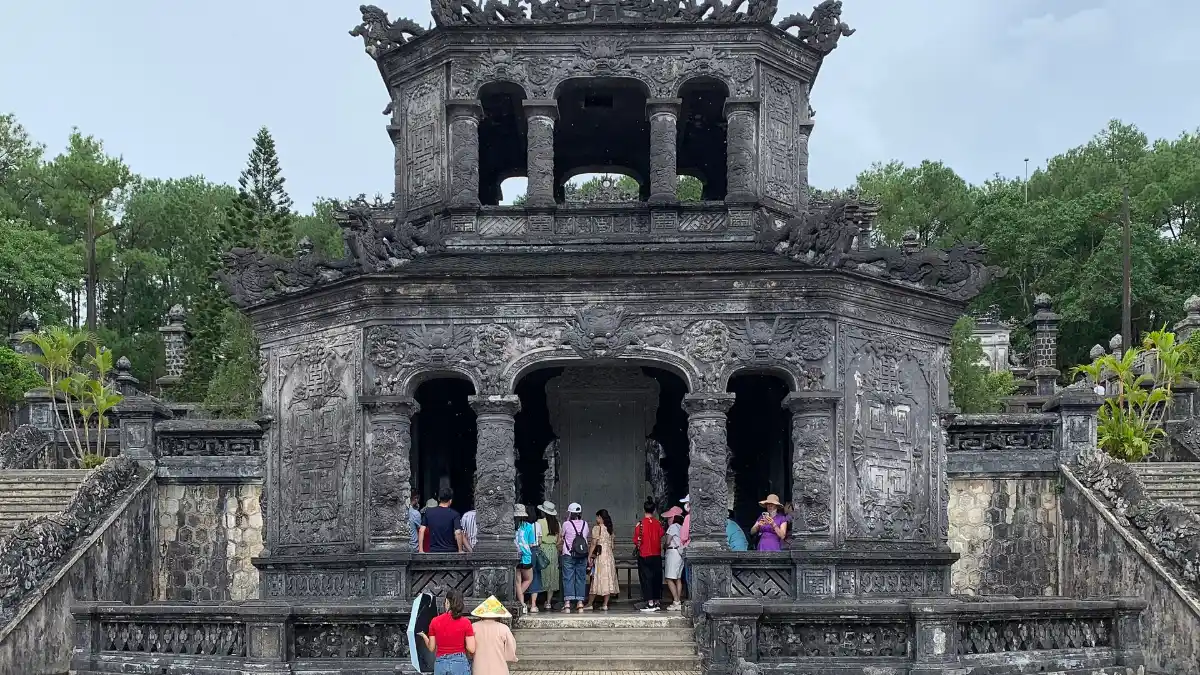
Wear light clothes that cover your shoulders and knees when visiting the Imperial City, royal tombs and pagodas. Hue’s monuments are places of remembrance and worship, and staff may refuse entry to visitors in very short shorts or sleeveless tops. Bring a light scarf or sarong, comfortable shoes for uneven stone paths, a hat and sunscreen for March–August, and a rain jacket from September to December.
Do I Need a Visa for Hue?
Hue follows Vietnam’s national entry rules. Citizens of a list of mainly European and Asian countries, including the UK, Germany, France, Italy, Spain, Japan and South Korea, can stay up to 45 days visa-free under current government resolutions (check the latest list before you travel); other nationalities, including US citizens, need an e-visa. The e-visa allows stays of up to 90 days and costs US$25 (single entry) or US$50 (multiple entry); apply only on the official portal evisa.gov.vn. Your passport should be valid for at least six months.
Money, Cards and Costs in Hue
Hotels, larger restaurants and shops accept cards, but markets, street-food stalls, cyclos and boats mostly take cash or Vietnamese bank QR payments. ATMs are common on the south bank; withdraw larger amounts to limit fees. A comfortable mid-range day in Hue costs about 1,000,000–2,000,000 VND (US$40–75) per person including a hotel, meals, tickets and local transport. Tipping is not expected but is appreciated by guides and drivers.
SIM Cards, eSIM and Internet in Hue
Buy a tourist SIM or eSIM from Viettel, Vinaphone or Mobifone at the airport or a shop in town; 4G coverage is good across Hue and the tombs area. You will need your passport to register a physical SIM. Most hotels and cafés have free Wi-Fi.
Is Hue Safe for Tourists?
Hue is one of the safest and calmest cities in Vietnam. Petty theft is rare, but keep phones away from the roadside and use hotel safes. The main annoyances are overpriced cyclo or boat rides and occasional pushy sellers: agree prices first. The biggest real risk is weather: follow local advice during typhoons and floods, and do not swim in the Perfume River.
Festivals and Events in Hue
Hue is known as Vietnam’s festival city. Festival Hue 2026 runs as a year-round, four-season programme: spring (January–March) with royal ritual re-enactments, summer (April–June) with the main Hue Festival Week, autumn (July–September) with the Mid-Autumn and lantern festivals, and winter with music and New Year events. Tet (Lunar New Year) falls on 6 February 2027; many family businesses close for a few days, while monuments stay open. Look out for performances of Nhã nhạc, the royal court music inscribed by UNESCO as intangible cultural heritage.
How Many Days Do You Need in Hue? Sample Itineraries
Two days is ideal for most travellers; one day covers the highlights at a fast pace.
| Trip length | Suggested plan |
|---|---|
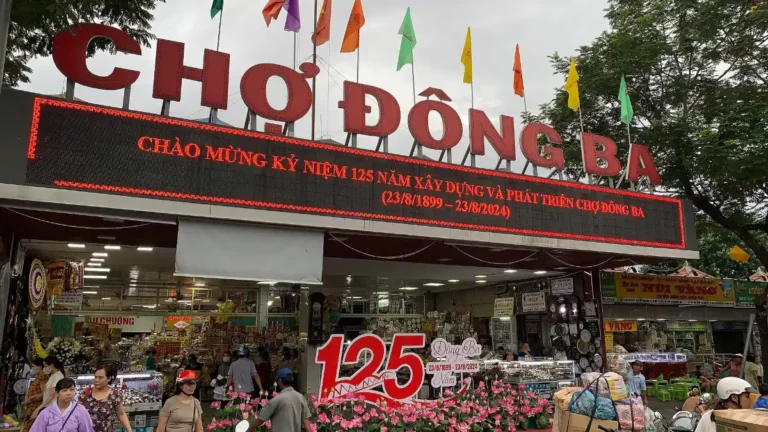
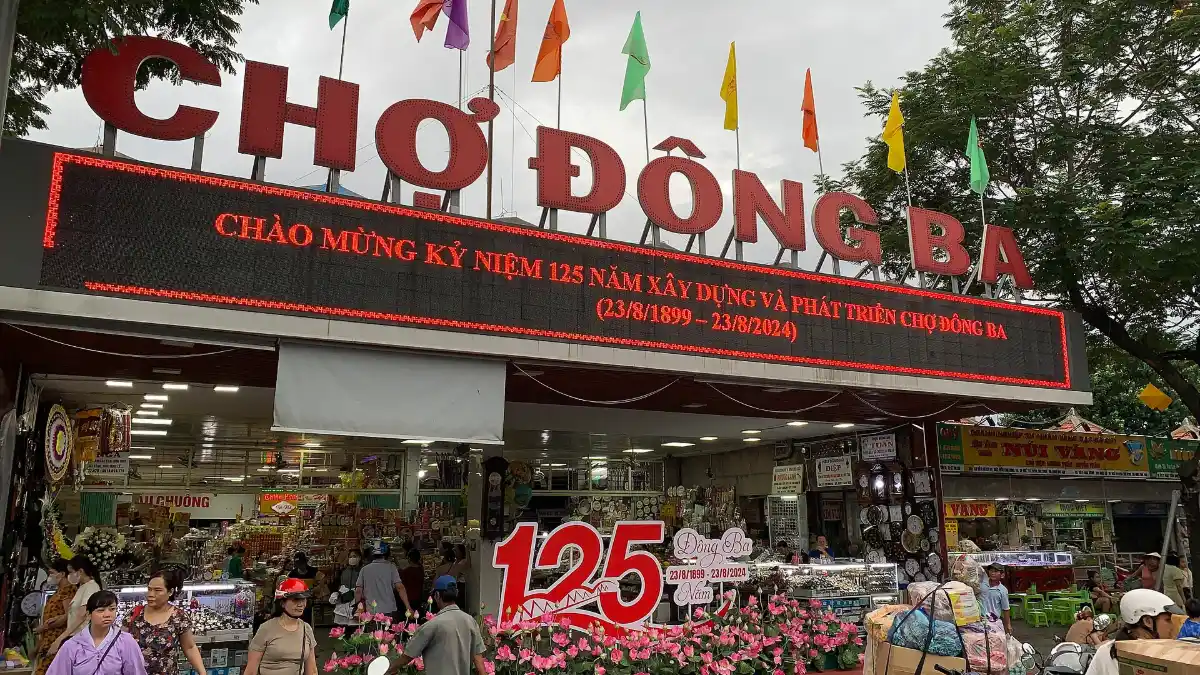
| 1 day | Morning: Imperial City. Lunch near Dong Ba Market. Afternoon: Khai Dinh and Minh Mang tombs. Sunset: Thien Mu Pagoda. |
| 2 days | Day 1: Imperial City, Dong Ba Market, evening on the south bank. Day 2: dragon boat to Thien Mu Pagoda, tombs of Minh Mang, Khai Dinh and Tu Duc. |
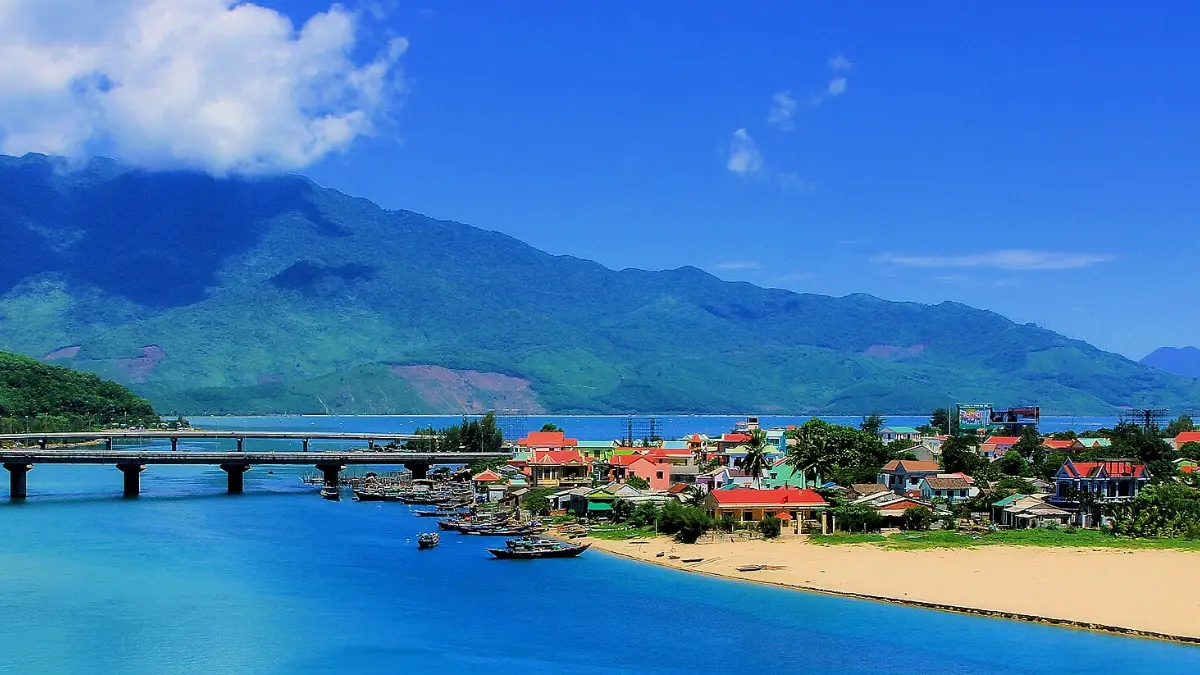
| 3 days | Add a DMZ day trip, or drive over the Hai Van Pass to Lang Co and on to Hoi An. |
Common Mistakes to Avoid in Hue
- Trying to see the Citadel and all the tombs in one afternoon: they are spread over about 15 km.
- Visiting the tombs at midday in summer; go early or late.
- Booking tight connections in October–November without a back-up day.
- Buying single tickets when a combo would be cheaper.
- Wearing beachwear to pagodas and tombs.
- Skipping Hue food: it is one of Vietnam’s great cuisines.
Local Expert Tips for Visiting Hue
These tips come from years of arranging Hue tours for international travellers.
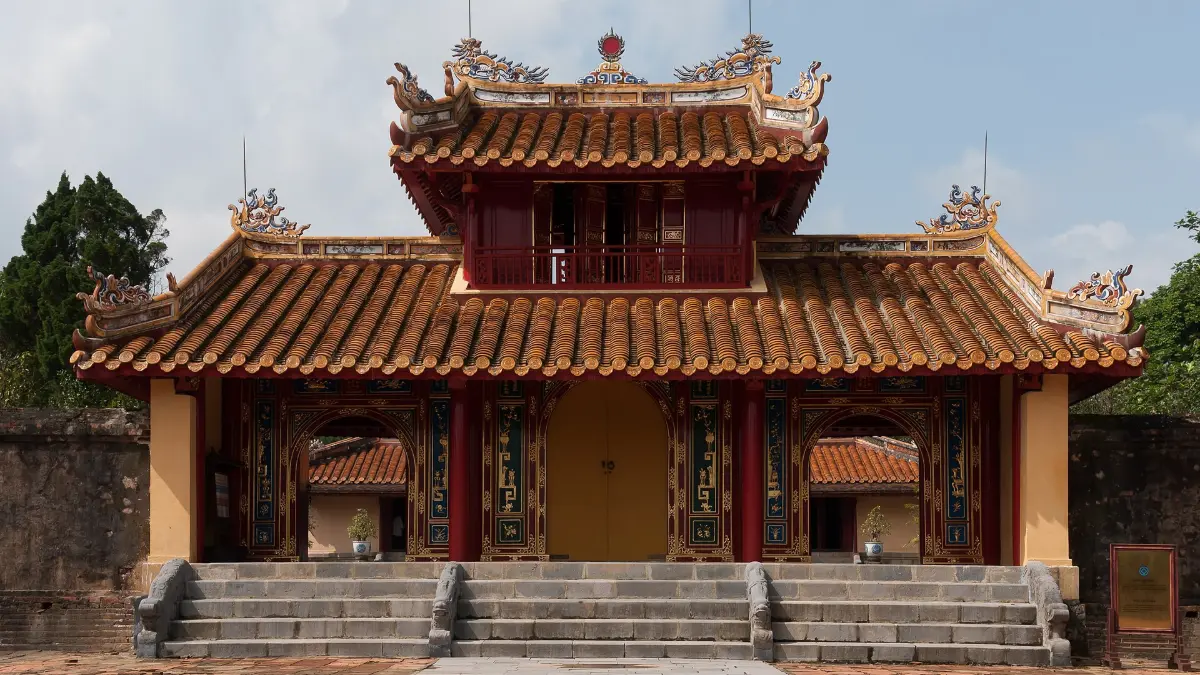
- Enter the Imperial City as soon as it opens (6:30 in summer, 7:00 in winter) for soft light and few crowds.
- Allow at least 2–3 hours for the Imperial City; it covers a huge area.
- Hire a licensed guide or audio guide; the stories behind the palaces make the visit.
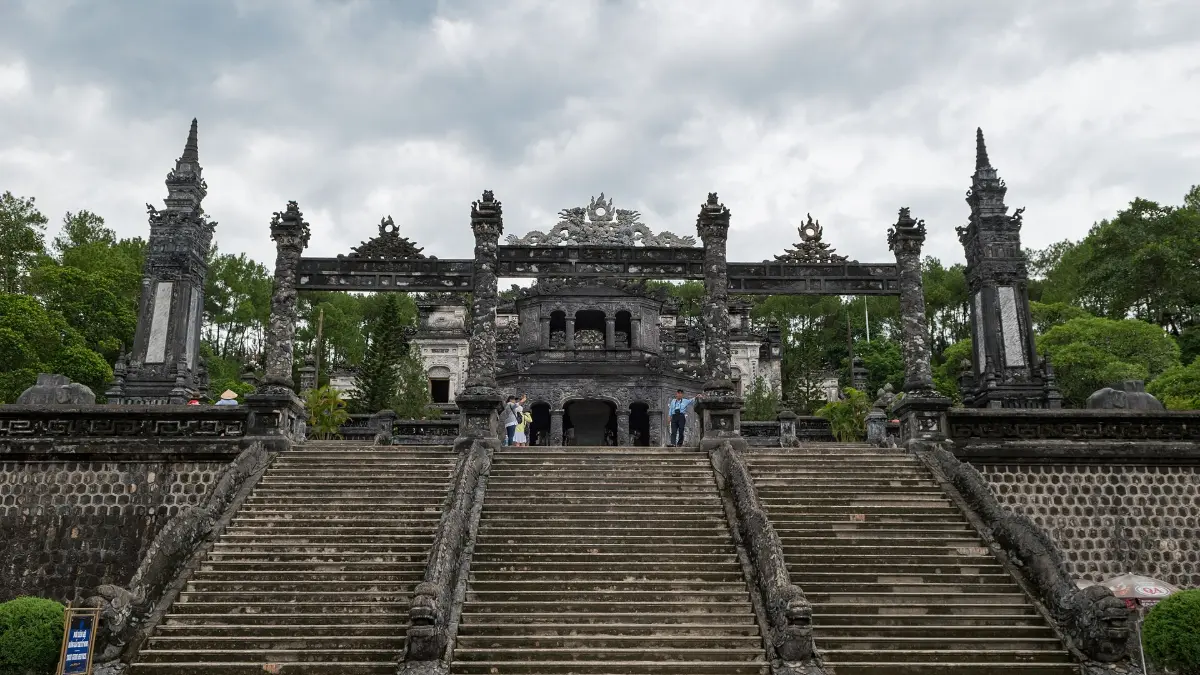
- Combine Khai Dinh (dramatic, on a hillside) with Minh Mang (serene, lakeside) for contrast.
- Take a dragon boat to Thien Mu Pagoda in the late afternoon.
- Carry water and wear a hat; there is little shade at the tombs.
- From September to December, keep one flexible day in your Hue plans.
- Drive the Hai Van Pass to Hoi An in daylight rather than taking the tunnel.
Plan Your Hue Trip
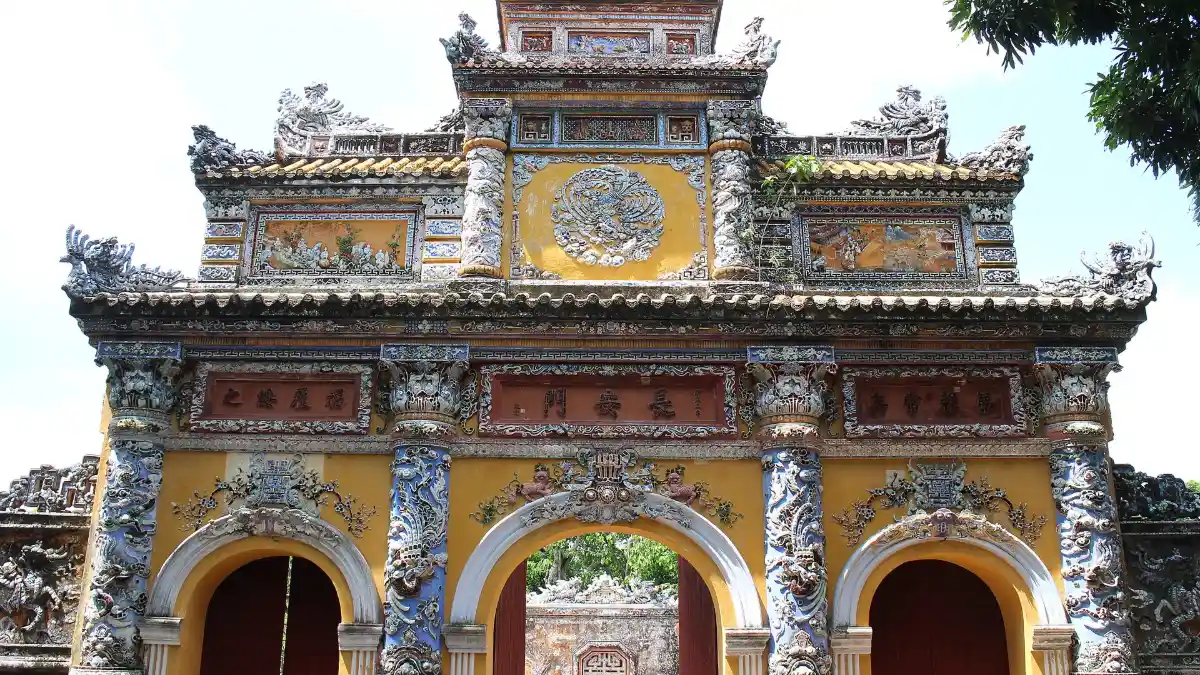
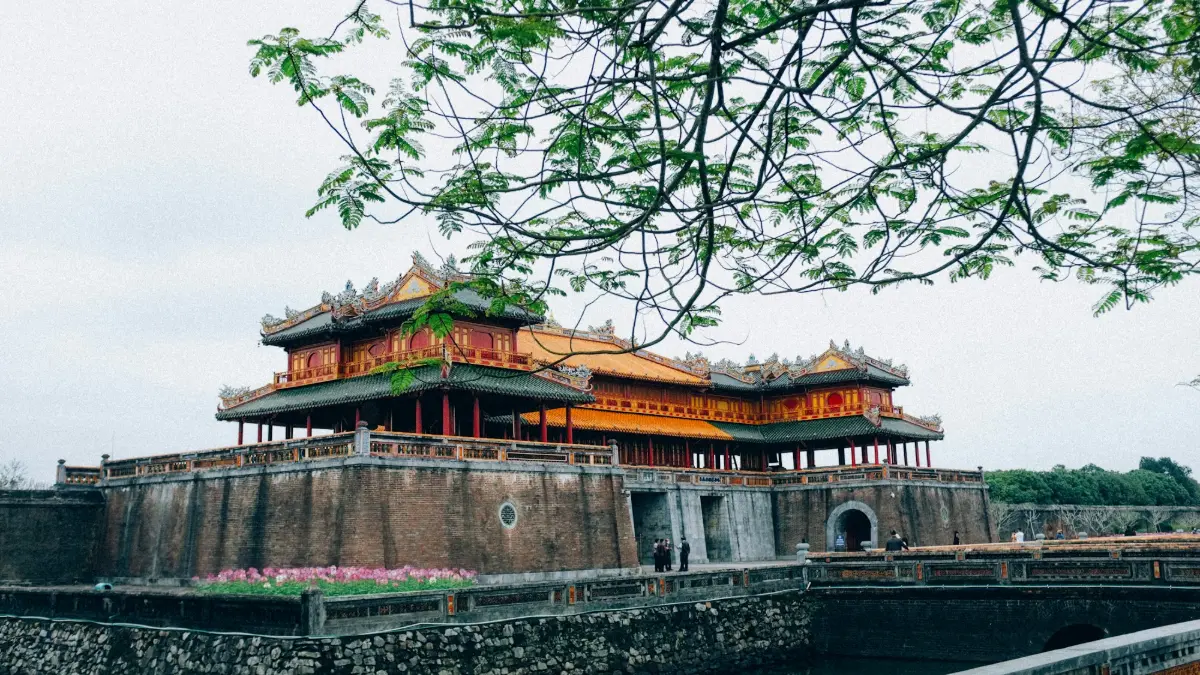
Start with our guides to the Hue Imperial Citadel, Thien Mu Pagoda and Dong Ba Market, then the royal tombs of Khai Dinh, Minh Mang and Tu Duc, and Lang Co Beach. For practical planning read our Hue food guide, Hue transportation guide and where to stay in Hue, and continue with our Hoi An travel tips and Da Nang travel tips.
Plan your trip with our Hue travel guide and Hue tours. Contact Vietnam Tour Expert Team for a free custom itinerary.
Frequently Asked Questions about Hue Travel Tips
1. When is the best time to visit Hue?
The best time to visit Hue is February to April, when the weather is mild and mostly dry. May to August is very hot, and September to December brings heavy rain and floods.
2. When is the flood season in Hue?
Hue’s heavy rain season runs from September to December, with floods most likely in October and November. Keep a flexible day in your plans during these months.
3. How much is the Hue Imperial City ticket?
From 2 June 2026, an adult ticket to the Hue Imperial City costs 200,000 VND and a child ticket (7–12) costs 40,000 VND. Children under 7 enter free.
4. What combo tickets are available in Hue?
Hue combo tickets cost 420,000 VND for the Imperial City plus two of the Minh Mang, Tu Duc and Khai Dinh tombs, 530,000 VND for all four, and 600,000 VND for all sites. Child combos cost 80,000–120,000 VND.
5. What are the opening hours of the Hue monuments?
Ticket sales run 6:30–17:30 from 16 March to 15 October and 7:00–17:00 from 16 October to 15 March. The Hue monuments close one hour after ticket sales end.
6. How many days do I need in Hue?
Two days is ideal for Hue: one for the Imperial City and Dong Ba Market, and one for the royal tombs and Thien Mu Pagoda. Add a third day for Lang Co or the DMZ.
7. What should I wear when visiting Hue monuments?
Cover your shoulders and knees at the Hue Imperial City, royal tombs and pagodas. Light long trousers or a skirt, a T-shirt and comfortable shoes are ideal.
8. Is Hue a UNESCO World Heritage Site?
Yes. The Complex of Hue Monuments was inscribed on the UNESCO World Heritage List in 1993, and Hue royal court music (Nhã nhạc) is recognised by UNESCO as intangible cultural heritage.
9. Is Hue safe for tourists?
Yes, Hue is one of the safest and calmest cities in Vietnam. The main risks are overpriced cyclo or boat rides and bad weather in the flood season.
10. Do I need a visa to visit Hue?
Hue follows Vietnam’s national entry rules: citizens of listed countries such as the UK, Germany and Japan can stay up to 45 days visa-free, while others need an e-visa of up to 90 days from evisa.gov.vn. The e-visa costs US$25 single or US$50 multiple entry.
11. Can I use credit cards in Hue?
Hotels, larger restaurants and shops in Hue accept cards, but markets, street stalls, cyclos and boats usually want cash or a Vietnamese bank QR payment. ATMs are easy to find on the south bank.
12. Is Can Chanh Palace in Hue open?
Can Chanh Palace in the Hue Imperial City is being reconstructed, with completion expected around 2028–2029. The rest of the Imperial City remains open to visitors.
13. What is Festival Hue?
Festival Hue is the city’s major cultural festival. In 2026 it runs as a four-season, year-round programme of nearly 80 events, with the main festival week in the summer season (April–June).
14. Is Thien Mu Pagoda free to visit in Hue?
Yes, Thien Mu Pagoda is an active Buddhist pagoda and free to enter. Dress modestly and be respectful of monks and worshippers.
15. What is the weather like in Hue in summer?
Summer in Hue (May–August) is hot and humid, often reaching 35°C or more, with hot, dry winds from Laos. Sightsee early in the morning and late in the afternoon.
16. When is Tet 2027 in Hue?
Tet (Lunar New Year) 2027 falls on 6 February. Many family businesses in Hue close for a few days, while the main monuments usually stay open.
17. Which ward is the Hue Citadel in now?
Since the administrative reorganisation of 1 July 2025, the Hue Citadel is in Phu Xuan ward of Hue city. The south-bank hotel district is in Thuan Hoa ward.
18. How much money do I need per day in Hue?
A comfortable mid-range day in Hue costs about 1,000,000–2,000,000 VND (US$40–75) per person, including a hotel, meals, tickets and local transport. Budget travellers can manage on about 600,000 VND.
Related Posts

Where to Stay in Hue: Best Areas & Hotels by Budget
Hue Transportation: Airport, Trains, Hai Van Pass & Boats
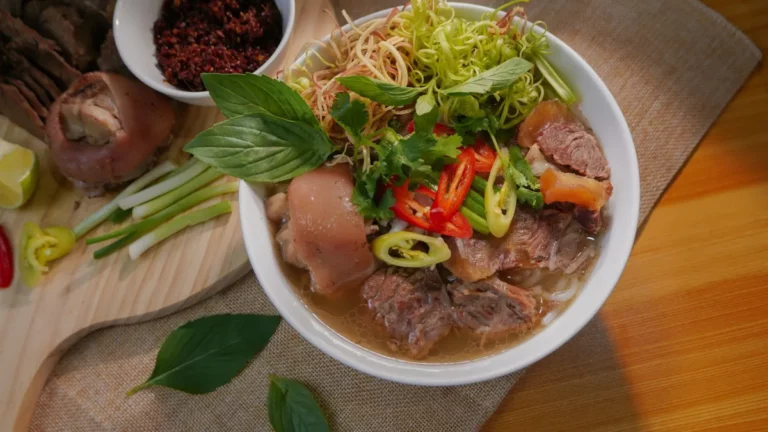
Hue Food Guide: Bun Bo Hue, Royal Cuisine & Where to Eat

Lang Co Beach: Bay, Lagoon & Seafood Between Hue and Da Nang

Truong Tien Bridge Hue: History, Night Lights & Myths