Da Nang Travel Tips 2026: Weather, Best Time & What to Know
Before visiting Da Nang, check whether you are visa-exempt (45 days for many European and Asian countries) or need a US$25 e-visa valid up to 90 days. Come from February to August for dry, sunny beach weather and avoid relying on boat trips from October to December, the rainy and typhoon season. Use Grab or Xanh SM, carry some cash and swim only between the lifeguard flags.
Status (checked October 2026): Since 1 July 2025 Da Nang city also covers the former Quang Nam province, so Hoi An, My Son and the Cham Islands are now in Da Nang. The Cham Islands visitor fee is 70,000 VND from 10 June 2026. We are now in the rainy and typhoon season (roughly September to December): check forecasts daily, and expect Son Tra Peninsula roads to be partly restricted after storm damage. Tet 2027 falls on 6 February.
Key takeaways:
- Visa: 45-day visa-free entry for 24 countries (valid to 2028); everyone else uses the US$25 single-entry e-visa (up to 90 days).
- Best time: February–August for beaches; September–December brings heavy rain, floods and typhoons.
- Getting around: the airport is only about 3 km from the centre; Grab and Xanh SM are cheap and reliable.
- Money: carry small VND notes for stalls; cards work in hotels and restaurants, and VietQR is everywhere.
- Beach safety: swim only in flagged zones with lifeguards, especially at My Khe from September to March.
Da Nang Travel Essentials at a Glance
| Location | Central Vietnam, about 100 km south of Hue; since 2025 includes Hoi An, My Son and the Cham Islands |
|---|---|
| Visa | 45-day exemption for 24 countries; e-visa up to 90 days, US$25 single / US$50 multiple |
| Best time | February–August (dry, sunny); March–May is ideal for sightseeing |
| Rainy / typhoon season | About September–December, wettest October–November |
| Airport | Da Nang International (DAD), about 3 km from the centre |
| Currency | Vietnamese dong (VND); about 26,000 VND = US$1 |
| Daily budget | About 800,000–1,500,000 VND (US$30–60) mid-range, excluding hotel |
| Getting around | Grab, Xanh SM, Be, metered taxis; walking along the river and beach |
| Power | 220 V; plug types A, C and F |
| Emergency | Police 113, Fire 114, Ambulance 115 |
| Key fees | Ba Na Hills about 1,000,000 VND; Hoi An 120,000 VND; My Son 150,000 VND; Hai Van Quan 70,000 VND |
Do I Need a Visa to Visit Da Nang?
It depends on your passport. Citizens of 24 countries, including the UK, Germany, France, Italy, Spain, Japan and South Korea, can stay 45 days visa-free; most others apply online for an e-visa valid up to 90 days.
- 45-day exemption (Resolution 44/NQ-CP): UK, Germany, France, Italy, Spain, Denmark, Sweden, Norway, Finland, Russia, Japan and South Korea, valid to 14 March 2028.
- 45-day exemption (Resolution 229/NQ-CP): Belgium, Bulgaria, Croatia, the Czech Republic, Hungary, Luxembourg, the Netherlands, Poland, Romania, Slovakia, Slovenia and Switzerland, valid to 14 August 2028. Belarus is also exempt for 45 days; see the visa policy of Vietnam summary.
- E-visa: apply only on the official portal evisa.gov.vn; US$25 single entry, US$50 multiple entry, up to 90 days. Allow at least a week.
- ASEAN citizens: visa-free stays of 14–30 days depending on the country.
- Your passport should be valid for at least six months; Da Nang airport accepts e-visa arrivals.
When Is the Best Time to Visit Da Nang?
February to August is the best time to visit Da Nang: the sea is calm and the skies are mostly clear. March to May combines warm sea and comfortable temperatures; June to August is hot and busy with domestic tourists.
| Months | Weather | Good for | Watch out for |
|---|---|---|---|
| January–February | Cool, about 19–25°C, drizzle ending | Sightseeing, Tet | Sea still rough in January |
| March–May | Warm, sunny, about 23–32°C | Beaches, Ba Na Hills, Cham Islands | Few downsides; book ahead |
| June–August | Hot, about 26–35°C, dry | Swimming, islands, festivals | Heat, crowds, higher prices |
| September | Hot, rain increasing | Quieter, cheaper | First storms |
| October–November | Heaviest rain, about 22–28°C | Museums, food, spas | Floods in Hoi An, typhoons, boat cancellations |
| December | Cooler, showers | City sightseeing | Rough sea, grey days |
When Is Tet 2027 and How Does It Affect a Da Nang Trip?
Tet (Lunar New Year) 2027 falls on Saturday 6 February. Da Nang is festive, with flower streets and fireworks on New Year’s Eve, but many family-run restaurants and shops close for three to five days, and transport and hotels fill up the week before.
How Should I Handle Money in Da Nang?
Use a mix of cash and card. Hotels, restaurants and malls accept Visa and Mastercard; markets, street food and small shops prefer cash or VietQR.
- ATMs are everywhere; withdraw larger amounts at once to save on fees (typically 20,000–50,000 VND per withdrawal plus your bank’s charges).
- Carry 10,000–100,000 VND notes; the 10,000 and 200,000 notes look similar, so check carefully.
- Gold shops around Han Market often offer better exchange rates than airports.
- Tipping is not compulsory; round up for drivers and leave 5–10% for good service in restaurants.
- Tourists can claim a VAT refund at the airport on purchases of at least 2,000,000 VND per store per day bought within 60 days of departure, at participating shops.
How Do I Get a SIM Card or eSIM in Da Nang?
Buy a local SIM or eSIM at the airport arrivals hall or a Viettel, Vinaphone or MobiFone store in town; you must register it with your passport. A 30-day tourist data package costs about 100,000–300,000 VND.
- Viettel has the widest coverage, including Ba Na Hills, the Hai Van Pass and the Cham Islands.
- International eSIMs bought before departure are convenient but usually cost more than local plans.
- Free Wi-Fi is standard in hotels, cafés and restaurants.
How Do I Get Around Da Nang?
Use Grab, Xanh SM or Be for almost every journey: a ride from the airport to the centre takes 10–15 minutes and costs about 60,000–120,000 VND. Hoi An is 45–60 minutes away by car, Hue 2–3 hours. See our full Da Nang transportation guide.
- Riding a motorbike needs your home motorbike licence plus a 1968-Convention IDP; unlicensed riders face fines of 2–4 million VND (up to 125 cc) under Decree 168/2024.
- Traffic is lighter and more orderly than in Hanoi or Ho Chi Minh City, but still cross roads slowly and steadily.
Is Da Nang Safe for Tourists?
Yes. Da Nang is one of Vietnam’s safest, cleanest and most orderly cities. Violent crime against visitors is rare; the main risks are the sea, the weather and the traffic.
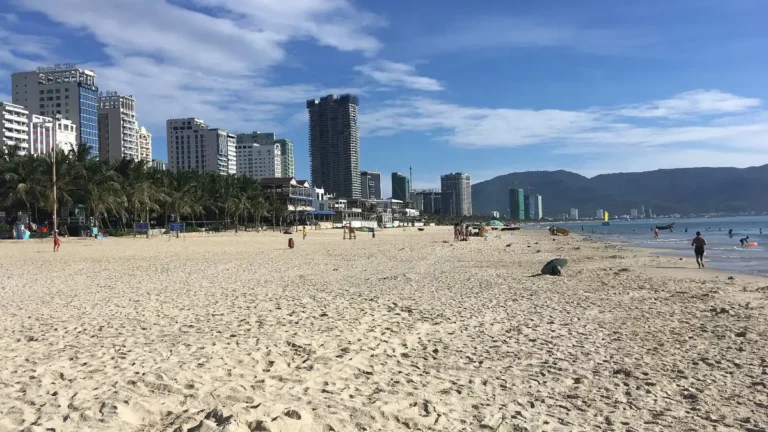
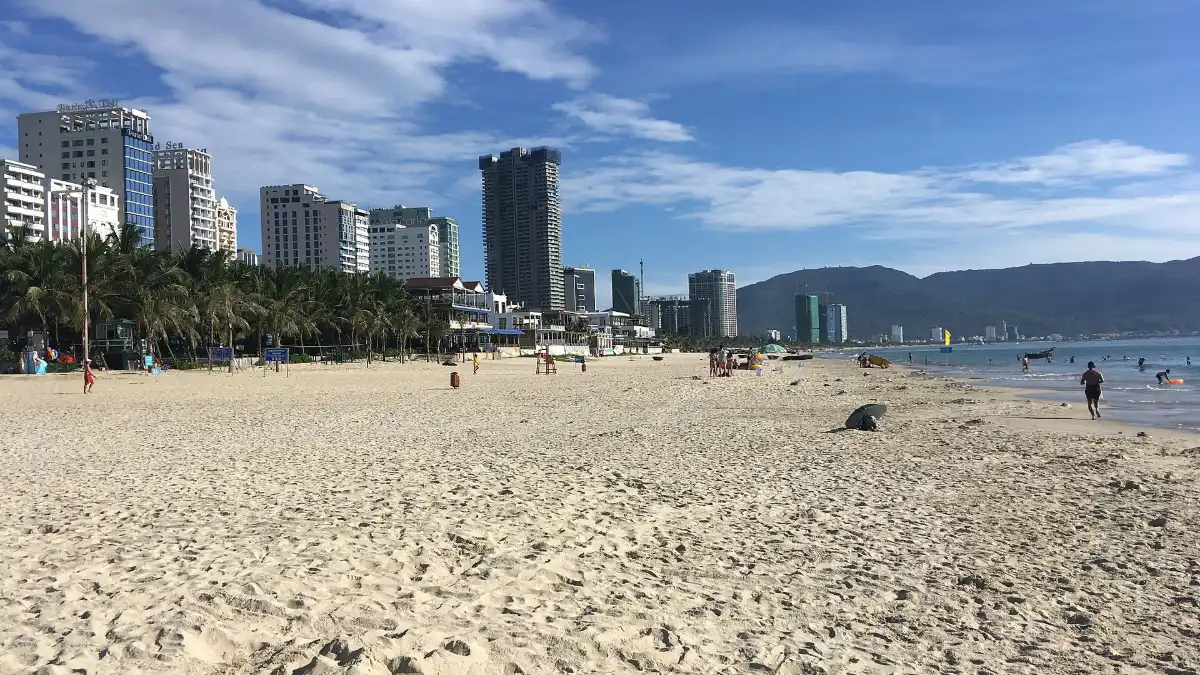
- Beach safety: swim only in flagged zones with lifeguards; rip currents are strong at My Khe from September to March, and red flags mean no swimming.
- Storms: follow official warnings in typhoon season; boat trips and some roads close for safety.
- Petty theft: keep phones away from the roadside to avoid snatch thefts from passing motorbikes.
- Scams: agree prices for seafood and cyclos in advance; use metered taxis or apps; buy tickets for Ba Na Hills, Hoi An and My Son from official counters or trusted operators.
What Should I Know About Etiquette and Dress Code in Da Nang?
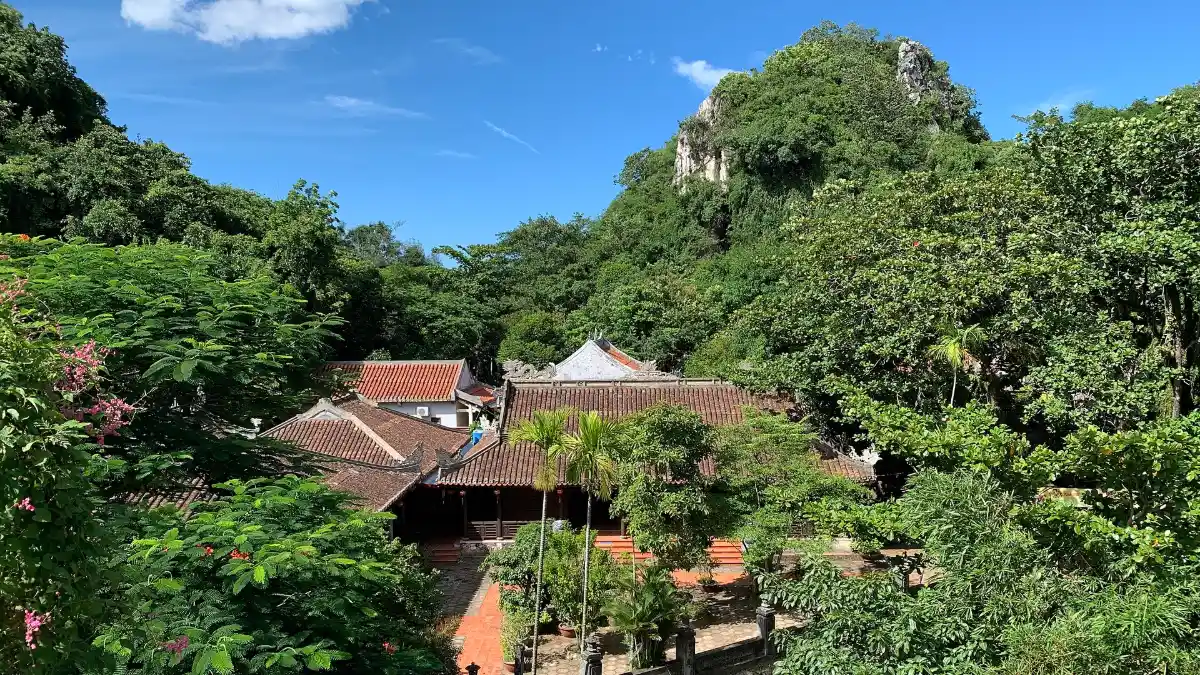
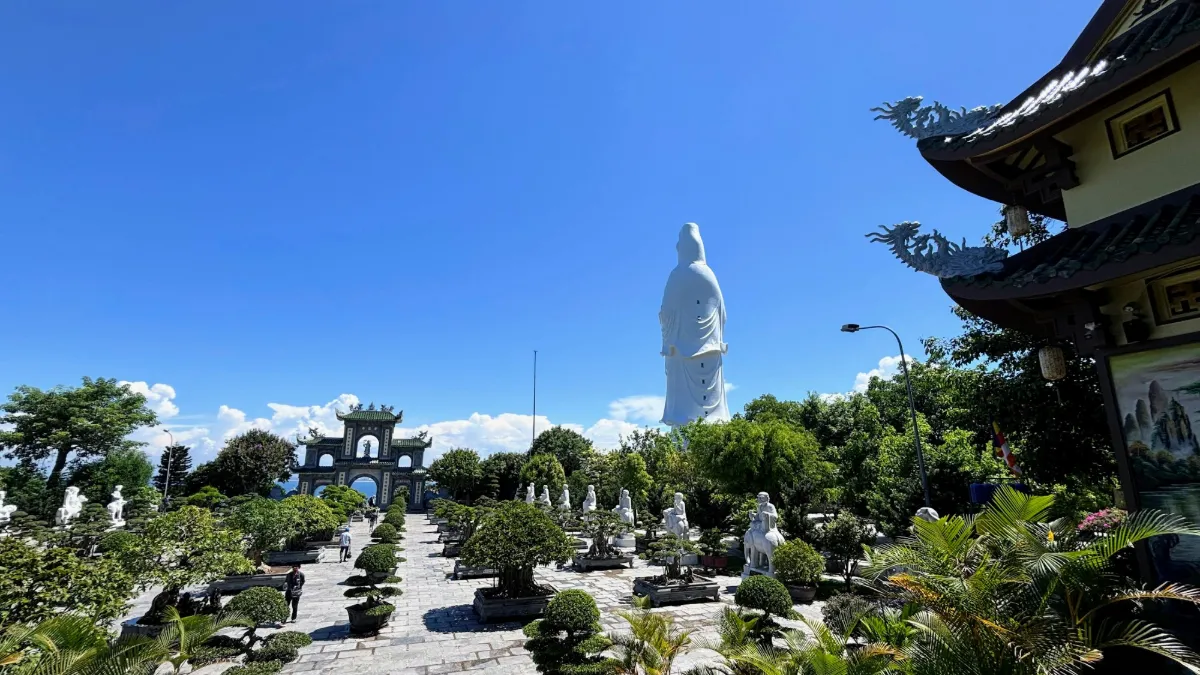
Da Nang is relaxed, but cover shoulders and knees in pagodas and temples such as Linh Ung Pagoda and the Marble Mountains caves, and keep swimwear for the beach.
- Remove shoes when entering homes and some shrines.
- Ask before photographing people, especially monks and fishermen.
- Do not touch people’s heads; pass items with both hands as a polite gesture.
- Keep your voice calm in disagreements; losing your temper rarely helps.
What Health Precautions Should I Take in Da Nang?
No special vaccinations are required, but make sure routine vaccines are up to date and consider hepatitis A and typhoid. Bring sun protection and insect repellent.
- Drink bottled or filtered water; ice in established cafés is factory-made.
- Use repellent at dusk: dengue fever occurs, mostly in the rainy season.
- International-standard hospitals and clinics operate in the city; travel insurance with medical evacuation is strongly recommended.
- Pharmacies are common; bring prescription medicine in original packaging.
What Should I Know Before Sightseeing in Da Nang?
Start early, check opening hours and weather, and buy tickets at official counters. Most attractions open daily.
| Attraction | Ticket (foreigners) | Tip |
|---|---|---|
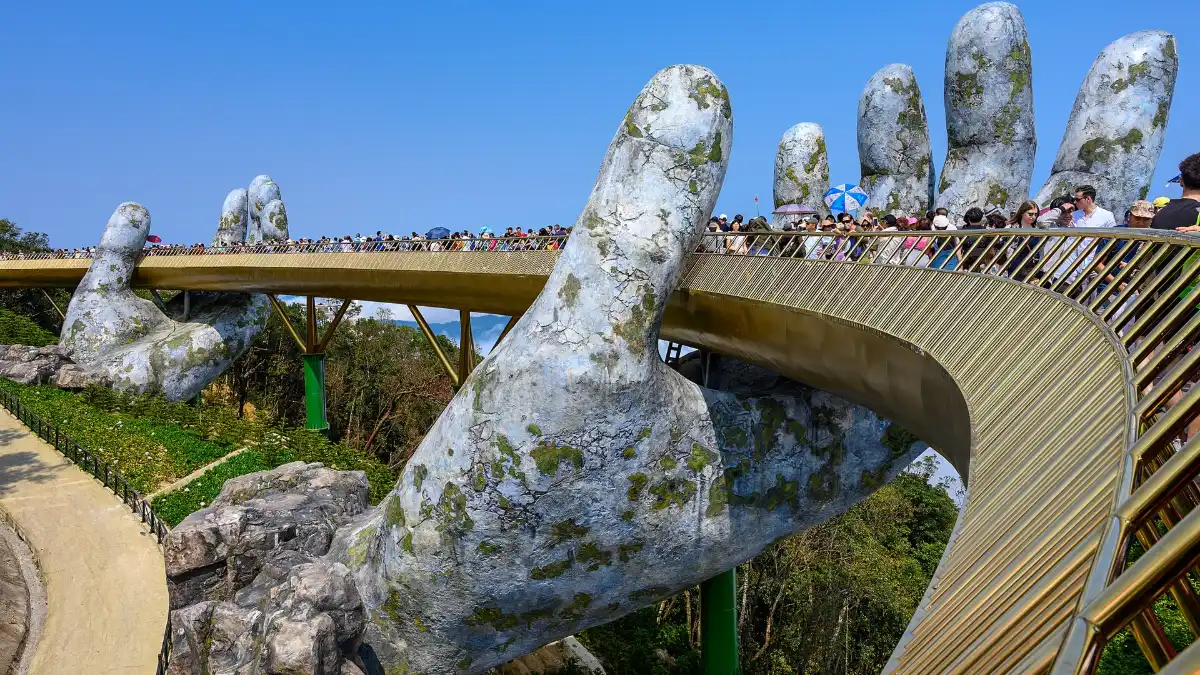
| Ba Na Hills and Golden Bridge | About 1,000,000 VND adult (cable car included) | Arrive at opening on a weekday |
| Marble Mountains | 40,000 VND (Thuy Son), lift 15,000 VND one way | Wear grippy shoes; steep steps |
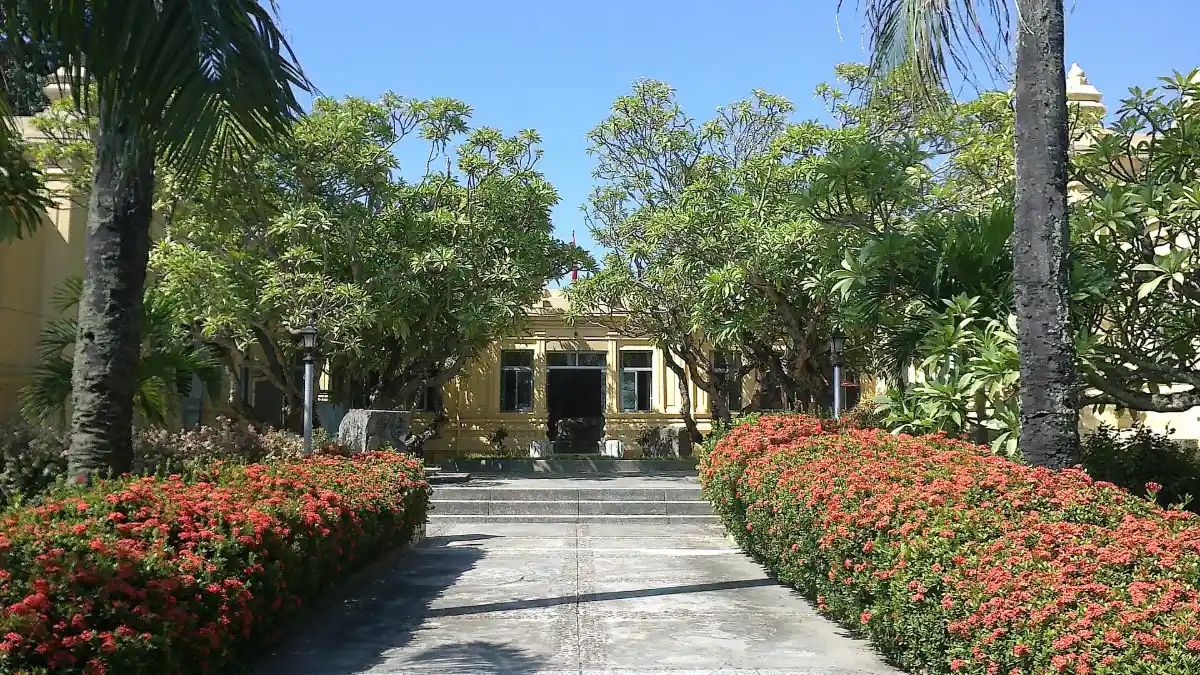
| Museum of Cham Sculpture | 60,000 VND | Ideal on a rainy day |
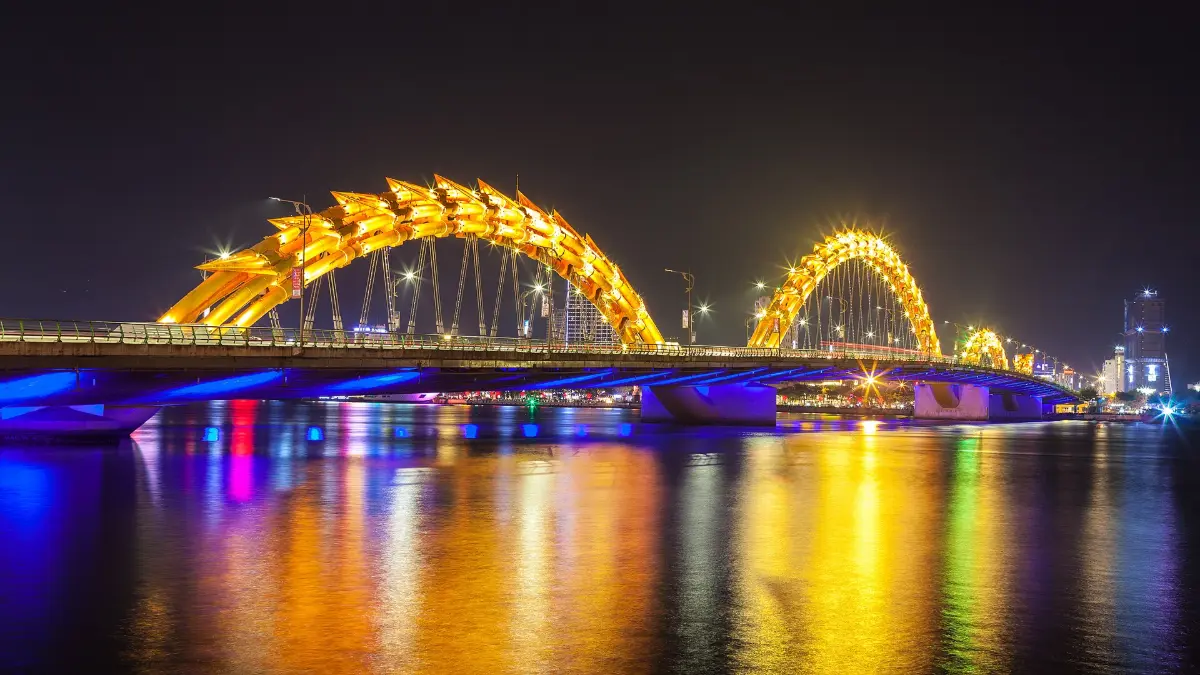
| Dragon Bridge fire show | Free | 21:00 Friday–Sunday |
| Hoi An Ancient Town | 120,000 VND (5 heritage sites) | Visit late afternoon into evening |
| My Son Sanctuary | 150,000 VND | Go early to avoid heat |
| Cham Islands | 70,000 VND visitor fee | Best March–August; boats stop in storms |
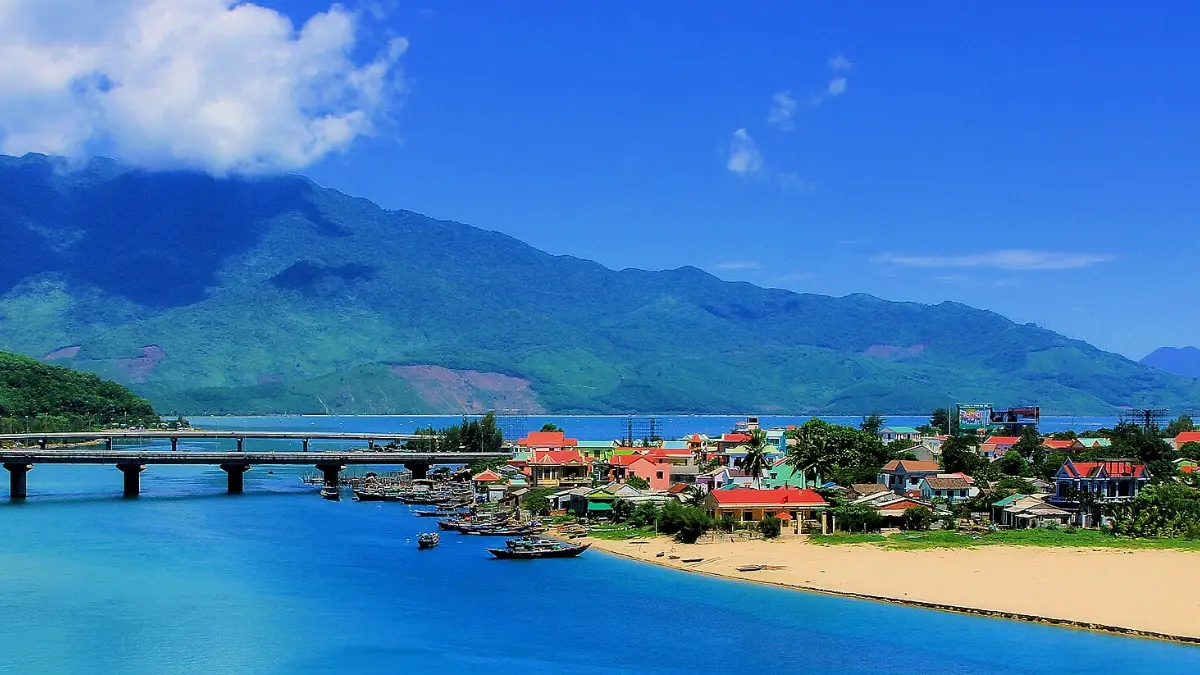
| Hai Van Pass (Hai Van Quan relic) | 70,000 VND | Clearest views in the morning |
How Many Days Do I Need in Da Nang?
Three days covers Da Nang well; five days lets you add Hoi An and My Son comfortably, and a week allows Hue and the Hai Van Pass too.
- Day 1: Marble Mountains, My Khe Beach, Han River and the Dragon Bridge at night.
- Day 2: Ba Na Hills and the Golden Bridge.
- Day 3: Son Tra Peninsula and Linh Ung Pagoda in the morning, Museum of Cham Sculpture, food tour in the evening.
- Days 4–5: Hoi An Ancient Town and Tra Que Vegetable Village, plus My Son or the Cham Islands.
- Days 6–7: drive over the Hai Van Pass to Hue; see our Hue travel tips.
What Should I Pack for Da Nang?
Pack light summer clothes, swimwear, a sun hat and high-SPF sunscreen, plus a light rain jacket from September to January.
- Cover-up clothing (shoulders and knees) for pagodas.
- Comfortable shoes with grip for the Marble Mountains and Ba Na Hills.
- A light jacket for Ba Na Hills, which is several degrees cooler than the coast.
- Insect repellent, a reusable water bottle and a universal plug adapter.
- Copies of your passport and e-visa, plus travel insurance details.
Local Expert Tips for Visiting Da Nang
These tips come from years of arranging Da Nang tours for international travellers.
- Check your visa status first; if you are not on the 45-day list, apply for the e-visa at least a week before you fly.
- Visit Ba Na Hills on a weekday morning and bring a jacket.
- Plan beach days from February to August; in October–November keep a flexible day for weather.
- Be on the Han River at 21:00 on Friday to Sunday for the Dragon Bridge fire and water show.
- Combine Hoi An with My Son on one day, starting at My Son early before the heat.
- Do not book Cham Islands trips right before an international flight.
- Save your hotel address in Vietnamese with the new ward name to show drivers.
- Carry small notes and a photocopy of your passport; keep the original in the hotel safe.
- Travel Da Nang to Hue over the Hai Van Pass by day for the views.
Plan Your Da Nang Trip
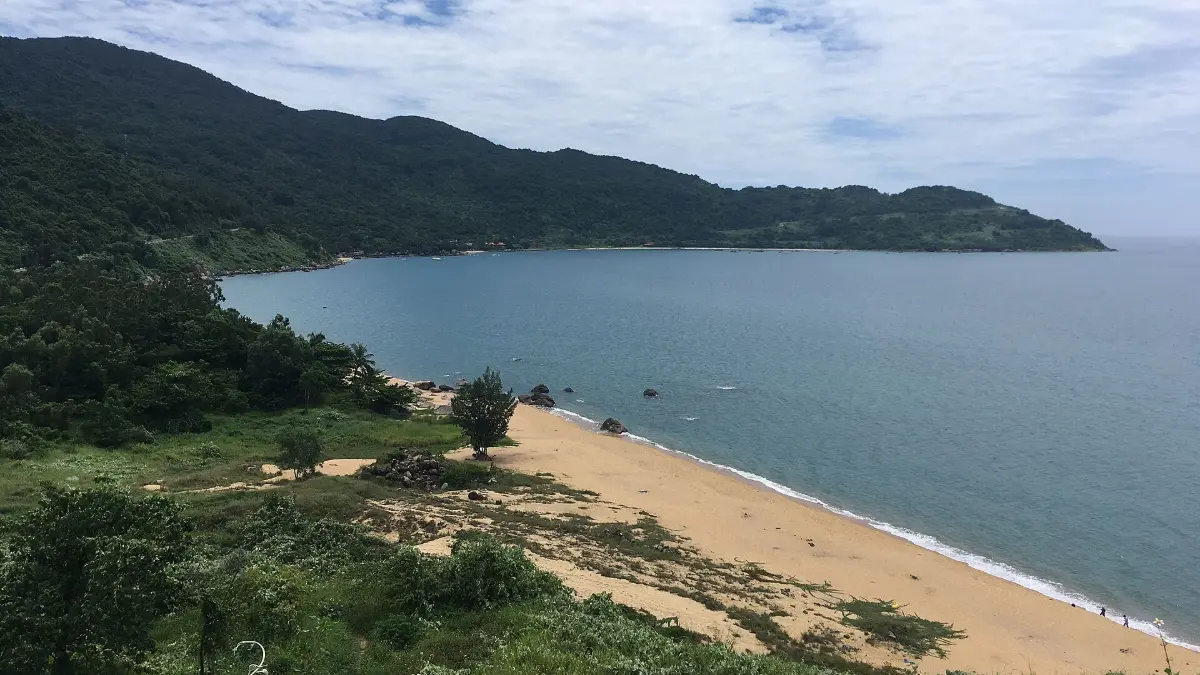
Build your days around Ba Na Hills, the Marble Mountains, My Khe Beach, the Son Tra Peninsula, Linh Ung Pagoda, the Dragon Bridge and the Museum of Cham Sculpture, then head south to Hoi An Ancient Town, the Japanese Covered Bridge, My Son Sanctuary and the Cham Islands. Eat well with our Da Nang food guide, pick a base with where to stay in Da Nang, and read our Hoi An travel tips if you continue south.
Plan your trip with our Da Nang travel guide and Da Nang tours. Contact Vietnam Tour Expert Team for a free custom itinerary.
Frequently Asked Questions about Da Nang Travel Tips
1. Do I need a visa to visit Da Nang?
Citizens of 24 countries, including the UK, Germany, France, Japan and South Korea, can visit Da Nang visa-free for 45 days; most others need a US$25 e-visa from evisa.gov.vn, valid up to 90 days.
2. What is the best month to visit Da Nang?
March to May is the best time to visit Da Nang, with sunny weather, calm seas and temperatures of about 23–32°C before the summer heat and crowds.
3. When is the rainy season in Da Nang?
Da Nang’s rainy season runs from about September to December, with the heaviest rain, floods and typhoon risk in October and November.
4. Is Da Nang worth visiting in October or November?
Da Nang in October–November is cheaper and quieter, but expect heavy rain, possible typhoons and cancelled boat trips, so plan indoor options and flexible days.
5. Is Da Nang safe for tourists?
Yes. Da Nang is one of Vietnam’s safest cities; the main risks are strong currents at the beach, storms in the rainy season and occasional bag snatching.
6. Is it safe to swim at My Khe Beach in Da Nang?
Swimming at My Khe Beach in Da Nang is safe in flagged zones with lifeguards, especially from March to August; avoid swimming when red flags fly or the sea is rough.
7. How many days do I need in Da Nang?
Three days are enough for Da Nang’s highlights, and five days let you add Hoi An and My Son Sanctuary at a relaxed pace.
8. Is Hoi An part of Da Nang now?
Yes. Since 1 July 2025 the former Quang Nam province, including Hoi An, My Son and the Cham Islands, is part of Da Nang city.
9. What currency is used in Da Nang?
Da Nang uses the Vietnamese dong (VND), at about 26,000 VND to US$1; cards work in hotels and restaurants, but carry cash for markets and street food.
10. Can I use a credit card in Da Nang?
Yes. Visa and Mastercard are accepted at most hotels, restaurants and malls in Da Nang, while street vendors prefer cash or VietQR.
11. How do I get a SIM card in Da Nang?
Buy a Viettel, Vinaphone or MobiFone SIM or eSIM at Da Nang airport or a store in town; registration requires your passport, and tourist data plans cost about 100,000–300,000 VND.
12. What should I wear in Da Nang?
Wear light summer clothes in Da Nang, keep swimwear for the beach, and cover shoulders and knees when visiting pagodas such as Linh Ung.
13. When is Tet 2027 in Da Nang?
Tet 2027 (Lunar New Year) falls on 6 February; in Da Nang many family-run shops and restaurants close for several days, and transport books up early.
14. How much money do I need per day in Da Nang?
A mid-range traveller in Da Nang spends about 800,000–1,500,000 VND (US$30–60) a day on food, transport and sights, excluding the hotel.
15. Do I need vaccinations for Da Nang?
No vaccinations are required for Da Nang, but routine vaccines plus hepatitis A and typhoid are commonly recommended; use repellent against dengue in the rainy season.
16. When is the Dragon Bridge fire show in Da Nang?
The Dragon Bridge in Da Nang breathes fire and water at 21:00 every Friday, Saturday and Sunday, with extra shows on some public holidays.
17. Can I ride a motorbike in Da Nang as a tourist?
Only with a motorbike licence and a 1968-Convention IDP; riding without a licence in Da Nang can cost 2–4 million VND for bikes up to 125 cc.
18. Is Ba Na Hills worth it from Da Nang?
Ba Na Hills is worth a day from Da Nang for the cable car and Golden Bridge; the adult ticket is about 1,000,000 VND, and weekday mornings are least crowded.
19. What is the emergency number in Da Nang?
In Da Nang dial 113 for police, 114 for fire and 115 for an ambulance; your hotel can also call help in Vietnamese.
Related Posts
Where to Stay in Da Nang: Best Areas & Hotels by Budget
Da Nang Transportation: Airport, Trains, Grab & Day Trips
Da Nang Food Guide 2026: Mi Quang, Michelin Picks & Where to Eat
Son Tra Peninsula Da Nang: Monkey Mountain Guide & Rules
Museum of Cham Sculpture Da Nang: Tickets, Hours & Highlights