Museum of Cham Sculpture Da Nang: Tickets, Hours & Highlights
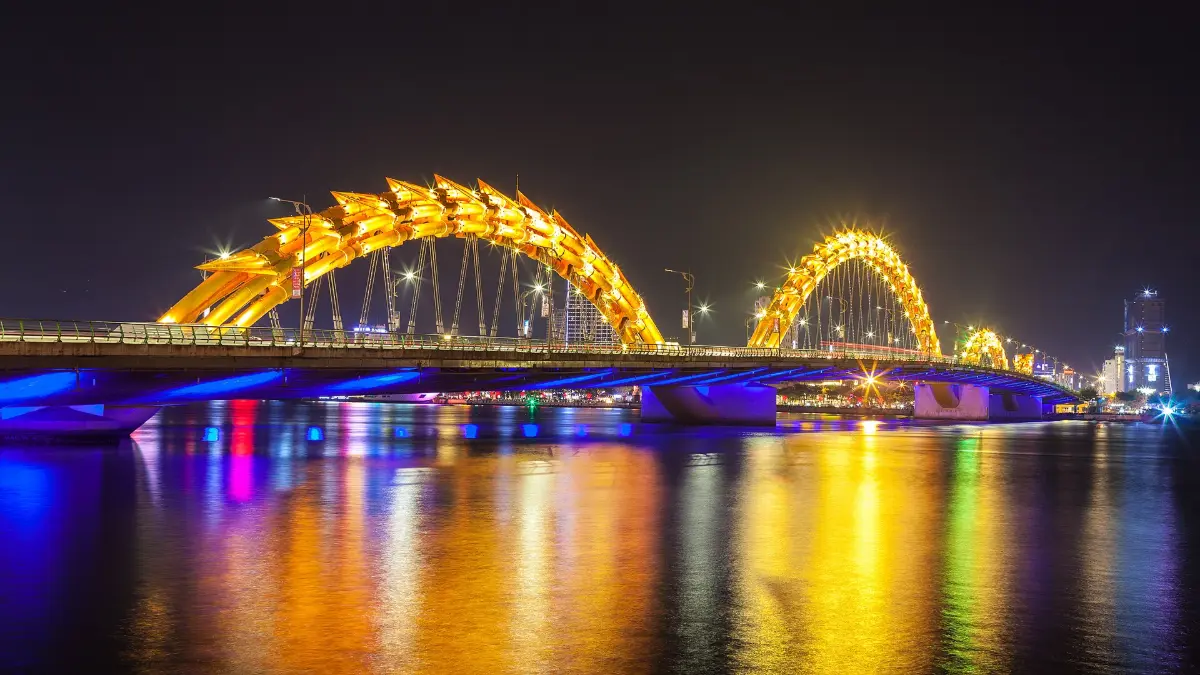
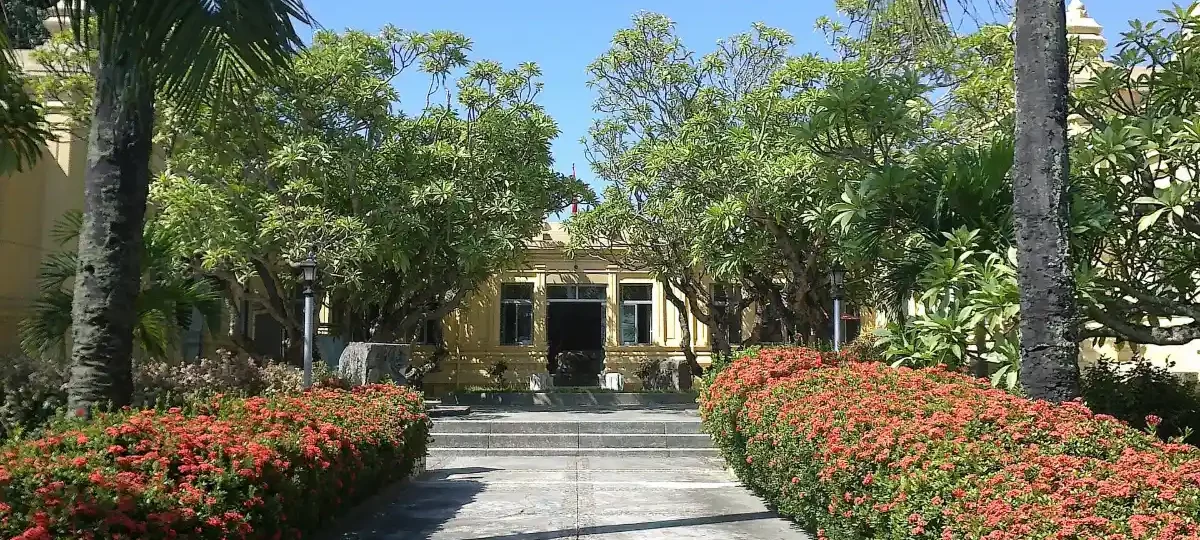
The Museum of Cham Sculpture (Bảo tàng Điêu khắc Chăm Đà Nẵng) holds the world’s largest collection of Cham art, in a French colonial building by the Han River at the western end of the Dragon Bridge. Opened in 1919, it displays sandstone gods, dancers and altars from My Son, Tra Kieu and Dong Duong. Tickets cost 60,000 VND; it opens daily 7:30–17:00.
Status (checked October 2026): open daily as normal, 7:30–17:00. Admission is 60,000 VND for adult visitors (Vietnamese and foreign); children under 16 enter free. The museum is a good rainy-day choice during the October–December wet season.
Why the Museum of Cham Sculpture is worth seeing:
- Unique collection: the finest Cham sculpture anywhere, mostly sandstone pieces from the 7th to the 15th centuries.
- National Treasures: around a dozen objects are recognised as National Treasures of Vietnam, including the Tra Kieu altar.
- Context for My Son: see the best carvings from My Son Sanctuary before or after visiting the ruins.
- Beautiful building: a 1910s colonial building with Cham-inspired details and open courtyards.
- Central and quick: one hour in the heart of Da Nang, steps from the Dragon Bridge.
Museum of Cham Sculpture at a Glance
| Vietnamese name | Bảo tàng Điêu khắc Chăm Đà Nẵng |
|---|---|
| Address | 02 2 Thang 9 Street (junction with Bach Dang and Trung Nu Vuong), Hai Chau area, Da Nang |
| Distance | In the city centre, at the western end of the Dragon Bridge; about 3 km from Da Nang airport |
| Known for | The world’s largest collection of Cham sculpture |
| Recognition | Class I museum (2011); 12 objects recognised as National Treasures |
| Opening hours | Daily, 7:30–17:00 |
| Entrance fee | 60,000 VND (about US$2.30); under-16s free |
| Time needed | 1–1.5 hours |
| Best time | At opening or late afternoon; any season (indoors) |
| Nearby | Dragon Bridge, Han River promenade, Han Market |
| Find it | Google Maps · Tripadvisor · Official website |
Is the Museum of Cham Sculpture Worth Visiting?
Yes, it is the best museum in central Vietnam and essential if you plan to visit My Son. In an hour you can see the artistic legacy of the Cham kingdoms in one place, with labels in English and a calm, shaded setting away from the traffic.
- Best for: history and art lovers, travellers heading to My Son, and anyone wanting a rainy-day activity.
- Skip if: museums bore you; enjoy the building’s façade and garden from outside on your way to the Dragon Bridge.
- Short on time: focus on the My Son, Tra Kieu and Dong Duong galleries in about 45 minutes.
History of the Museum of Cham Sculpture
French scholars of the École française d’Extrême-Orient (EFEO) began collecting Cham sculptures from ruined temples across central Vietnam in the late 19th century. A museum was proposed in 1902, and the first building, designed by the French architects Delaval and Auclair with input from the archaeologist Henri Parmentier, was built in 1915–1916 and opened to the public in 1919.
The museum was extended in the 1930s and again in later decades, renovated in 2016, and ranked a Class I museum in 2011. Several of its objects have been recognised as National Treasures in successive government decisions, bringing the total to 12.
Who were the Cham?
The Cham people built the Hindu–Buddhist kingdom of Champa along the central and southern coast of today’s Vietnam from around the 2nd century. Their brick temples survive at My Son, Po Nagar in Nha Trang and Po Shanu near Mui Ne, and Cham communities still live in southern Vietnam today.
What to See at the Museum of Cham Sculpture
The galleries are arranged by the places where the sculptures were found, which makes it easy to follow the changing styles.
1. My Son gallery
Sculptures from the religious capital of Champa include lingas, yonis and decorated altar pedestals with dancers, musicians and ascetics. It is the perfect preparation for a trip to the ruins.
2. Tra Kieu gallery and the Tra Kieu altar
Tra Kieu, near Hoi An, was a royal capital of Champa. Its famous altar, carved with graceful apsara dancers and scenes from Hindu epics, is one of the museum’s National Treasures and a masterpiece of Cham art.
3. Dong Duong gallery
Dong Duong was a major Buddhist centre in the late 9th century. Its powerful, distinctive sculptures, including guardians and monks, show Champa’s Mahayana Buddhist period; the bronze Tara statue from Dong Duong is another highlight.
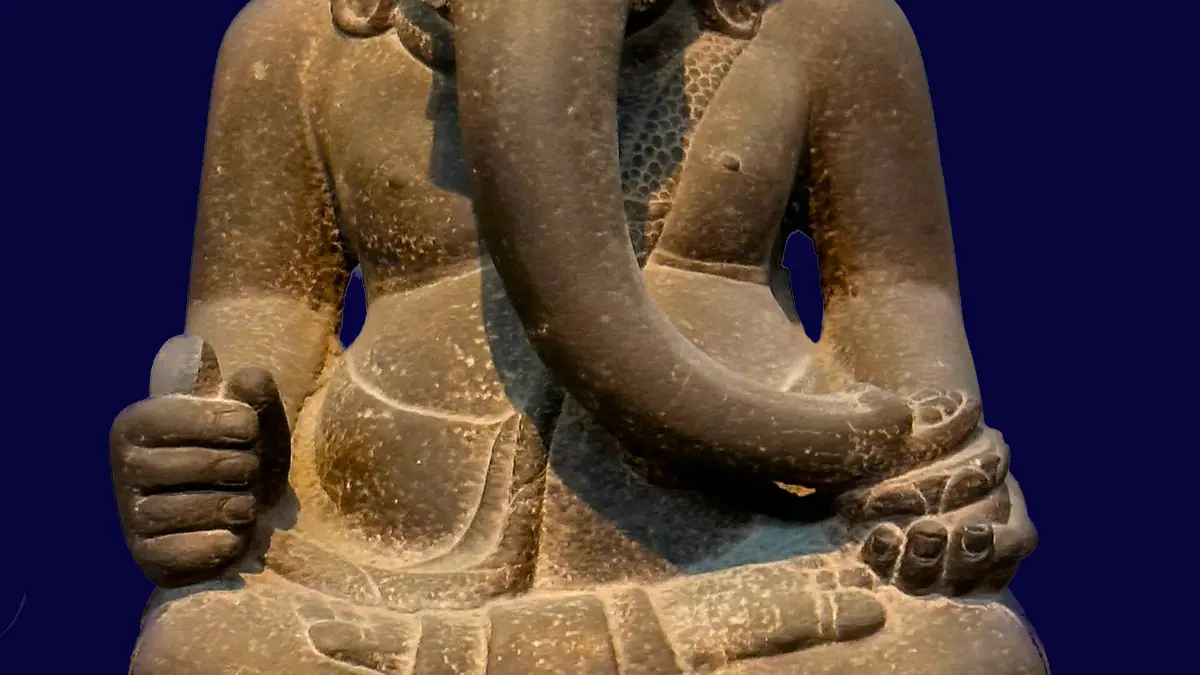
4. Thap Mam gallery
Pieces from Thap Mam in Binh Dinh show later Cham style, with stylised mythical creatures such as makara, gajasimha (elephant-lions) and garudas.
5. Gods of the Hindu pantheon
Throughout the museum you will meet Shiva, Vishnu, Brahma, Ganesha, Uma and the bird-man Garuda, often carved with remarkable detail in pinkish sandstone.
6. The building and garden
The original colonial building mixes French proportions with Cham-style decoration. Larger sculptures stand in the garden and verandas, which are pleasant for a short rest.
Museum of Cham Sculpture Tickets and Opening Hours
| Ticket | Price | Notes |
|---|---|---|
| Adult (Vietnamese and foreign visitors) | 60,000 VND (about US$2.30) | Standard ticket |
| Da Nang residents and students | 20,000 VND | With ID |
| Children under 16 | Free | No ticket needed |
| Vietnamese citizens 60+, people with disabilities | Free | With ID |
| Opening hours | Daily, 7:30–17:00 | |
Prices are set by the museum under the Da Nang city authorities; check the official website for any changes.
How to Visit the Museum of Cham Sculpture Step by Step
- Buy your ticket at the entrance on 2 Thang 9 Street.
- Start in the main building with the My Son and Tra Kieu galleries.
- Continue to the Dong Duong and Thap Mam galleries to see how styles changed.
- Visit the newer wing for regional and thematic displays.
- Finish in the garden, then walk to the Dragon Bridge or the Han River promenade.
Museum etiquette
- Photography without flash is generally allowed; do not touch the sculptures.
- Many pieces are still revered; behave respectfully around lingas and deities.
- Large bags may need to be left at the entrance.
How to Get to the Museum of Cham Sculpture
| From | How | Time |
|---|---|---|
| Han River hotels | On foot along Bach Dang Street | 5–20 minutes |
| My Khe Beach hotels | Grab car or taxi across the Dragon Bridge | About 10 minutes |
| Da Nang airport | Taxi or Grab | About 10 minutes |
| Hoi An | Private car or Grab | 45–60 minutes |
See our Da Nang transport guide for more options.
Best Time to Visit the Museum of Cham Sculpture
| When | What to expect |
|---|---|
| 7:30–9:00 | Quiet galleries and cooler temperatures |
| 11:00–14:00 | Escape the midday heat, though tour groups may visit |
| Late afternoon | Combine with a sunset walk and the Dragon Bridge |
| October–December | An ideal rainy-day activity |
| Before My Son | Visit first to understand what you will see at the ruins |
Local Expert Tips for the Museum of Cham Sculpture
These tips come from years of arranging Da Nang tours for international travellers.
- Hire a guide or use a good guidebook: the stories behind the carvings bring the collection to life.
- Visit before My Son: many of the best My Son carvings are here, not at the site.
- Plan it for a Friday to Sunday evening, then stay for the Dragon Bridge fire show at 21:00.
- Look for the Tra Kieu dancers: the apsaras on the altar are the collection’s most famous figures.
- Bring small cash for the ticket.
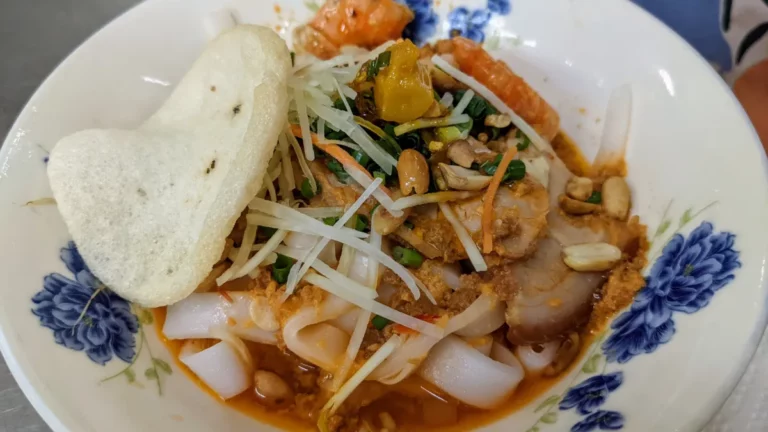
- Pair it with lunch from our Da Nang food guide, such as mi Quang nearby.
Museum of Cham Sculpture vs My Son Sanctuary
| Feature | Museum of Cham Sculpture | My Son Sanctuary |
|---|---|---|
| What you see | Sculptures and altars indoors | Brick temple ruins in the jungle |
| Recognition | National Treasures in the collection | UNESCO World Heritage Site |
| Location | Central Da Nang | About 40 km south-west of Hoi An |
| Time needed | 1–1.5 hours | Half day |
| Best for | Art, details, rainy days | Atmosphere, architecture |
Our view: they complement each other. See the museum for the art and My Son for the setting; if you can only do one, art lovers should choose the museum and photographers My Son.
Nearby Attractions
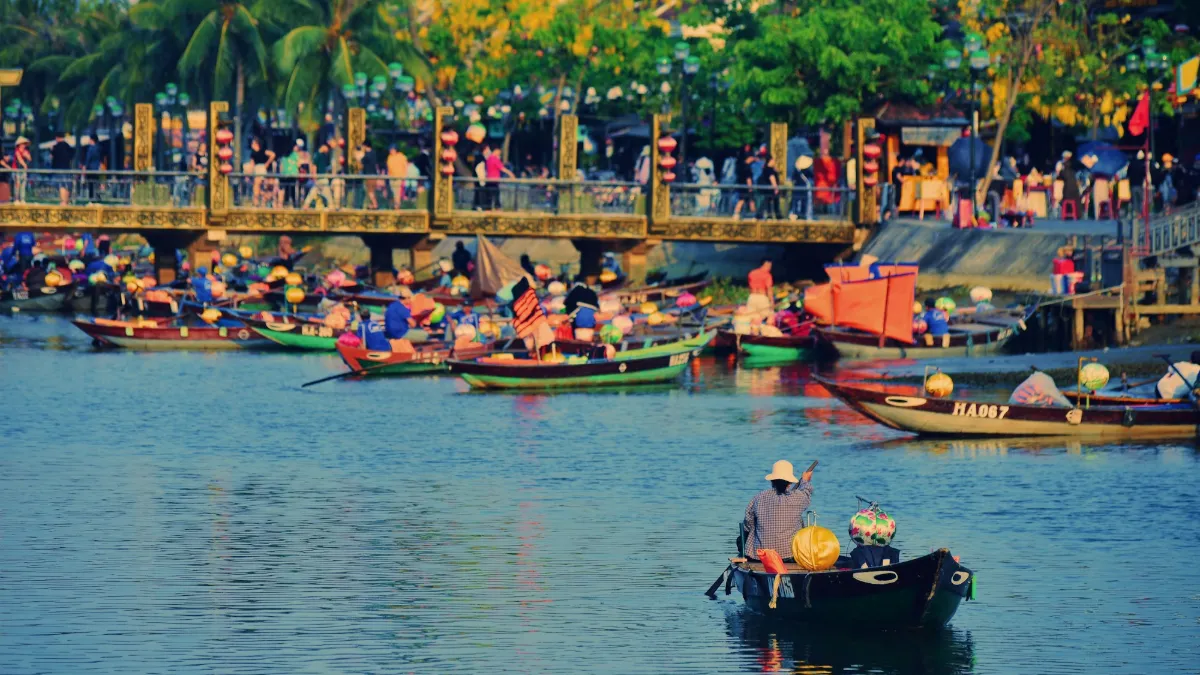
- Dragon Bridge: right next to the museum.
- My Khe Beach: 10 minutes across the river.
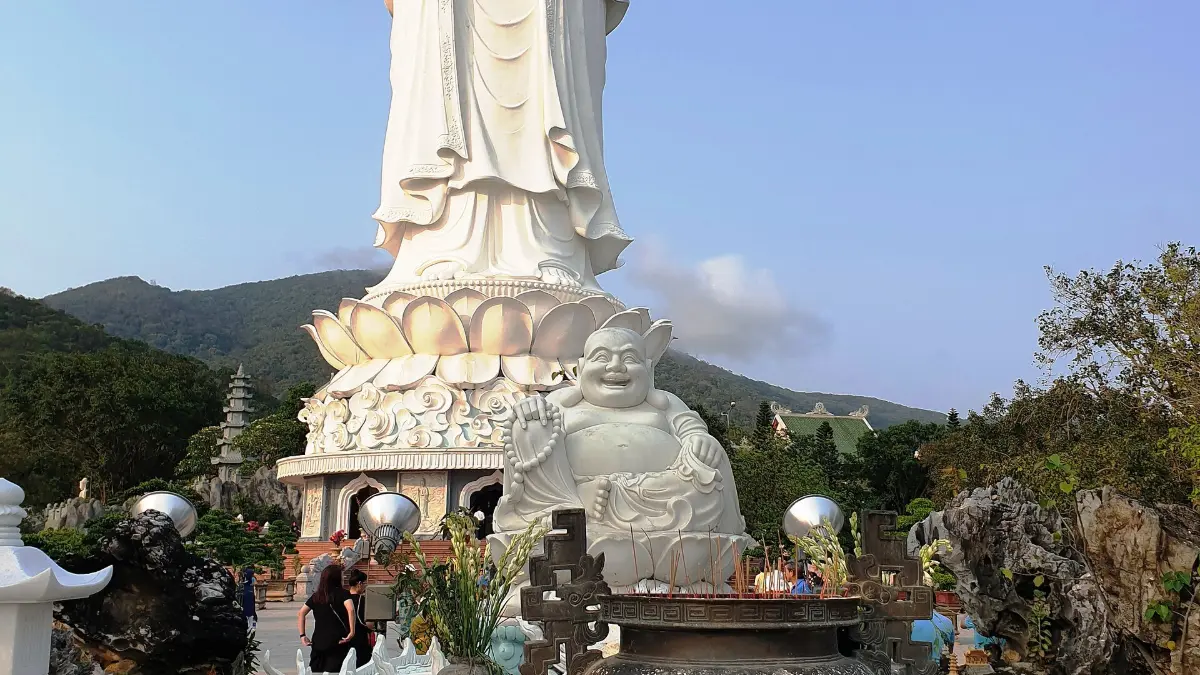
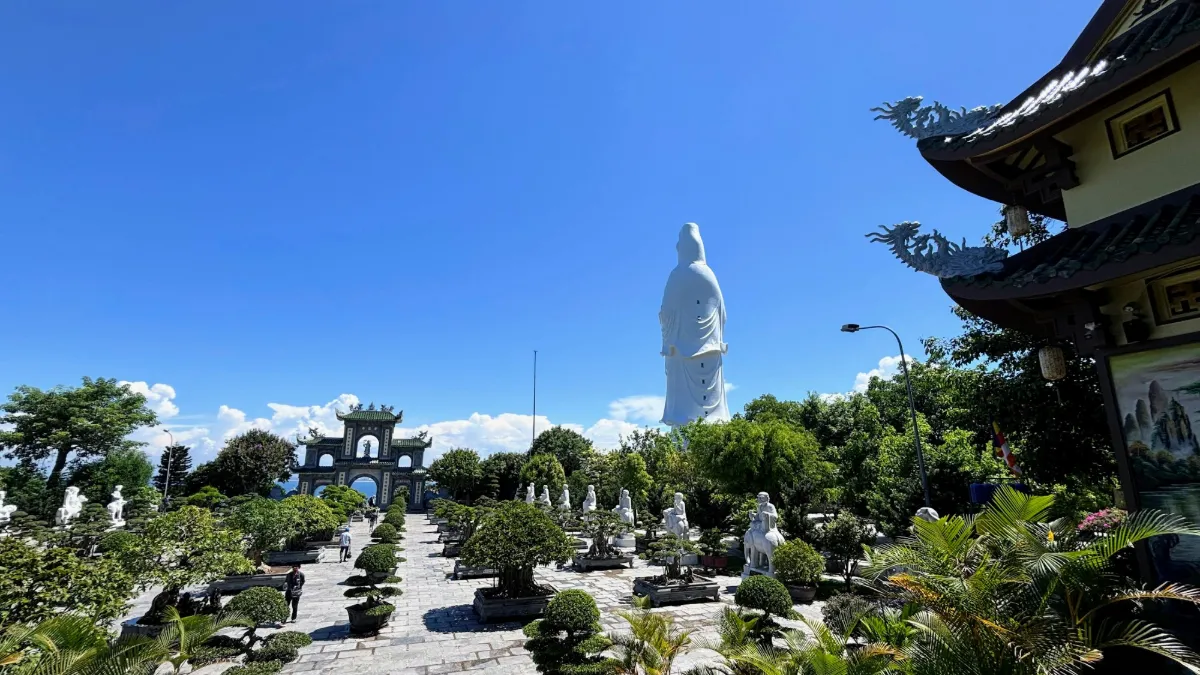
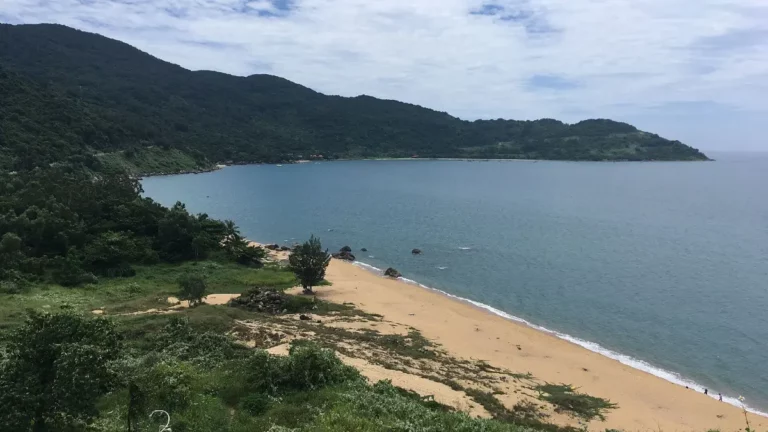
- Linh Ung Pagoda: the Lady Buddha on Son Tra.
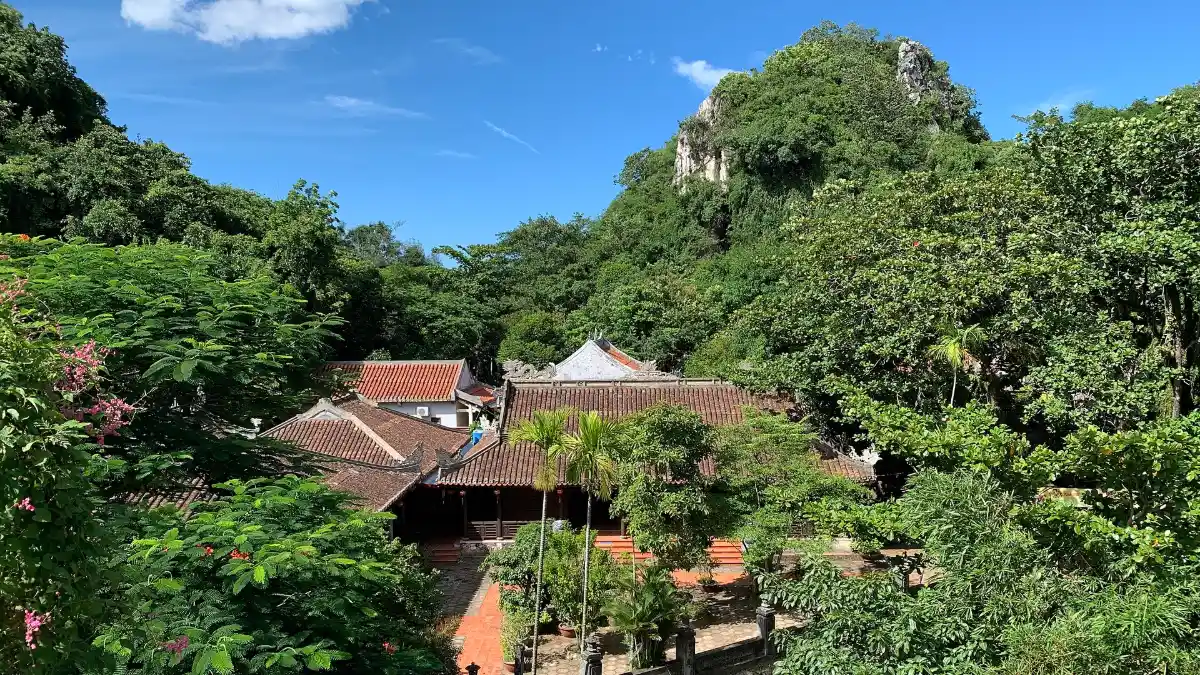
- Marble Mountains: caves with Cham-era traces.
- My Son Sanctuary: the Cham temple ruins.
- Hoi An Ancient Town: the old trading port.
Sightseeing in Da Nang for First-Time Visitors: Where the Museum of Cham Sculpture Fits
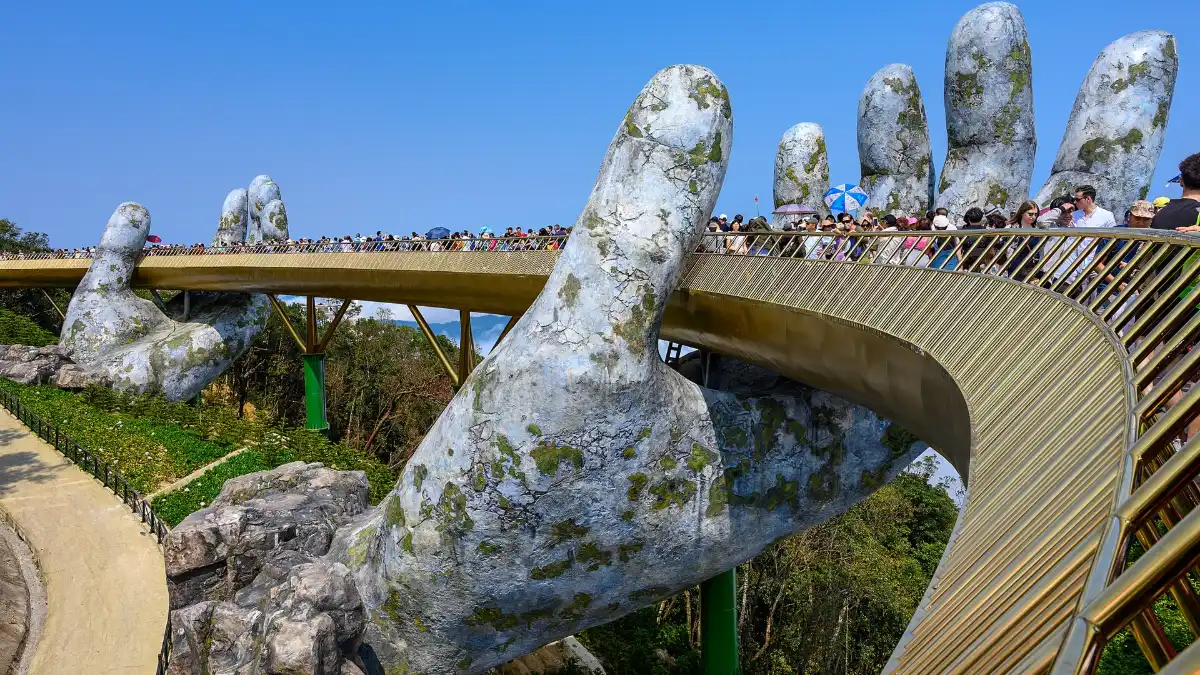
Start your Da Nang city day at the Museum of Cham Sculpture, continue along the Han River, spend the afternoon on My Khe Beach and return for the Dragon Bridge show at weekends. On another day, visit My Son from Hoi An and Ba Na Hills. Our Da Nang travel tips and Hoi An travel tips help you plan both bases.
Plan your trip with our Da Nang travel guide and Da Nang tours. Contact Vietnam Tour Expert Team for a free custom itinerary.
Frequently Asked Questions about the Museum of Cham Sculpture
1. How much is the Museum of Cham Sculpture ticket?
The Museum of Cham Sculpture ticket costs 60,000 VND for adults; children under 16 are free.
2. What are the Museum of Cham Sculpture opening hours?
The Museum of Cham Sculpture is open daily from 7:30 to 17:00.
3. Where is the Museum of Cham Sculpture?
The Museum of Cham Sculpture is at 02 2 Thang 9 Street in central Da Nang, beside the western end of the Dragon Bridge.
4. How long do you need at the Museum of Cham Sculpture?
One to one and a half hours is enough to see the main galleries of the Museum of Cham Sculpture.
5. When was the Museum of Cham Sculpture founded?
The Museum of Cham Sculpture building was constructed in 1915–1916 and opened to the public in 1919.
6. Who built the Museum of Cham Sculpture?
The Museum of Cham Sculpture was created by the French École française d’Extrême-Orient; architects Delaval and Auclair designed it with input from Henri Parmentier.
7. How many National Treasures are in the Museum of Cham Sculpture?
The Museum of Cham Sculpture holds 12 objects recognised as National Treasures of Vietnam.
8. Is the Museum of Cham Sculpture worth visiting?
Yes, the Museum of Cham Sculpture is the best place to understand Cham art and is especially rewarding before a visit to My Son.
9. Should I visit the Museum of Cham Sculpture before My Son?
Yes, visiting the Museum of Cham Sculpture first helps you understand the ruins at My Son Sanctuary, where many original carvings are no longer in place.
10. Can I take photos in the Museum of Cham Sculpture?
Photography without flash is generally allowed in the Museum of Cham Sculpture; do not touch the sculptures.
11. Does the Museum of Cham Sculpture have English labels?
Yes, the Museum of Cham Sculpture has labels in English as well as Vietnamese.
12. Is the Museum of Cham Sculpture good for children?
Older children who like myths and gods enjoy the Museum of Cham Sculpture, and under-16s enter free.
13. What is the most famous piece in the Museum of Cham Sculpture?
The Tra Kieu altar, carved with apsara dancers, is the most famous piece in the Museum of Cham Sculpture.
14. Is the Museum of Cham Sculpture open on Mondays?
Yes, the Museum of Cham Sculpture is open every day, including Mondays.
15. Can I combine the Museum of Cham Sculpture with the Dragon Bridge?
Yes, the Museum of Cham Sculpture is beside the Dragon Bridge, so you can visit in the afternoon and stay for the weekend fire show.
16. What religion do the Museum of Cham Sculpture exhibits represent?
Most pieces in the Museum of Cham Sculpture are Hindu, with Buddhist works from the Dong Duong period.
Related Posts
Da Nang Travel Tips 2026: Weather, Best Time & What to Know
Where to Stay in Da Nang: Best Areas & Hotels by Budget
Da Nang Transportation: Airport, Trains, Grab & Day Trips
Da Nang Food Guide 2026: Mi Quang, Michelin Picks & Where to Eat
Son Tra Peninsula Da Nang: Monkey Mountain Guide & Rules