Cham Islands (Cu Lao Cham): Snorkeling Day Trip from Hoi An
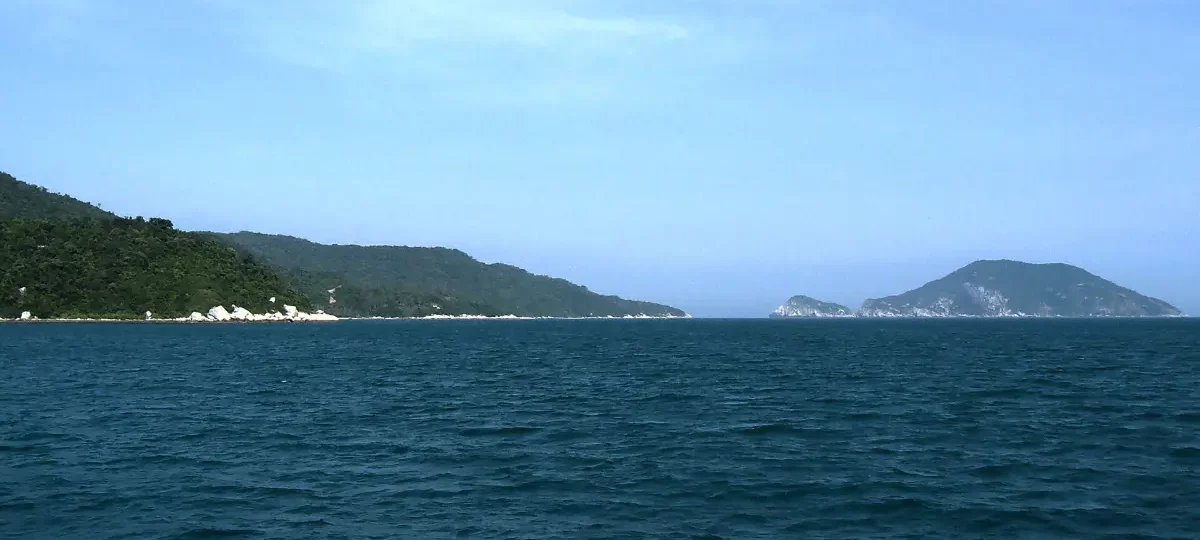
The Cham Islands (Cù Lao Chàm) are a group of eight small islands about 18 km off the Hoi An coast, the core of the Cu Lao Cham – Hoi An Biosphere Reserve recognised by UNESCO in 2009. Visitors come for snorkelling over coral reefs, quiet beaches and island village life. Speedboats from Cua Dai take about 15–30 minutes; the visitor fee is 70,000 VND.
Status (checked October 2026): October is in the storm season, when most tour boats do not run and crossings are cancelled whenever weather warnings are issued. Trips normally run from about March to August. A new Da Nang resolution kept the island visitor fee at 70,000 VND per person from 10 June 2026.
Why the Cham Islands are worth seeing:
- UNESCO biosphere reserve: part of the Cu Lao Cham – Hoi An Biosphere Reserve, designated on 26 May 2009.
- Coral reefs: around 135 coral species and about 165 ha of reef make it one of central Vietnam’s best snorkelling areas.
- Clear water and quiet beaches: Bai Chong, Bai Huong and other coves are calmer than the mainland beaches in summer.
- Island culture: Hai Tang Pagoda, an old Cham-era well, the Swiftlet Nest Shrine and the fishing village of Bai Lang.
- Easy day trip: from Hoi An Ancient Town you can be snorkelling within an hour.
Cham Islands at a Glance
| Vietnamese name | Cù Lao Chàm (main island: Hòn Lao) |
|---|---|
| Location | Tan Hiep Commune, Da Nang city (part of Quang Nam province until 1 July 2025) |
| Distance | About 18 km from Cua Dai; about 20 km east of Hoi An Ancient Town |
| Known for | Snorkelling and coral reefs, beaches, seafood, swiftlet nests, fishing villages |
| Recognition | UNESCO Cu Lao Cham – Hoi An Biosphere Reserve (2009, about 33,146 ha); marine protected area; national scenic site |
| Season | Boats normally run about March–August; most tours stop September–February |
| Entrance fee | 70,000 VND visitor fee (children under 16 exempt); speedboat extra |
| Time needed | Full day (about 8:00–15:00 on a tour); 1–2 nights for a slow stay |
| Best time | April to August, calm seas and best visibility |
| Nearby | Cua Dai Beach, An Bang Beach, Hoi An Ancient Town |
| Find it | Google Maps · Tripadvisor · UNESCO · Wikipedia |
Are the Cham Islands Worth Visiting?
Yes, between March and August, if you enjoy snorkelling, beaches and a day on the water. The reefs are not as spectacular as those in Nha Trang or Phu Quoc, and the main beaches get busy with day tours, but the islands are the easiest marine escape from Hoi An.
- Best for: snorkellers, beach lovers, families with confident swimmers, travellers who want a break from the old town.
- Skip if: you suffer badly from seasickness, you are visiting September to February, or you expect world-class diving.
- Short on time: join a small-group day tour with hotel pick-up, snorkelling and lunch included.
History and Nature of the Cham Islands
The Cham Islands lie off the mouth of the Thu Bon River and were long linked to the port of Hoi An. People have lived here since ancient times; archaeological finds show settlement from the Sa Huynh and Champa periods, and the islands served as a landmark, freshwater stop and anchorage for ships on the maritime trade routes. The name Cù Lao Chàm recalls the Cham people who once ruled this coast.
The archipelago has eight islands: Hòn Lao, the largest (about 1,317 ha, with peaks of 517 m and 326 m), plus Hòn Dài, Hòn Mồ, Hòn Khô Mẹ, Hòn Khô Con, Hòn Lá, Hòn Tai and Hòn Ông. Most residents live in fishing villages at Bai Lang and Bai Huong on Hòn Lao, which is administered as Tan Hiep Commune.
A UNESCO biosphere reserve
On 26 May 2009 UNESCO recognised the Cu Lao Cham – Hoi An Biosphere Reserve, covering about 33,146 ha and linking the islands’ marine protected area with the cultural heritage of Hoi An. Surveys have recorded around 947 aquatic species, including roughly 135 coral species and 200 fish species. The islands are also known for edible swiftlet nests harvested from sea caves, and for a long-running campaign against plastic bags.
What to See at the Cham Islands
1. Snorkelling over the coral reefs
Most day tours stop at one or two reef sites around Hòn Lao or the smaller islands. Visibility is best on calm days from April to August. Follow the guide’s instructions, wear a life jacket if you are not a strong swimmer, and never stand on or touch coral.
2. Bai Lang village and harbour
Bai Lang is the main village and boat landing on Hòn Lao, with a small market, seafood restaurants, homestays and the commune offices of Tan Hiep. Walk its lanes to see fishing families mending nets and drying squid.
3. Hai Tang Pagoda
Hai Tang Pagoda (Chùa Hải Tạng) stands at the foot of the western mountain, a short walk or ride from Bai Lang. It was founded in the mid-18th century (sources give dates from 1753 to 1758) and rebuilt several times; its quiet courtyard and sea views make it a calm stop.
4. The ancient well
Near the village is an old stone well attributed to the Cham people, still used by islanders. Local belief says its water helps travellers recover from seasickness.
5. Swiftlet Nest Shrine at Bai Huong
The shrine to the founders of the swiftlet nest trade (Lăng Tổ nghề Yến), built in 1843, recalls one of the islands’ most valuable traditional products: edible nests collected from cliffs and sea caves.
6. Bai Chong and the beaches
Bai Chong is the best-known beach, with clear water, boulders and shade; many tours stop there or at nearby coves for lunch and swimming. Bai Huong, a quieter fishing village with a small beach, is popular for overnight homestays.
7. Seafood lunch
Island restaurants serve fish, squid, shellfish and local specialities such as wild vegetables and, at times, snails and crabs gathered on the rocks. Tours usually include a set lunch.
Cham Islands Tickets and Prices (2026)
| Item | Price |
|---|---|
| Cham Islands visitor fee | 70,000 VND per person per visit (about US$2.70) |
| Exempt | Children under 16 and students; free for all on Tet, 29 March, 26 May and 2 September |
| Environment and security fee | About 20,000 VND, usually included in boat tickets |
| Return speedboat from Cua Dai | Around 350,000 VND including fees (operator prices vary) |
| Day tour from Hoi An or Da Nang | Roughly 500,000–1,000,000 VND+ with transfer, snorkelling and lunch |
| Island homestay | Roughly 200,000–500,000 VND per night |
The visitor fee is set by Da Nang People’s Council Resolution 16/2026/NQ-HĐND and collected by the Cu Lao Cham Nature Reserve Management Board; tour prices are set by operators.
Seasons, Permits and Rules
- Seasonal closures: boats generally operate from about March to August. From September to February storms and rough seas are common, most tours stop, and the border guard suspends crossings whenever weather warnings are issued.
- Permits: international visitors do not need a special permit for a day trip; boat operators register passengers, so carry your passport or a copy. Overnight guests are registered by their homestay.
- Protect the reef: do not touch, stand on or collect coral, shells or marine life; fishing and collecting are restricted inside the marine protected area.
- Plastic: avoid single-use plastic bags and bottles; take rubbish back to the mainland.
- Health: people with heart or blood pressure problems should avoid diving; take seasickness tablets before the speedboat.
How to Get to the Cham Islands
| From | How | Time |
|---|---|---|
| Hoi An Ancient Town | Car or taxi to Cua Dai pier, then speedboat | 15 minutes by road + about 15–30 minutes by boat |
| Cua Dai pier | Speedboat (tour or public) | About 15–30 minutes |
| Cua Dai pier | Local wooden boat (mainly for residents and cargo) | About 1.5–2 hours |
| Da Nang | Day tour with transfer to Cua Dai, then speedboat | About 1 hour by road + boat |
See our Hoi An transport guide for transfers.
Best Time to Visit the Cham Islands
| When | What to expect |
|---|---|
| March | Season opens; sea calming, water still cool |
| April – August | Best months: calm sea, clear water, sunny; busiest on summer weekends |
| September | Changeable; trips often cancelled |
| October – February | Storm and monsoon season; most tours stop |
| Time of day | Leave early (around 8:00) for calmer water and fewer boats at the reefs |
Local Expert Tips for the Cham Islands
These tips come from years of arranging Hoi An tours for international travellers.
- Choose a tour with smaller groups, good life jackets and properly fitting masks; it makes more difference than the price.
- Keep a flexible day in your itinerary; if the boat is cancelled for weather, you can go the next day.
- Sit at the back of the speedboat if you get seasick, and eat a light breakfast.
- Bring cash; card payment is limited on the islands.
- Stay overnight in Bai Huong or Bai Lang to enjoy the islands after the day boats leave.
- Bring reef-safe sunscreen, a rash vest and water shoes.
Cham Islands vs Son Tra Peninsula
| Feature | Cham Islands | Son Tra Peninsula |
|---|---|---|
| Access | Speedboat from Cua Dai | Road from central Da Nang |
| Highlights | Snorkelling, coral, island villages | Forest, red-shanked douc langurs, viewpoints, Linh Ung Pagoda |
| Season | About March–August only | Year-round (roads may close in storms) |
| Time needed | Full day | Half day |
Our view: in summer the Cham Islands are the better choice for sea and snorkelling; outside the season, or if you dislike boats, explore the Son Tra Peninsula instead.
Nearby Attractions
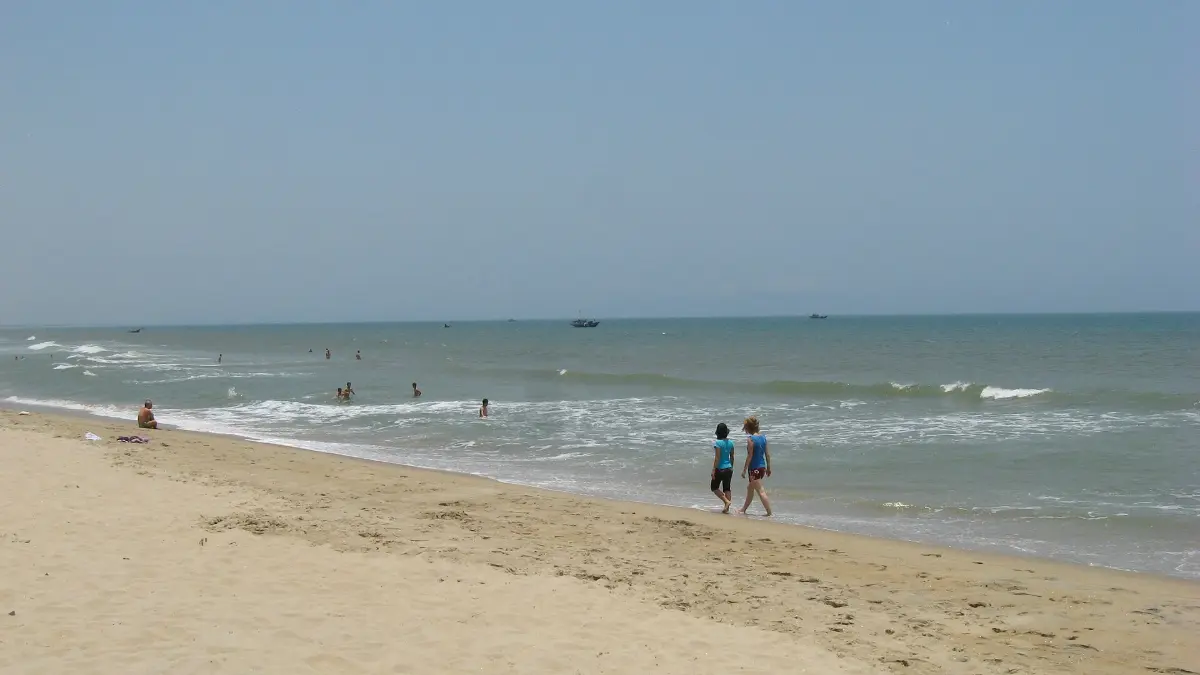
- Cua Dai Beach: departure point for island boats.
- An Bang Beach: Hoi An’s most popular beach.
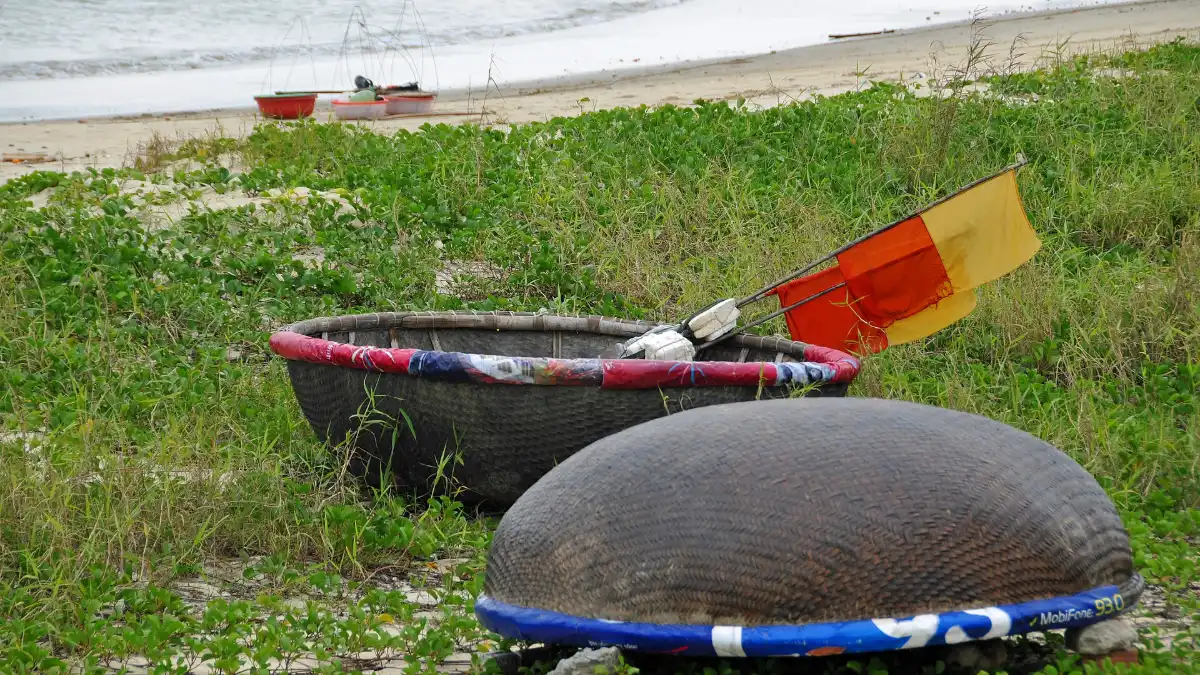
- Bay Mau Coconut Forest: basket boats in the nipa palm waterways.
- Hoi An Ancient Town: UNESCO World Heritage old port.
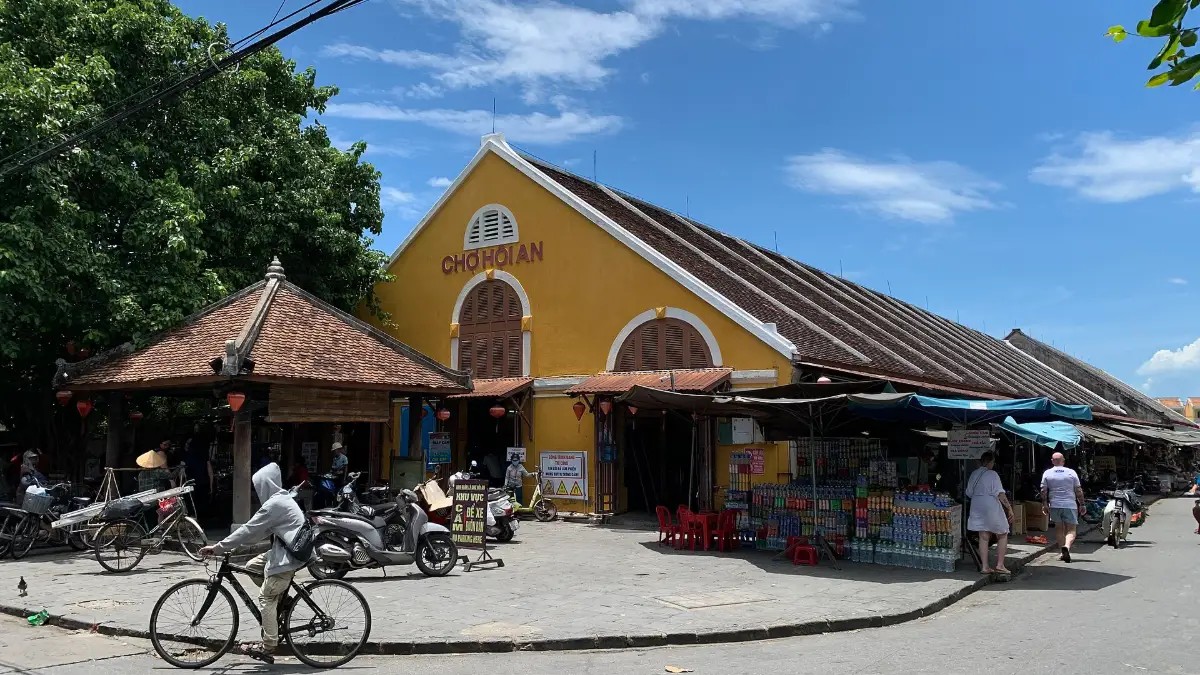
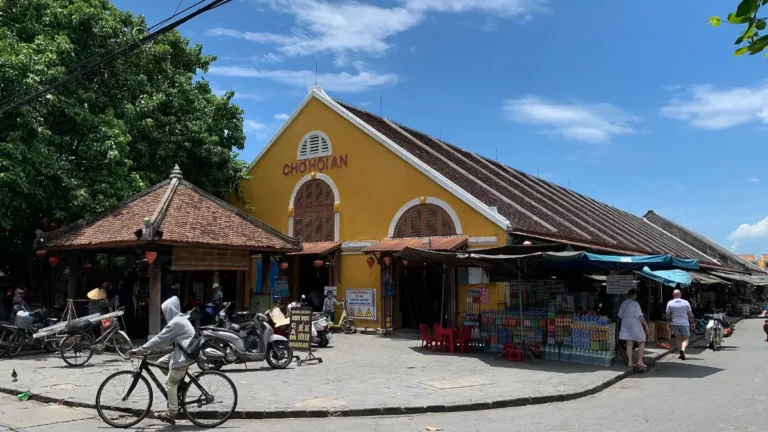
- Hoi An Market: see the island catch arrive at the riverside fish market.
Sightseeing in Hoi An for First-Time Visitors: Where the Cham Islands Fit
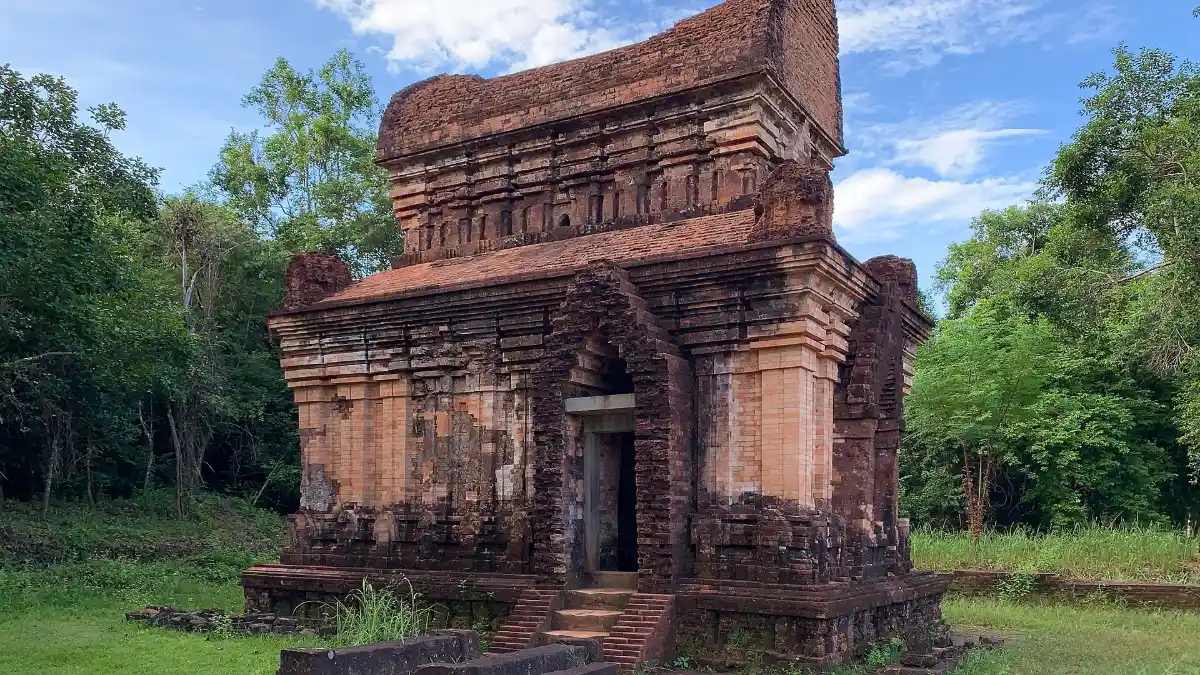
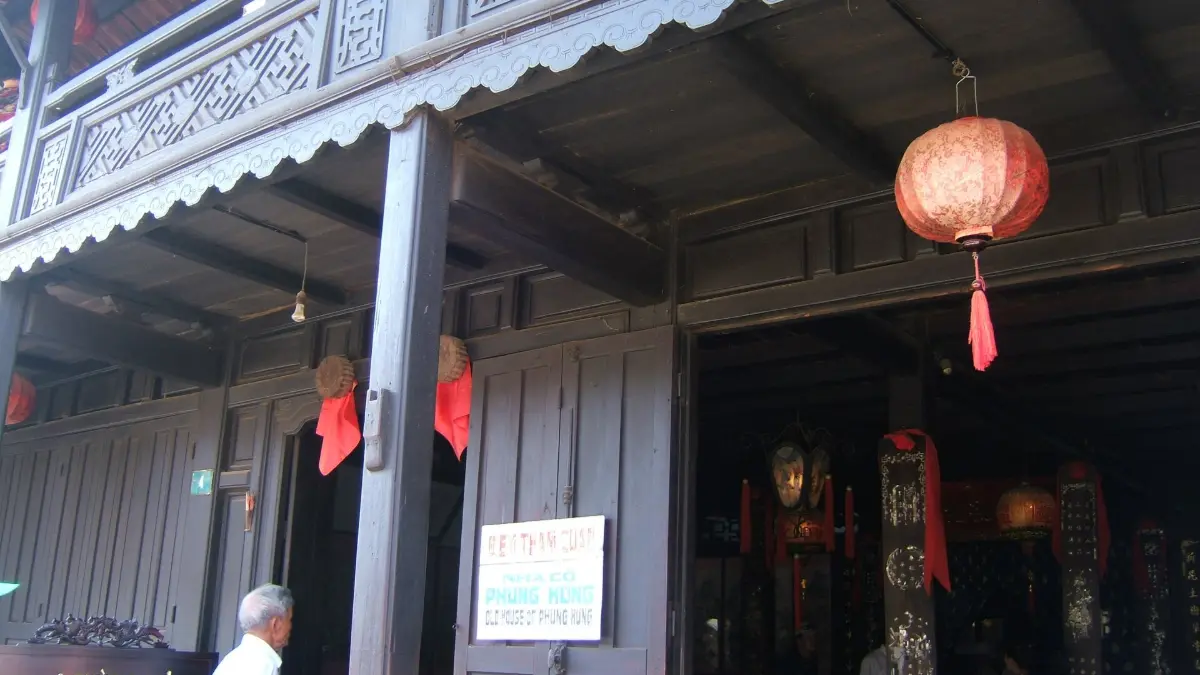
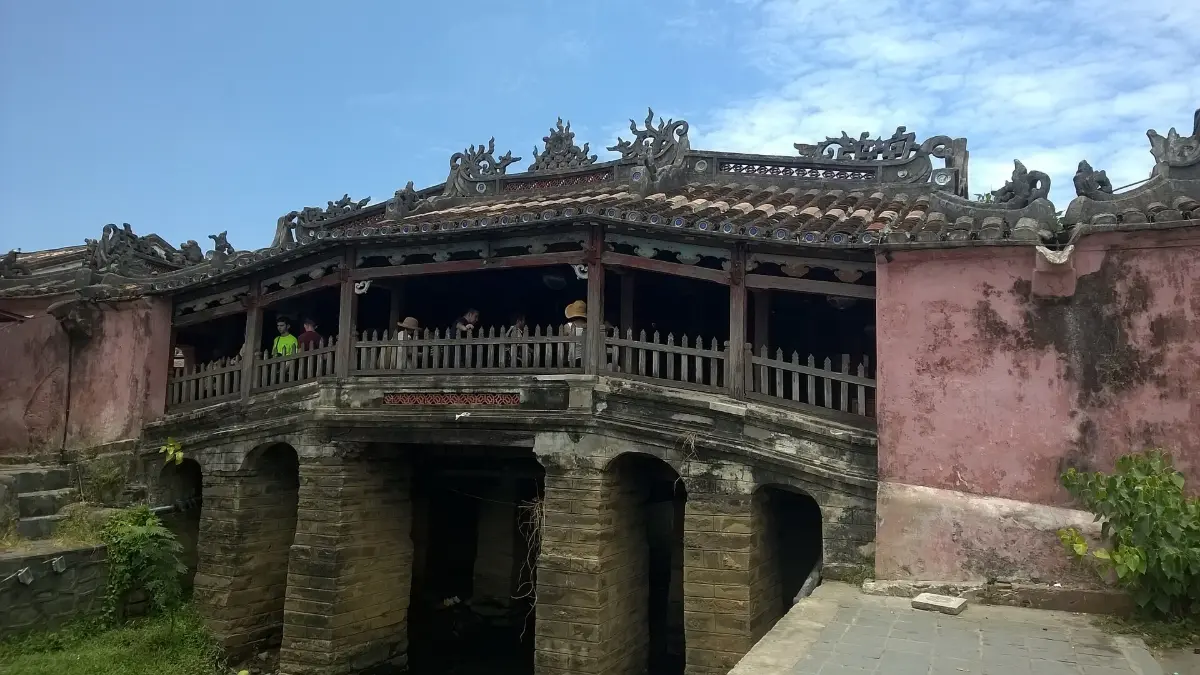
Visiting between March and August with three days or more? Give the first day to the old town, including the Japanese Covered Bridge and Phung Hung Old House, the second to the Cham Islands, and the third to My Son Sanctuary or a countryside cycle to Tra Que. Use our Hoi An travel tips for weather and packing, and our hotel guide to choose a base.
Plan your trip with our Hoi An travel guide and Hoi An tours. Contact Vietnam Tour Expert Team for a free custom itinerary.
Frequently Asked Questions about the Cham Islands
1. Where are the Cham Islands?
The Cham Islands (Cu Lao Cham) lie about 18 km off Cua Dai and about 20 km east of Hoi An Ancient Town, in Tan Hiep Commune of Da Nang city.
2. How do I get to the Cham Islands from Hoi An?
Drive about 15 minutes to Cua Dai pier, then take a speedboat to the Cham Islands, which takes roughly 15–30 minutes; most visitors join a day tour that includes both.
3. How much is the Cham Islands entrance fee?
The Cham Islands visitor fee is 70,000 VND per person per visit under Da Nang Resolution 16/2026; children under 16 and students are exempt.
4. When are the Cham Islands closed?
Boats to the Cham Islands normally run from about March to August; from September to February most tours stop, and crossings are cancelled whenever storms are forecast.
5. What is the best time to visit the Cham Islands?
April to August is the best time for the Cham Islands, with calm seas and the clearest water for snorkelling.
6. Do I need a permit to visit the Cham Islands?
No special permit is needed for a Cham Islands day trip, but boat operators register passengers, so carry your passport or a copy.
7. Is snorkelling good at the Cham Islands?
Snorkelling at the Cham Islands is good for central Vietnam, with around 135 coral species recorded, although reefs are less spectacular than in Nha Trang or Phu Quoc.
8. Can you stay overnight on the Cham Islands?
Yes, homestays and guesthouses at Bai Lang and Bai Huong on the Cham Islands offer simple rooms, typically 200,000–500,000 VND per night.
9. Are the Cham Islands a UNESCO site?
Yes, the Cham Islands form the core of the Cu Lao Cham – Hoi An Biosphere Reserve, recognised by UNESCO on 26 May 2009.
10. How long does the speedboat to the Cham Islands take?
A speedboat from Cua Dai to the Cham Islands takes about 15–30 minutes depending on the boat and sea; the local wooden boat takes around 1.5–2 hours.
11. How many islands are in the Cham Islands?
The Cham Islands have eight islands; the largest, Hon Lao, has the villages, pagoda and most beaches.
12. Is a Cham Islands tour worth it?
A Cham Islands tour is worth it in the March–August season if you enjoy snorkelling and beaches; skip it if you get very seasick.
13. Can I visit the Cham Islands from Da Nang?
Yes, many Cham Islands day tours pick up in Da Nang, drive about an hour to Cua Dai and continue by speedboat.
14. What should I bring to the Cham Islands?
For the Cham Islands bring swimwear, reef-safe sunscreen, a hat, cash, seasickness tablets and your passport or a copy.
15. Are the Cham Islands suitable for children?
The Cham Islands suit children who are comfortable on boats and wear life jackets; children under 16 do not pay the visitor fee.
16. Is plastic banned on the Cham Islands?
The Cham Islands have long campaigned against plastic bags and single-use plastics, so bring a reusable bag and bottle and take rubbish back.
17. What can you see on the Cham Islands besides beaches?
Beyond the beaches, the Cham Islands offer Hai Tang Pagoda, an ancient well, the Swiftlet Nest Shrine of 1843 and the fishing village of Bai Lang.
18. Can I combine the Cham Islands with Cua Dai Beach?
Yes, Cham Islands boats return to Cua Dai in the afternoon, so you can finish with seafood at Cua Dai Beach.
Related Posts

Hoi An Travel Tips 2026: Best Time, Lantern Nights & Tickets
Where to Stay in Hoi An: Best Areas & Hotels by Budget
Hoi An Transportation: Da Nang Airport, Hue & Getting Around

Hoi An Food Guide: Cao Lau, Banh Mi & Where to Eat
Hoi An Market: Local Life & Street Food in the Old Town