Cua Dai Beach Hoi An: Erosion, Seafood & Cham Islands Gateway
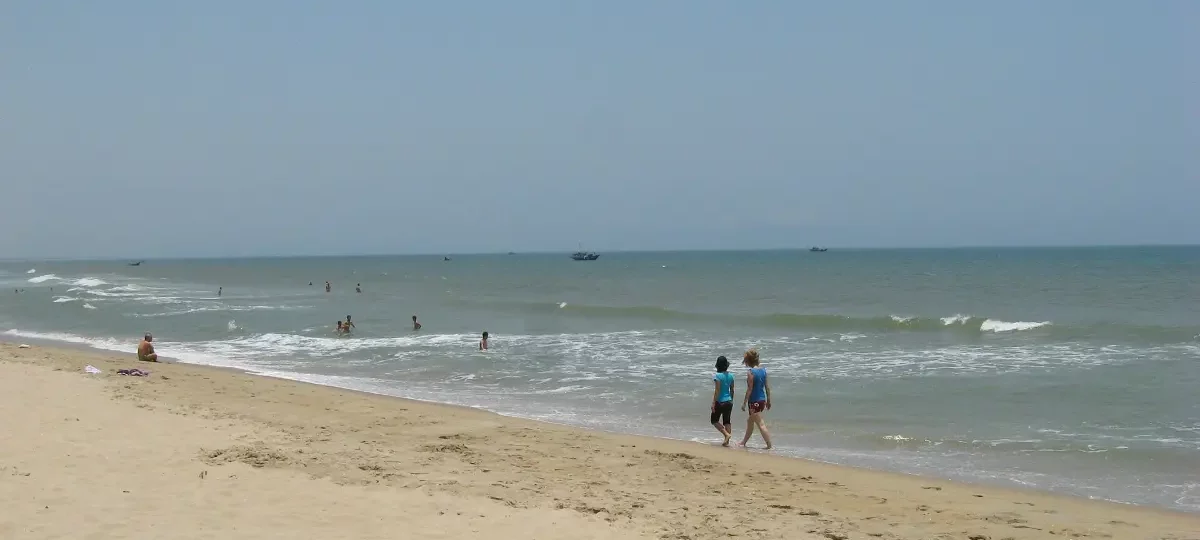
Cua Dai Beach (Bãi biển Cửa Đại) is a free public beach about 5 km east of Hoi An Ancient Town, where the Thu Bon River meets the East Sea. Once Hoi An’s main beach, it is known for seafood stalls, resorts, the pier for speedboats to the Cham Islands and a long fight against coastal erosion.
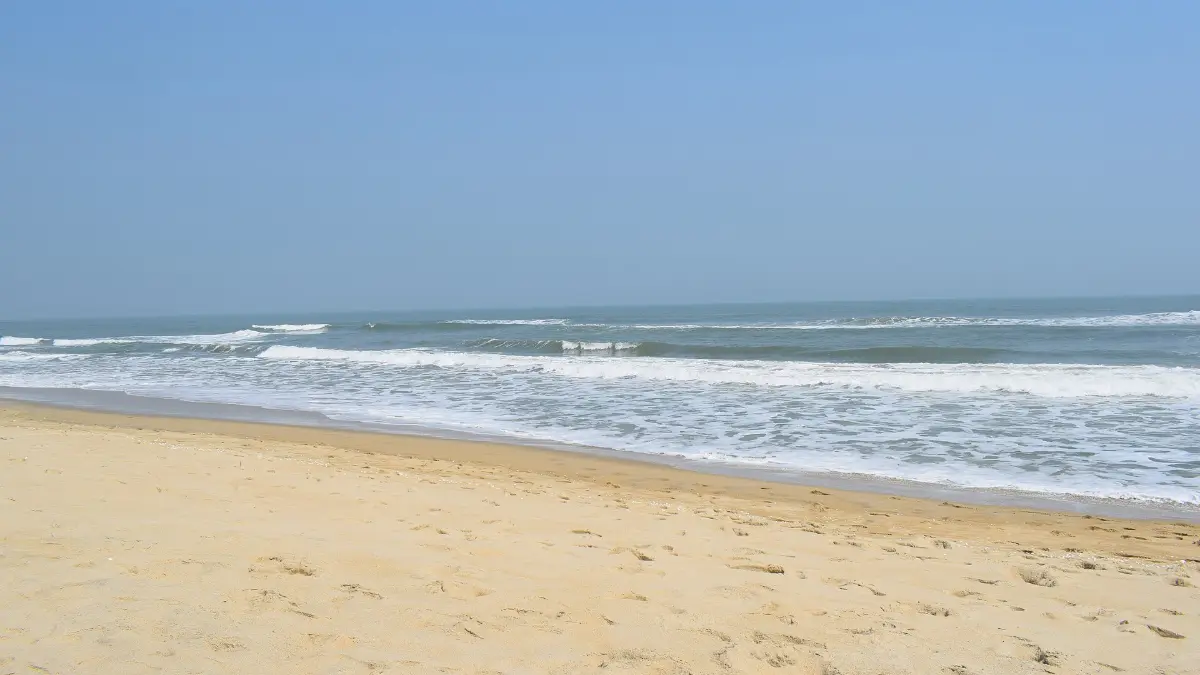
Status (checked October 2026): open and free, but heavily affected by erosion. High tides in November 2025 destroyed temporary embankments and left only a narrow strip of sand in places; in April 2026 Da Nang ordered an emergency coastal embankment for the Hoi An coast, due in 2026. Expect sandbags and works, and swim only where lifeguards and flags allow.
Why Cua Dai Beach is worth seeing:
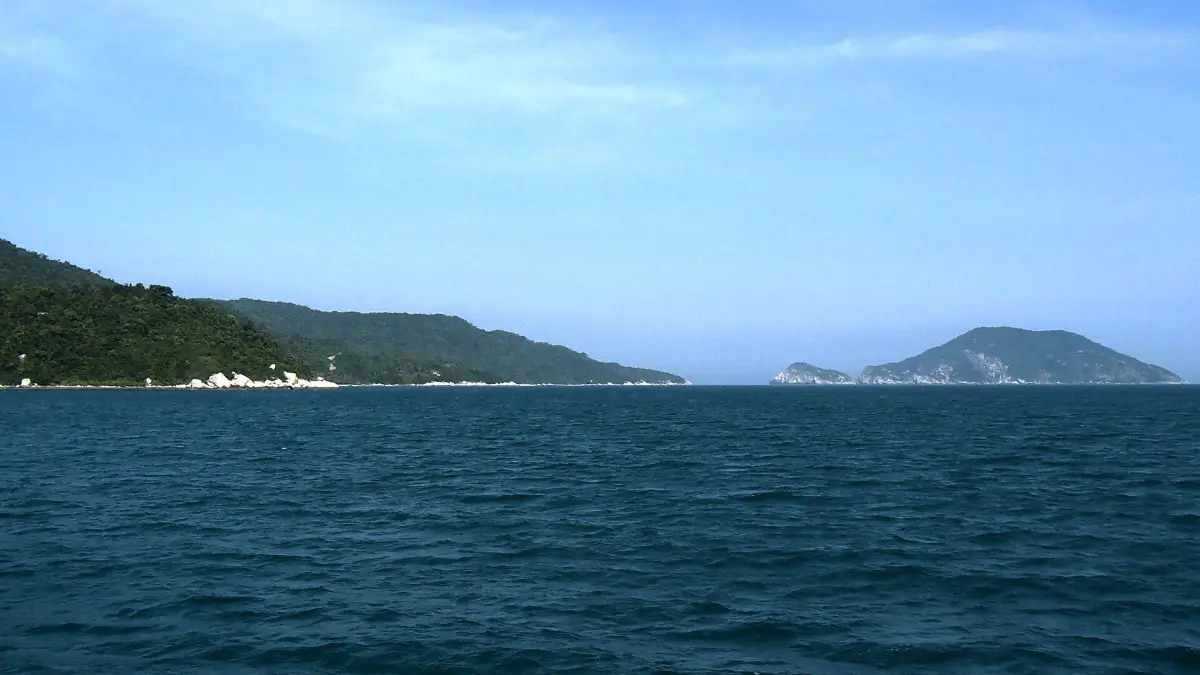
- Gateway to the Cham Islands: speedboats to Cu Lao Cham leave from Cua Dai, about 15–20 minutes across the sea.
- Thu Bon estuary views: the river mouth, fishing boats and the Cua Dai Bridge make a striking setting at sunrise.
- Local seafood: simple restaurants grill fish, squid and shellfish by the beach.
- A living lesson in coastal change: Cua Dai shows how erosion, rising seas and coastal protection shape Vietnam’s central coast.
- Close to the old town: a 15-minute drive or 25-minute bike ride from Hoi An Ancient Town.
Cua Dai Beach at a Glance
| Vietnamese name | Bãi biển Cửa Đại (“great river mouth”) |
|---|---|
| Location | Hoi An Dong Ward (formerly Cua Dai Ward), Da Nang city; Quang Nam province merged into Da Nang on 1 July 2025 |
| Distance | About 5 km east of Hoi An Ancient Town; about 18 km from the Cham Islands |
| Known for | Thu Bon estuary, seafood, beach resorts, Cham Islands boats, erosion and restoration |
| Opening hours | Public beach, open all day |
| Entrance fee | Free; small parking fee; sunbeds at restaurants or resorts |
| Time needed | 1–3 hours |
| Best time | April to August; sunrise for photos |
| Nearby | An Bang Beach, Bay Mau Coconut Forest, Cham Islands |
| Find it | Google Maps · Tripadvisor |
Is Cua Dai Beach Worth Visiting?
Yes, for a short visit, a seafood meal or on the way to the Cham Islands, but not as your only beach day in 2026. Erosion has narrowed the sand and works are ongoing, so An Bang Beach is usually the better choice for sunbathing and swimming.
- Best for: travellers taking a boat to the Cham Islands, sunrise photographers and seafood lovers.
- Skip if: you want a wide, sandy beach with beach bars, or you are visiting in the October–December storm season.
- Short on time: come at sunrise, walk to the river mouth, then have breakfast in the old town.
History of Cua Dai Beach and Its Erosion
Cua Dai takes its name from the “great mouth” of the Thu Bon River. For centuries this estuary was the sea entrance to the port of Hoi An, used by Japanese, Chinese and European merchant ships. In the 2000s the long sandy beach became Hoi An’s favourite swimming spot and a string of resorts was built along the coast.
Two decades of erosion
Erosion has affected about 8 km of the Cua Dai coastline since 2004. By 2019, local reports said the beach had narrowed from about 200 m to around 40 m in a decade, and around 20 ha of public beach had been lost since 2013. Experts point to rising sea levels, changes in the Thu Bon estuary, intensive coastal construction and dozens of upstream hydropower dams that trap sand.
Restoration works
Early defences, from concrete dykes and geotube sandbags to bamboo piles and sand filling, were often washed away. A 1.6 km submerged breakwater, funded by more than 300 billion VND of central government money, came into use in 2021 and helped the beach recover enough for swimming to resume. A larger anti-erosion project for the Hoi An coast, worth about 42 million euros with French Development Agency (AFD) financing, combines offshore breakwaters with sand nourishment.
Storm damage in 2025 and the 2026 embankment
In November 2025 high tides and strong waves broke temporary embankments, gouged the beach 3–5 m deep and pushed the sea inland in places. Da Nang reported nearly 3.5 km of eroded coastline across Hoi An Dong and Hoi An Tay wards. In April 2026 the city ordered an emergency project of about 498 billion VND (US$18.9 million), including a coastal embankment of nearly 2 km in Hoi An, planned for completion in 2026.
What to See and Do at Cua Dai Beach
1. Walk to the Thu Bon river mouth
The southern end of the beach looks across the estuary towards the Cua Dai Bridge and the Duy Xuyen shore. Fishing boats pass in and out, and the light is beautiful at dawn.

2. Swim where it is safe
In the calm months of roughly April to August you can swim in the lifeguarded areas. Elsewhere, sandbags, steep drops and currents near the estuary make swimming risky.
3. Eat seafood by the sea
Family-run restaurants and stalls near the beach entrance grill fish, squid, clams and prawns. Agree the price by weight before cooking.
4. Take a speedboat to the Cham Islands
Cua Dai is the departure point for most trips to the Cham Islands, about 18 km offshore. In the season, speedboats take roughly 15–20 minutes.
5. Watch the sunrise
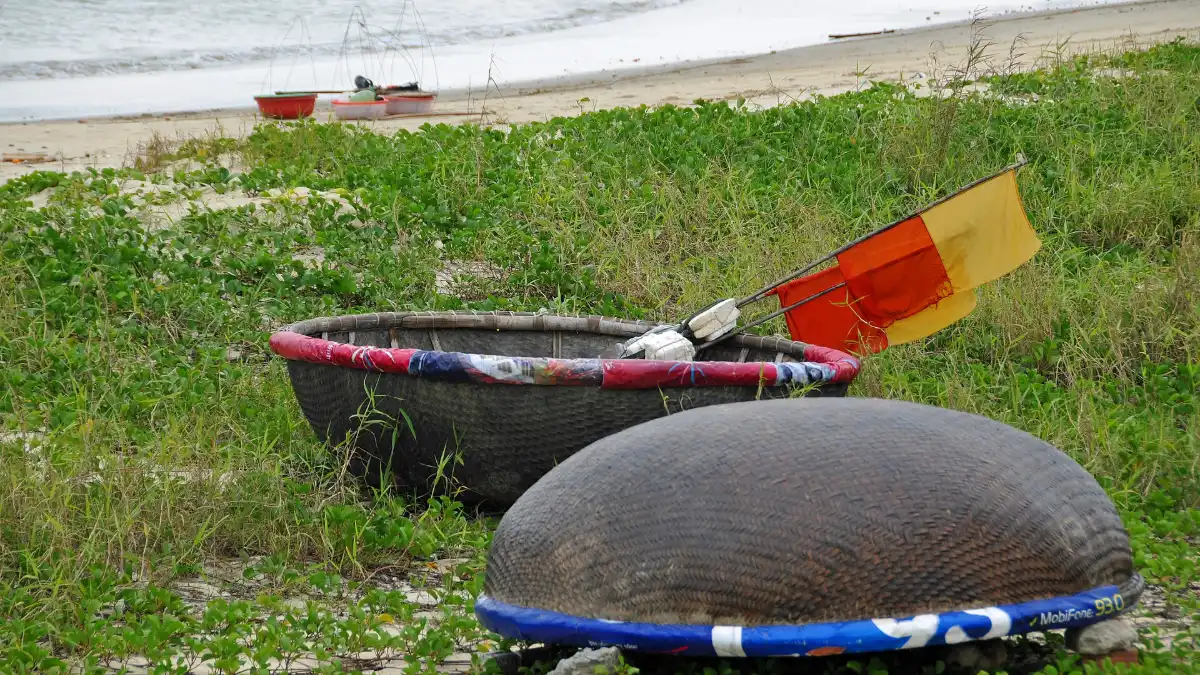
The beach faces east; at sunrise local people swim and exercise and fishing boats return with the night’s catch.
6. Combine with Bay Mau Coconut Forest
The nipa palm waterways of Bay Mau Coconut Forest in Cam Thanh are only a few kilometres away, so a basket boat ride and a seafood lunch at Cua Dai fit easily into one morning.
Cua Dai Beach Costs
| Item | Typical cost |
|---|---|
| Beach access | Free |
| Bicycle or motorbike parking | About 5,000–20,000 VND |
| Sunbed | Often free with food or drinks at beach restaurants |
| Speedboat to the Cham Islands | Around 350,000 VND return including the 70,000 VND island visitor fee (operator prices vary; most visitors join a day tour) |
There is no management board or ticket office for the beach itself; prices are set by individual businesses.
Beach Safety at Cua Dai
- Stay away from eroded edges, sandbag walls and construction areas; the sand can collapse.
- Do not swim near the river mouth, where currents are strong, or when red flags fly.
- Check the weather from September to December, when storms and high tides are frequent.
- Keep valuables with you and use guarded parking.
How to Get to Cua Dai Beach
| From | How | Time |
|---|---|---|
| Hoi An Ancient Town | Bicycle along Cua Dai Road | About 25 minutes |
| Hoi An Ancient Town | Grab, taxi or scooter | About 15 minutes |
| An Bang Beach | Coastal road south by car or scooter | About 15 minutes |
| Da Nang city centre | Car or taxi via the coastal road | 45–60 minutes |
More options are in our Hoi An transport guide.
Best Time to Visit Cua Dai Beach
| When | What to expect |
|---|---|
| February – March | Mild and mostly dry; sea still choppy at times |
| April – August | Best season: sunny, calm sea, Cham Islands boats running |
| September | Hot with more rain; island trips start to become unreliable |
| October – December | Rainy and storm season; high tides, erosion, no swimming |
| Time of day | Sunrise for photos and swimming; late afternoon for seafood |
Local Expert Tips for Cua Dai Beach
These tips come from years of arranging Hoi An tours for international travellers.
- Treat Cua Dai as a short stop or a seafood lunch rather than a full beach day while erosion works continue.
- Book Cham Islands trips with a licensed operator that includes the visitor fee, life jackets and snorkelling gear.
- Ask your hotel which stretch currently has the best sand; conditions change after every storm.
- Come at dawn to see fishing boats and locals swimming, then cycle back past the rice fields.
- Pair it with a basket boat ride in Cam Thanh for a varied half day.
Cua Dai Beach vs An Bang Beach
| Feature | Cua Dai Beach | An Bang Beach |
|---|---|---|
| Distance from old town | About 5 km east | About 4 km north |
| Beach condition (2026) | Narrow in many places, works ongoing | Wider, some eroded stretches |
| Atmosphere | Quiet, local seafood, resorts | Lively beach bars |
| Extra | Boats to the Cham Islands | Close to Tra Que Village |
Our view: for swimming and sunbeds go to An Bang; use Cua Dai for sunrise, seafood and island trips.
Nearby Attractions
- Cham Islands: UNESCO biosphere reserve with coral reefs, 18 km offshore.
- Bay Mau Coconut Forest: basket boats in the nipa palm waterways.
- An Bang Beach: Hoi An’s main beach-bar strip.
- Hoi An Ancient Town: the UNESCO-listed old port.
- Thanh Ha Pottery Village: traditional pottery on the Thu Bon River.
- My Son Sanctuary: Cham temple ruins about an hour inland.
Sightseeing in Hoi An for First-Time Visitors: Where Cua Dai Beach Fits
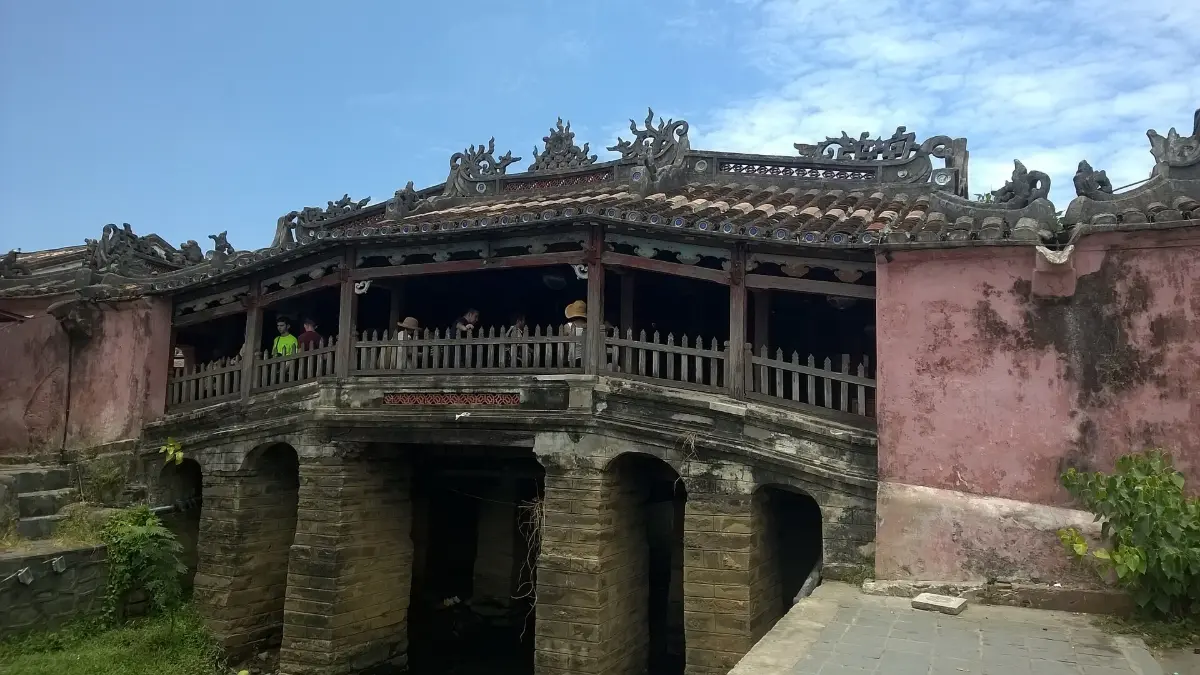
Three days in Hoi An? Spend day one in the old town around the Japanese Covered Bridge and the Fujian Assembly Hall. On day two, take an early boat from Cua Dai to the Cham Islands for snorkelling. On day three, visit the countryside and finish with a swim at An Bang. For food stops, use our Hoi An food and drink guide, and for hotels by the sea see where to stay in Hoi An.
Plan your trip with our Hoi An travel guide and Hoi An tours. Contact Vietnam Tour Expert Team for a free custom itinerary.
Frequently Asked Questions about Cua Dai Beach
1. Where is Cua Dai Beach?
Cua Dai Beach is at the mouth of the Thu Bon River, about 5 km east of Hoi An Ancient Town, in Hoi An Dong Ward of Da Nang city.
2. Is Cua Dai Beach free?
Yes, Cua Dai Beach is a free public beach; you pay only for parking, sunbeds or food.
3. Can you swim at Cua Dai Beach in 2026?
You can swim at Cua Dai Beach in the calm months, roughly April to August, but only in lifeguarded areas; erosion has left steep edges and sandbags in many places.
4. Why is Cua Dai Beach eroding?
Experts link erosion at Cua Dai Beach to rising sea levels, changes in the Thu Bon estuary, coastal construction and upstream dams that trap sand; about 8 km of coast has been affected since 2004.
5. Was Cua Dai Beach restored?
Partly. A 1.6 km submerged breakwater opened in 2021 helped Cua Dai Beach recover, but storms in November 2025 caused new erosion and an emergency embankment was ordered in April 2026.
6. How do I get from Hoi An to Cua Dai Beach?
Cua Dai Beach is about 15 minutes from the old town by Grab, taxi or scooter, or about 25 minutes by bicycle along Cua Dai Road. See our Hoi An transport guide.
7. Do boats to the Cham Islands leave from Cua Dai Beach?
Yes, most speedboats to the Cham Islands depart from the Cua Dai area, and the crossing of about 18 km takes roughly 15–20 minutes in good weather.
8. Is Cua Dai Beach better than An Bang Beach?
In 2026 An Bang Beach is usually better for swimming and sunbathing; Cua Dai Beach is better for sunrise, seafood and Cham Islands boats.
9. When is the best time to visit Cua Dai Beach?
Visit Cua Dai Beach from April to August, ideally at sunrise; October to December brings storms, high tides and erosion.
10. Are there resorts at Cua Dai Beach?
Yes, several resorts line the coast around Cua Dai Beach, though some have lost beachfront to erosion; check recent photos before booking.
11. What does Cua Dai mean?
Cua Dai means great river mouth, because Cua Dai Beach lies where the Thu Bon River enters the sea, the historic sea gate of Hoi An port.
12. Is there seafood at Cua Dai Beach?
Yes, local restaurants near Cua Dai Beach serve grilled and steamed seafood priced by weight; agree the price before cooking.
13. Is Cua Dai Beach safe for children?
Cua Dai Beach can be suitable for children only in calm weather and in the flagged area; keep them away from eroded edges and the river mouth.
14. How long should I spend at Cua Dai Beach?
One to three hours is enough for Cua Dai Beach; combine it with Bay Mau Coconut Forest or a Cham Islands trip.
15. Which ward is Cua Dai Beach in now?
Since 1 July 2025 Cua Dai Beach has been in Hoi An Dong Ward, formed from the former Cam Chau, Cua Dai and Cam Thanh wards, under Da Nang city.
16. Is Cua Dai Beach open during the rainy season?
Cua Dai Beach stays open in the rainy season, but swimming is often banned or unsafe from October to December because of storms and high waves.
Related Posts

Hoi An Travel Tips 2026: Best Time, Lantern Nights & Tickets

Where to Stay in Hoi An: Best Areas & Hotels by Budget
Hoi An Transportation: Da Nang Airport, Hue & Getting Around

Hoi An Food Guide: Cao Lau, Banh Mi & Where to Eat

Hoi An Market: Local Life & Street Food in the Old Town