Japanese Covered Bridge Hoi An (Chua Cau): History & Tips
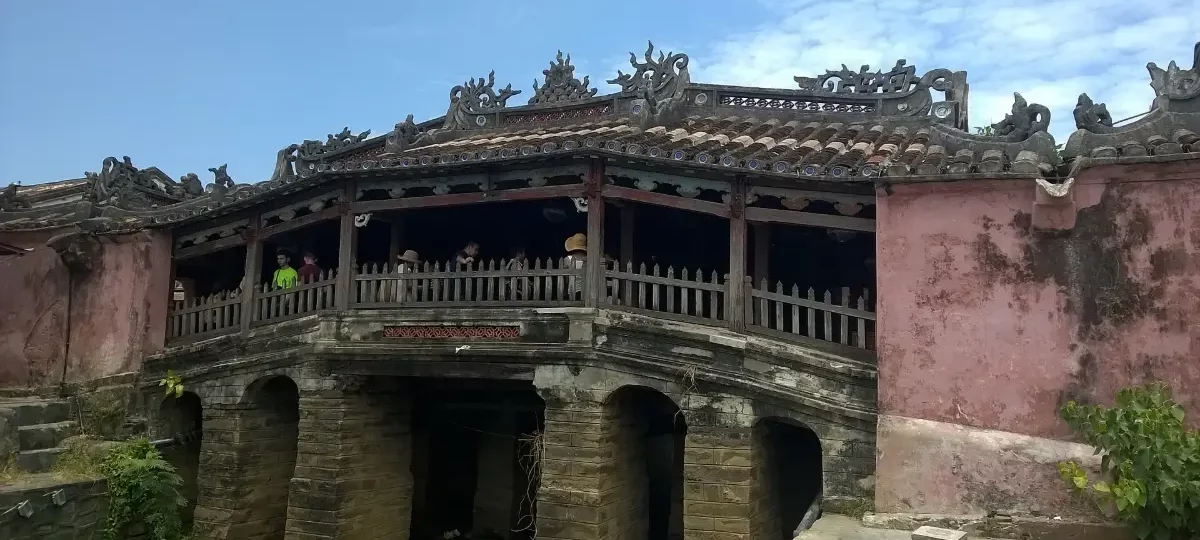
The Japanese Covered Bridge (Chùa Cầu, also called Lai Vien Kieu) is a roofed wooden bridge with a small temple at the western end of Tran Phu Street in Hoi An Ancient Town, Da Nang. Built by Japanese merchants in the 1590s, it is Hoi An’s symbol and appears on the 20,000 VND note. Entry uses one coupon of the 120,000 VND old-town ticket.
Status (checked October 2026): open as normal. The bridge reopened on 3 August 2024 after its largest-ever restoration (December 2022–August 2024, about 20.2 billion VND). It is now in Hoi An Ward, Da Nang city, following the July 2025 merger of Quang Nam into Da Nang.
Why the Japanese Covered Bridge is worth seeing:
- Over 400 years old: the oldest and most famous monument in Hoi An, begun around 1593.
- A bridge and a temple in one: a tiny shrine to Tran Vo Bac De, guardian against floods and earthquakes, sits on the north side.
- Monkey and dog guardians: carved statues at each end hint at a Japanese legend about an earthquake monster.
- The face of Hoi An: on the 20,000 VND banknote since 2006.
- Freshly restored: the 2022–2024 restoration strengthened the structure and kept original timbers wherever possible.
Japanese Covered Bridge at a Glance
| Vietnamese name | Chùa Cầu (Cầu Nhật Bản); formal name Lai Viễn Kiều |
|---|---|
| Location | West end of Tran Phu Street, where it meets Nguyen Thi Minh Khai Street, Hoi An Ancient Town, Hoi An Ward, Da Nang |
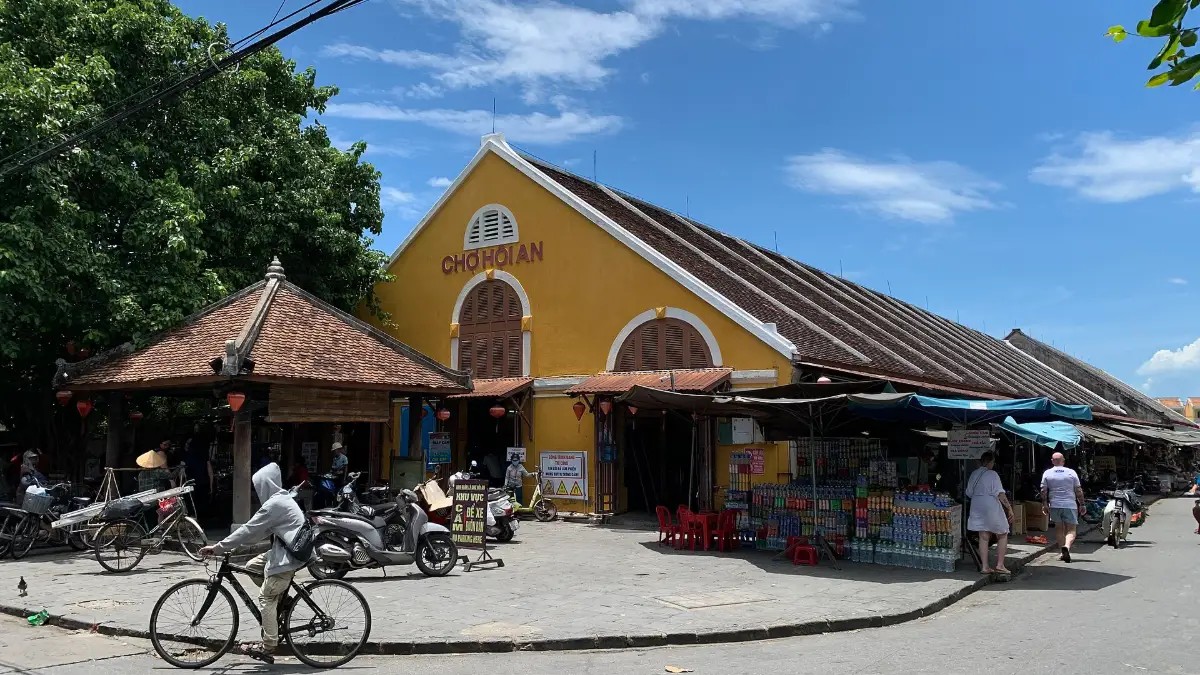
| Distance | About 30 km from central Da Nang; 5–10 minutes’ walk from Hoi An Market |
| Built | Around 1593–1595 by Japanese merchants; named Lai Vien Kieu in 1719 |
| Recognition | National historical-cultural relic (1990); part of the UNESCO Hoi An Ancient Town World Heritage Site (1999) |
| Opening hours | Viewable from outside at any time; walking through is ticket-checked during the day and evening |
| Entrance fee | Included in the Hoi An Ancient Town ticket (120,000 VND for foreigners, 5 sites) |
| Time needed | 15–30 minutes |
| Best time | 6:00–7:30 for photos without crowds; after dusk when it is lit |
| Nearby | Phung Hung Old House, Cantonese Assembly Hall, An Hoi islet, Japanese Culture House |
| Find it | Google Maps · Tripadvisor · Official ticket information |
Is the Japanese Covered Bridge Worth Visiting?
Yes, but keep expectations realistic. It is small, and you walk across it in a minute. What makes it special is its age, its story and its place at the heart of Hoi An Ancient Town. Combined with the houses and halls around it, it is an essential stop.
- Best for: first-time visitors, photographers, history fans.
- Skip if: you only have a few coupons left and would rather go inside a merchant house; the bridge looks just as good from outside.
- Short on time: photograph it from the small bridge-side lane or the riverbank, walk through, then continue to Phung Hung Old House a few steps away.
History of the Japanese Covered Bridge
Built by Japanese merchants
In the late 16th and early 17th centuries, Hoi An had a thriving Japanese quarter. Japanese merchants began the bridge around 1593 and finished it around 1595 to link their quarter with the Chinese quarter across a small creek that flows into the Thu Bon River. Its long history is summarised in the Wikipedia article on the bridge.
Lai Vien Kieu: “the bridge for friends from afar”
In 1719 Lord Nguyen Phuc Chu visited Hoi An and gave the bridge its formal name, Lai Vien Kieu, meaning “bridge to welcome guests from afar”. The three Chinese characters still hang on a lacquered board above the temple door.
The temple on the bridge
The small temple attached to the north side was added later and honours Tran Vo Bac De (Xuanwu), the god of the north, believed to protect against floods and natural disasters. Because of this shrine, locals call the bridge Chua Cau, “Pagoda Bridge”.
Restorations through the centuries
The bridge was repaired in 1817, 1865, 1915 and 1986, among other works. Years of floods weakened it: in 2019 two beams were damaged and visitor numbers were limited. A full restoration started on 28 December 2022 and the bridge was officially reopened on 3 August 2024. The project cost about 20.2 billion VND and was carried out as an “open site” that visitors could watch. Its cleaner, brighter look sparked debate at first, but the structure is now far more secure.
What to See at the Japanese Covered Bridge
1. The roofed wooden walkway
The bridge is a single timber structure under a tiled roof, resting on stone piers. Inside, the gently arched deck, wooden railings and lacquered beams give it the feel of a covered corridor.
2. The monkey and dog statues
A pair of monkey statues stands at one end and a pair of dogs at the other. A popular explanation is that construction began in a year of the monkey and finished in a year of the dog. Another links them to Japanese folklore about Namazu, a giant catfish whose movements cause earthquakes.
3. The Tran Vo Bac De shrine
On the north side, a tiny temple with an altar to the guardian god faces the water. Visitors light incense here; please be respectful.
4. The Lai Vien Kieu signboard
Look up above the shrine entrance for the board with the name given by Lord Nguyen Phuc Chu in 1719.
5. The view from outside
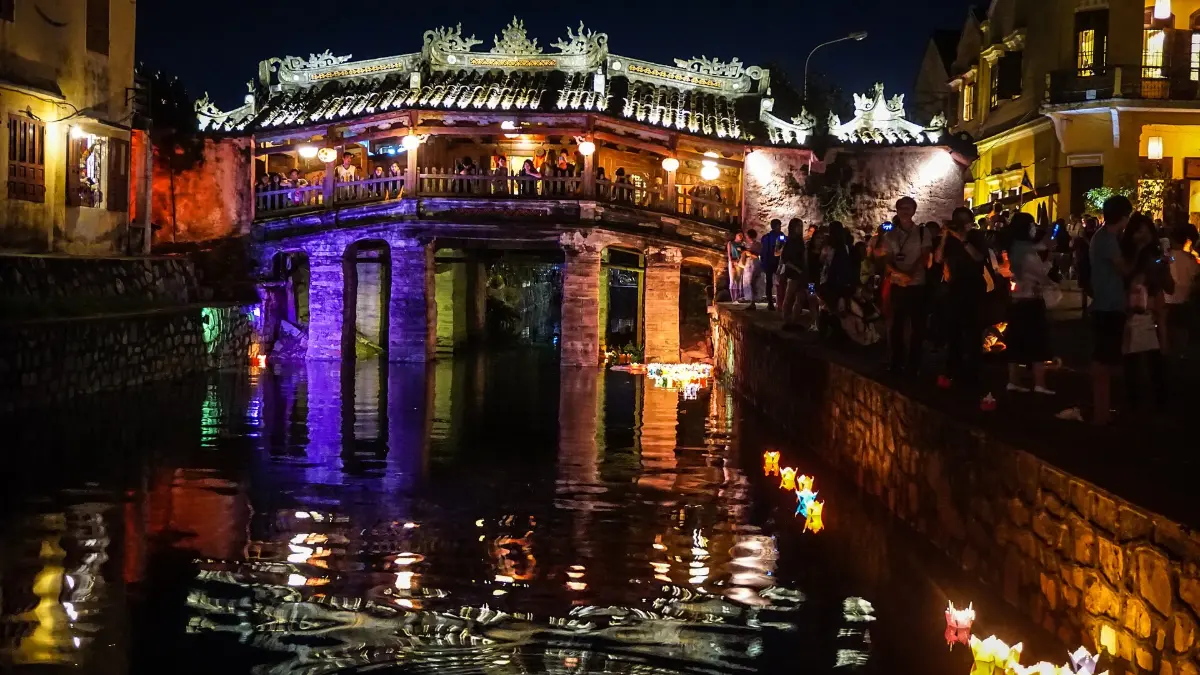
The best views are from the lane on the western side and from the small creek bank, where you see the full curved roof. At night, warm lighting makes it one of the most photographed scenes in Vietnam.
6. The 20,000 VND banknote
Bring a 20,000 VND polymer note and compare it with the real thing; the bridge has appeared on it since 2006.
Japanese Covered Bridge Tickets and Opening Hours (2026)
| Item | Price / hours | Notes |
|---|---|---|
| Hoi An Ancient Town ticket (foreigners) | 120,000 VND | Includes either the Japanese Covered Bridge or Quan Cong Temple, 1 museum and 3 other sites |
| Hoi An Ancient Town ticket (Vietnamese) | 80,000 VND | Smaller selection of sites |
| Viewing from outside | Free, any time | Best at dawn and after dark |
| Walking through the bridge | Daytime and evening | Staff tear off a coupon; hours can change for events or floods |
Ticket rules are set by the Hoi An heritage authorities; check the official Hoi An tourism information page for updates. Note that the foreign ticket lets you choose the bridge or the Quan Cong Temple as your “historical site”.
Etiquette at the Japanese Covered Bridge
- Keep moving through the narrow walkway; do not stop for long photo shoots inside.
- Do not sit on the railings or touch the statues.
- Dress modestly at the shrine and keep voices low.
- Drones are not appropriate in the crowded old town.
How to Get to the Japanese Covered Bridge
| From | How | Time |
|---|---|---|
| Hoi An Market | Walk west along Tran Phu Street | About 10 minutes |
| Hotels around the old town | Walk or bicycle | 5–15 minutes |
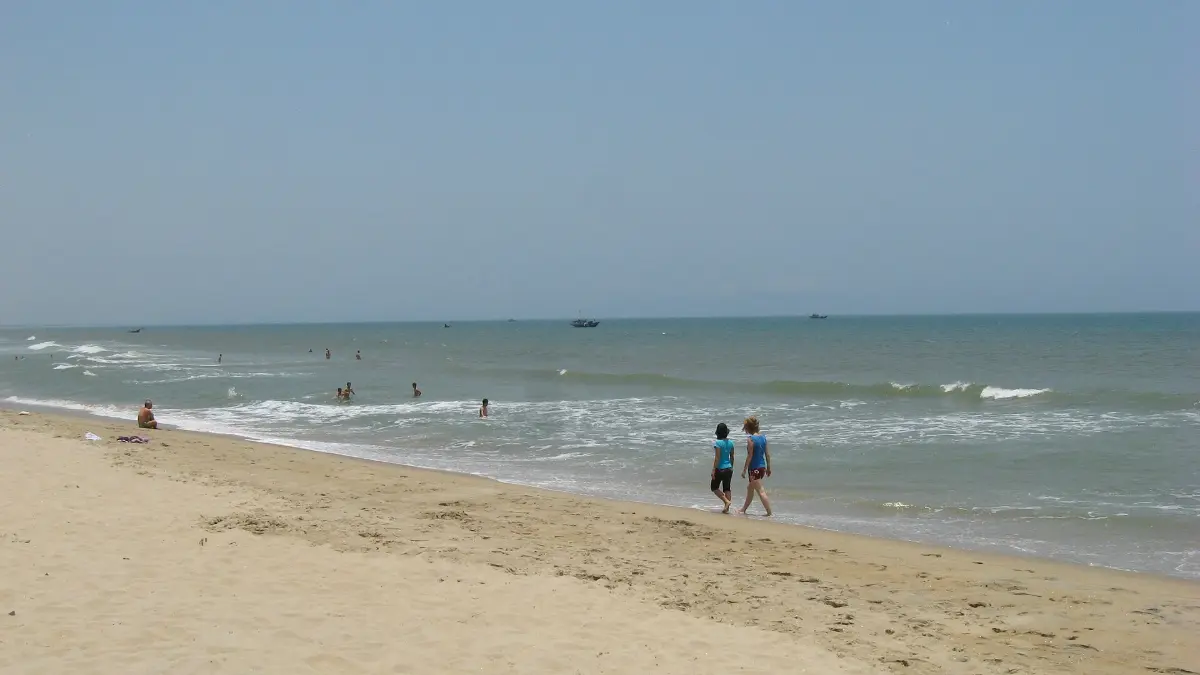
| An Bang Beach | Bicycle, taxi or Grab | About 15 minutes by car |
| Da Nang city or airport | Car, taxi or Grab to the edge of the car-free zone, then walk | 40–50 minutes |
See our guide to getting around Hoi An for prices and options.
Best Time to Visit the Japanese Covered Bridge
| When | What to expect |
|---|---|
| 6:00–7:30 | Quietest time, soft light, locals exercising |
| 9:00–17:00 | Tour groups and heat in summer |
| After dusk | The bridge is beautifully lit; busy but magical |
| February–April | Best weather of the year |
| October–November | Flood risk; the bridge area may close briefly during high water |
Local Expert Tips for the Japanese Covered Bridge
These tips come from years of arranging Hoi An tours for international travellers.
- If you want the inside of the Quan Cong Temple too, remember the ticket covers only one of the two; the bridge is easy to enjoy from outside.
- For the classic photo, stand on the western lane early in the morning.
- Combine the bridge with Phung Hung House and the Cantonese Assembly Hall, both within 100–200 metres.
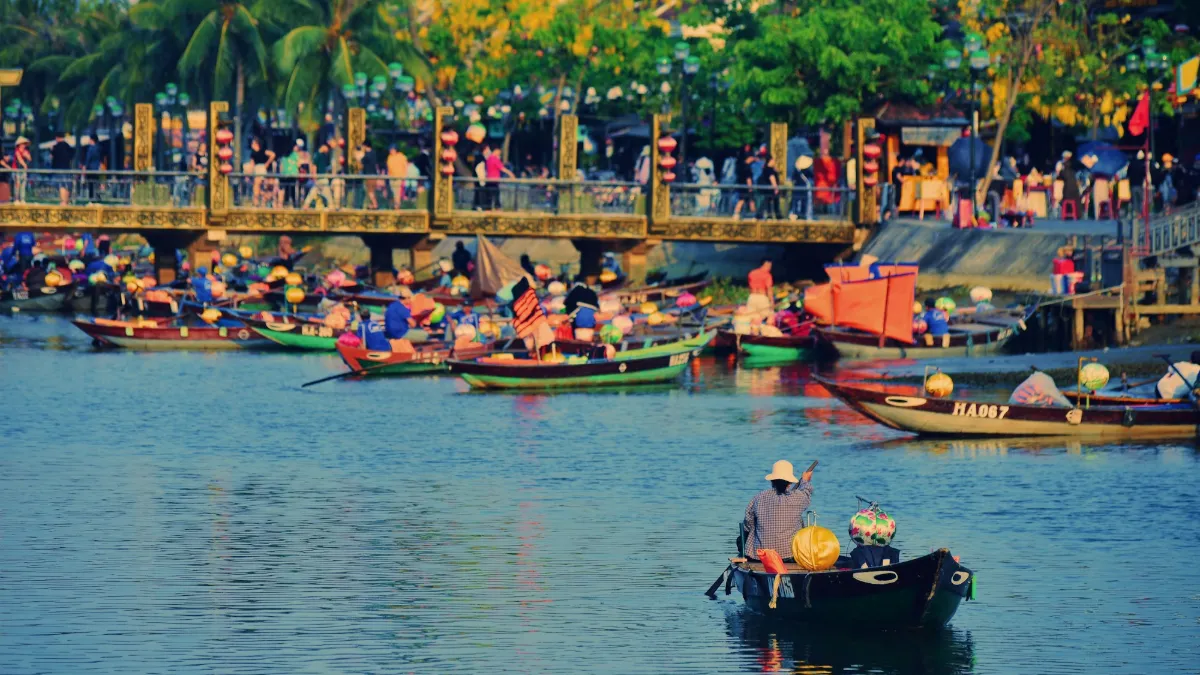
- In the evening, walk on to the An Hoi Bridge and the night market across the river.
- Read our practical Hoi An tips before you go.
Japanese Covered Bridge vs Thanh Toan Tile-Roofed Bridge (Hue)
| Feature | Japanese Covered Bridge | Thanh Toan Bridge |
|---|---|---|
| Location | Hoi An Ancient Town | Village about 7–8 km east of Hue |
| Built | 1590s | 18th century |
| Setting | Busy heritage town | Rice fields and a rural canal |
| Ticket | Part of the old-town ticket | Free |
Our view: the Japanese Covered Bridge is the more famous and historic; Thanh Toan is quieter and rural. If you are travelling to Hue by bicycle or car, Thanh Toan is a lovely bonus.
Nearby Attractions
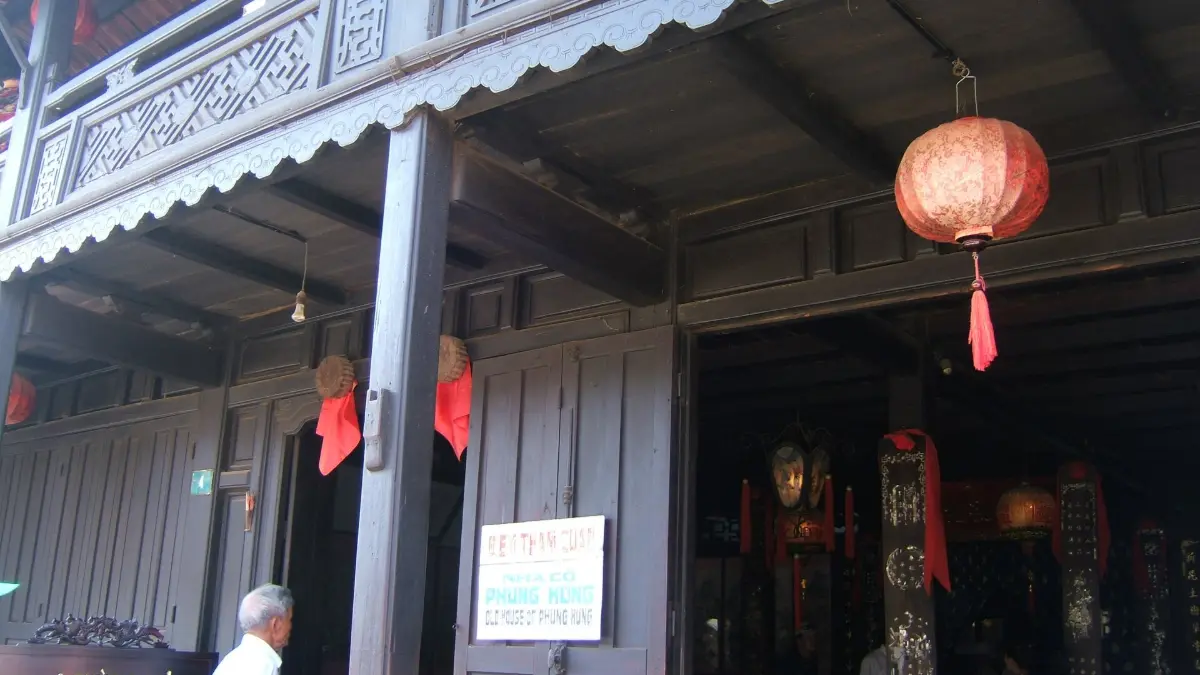
- Phung Hung Old House: a late-18th-century merchant house next to the bridge.
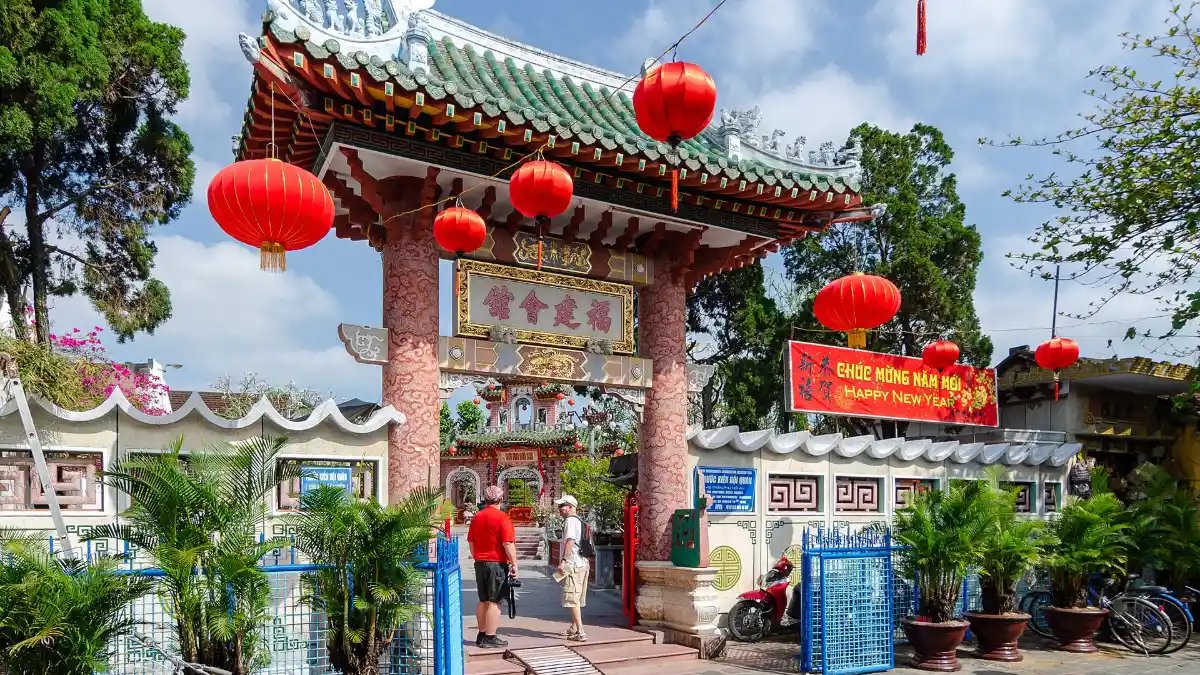
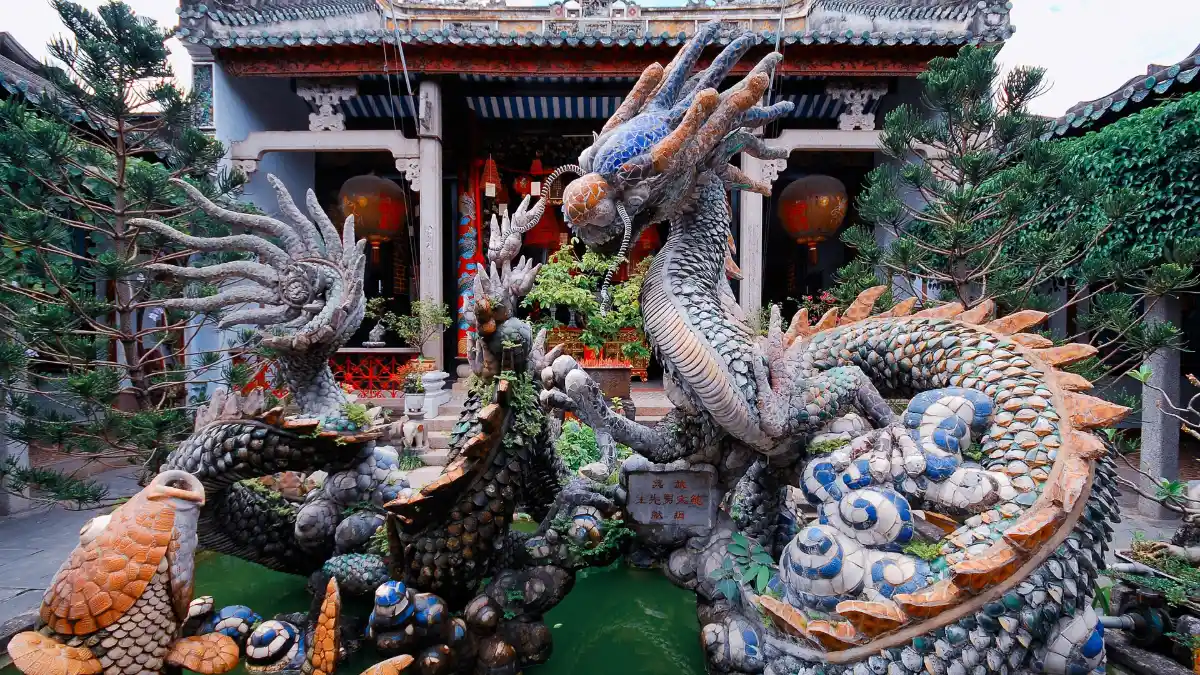
- Cantonese Assembly Hall: dragon fountain and Quan Cong altar on Tran Phu Street.
- Tan Ky Old House: Hoi An’s best-known merchant home.
- Fujian Assembly Hall: the grandest Chinese hall in town.
- Hoi An Market: food stalls and the riverside fish market.
- Thanh Ha Pottery Village: 3 km west by bicycle.
Sightseeing in Hoi An for First-Time Visitors: Where the Japanese Covered Bridge Fits
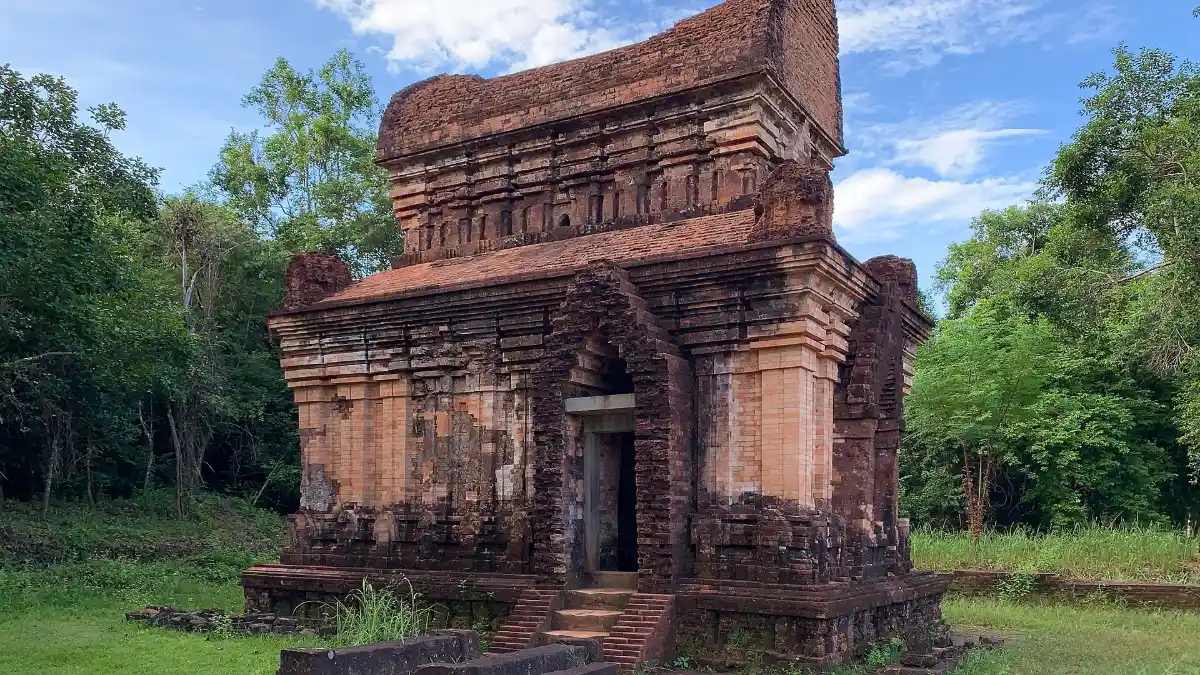
Start your morning walk at the bridge, then follow Tran Phu Street east through the assembly halls to the market. In the afternoon head to An Bang Beach or Tra Que village, and return for the lanterns. With more time, add My Son Sanctuary and the Cham Islands.
Plan your trip with our Hoi An destination guide and tours in Hoi An. Contact Vietnam Tour Expert Team for a free custom itinerary.
Frequently Asked Questions about the Japanese Covered Bridge
1. How old is the Japanese Covered Bridge in Hoi An?
The Japanese Covered Bridge was built around 1593–1595, so it is more than 400 years old.
2. Who built the Japanese Covered Bridge?
Japanese merchants living in Hoi An built the Japanese Covered Bridge to link their quarter with the Chinese quarter.
3. Is the Japanese Covered Bridge open after the restoration?
Yes. The Japanese Covered Bridge reopened on 3 August 2024 after a restoration that began in December 2022.
4. How much does it cost to visit the Japanese Covered Bridge?
Walking through the Japanese Covered Bridge uses one coupon of the Hoi An Ancient Town ticket, which costs 120,000 VND for foreign visitors. Viewing it from outside is free.
5. What does Lai Vien Kieu mean on the Japanese Covered Bridge?
Lai Vien Kieu, the formal name of the Japanese Covered Bridge given in 1719, means “bridge to welcome guests from afar”.
6. Why is the Japanese Covered Bridge called Chua Cau?
Chua Cau means “Pagoda Bridge”; the Japanese Covered Bridge has a small temple to Tran Vo Bac De built onto its north side.
7. What do the monkey and dog statues on the Japanese Covered Bridge mean?
One explanation is that work on the Japanese Covered Bridge began in a year of the monkey and ended in a year of the dog; another links them to a Japanese earthquake legend.
8. Is the Japanese Covered Bridge on a banknote?
Yes, the Japanese Covered Bridge has appeared on the Vietnamese 20,000 VND note since 2006.
9. When is the best time to photograph the Japanese Covered Bridge?
Photograph the Japanese Covered Bridge between 6:00 and 7:30 for empty lanes, or after dusk when it is lit.
10. How long do I need at the Japanese Covered Bridge?
Fifteen to thirty minutes is enough for the Japanese Covered Bridge, including photos from outside.
11. Is the Japanese Covered Bridge lit up at night?
Yes, the Japanese Covered Bridge is lit every evening and is one of the highlights of Hoi An by night.
12. Where exactly is the Japanese Covered Bridge?
The Japanese Covered Bridge is at the western end of Tran Phu Street, joining Nguyen Thi Minh Khai Street in Hoi An Ancient Town.
13. Can I visit both the Japanese Covered Bridge and Quan Cong Temple with one ticket?
No, the foreign ticket includes either the Japanese Covered Bridge or Quan Cong Temple; you would need another coupon for the second.
14. How long is the Japanese Covered Bridge?
The Japanese Covered Bridge is short, about 18 metres according to most references, and takes a minute to cross.
15. Was the Japanese Covered Bridge really built by the Japanese?
Yes, records and tradition agree that the Japanese community financed and built the Japanese Covered Bridge; the temple was added later.
16. Does the Japanese Covered Bridge flood?
The area around the Japanese Covered Bridge can flood in October and November, and access may be paused during high water.
17. What is near the Japanese Covered Bridge?
Phung Hung Old House, the Cantonese Assembly Hall and the Japanese Culture House are all within a short walk of the Japanese Covered Bridge. See our Ancient Town guide.
18. Is the Japanese Covered Bridge part of the UNESCO site?
Yes, the Japanese Covered Bridge is one of the key monuments of the Hoi An Ancient Town UNESCO World Heritage Site, listed in 1999.
Related Posts
Hoi An Travel Tips 2026: Best Time, Lantern Nights & Tickets
Where to Stay in Hoi An: Best Areas & Hotels by Budget
Hoi An Transportation: Da Nang Airport, Hue & Getting Around
Hoi An Food Guide: Cao Lau, Banh Mi & Where to Eat
Hoi An Market: Local Life & Street Food in the Old Town