Mekong Delta Travel Tips 2026: Best Time, Floods & Itineraries
Visit the Mekong Delta from December to April for dry, sunny weather, or September to November to see the flood season at its greenest. Plan at least two days so you can stay overnight in Can Tho for the dawn floating market, carry cash for boats and orchards, and check whether you are visa-exempt or need Vietnam’s US$25 e-visa.
Status (checked October 2026): October is peak flood season in the upper delta (Chau Doc, Tra Su, the former Dong Thap areas): landscapes are lush, but some small lanes flood. Since 1 July 2025 the delta is Can Tho city plus An Giang, Dong Thap, Vinh Long and Ca Mau provinces, and the Rach Mieu 2 bridge (opened 19 August 2025) and Can Tho–Ca Mau expressway (opened by January 2026) have shortened road trips.
Key takeaways:
- Best weather: December–April; flood season: about August–November, highest water usually September–October.
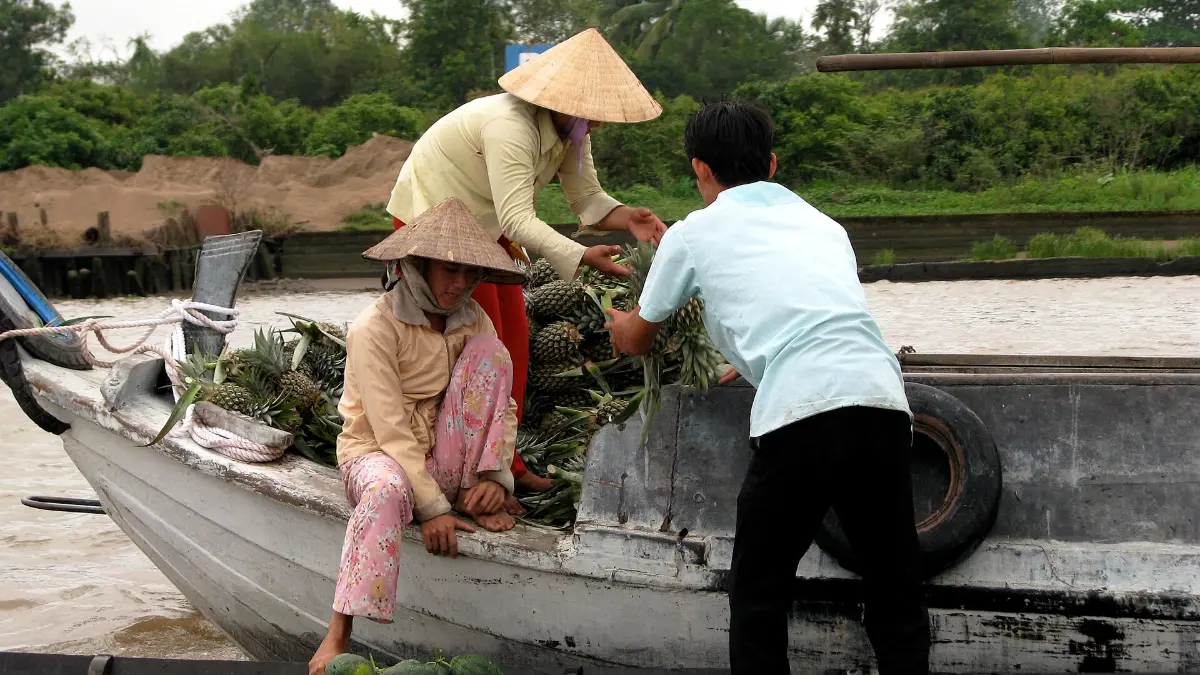
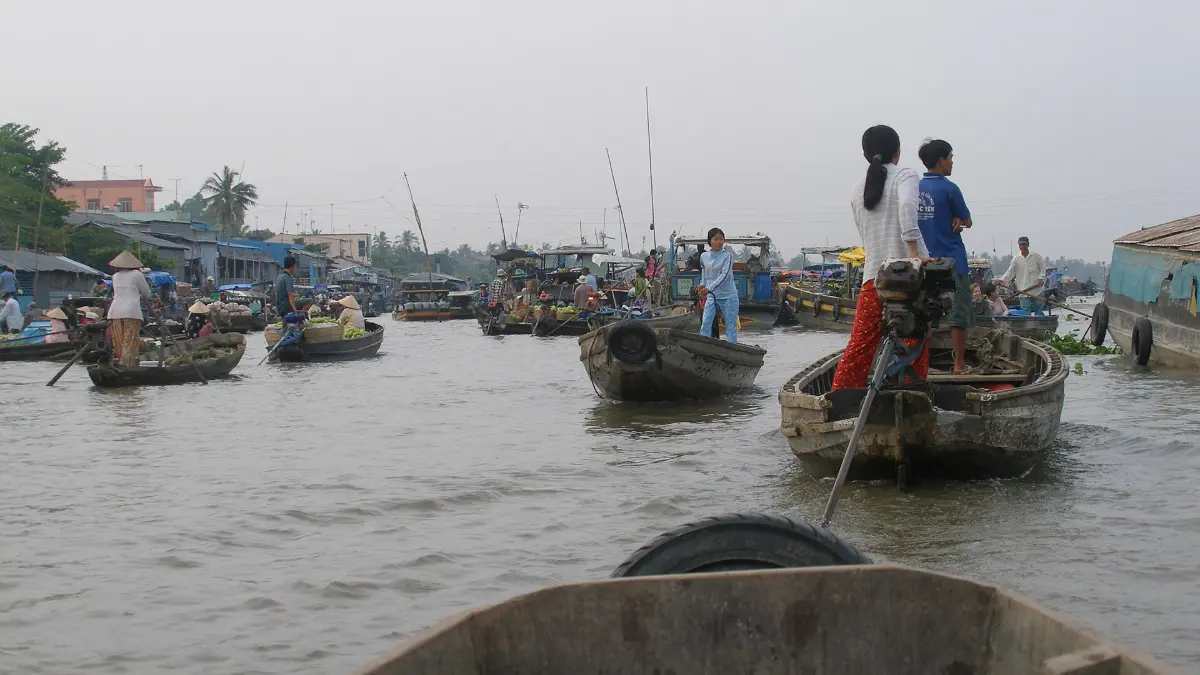
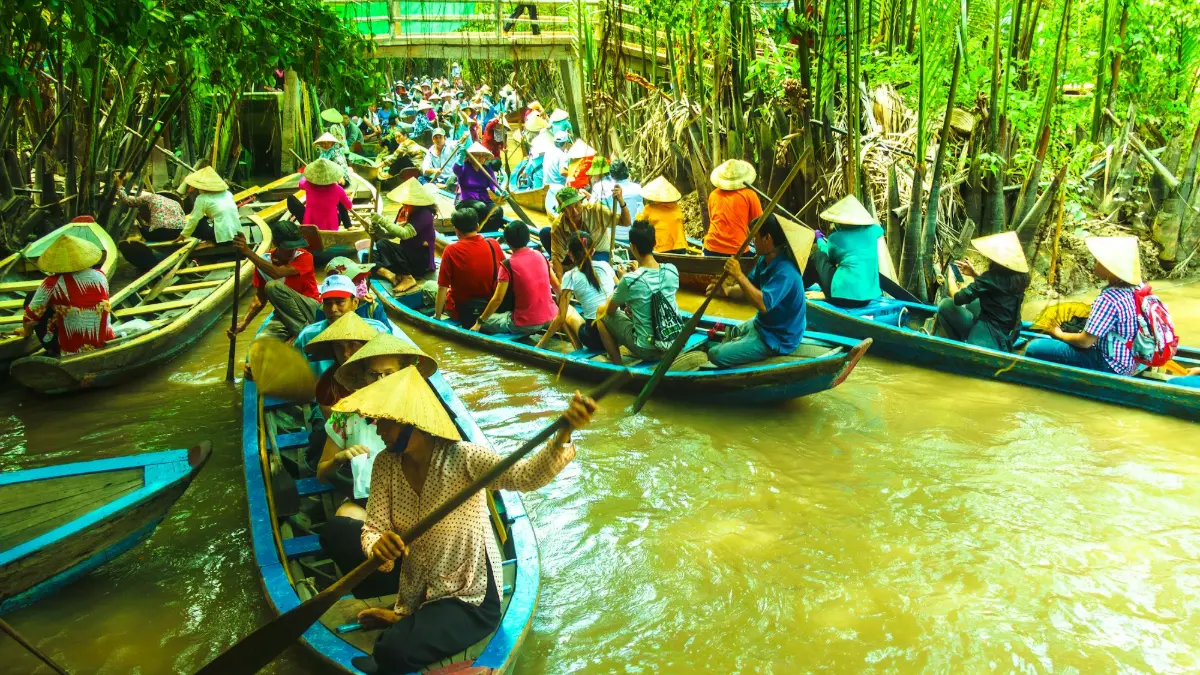
- Stay at least one night: the Cai Rang floating market is liveliest around 5–7 am.
- Carry small cash for boats, orchards and homestays; ATMs are in towns, not villages.
- Many nationalities get 45 days visa-free; others use the e-visa (up to 90 days) from evisa.gov.vn.
- Sun, heat and mosquitoes are the main health issues: pack a hat, sunscreen and repellent.
Mekong Delta Travel Tips at a Glance
| Where it is | Southwestern Vietnam, south and west of Ho Chi Minh City |
|---|---|
| Provinces since July 2025 | Can Tho city, An Giang, Dong Thap, Vinh Long, Ca Mau (former Long An is now in Tay Ninh) |
| Best time | December–April (dry season) |
| Flood season | About August–November, highest water usually September–October |
| Days needed | 1 day for a taste; 2–3 days for floating markets and homestays; 4+ with Chau Doc |
| Main bases | Can Tho, Ben Tre, Vinh Long (An Binh islet), Cai Be, Chau Doc |
| Getting there | 3–3.5 hours by car from Ho Chi Minh City to Can Tho; flights Hanoi–Can Tho about 2 hours |
| Visa | 45-day exemption for many countries; e-visa up to 90 days, US$25 single / US$50 multiple entry |
| Money | Vietnamese dong (VND); cash for markets and boats, cards/VietQR in hotels |
| Temperature | About 25–29 °C average all year |
| UNESCO heritage | Đờn ca tài tử music (2013); Ba Chua Xu Festival, Sam Mountain (inscribed 4 December 2024) |
When Is the Best Time to Visit the Mekong Delta?
The best time to visit the Mekong Delta is December to April, the dry season, when skies are sunny and travel is easy. The rainy season from May to November brings short, heavy afternoon showers, and from about August to November the annual flood season, when rivers rise and the upper delta turns green.
| Months | Weather (Can Tho averages) | Good for | Watch out for |
|---|---|---|---|
| December–February | About 25–26 °C, very little rain | Sightseeing, cycling, Tet flower markets | Busiest period; book ahead around Tet |
| March–April | About 27–29 °C, dry and hot | Orchards, mango season, clear skies | Midday heat; salinity in coastal areas in dry years |
| May–July | About 27–28 °C, rain about 220–340 mm a month | Peak fruit season, green rice fields | Short downpours, usually in the afternoon |
| August–November | About 27 °C, wettest month September (about 450 mm) | Flood season scenery, linh fish and sesbania flowers, Tra Su forest | Flooded lanes in low areas; occasional storms |
Unlike central Vietnam, the delta is rarely hit directly by typhoons, but tropical storms in the South China Sea can bring heavy rain. Check forecasts in October and November.
What Is the Mekong Delta Flood Season?
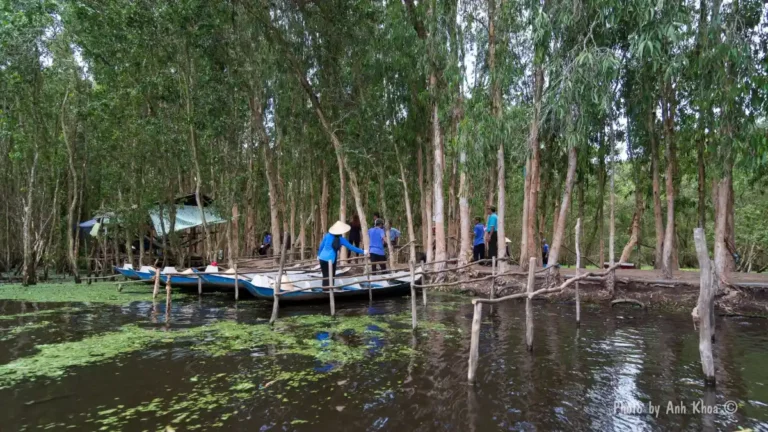
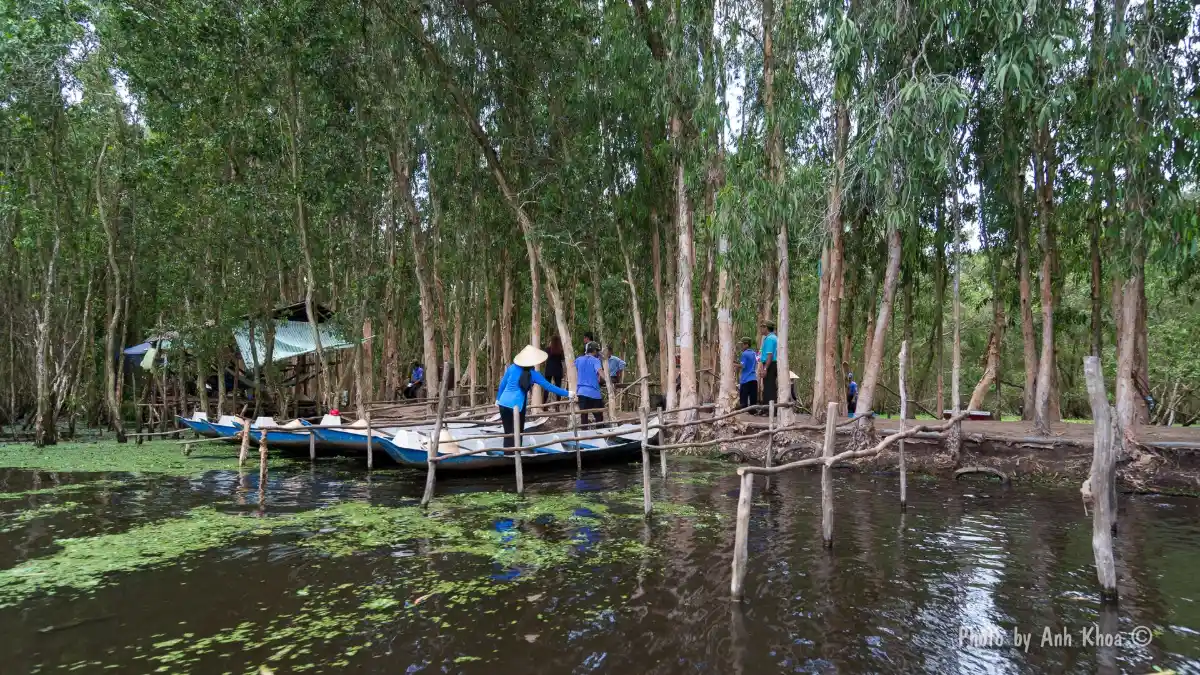
The flood season (mùa nước nổi) runs roughly from August to November, when water from upstream Cambodia spreads across the upper delta. The highest water usually comes in September and October, especially around Chau Doc and the former Dong Thap province. Fields become lakes, fishermen catch linh fish, sesbania trees bloom yellow and Tra Su cajuput forest is at its most beautiful. Floating markets and boat trips continue, but some rural lanes and low-lying homestays may be affected.
How Many Days Do You Need in the Mekong Delta?
Two to three days is ideal. A day trip from Ho Chi Minh City shows you the coconut canals of Ben Tre or My Tho, but you need an overnight stay in Can Tho to see the Cai Rang floating market at dawn.
| Length | Suggested route | Highlights |
|---|---|---|
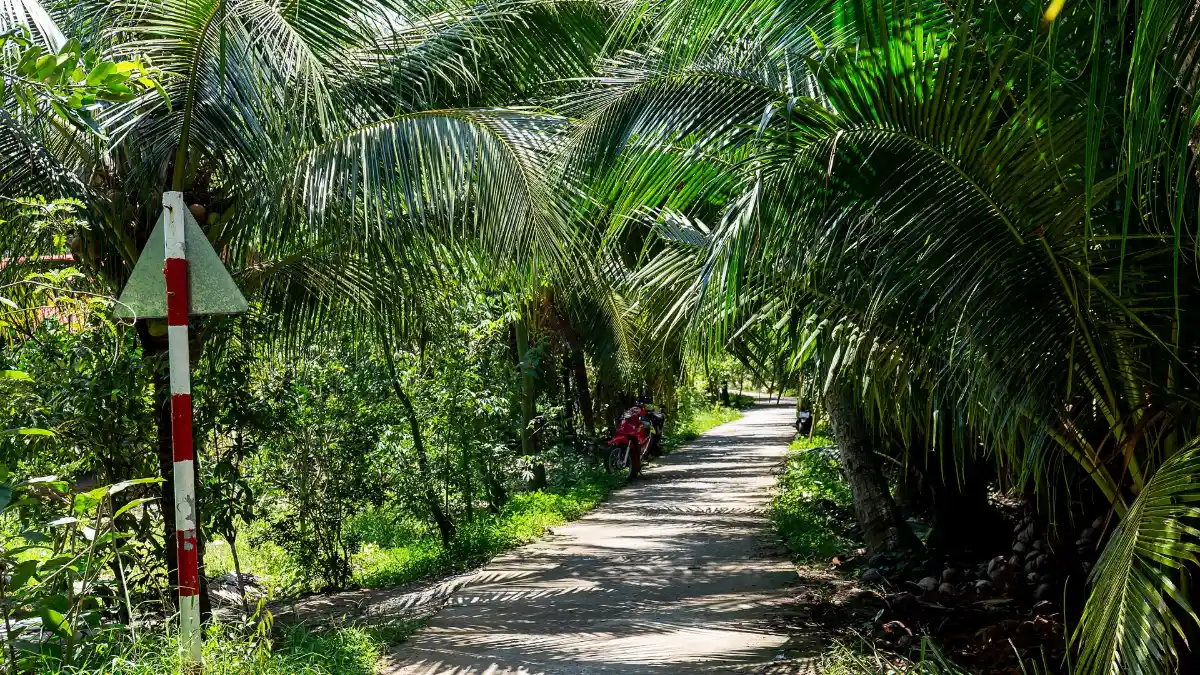
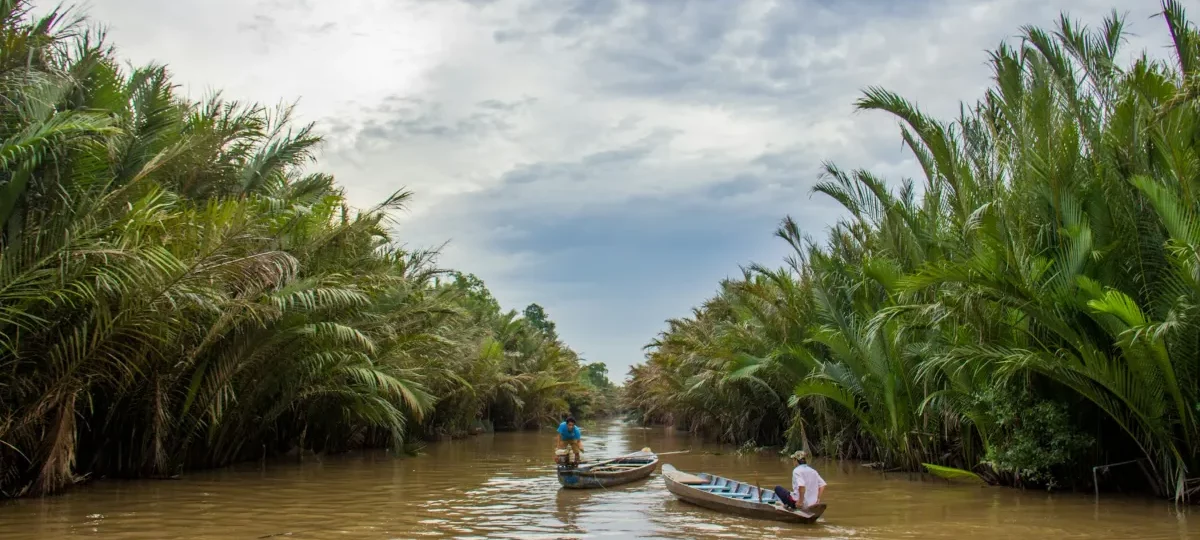
| 1 day | Ho Chi Minh City – My Tho – Ben Tre – Ho Chi Minh City | Boat on the Tien River, sampan through water-coconut canals, coconut candy, orchard lunch |
| 2 days | Ho Chi Minh City – Cai Be – Vinh Long – Can Tho – Ho Chi Minh City | Orchards, An Binh islet, Cai Rang floating market at dawn |
| 3 days | Ho Chi Minh City – Ben Tre – Can Tho – Chau Doc | Homestay, floating market, Sam Mountain, Tra Su forest; continue to Phnom Penh by boat |
| 4–5 days | Add Soc Trang, Ca Mau or Ha Tien, or fly onward from Can Tho | Khmer pagodas, mangroves, the coast |
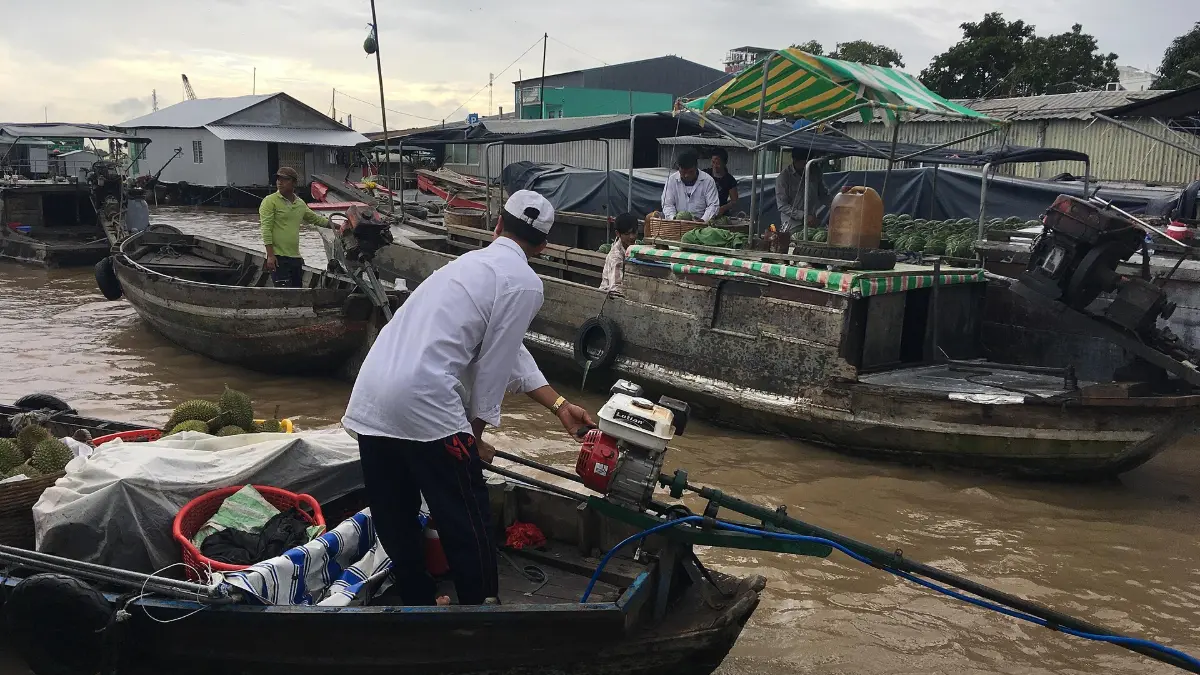
For ready-made ideas, see our Mekong Delta day trip from Saigon.
Do I Need a Visa to Visit the Mekong Delta?
The Mekong Delta follows Vietnam’s national visa rules. Citizens of many European and Asian countries, including the UK, France, Germany, Italy, Spain, Japan and South Korea, can stay up to 45 days without a visa under exemptions currently valid until 2028. Most other visitors, including US, Australian and Canadian citizens, apply online for an e-visa at the official portal evisa.gov.vn: valid up to 90 days, about US$25 for single entry and US$50 for multiple entry. Always check the current list before travelling, and make sure your passport is valid for at least six months.
If you plan to leave by boat from Chau Doc to Cambodia, check Cambodia’s visa rules for river borders in advance.
Money, ATMs and Payments in the Mekong Delta
Carry Vietnamese dong in small notes for boats, orchards, markets and homestays. ATMs are easy to find in Can Tho, My Tho, Ben Tre, Vinh Long and Chau Doc but rare in villages and on islets. Hotels and larger restaurants accept cards, and VietQR bank-transfer payments are widespread, though foreign cards cannot always use them. Tipping is not expected but appreciated: about 50,000–100,000 VND for a boat driver and more for a full-day guide.
SIM Cards, eSIMs and Internet
Mobile coverage is good across the delta, including on most rivers. Buy a tourist SIM or eSIM from Viettel, Vinaphone or MobiFone at the airport in Ho Chi Minh City or Hanoi; you must register it with your passport. Hotels and most cafés have free Wi-Fi.
What Should I Wear in the Mekong Delta?
Wear light, breathable clothes, a hat and comfortable shoes you can get wet. Cover shoulders and knees when visiting pagodas, temples and the Ba Chua Xu temple on Sam Mountain, and remove shoes where asked. A light rain jacket is useful from May to November.
Is the Mekong Delta Safe?
Yes. The Mekong Delta is one of the safest and friendliest regions of Vietnam. The main risks are traffic, sun and water. Wear a life jacket on boats, agree prices before boarding private boats, keep phones in a waterproof bag, and avoid riding motorbikes yourself unless you hold a valid licence: under Decree 168/2024, unlicensed riding is fined about 2–8 million VND depending on engine size.
Common tourist traps
- Overpriced boat trips sold by touts at piers; book with your hotel or a reputable operator.
- Large-group tours that stop at the same honey farms and souvenir shops; a private or small-group tour can choose quieter canals.
- Pressure to buy snake wine or exotic products; you can politely decline.
Health Tips for the Mekong Delta
- Use insect repellent, especially at dawn and dusk, as dengue fever occurs in the rainy season.
- Drink bottled or filtered water and plenty of it in the heat.
- Wear sunscreen and a hat on boats, where reflected sun is strong.
- Can Tho has the region’s main hospitals; for serious cases travellers usually go to Ho Chi Minh City.
- Bring any prescription medicine you need; pharmacies are common in towns.
Festivals and Holidays in the Mekong Delta
Festivals add colour to a delta trip, but national holidays mean busy roads and full hotels.
- Tet (Lunar New Year): 6 February 2027. In the weeks before, boats loaded with flowers and Sa Dec flower village are spectacular; many businesses close for the first days of Tet.
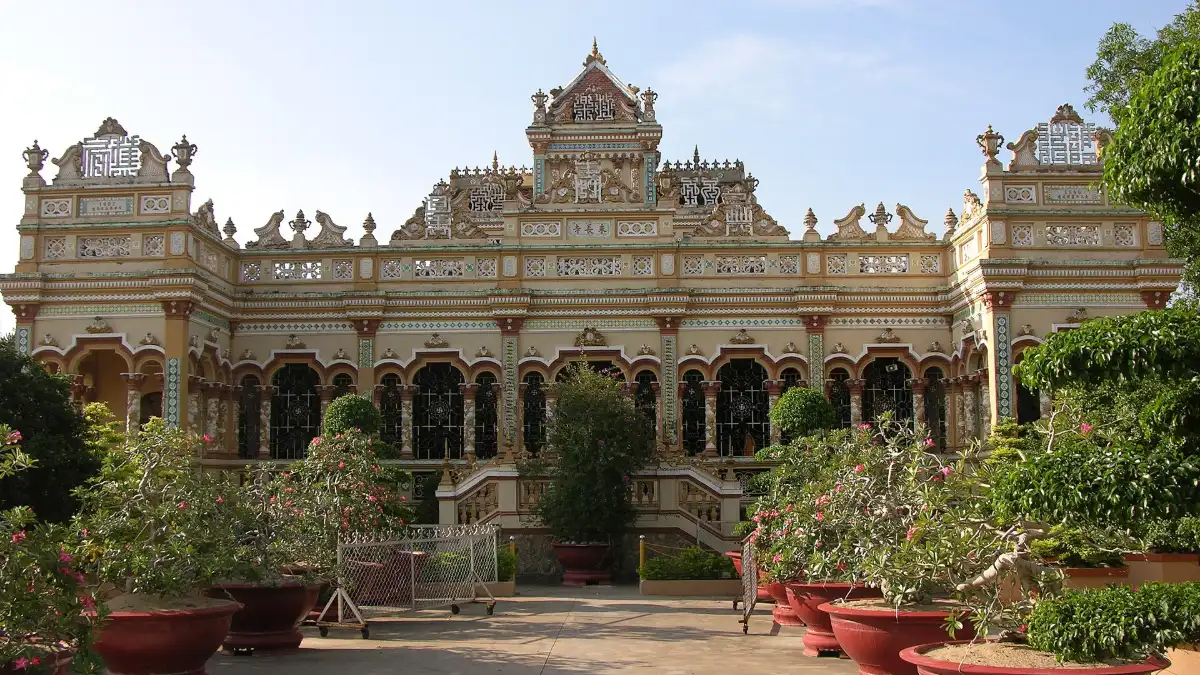
- Ba Chua Xu Festival: held on Sam Mountain near Chau Doc from the 22nd to the 27th day of the fourth lunar month, recognised by UNESCO as Intangible Cultural Heritage of Humanity on 4 December 2024. It draws very large crowds.
- Ok Om Bok: the Khmer water festival, with ngo boat races in Soc Trang (now part of Can Tho city), usually in the tenth lunar month (around November).
- Public holidays: 30 April – 1 May and 2 September, when domestic travel peaks.
What Should I Pack for the Mekong Delta?
- Hat, sunglasses and high-factor sunscreen.
- Insect repellent and a light long-sleeved top for evenings.
- Sandals or quick-drying shoes for boats.
- Waterproof phone pouch or dry bag.
- Light rain jacket (May–November).
- Small backpack for overnight homestays.
- Cash in small notes and a copy of your passport.
Responsible Travel in the Mekong Delta
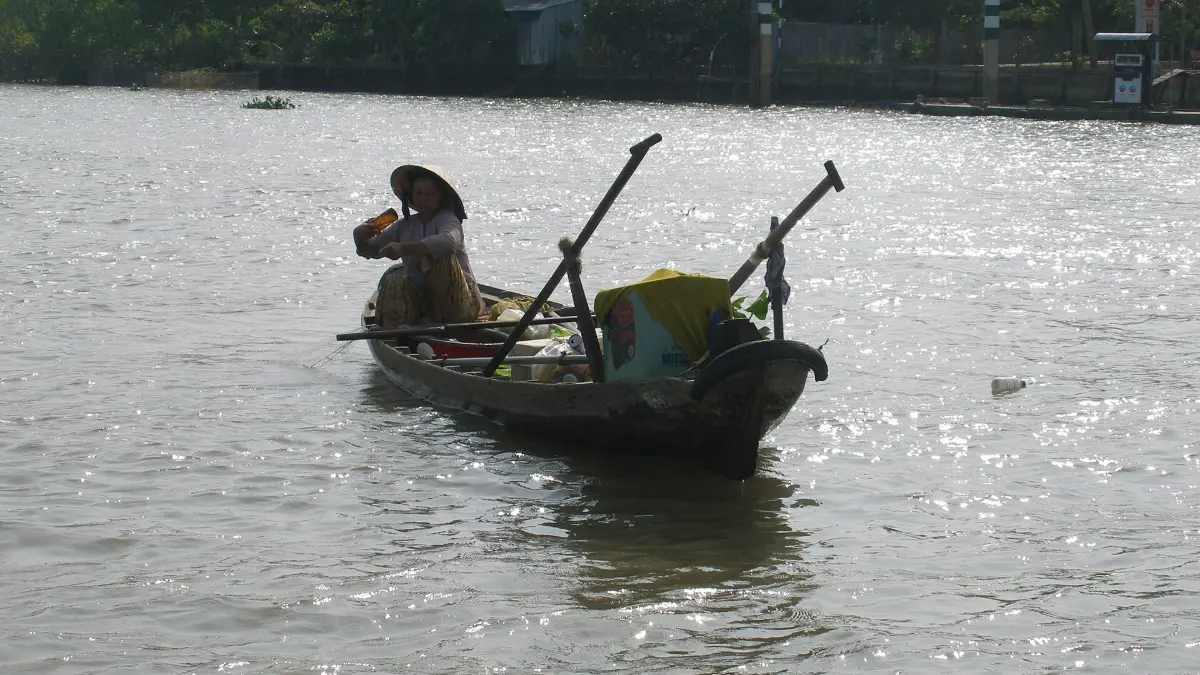
Choose locally owned homestays and family workshops, ask before photographing people at markets, avoid single-use plastic on boats, and do not buy wildlife products. Respect the rhythms of working floating markets: vendors are trading wholesale, not performing for tourists.
Local Expert Tips for the Mekong Delta
These tips come from years of arranging Mekong Delta tours for international travellers.
- Overnight in Can Tho and be on the boat by 5:30–6 am for Cai Rang.
- Mix one homestay night with one hotel night for comfort and authenticity.
- Visit in September–November for flood-season scenery and dishes.
- Choose private or small-group tours to avoid crowded tourist stops.
- Fly into Can Tho from Hanoi to save time, then end in Ho Chi Minh City.
- Continue to Cambodia by boat from Chau Doc for a memorable border crossing.
- Avoid travelling on the first days of Tet and public holiday weekends.
- Carry 200,000–500,000 VND in small notes for tips, drinks and fruit.
Plan Your Mekong Delta Trip
Build your route with our guides to Can Tho and its floating market, Ben Tre coconut country, My Tho, Cai Be, Vinh Long and Chau Doc. Then read our Mekong Delta transportation guide, where to stay in the Mekong Delta, the Mekong Delta food guide and our day trip from Saigon. Starting in the city? See our Saigon travel tips and Cu Chi Tunnels guide.
Plan your trip with our Mekong Delta travel guide and Mekong Delta tours. Contact Vietnam Tour Expert Team for a free custom itinerary.
Frequently Asked Questions about Mekong Delta Travel Tips
1. When is the best time to visit the Mekong Delta?
The best time to visit the Mekong Delta is December to April, the dry season. September to November is also rewarding for flood-season scenery, though some lanes may be flooded.
2. When is the Mekong Delta flood season?
The Mekong Delta flood season runs roughly from August to November, with the highest water usually in September and October, especially around Chau Doc and the upper delta.
3. How many days do I need in the Mekong Delta?
Two to three days are ideal for the Mekong Delta, including a night in Can Tho for the dawn floating market. One day is enough only for a short trip to My Tho and Ben Tre.
4. Is a Mekong Delta day trip from Saigon worth it?
A Mekong Delta day trip from Saigon is worth it if time is short, giving you boat rides, coconut canals and orchards. You will miss the floating markets at dawn; see our day trip guide.
5. Which provinces are in the Mekong Delta now?
Since 1 July 2025 the Mekong Delta comprises Can Tho city and the provinces of An Giang, Dong Thap, Vinh Long and Ca Mau. Former Long An province is now part of Tay Ninh.
6. Do I need a visa for the Mekong Delta?
The Mekong Delta follows Vietnam’s national rules: many nationalities get 45 days visa-free, while others need an e-visa valid up to 90 days, costing about US$25 single entry.
7. Is the Mekong Delta safe for tourists?
Yes. The Mekong Delta is very safe for tourists. Wear life jackets on boats, agree boat prices in advance and take care with traffic and sun.
8. What is the weather like in the Mekong Delta?
The Mekong Delta is hot all year, averaging about 25–29 °C. December to April is dry, and May to November brings afternoon rain, with September the wettest month.
9. What is the best floating market in the Mekong Delta?
Cai Rang in Can Tho is the largest and best-known floating market in the Mekong Delta, liveliest around 5–7 am. Phong Dien nearby is smaller and quieter; see our Can Tho guide.
10. Should I bring cash to the Mekong Delta?
Yes. Bring cash in small notes for Mekong Delta boats, orchards, markets and homestays. ATMs are available in towns such as Can Tho and Chau Doc.
11. What should I wear in the Mekong Delta?
Wear light, breathable clothes, a hat and shoes that can get wet. Cover shoulders and knees at Mekong Delta pagodas and temples.
12. Are there mosquitoes in the Mekong Delta?
Yes, especially at dawn and dusk and in the rainy season. Use insect repellent in the Mekong Delta, as dengue fever occurs in Vietnam.
13. Can I visit the Mekong Delta during Tet?
Yes, but book early. Before Tet (6 February 2027) the Mekong Delta is festive with flower markets, while on the first days of Tet many shops and markets close.
14. What is the Ba Chua Xu Festival in the Mekong Delta?
The Ba Chua Xu Festival honours the Lady of the Realm on Sam Mountain near Chau Doc, from the 22nd to 27th day of the fourth lunar month. UNESCO inscribed it on 4 December 2024.
15. Can I go from the Mekong Delta to Cambodia?
Yes. Speedboats from Chau Doc in the Mekong Delta reach Phnom Penh in about 4–5 hours via the Vinh Xuong border. Check Cambodian visa rules beforehand.
16. Is it better to take a tour or travel independently in the Mekong Delta?
Independent travel in the Mekong Delta is possible by bus, but a private tour makes it far easier to reach floating markets at dawn, small canals and homestays without language barriers.
17. What are the must-see places in the Mekong Delta?
The Mekong Delta’s highlights are the Cai Rang floating market in Can Tho, Ben Tre’s coconut canals, An Binh islet in Vinh Long, Cai Be orchards and Sam Mountain and Tra Su forest near Chau Doc.
18. Is the Mekong Delta good for families?
Yes. The Mekong Delta suits families well, with gentle boat trips, cycling, fruit orchards and craft workshops. Choose an eco-lodge rather than a basic homestay with young children.
Related Posts
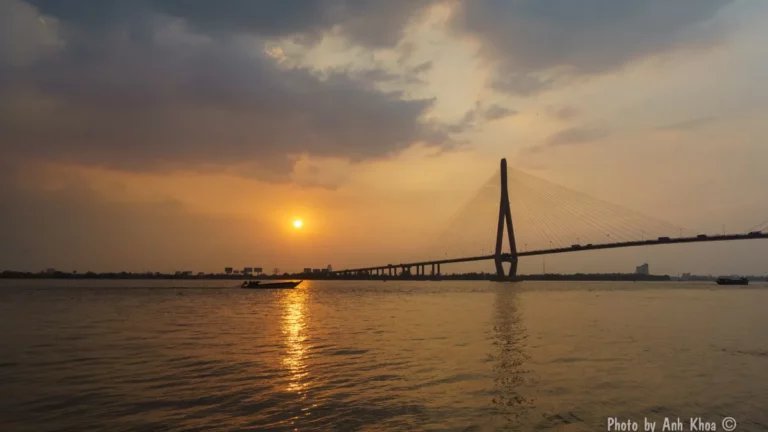
Where to Stay in the Mekong Delta: Best Bases & Homestays
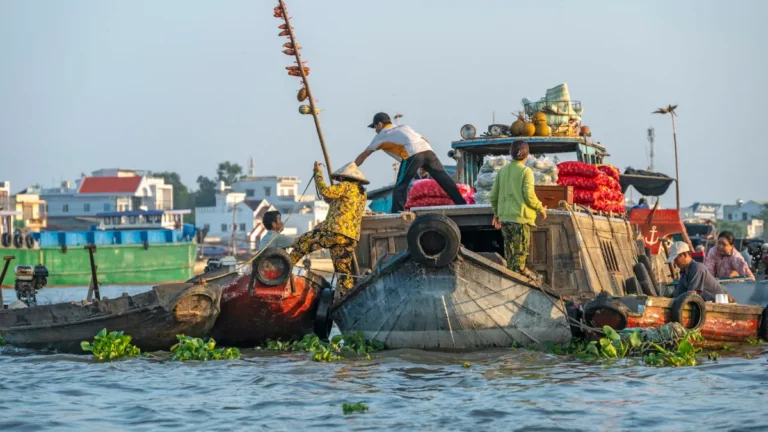
Mekong Delta Transportation: Saigon to Can Tho & Beyond
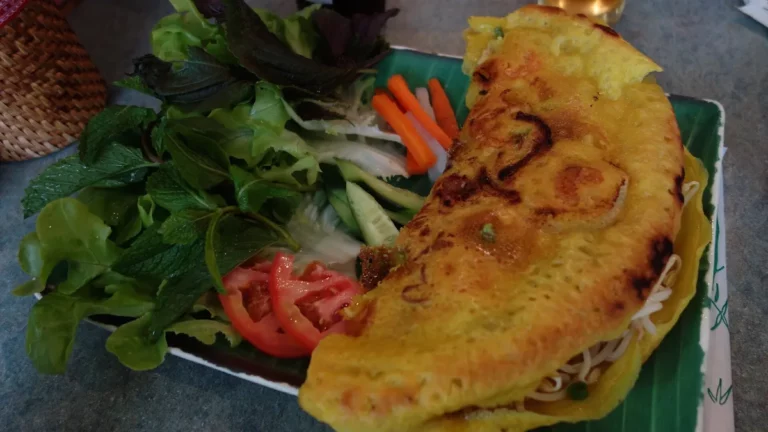
Mekong Delta Food Guide: Must-Try Dishes & Specialties
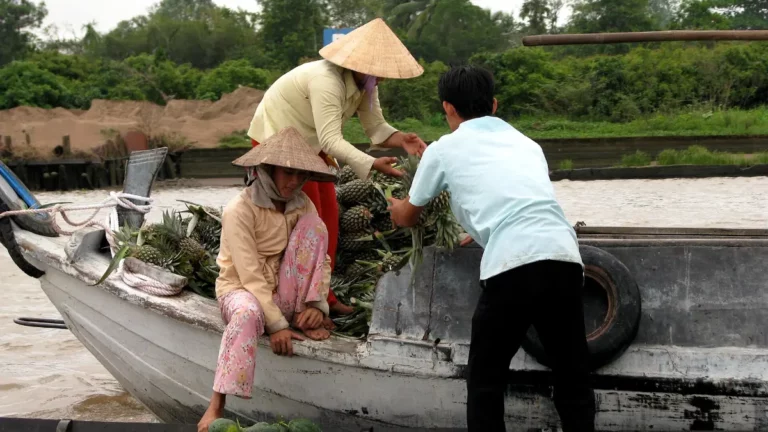
Cai Be Mekong Delta: Floating Market, Church & Old Houses
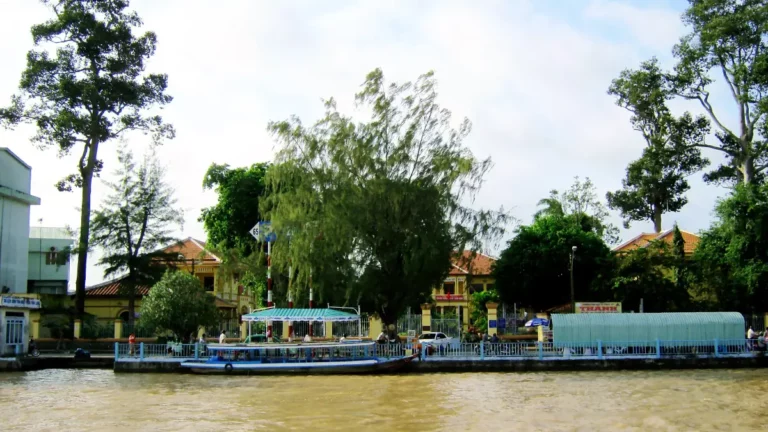
Vinh Long: An Binh Island Homestays & Mang Thit Kilns