Cua Van Fishing Village: Halong Bay’s Floating Village Guide
 By Jimmy Nguyen, Founder & Director of Asia Travel Expert Co., Ltd.
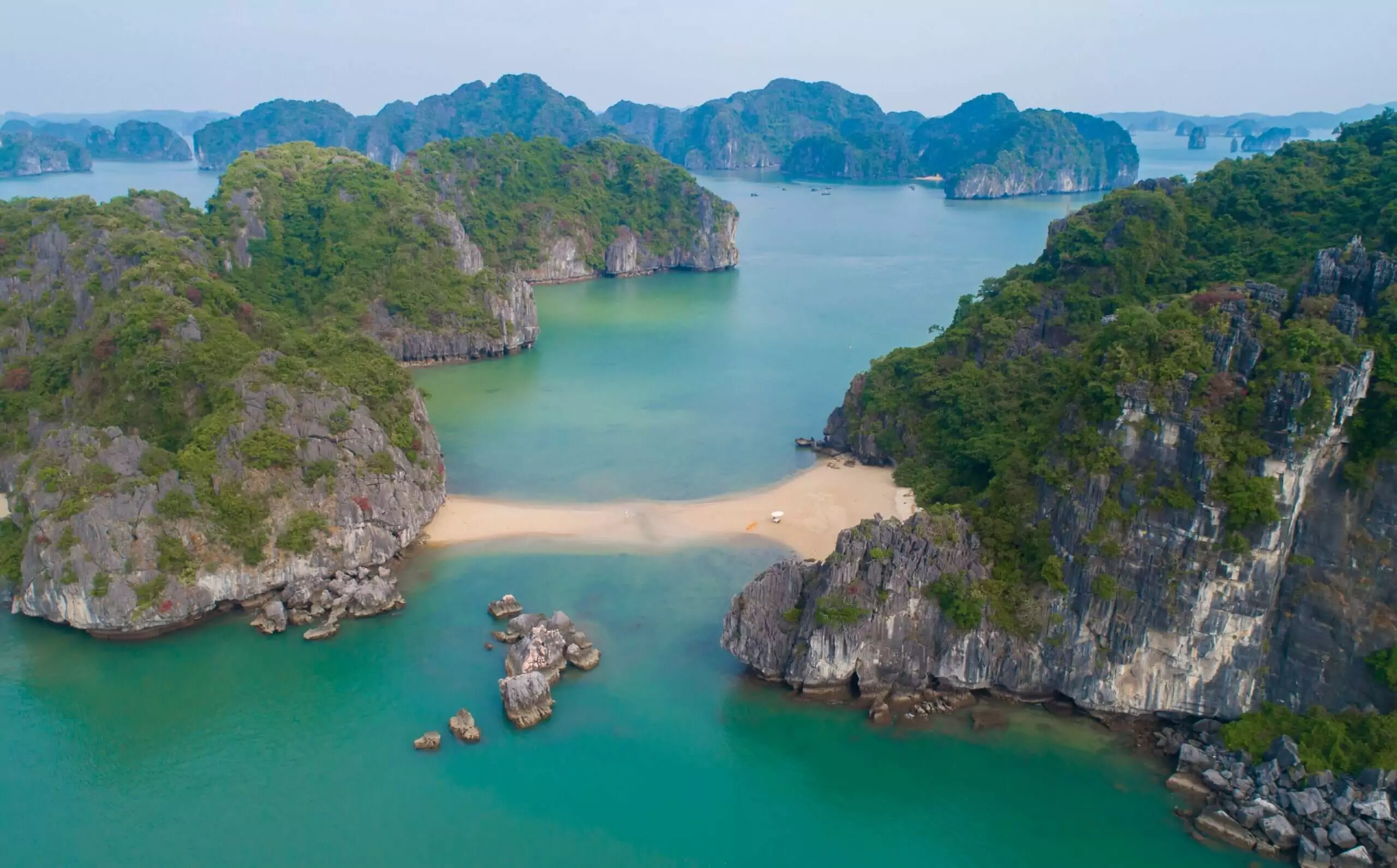
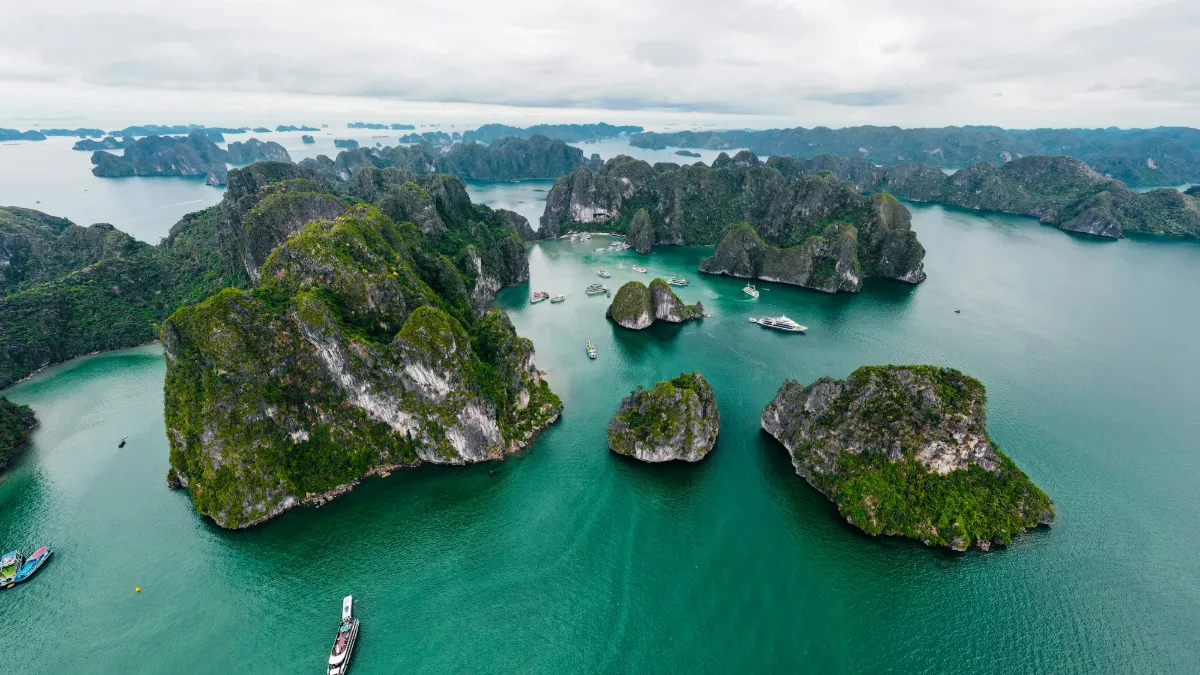
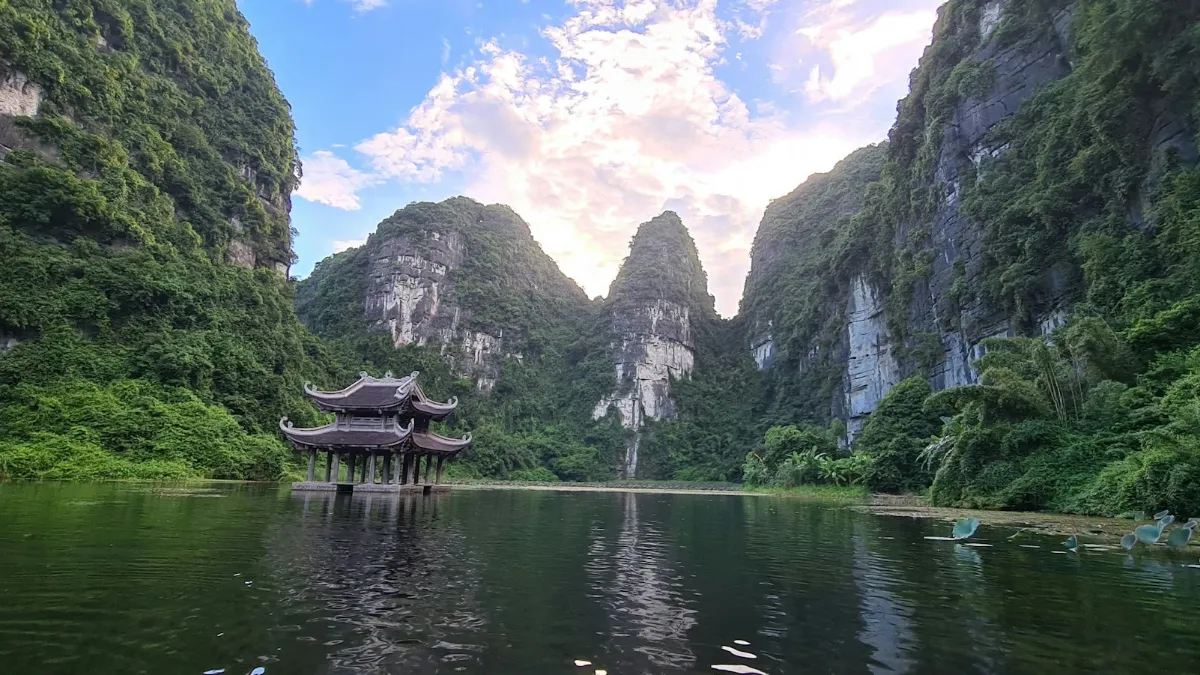
Cua Van Fishing Village (Làng chài Cửa Vạn) is a former floating village tucked among the karsts of Halong Bay, about 20 km from Tuan Chau. Its families were resettled on the mainland from 2014, and the Cua Van Floating Cultural Centre now preserves their heritage. Visitors explore by bamboo boat or kayak on route VHL3, with a route fee of 200,000 VND per adult.
Status (checked October 2026): open daily as normal for boats on route VHL3 (adult route fee 200,000 VND, plus port fee). Cua Van is now a preserved heritage village rather than a living floating community: the households moved to the mainland after 2014, so expect a quiet setting with the cultural centre, fish farms and bamboo boats, not a busy village. Visits stop when storms close the bay.
Why Cua Van Fishing Village is worth seeing:
- Fishing heritage: the story of the families who lived on Halong Bay for generations.
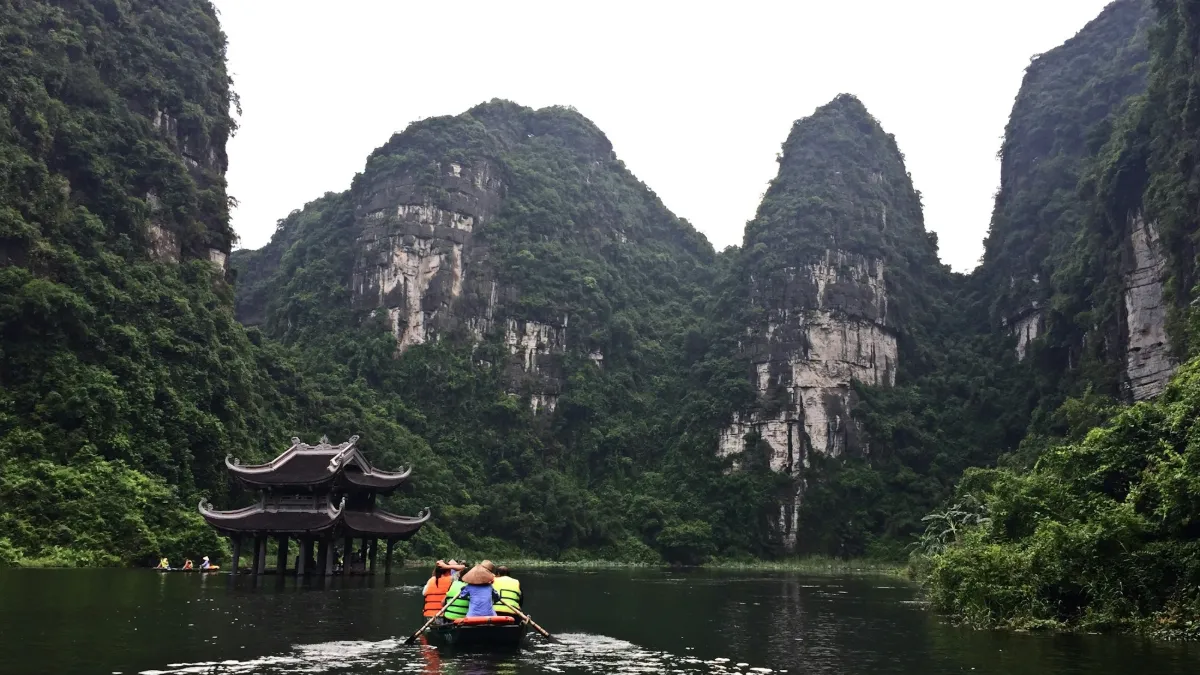
- Bamboo boats and kayaks: glide quietly between karsts and floating structures.
- Floating Cultural Centre: exhibits, songs and demonstrations of fishing life.
- A quieter route: VHL3 sees far fewer boats than VHL1 and VHL2.
Cua Van Fishing Village at a Glance
| Vietnamese name | Làng chài Cửa Vạn |
|---|---|
| Location | Cua Van area, central Halong Bay, Quang Ninh province |
| Distance | About 20 km from Tuan Chau port and Ha Long International Passenger Port (about 2 hours by boat) |
| Known for | Former floating village, Cua Van Floating Cultural Centre, bamboo boat rides, kayaking |
| Recognition | Inside the Ha Long Bay – Cat Ba Archipelago UNESCO World Heritage Site |
| Current status | Households resettled on the mainland (Ha Phong area) from 2014; kept as a heritage and tourism site |
| Opening hours | Daily in daylight hours, when route VHL3 boats operate |
| Entrance fee | VHL3 route fee: 200,000 VND per adult (about US$8), plus port fee; children under 1.2 m free |
| Time needed | 1–1.5 hours |
| Best time | Morning or late afternoon; March–May and September–November |
| Nearby | Tien Ong Cave, Ba Ham Lake, Tung Sau area, Sung Sot Cave |
| Find it | Google Maps · Tripadvisor · UNESCO |
Is Cua Van Fishing Village Worth Visiting?
Yes, if you want a quieter side of Halong Bay and an insight into traditional fishing life, but set your expectations correctly. The families who once lived here moved ashore after 2014, so Cua Van is a preserved village rather than a bustling community. The setting among towering karsts remains beautiful, the bamboo boat ride is relaxing, and VHL3 cruises are much less crowded than the classic routes.
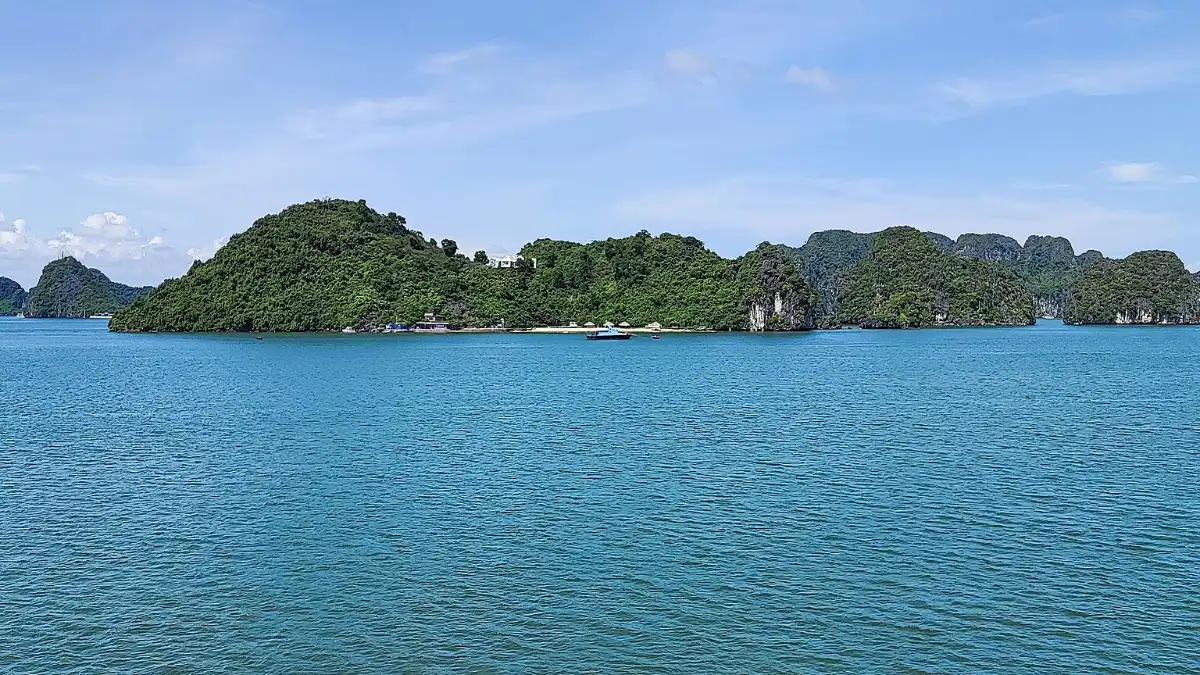
- Best for: travellers who prefer peaceful scenery, culture and kayaking over caves.
- Skip if: you expect to see daily life in a working floating village; it no longer exists in that form.
- Short on time: a VHL3 day cruise takes about 6–8 hours; otherwise choose VHL2 for the famous caves.
History of Cua Van Fishing Village
Life on the water
For generations, fishing families lived in floating houses in sheltered coves of Halong Bay, where the surrounding islands protected them from storms. Cua Van was one of the largest of these villages, with houses, fish cages and boats gathered in a channel ringed by limestone towers.
The Floating Cultural Centre
The Cua Van Floating Cultural Centre was one of the components of the Ha Long Ecological Museum project. Built with support from the Norwegian government, work began in August 2003 and it opened to the public on 19 May 2006, the first floating cultural centre for a fishing community in Vietnam. It was later moved about 800 m from Tung Sau cove to the old centre of Cua Van village, and the city funded further upgrades in 2016–2017.
Resettlement on the mainland
In 2014 Quang Ninh Province decided to move the floating villages out of the bay to protect the heritage environment and improve living conditions. More than 300 households from Cua Van and other villages were resettled in the Khe Ca area of Ha Phong, on the mainland. Since then, the province has worked to preserve the villages’ heritage for visitors. Learn more on Wikipedia.
What to See at Cua Van Fishing Village
1. Bamboo boat ride
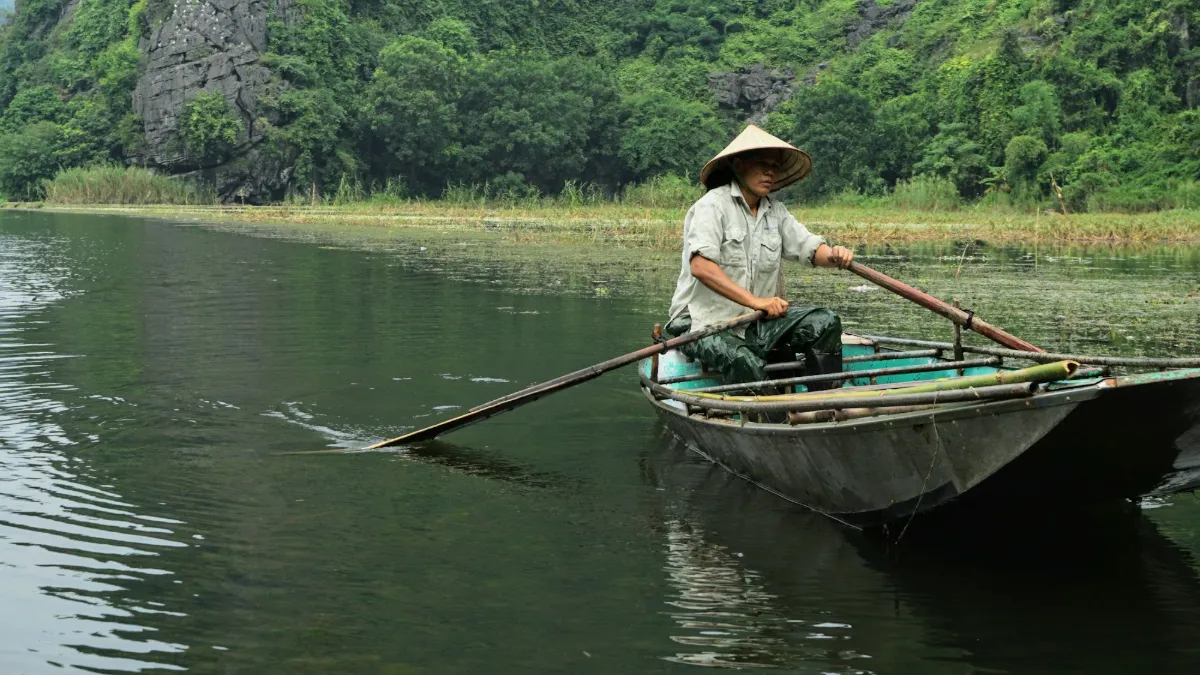
Local boatmen row you slowly through the village area, past fish farms and floating structures, with karsts rising on all sides.
2. Kayaking
Paddle around the village and the nearby islands at your own pace; many VHL3 cruises include kayaks.
3. Cua Van Floating Cultural Centre
Exhibits of documents, artefacts and photographs show the tangible and intangible heritage of Ha Long’s fishing people, before and after resettlement. Performances of traditional “hát giao duyên” love duets and fishermen’s songs are staged for visitors, alongside demonstrations of net-making and fishing gear.
4. Aquaculture areas
Visitors can see fish and shellfish farms that still operate in the area, a reminder of how the bay supports local livelihoods.
5. Route VHL3 sights
The same route includes Tien Ong Cave, with traces of prehistoric settlement, and Ba Ham Lake, a series of enclosed lagoons.
Cua Van Tickets and Opening Hours (2026)
| Item | Details |
|---|---|
| Route | VHL3 (Cua Van Floating Cultural Centre, Tien Ong Cave, Ba Ham Lake, Ba Men Temple) |
| Adults | 200,000 VND route fee (about US$8), plus port fee |
| Children | Free under 1.2 m |
| Bamboo boat / kayak | Arranged by your cruise or paid locally |
| Opening hours | Daily in daylight hours, when boats are permitted to sail |
| Combined route | VHL7 (VHL1 + VHL2 + VHL3 + VHL4): 600,000 VND |
Fees are set by Quang Ninh Province and published by the Ha Long Bay Management Board.
Etiquette at Cua Van
- Do not climb onto floating houses or fish cages unless invited.
- Ask before photographing people at close range.
- Take all rubbish back to your boat.
How to Get to Cua Van Fishing Village
| From | How | Time |
|---|---|---|
| Tuan Chau port | Tourist boat or cruise on route VHL3 | About 2 hours |
| Ha Long International Passenger Port | Tourist boat or cruise | About 2 hours |
| Hanoi | Shuttle or car to Ha Long (2–2.5 hours), then boat | About 4.5 hours |
See our Hanoi to Halong Bay guide for transfers.
Best Time to Visit Cua Van Fishing Village
| When | What to expect |
|---|---|
| Early morning | Mist on the water and soft light; ideal on an overnight cruise |
| Late afternoon | Golden light on the karsts |
| March – May, September – November | Most pleasant weather |
| June – August | Hot; storms can cancel sailings |
| December – February | Cool and atmospheric |
Local Expert Tips for Cua Van Fishing Village
These tips come from years of arranging Halong Bay tours for international travellers.
- Choose a VHL3 overnight cruise to see Cua Van in the morning before day boats arrive.
- Bring sun protection; bamboo boats have little shade.
- Ask your guide to explain the resettlement story; it helps you understand what you see.
- If you want a more remote fishing village, look at Vung Vieng on route VHL4.
- Read our Halong Bay travel tips and cruise guide.
Cua Van vs Vung Vieng Fishing Village
| Feature | Cua Van | Vung Vieng |
|---|---|---|
| Route | VHL3 | VHL4 |
| Highlight | Floating Cultural Centre and karst scenery | Remote setting in the Bai Tu Long direction |
| Route fee | 200,000 VND | 200,000 VND |
| Crowds | Quiet | Quiet |
Our view: choose Cua Van if you also want to see Halong Bay’s central scenery; choose Vung Vieng on a longer cruise towards Bai Tu Long Bay.
Nearby Attractions
- Tung Sau Pearl Farm: pearl culturing in the nearby Tung Sau area.
- Sung Sot Cave: the bay’s largest cave on route VHL2.
- Luon Cave: kayaking into a hidden lagoon.
- Ti Top Island: the classic viewpoint.
- Vung Vieng Fishing Village: route VHL4.
Sightseeing in Halong Bay for First-Time Visitors: Where Cua Van Fits
Want culture as well as scenery? Combine a VHL3 cruise to Cua Van with an evening in Ha Long City and its Quang Ninh Museum. If this is your first visit and you want the famous caves, choose a cruise that combines routes, or read our Halong Bay overview.
Plan your trip with our Halong Bay travel guide and Halong Bay tours. Contact Vietnam Tour Expert Team for a free custom itinerary.
Frequently Asked Questions about Cua Van Fishing Village
1. Where is Cua Van Fishing Village?
Cua Van Fishing Village is in central Halong Bay, about 20 km from Tuan Chau port.
2. Do people still live in Cua Van Fishing Village?
No families live permanently in Cua Van’s floating houses today; the households were resettled on the mainland after 2014.
3. Why were Cua Van residents moved?
Quang Ninh Province moved Cua Van and other floating villages ashore from 2014 to protect the bay’s environment and improve living conditions.
4. Is Cua Van Fishing Village worth visiting?
Yes, Cua Van is worth it for its scenery, bamboo boat rides and fishing heritage, as long as you expect a preserved village.
5. Which route goes to Cua Van?
Cua Van is on route VHL3, with Tien Ong Cave and Ba Ham Lake.
6. How much does it cost to visit Cua Van?
The VHL3 route fee for Cua Van is 200,000 VND per adult, plus a port fee; children under 1.2 m are free.
7. What is the Cua Van Floating Cultural Centre?
The Cua Van Floating Cultural Centre, opened in 2006 with Norwegian support, displays the heritage of Ha Long’s fishing people.
8. Can you kayak at Cua Van?
Yes, kayaking and bamboo boat rides are the main activities at Cua Van.
9. How long should I spend at Cua Van?
About 1–1.5 hours is enough for Cua Van’s boat ride and cultural centre.
10. Can I visit Cua Van on a day trip?
Yes, VHL3 day cruises to Cua Van take about 6–8 hours from Ha Long.
11. Is Cua Van crowded?
Cua Van is usually quiet because route VHL3 has fewer boats than VHL1 and VHL2.
12. What is the best time to visit Cua Van?
Early morning on an overnight cruise is the most atmospheric time at Cua Van.
13. Where do former Cua Van residents live now?
Most former Cua Van residents were resettled in the Khe Ca area of Ha Phong on the mainland.
14. Cua Van or Vung Vieng: which fishing village is better?
Cua Van combines culture with central bay scenery; Vung Vieng feels more remote and suits longer cruises.
15. Is Cua Van suitable for children?
Yes, Cua Van’s bamboo boats are calm and children wear life jackets.
Related Posts

Ha Long City Guide 2026: Top Things to Do Beyond the Bay

Halong Bay Travel Tips 2026: Essential Things to Know Before You Go

Halong Food Guide: Squid Cake, Seafood & Where to Eat

Hanoi to Halong Bay 2026: Bus, Shuttle, Private Car & Times
Halong Bay Cruise Guide 2026: How to Choose the Best Cruise