Hoa Lu Ancient Capital: Vietnam’s First Imperial Capital in Ninh Binh – Visitor Guide (2026)
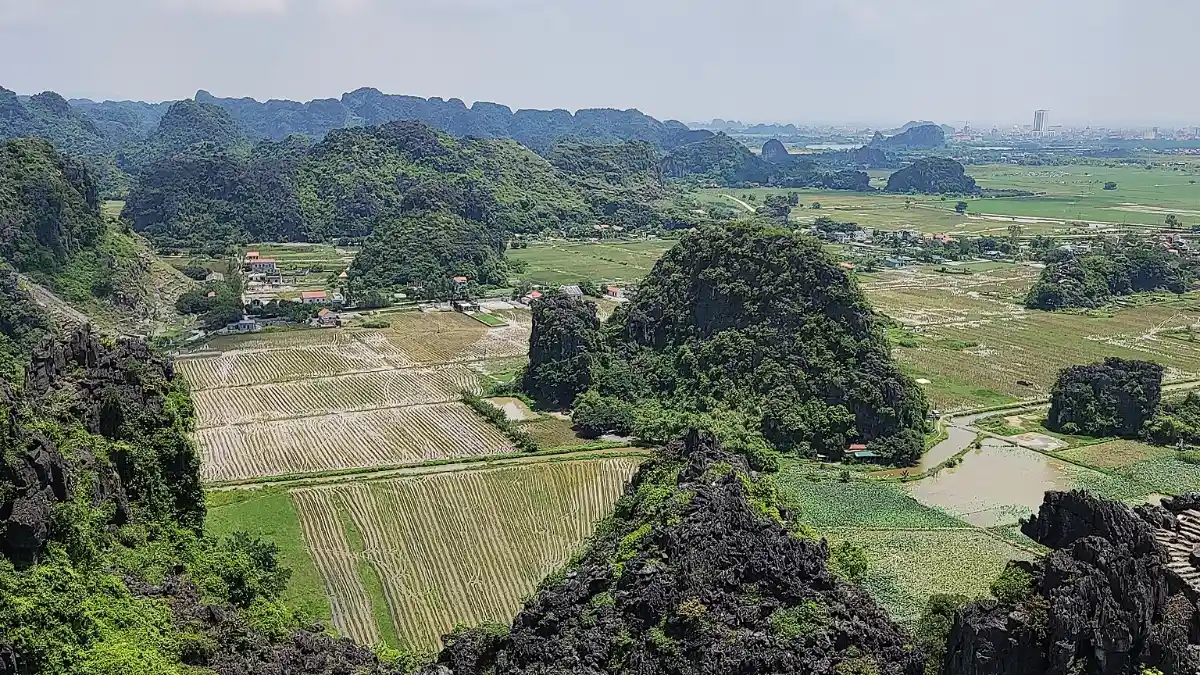
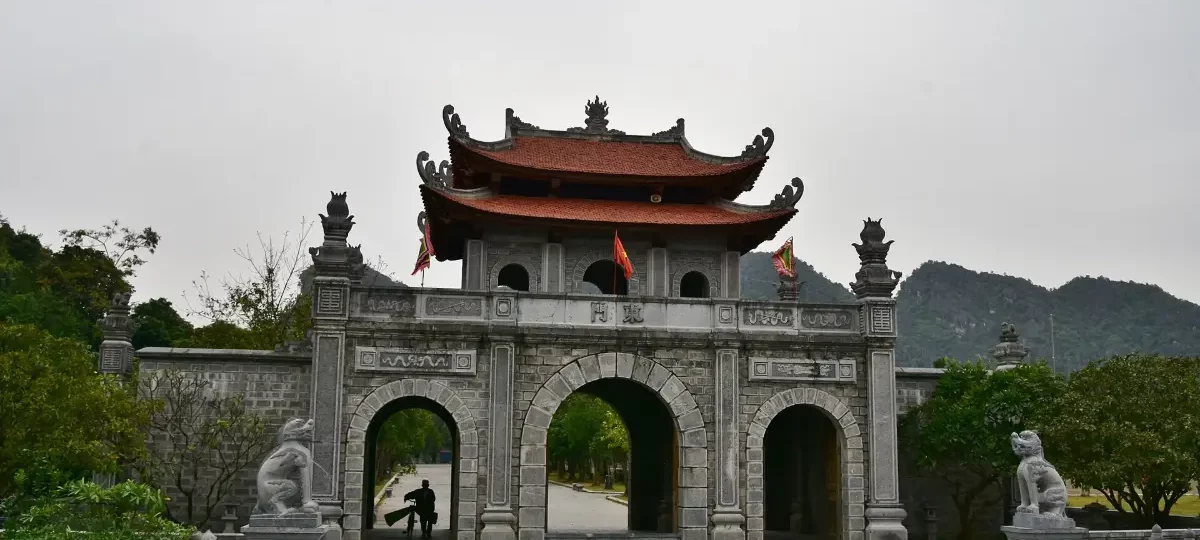
Hoa Lu Ancient Capital (Cố đô Hoa Lư) in Ninh Binh was Vietnam’s capital from 968 to 1010 under the Dinh and Early Le dynasties. Today its two temples, to King Dinh Tien Hoang and King Le Dai Hanh, stand among limestone peaks about 95 km south of Hanoi, inside the UNESCO-listed Trang An Landscape Complex. Entry costs 20,000 VND and a visit takes about an hour.
Status (checked October 2026): open daily as normal, about 7:00/8:00 – 17:00, at 20,000 VND per adult. The annual Hoa Lu Festival is held in the 3rd lunar month (25–27 April in 2026), when the temples are very crowded.
Why Hoa Lu Ancient Capital is worth seeing:
- Vietnam’s first imperial capital: seat of Dai Co Viet, the first centralised independent Vietnamese state.
- Two royal temples: carved wooden halls dedicated to the Dinh and Early Le kings.
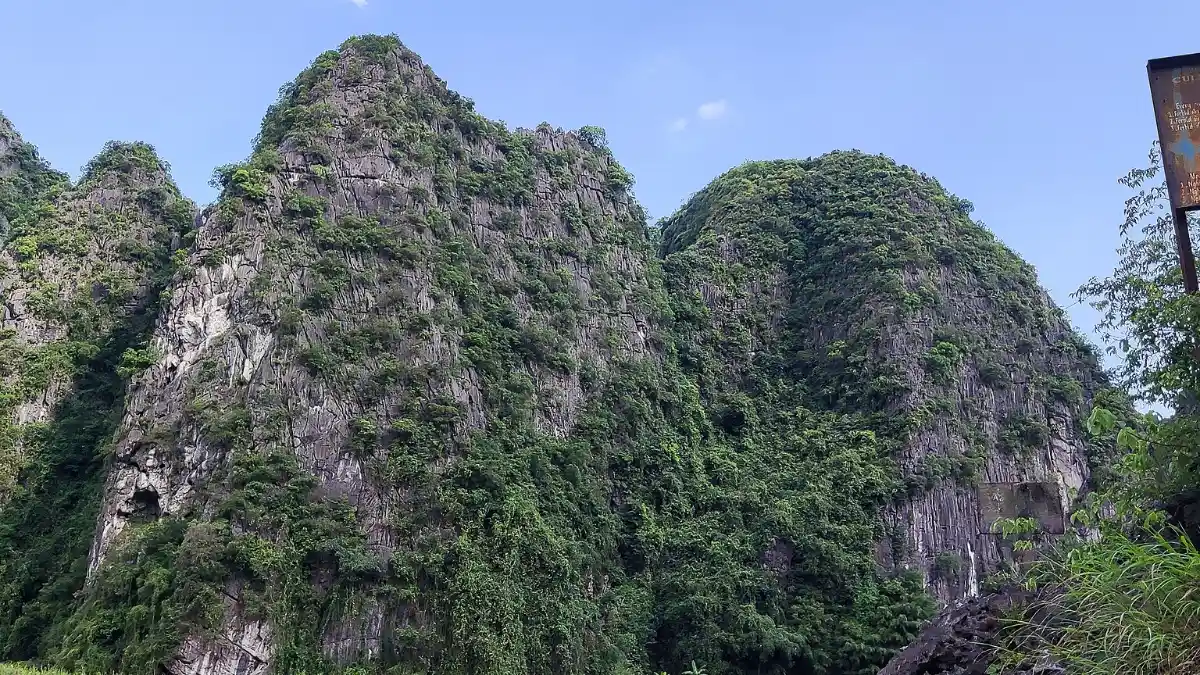
- Natural fortress: limestone mountains served as the city’s walls.
- Cheap and quick: 20,000 VND and about an hour, ideal before or after a boat trip.
- Close to Trang An: only about 10 minutes from the Trang An wharf.
Hoa Lu Ancient Capital at a Glance
| Vietnamese name | Cố đô Hoa Lư (Khu di tích lịch sử – văn hoá Cố đô Hoa Lư) |
|---|---|
| Location | Truong Yen area, Tay Hoa Lu Ward, Ninh Binh province |
| Distance | About 12 km from central Ninh Binh; about 90–95 km (around 2 hours) from Hanoi |
| Known for | Capital of Dai Co Viet (968–1010), temples of King Dinh Tien Hoang and King Le Dai Hanh |
| Recognition | Part of the Trang An Landscape Complex, UNESCO World Heritage Site (2014); Special National Relic |
| Opening hours | About 7:00/8:00 – 17:00 daily |
| Entrance fee | 20,000 VND (about US$0.80) per adult; 10,000 VND for children 6–15 and seniors |
| Time needed | About 1 – 1.5 hours |
| Best time | Early morning or late afternoon; spring for the festival |
| Nearby | Trang An, Mua Cave, Bai Dinh Pagoda, Tam Coc |
| Find it | Google Maps · Tripadvisor · Wikipedia · UNESCO |
Is Hoa Lu Ancient Capital Worth Visiting?
Yes, as a short cultural stop, not as a full-day sight. Very little of the 10th-century city survives above ground, so do not expect palaces or walls like Hue. What you see are two atmospheric temples, rebuilt in later centuries on the old palace grounds, in a beautiful setting. Combined with Trang An or Mua Cave, it adds history to a day of scenery.
- Best for: history lovers, travellers who want context for Vietnam’s origins, and anyone passing between Trang An and Bai Dinh.
- Skip if: you have already seen many Vietnamese temples and only want landscapes.
- Short on time: visit the Dinh temple only (30–40 minutes), then continue to the boats.
History of Hoa Lu Ancient Capital
Dinh Bo Linh and Dai Co Viet
Hoa Lu was the home region of Dinh Bo Linh, who in the 960s ended a period of conflict among twelve warlords and in 968 proclaimed himself emperor, naming the country Dai Co Viet and making Hoa Lu its capital. He is remembered as Dinh Tien Hoang. The site was chosen for defence: limestone mountains formed natural ramparts, and earthen walls closed the gaps between them.
The Early Le dynasty
After Dinh Tien Hoang’s death, the general Le Hoan took the throne in 980 as Le Dai Hanh and, in 981, defeated an invading Song army. Hoa Lu remained the capital through the Early Le dynasty.
The move to Thang Long
In 1010 Ly Cong Uan (Ly Thai To), founder of the Ly dynasty, moved the capital to Thang Long, today’s Hanoi, and Hoa Lu became the “ancient capital”. The temples were later built on the former palace grounds to honour the two kings; the present buildings were largely rebuilt in the 17th century in the style of that period.
The city today
The protected relic covers about 300 ha, including the inner and outer citadels. Archaeologists have uncovered sections of the old earthen walls and palace foundations, and in 2014 Hoa Lu became one of the three components of the Trang An Landscape Complex World Heritage Site.
What to See at Hoa Lu Ancient Capital
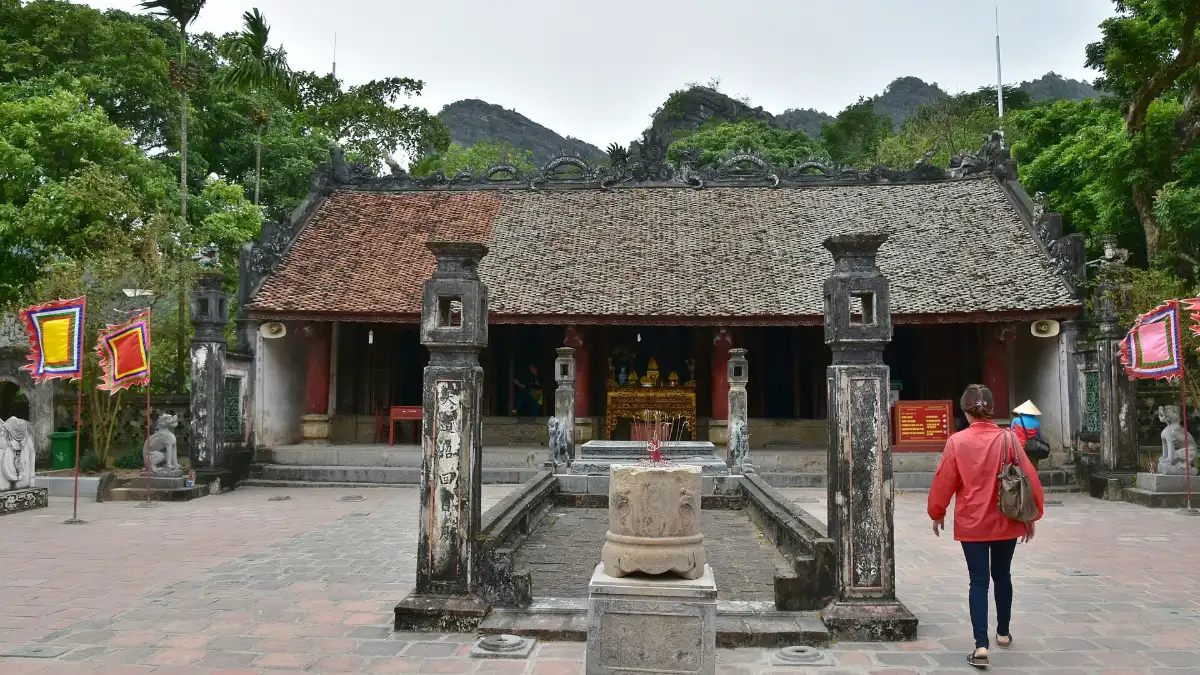
1. King Dinh Tien Hoang Temple
The larger temple stands on the site of the old main palace. Pass through the outer gates and courtyards to the main hall, where a statue of King Dinh is flanked by his sons. Look for the stone dragon bed in front of the hall and the finely carved wooden beams.
2. King Le Dai Hanh Temple
About 300 m north of the Dinh temple, the Le Dai Hanh temple is smaller and quieter, with a statue of the king, his queen Duong Van Nga and their son. Its wooden carvings are considered among the finest of the 17th century.
3. Remains of the citadel
Sections of the earthen walls and palace foundations found by archaeologists can be seen in the relic area, with small displays explaining the excavations.
4. Ma Yen Mountain and King Dinh’s tomb
Opposite the Dinh temple, a steep stairway climbs Ma Yen Mountain to King Dinh Tien Hoang’s tomb. The climb takes about 15–20 minutes and gives a view over the temples and valley.
5. Nhat Tru Pagoda
Near the Le temple, Nhat Tru (“One Pillar”) Pagoda has an old octagonal stone pillar carved with Buddhist sutras in its courtyard, linked to the reign of Le Dai Hanh.
6. The Hoa Lu Festival
Held each spring in the 3rd lunar month, the festival includes a water procession, rituals at both temples, boat races and folk games. In 2026 it took place from 25 to 27 April.
Hoa Lu Tickets and Opening Hours (2026)
| Item | Details |
|---|---|
| Adults | 20,000 VND (about US$0.80) |
| Children 6 – 15, seniors 60+ and disabled visitors | 10,000 VND |
| Opening hours | About 7:00/8:00 – 17:00 daily |
| Guide | Local guides can be hired at the gate; or book a guided tour |
| Electric cart or bicycle | Available locally for the approach road |
Fees follow the list on the Ninh Binh tourism portal and may change.
How to Visit Hoa Lu, Step by Step
- Park at the main gate and buy your ticket.
- Walk to the King Dinh Tien Hoang Temple first and explore its courtyards.
- Climb Ma Yen Mountain to King Dinh’s tomb if you have energy.
- Walk about 300 m to the King Le Dai Hanh Temple and Nhat Tru Pagoda.
- Return to the gate and continue to Trang An or Mua Cave.
Etiquette at the Hoa Lu Temples
- Cover shoulders and knees; these are active places of worship.
- Do not step on the raised thresholds of temple doors.
- Ask before photographing worshippers or altars inside the halls.
- Speak quietly and do not touch the statues or offerings.
How to Get to Hoa Lu Ancient Capital
| From | How | Time |
|---|---|---|
| Hanoi | Private car or day tour | About 2 hours |
| Ninh Binh centre | Taxi, Grab or motorbike | About 20 minutes |
| Trang An wharf | Bicycle, motorbike or taxi | About 10 minutes |
| Tam Coc village | Motorbike or taxi | About 20 – 25 minutes |
See our Ninh Binh transport guide for trains, buses and transfers.
Best Time to Visit Hoa Lu Ancient Capital
| When | What to expect |
|---|---|
| Spring (February – April) | Pleasant weather; Hoa Lu Festival in the 3rd lunar month |
| May – August | Hot and humid; visit early |
| September – November | Dry, clear and comfortable |
| December – January | Cool and quiet; busy around Tet |
| Time of day | Morning before tour groups, or after 15:00 |
Local Expert Tips for Hoa Lu Ancient Capital
These tips come from years of arranging Ninh Binh tours for international travellers.
- A guide makes a real difference here; the history is not obvious from the buildings.
- Cycle from Trang An or Tam Coc along the quiet country roads.
- Visit before the Trang An boat when the temples are cool and quiet.
- Carry small change for the ticket and drinks.
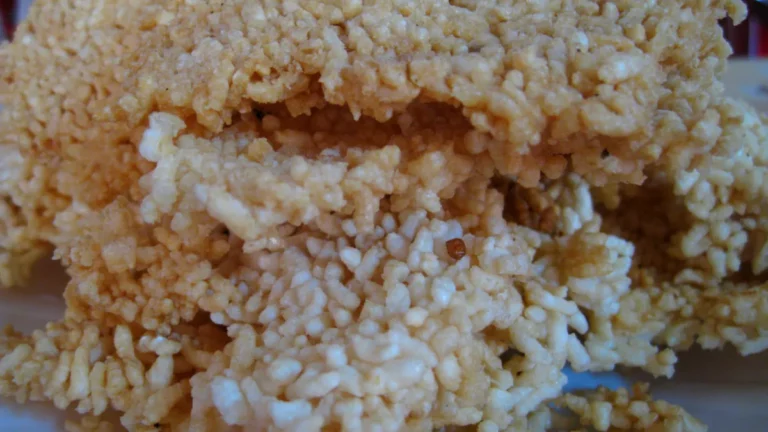
- Pair it with lunch nearby; our guide to Ninh Binh dishes explains goat meat and crispy rice.
Hoa Lu Ancient Capital vs the Imperial Citadel of Thang Long
| Hoa Lu | Thang Long Citadel (Hanoi) | |
|---|---|---|
| Capital period | 968 – 1010 | From 1010, for most of the next eight centuries |
| What you see | Two royal temples in a karst valley | Gates, palace foundations, excavations |
| Setting | Countryside, mountains | Central Hanoi |
| Ticket | 20,000 VND | See our Thang Long guide |
| UNESCO | Part of Trang An (2014) | Central Sector, inscribed 2010 |
Our view: see both to follow the story: Hoa Lu where the independent state began, then the Imperial Citadel of Thang Long where the capital moved in 1010.
Nearby Attractions
- Trang An boat trip: caves and island temples, about 10 minutes away.
- Mua Cave: the best viewpoint in Ninh Binh.
- Bai Dinh Pagoda: a huge Buddhist complex west of Trang An.
- Tam Coc: river, rice fields and three caves.
- Thung Nham: birds, caves and gardens.
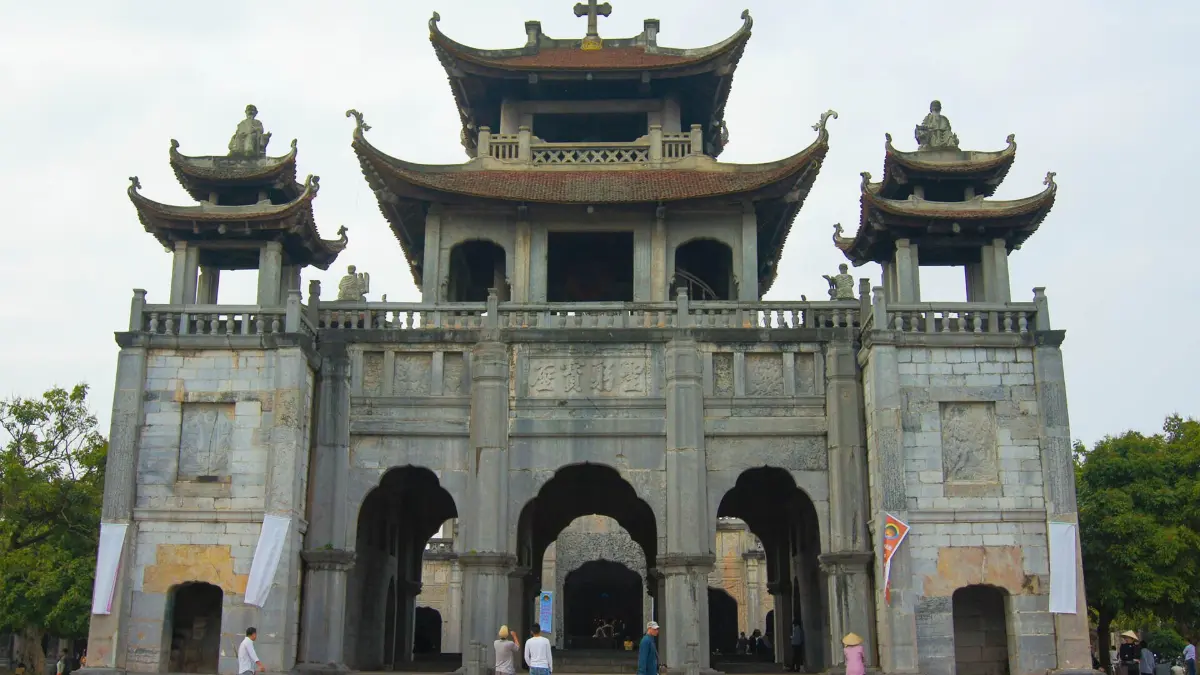
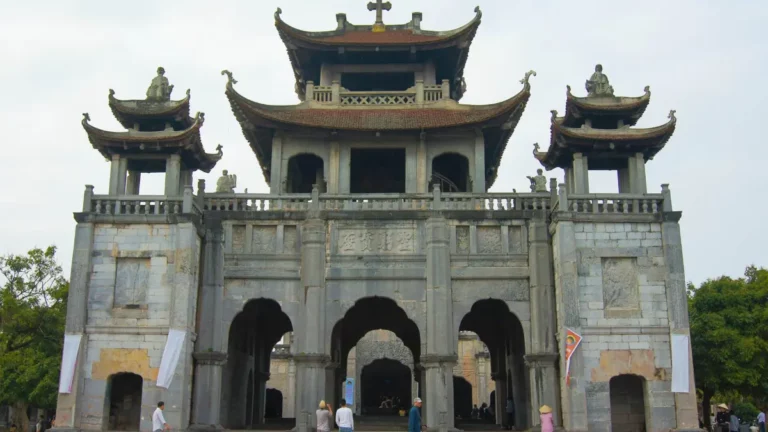
- Phat Diem Cathedral: a unique stone-and-wood cathedral further south.
Sightseeing in Ninh Binh for First-Time Visitors: Where Hoa Lu Fits
One day from Hanoi? Hoa Lu in the morning, the Trang An boat at midday and Mua Cave for sunset is the classic loop. Two days? Add Tam Coc, Bai Dinh and Thung Nham, and stay in one of the places in our Ninh Binh accommodation guide. Read our Ninh Binh travel tips before you go.
Plan your trip with our Ninh Binh travel guide and Ninh Binh tours. Contact Vietnam Tour Expert Team for a free custom itinerary.
Frequently Asked Questions about Hoa Lu Ancient Capital
1. Where is Hoa Lu Ancient Capital?
Hoa Lu Ancient Capital is in Tay Hoa Lu Ward (Truong Yen area), Ninh Binh province, about 12 km from central Ninh Binh and 90–95 km from Hanoi.
2. How much is the Hoa Lu ticket?
The Hoa Lu ticket is 20,000 VND per adult and 10,000 VND for children 6–15 and seniors.
3. What are Hoa Lu opening hours?
Hoa Lu Ancient Capital is open daily from about 7:00/8:00 to 17:00.
4. When was Hoa Lu the capital of Vietnam?
Hoa Lu was the capital from 968 to 1010, under the Dinh and Early Le dynasties.
5. Why was Hoa Lu chosen as the capital?
Hoa Lu was Dinh Bo Linh’s home region, and its limestone mountains formed a natural fortress that was easy to defend.
6. Why did the capital move from Hoa Lu?
In 1010 King Ly Thai To moved the capital from Hoa Lu to Thang Long (Hanoi), which had more space and better access by river.
7. Is Hoa Lu Ancient Capital worth visiting?
Yes, Hoa Lu is worth an hour for its temples and history, especially combined with Trang An or Mua Cave.
8. How long do I need at Hoa Lu?
Allow about 1–1.5 hours at Hoa Lu, or longer if you climb to King Dinh’s tomb.
9. Is Hoa Lu part of a UNESCO site?
Yes. Hoa Lu Ancient Capital is one of the three components of the Trang An Landscape Complex, inscribed in 2014.
10. What is the dress code at Hoa Lu temples?
At the Hoa Lu temples cover shoulders and knees and remove hats inside the halls.
11. When is the Hoa Lu Festival?
The Hoa Lu Festival takes place in the 3rd lunar month; in 2026 it ran from 25 to 27 April.
12. How far is Hoa Lu from Trang An?
Hoa Lu is only about 4–5 km from the Trang An wharf, around 10 minutes by car or bicycle; see our Trang An guide.
13. Can I visit Hoa Lu on a day trip from Hanoi?
Yes, Hoa Lu is about 2 hours from Hanoi and is included in most Ninh Binh day tours.
14. Who was buried at Hoa Lu?
King Dinh Tien Hoang’s tomb is on Ma Yen Mountain at Hoa Lu, and King Le Dai Hanh’s tomb lies at the foot of the mountain.
15. Do I need a guide at Hoa Lu?
A guide is not required at Hoa Lu, but it helps you understand the history behind the temples.
16. Is Hoa Lu Ancient Capital the same as the Hoa Lu old quarter?
No. The Hoa Lu Ancient Capital is the historic temple site in Truong Yen, while the newer lantern-lit “Hoa Lu old quarter” is a separate leisure area in central Ninh Binh.
Related Posts
Phat Diem Cathedral: Vietnam’s Pagoda-Style Stone Cathedral in Ninh Binh (2026 Guide)
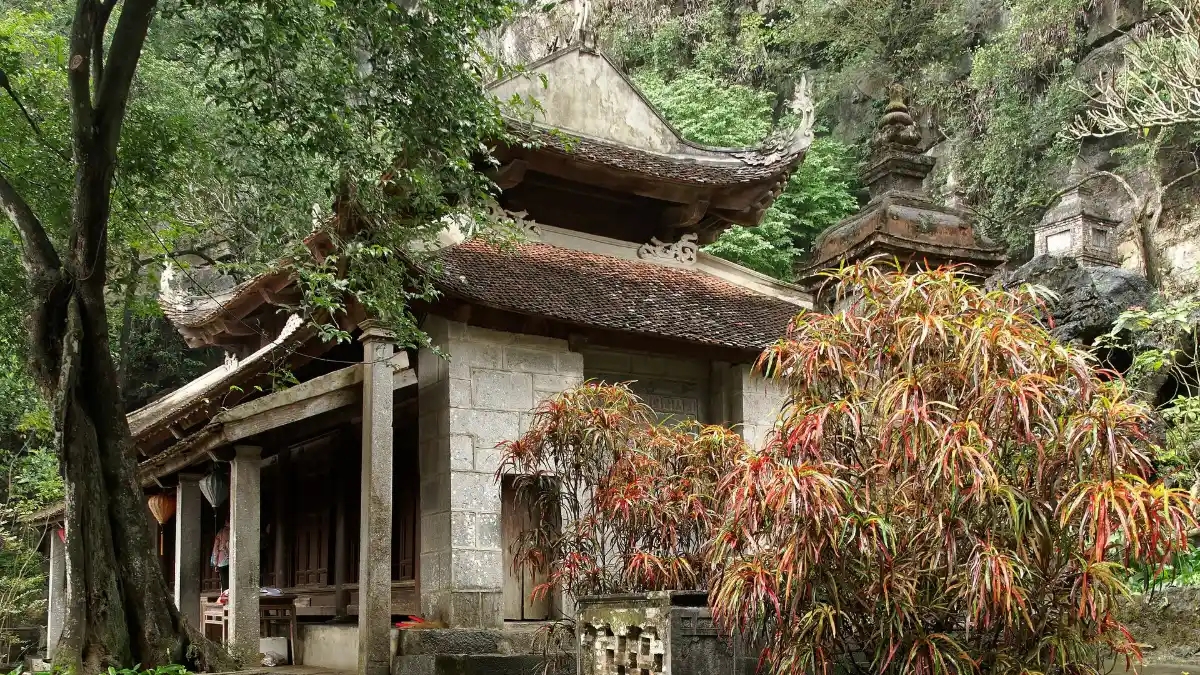
Bich Dong Pagoda: The Three-Level Cave Pagoda Near Tam Coc, Ninh Binh (2026)

Ninh Binh Travel Tips: Itineraries, Best Time & Things to Know (2026)
Where to Stay in Ninh Binh: Best Areas, Homestays & Resorts (2026)

Ninh Binh Transportation: Hanoi to Ninh Binh & Getting Around (2026 Guide)