Vietnam Fine Arts Museum: Lacquer, Silk & National Treasures – Hanoi Visitor Guide (2026)
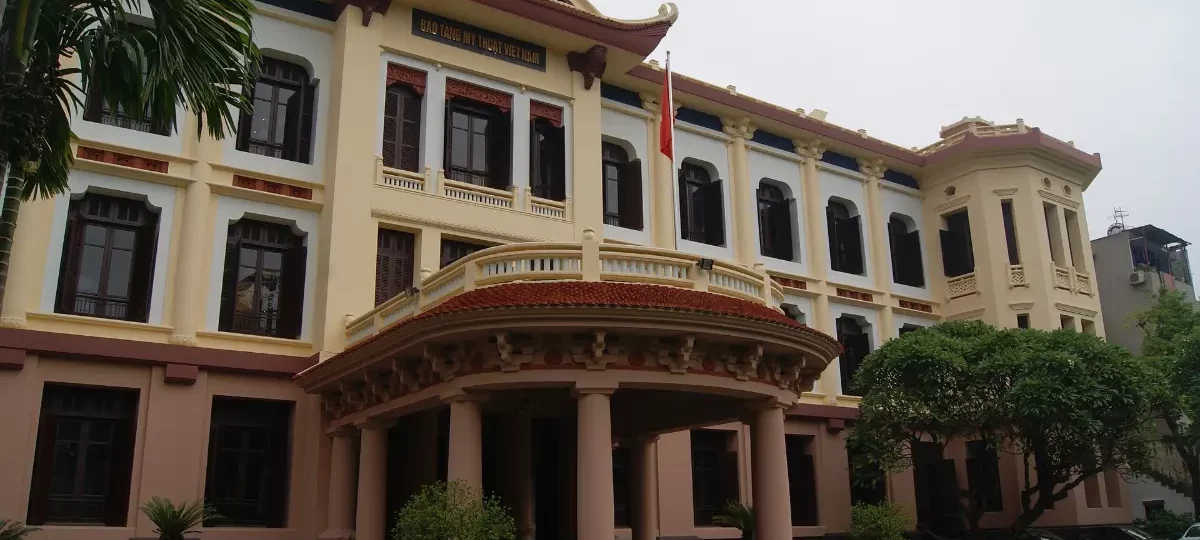
The Vietnam Fine Arts Museum (Bảo tàng Mỹ thuật Việt Nam) at 66 Nguyen Thai Hoc Street, opposite the Temple of Literature, is Vietnam’s national art museum. Opened in 1966 in a 1930s French colonial building, it holds over 20,000 works, from Dong Son bronzes and Buddhist statues to 20th-century lacquer and silk painting. Open daily 8:30–17:00; tickets 40,000 VND.
Status (checked October 2026): open daily as normal, 8:30–17:00. Adult tickets are 40,000 VND, and an audio guide (50,000 VND for adults) is available in several languages including English and French.
Why the Vietnam Fine Arts Museum is worth seeing:
- National treasures: at least nine, including To Ngoc Van’s “Two Girls and a Child” and the 16th-century Avalokiteshvara statue from Hoi Ha Pagoda.
- Vietnamese lacquer painting: masterpieces by Nguyen Gia Tri, Nguyen Sang, Duong Bich Lien and Nguyen Tu Nghiem.
- Two thousand years of art: prehistoric and Dong Son art, Champa sculpture, pagoda statues, folk prints and ceramics.
- A handsome colonial building with over 3,000 m² of galleries on three floors.
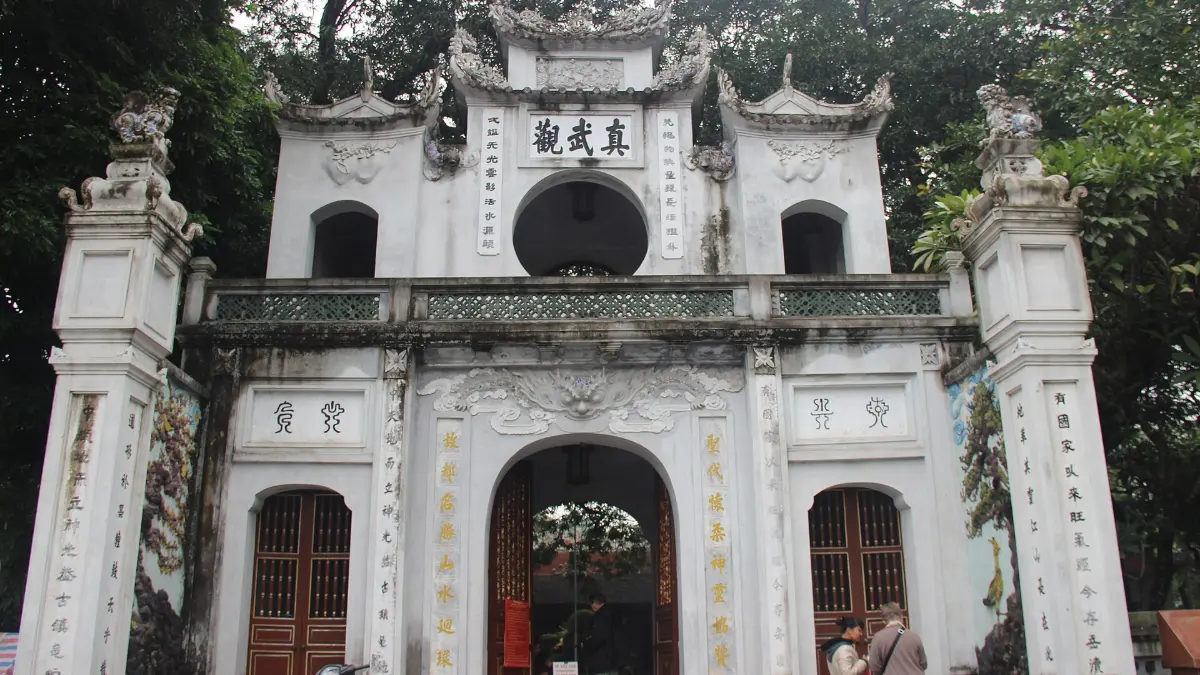
- Easy to combine: directly opposite the Temple of Literature.
Vietnam Fine Arts Museum at a Glance
| Vietnamese name | Bảo tàng Mỹ thuật Việt Nam |
|---|---|
| Location | 66 Nguyen Thai Hoc Street, Ba Dinh Ward, Hanoi (opposite the Temple of Literature) |
| Distance | About 2 km west of Hoan Kiem Lake; about 1.2 km from the Ho Chi Minh Mausoleum |
| Known for | Lacquer and silk painting, Buddhist sculpture, Champa art, national treasures |
| Collection | Over 20,000 works; about one-ninth on permanent display |
| Opening hours | Daily 8:30–17:00 |
| Entrance fee | 40,000 VND adults (about US$1.50); 20,000 VND students; 10,000 VND ages 6–16; under-6s free |
| Time needed | 1.5–2 hours |
| Best time | Mornings, right after the Temple of Literature; any season |
| Nearby | Temple of Literature, Ho Chi Minh Mausoleum, Imperial Citadel, Hanoi Flag Tower |
| Find it | Google Maps · Tripadvisor · Official website |
Is the Vietnam Fine Arts Museum Worth Visiting?
Yes, especially for anyone interested in art, crafts or Buddhist sculpture. It is the best place in Vietnam to see how Vietnamese art developed, and the 20th-century lacquer paintings are unlike anything you will see in Western museums. It is usually calm and uncrowded, a peaceful contrast to the busy Temple of Literature across the road.
- Best for: art lovers, photographers, craft enthusiasts and repeat visitors to Hanoi.
- Skip if: you have only one day and prefer history or street life; the National Museum of History gives a broader overview.
- Short on time: head for the pagoda sculpture rooms and the 20th-century lacquer and oil paintings (about 1 hour).
History of the Vietnam Fine Arts Museum
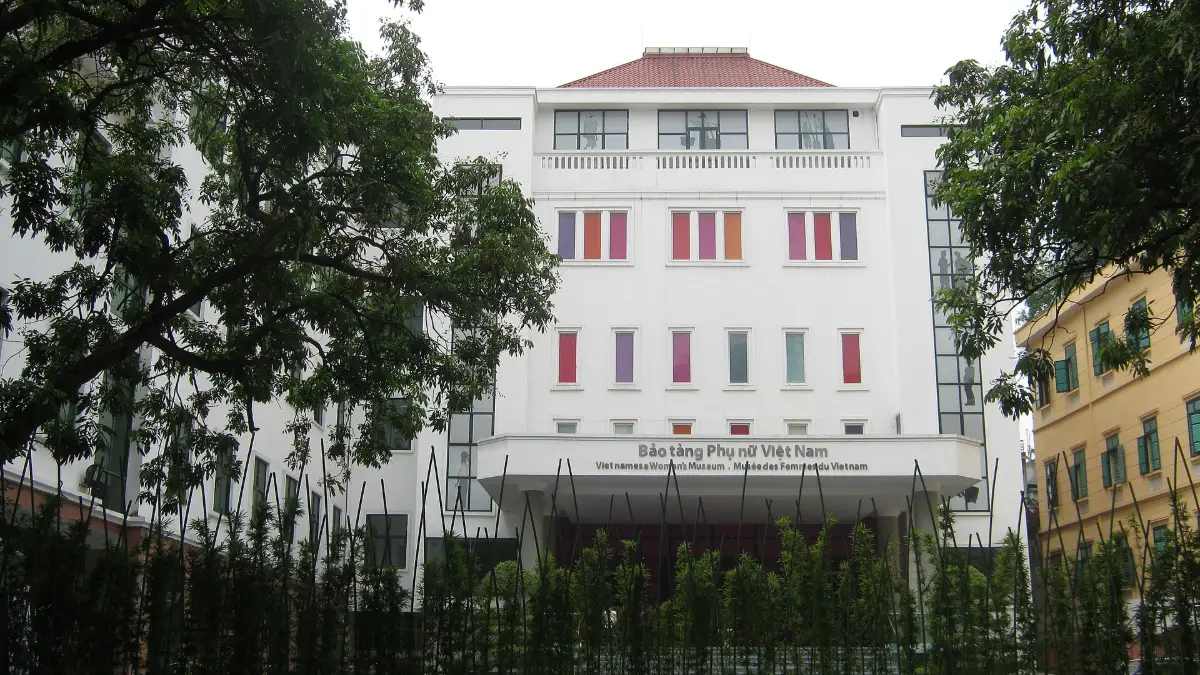
The building was built in 1937, during the French colonial period, as a boarding house for the daughters of French officials studying in Hanoi. After 1954 it housed the Polish delegation (1957–1960) and then Soviet experts (1960–1962). In 1962 it was handed to the Ministry of Culture to be converted into an art museum, which was founded on 24 June 1966. The galleries were enlarged in the 1990s to more than 3,000 m², a children’s creative space opened in 2011, and a second building in the Hoang Cau area has been used for storage and exhibitions since the late 2010s.
What to See at the Vietnam Fine Arts Museum
1. Prehistoric and Dong Son art
The visit starts with stone tools, pottery and Bronze Age objects, including Dong Son drums and ornaments, showing the earliest artistic traditions of the Red River Delta.
2. Buddhist and pagoda sculpture (11th–19th centuries)
Wooden and stone statues from northern pagodas fill several rooms. The highlight is the lacquered wooden statue of Avalokiteshvara (Quan Am) from Hoi Ha Pagoda, a 16th-century national treasure, and the statue of Queen Trinh Thi Ngoc Truc from Mat Pagoda in Thanh Hoa.
3. Carved wood and village architecture
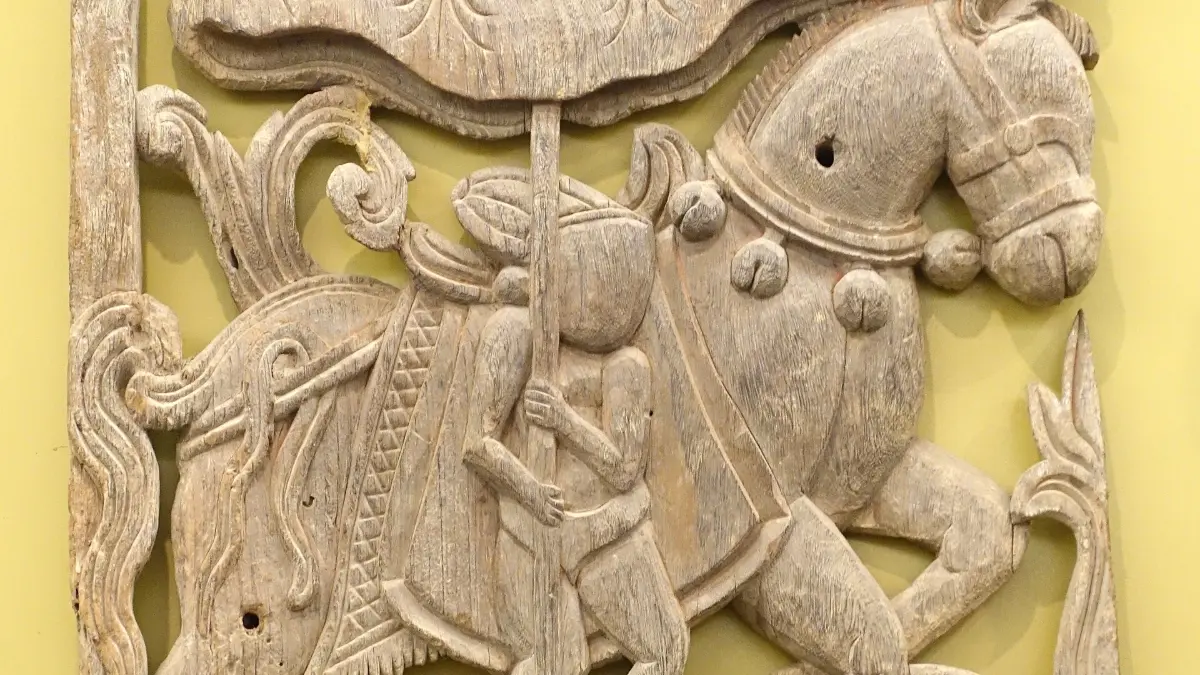
Carved panels, doors and decorative elements from communal houses and pagodas show the skill of Vietnamese woodcarvers. Look for the pair of dragon-carved doors from Keo Pagoda in Thai Binh, recognised as a national treasure in 2017.
4. Champa sculpture
Sandstone figures of Hindu deities, apsaras and mythical animals from the Champa kingdom of central Vietnam, with smaller works linked to the Oc Eo (Funan) culture of the south.
5. 20th-century painting: lacquer, silk and oil
This is the museum’s most celebrated collection: works by graduates of the Indochina College of Fine Arts and later artists. National treasures here include To Ngoc Van’s oil painting “Two Girls and a Child”, Tran Van Can’s “Little Sister Thuy” (1943), Nguyen Sang’s lacquer “Party Admission Ceremony at Dien Bien Phu” (1963), Duong Bich Lien’s lacquer “Uncle Ho in the Viet Bac War Zone”, Nguyen Gia Tri’s lacquer standing screen and Nguyen Tu Nghiem’s lacquer “Saint Giong”. Works by Bui Xuan Phai, famous for his Hanoi street scenes, are also on show.
6. Folk art and ceramics
Dong Ho and Hang Trong woodblock prints, ethnic minority textiles, mother-of-pearl inlay and Vietnamese ceramics from the 11th to 20th centuries complete the visit.
Vietnam Fine Arts Museum Tickets and Opening Hours (2026)
| Item | Details |
|---|---|
| Adults | 40,000 VND (about US$1.50) |
| Students | 20,000 VND |
| Children 6–16 | 10,000 VND |
| Children under 6, people with severe disabilities | Free |
| Audio guide | 50,000 VND adults, 30,000 VND students; English, French, Spanish, Italian, German, Japanese, Korean, Chinese, Vietnamese |
| Guided tour | 150,000 VND per group (up to 25 people) |
| Children’s creative space (ages 5–15) | 50,000 VND |
| Opening hours | Daily 8:30–17:00 |
Prices are set by the museum; check the official website for current exhibitions and any changes.
How to Visit the Vietnam Fine Arts Museum, Step by Step
- Buy your ticket and the audio guide at the entrance on Nguyen Thai Hoc Street.
- Start with prehistoric art and pagoda sculpture, following the chronological route.
- Continue to the 20th-century painting galleries; allow most of your time here.
- Finish with folk art and ceramics, then the museum shop.
- Have a drink in the courtyard café, then cross the road to the Temple of Literature.
How to Get to the Vietnam Fine Arts Museum
| From | How | Time |
|---|---|---|
| Hoan Kiem Lake / Old Quarter | Grab or taxi (about 2 km) | 10 minutes |
| Temple of Literature | Cross Nguyen Thai Hoc Street from the temple’s north side | 2–5 minutes on foot |
| Ho Chi Minh Mausoleum | Walk via Hung Vuong and Nguyen Thai Hoc (about 1.2 km) or Grab | 15 minutes / 5 minutes |
| Hanoi Railway Station | Walk west along Nguyen Thai Hoc (about 1 km) | 12–15 minutes |
See our guide to getting around Hanoi.
Best Time to Visit the Vietnam Fine Arts Museum
| When | What to expect |
|---|---|
| Any month | Indoor galleries: ideal in summer heat and rain (May–September) or winter drizzle |
| 8:30–10:30 | Quiet galleries; pair with an early Temple of Literature visit |
| Afternoon | Calm, a good break from the midday heat |
| Exhibition openings | The museum hosts changing exhibitions and events through the year |
Local Expert Tips for the Vietnam Fine Arts Museum
These tips come from years of arranging Hanoi tours for international travellers.
- Take the audio guide: labels are brief, and the stories behind the lacquer paintings make the visit.
- Visit the Temple of Literature first at 8:00 before the crowds, then the museum when the temple gets busy.
- Look closely at lacquer paintings from an angle: the layered gold, silver and eggshell catch the light.
- Families: the children’s creative space runs art activities for ages 5–15.
- If you want to buy art, the museum shop and the galleries of the Old Quarter sell reproductions and contemporary work; see our Hanoi shopping guide.
Vietnam Fine Arts Museum vs Vietnam National Museum of History
| Vietnam Fine Arts Museum | National Museum of History | |
|---|---|---|
| Location | Opposite the Temple of Literature | Behind the Opera House, near Hoan Kiem Lake |
| Focus | Art: sculpture, painting, crafts | History: archaeology, dynasties, wars |
| Highlights | Lacquer masterpieces, pagoda statues | Dong Son drums, Champa sculpture, Nguyen treasures |
| Ticket | 40,000 VND | 40,000 VND |
| Opening | Daily 8:30–17:00 | 8:00–12:00, 13:30–17:00; generally closed Mondays |
Our view: choose the Fine Arts Museum if you love art and want a calm, beautiful visit near the Temple of Literature; choose the National Museum of History for a broader historical overview. Both together make a rewarding museum day.
Nearby Attractions
- Temple of Literature: across the road.
- Ho Chi Minh Mausoleum: about 1.2 km.
- Imperial Citadel of Thang Long and the Flag Tower: about 1 km.
- Quan Thanh Temple: about 2 km north.
- Hoa Lo Prison Museum: about 1.5 km east.
- Hoan Kiem Lake: about 2 km east.
Sightseeing in Hanoi for First-Time Visitors: Where the Vietnam Fine Arts Museum Fits
An art and culture day: start at the Temple of Literature at 8:00, spend mid-morning at the Fine Arts Museum, lunch nearby, then visit the Imperial Citadel and end with a stroll around Hoan Kiem Lake and dinner from our Hanoi food guide. Check our Hanoi travel tips before you go.
Plan your trip with our Hanoi travel guide and Hanoi tours. Contact Vietnam Tour Expert Team for a free custom itinerary.
Frequently Asked Questions about Vietnam Fine Arts Museum
1. How much is the ticket for the Vietnam Fine Arts Museum?
Adult tickets for the Vietnam Fine Arts Museum cost 40,000 VND; students pay 20,000 VND, children aged 6–16 pay 10,000 VND and under-6s are free.
2. What are the opening hours of the Vietnam Fine Arts Museum?
The Vietnam Fine Arts Museum is open daily from 8:30 to 17:00.
3. Where is the Vietnam Fine Arts Museum?
The Vietnam Fine Arts Museum is at 66 Nguyen Thai Hoc Street, Ba Dinh Ward, directly opposite the Temple of Literature.
4. Is the Vietnam Fine Arts Museum worth visiting?
Yes. The Vietnam Fine Arts Museum has Vietnam’s finest collection of lacquer painting and pagoda sculpture and is calm and inexpensive.
5. How long should I spend at the Vietnam Fine Arts Museum?
Allow 1.5–2 hours at the Vietnam Fine Arts Museum, or about 1 hour for the main highlights.
6. Does the Vietnam Fine Arts Museum have an audio guide?
Yes. The Vietnam Fine Arts Museum audio guide costs 50,000 VND for adults and 30,000 VND for students, in nine languages including English.
7. What national treasures are in the Vietnam Fine Arts Museum?
The Vietnam Fine Arts Museum holds at least nine national treasures, including To Ngoc Van’s “Two Girls and a Child” and the Hoi Ha Pagoda Avalokiteshvara statue.
8. When did the Vietnam Fine Arts Museum open?
The Vietnam Fine Arts Museum was founded on 24 June 1966 in a building constructed in 1937.
9. What is the Vietnam Fine Arts Museum famous for?
The Vietnam Fine Arts Museum is famous for 20th-century lacquer and silk paintings, Buddhist statues, Champa sculpture and folk art.
10. How many works does the Vietnam Fine Arts Museum have?
The Vietnam Fine Arts Museum preserves over 20,000 works, with about one-ninth on permanent display.
11. Can I take photos in the Vietnam Fine Arts Museum?
Photography without flash is generally allowed in the permanent galleries of the Vietnam Fine Arts Museum; follow signs in special exhibitions.
12. Is the Vietnam Fine Arts Museum near the Temple of Literature?
Yes. The Vietnam Fine Arts Museum is directly across Nguyen Thai Hoc Street from the Temple of Literature, a two-minute walk.
13. Is the Vietnam Fine Arts Museum good for children?
Yes. The Vietnam Fine Arts Museum runs a creative space with art activities for children aged 5–15 (50,000 VND).
14. Is the Vietnam Fine Arts Museum open on Mondays?
Yes. The Vietnam Fine Arts Museum is open every day, including Mondays, from 8:30 to 17:00.
15. How do I get to the Vietnam Fine Arts Museum from the Old Quarter?
The Vietnam Fine Arts Museum is about 2 km from the Old Quarter: 10 minutes by Grab or taxi. See our Hanoi transport guide.
16. Does the Vietnam Fine Arts Museum have a café?
Yes. The Vietnam Fine Arts Museum has a café in its grounds, a pleasant place for a break.
Related Posts
Hanoi Egg Coffee (2026): Best Cafés, Prices, History & Recipe
Hanoi Train Street (2026): Is It Open? Train Times, Cafés & Rules
Hanoi Shopping Guide: Best Markets, Streets & Souvenirs to Buy (2026)
Hanoi Travel Tips: Essential Things to Know Before You Go (2026)
Hanoi Transportation: How to Get Around Hanoi & From Noi Bai Airport (2026 Guide)