Vietnam National Museum of History: Bronze Drums to Royal Treasures – Hanoi Guide (2026)
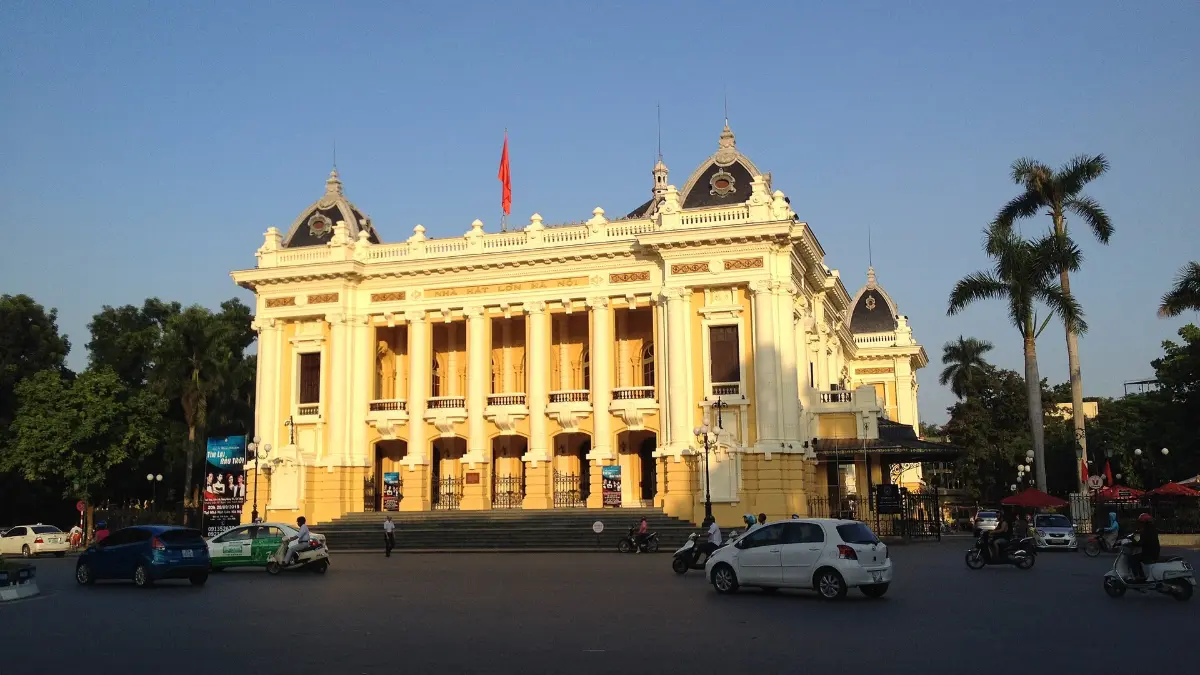
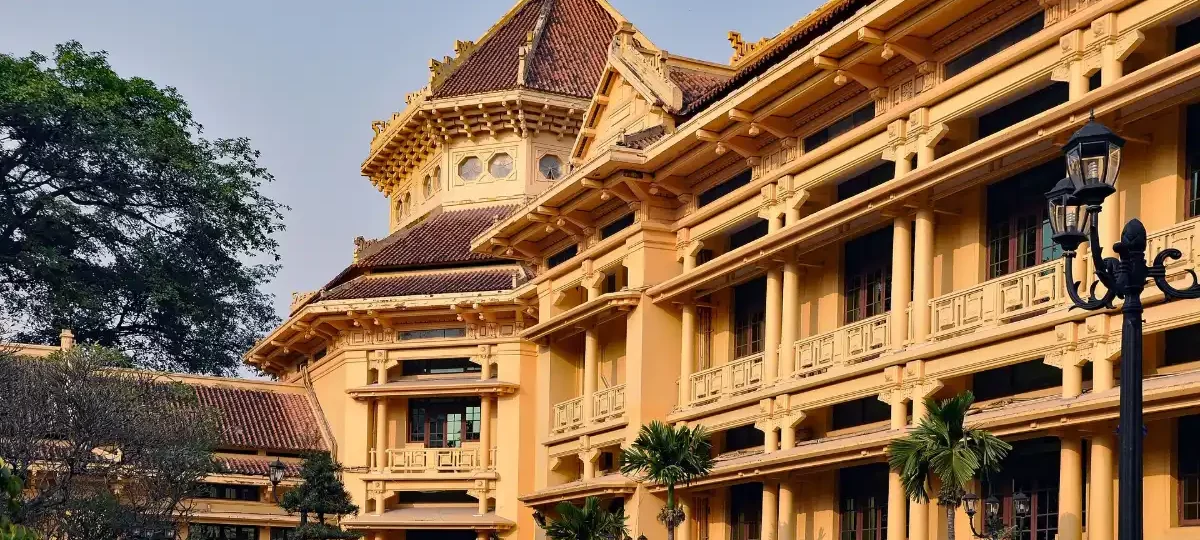
The Vietnam National Museum of History (Bảo tàng Lịch sử Quốc gia) is Hanoi’s main history museum, with about 200,000 items from the Stone Age and Dong Son bronze drums to Champa sculpture and Nguyen dynasty treasures. Its main building at 1 Trang Tien Street, behind the Opera House, is a 1920s–1930s Indochinese-style landmark. One ticket (40,000 VND) covers both buildings.
Status (checked October 2026): open as normal, 8:00–12:00 and 13:30–17:00; the museum is generally closed on Mondays (the official site also mentions closures on the first Monday of the month), and it stays open when a public holiday falls on a Monday. Adult tickets are 40,000 VND for both buildings.
Why the Vietnam National Museum of History is worth seeing:
- The whole story of Vietnam: from prehistoric tools to the August Revolution of 1945 and beyond, in one place.
- Dong Son bronze drums: the most famous symbols of ancient Vietnamese culture.
- Champa stone sculpture: Hindu and Buddhist carvings from central Vietnam’s ancient kingdom.
- A beautiful building: the former Louis Finot Museum of the French School of the Far East, redesigned in 1925–1932.
- Central and inexpensive: 600 m from Hoan Kiem Lake, 40,000 VND.
Vietnam National Museum of History at a Glance
| Vietnamese name | Bảo tàng Lịch sử Quốc gia |
|---|---|
| Location | Building 1: 1 Trang Tien Street; Building 2: 216 Tran Quang Khai Street, Hoan Kiem area, Hanoi |
| Distance | About 600 m from Hoan Kiem Lake; right behind the Hanoi Opera House |
| Known for | Dong Son bronze drums, Champa sculpture, Nguyen dynasty royal objects, Indochinese architecture |
| Collection | About 200,000 artefacts and documents |
| Opening hours | 8:00–12:00 and 13:30–17:00; generally closed on Mondays |
| Entrance fee | 40,000 VND adults (about US$1.50); 20,000 VND university students; 10,000 VND pupils; under-6s free |
| Time needed | 1.5–2.5 hours for both buildings |
| Best time | Opening time (8:00 or 13:30); any season, as it is indoors |
| Nearby | Hanoi Opera House, Hoan Kiem Lake, Vietnamese Women’s Museum, Hoa Lo Prison |
| Find it | Google Maps · Tripadvisor · Official website |
Is the Vietnam National Museum of History Worth Visiting?
Yes, it is the best single introduction to Vietnam’s past. Before you explore the Imperial Citadel, the Temple of Literature or Hue and Hoi An, an hour here gives the context of dynasties, kingdoms and cultures. The building itself is one of Hanoi’s finest pieces of colonial-era architecture.
- Best for: history and archaeology lovers, architecture fans, and anyone travelling the length of Vietnam.
- Skip if: museums are not your thing; the Old Quarter and Hoan Kiem Lake are just around the corner.
- Short on time: see only Building 1 at 1 Trang Tien (about 1 hour): bronze drums, Champa sculpture and the Nguyen dynasty rooms.
History of the Vietnam National Museum of History
The Louis Finot Museum (1910–1958)
The museum began as the Musée Louis Finot of the École française d’Extrême-Orient (EFEO, the French School of the Far East), which opened in 1910. Between 1925 and 1932 the building was redesigned by architects Ernest Hébrard and Charles Batteur in the “style Indochinois”, combining a French layout with Vietnamese and Asian elements such as tiered roofs, an octagonal tower and wooden-style brackets cast in concrete.
The Vietnam History Museum (1958)
After 1954 the government of North Vietnam took over the building, and it opened as the Vietnam History Museum on 3 September 1958.
The national museum (2011)
In 2011 the Vietnam History Museum merged with the Vietnam Revolution Museum to form today’s National Museum of History. The second building at 216 Tran Quang Khai, originally the French Indochina Customs headquarters and a museum since the 1950s, now covers the period from the mid-19th century onwards.
What to See at the Vietnam National Museum of History
1. The building and central hall
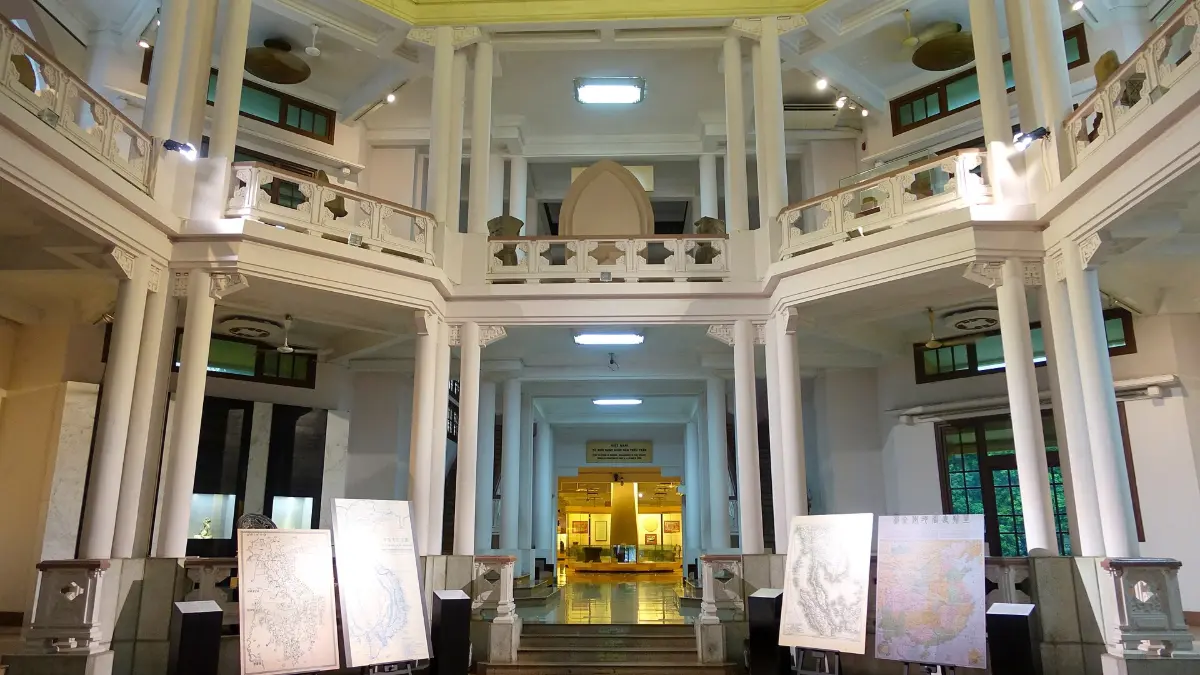
Before going in, look at the façade from Trang Tien Street. Inside, the octagonal central hall beneath the tower is the architectural highlight, with its layered roofs visible from below.
2. Prehistoric Vietnam
Stone tools, pottery and burial objects from the Paleolithic and Neolithic, including finds from the Hoa Binh and Bac Son cultures, trace human life in Vietnam back tens of thousands of years.
3. Dong Son bronze drums
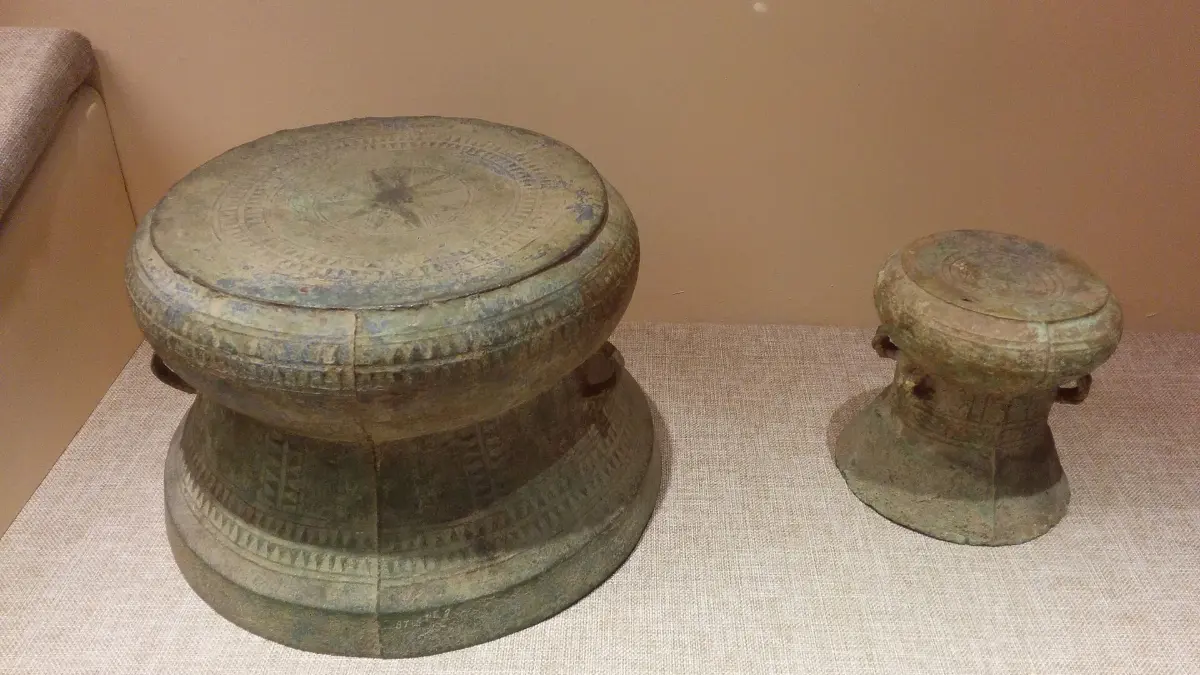
The museum’s best-known objects are the Dong Son bronze drums, decorated with stars, birds, boats and scenes of daily life. The Ngoc Lu drum is the most famous and has been recognised as a national treasure.
4. The dynasties: Ly, Tran, Le and Nguyen
Ceramics, architectural pieces and weapons follow a thousand years of independent dynasties, including wooden stakes from the Bach Dang River battles against Mongol-Yuan invaders in 1288. The Nguyen rooms show royal objects of Vietnam’s last dynasty (1802–1945), including thrones, robes and seals.
5. Champa sculpture
A dedicated area displays sandstone sculptures of Hindu deities, dancers and mythical animals from the Champa kingdom, plus inscribed steles from central Vietnam.
6. Buddhist art
Look for the statue of the thousand-eyed, thousand-armed Avalokiteshvara (Quan Am) and other Buddhist statues, some of the finest religious sculpture in the collection.
7. Building 2: 216 Tran Quang Khai
The second building covers the struggle for independence from 1858 to 1945, the wars of 1945–1975 and national development after 1976, with documents, photos and personal objects.
Vietnam National Museum of History Tickets and Opening Hours (2026)
| Item | Details |
|---|---|
| Adult ticket (both buildings) | 40,000 VND (about US$1.50) |
| University and college students | 20,000 VND |
| School pupils | 10,000 VND |
| Free | Children under 6; people with disabilities under current regulations |
| 50% discount | The elderly and other groups under current regulations |
| Camera fee | 30,000 VND per camera; video 400,000 VND |
| Hours | 8:00–12:00 and 13:30–17:00 |
| Closed | Generally on Mondays (open if a public holiday falls on a Monday) |
Prices and hours are set by the museum; check the official ticket page before your visit.
How to Visit the Vietnam National Museum of History, Step by Step
- Buy your ticket at 1 Trang Tien; it is valid for both buildings on the same day.
- Pay the camera fee if you plan to take photos with a camera.
- Follow the chronological route: prehistory, Dong Son, dynasties, then Champa and Buddhist art.
- Cross Trang Tien and walk about 5 minutes to 216 Tran Quang Khai for the modern history galleries.
- Watch the clock: the museum closes between 12:00 and 13:30.
How to Get to the Vietnam National Museum of History
| From | How | Time |
|---|---|---|
| Hoan Kiem Lake | Walk east along Trang Tien Street (about 600 m) | 8–10 minutes |
| Old Quarter | Walk or Grab (1–1.5 km) | 15–20 minutes walking / 5 minutes by car |
| Hanoi Opera House | Walk around the back of the Opera House | 2–3 minutes |
| Ho Chi Minh Mausoleum | Grab or taxi (about 3 km) | 10–15 minutes |
More tips in our Hanoi transport guide.
Best Time to Visit the Vietnam National Museum of History
| When | What to expect |
|---|---|
| Any month | Indoors: a great rainy-day or hot-day choice (May–September) and in cold drizzle (January–March) |
| 8:00–10:00 | Quiet before school groups arrive |
| 13:30–15:00 | Good after lunch near Hoan Kiem Lake |
| 18 May (International Museum Day) | Free admission is sometimes offered; busier |
Local Expert Tips for the Vietnam National Museum of History
These tips come from years of arranging Hanoi tours for international travellers.
- Visit early in your trip: the museum makes the Imperial Citadel, Hue and My Son much easier to understand.
- Do not arrive at 11:30: you will only have 30 minutes before the lunch closure.
- Combine it with the Hanoi Opera House and the French Quarter boulevards for an architecture walk.
- If time is short, skip Building 2 and spend your time on the archaeology and Champa collections in Building 1.
- Stop for ice cream at Trang Tien afterwards, a Hanoi tradition; see our Hanoi food guide.
Vietnam National Museum of History vs Vietnam Military History Museum
| National Museum of History | Military History Museum | |
|---|---|---|
| Location | French Quarter, 600 m from Hoan Kiem Lake | Thang Long Avenue, 13–15 km west |
| Focus | Prehistory, dynasties, culture and art | Wars, weapons and campaigns |
| Highlights | Bronze drums, Champa sculpture, Nguyen treasures | MiG-21s, tanks, B-52 wreckage |
| Ticket | 40,000 VND | 40,000 VND |
| Closed | Generally Mondays | Mondays and Fridays |
Our view: for most visitors the National Museum of History is the better choice: it is central, covers far more of Vietnam’s story and pairs well with other French Quarter sights. Choose the Military History Museum for a dedicated war-history half-day.
Nearby Attractions
- Hanoi Opera House: next door.
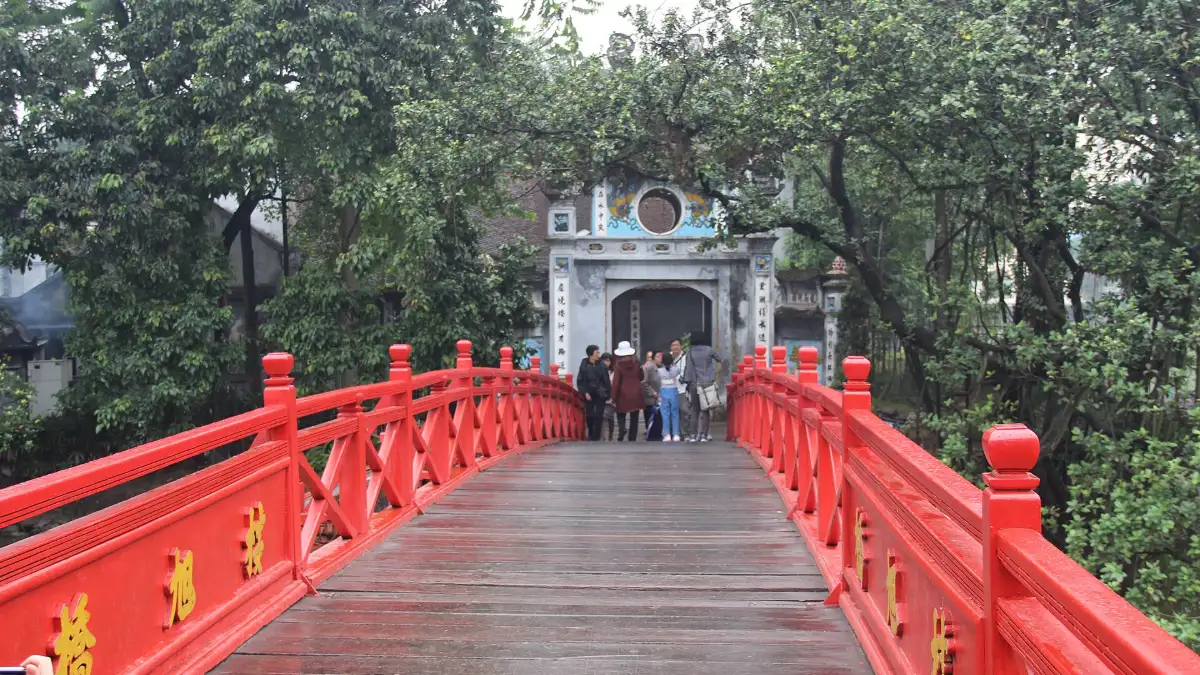
- Hoan Kiem Lake and Ngoc Son Temple: about 600 m.
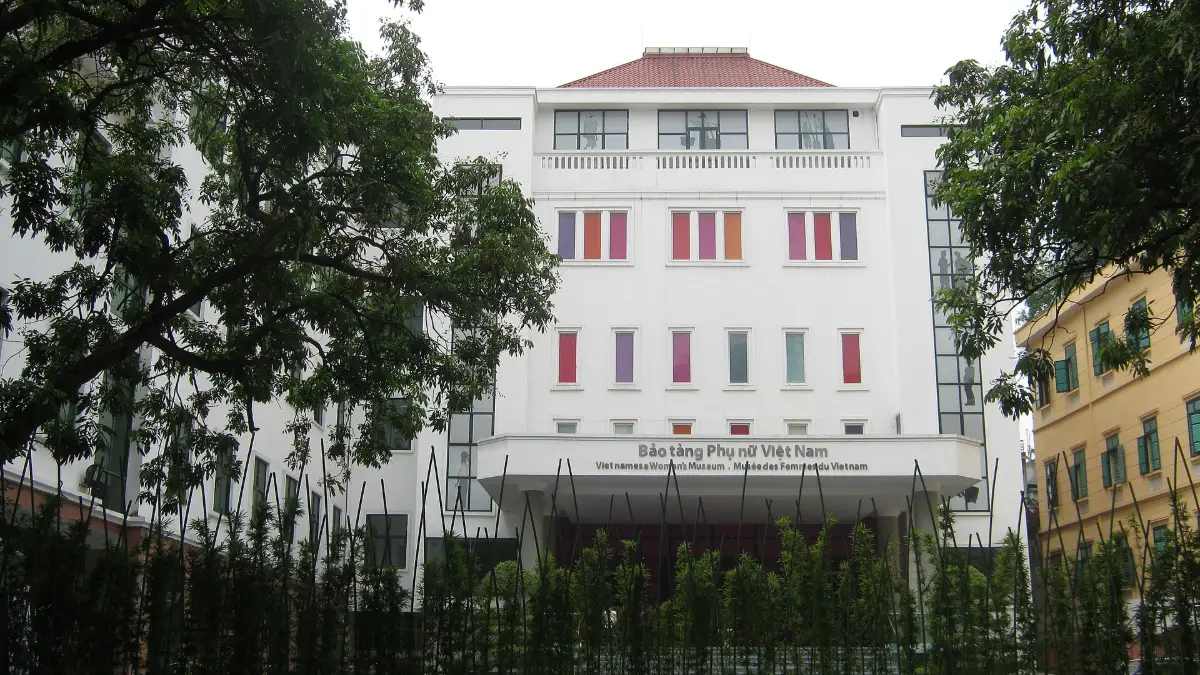
- Vietnamese Women’s Museum: about 1.5 km.
- Hoa Lo Prison Museum: about 1.5 km.
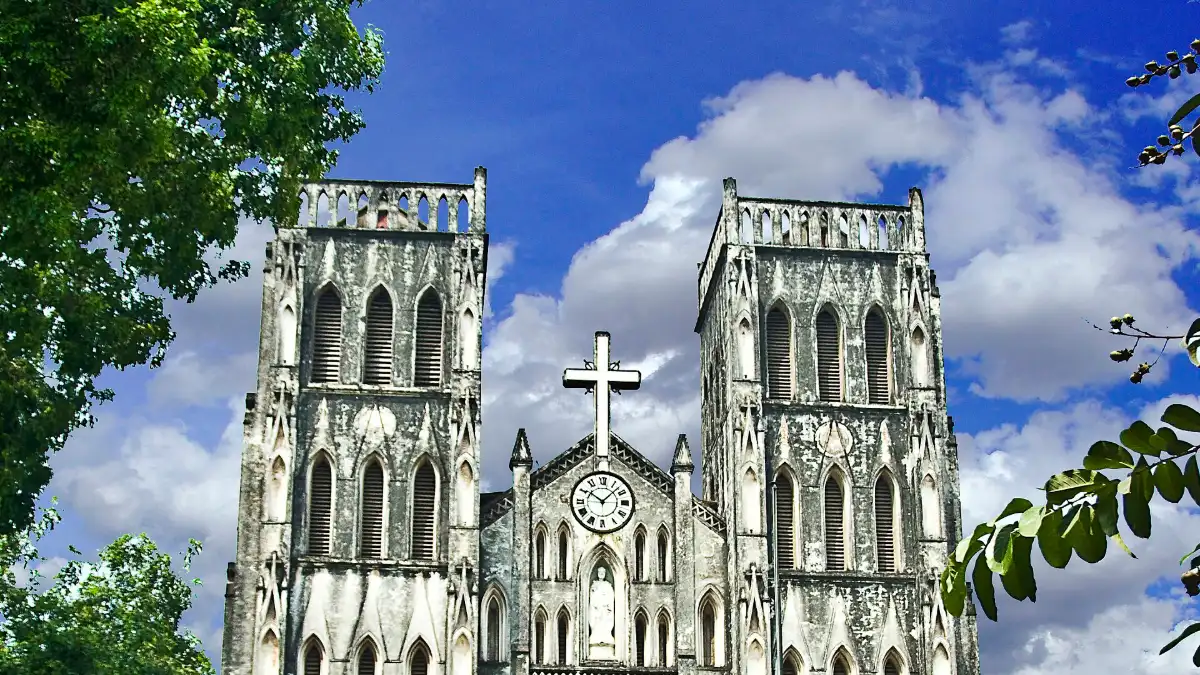
- St Joseph’s Cathedral: about 1 km.
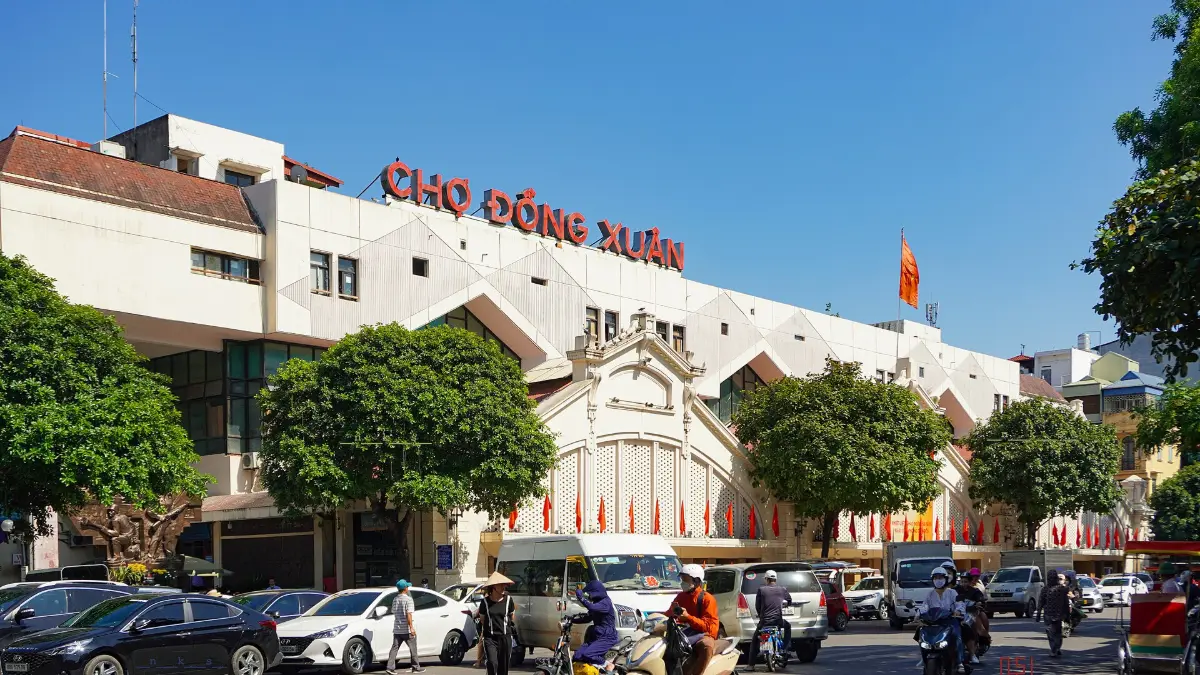
- Dong Xuan Market: about 2 km north.
Sightseeing in Hanoi for First-Time Visitors: Where the Vietnam National Museum of History Fits
Two days in Hanoi? On day one see the Ho Chi Minh Mausoleum, the Temple of Literature and the Imperial Citadel; on day two start at the National Museum of History, walk past the Opera House to Hoan Kiem Lake, and spend the afternoon at Hoa Lo Prison and in the Old Quarter. Our Hanoi travel tips help with money and safety.
Plan your trip with our Hanoi travel guide and Hanoi tours. Contact Vietnam Tour Expert Team for a free custom itinerary.
Frequently Asked Questions about Vietnam National Museum of History
1. How much is the ticket for the Vietnam National Museum of History?
An adult ticket for the Vietnam National Museum of History costs 40,000 VND and covers both buildings; students pay 20,000 VND and pupils 10,000 VND.
2. What are the opening hours of the Vietnam National Museum of History?
The Vietnam National Museum of History opens 8:00–12:00 and 13:30–17:00 and is generally closed on Mondays.
3. Is the Vietnam National Museum of History open on Monday?
The Vietnam National Museum of History is generally closed on Mondays, except when a public holiday falls on a Monday; check the official website before going.
4. Where is the Vietnam National Museum of History?
The Vietnam National Museum of History has two buildings: 1 Trang Tien Street, behind the Opera House, and 216 Tran Quang Khai Street, both about 600 m from Hoan Kiem Lake.
5. What is the Vietnam National Museum of History famous for?
The Vietnam National Museum of History is famous for its Dong Son bronze drums, Champa stone sculpture, Nguyen dynasty royal objects and its Indochinese-style building.
6. How long should I spend at the Vietnam National Museum of History?
Allow 1.5–2.5 hours to see both buildings of the Vietnam National Museum of History, or about 1 hour for the main building only.
7. Is the Vietnam National Museum of History worth visiting?
Yes. The Vietnam National Museum of History is the best single overview of Vietnam’s past and is central and inexpensive.
8. How many artefacts are in the Vietnam National Museum of History?
The Vietnam National Museum of History holds about 200,000 artefacts and documents.
9. Who designed the Vietnam National Museum of History building?
The main building of the Vietnam National Museum of History was redesigned in 1925–1932 by architects Ernest Hébrard and Charles Batteur in the Indochinese style.
10. Can I take photos in the Vietnam National Museum of History?
Yes. The Vietnam National Museum of History charges 30,000 VND per camera for photography and 400,000 VND for video.
11. Does one ticket cover both buildings of the Vietnam National Museum of History?
Yes. One ticket gives entry to both buildings of the Vietnam National Museum of History, at 1 Trang Tien and 216 Tran Quang Khai.
12. When was the Vietnam National Museum of History founded?
The Vietnam National Museum of History grew from the Louis Finot Museum (1910), opened as the Vietnam History Museum in 1958 and took its current form in 2011.
13. Is the Vietnam National Museum of History good for children?
Older children enjoy the bronze drums and royal objects at the Vietnam National Museum of History; under-6s enter free.
14. What is near the Vietnam National Museum of History?
Near the Vietnam National Museum of History are the Hanoi Opera House, Hoan Kiem Lake, St Joseph’s Cathedral and Hoa Lo Prison.
15. Does the Vietnam National Museum of History close for lunch?
Yes. The Vietnam National Museum of History closes from 12:00 to 13:30 every opening day.
16. Are there English signs in the Vietnam National Museum of History?
Yes. Most displays in the Vietnam National Museum of History have Vietnamese and English labels.
Related Posts
Hanoi Egg Coffee (2026): Best Cafés, Prices, History & Recipe
Hanoi Train Street (2026): Is It Open? Train Times, Cafés & Rules
Hanoi Shopping Guide: Best Markets, Streets & Souvenirs to Buy (2026)
Hanoi Travel Tips: Essential Things to Know Before You Go (2026)
Hanoi Transportation: How to Get Around Hanoi & From Noi Bai Airport (2026 Guide)