Hanoi Food & Drinks: 15 Must-Try Dishes, Egg Coffee & Where to Eat (2026)
Hanoi’s must-eat foods are phở for breakfast, bún chả at lunch, chả cá Lã Vọng, bánh cuốn and creamy egg coffee, most of them found in the Old Quarter (Hoan Kiem ward). A street-food dish costs about 35,000–100,000 VND (US$1.50–4), and the city has four MICHELIN-starred restaurants plus more than 20 Bib Gourmand picks, many of them humble noodle shops.
Status (checked October 2026): The current MICHELIN Guide Vietnam selection lists four one-star restaurants in Hanoi (Gia, Hibana by Koki, Tầm Vị and ONVIT) and Bib Gourmand stalls such as Phở Gia Truyền, Bánh Cuốn Gia Truyền Thanh Vân and Chả Cá Thăng Long. Autumn is cốm (young green rice) season, and the Old Quarter weekend night market runs Friday–Sunday evenings from about 18:00.
Key takeaways:
- Eat by the clock: phở and bánh cuốn are breakfast dishes, bún chả is a lunch dish (about 11:00–14:00), and many famous stalls sell out early.
- Street food is cheap: most dishes cost 35,000–100,000 VND; a sit-down mid-range dinner is about 200,000–500,000 VND per person.
- Egg coffee was invented in Hanoi in the 1940s and costs about 35,000–60,000 VND in Old Quarter cafés.
- MICHELIN-recognised places range from a contemporary tasting menu at Gia and home-style northern cooking at Tầm Vị to Bib Gourmand phở bowls under 100,000 VND.
- Drink bottled or filtered water only; choose busy stalls with high turnover.
- Carry small cash notes; many stalls also accept Vietnamese bank-transfer QR codes, but foreign cards rarely work at street level.
Hanoi Food and Drinks at a Glance
| Signature dishes | Phở, bún chả, chả cá Lã Vọng, bánh cuốn, bún thang, miến lươn, egg coffee |
|---|---|
| Street-food dish | About 35,000–100,000 VND (≈US$1.50–4) |
| Mid-range restaurant meal | About 200,000–500,000 VND per person (≈US$8–20) |
| Egg coffee | About 35,000–60,000 VND (≈US$1.50–2.50) |
| Bia hơi (fresh draught beer) | About 10,000–20,000 VND a glass (≈US$0.40–0.80) |
| MICHELIN Guide (Hanoi) | 4 one-star restaurants; more than 20 Bib Gourmand addresses |
| Best food area | Old Quarter (Hoan Kiem ward); also Tong Duy Tan, Truc Bach and West Lake |
| Breakfast / lunch timing | Phở and bánh cuốn from about 6:00; bún chả mainly 11:00–14:00 |
| Payment | Cash and bank-transfer QR at stalls; cards at most restaurants and cafés |
| Tipping | Not expected at stalls; optional 5–10% in restaurants |
| Tap water | Not drinkable – use bottled or filtered water |
What Food Is Hanoi Famous For? 15 Dishes to Try
Hanoi is famous for noodle soups and grilled meats with lots of fresh herbs: phở, bún chả, chả cá and bánh cuốn are the four dishes most visitors should not miss. Northern cooking is lighter and less sweet than southern Vietnamese food, relying on clear broths, fish sauce, lime, chilli and herbs added at the table. The list below runs roughly from the most essential to the more adventurous; most dishes are easy to find in the Old Quarter.
1. Phở (beef or chicken noodle soup)
Hanoi’s breakfast staple is flat rice noodles in a clear, slow-simmered broth with beef (phở bò) or chicken (phở gà), served with lime, chilli and garlic vinegar on the side. A bowl costs about 50,000–100,000 VND. Well-known shops include the Bib Gourmand-listed Phở Gia Truyền at 49 Bát Đàn (expect a queue and self-service), Phở 10 Lý Quốc Sư and Phở Gà Nguyệt for chicken phở, plus the long-running Phở Thìn on Lò Đúc Street, famous for stir-fried beef with garlic.
2. Bún chả (grilled pork with noodles)
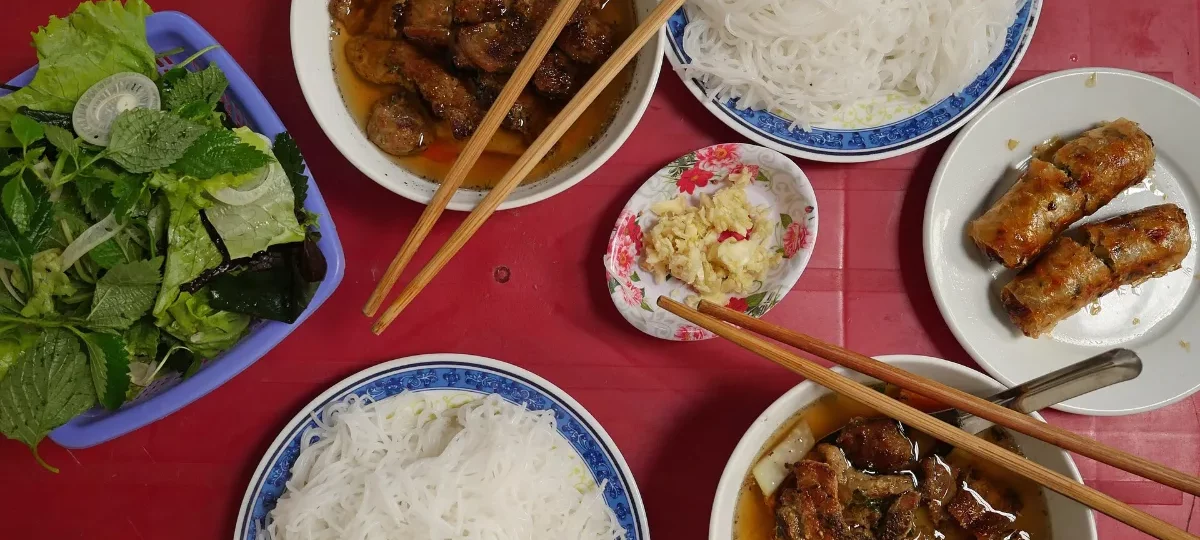
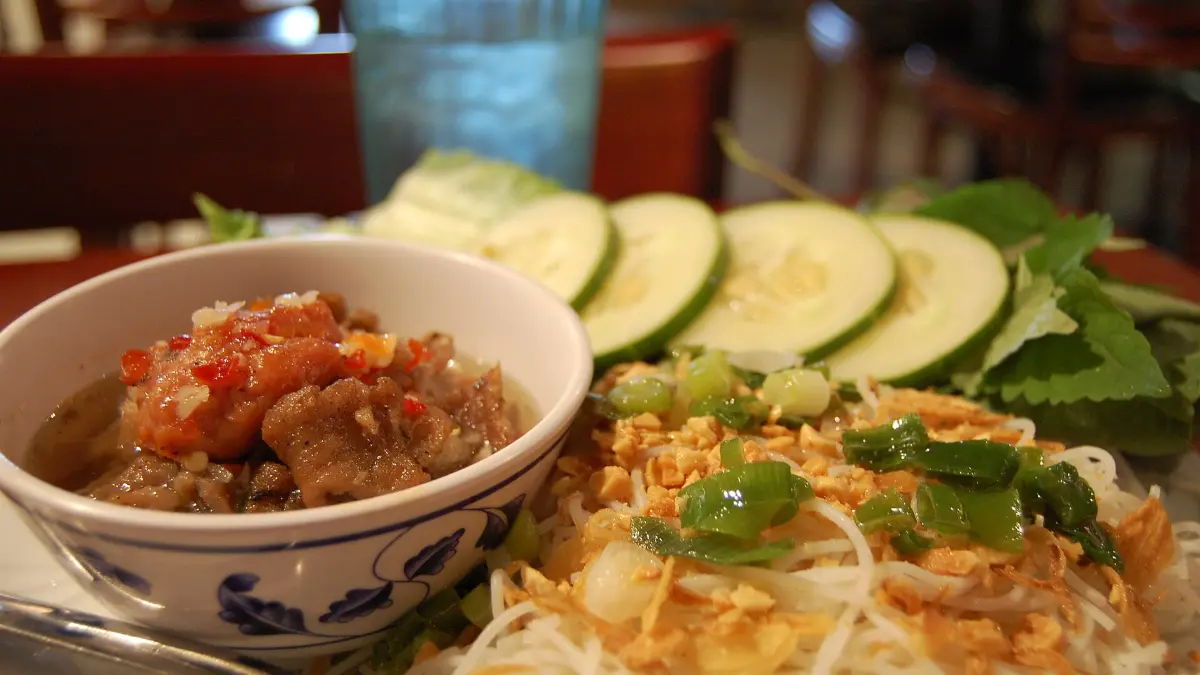
Charcoal-grilled pork patties and slices of pork belly are served in a sweet-sour fish-sauce broth, with cold rice noodles and herbs you dip in yourself; most people add a plate of crab spring rolls (nem cua bể). Expect about 40,000–85,000 VND. Bún Chả Hương Liên (24 Lê Văn Hưu) became world-famous after Barack Obama and Anthony Bourdain ate there in May 2016; Bib Gourmand picks include Bún Chả Ta on Nguyễn Hữu Huân Street and Tuyết Bún Chả 34. Learn more on Wikipedia’s bún chả page.
3. Chả cá Lã Vọng (turmeric fish with dill)
White fish marinated in turmeric and galangal is fried at your table with masses of dill and spring onion, then eaten with rice noodles, peanuts and shrimp paste. It is a sit-down meal of about 200,000–350,000 VND per person. The dish gave its name to Chả Cá Street, where Chả Cá Lã Vọng (14 Chả Cá) has served it for generations; Chả Cá Thăng Long (6B Đường Thành) is on the MICHELIN Bib Gourmand list.
4. Bánh cuốn (steamed rice rolls)
Paper-thin steamed rice sheets are filled with minced pork and wood-ear mushroom, topped with fried shallots and dipped in warm fish sauce, often with a slice of chả lụa (pork sausage). A plate costs about 40,000–70,000 VND. Bánh Cuốn Gia Truyền Thanh Vân on Hàng Gà Street holds a Bib Gourmand.
5. Bún thang (Hanoi festive noodle soup)
A delicate, labour-intensive soup of thin rice vermicelli with shredded chicken, egg ribbons, pork sausage and a clear chicken-and-dried-shrimp broth, finished with a drop of cà cuống essence in traditional versions. It is a true Hanoi dish rarely found elsewhere, typically 50,000–80,000 VND.
6. Bún riêu cua (crab and tomato noodle soup)
Freshwater-crab paste forms soft “clouds” in a tangy tomato broth with tofu and vermicelli; locals add shrimp paste and perilla. It is a popular breakfast or lunch at about 35,000–60,000 VND.
7. Bún đậu mắm tôm (tofu, noodles and shrimp paste)
A shared tray of fried tofu, pressed rice noodles, boiled pork, green rice sausage and herbs, dipped in fermented shrimp paste whisked with lime and chilli. The smell is strong but the taste is loved by Hanoians; ask for fish sauce (nước mắm) if you prefer. About 40,000–100,000 VND per person.
8. Miến lươn (glass noodles with eel)
Crispy fried or soft eel is served either in broth or dry-tossed with glass noodles, herbs and fried shallots. Two eel-noodle shops, Miến Lươn Đông Thịnh and Miến Lươn Chân Cầm, are currently on the Bib Gourmand list; expect about 40,000–70,000 VND.
9. Phở cuốn and phở chiên phồng
Phở cuốn wraps stir-fried beef and herbs in uncut phở sheets, dipped in sweet fish sauce; phở chiên phồng is puffed, deep-fried phở squares with beef and greens. Both were born around Ngũ Xá Street and Truc Bach Lake, where whole rows of restaurants serve them for about 60,000–150,000 VND per dish.
10. Nem rán and nem cua bể (spring rolls)
Hanoi’s fried spring rolls (nem rán) are filled with pork, glass noodles and mushroom; the square nem cua bể adds sea crab. Order them alongside bún chả or as a starter in family restaurants.
11. Bánh mì Hanoi-style
Hanoi’s bánh mì is usually simpler than Saigon’s: a crisp baguette with pâté, cold cuts or grilled pork, a little pickle and chilli sauce. Prices are about 25,000–50,000 VND; Bánh Mì 25 on Hàng Cá Street is a long-time favourite with international visitors.
12. Xôi (sticky rice)
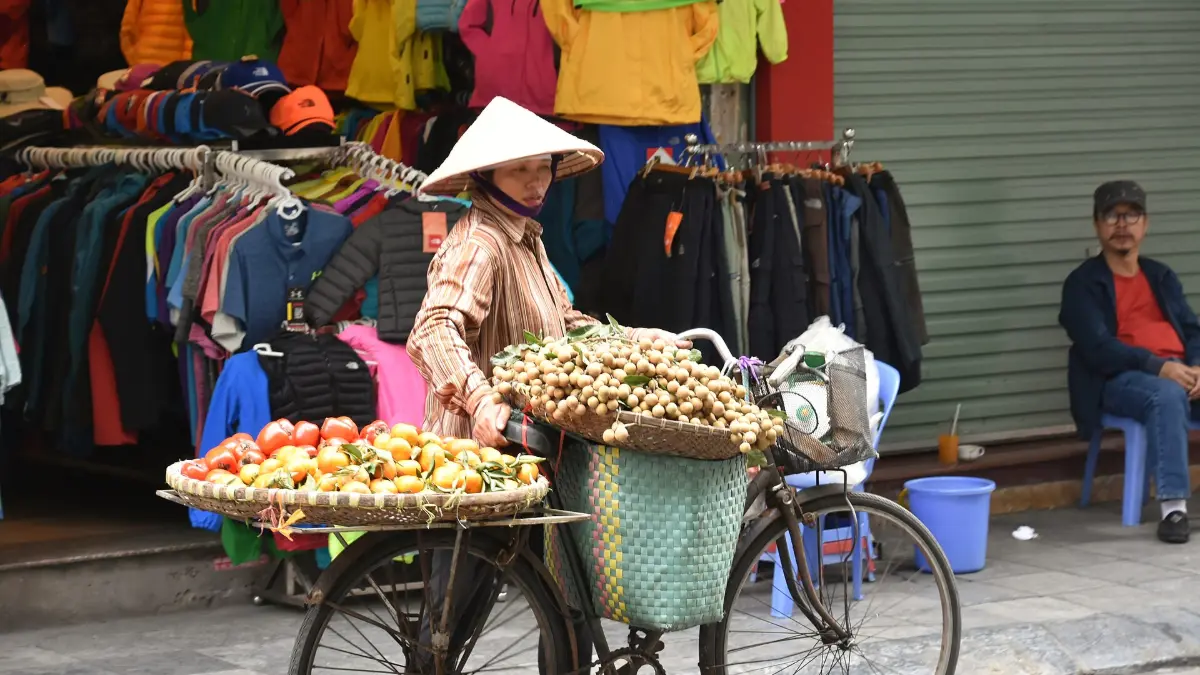
Sticky rice topped with mung-bean paste and fried shallots (xôi xéo), chicken, pork floss or Chinese sausage is a cheap, filling breakfast for about 20,000–50,000 VND, sold from street baskets and from shops such as Xôi Yến on Nguyễn Hữu Huân Street.
13. Bánh tôm Hồ Tây (West Lake shrimp fritters)
Crisp sweet-potato fritters topped with whole shrimp are a classic snack at West Lake, eaten wrapped in lettuce and dipped in sweet-sour fish sauce.
14. Cốm (young green rice from Vòng village)
Flattened young sticky rice from Vòng village, sold wrapped in lotus leaves in autumn (around September–October), is Hanoi’s seasonal treat. Try it plain, in cốm cakes, or as cốm ice cream and cốm with yoghurt.
15. Chè and Tràng Tiền ice cream
Chè is a family of sweet soups and puddings with beans, jellies, fruit and coconut milk (about 20,000–45,000 VND). For ice cream, locals queue at Kem Tràng Tiền on Tràng Tiền Street, a Hanoi institution since the 1950s, known for green-rice (cốm) and coconut flavours.
What Should I Drink in Hanoi?
Start with egg coffee, then try Vietnamese iced coffee, coconut coffee, iced lemon tea on the street and a cheap glass of bia hơi in the evening. Hanoi’s café culture is part of daily life, and most cafés open early and close late.
1. Egg coffee (cà phê trứng)
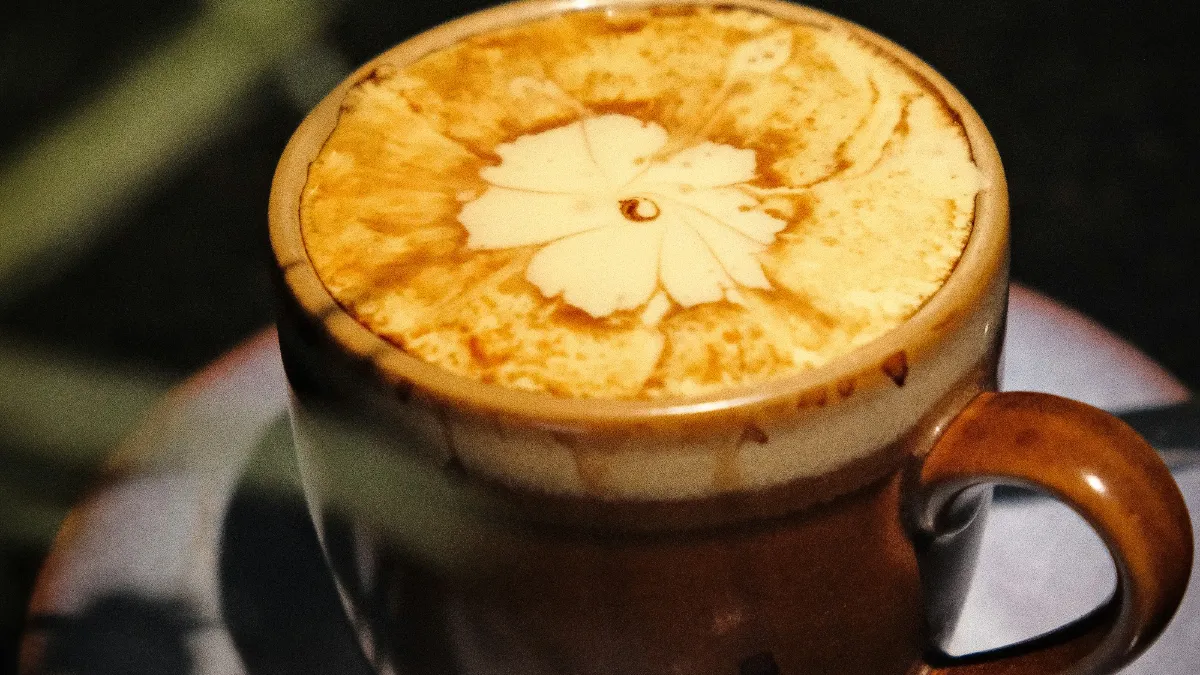
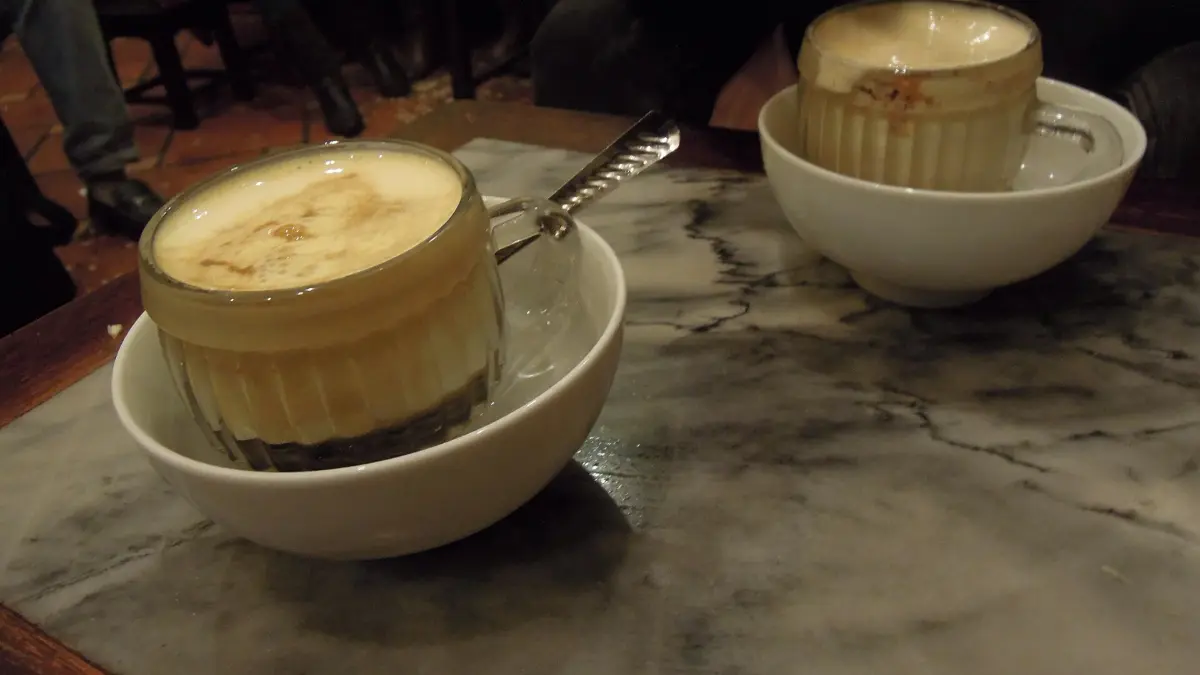
Egg yolk whipped with condensed milk and sugar forms a sweet, custard-like foam over strong Vietnamese coffee. It was created in Hanoi in the 1940s by Nguyễn Văn Giảng, whose family still runs Café Giảng at 39 Nguyễn Hữu Huân; Café Đinh, up a narrow staircase beside Hoan Kiem Lake, is run by the same family. A cup costs about 35,000–60,000 VND and is often served in a bowl of hot water to keep it warm.
2. Cà phê sữa đá and cà phê đen
Dark-roasted robusta drips slowly through a metal phin filter onto condensed milk (sữa đá) or is served black (đen), usually over ice. Expect about 20,000–45,000 VND at local cafés.
3. Coconut coffee and salt coffee
Cà phê cốt dừa blends coffee with frozen coconut cream, a favourite of chain cafés such as Cộng Cà Phê. Salt coffee, originally from Huế, is now common in Hanoi too.
4. Trà chanh and trà đá
Iced lemon tea (trà chanh) is sipped on tiny plastic stools, especially around St Joseph’s Cathedral; plain iced green tea (trà đá) is often free or a few thousand dong with meals.
5. Bia hơi and local beer
Bia hơi is light, fresh draught beer brewed daily and sold by the glass for about 10,000–20,000 VND. The liveliest corner is Tạ Hiện Street and its junction with Lương Ngọc Quyến in the Old Quarter, busiest from late afternoon. Hanoi Beer and Trúc Bạch are the city’s own bottled brands; Vietnam’s drink-driving law has zero tolerance, so take a Grab or taxi after drinking.
Where Are Hanoi’s MICHELIN-Starred and Bib Gourmand Restaurants?
The MICHELIN Guide currently lists four one-star restaurants in Hanoi and more than 20 Bib Gourmand addresses, plus many “Selected” restaurants. All names below were confirmed on the official MICHELIN Guide Hanoi page; book starred restaurants several days ahead.
| Restaurant | Distinction | What to expect |
|---|---|---|
| Gia | One MICHELIN Star | Contemporary Vietnamese tasting menu |
| Hibana by Koki | One MICHELIN Star | Japanese teppanyaki at Capella Hanoi |
| Tầm Vị | One MICHELIN Star | Northern Vietnamese home-style dishes at moderate prices |
| ONVIT | One MICHELIN Star | Contemporary Korean cuisine |
| Phở Gia Truyền (49 Bát Đàn) | Bib Gourmand | Classic beef phở, queue and self-service |
| Phở 10 Lý Quốc Sư | Bib Gourmand | Beef phở near St Joseph’s Cathedral |
| Phở Gà Nguyệt | Bib Gourmand | Chicken phở |
| Bánh Cuốn Gia Truyền Thanh Vân (Hàng Gà) | Bib Gourmand | Steamed rice rolls |
| Chả Cá Thăng Long (6B Đường Thành) | Bib Gourmand | Turmeric fish with dill |
| Bún Chả Ta (Nguyễn Hữu Huân) | Bib Gourmand | Bún chả in a modern setting |
| Miến Lươn Đông Thịnh | Bib Gourmand | Eel glass-noodle soup |
| 1946 Cửa Bắc | Bib Gourmand | Northern Vietnamese family dishes |
MICHELIN distinctions are reviewed every year, so check the guide before you go.
How Much Does Food Cost in Hanoi?
Eating in Hanoi is inexpensive: you can eat very well on about 300,000–500,000 VND (US$12–20) a day from street stalls and cafés. Prices below are typical 2026 ranges in central Hanoi; tourist-facing streets and air-conditioned restaurants cost more.
| Item | Typical price (VND) | Approx. USD |
|---|---|---|
| Bowl of phở | 50,000–100,000 | 2–4 |
| Bún chả set | 40,000–85,000 | 1.60–3.50 |
| Bánh mì | 25,000–50,000 | 1–2 |
| Chả cá (per person) | 200,000–350,000 | 8–14 |
| Egg coffee | 35,000–60,000 | 1.50–2.50 |
| Iced coffee at a local café | 20,000–45,000 | 0.80–1.80 |
| Glass of bia hơi | 10,000–20,000 | 0.40–0.80 |
| Mid-range restaurant dinner | 200,000–500,000 | 8–20 |
| Fine-dining tasting menu | From about 1,500,000 | From about 60 |
Where to Eat in Hanoi by Area
The Old Quarter has the densest choice, but each central area has its own food character. Use the table to plan meals around your sightseeing.
| Area | Known for | Best time |
|---|---|---|
| Old Quarter (Hàng Buồm, Tạ Hiện, Đinh Liệt, Hàng Gà) | Phở, bánh cuốn, bún chả, egg coffee, bia hơi | All day; evenings liveliest |
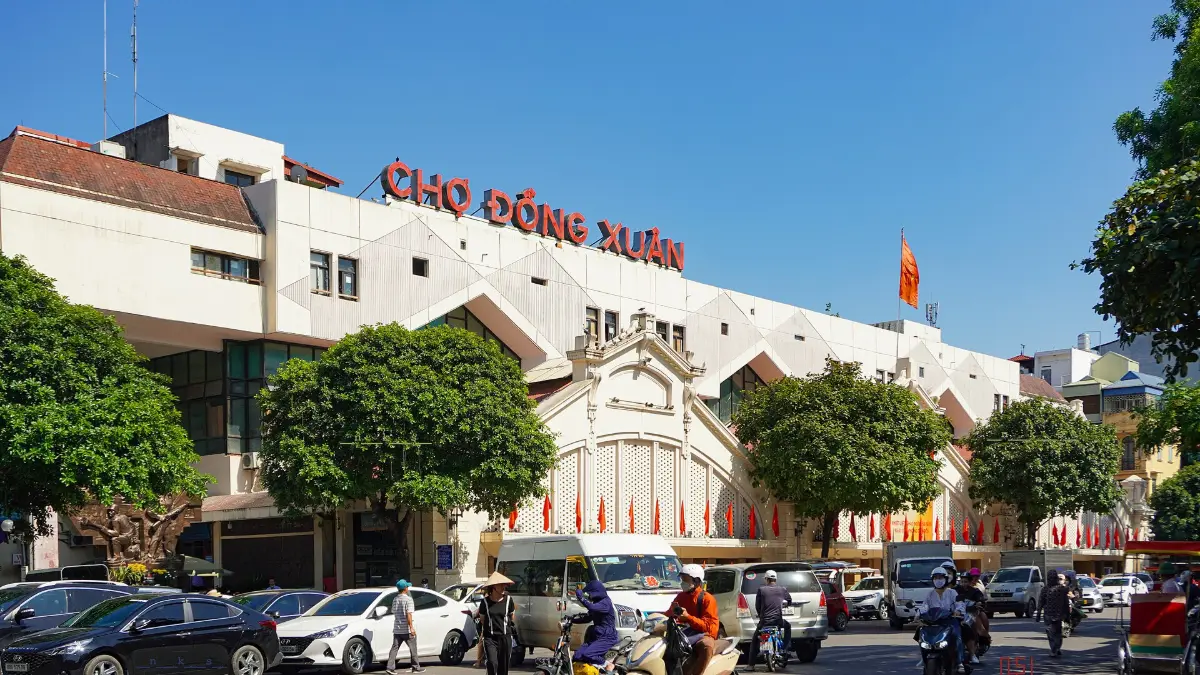
| Weekend night market (Hàng Đào to Dong Xuan Market) | Street snacks, grilled skewers, sweets | Fri–Sun, from about 18:00 until 22:30–23:00 |
| Tống Duy Tân food street | Late-night noodles, congee, bún chả | Evening to late |
| Ngũ Xá and Trúc Bạch | Phở cuốn, phở chiên phồng, lakeside dining | Lunch and dinner |
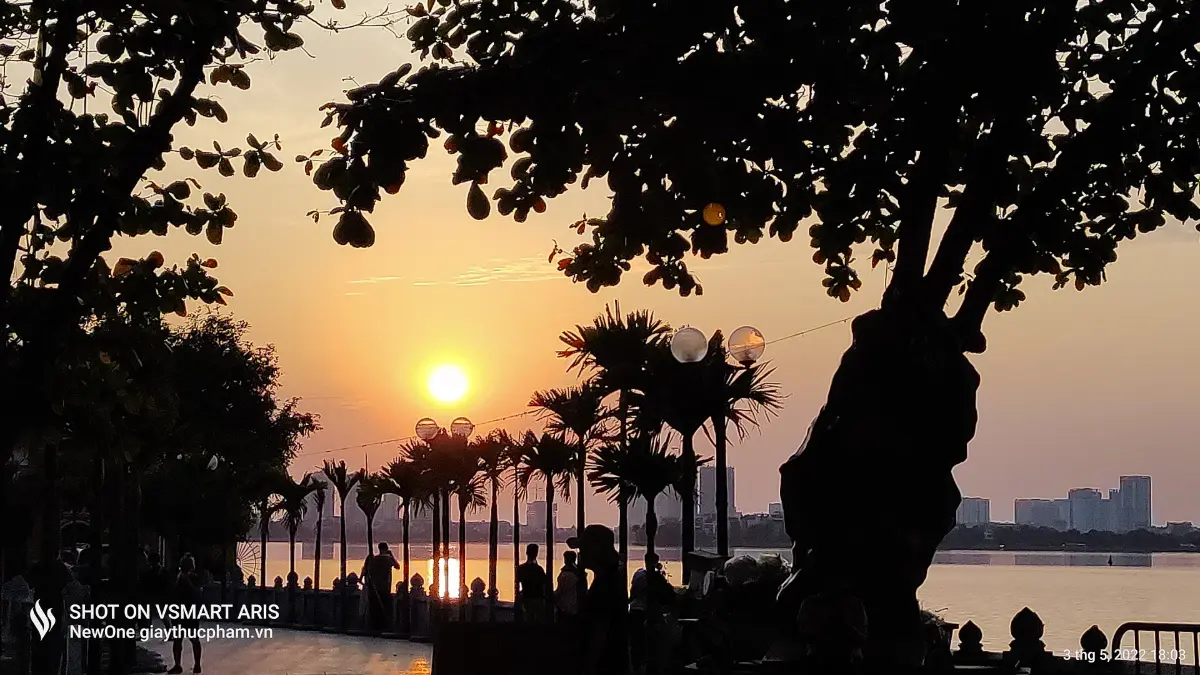
| West Lake (Tây Hồ) | Shrimp fritters, snails, international restaurants and bars | Afternoon and sunset |
| French Quarter (around Hai Bà Trưng, Lý Thường Kiệt) | Classic restaurants, Tràng Tiền ice cream, smart cafés | Lunch, dinner |
Is Street Food in Hanoi Safe to Eat?
Yes, for most travellers, provided you choose busy stalls, eat food cooked fresh in front of you and avoid tap water. A few simple habits keep stomach trouble to a minimum.
- Pick stalls packed with locals at mealtimes: high turnover means fresh ingredients.
- Drink bottled or filtered water; ice in established cafés and restaurants is factory-made (cylinders with a hole in the middle).
- Wipe chopsticks and spoons with the napkins provided if you like – locals do the same.
- Go easy on raw herbs and very spicy shrimp paste for the first day or two.
- Carry hand sanitiser and pack basic oral-rehydration salts.
What Is the Etiquette for Eating Street Food in Hanoi?
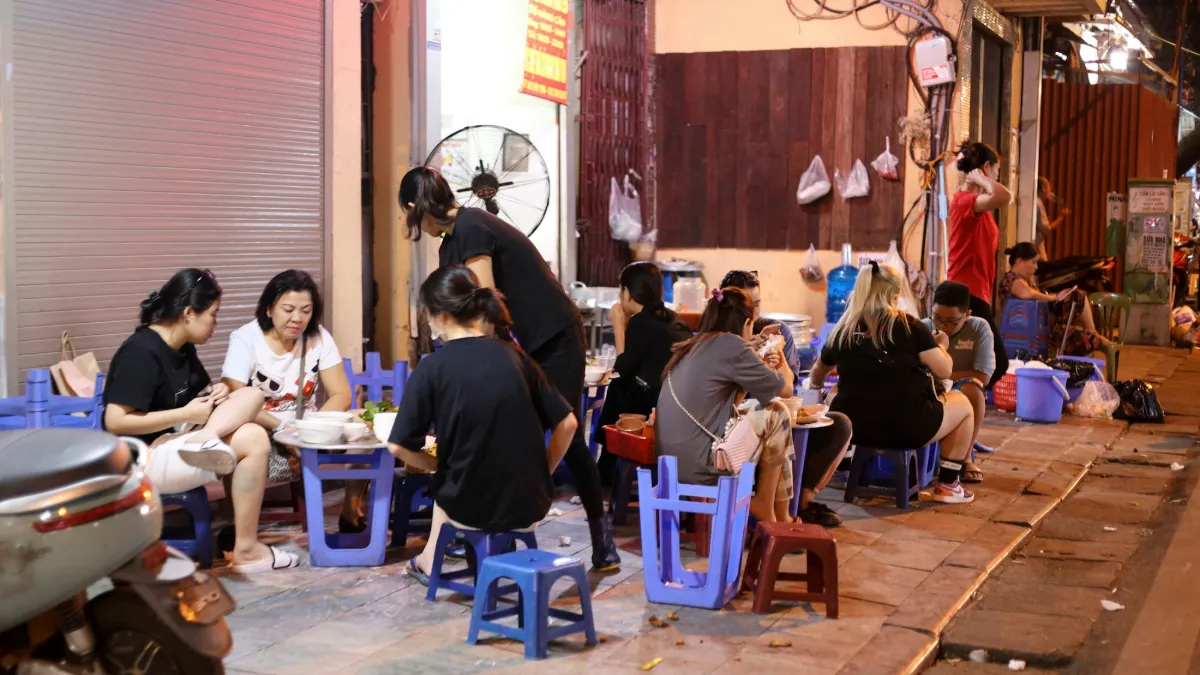
Sit where there is space, point at what others are eating if you cannot read the menu, and pay when you leave. Low plastic stools on the pavement are normal and part of the experience.
- Many stalls sell only one dish; the shop sign usually names it.
- Ask the price first at stalls without a menu (“Bao nhiêu tiền?”).
- Add lime, chilli, garlic vinegar and herbs to taste – that is expected.
- Lift the bowl and slurp noodles; nobody minds.
- Tipping is not expected at stalls; in restaurants 5–10% is appreciated but optional.
Can Vegetarians, Vegans and Halal Travellers Eat Well in Hanoi?
Yes. Look for “chay” (vegetarian) restaurants, often near pagodas, and Buddhist-run places serving tofu and mushroom versions of phở, bún and spring rolls. Ưu Đàm, an elegant vegetarian restaurant, is on the MICHELIN Bib Gourmand list. Fish sauce and shrimp paste are in many dishes, so say “không nước mắm” (no fish sauce) or “tôi ăn chay” (I am vegetarian). Halal travellers will find Indian, Malaysian and Middle Eastern restaurants in the Old Quarter and around the Hanoi mosque (Al-Noor) on Hàng Lược Street; always confirm certification directly. For nut, shellfish or gluten allergies, carry a written card in Vietnamese, as peanuts, shrimp and soy sauce are common.
Is a Hanoi Food Tour Worth It?
A guided street-food walk is the easiest way to taste 6–10 dishes in three or four hours without worrying about menus, hygiene or where to sit. Evening walks in the Old Quarter typically include bún chả, bánh cuốn, nem, a sweet and egg coffee; you can also add a cooking class or a market visit. Our team can add a food walk or private foodie evening to any Hanoi tour.
Local Expert Tips for Eating in Hanoi
These tips come from years of arranging Hanoi tours for international travellers.
- Go early for famous phở shops: the best ones are busiest 6:30–9:00 and some close by early afternoon.
- Have bún chả at lunchtime; the grills are lit late morning and many stalls close by mid-afternoon.
- Avoid pay-by-weight seafood without a written price – confirm the price per kilo before cooking.
- Carry 10,000–50,000 VND notes; stalls often cannot change 500,000 notes.
- Try a dish in two places – Hanoians argue endlessly about whose phở or bún chả is best.
- Visit in autumn for cốm, persimmons and pleasant weather for eating outdoors.
- Book MICHELIN-starred restaurants several days in advance, especially Friday and Saturday nights.
- Pair your egg coffee with a view: several cafés overlook Hoan Kiem Lake from upper floors.
Plan Your Hanoi Trip
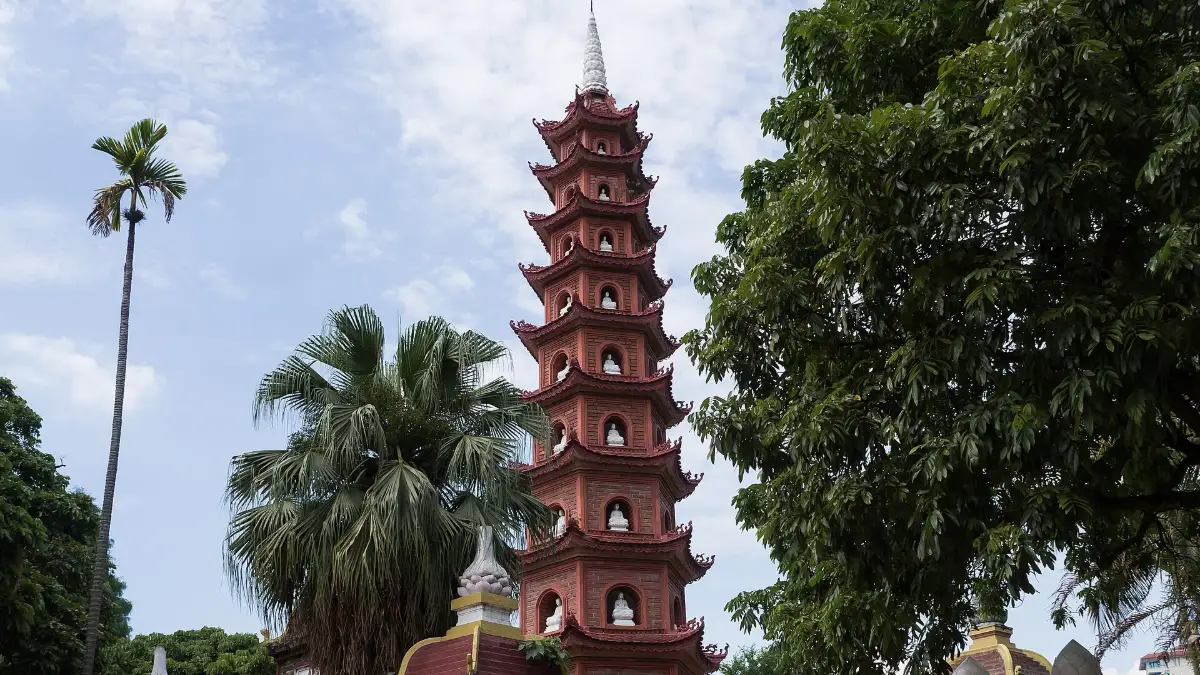
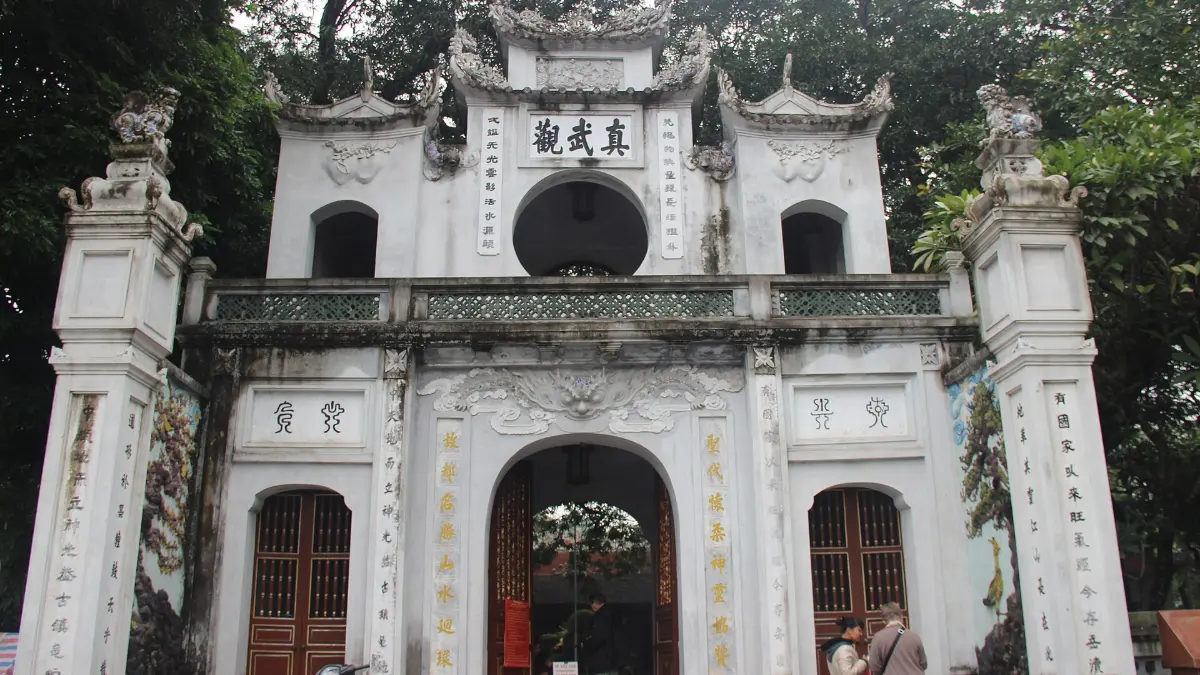
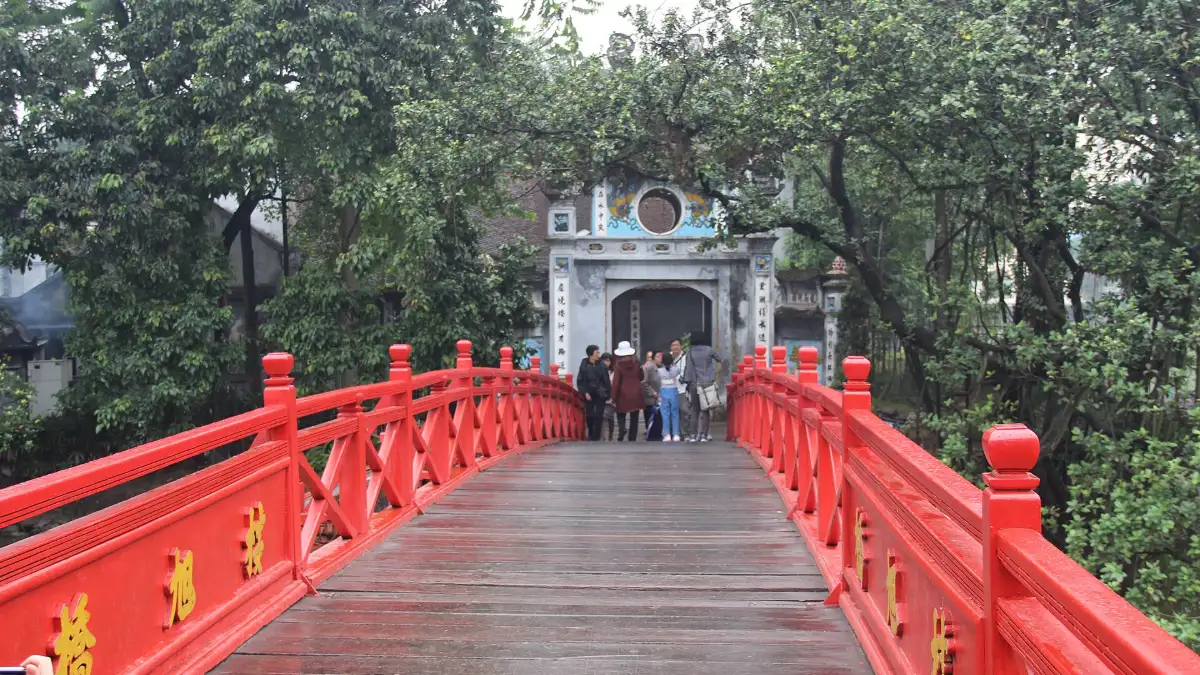
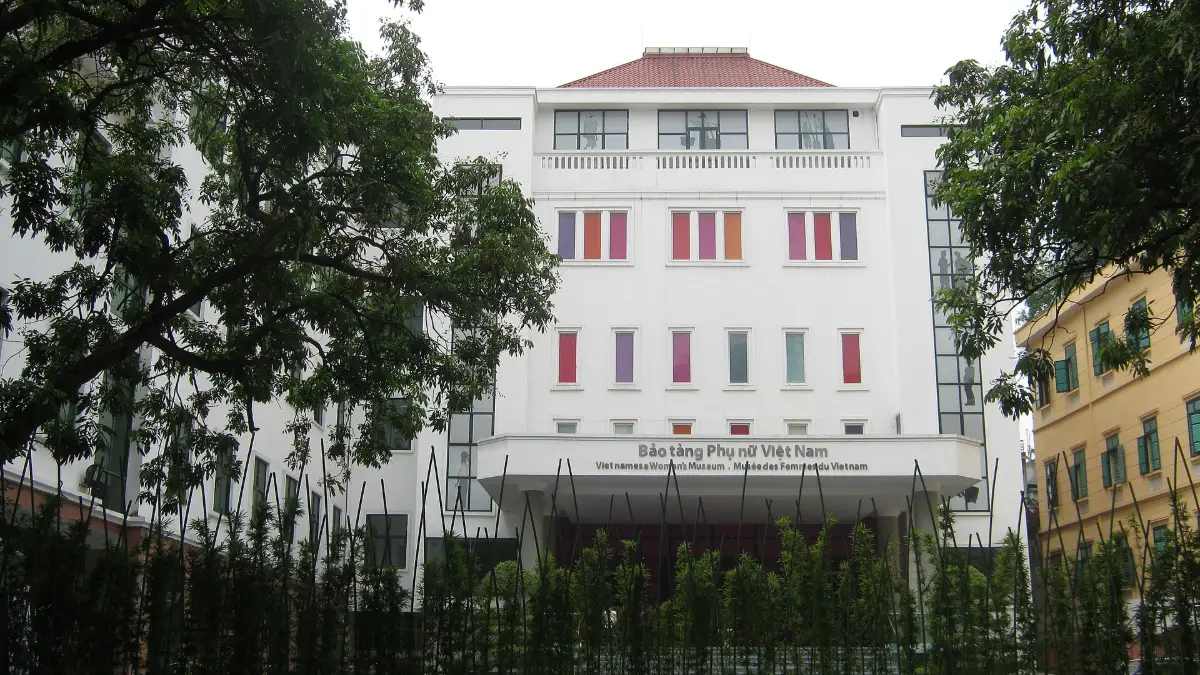
Combine your food stops with sightseeing: start with breakfast phở near the Temple of Literature (entry 70,000 VND), have lunch near the Imperial Citadel of Thang Long, and end with egg coffee by Ngoc Son Temple. Museums such as Hoa Lo Prison and the Vietnamese Women’s Museum sit close to good lunch spots, and Tran Quoc Pagoda pairs well with West Lake shrimp fritters. For practical planning, read our Hanoi transportation guide, Hanoi travel tips and Hanoi shopping guide, and if you are heading on, see Hanoi to Halong Bay, Hanoi to Sapa and Ninh Binh food.
Plan your trip with our Hanoi travel guide and Hanoi tours. Contact Vietnam Tour Expert Team for a free custom itinerary.
Frequently Asked Questions about Hanoi Food and Drinks
1. What is the most famous food in Hanoi?
Phở is the most famous food in Hanoi, followed closely by bún chả, chả cá Lã Vọng and bánh cuốn. Egg coffee is the city’s signature drink.
2. How much does a bowl of phở cost in Hanoi?
A bowl of phở in Hanoi costs about 50,000–100,000 VND (US$2–4) in 2026, depending on the shop and toppings. Bib Gourmand shops such as Phở Gia Truyền stay within this range.
3. Where did Obama eat bún chả in Hanoi?
Barack Obama and Anthony Bourdain ate at Bún Chả Hương Liên, 24 Lê Văn Hưu Street, in May 2016. The restaurant still serves a set known as the “Obama combo”.
4. What time should I eat bún chả in Hanoi?
Bún chả in Hanoi is mainly a lunch dish, served from about 11:00 to 14:00. Many stalls grill only for the lunch rush and close by mid-afternoon.
5. Where can I try the original egg coffee in Hanoi?
Café Giảng at 39 Nguyễn Hữu Huân Street is run by the family of Nguyễn Văn Giảng, who created egg coffee in Hanoi in the 1940s. Café Đinh near Hoan Kiem Lake is run by the same family.
6. How many MICHELIN-starred restaurants are there in Hanoi?
Hanoi has four one-star MICHELIN restaurants in the current selection: Gia, Hibana by Koki, Tầm Vị and ONVIT. The city also has more than 20 Bib Gourmand addresses.
7. Which Hanoi street-food stalls have a MICHELIN Bib Gourmand?
Hanoi Bib Gourmand picks include Phở Gia Truyền (49 Bát Đàn), Phở 10 Lý Quốc Sư, Bánh Cuốn Gia Truyền Thanh Vân, Chả Cá Thăng Long and Miến Lươn Đông Thịnh. Check the latest list on the MICHELIN Guide website before you go.
8. Is street food in Hanoi safe for tourists?
Street food in Hanoi is generally safe if you choose busy stalls, eat freshly cooked food and avoid tap water. Ice in established cafés is factory-made and usually fine.
9. How much should I budget per day for food in Hanoi?
A comfortable food budget in Hanoi is about 300,000–500,000 VND (US$12–20) per person per day eating street food and in cafés. Allow 500,000–1,000,000 VND a day if you prefer sit-down restaurants.
10. Can I drink tap water in Hanoi?
No, tap water in Hanoi is not safe to drink straight from the tap. Use bottled or filtered water, which most hotels provide free.
11. What is chả cá Lã Vọng in Hanoi?
Chả cá Lã Vọng is Hanoi’s turmeric-marinated fish fried at the table with dill and spring onion, eaten with rice noodles, peanuts and herbs. It costs about 200,000–350,000 VND per person.
12. Where is the best street food area in Hanoi?
The Old Quarter in Hoan Kiem ward is the best street-food area in Hanoi, especially around Tạ Hiện, Hàng Buồm and Đinh Liệt. Tống Duy Tân Street is good for late-night eating.
13. When is the Hanoi weekend night market open?
The Hanoi Old Quarter weekend night market runs on Friday, Saturday and Sunday evenings from about 18:00 until 22:30–23:00, from Hàng Đào Street north to Dong Xuan Market. It has plenty of snacks and street food.
14. Is it easy to find vegetarian food in Hanoi?
Yes, vegetarian food is easy to find in Hanoi: look for restaurants signed “chay”, often near pagodas. Ưu Đàm, a vegetarian restaurant, is on the MICHELIN Bib Gourmand list.
15. Can I find halal food in Hanoi?
Yes, Hanoi has Indian, Malaysian and Middle Eastern restaurants offering halal food, mainly in the Old Quarter and near the mosque on Hàng Lược Street. Confirm halal certification with each restaurant.
16. Do I need to tip at restaurants in Hanoi?
Tipping is not expected at street stalls in Hanoi. In restaurants, 5–10% is appreciated but optional, and some upscale places add a service charge.
17. Can I pay by card for food in Hanoi?
Most restaurants and cafés in Hanoi accept cards, but street stalls usually take cash or Vietnamese bank-transfer QR codes. Carry small notes of 10,000–50,000 VND.
18. What is bia hơi and where can I drink it in Hanoi?
Bia hơi is fresh, light draught beer sold for about 10,000–20,000 VND a glass in Hanoi. The busiest spot is Tạ Hiện Street in the Old Quarter from late afternoon.
19. When is cốm season in Hanoi?
Cốm, the young green rice from Vòng village, is in season in Hanoi in autumn, around September and October. It is sold wrapped in lotus leaves and used in cakes and ice cream.
Related Posts
Hanoi Egg Coffee (2026): Best Cafés, Prices, History & Recipe
Hanoi Train Street (2026): Is It Open? Train Times, Cafés & Rules
Hanoi Shopping Guide: Best Markets, Streets & Souvenirs to Buy (2026)
Hanoi Travel Tips: Essential Things to Know Before You Go (2026)

Hanoi Transportation: How to Get Around Hanoi & From Noi Bai Airport (2026 Guide)