Saigon Travel Tips 2026: Best Time, Visas, Safety & Itinerary
Before visiting Saigon, check whether you can enter visa-free (45 days for 24 European and Asian countries) or need a US$25 e-visa valid for up to 90 days. December to April is the dry, sunny season. Carry some cash, register a local SIM or eSIM with your passport, use Grab or Xanh SM to get around, and plan 2–3 days for the city plus a day trip.
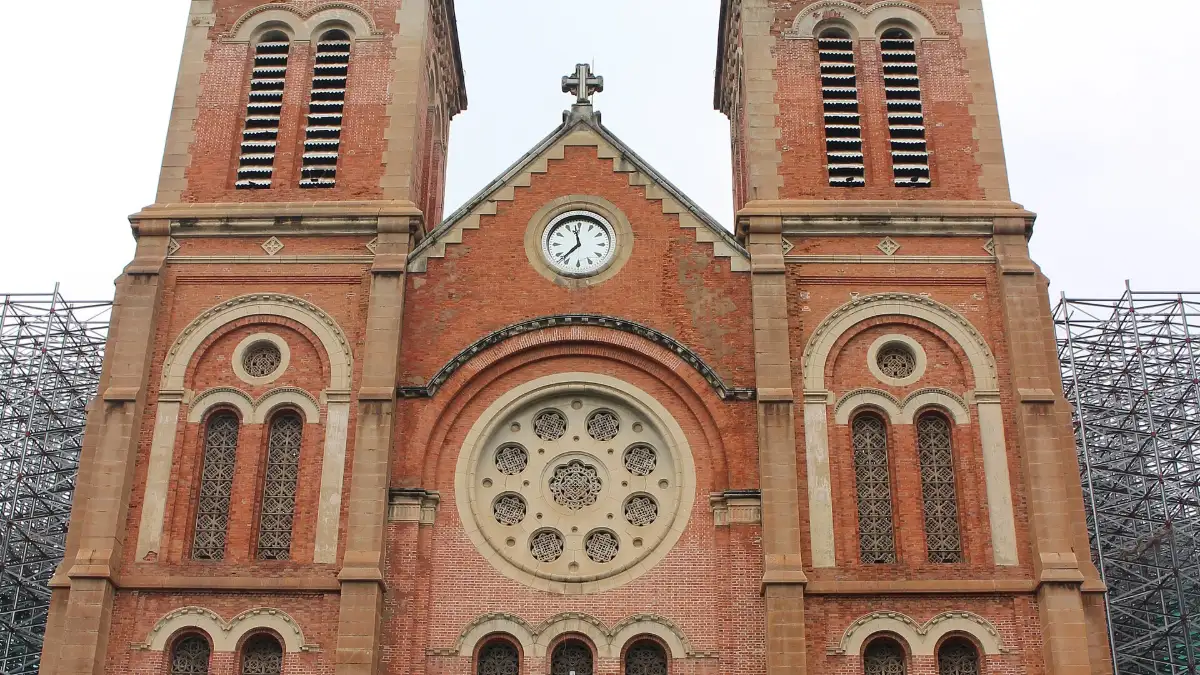
Status (checked October 2026): Since 1 July 2025, Ho Chi Minh City has absorbed Bình Dương and Bà Rịa–Vũng Tàu, and old districts have become wards (old District 1 is now Saigon, Bến Thành, Tân Định and Cầu Ông Lãnh wards). Notre-Dame Cathedral’s spire cross was reinstalled on 19 March 2026, but restoration continues beyond 2027, so the interior may remain closed. Cu Chi Tunnels entry for foreigners is 135,000 VND from 1 February 2026. Long Thanh Airport is proposed to open on 1 December 2026. The rainy season lasts until November.
Key takeaways:
- Visa: 45-day visa-free entry for 24 countries; everyone else can apply online for an e-visa (US$25 single, US$50 multiple entry, up to 90 days).
- Best time: December–April (dry); May–November brings short, heavy afternoon showers.
- Money: ATMs and cards are common, but street stalls want cash or VietQR transfer.
- Getting around: Grab, Xanh SM and Metro Line 1; avoid unlicensed motorbike riding (fines of 2–8 million VND).
- Safety: Saigon is safe overall; guard your phone against motorbike snatch thefts.
- Tet 2027 falls on 6 February; book early and expect closures.
Saigon Travel Tips at a Glance
| Official name | Ho Chi Minh City (still widely called Saigon) |
|---|---|
| Visa | 45-day visa-free entry for 24 countries; e-visa for all others, up to 90 days |
| Best time to visit | December–April (dry season) |
| Rainy season | About May–November; short afternoon downpours |
| Temperature | Hot all year, about 25–35°C; hottest in April–May |
| Currency | Vietnamese dong (VND); about 26,000 VND = US$1 (check the current rate) |
| Airport | Tan Son Nhat (SGN), about 6–8 km from the centre |
| Time zone | GMT+7, no daylight saving |
| Electricity | 220V; plug types A, C and F (two-pin) |
| Emergency numbers | Police 113, fire 114, ambulance 115 |
| How long to stay | 2–3 days for the city, plus 1–2 days for Cu Chi and the Mekong Delta |
| Tet 2027 | 6 February 2027 |
Do I Need a Visa to Visit Saigon?
It depends on your passport: citizens of 24 countries, including the UK, Germany, France, Italy, Spain, Japan and South Korea, can stay up to 45 days without a visa. Most others, including the USA, Canada and Australia, need an e-visa, which costs US$25 for a single entry or US$50 for multiple entries and is valid for up to 90 days.
Apply only on the official government portal, evisa.gov.vn, at least a week before travel; processing usually takes about 3–5 working days. Your passport must be valid for at least six months. The visa-exemption periods currently run until March 2028 for one group of countries and August 2028 for the other, so check the latest list before you book. Saigon’s Tan Son Nhat Airport accepts e-visa holders.
When Is the Best Time to Visit Saigon?
The best time to visit Saigon is December to April, the dry season, when days are sunny and humidity is lower. Saigon is hot all year and has no real winter, so you can visit at any time.
| Period | Weather | Good for | Watch out for |
|---|---|---|---|
| December–February | Dry, sunny and least humid, about 22–32°C | Sightseeing, Christmas lights, Tet atmosphere | Peak prices; Tet closures (6 Feb 2027) |
| March–April | Dry and very hot, up to about 35°C | Mekong Delta fruit season begins | Heat; 30 April–1 May holiday crowds |
| May–July | Rainy season begins; hot and humid | Lower hotel rates, green countryside | Afternoon storms |
| August–November | Wettest months; heavy short showers | Quiet sights, good deals | Brief street flooding; high tides in Oct–Nov |
Saigon is rarely hit directly by typhoons, but storms passing the central coast can bring several days of rain. In the rainy season, plan outdoor sights for the morning and keep a light rain jacket handy.
How Should I Handle Money in Saigon?
Use a mix of cash and cards: ATMs are everywhere and hotels, restaurants and malls take cards, but street-food stalls, markets and small shops want cash or VietQR bank transfer. Notes run from 1,000 to 500,000 VND.
- Withdraw from bank ATMs (Vietcombank, BIDV, Techcombank and others); withdrawal limits and fees vary by bank and card.
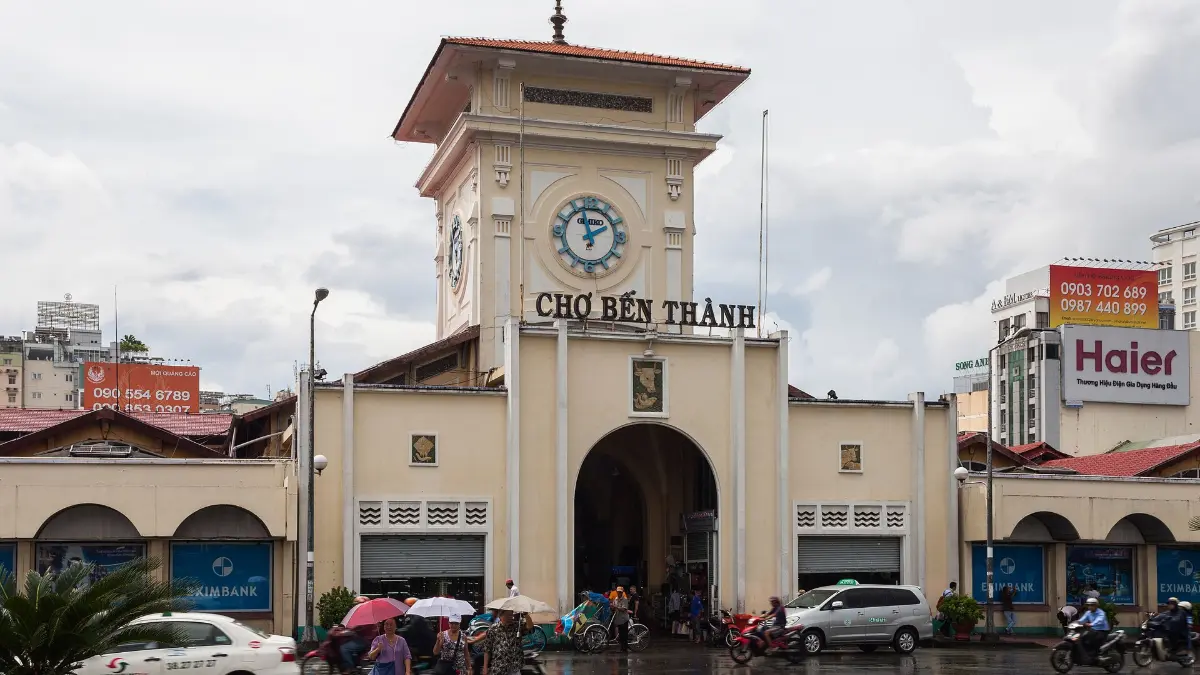
- Exchange cash at banks or licensed gold shops near Bến Thành Market rather than on the street.
- The 20,000 and 500,000 VND notes are both blue: check before paying.
- Haggle politely at markets such as Bến Thành Market; fixed prices apply in malls and supermarkets.
- Tourists can claim a VAT refund on goods of at least 2,000,000 VND bought from one participating store in a day, invoiced within 60 days before departure, at the airport.
- Tipping is not required, but 5–10% in restaurants and a tip for guides and drivers is appreciated.
How Do I Get a SIM Card or eSIM in Saigon?
Buy a tourist SIM or eSIM from Viettel, Vinaphone or Mobifone at the airport or in official stores; you must register it with your passport. Tourist data packages for 7–30 days are inexpensive; compare the official stores’ current offers.
eSIMs bought online before departure also work well. You need mobile data for Grab, Google Maps and translation apps. Free Wi-Fi is available in most hotels, cafés and restaurants.
How Do I Get Around Saigon?
Use Grab, Xanh SM or Be for cars and motorbike taxis, Metro Line 1 for the Bến Thành–Thủ Đức corridor, and walk in the compact centre. Airport bus 109 links Terminal 3 with the city for 8,000–15,000 VND.
Do not rent a motorbike unless you hold a valid licence: under Decree 168/2024, unlicensed riders face fines of 2–4 million VND (up to 125cc) or 6–8 million VND (larger bikes), and travel insurance may not cover you. Only an International Driving Permit under the 1968 Convention is recognised. Read our full Saigon transportation guide.
Is Saigon Safe for Tourists?
Yes. Saigon is a safe city for travellers, and violent crime against visitors is rare. The most common problems are phone and bag snatching from passing motorbikes, overcharging and traffic.
- Hold your phone away from the road and wear bags across your body.
- Use ride-hailing apps instead of street touts, especially at the airport.
- Agree prices before cyclo rides, shoe-shines and street-vendor photos.
- Be wary of “friendly” strangers who invite you to card games or private parties.
- Cross streets slowly and steadily; do not run.
- Keep a photo of your passport and visa on your phone and the original in the hotel safe.
What Should I Wear and How Should I Behave in Saigon?
Light, breathable clothes are fine for the city, but cover your shoulders and knees when visiting temples, pagodas, churches and the Independence Palace. Remove shoes when entering homes and some temples.
Vietnamese people value politeness: smile, avoid raising your voice and use both hands to give or receive items from elders. Ask before photographing people. Public displays of anger cause loss of face and rarely help. At the War Remnants Museum, many images are graphic, so decide in advance whether to bring children.
What Health Precautions Should I Take in Saigon?
Drink bottled or filtered water, use sun protection and insect repellent, and have travel insurance that covers medical evacuation. No vaccinations are mandatory for most travellers, but check routine vaccines and hepatitis A and typhoid with your doctor.
Dengue fever is present, especially in the rainy season, so use repellent during the day. International clinics and hospitals in the city centre offer English-speaking doctors. Pharmacies are everywhere, but bring any prescription medicine you need.
What Are the Top Things to Do in Saigon?
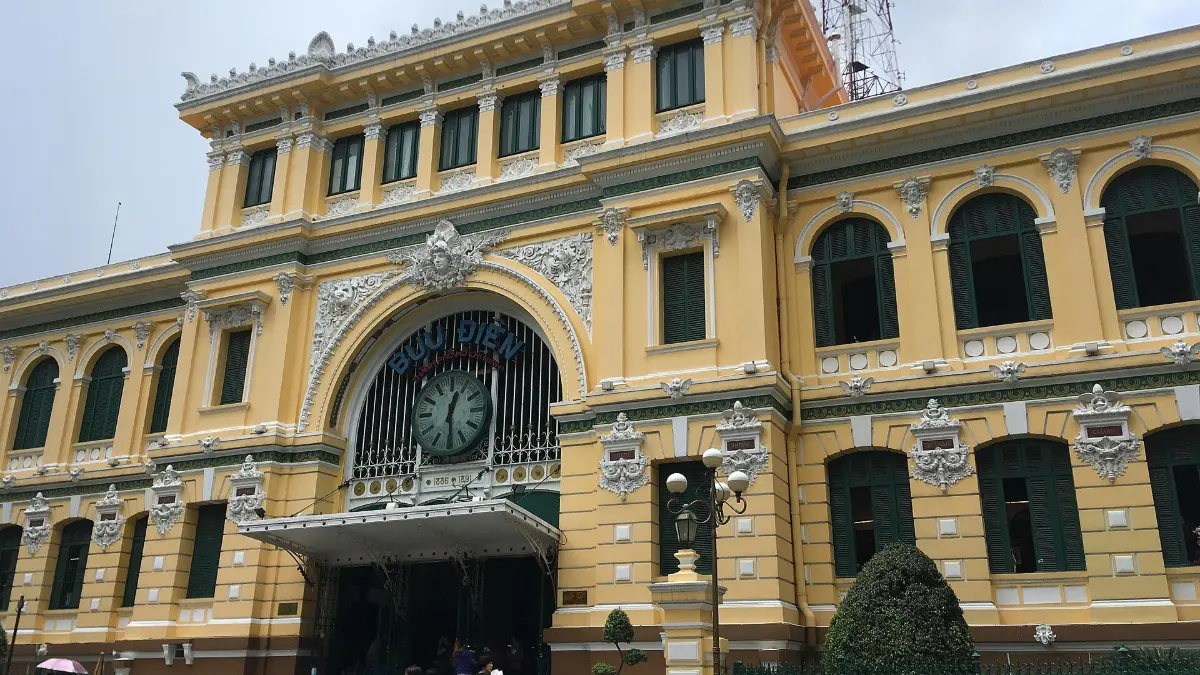
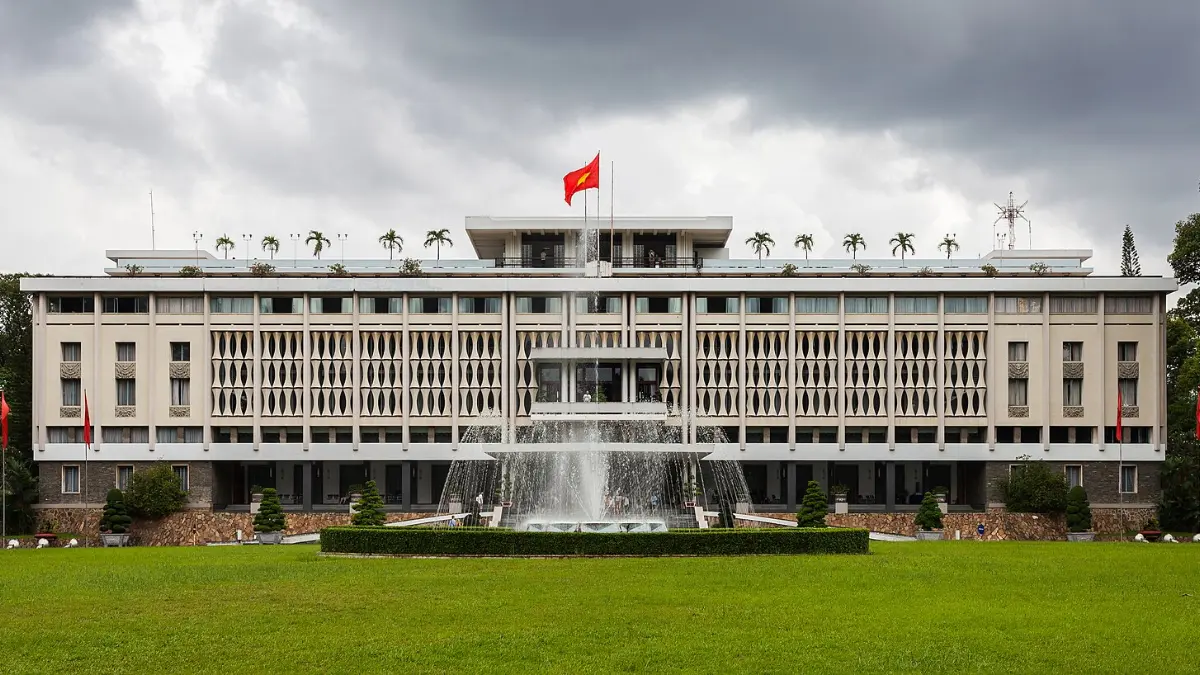
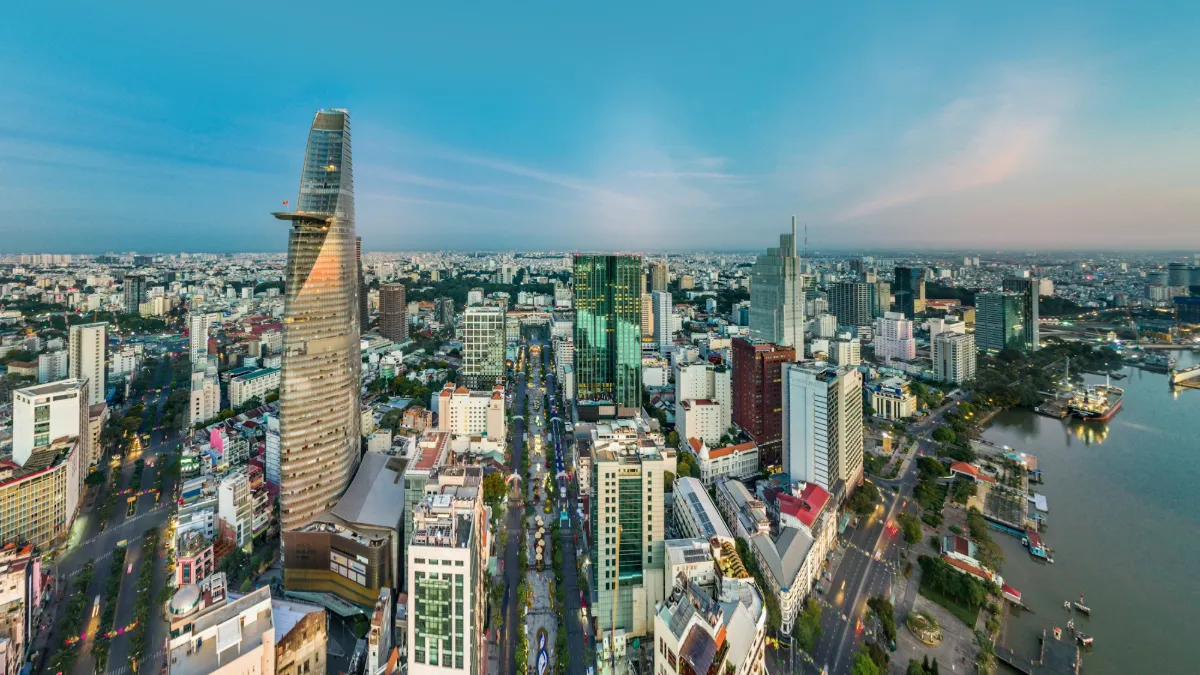
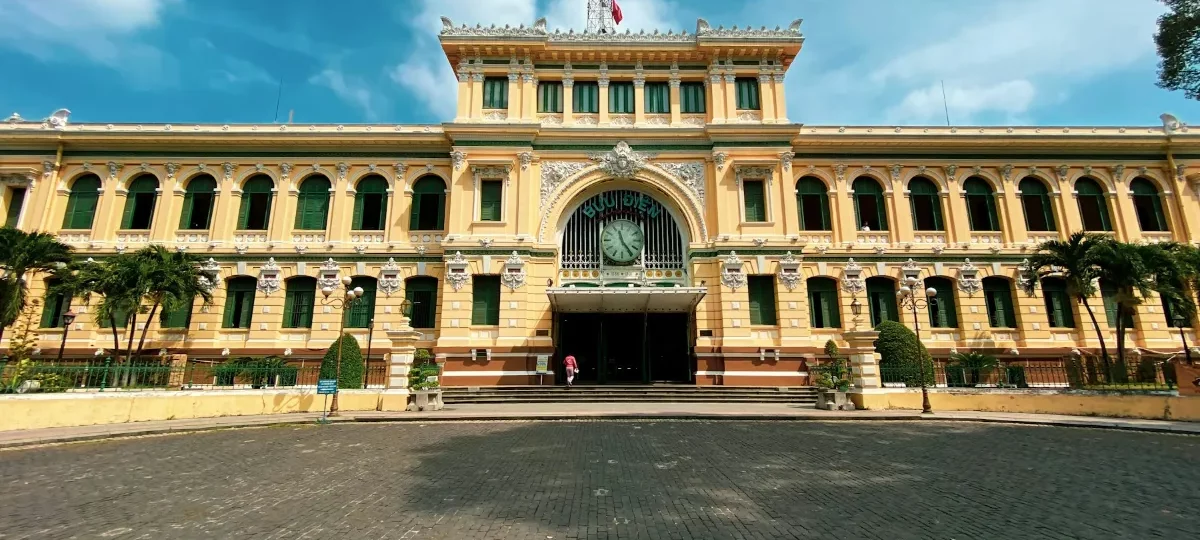
The essential sights are the Independence Palace, War Remnants Museum, Central Post Office, Notre-Dame Cathedral (exterior during restoration), Bến Thành Market, Chợ Lớn and Landmark 81, plus a day trip to the Cu Chi Tunnels or the Mekong Delta.
| Sight | Why go | Ticket (foreign visitors) |
|---|---|---|
| Independence Palace | 1960s presidential palace and 1975 history | Check current price on site |
| War Remnants Museum | Powerful war photography and exhibits | Low-cost ticket; check on site |
| Saigon Central Post Office | French colonial architecture, still a working post office | Free |
| Notre-Dame Cathedral | Red-brick 19th-century cathedral | Free; under restoration beyond 2027 |
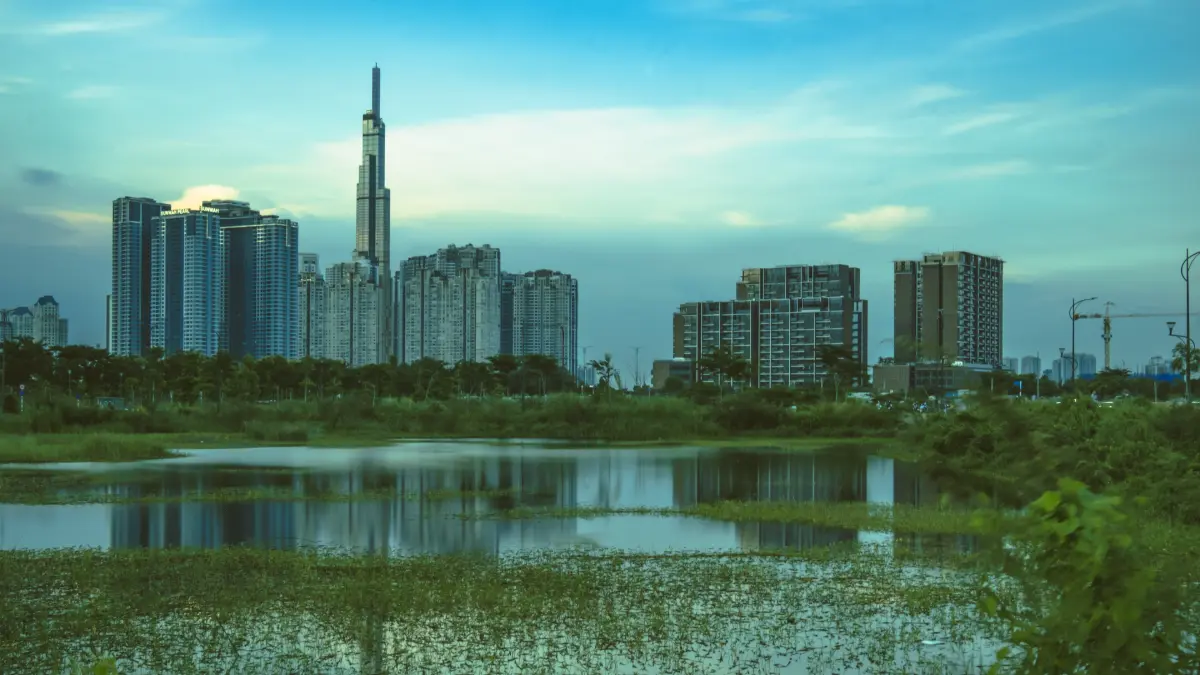
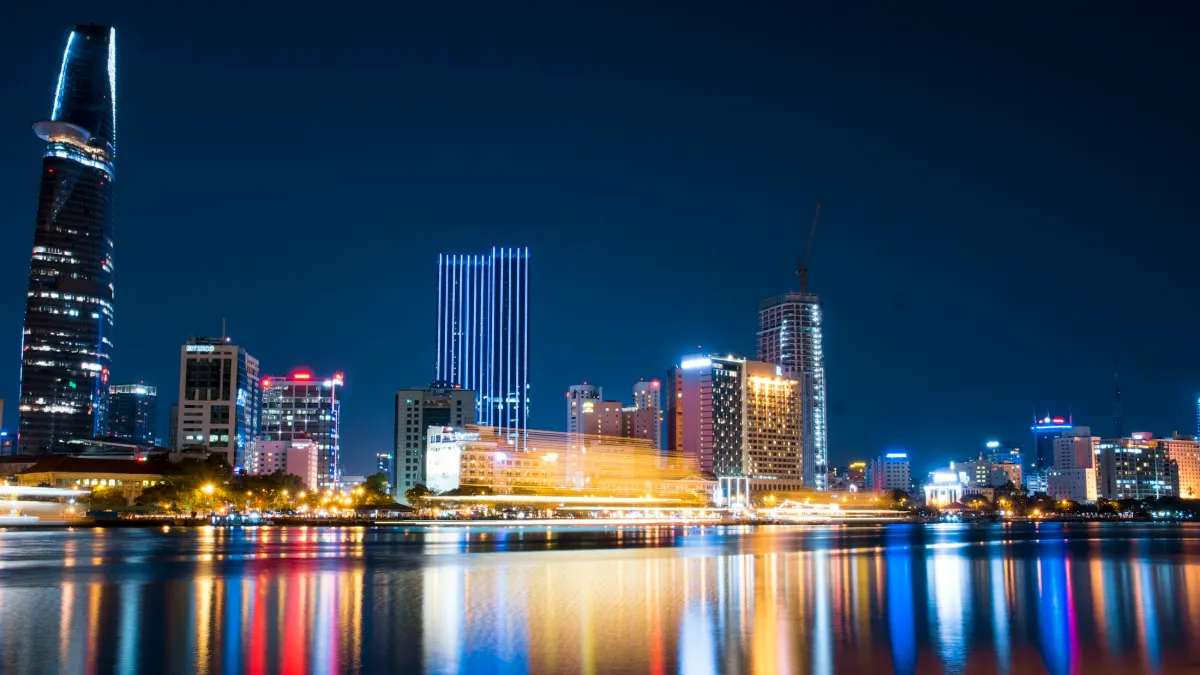
| Landmark 81 SkyView | Views from Vietnam’s tallest building | About 300,000 VND weekdays, 500,000 VND weekends |
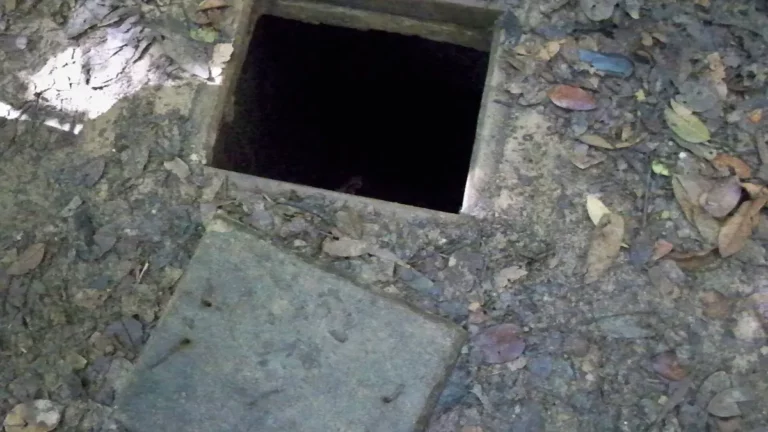
| Cu Chi Tunnels | Wartime tunnel network, 1.5–2 h from the city | 135,000 VND from 1 Feb 2026 |

What Is a Good Saigon Itinerary?
Three days is ideal: one day in the colonial centre, one day for Cu Chi and Chợ Lớn, and one day in the Mekong Delta. With only two days, combine the centre and one day trip.
1. Day 1: Colonial Saigon
Start at the Independence Palace, walk to the War Remnants Museum, then lunch nearby. In the afternoon, see the Central Post Office, Notre-Dame Cathedral from outside, the Opera House and Nguyễn Huệ walking street. End with sunset drinks on a rooftop or at Landmark 81.
2. Day 2: Cu Chi Tunnels and Chợ Lớn
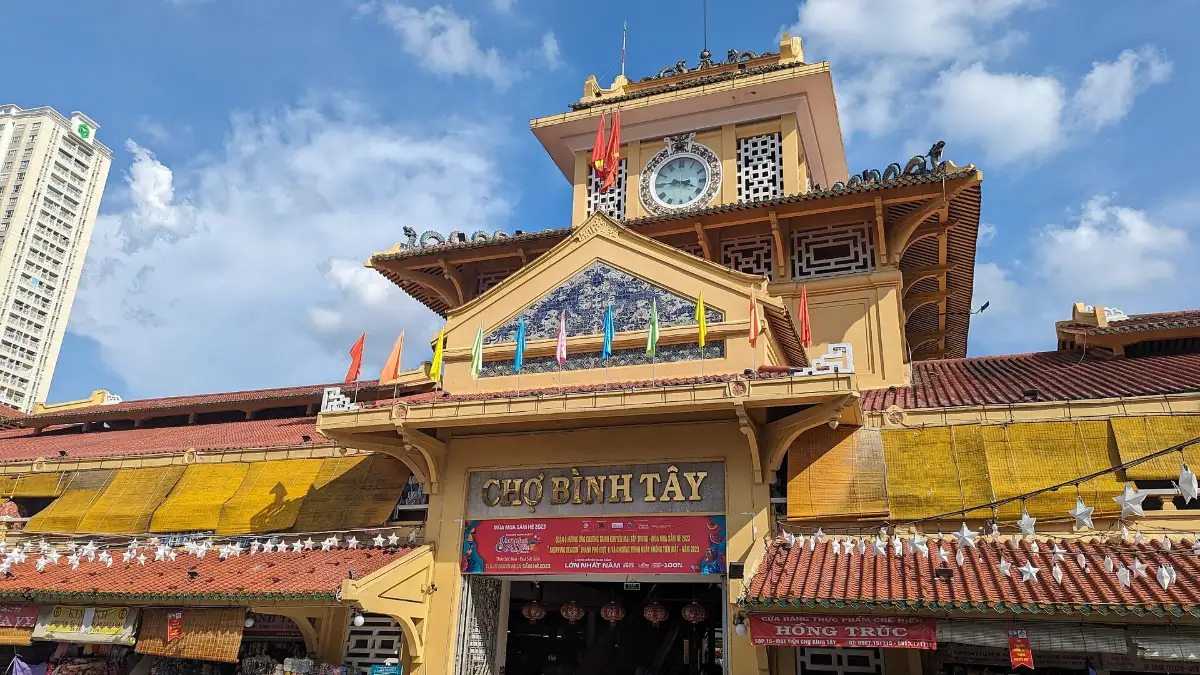
Leave early for the Cu Chi Tunnels and return by lunchtime. In the afternoon, explore Chợ Lớn’s temples and Bình Tây Market, then head to Vĩnh Khánh food street for dinner.
3. Day 3: Mekong Delta
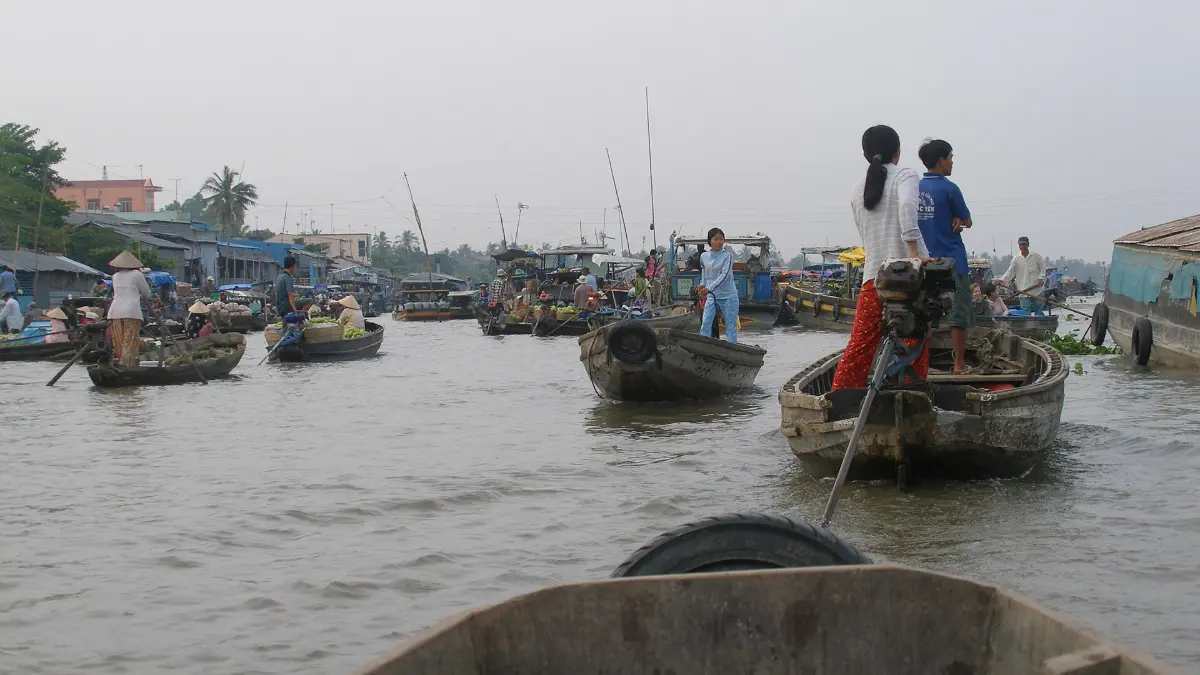
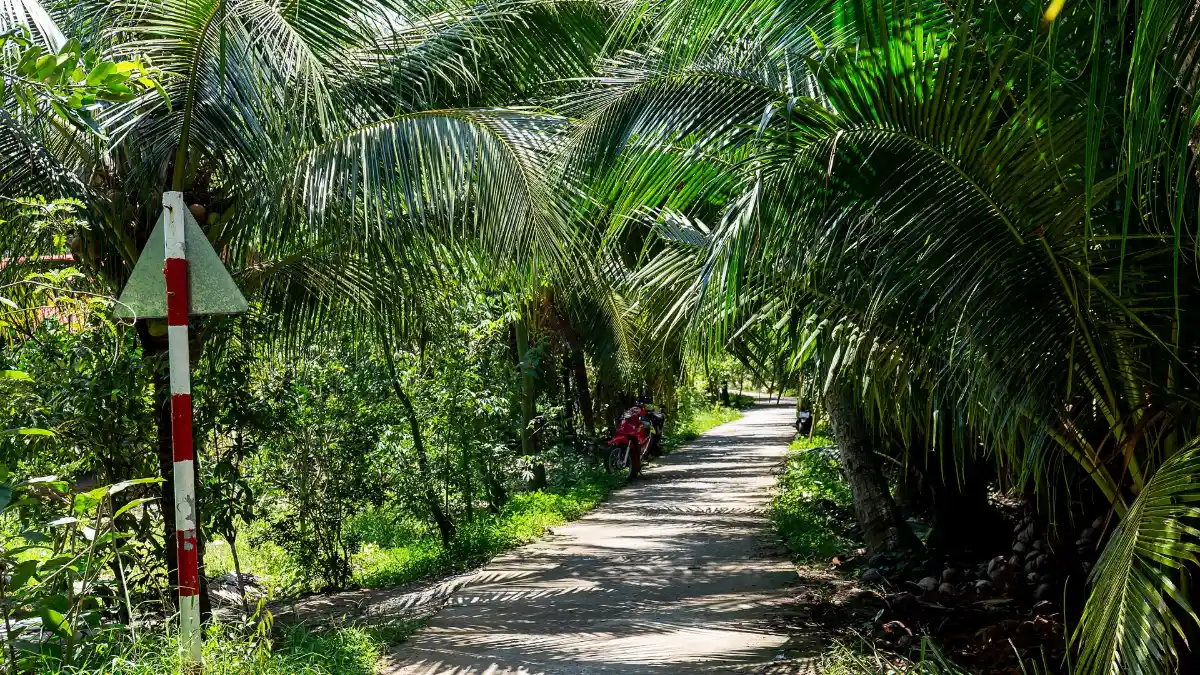
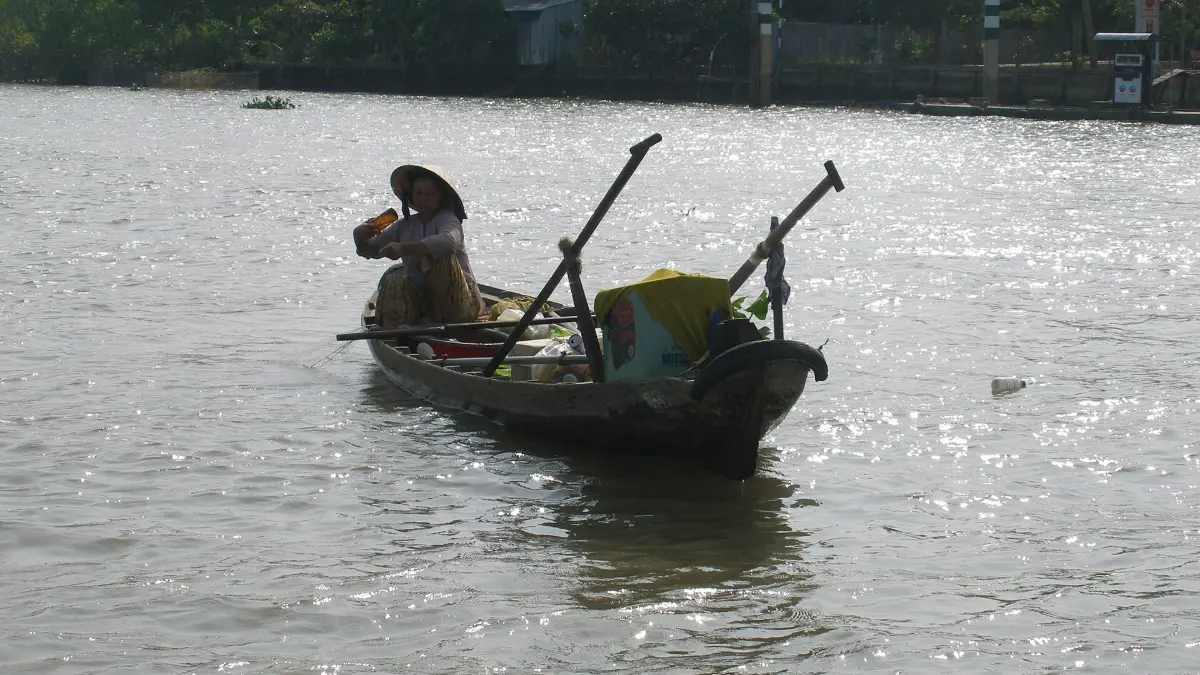
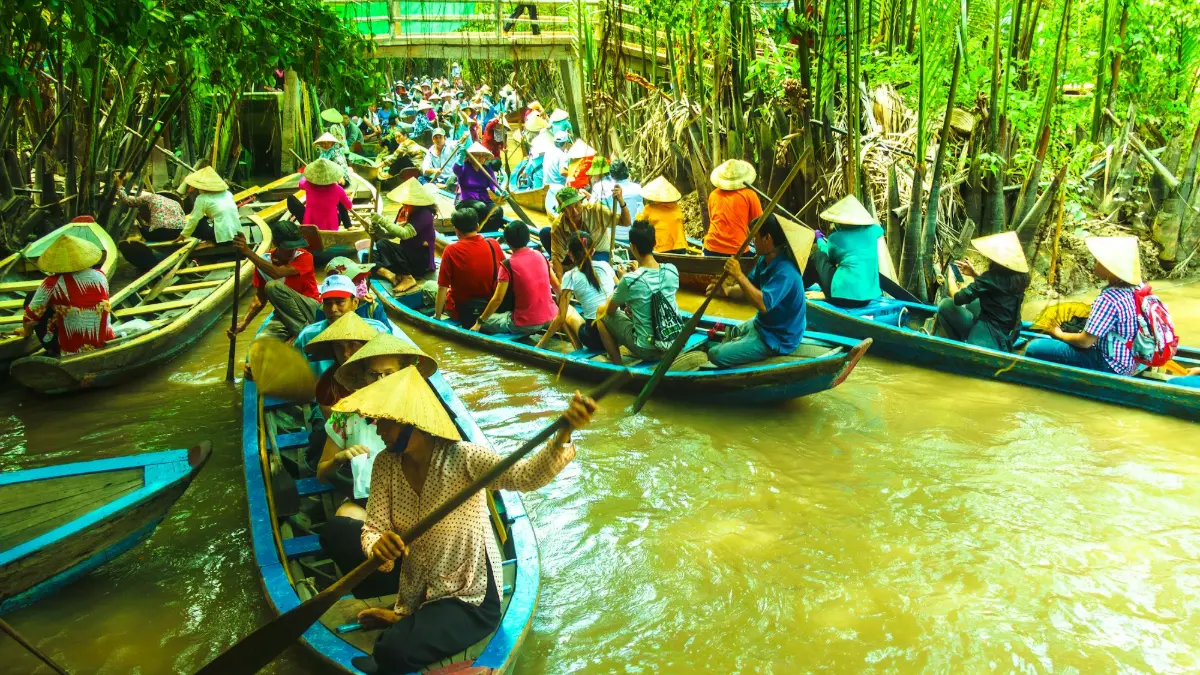
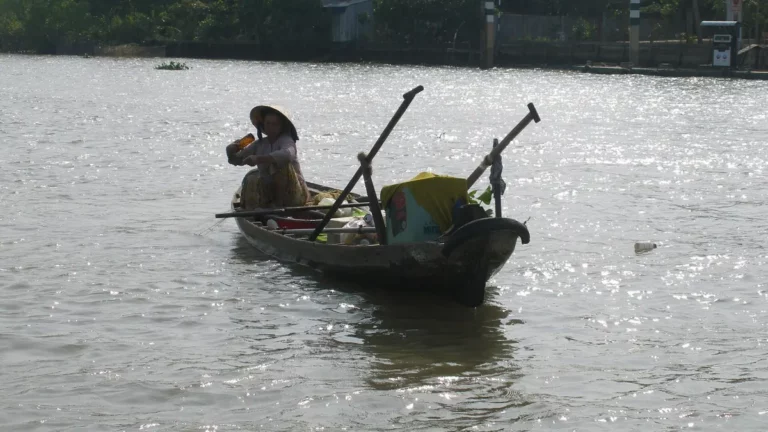
Take a Mekong Delta day trip from Saigon to My Tho and Ben Tre for sampan rides, coconut workshops and orchards. Or stay overnight and continue to Can Tho for the floating market.
Which Festivals and Holidays Affect Travel in Saigon?
Tet (Lunar New Year) is the biggest: in 2027 it falls on 6 February, and many shops, restaurants and family businesses close for 3–7 days while transport sells out. The city is decorated beautifully, with the Nguyễn Huệ flower street a highlight.
Other busy periods are Reunification Day and Labour Day (30 April–1 May), National Day (2 September) and Christmas, when central streets are crowded in the evening. Book hotels and transport well ahead for these dates.
What Should I Pack for Saigon?
Pack light, breathable clothes, a light rain jacket or poncho, comfortable walking shoes, sunscreen, a hat, insect repellent and a scarf or long trousers for temples. A refillable water bottle and a universal plug adapter are useful.
Bring a photocopy of your passport, travel insurance details and enough cash for the first day. Everything else, from SIM cards to toiletries, is easy and cheap to buy in Saigon.
Local Expert Tips for Visiting Saigon
These tips come from years of arranging Saigon tours for international travellers.
- Do sightseeing from about 07:30 to 11:00 and after 15:30; spend the hottest hours in a museum, café or your hotel pool.
- Check opening hours: some museums and palaces close at lunchtime.
- Download Grab or Xanh SM before you arrive and add a card.
- Carry small notes (10,000–100,000 VND) for markets, stalls and tips.
- Visit the Cu Chi Tunnels early in the morning to avoid heat and crowds.
- Do not link to or buy Landmark 81 tickets from unofficial websites; buy at the venue or through a trusted agent.
- In the rainy season, schedule day trips for the morning; afternoon storms are common.
- Save your hotel address in Vietnamese, including the new ward name, to show drivers.
Plan Your Saigon Trip
Use these guides to fill in the details: our Saigon food guide lists dishes and Michelin picks, where to stay in Saigon compares neighbourhoods, and the Saigon transportation guide covers the airport and metro. Continuing south or along the coast? Read our Mekong Delta travel tips, Mui Ne travel tips and Da Lat travel tips, or compare with our Hanoi travel tips.
Plan your trip with our Saigon travel guide and Saigon tours. Contact Vietnam Tour Expert Team for a free custom itinerary.
Frequently Asked Questions about Saigon Travel Tips
1. Do I need a visa to visit Saigon?
Citizens of 24 countries, including the UK, much of Europe, Japan and South Korea, can visit Saigon visa-free for 45 days. Others need an e-visa from evisa.gov.vn, valid for up to 90 days.
2. How much is a Vietnam e-visa for Saigon?
A Vietnam e-visa costs US$25 for a single entry or US$50 for multiple entries and is valid for up to 90 days. It is accepted at Saigon’s Tan Son Nhat Airport.
3. What is the best month to visit Saigon?
December to April is the best time to visit Saigon, with dry, sunny weather. January and February are the most comfortable months, but check Tet dates.
4. When is the rainy season in Saigon?
Saigon’s rainy season runs from about May to November. Rain usually comes as short, heavy afternoon showers rather than all-day rain.
5. How many days do I need in Saigon?
Two to three days in Saigon covers the main city sights plus a day trip to the Cu Chi Tunnels or the Mekong Delta.
6. Is Saigon safe for tourists?
Yes, Saigon is generally safe for tourists. The main risk is phone and bag snatching by passing motorbikes, so keep valuables secure.
7. Should I use cash or card in Saigon?
Use both in Saigon: cards work in hotels, restaurants and malls, while street stalls and markets prefer cash or VietQR transfer.
8. Is Saigon the same as Ho Chi Minh City?
Yes. The city was officially renamed Ho Chi Minh City in 1976, but “Saigon” is still widely used, and Saigon is also the name of a central ward since 2025.
9. What is the new name of District 1 in Saigon?
Since 1 July 2025, old District 1 in Saigon has been split into Saigon, Bến Thành, Tân Định and Cầu Ông Lãnh wards.
10. When is Tet 2027 in Saigon?
Tet (Lunar New Year) 2027 falls on 6 February. Many shops and restaurants in Saigon close for several days, and transport sells out early.
11. Can I rent a motorbike in Saigon as a tourist?
Only with a valid Vietnamese licence or a 1968-Convention International Driving Permit. Unlicensed riders in Saigon face fines of 2–8 million VND.
12. How do I get a SIM card in Saigon?
Buy a Viettel, Vinaphone or Mobifone tourist SIM at Saigon’s airport or an official store, registered with your passport, or buy an eSIM online before you travel.
13. What should I wear in Saigon?
Wear light, breathable clothes in Saigon, but cover shoulders and knees for temples, pagodas, churches and the Independence Palace.
14. Is Notre-Dame Cathedral in Saigon open?
Saigon’s Notre-Dame Cathedral is still under restoration beyond 2027, although its spire cross was reinstalled in March 2026. You can view the exterior; check access before visiting.
15. How much are Cu Chi Tunnels tickets from Saigon?
From 1 February 2026, foreign visitors pay 135,000 VND to enter the Cu Chi Tunnels, about 1.5–2 hours from Saigon. Transport is extra.
16. Can I drink tap water in Saigon?
No. Drink bottled or filtered water in Saigon. Ice in restaurants and cafés is usually factory-made and safe.
17. Do I need to tip in Saigon?
Tipping is not mandatory in Saigon, but 5–10% in restaurants and a tip for tour guides and drivers is appreciated.
18. Is it worth visiting the Mekong Delta from Saigon?
Yes. A Mekong Delta day trip from Saigon shows rural life, canals and orchards in about 1.5–2 hours each way. See our Mekong Delta day trip guide.
Related Posts
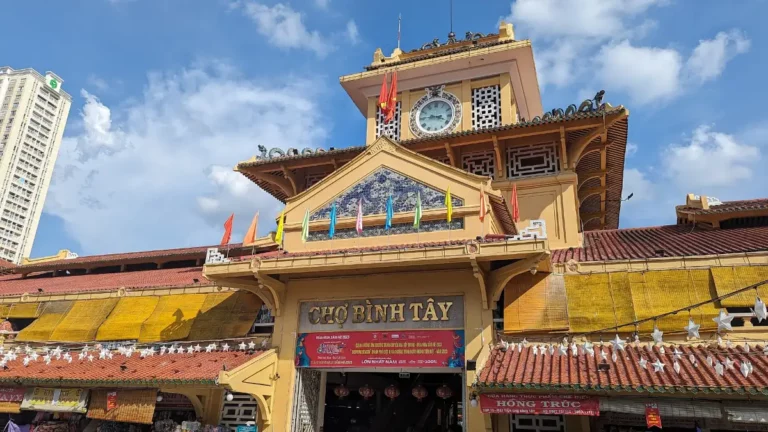
Cholon & Binh Tay Market: Saigon Chinatown Guide
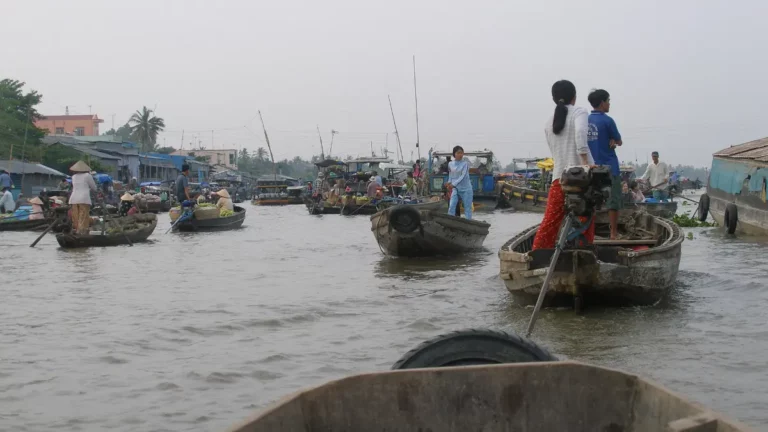
Can Tho & Cai Rang Floating Market: Best Time & Guide
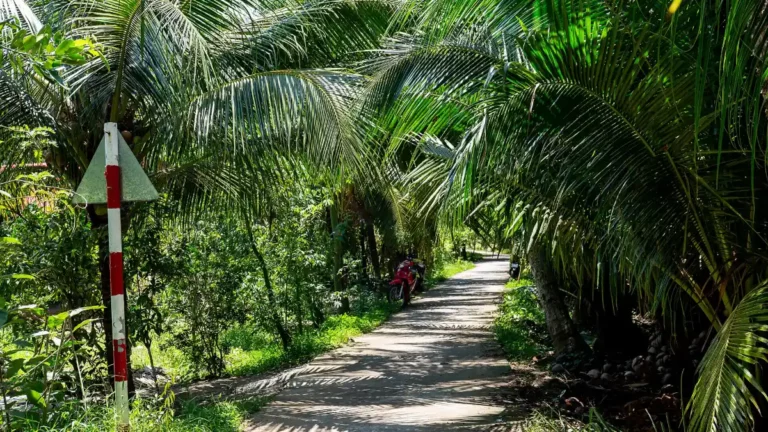
Ben Tre: Coconut Canals, Sampan Rides & Homestays
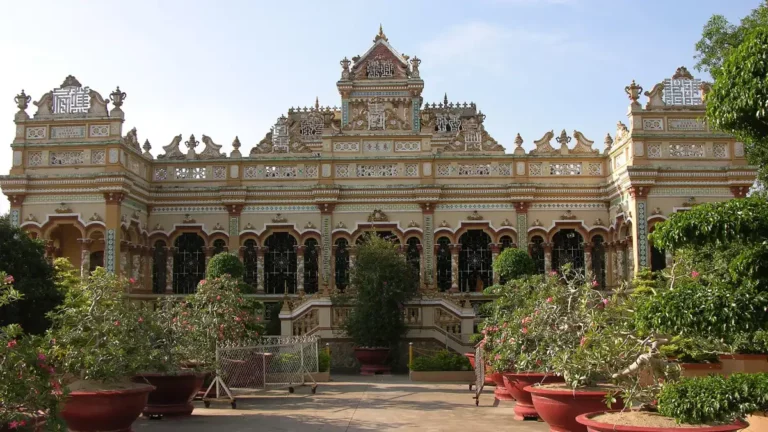
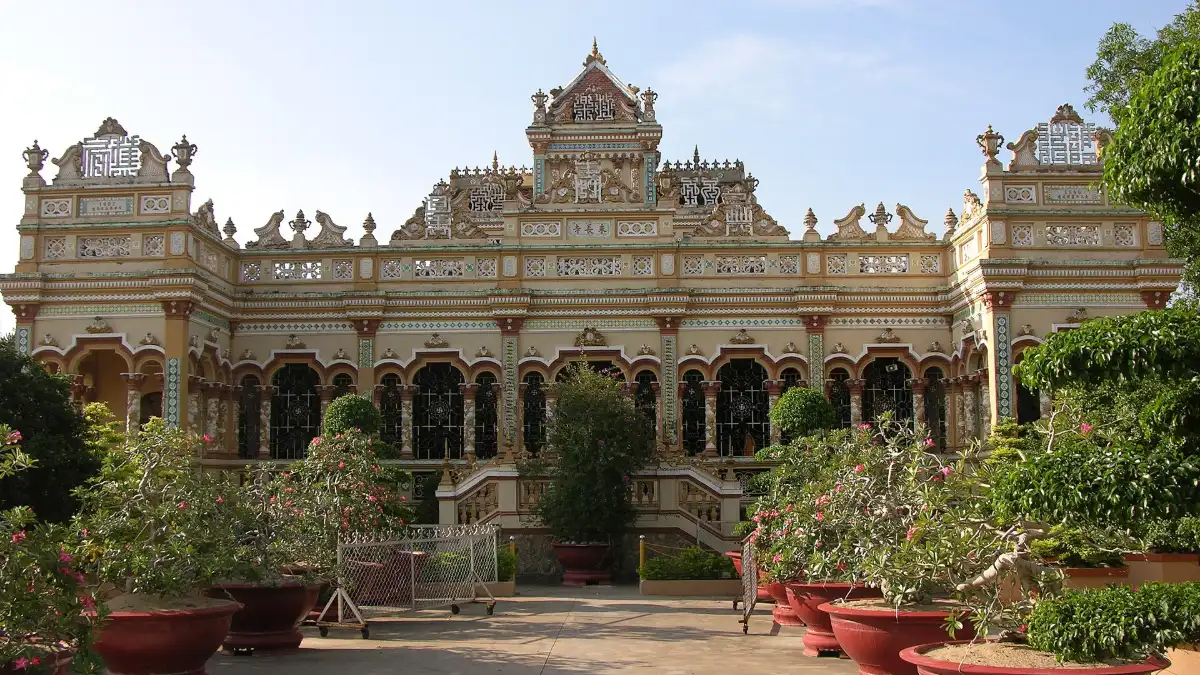
My Tho Mekong Delta: Vinh Trang Pagoda, Islands & Day Trip
Mekong Delta Day Trip from Saigon: Routes, Tips & Tours