Vietnam Museum of Ethnology: Discover Vietnam’s 54 Ethnic Groups in Hanoi (2026 Guide)
The Vietnam Museum of Ethnology (Bảo tàng Dân tộc học Việt Nam), on Nguyen Van Huyen Street in Nghia Do Ward, about 8 km west of Hoan Kiem Lake, is Hanoi’s best museum of culture. It covers all 54 ethnic groups of Vietnam, with a 2-hectare garden of full-size traditional houses. Open 8:30–17:30, closed Mondays; tickets 40,000 VND.
Status (checked October 2026): open as normal, Tuesday to Sunday 8:30–17:30; closed on Mondays and during the Lunar New Year (Tet) holiday. Adult tickets cost 40,000 VND, with reduced rates for children and students.
Why the Vietnam Museum of Ethnology is worth seeing:
- All 54 ethnic groups: clothing, tools, rituals and daily life of every officially recognised group, with clear English labels.
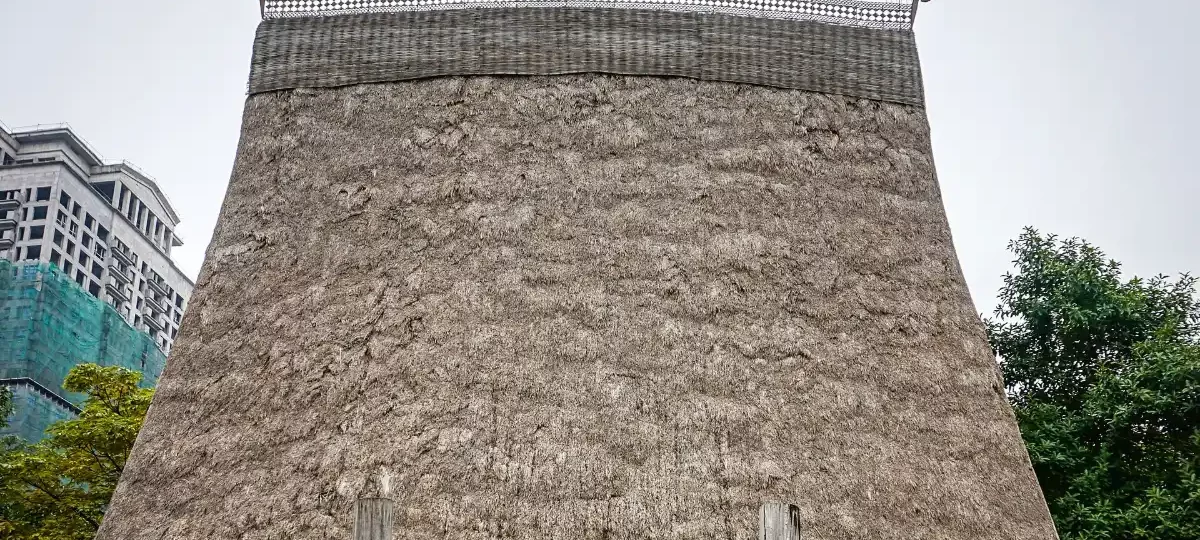
- The outdoor architecture garden: real stilt houses, a towering Bahnar communal house, an Ede longhouse and carved Giarai tombs you can walk into.
- Southeast Asia gallery: the kite-shaped building opened in 2013 extends the story to neighbouring countries.
- Great for families: open space, interactive displays and, on some days, water puppet performances.
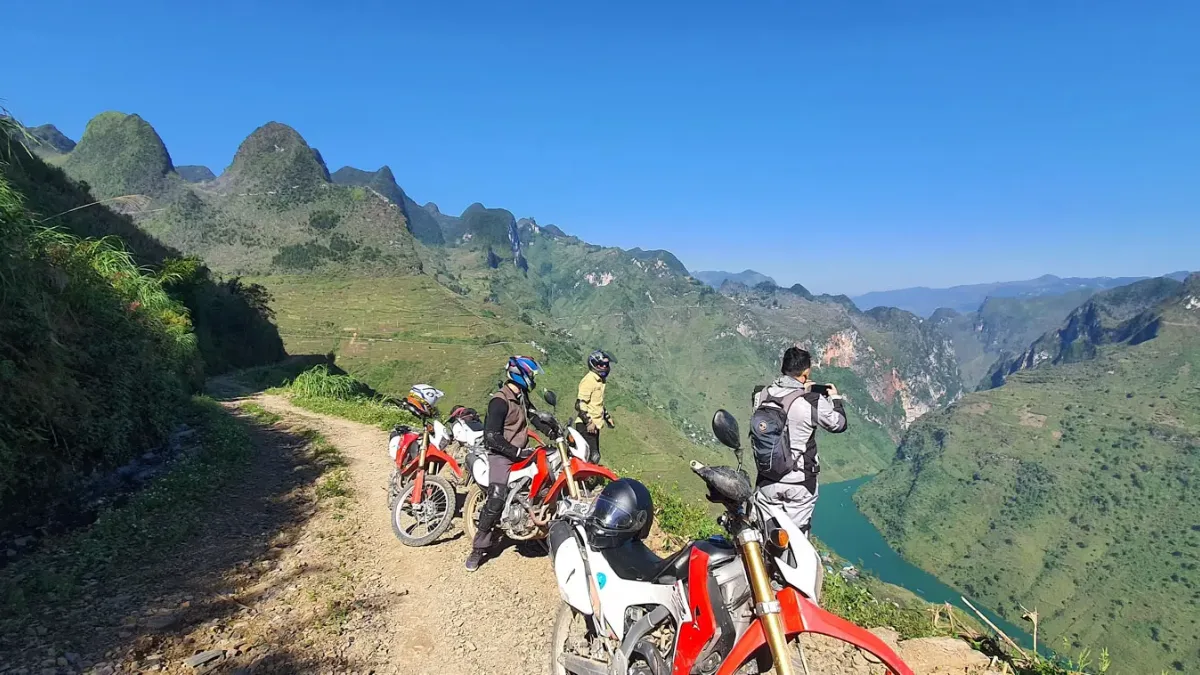
- The best preparation for trips to Sapa, Ha Giang or the Central Highlands.
Vietnam Museum of Ethnology at a Glance
| Vietnamese name | Bảo tàng Dân tộc học Việt Nam |
|---|---|
| Location | Nguyen Van Huyen Street, Nghia Do Ward (Cau Giay area), Hanoi |
| Distance | About 8 km west of Hoan Kiem Lake (25–40 minutes by taxi); about 5 km from the Ho Chi Minh Mausoleum |
| Known for | 54 ethnic groups, Bronze Drum building, outdoor traditional houses, Southeast Asia gallery |
| Operator | Vietnam Academy of Social Sciences; opened 12 November 1997 |
| Opening hours | Tuesday–Sunday 8:30–17:30; closed Mondays and Tet |
| Entrance fee | 40,000 VND adults (about US$1.50); 20,000 VND children and students; under-6s free |
| Time needed | 2–3 hours |
| Best time | Weekday mornings; October–April for the outdoor garden |
| Nearby | Cau Giay area, Vietnam Military History Museum (about 8 km) |
| Find it | Google Maps · Tripadvisor · Official website |
Is the Vietnam Museum of Ethnology Worth Visiting?
Yes, for many travellers it is the best museum in Hanoi. It explains the country’s remarkable ethnic diversity better than anywhere else, and the outdoor garden of houses is unique. The only drawback is the location outside the centre, so plan half a day and a taxi.
- Best for: culture lovers, families, photographers and anyone heading to the northern mountains or the Central Highlands.
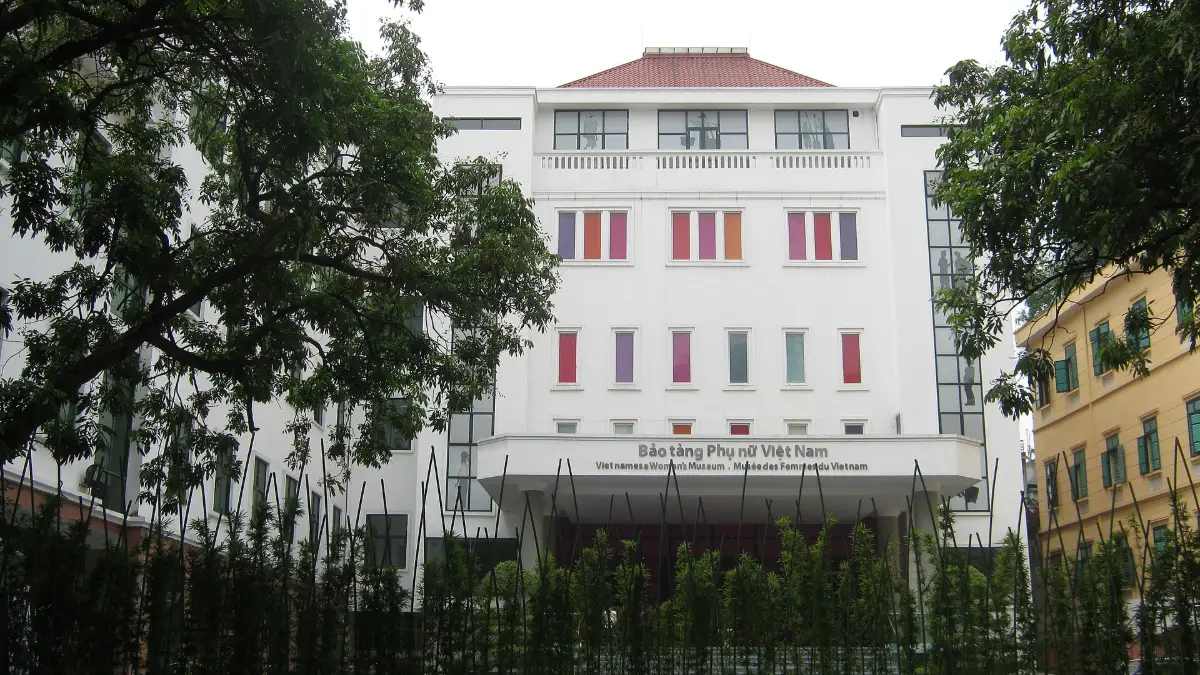
- Skip if: you have only one day in Hanoi; the central Vietnamese Women’s Museum is a shorter alternative.
- Short on time: spend 45 minutes in the Bronze Drum building and 45 minutes in the outdoor garden.
History of the Vietnam Museum of Ethnology
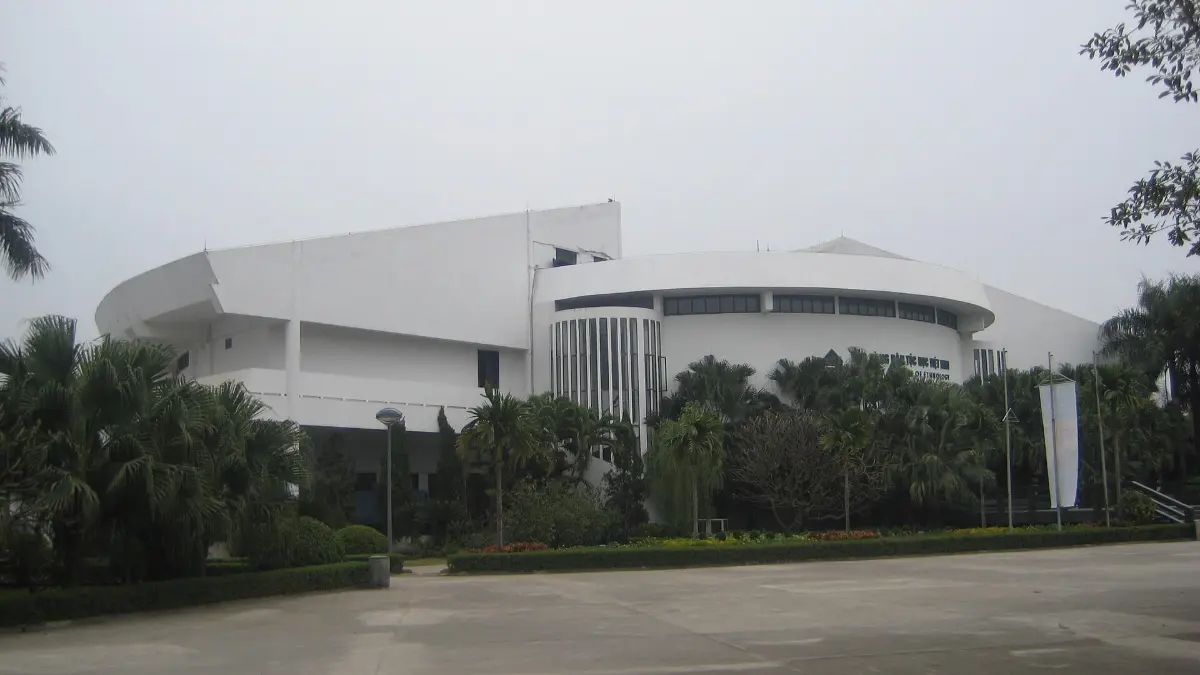
The museum was approved in December 1987, built between 1987 and 1995, and opened to the public on 12 November 1997. The main exhibition building, shaped like a Dong Son bronze drum, was designed by Tay architect Ha Duc Linh, with interiors by French architect Véronique Dollfus. The open-air exhibition grew over the following years as traditional houses were rebuilt in the garden by craftsmen from the communities themselves. In 2013 a second, kite-shaped building opened with exhibitions on Southeast Asian cultures. The site covers about 4.4 hectares, including around 2 hectares of open-air displays.
What to See at the Vietnam Museum of Ethnology
1. The Bronze Drum building (Trống Đồng)
The main building presents Vietnam’s 54 ethnic groups by language family: the Kinh (Viet) majority, Muong, Tay, Thai, Hmong, Dao and the many groups of the Central Highlands and the south. Displays include costumes, farming and fishing tools, musical instruments, ritual objects and short films of festivals and crafts.
2. Highlights inside
Look for the displays on wedding and funeral customs, textiles and weaving, religious beliefs and handicrafts, often shown with reconstructed scenes and videos recorded in the communities. Main labels are in Vietnamese, English and French.
3. The outdoor architecture garden
Behind the main building, a landscaped garden with streams and paths holds full-size traditional houses built by the communities themselves. Highlights include:
- Bahnar communal house (nha rong): its soaring thatched roof is the garden’s landmark.
- Ede longhouse: a long stilt house with carved staircases, home to an extended matrilineal family.
- Giarai tomb: a funerary house surrounded by carved wooden statues.
- Tay stilt house, Hmong and Yao houses: from the northern mountains.
- Viet (Kinh) house and Cham house: lowland and coastal traditions.
4. Water puppets in the garden
On some days, traditional water puppet performances are staged on a pond in the garden. Ask at the ticket desk for the day’s schedule.
5. The Southeast Asia building (Canh Dieu)
The kite-shaped building opened in 2013 presents cultures from across Southeast Asia, placing Vietnam’s ethnic groups in a regional context, with temporary exhibitions as well.
6. Museum shop and café
The shop sells textiles and crafts from ethnic communities, and a small café near the entrance is good for a break.
Vietnam Museum of Ethnology Tickets and Opening Hours (2026)
| Item | Details |
|---|---|
| Adults | 40,000 VND (about US$1.50) |
| Children and students | Reduced rates (about 10,000–20,000 VND) |
| Children under 6 | Free |
| Camera | A camera fee may apply (listed at 50,000 VND) |
| Museum guide | English or French guides available for a fee; book ahead |
| Opening hours | Tuesday–Sunday 8:30–17:30 |
| Closed | Mondays and the Tet holiday |
Prices are set by the museum; check the official admission page before your visit.
How to Visit the Vietnam Museum of Ethnology, Step by Step
- Buy your ticket at the gate on Nguyen Van Huyen Street and ask about water puppet times.
- Start in the Bronze Drum building to understand the groups before seeing their houses.
- Walk through the outdoor garden; climb into the stilt houses and longhouse where allowed.
- Visit the Southeast Asia building if you have time.
- Finish at the shop and café, then take a taxi back or on to your next sight.
How to Get to the Vietnam Museum of Ethnology
| From | How | Time |
|---|---|---|
| Hoan Kiem Lake / Old Quarter | Grab or taxi (about 8 km) | 25–40 minutes depending on traffic |
| Ho Chi Minh Mausoleum | Grab or taxi via Hoang Quoc Viet (about 5 km) | 15–25 minutes |
| Vietnam Military History Museum | Grab or taxi (about 8 km) | 20–25 minutes |
| Anywhere in Hanoi | City buses along Hoang Quoc Viet and Nguyen Van Huyen; check Google Maps for current routes | 45–60 minutes |
See our Hanoi transport guide for taxis and buses.
Best Time to Visit the Vietnam Museum of Ethnology
| When | What to expect |
|---|---|
| October–December | Dry and mild: perfect for the outdoor garden |
| January–April | Cool, sometimes drizzly; the garden is green and quiet |
| May–September | Hot with heavy showers; do the garden first thing in the morning |
| Weekday mornings | Quietest time |
| Weekends | Busier with families; more likely to see water puppet shows |
Local Expert Tips for the Vietnam Museum of Ethnology
These tips come from years of arranging Hanoi tours for international travellers.
- Remember it is closed on Mondays, a common mistake in itineraries.
- Visit before your trip to Sapa: you will recognise the Hmong and Dao costumes you see in the villages.
- Bring a hat and water for the outdoor garden, which has limited shade.
- Combine it with the Vietnam Military History Museum on the same western half-day, but not on a Monday or Friday.
- Take off your shoes before climbing into the stilt houses where signs ask you to.
Vietnam Museum of Ethnology vs Vietnamese Women’s Museum
| Museum of Ethnology | Vietnamese Women’s Museum | |
|---|---|---|
| Location | Nghia Do Ward, about 8 km west | French Quarter, 1 km from Hoan Kiem Lake |
| Focus | All 54 ethnic groups and Southeast Asia | Women’s lives, history and fashion |
| Highlight | Outdoor traditional houses | Costume gallery and wartime stories |
| Ticket | 40,000 VND | 40,000 VND |
| Closed | Mondays | Open daily |
| Time needed | 2–3 hours | 1.5–2 hours |
Our view: with half a day to spare, choose the Museum of Ethnology for its unique outdoor houses; if time is tight, the Women’s Museum is central and gives a good taste of ethnic costumes and traditions.
Nearby Attractions
- Vietnam Military History Museum: about 8 km south-west.
- Ho Chi Minh Mausoleum: about 5 km east.
- West Lake and Tran Quoc Pagoda: about 5 km north-east.
- Temple of Literature: about 6 km.
- Vietnam Fine Arts Museum: about 6 km.
Sightseeing in Hanoi for First-Time Visitors: Where the Vietnam Museum of Ethnology Fits
Three days in Hanoi? Day one: Hoan Kiem Lake and the Old Quarter. Day two: the Mausoleum, Temple of Literature and Hoa Lo Prison. Day three: the Museum of Ethnology in the morning and West Lake in the afternoon, before travelling on to Ha Long Bay or Sapa. Our Hanoi travel tips cover money and safety.
Plan your trip with our Hanoi travel guide and Hanoi tours. Contact Vietnam Tour Expert Team for a free custom itinerary.
Frequently Asked Questions about Vietnam Museum of Ethnology
1. How much is the ticket to the Vietnam Museum of Ethnology?
An adult ticket to the Vietnam Museum of Ethnology costs 40,000 VND; children and students pay reduced rates and under-6s enter free.
2. What are the opening hours of the Vietnam Museum of Ethnology?
The Vietnam Museum of Ethnology is open Tuesday to Sunday, 8:30–17:30.
3. Is the Vietnam Museum of Ethnology open on Mondays?
No. The Vietnam Museum of Ethnology is closed on Mondays and during the Tet holiday.
4. Where is the Vietnam Museum of Ethnology?
The Vietnam Museum of Ethnology is on Nguyen Van Huyen Street, Nghia Do Ward (Cau Giay area), about 8 km west of Hoan Kiem Lake.
5. How long should I spend at the Vietnam Museum of Ethnology?
Plan 2–3 hours at the Vietnam Museum of Ethnology to see the main building, the outdoor garden and the Southeast Asia building.
6. Is the Vietnam Museum of Ethnology worth visiting?
Yes. The Vietnam Museum of Ethnology is often considered the best museum in Hanoi, especially for its outdoor traditional houses.
7. How many ethnic groups are shown at the Vietnam Museum of Ethnology?
The Vietnam Museum of Ethnology covers all 54 officially recognised ethnic groups of Vietnam.
8. When did the Vietnam Museum of Ethnology open?
The Vietnam Museum of Ethnology opened to the public on 12 November 1997.
9. Are there water puppet shows at the Vietnam Museum of Ethnology?
Yes. The Vietnam Museum of Ethnology stages water puppet performances in its garden on some days; ask at the ticket desk for times.
10. How do I get to the Vietnam Museum of Ethnology from the Old Quarter?
Take a Grab or taxi to the Vietnam Museum of Ethnology; the 8 km trip takes 25–40 minutes. See our Hanoi transport guide.
11. What houses are in the Vietnam Museum of Ethnology garden?
The Vietnam Museum of Ethnology garden includes a Bahnar communal house, an Ede longhouse, a Giarai tomb, Tay, Hmong and Yao houses, and Viet and Cham houses.
12. Is the Vietnam Museum of Ethnology good for kids?
Yes. Children enjoy exploring the stilt houses and garden at the Vietnam Museum of Ethnology, and under-6s are free.
13. Who designed the Vietnam Museum of Ethnology?
The main Bronze Drum building of the Vietnam Museum of Ethnology was designed by Tay architect Ha Duc Linh, with interiors by Véronique Dollfus.
14. Does the Vietnam Museum of Ethnology have English labels?
Yes. The main exhibits at the Vietnam Museum of Ethnology have labels in Vietnamese, English and French.
15. Can I combine the Vietnam Museum of Ethnology with other sights?
Yes. The Vietnam Museum of Ethnology pairs well with the Vietnam Military History Museum or West Lake on the same day.
16. Is there a café at the Vietnam Museum of Ethnology?
Yes. The Vietnam Museum of Ethnology has a small café and a craft shop near the entrance.
Related Posts
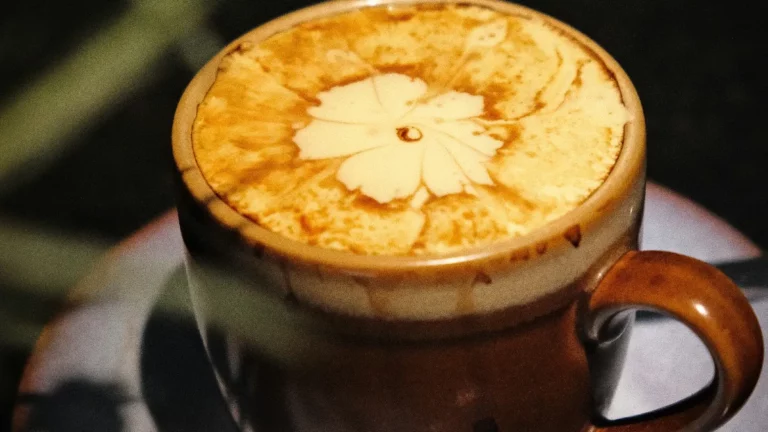
Hanoi Egg Coffee (2026): Best Cafés, Prices, History & Recipe
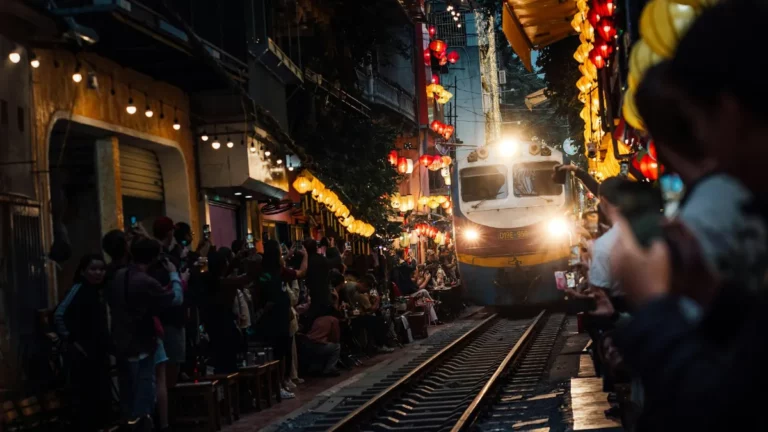
Hanoi Train Street (2026): Is It Open? Train Times, Cafés & Rules
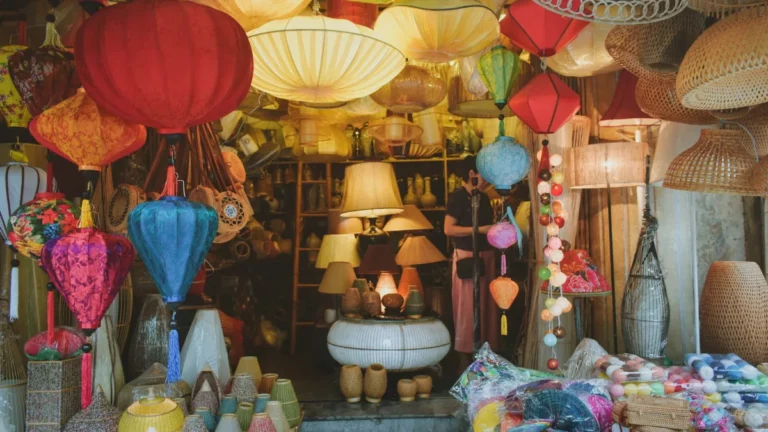
Hanoi Shopping Guide: Best Markets, Streets & Souvenirs to Buy (2026)

Hanoi Travel Tips: Essential Things to Know Before You Go (2026)
Hanoi Transportation: How to Get Around Hanoi & From Noi Bai Airport (2026 Guide)