Hanoi Old Quarter: Guide to the 36 Streets – What to See, Eat & Do (2026)
The Hanoi Old Quarter (Phố cổ Hà Nội), nicknamed the “36 Streets”, is the historic merchant district just north of Hoan Kiem Lake. Its narrow lanes, many named after the goods once sold there, are packed with tube houses, temples, street food and shops. It is free to explore on foot, day and night; a few heritage houses charge 20,000 VND.
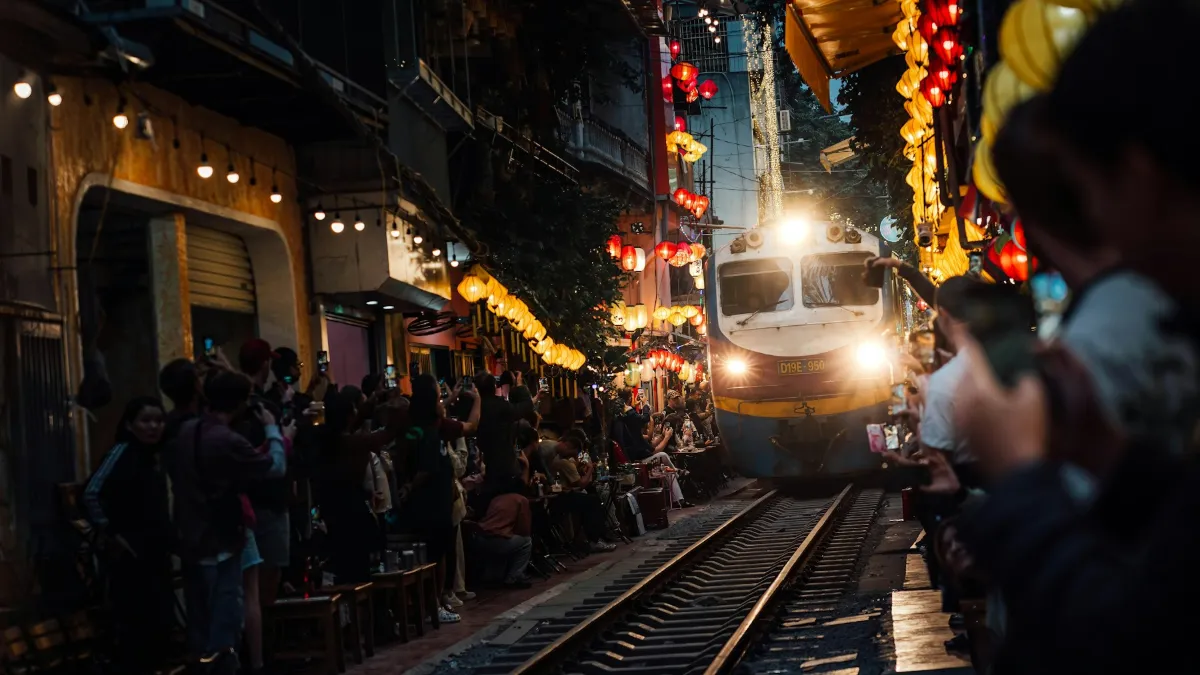
Status (checked October 2026): open and free as normal; the car-free walking streets around Hoan Kiem and the Old Quarter run from Friday evening to Sunday night. On Train Street, trackside cafés remain officially banned and passenger trains were reduced from early 2026, so follow local guidance and never stand on the tracks.
Why the Hanoi Old Quarter is worth exploring:
- Centuries of trade: guild streets such as Hang Bac (silver), Hang Ma (paper goods) and Hang Thiec (tin) still keep their names and some of their trades.
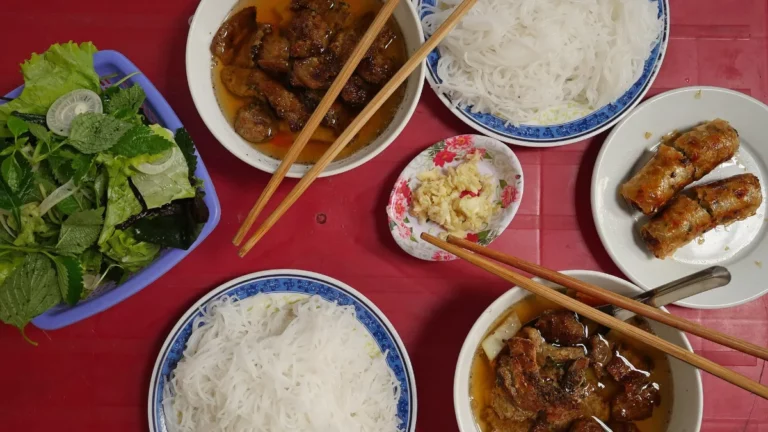
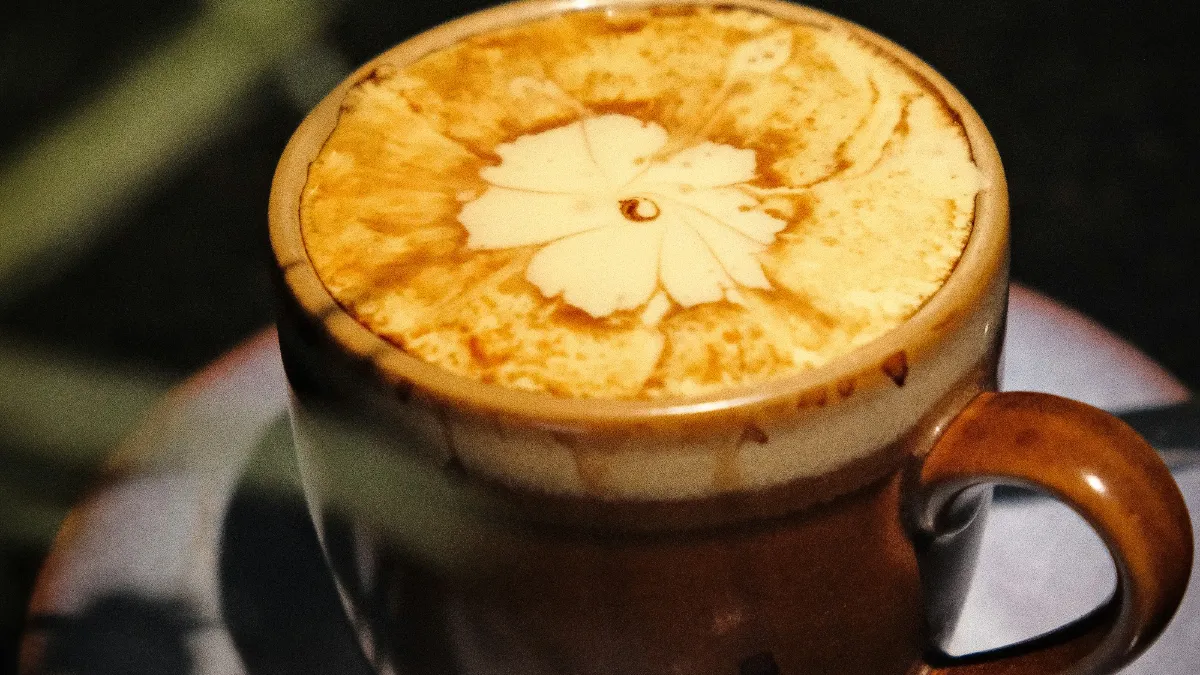
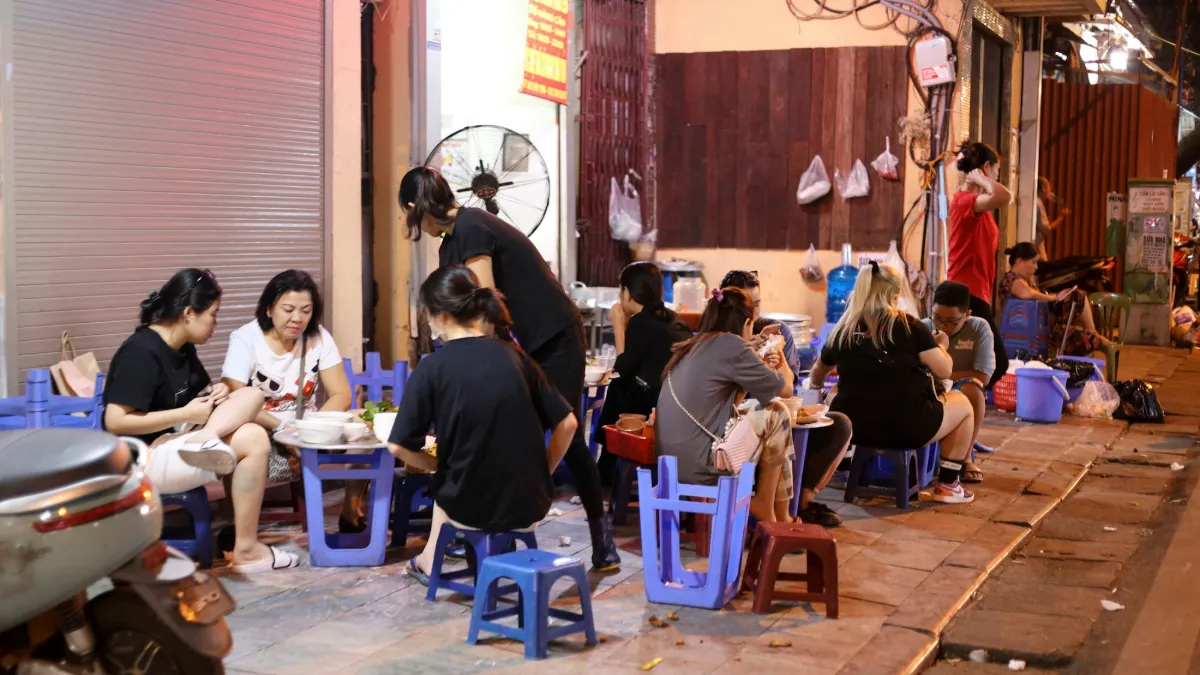
- Hanoi’s best street food: pho, bun cha, banh mi, cha ca and egg coffee within a few blocks.
- Hidden heritage: Bach Ma Temple, the 87 Ma May heritage house and O Quan Chuong, the last old city gate.
- Weekend walking streets: car-free evenings with music, games and night markets.
- Real city life: families, vendors and scooters share the same lanes from dawn to midnight.
Hanoi Old Quarter at a Glance
| Vietnamese name | Phố cổ Hà Nội (Khu phố cổ, “36 phố phường”) |
|---|---|
| Location | North of Hoan Kiem Lake, mainly in Hoan Kiem Ward, central Hanoi |
| Size | About 100 ha; the traditional “36 streets”, today more than 70 streets and lanes |
| Known for | Guild streets, tube houses, street food, Ta Hien beer street, night market |
| Opening hours | Always open; shops roughly 8:00–22:00; walking streets Friday about 19:00 to Sunday midnight |
| Entrance fee | Free; 87 Ma May and 22 Hang Buom heritage sites 20,000 VND each |
| Time needed | Half a day to a full day; most visitors return several times |
| Best time | Early morning for local life, evening for food; October–April |
| Nearby | Hoan Kiem Lake, Dong Xuan Market, St Joseph’s Cathedral |
| Find it | Google Maps · Tripadvisor |
Is the Hanoi Old Quarter Worth Visiting?
Yes, it is the heart of Hanoi and most visitors stay in or near it. It is chaotic, noisy and crowded, but also full of character: you can eat a bowl of pho on a tiny plastic stool, find a 900-year-old temple between shops, and watch craftsmen at work. The key is to slow down and walk.
- Best for: food lovers, photographers, shoppers, first-time visitors who want to feel the city.
- Skip if: you dislike crowds and traffic; base yourself in the French Quarter or West Lake and visit briefly.
- Short on time? Walk Hang Bac, Ma May, Ta Hien and Hang Buom, then see O Quan Chuong, in about two hours.
History of the Hanoi Old Quarter
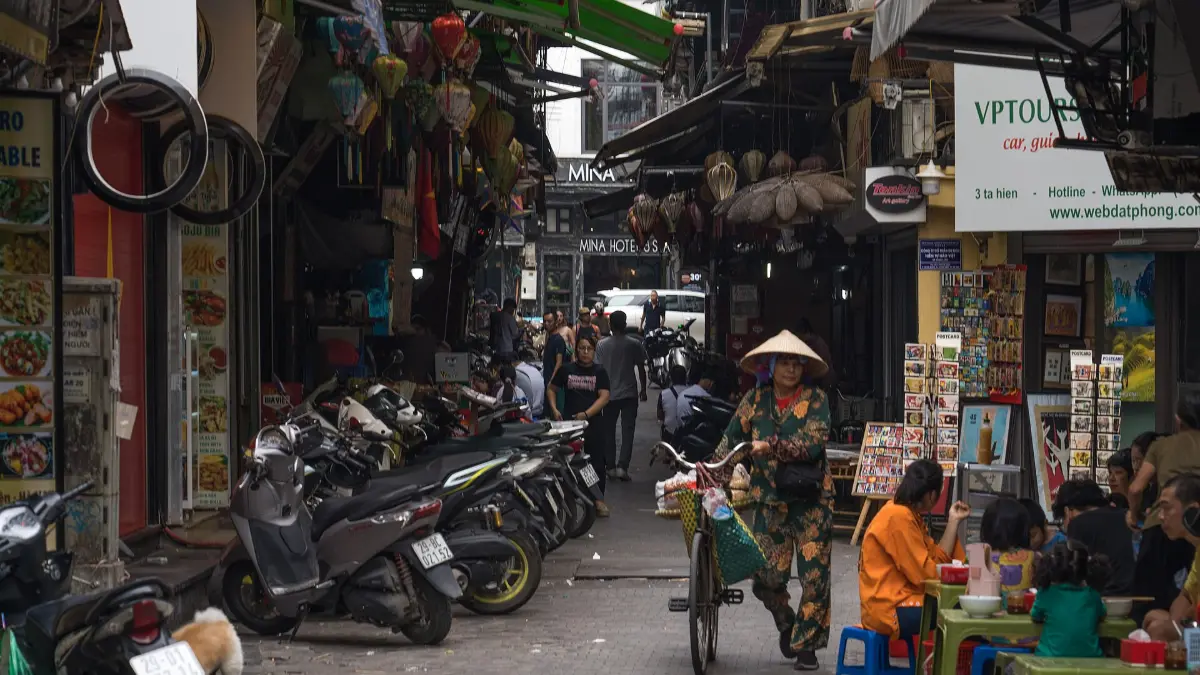
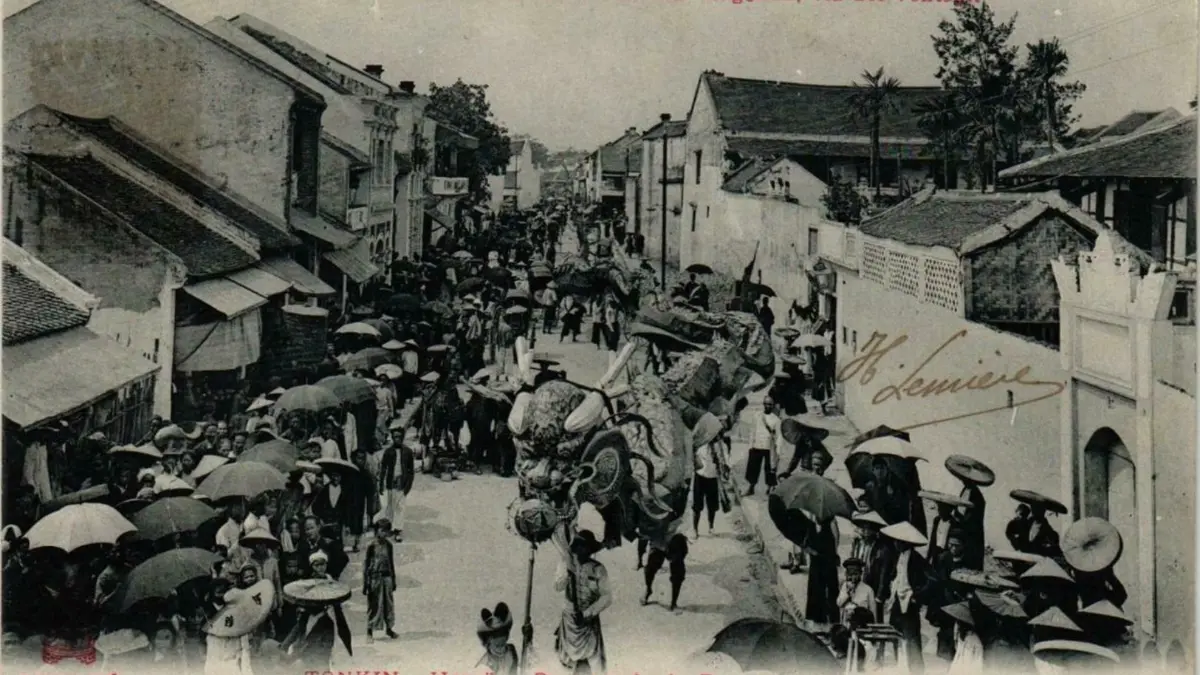
When Emperor Ly Thai To founded Thang Long in 1010, artisans and traders from surrounding villages settled east of the royal citadel, near the Red River and To Lich River. Craftsmen from the same village clustered in the same street, forming guilds: hence names such as Hang Bac (silver), Hang Gai (hemp, now silk), Hang Thiec (tin) and Hang Buom (sails). The phrase “36 streets” (36 phố phường) has been used for centuries, although the real number of streets was always larger.
The narrow “tube houses” (nhà ống), some only 2–3 m wide but very deep, developed partly because shop frontage on the street was so valuable (and, by popular account, taxed by width). In the French colonial period many façades gained balconies and shutters. Today the area is protected as a heritage zone, and the city manages temples, communal houses and heritage houses through the Hanoi Old Quarter Management Board. Read more on Wikipedia.
What to See and Do in the Hanoi Old Quarter
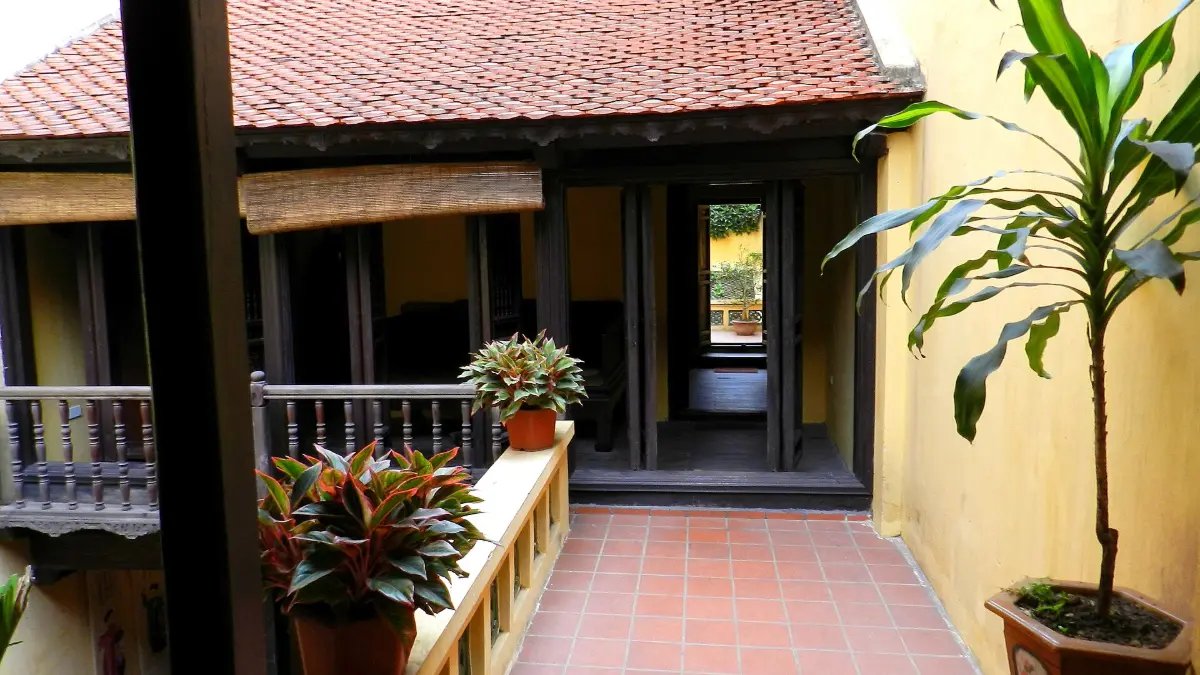
1. 87 Ma May Heritage House
This restored late-19th-century merchant’s house shows a traditional tube house with courtyards, wooden rooms and an altar room. Entry costs 20,000 VND.
2. Bach Ma Temple
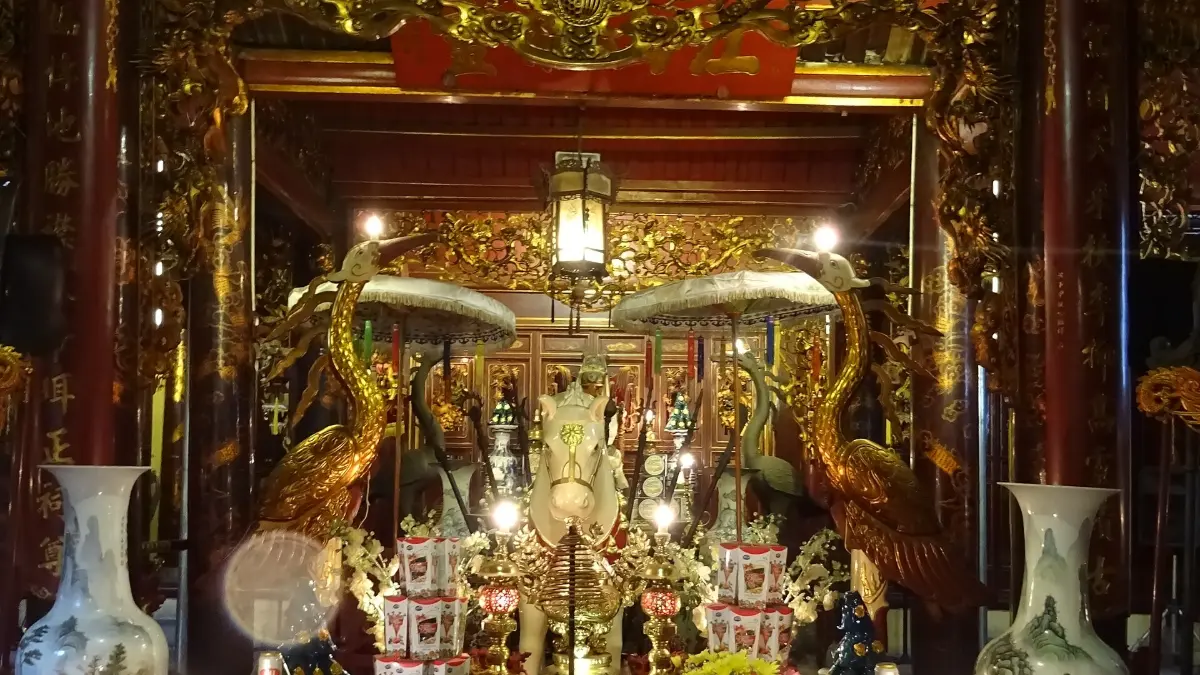
At 76 Hang Buom, Bach Ma (White Horse) Temple is one of the oldest in Hanoi, linked to the founding of Thang Long in the 11th century. It is one of the “Four Sacred Guardians” (Thăng Long tứ trấn) of the ancient capital. Entry is free.
3. O Quan Chuong (Old East Gate)
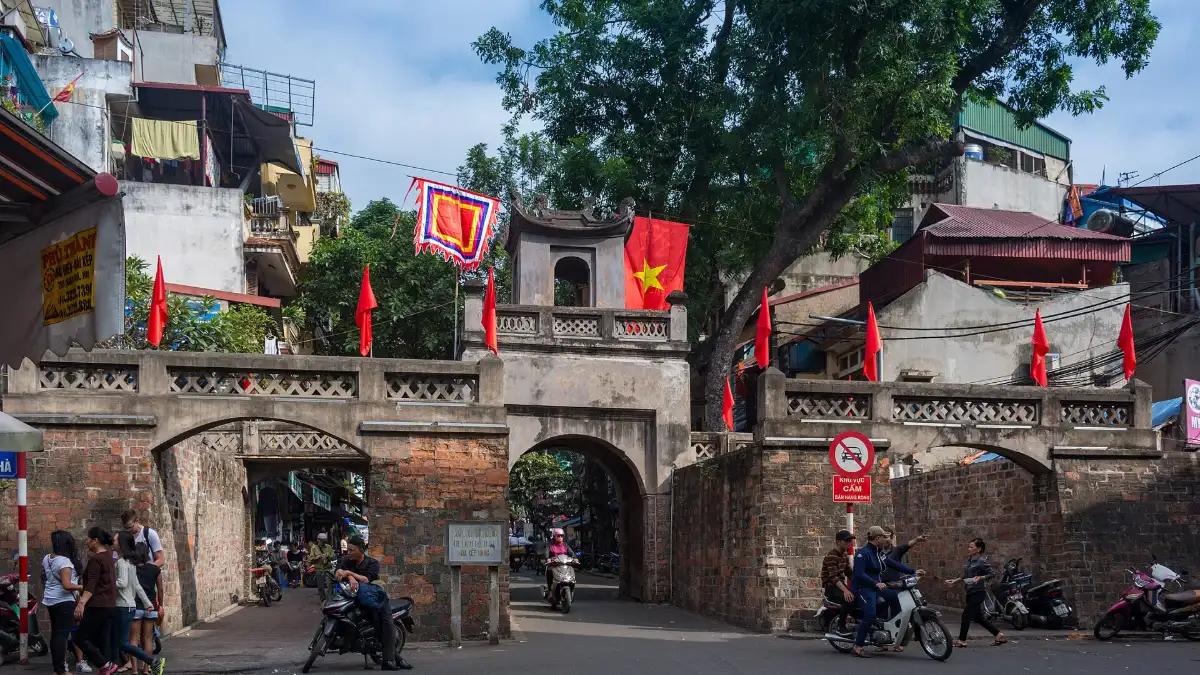
Built in 1749 and rebuilt in 1817, O Quan Chuong is the only surviving gate of the old Thang Long city walls, on the eastern edge of the quarter near Dao Duy Tu Street.
4. Hang Bac, Hang Gai and the craft streets
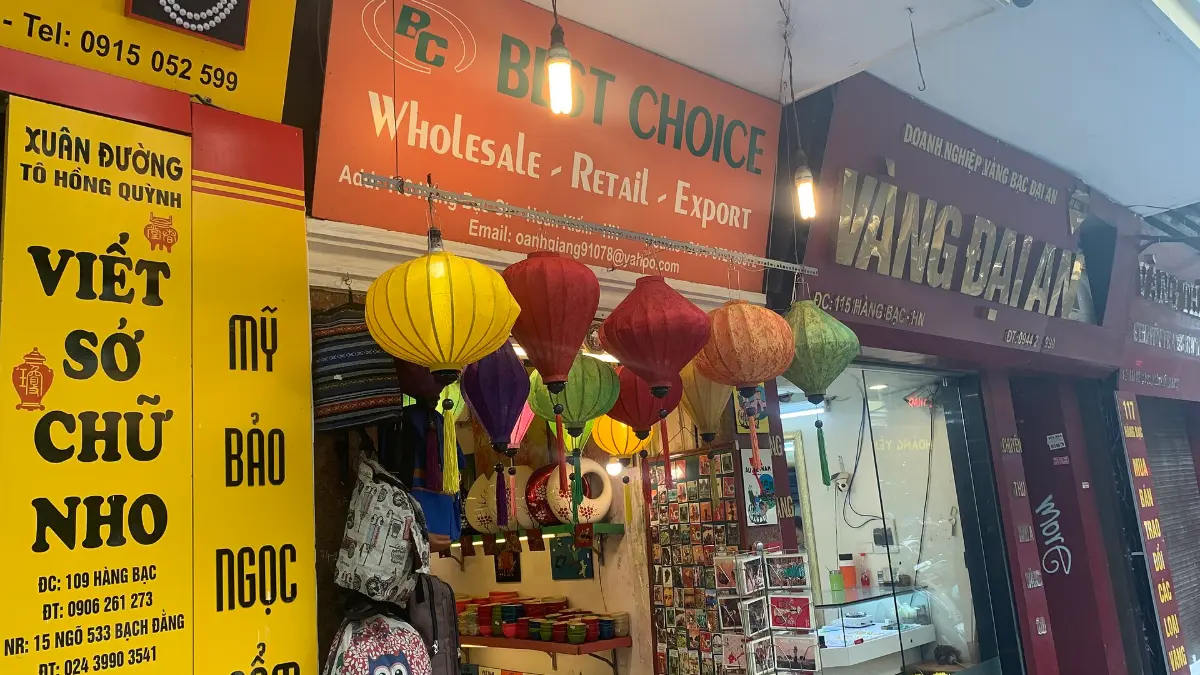
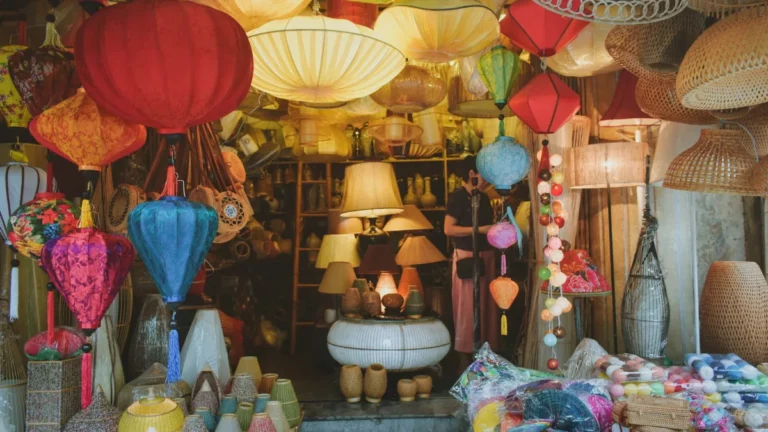
Hang Bac has silver jewellery and lantern shops, Hang Gai sells silk and tailoring, Hang Ma glitters with paper offerings and festive decorations, and Hang Thiec still has tinsmiths. See our Hanoi shopping guide for what to buy and fair prices.
5. Cantonese Assembly Hall (22 Hang Buom)
Built by Cantonese merchants, the Quang Dong assembly hall has fine carvings and is now a cultural venue. Entry costs 20,000 VND.
6. Street food
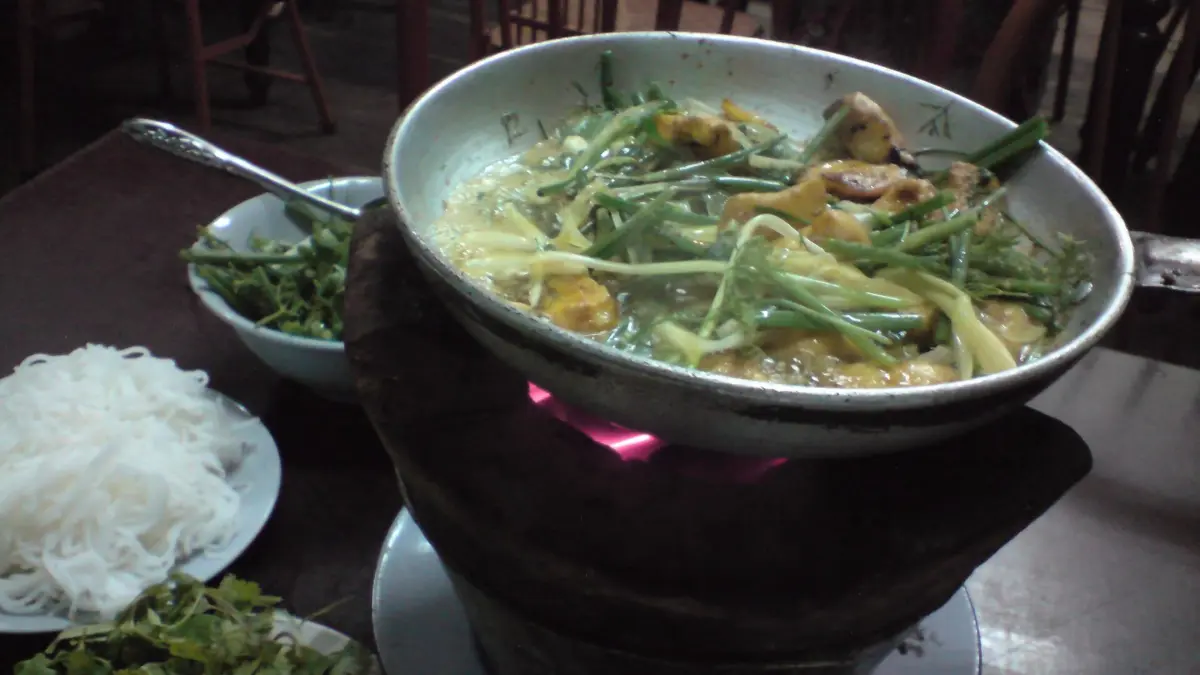
The Old Quarter is Hanoi’s food capital: pho bo, bun cha, banh cuon, banh mi, cha ca (turmeric fish with dill) and egg coffee. A guided food walk is a great first-night activity; our Hanoi food and drinks guide lists dishes to try.
7. Ta Hien beer street
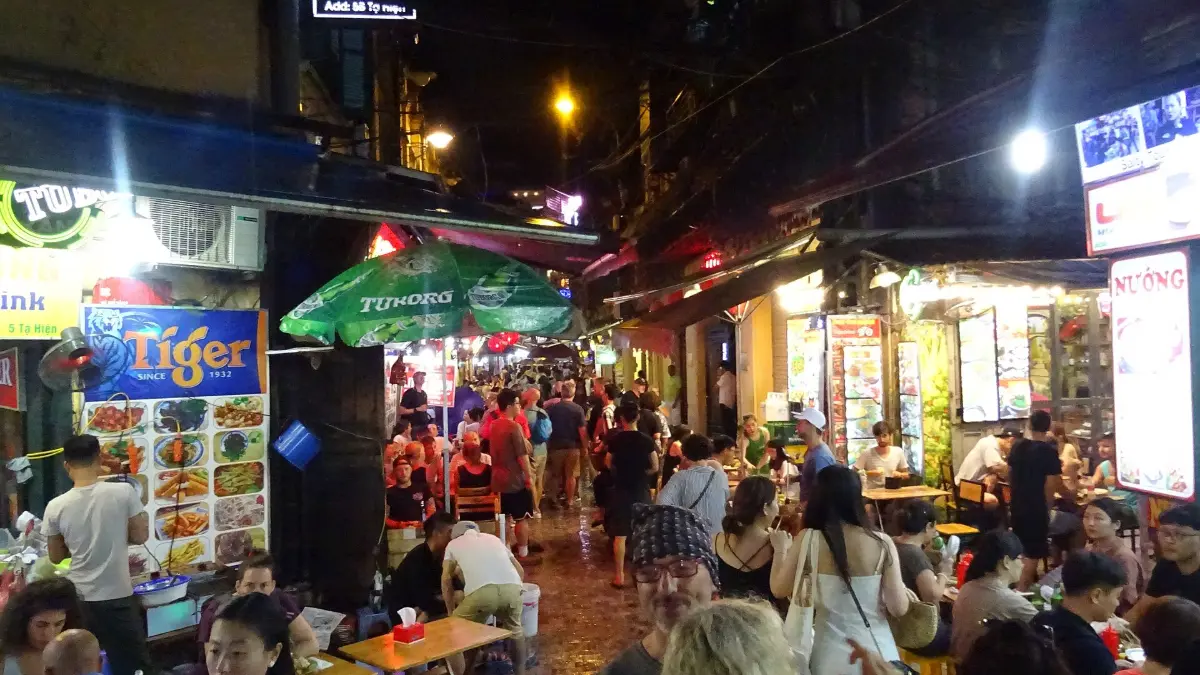
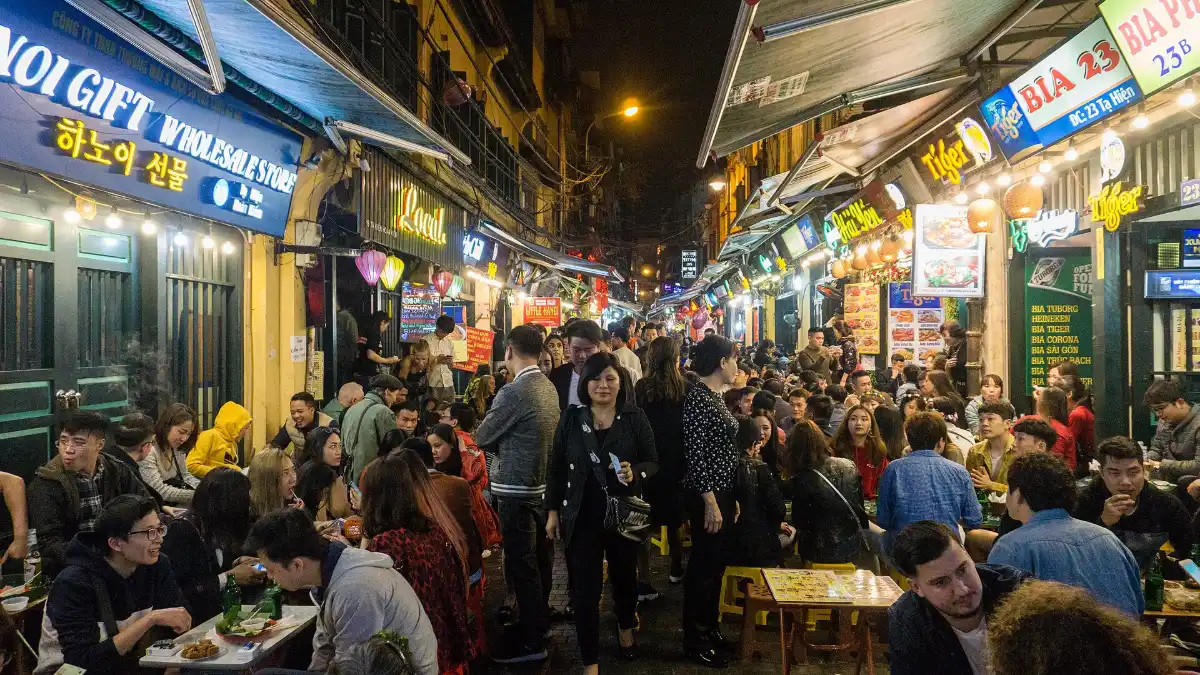
Ta Hien and its side lanes fill every evening with low stools, cheap draught beer (bia hơi) and a lively, international crowd.
8. Weekend walking streets and night market
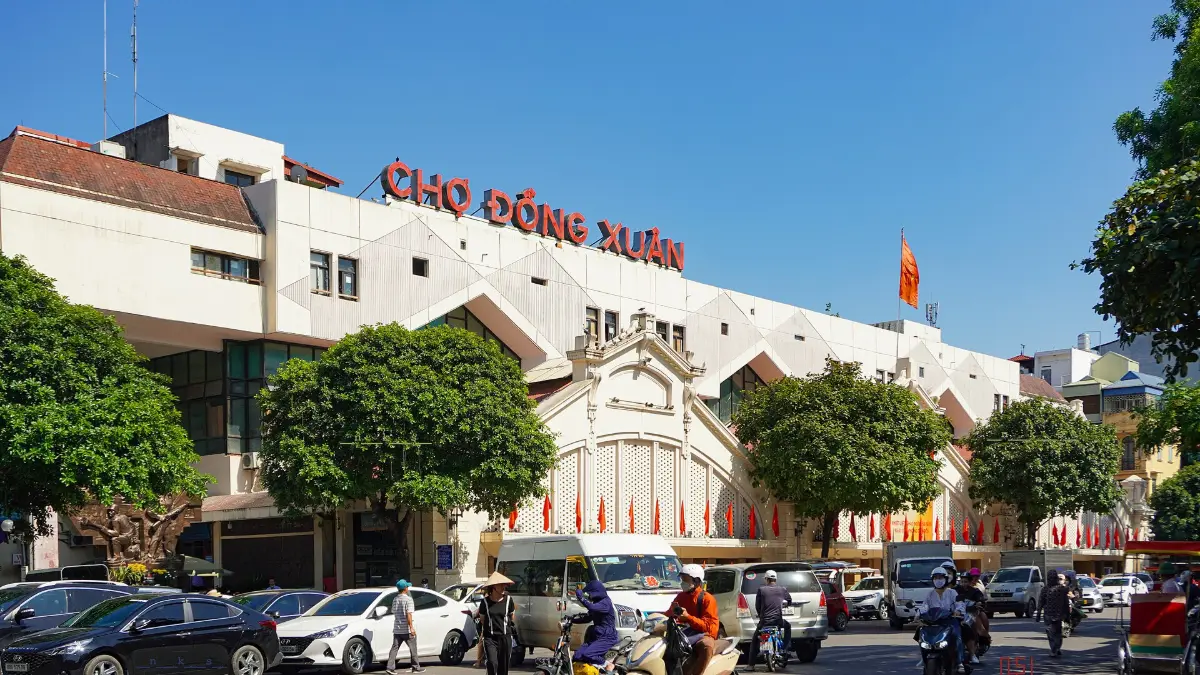
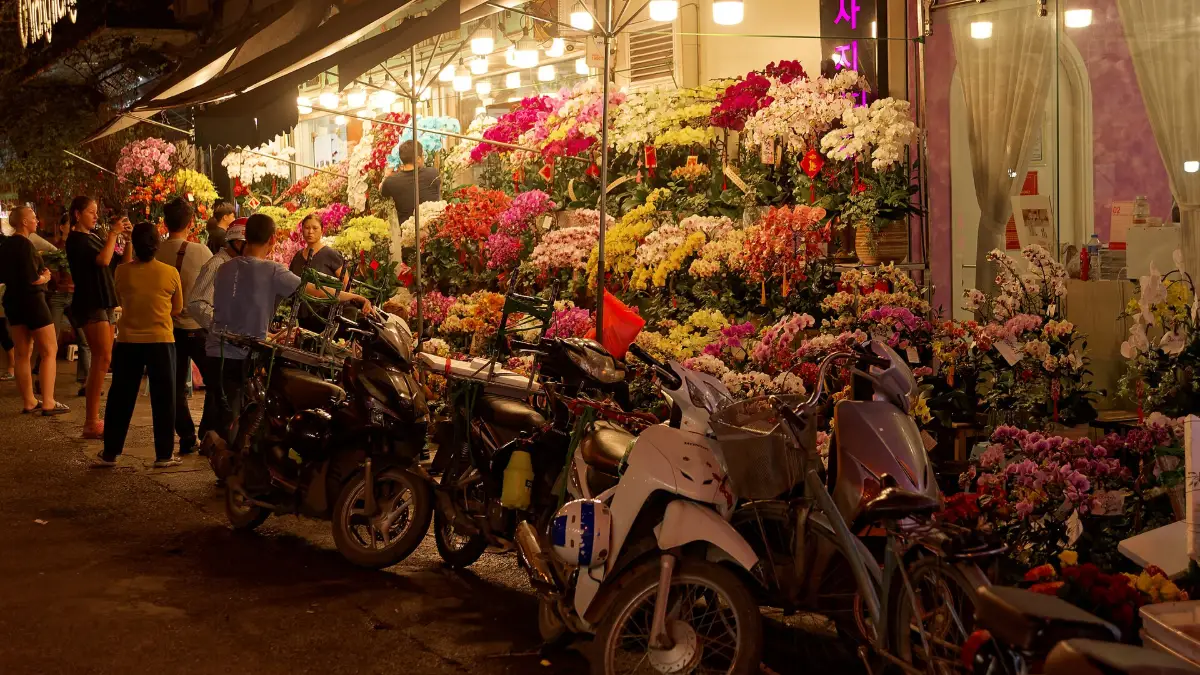
From Friday evening to Sunday night, the streets around Hoan Kiem Lake and from Hang Dao to Dong Xuan Market close to traffic. The night market runs along Hang Dao and Hang Ngang to Dong Xuan Market, with clothes, souvenirs and snacks.
9. Thang Long Water Puppet Theatre
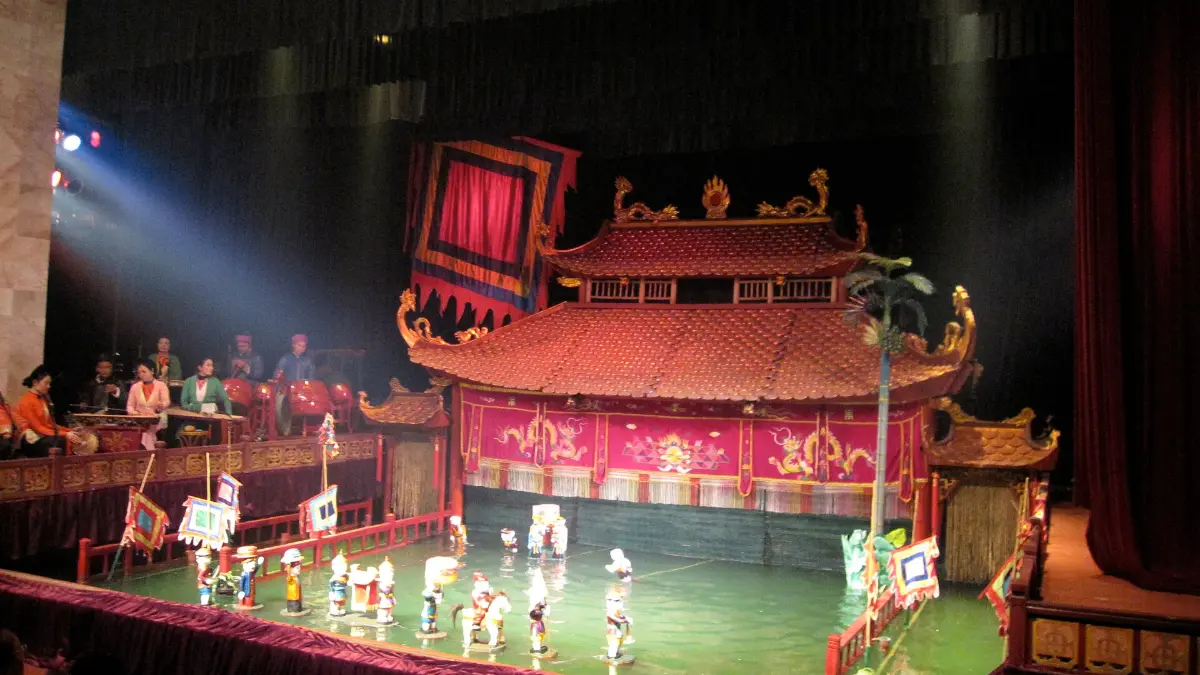
On the north-east shore of Hoan Kiem Lake, this theatre stages the traditional art of water puppetry several times a day; book a day ahead in peak season.
10. Train Street
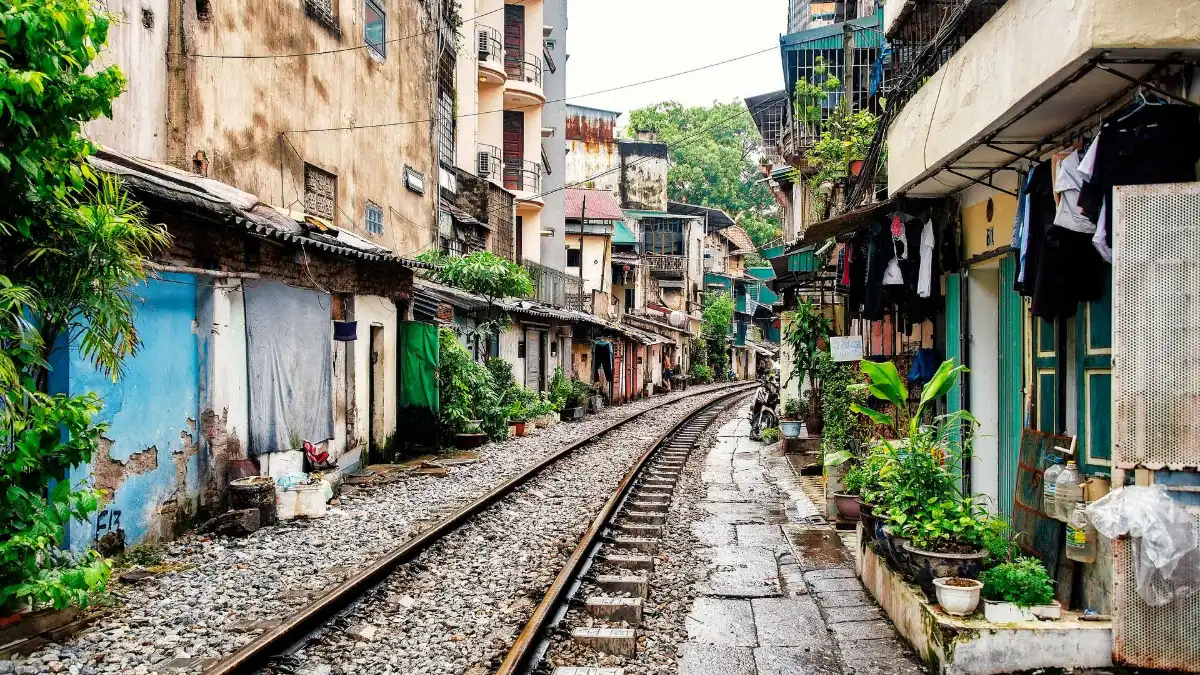
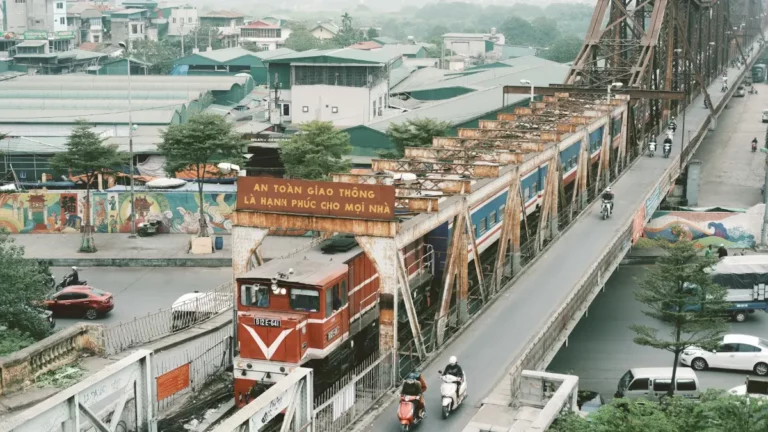
Just west of the quarter, the North–South railway squeezes between houses on Train Street. It became famous for cafés by the tracks, but trackside business has been officially banned since 2019 and passenger services were reduced in 2026. If you go, stay off the tracks and follow police instructions.
Old Quarter Heritage Sites: Tickets and Hours (2026)
| Site | Hours | Ticket |
|---|---|---|
| Old Quarter streets | Always open | Free |
| 87 Ma May Heritage House | Daytime, daily | 20,000 VND (children under 16 free; 50% off students and seniors) |
| Cantonese Assembly Hall, 22 Hang Buom | Daytime, daily | 20,000 VND |
| Bach Ma Temple, 76 Hang Buom | Daytime, daily | Free |
| Walking streets and night market | Friday about 19:00 to Sunday midnight | Free |
| Thang Long Water Puppet Theatre | Several shows daily, afternoon and evening | Paid, by seat category |
Heritage-site fees have been charged since January 2025 under Hanoi’s fee resolution; all are free on 23 November (Vietnam Cultural Heritage Day).
How to Explore the Hanoi Old Quarter: A Self-Guided Walk
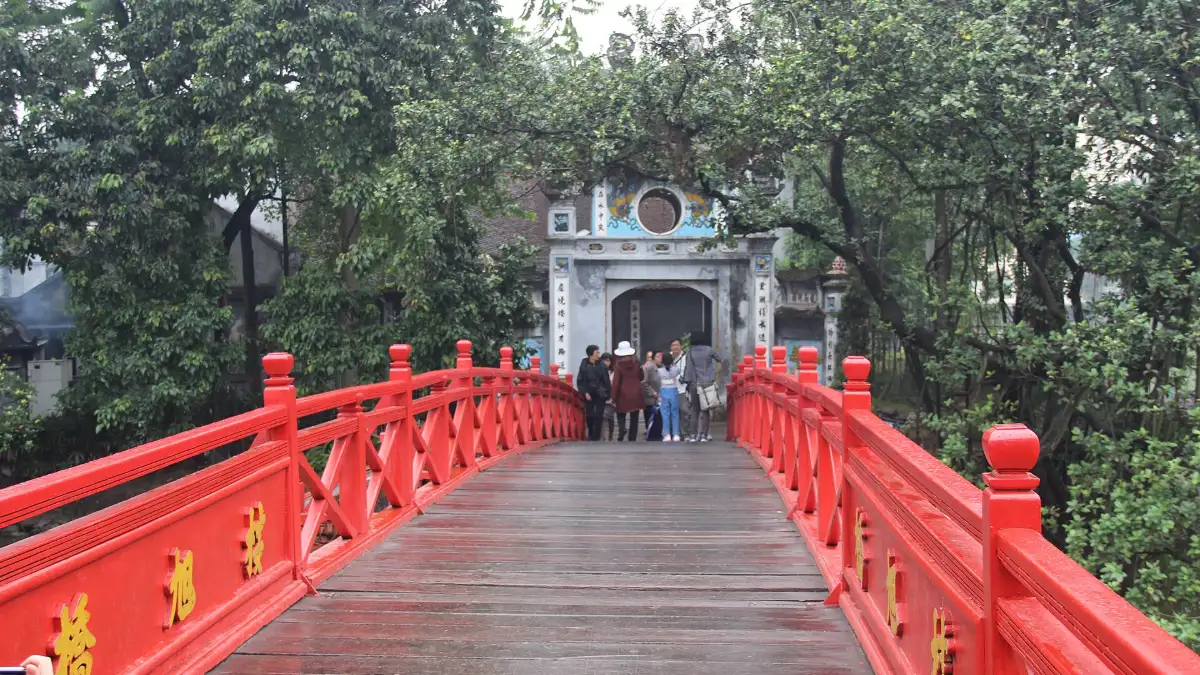
- Start at Hoan Kiem Lake and the Ngoc Son Temple gate on Dinh Tien Hoang Street.
- Walk up Hang Dao, then turn right into Hang Bac for silver and lanterns.
- Visit 87 Ma May and continue to Ta Hien and Luong Ngoc Quyen streets.
- See Bach Ma Temple on Hang Buom and walk east to O Quan Chuong.
- Head north to Dong Xuan Market, then return via Hang Duong, Hang Ngang and Hang Gai for silk shops.
- Finish with street food or an egg coffee overlooking the lake.
Etiquette and Safety in the Old Quarter
- Cross roads slowly and steadily; scooters will flow around you.
- Keep bags in front and phones away from the road side, especially at night.
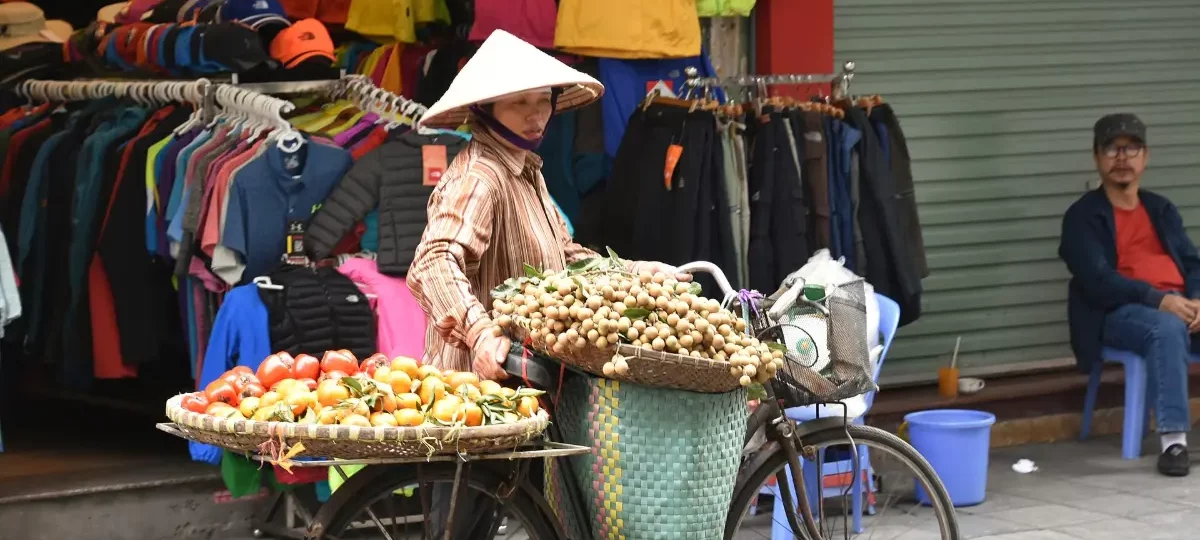
- Agree prices before cyclo rides and with street vendors who offer photos with their baskets.
- Dress modestly when entering temples and communal houses.
- Respect residents: many “shops” are also family homes.
How to Get to the Hanoi Old Quarter
| From | How | Time |
|---|---|---|
| Noi Bai Airport | Taxi/Grab (about 300,000–400,000 VND) or airport bus 86 | 40–60 minutes (bus about 60 minutes) |
| Hanoi Railway Station | Taxi or Grab | About 10 minutes |
| Ho Chi Minh Mausoleum | Taxi or Grab | 10–15 minutes |
| West Lake | Taxi or Grab | 10–15 minutes |
| Ninh Binh / Ha Long Bay | Tour bus or limousine van with Old Quarter pick-up | About 2 / 2.5 hours |
See our Hanoi transportation guide and our guide to getting from Hanoi to Ha Long Bay.
Best Time to Visit the Hanoi Old Quarter
| When | What to expect |
|---|---|
| October–December | Cool, dry autumn; the most pleasant time for walking |
| January–April | Mild to cool, sometimes drizzly; Tet decorations in January or February |
| May–September | Hot, humid and rainy; walk early or in the evening |
| 6:00–8:00 | Breakfast pho, market traders, fewer scooters |
| Friday–Sunday evenings | Walking streets and night market; lively and crowded |
| Mid-Autumn Festival | Hang Ma lantern street at its most colourful |
Local Expert Tips for the Hanoi Old Quarter
These tips come from years of arranging Hanoi tours for international travellers.
- Stay in or near the quarter for easy evening walks; our Hanoi travel tips explain how to choose a quiet hotel lane.
- Eat where locals queue and the turnover is high: the food is fresher.
- Climb to a rooftop café near the lake or Hang Bac for views over the tiled roofs.
- Look up: above the shopfronts you will see old balconies, shutters and shrines.
- Carry small notes; most street vendors do not accept cards.
- Use Grab rather than flagging taxis on the street to avoid overcharging.
Hanoi Old Quarter vs Hoi An Ancient Town
| Hanoi Old Quarter | Hoi An Ancient Town | |
|---|---|---|
| Atmosphere | Busy, living city district with traffic | Calm, partly car-free heritage town |
| Architecture | Tube houses, temples, French-era façades | Yellow merchant houses, assembly halls, Japanese Bridge |
| Entry | Free (small fees at heritage houses) | Heritage ticket required for the old town |
| UNESCO | No | World Heritage Site (1999) |
Our view: Hanoi’s quarter is about energy, food and daily life; Hoi An is about preserved beauty. Most travellers love both: see our Hoi An Ancient Town guide.
Nearby Attractions
- Hoan Kiem Lake and Ngoc Son Temple: on the southern edge.
- Dong Xuan Market: at the northern end.
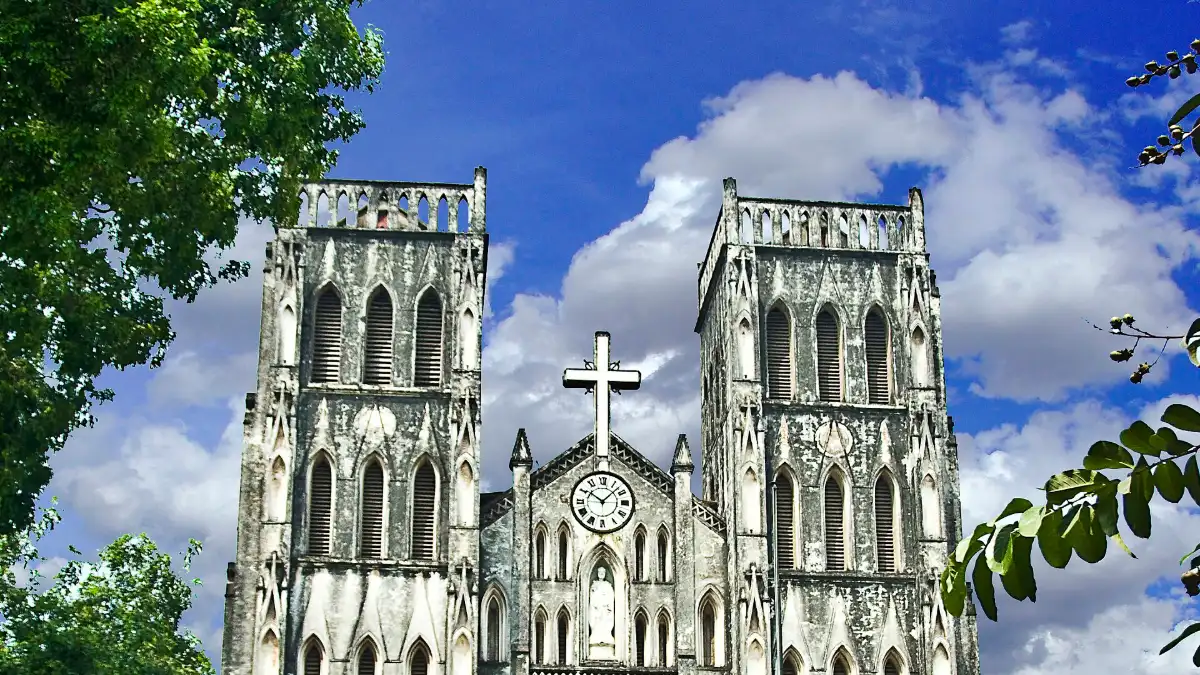
- St Joseph’s Cathedral: just south-west.
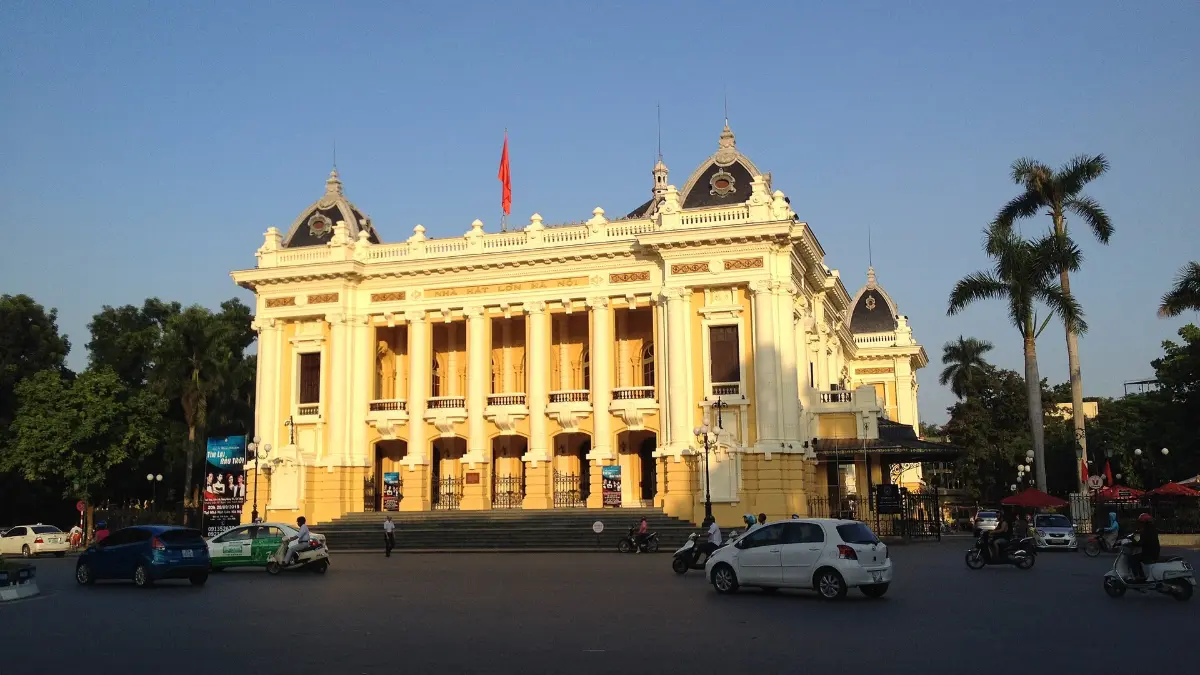
- Hanoi Opera House: 15 minutes’ walk south-east.
- Hoa Lo Prison Museum: about 1.5 km south-west.
- West Lake: 10 minutes by taxi.
Sightseeing in Hanoi for First-Time Visitors: Where the Old Quarter Fits
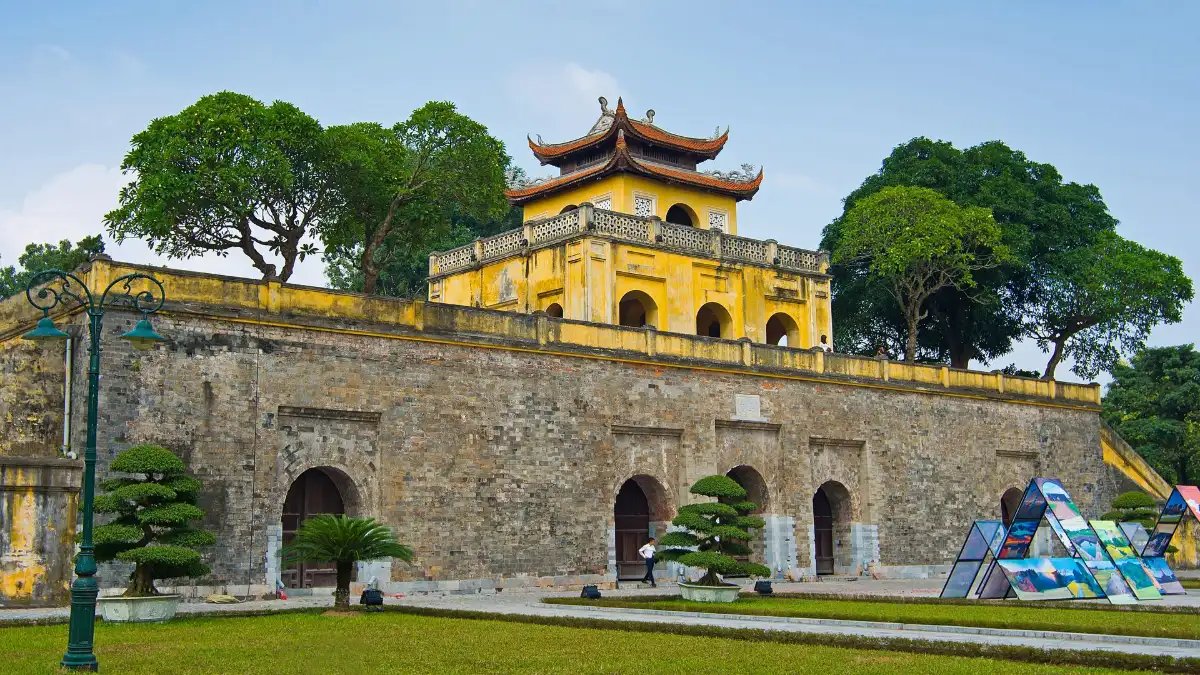
Two days in Hanoi? Spend the first afternoon and evening in the Old Quarter and around Hoan Kiem Lake. On the second day see the Ho Chi Minh Mausoleum, the Temple of Literature and the Imperial Citadel, then return to the quarter for dinner. From Hanoi, most travellers continue to Ha Long Bay, Ninh Binh or Sapa.
Plan your trip with our Hanoi travel guide and Hanoi tours. Contact Vietnam Tour Expert Team for a free custom itinerary.
Frequently Asked Questions about the Hanoi Old Quarter
1. Is the Hanoi Old Quarter free to visit?
Yes, the Old Quarter streets are free; a few heritage sites such as 87 Ma May and 22 Hang Buom charge 20,000 VND.
2. Why is the Hanoi Old Quarter called the 36 Streets?
The name comes from the old guild streets where artisans of the same trade lived together; the real number of streets was always larger and today exceeds 70.
3. How long should I spend in the Hanoi Old Quarter?
Plan at least half a day, plus evenings for food; most visitors return several times during their stay.
4. When is the walking street in the Hanoi Old Quarter?
The car-free walking streets run from Friday evening (about 19:00) to Sunday midnight.
5. Is the Hanoi Old Quarter safe at night?
Yes, it is generally safe; watch for pickpockets and phone snatching in crowds and agree prices before buying.
6. Where is the night market in the Hanoi Old Quarter?
The weekend night market runs along Hang Dao and Hang Ngang towards Dong Xuan Market from Friday to Sunday evenings.
7. What should I eat in the Hanoi Old Quarter?
Try pho, bun cha, banh cuon, banh mi, cha ca and egg coffee; our Hanoi food guide lists more.
8. Is Train Street in the Hanoi Old Quarter open?
Train Street can be seen from nearby streets, but trackside cafés have been officially banned since 2019 and police may restrict access; never stand on the tracks.
9. What are the must-see sights in the Hanoi Old Quarter?
Do not miss 87 Ma May, Bach Ma Temple, O Quan Chuong gate, Hang Bac and Hang Gai streets, and Ta Hien beer street.
10. How much is 87 Ma May in the Hanoi Old Quarter?
The 87 Ma May heritage house costs 20,000 VND; children under 16 enter free.
11. Is it good to stay in the Hanoi Old Quarter?
Yes, it is the most convenient base for sightseeing and food, though it can be noisy; choose a hotel on a quieter lane.
12. What is Ta Hien Street in the Hanoi Old Quarter?
Ta Hien is the Old Quarter’s famous beer street, busy every evening with bia hoi and street food.
13. How do I get from Noi Bai Airport to the Hanoi Old Quarter?
A taxi or Grab takes 40–60 minutes; airport bus 86 is a cheaper option to the Hoan Kiem area.
14. What is the best time of day to visit the Hanoi Old Quarter?
Early morning for local life and photos, and evening for food and atmosphere.
15. Is the Hanoi Old Quarter a UNESCO site?
No, the Old Quarter is a protected heritage zone but not a UNESCO site; the nearby Imperial Citadel is.
16. What can I buy in the Hanoi Old Quarter?
Silk, lacquerware, lanterns, silver, coffee and tea are popular; see our Hanoi shopping guide.
Related Posts
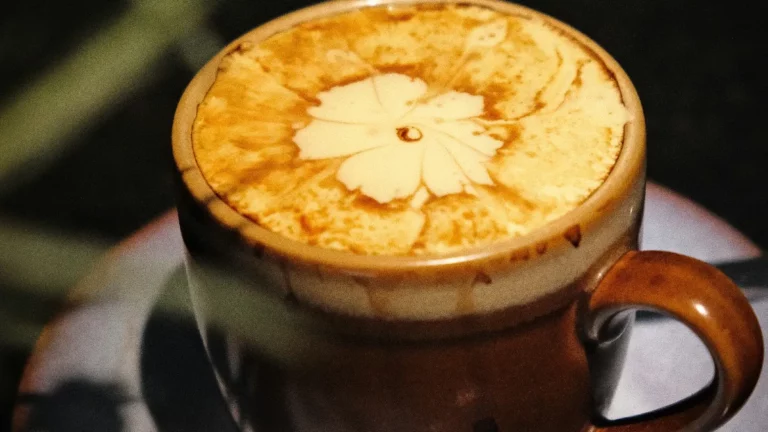
Hanoi Egg Coffee (2026): Best Cafés, Prices, History & Recipe
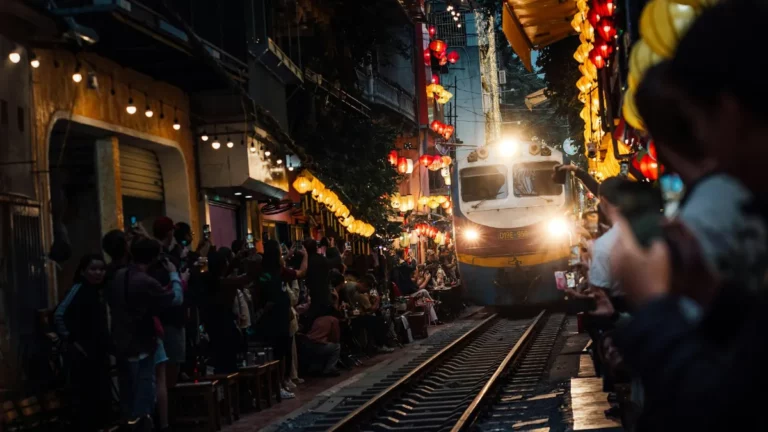
Hanoi Train Street (2026): Is It Open? Train Times, Cafés & Rules
Hanoi Shopping Guide: Best Markets, Streets & Souvenirs to Buy (2026)

Hanoi Travel Tips: Essential Things to Know Before You Go (2026)
Hanoi Transportation: How to Get Around Hanoi & From Noi Bai Airport (2026 Guide)