Cat Cat Village Sapa: Entrance Fee, Walk & What to See
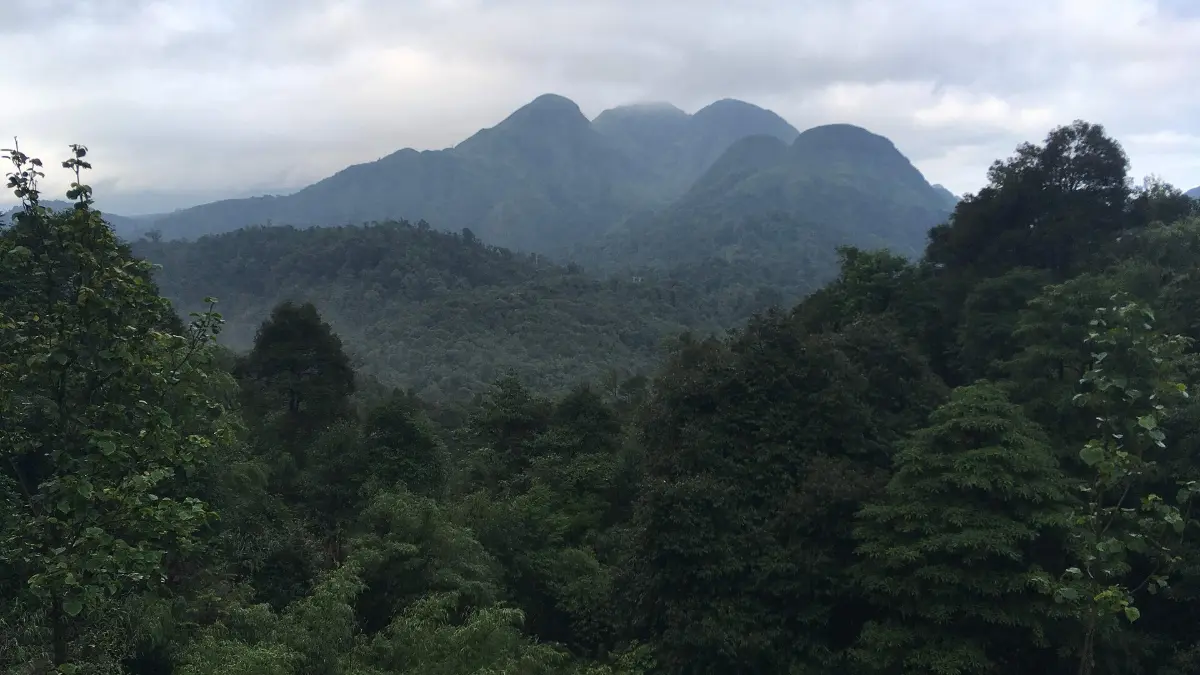
Cat Cat Village (Bản Cát Cát) is a Black Hmong village about 2–3 km below Sa Pa town in Lao Cai province, set in a valley at the foot of the Hoang Lien Son range. It is famous for Tien Sa waterfall, wooden Hmong houses, water wheels and indigo-dyed crafts. Entry costs 150,000 VND for adults and you can walk there from the town centre.
Status (checked October 2026): open daily as normal, roughly 7:00–18:00 (paths are walkable from early morning), at 150,000 VND per adult and about 70,000 VND for children. Steps get slippery after rain; in the June–August wet season check conditions after storms. The village now lies in Ta Van commune of the enlarged Lao Cai province (merged with Yen Bai on 1 July 2025).
Why Cat Cat Village is worth seeing:
- Closest village to Sa Pa: an easy half-day on foot, no trekking guide needed.
- Black Hmong culture: hemp weaving, indigo dyeing, beeswax batik and silversmithing.
- Tien Sa waterfall: the village’s best-known photo spot, with a stage for folk performances.
- Classic mountain scenery: terraced fields, wooden water wheels and rice-pounding mortars.
- Good for every age: paved paths and plenty of cafés along the way.
Cat Cat Village at a Glance
| Vietnamese name | Bản Cát Cát |
|---|---|
| Location | Cat Cat hamlet, Ta Van commune, Lao Cai province (formerly part of Sa Pa town); below the Hoang Lien Son range |
| Distance | About 2–3 km from the Sa Pa Stone Church, mostly downhill |
| People | Black Hmong (H’Mông) |
| Known for | Tien Sa waterfall, Hmong houses, weaving and indigo dyeing, water wheels |
| Opening hours | Roughly 7:00–18:00 daily |
| Entrance fee | 150,000 VND adults (about US$6); about 70,000 VND children 1–1.3/1.4 m; under 1 m free |
| Time needed | 2–3 hours |
| Best time | September–November and March–May; early morning or late afternoon |
| Nearby | Sa Pa Stone Church, Ham Rong Mountain, Fansipan cable car, Muong Hoa Valley |
| Find it | Google Maps · Tripadvisor · Sa Pa on Wikipedia |
Is Cat Cat Village Worth Visiting?
Yes, as an easy introduction to Hmong life near Sa Pa, as long as you expect a developed tourist village rather than a remote hamlet. The main path is lined with souvenir stalls, cafés and photo props, but the setting is beautiful, the crafts are real and you can see it all in a morning without a guide.
- Best for: families, first-time visitors, travellers with limited time or fitness and anyone who wants Sa Pa’s classic waterfall photos.
- Skip if: you want authentic village life away from tourism; choose a guided walk through Lao Chai and Ta Van or Ta Phin instead.
- Short on time: walk down from the Stone Church, see the waterfall and the craft houses, and take a motorbike taxi back up in about 2 hours.
History of Cat Cat Village
Cat Cat was settled by Hmong families from around the middle of the 19th century, long before Sa Pa became a French hill station. In the early 20th century the French developed Sa Pa as a summer retreat, and local accounts say the name comes from the French “Cat Cat” given to the waterfall in the valley.
From the 1990s, when Sa Pa opened to international tourism, Cat Cat became the most visited village in the area because it can be reached on foot from town. Today it is run as a community tourism site with a ticket gate, restored houses and craft demonstrations, while families still farm the surrounding terraces.
What to See at Cat Cat Village
1. The walk down from Sa Pa
The road from the town centre drops steadily into the valley, with views of terraced fields, the Muong Hoa side valleys and, on clear days, the slopes of Fansipan. The paved path through the village has many steps.
2. Traditional Hmong houses
Hmong homes here are low wooden houses with three rooms, pemu-wood walls and an ancestral altar opposite the door. Some are open as small museums or homestays where you can look inside.
3. Weaving, indigo dyeing and batik
Black Hmong women spin and weave hemp, draw patterns with hot beeswax and dye cloth repeatedly in indigo until it turns deep blue-black. Watching the process explains the clothes you see all over Sa Pa.
4. Silversmiths and blacksmiths
Several workshops make silver bracelets, earrings and neck rings, as well as knives and farm tools, using simple bellows and anvils.
5. Tien Sa waterfall
The waterfall at the bottom of the valley is the heart of the village. It is most powerful in the rainy season (June–September) and gentler but clearer in spring and autumn.
6. Bridges, water wheels and rice mortars
Wooden and suspension bridges cross the stream, while bamboo water wheels and water-powered rice-pounding mortars show how villagers used the stream for daily work.
7. Folk performances
A stage beside the waterfall hosts Hmong and other ethnic music and dance, including panpipe (khèn) performances, which are held regularly, especially at weekends and in the main seasons.
8. Cafés and viewpoints
Cafés on the slopes, some named after characters from the Hmong love story “Vo Chong A Phu”, offer valley views and a place to rest before the walk back.
Cat Cat Village Tickets and Opening Hours (2026)
| Item | Details |
|---|---|
| Adults | 150,000 VND (about US$6) |
| Children (about 1 m to 1.3–1.4 m) | About 70,000 VND |
| Children under 1 m | Free |
| Opening hours | Roughly 7:00–18:00 daily (some sources list wider hours) |
| Traditional costume rental | Extra, paid to stallholders; agree the price first |
The fee is collected by the local tourism management at the gate and covers the whole village loop; prices can change, so carry cash.
How to Visit Cat Cat Village, Step by Step
- Start at the Stone Church in central Sa Pa and follow Fansipan Street and the signed road down to the village gate.
- Buy your ticket at the gate (cash is easiest).
- Follow the one-way loop past the craft houses down to Tien Sa waterfall.
- Watch a performance if one is on, then cross the bridges and climb the far side.
- Return uphill on foot (30–45 minutes) or by motorbike taxi or taxi from the exit.
Etiquette at Cat Cat Village
- Ask before photographing people, especially children and the elderly.
- Do not enter homes without being invited, and remove shoes if asked.
- Buy crafts directly from makers and avoid giving sweets or money to children.
- Dress modestly and keep noise down near houses and altars.
How to Get to Cat Cat Village
| From | How | Time |
|---|---|---|
| Sa Pa Stone Church | Walk downhill to the gate | 20–30 minutes |
| Sa Pa hotels | Taxi or motorbike taxi to the gate | 5–10 minutes |
| Hanoi | Limousine or sleeper bus to Sa Pa (about 320 km), then walk | 5–6 hours |
| Lao Cai railway station | Bus or car to Sa Pa (about 35 km) | About 1 hour |
See our Hanoi to Sapa transport guide for buses, trains and private cars.
Best Time to Visit Cat Cat Village
| When | What to expect |
|---|---|
| March–May | Mild weather, plum and peach blossom early in spring, fields being planted |
| June–August | Green terraces and the strongest waterfall, but rain and slippery steps |
| September–October | Golden rice before harvest, clear skies; the most photogenic time |
| November–February | Cold and misty, sometimes frosty; fewer crowds except at Tet |
| Time of day | Before 9:00 or after 16:00 to avoid tour groups |
Local Expert Tips for Cat Cat Village
These tips come from years of arranging Sa Pa tours for international travellers.
- Go early: the village is calm and misty before the day-trippers arrive.
- Wear shoes with grip: steps and stones near the waterfall are wet most of the year.
- Save your legs: walk down and take a motorbike taxi back up if you have a trek planned the next day.
- Combine it with Ham Rong Mountain or the Stone Church for an easy first day.
- Bring small notes for drinks, crafts and transport.
Cat Cat Village vs Lao Chai and Ta Van
| Feature | Cat Cat | Lao Chai and Ta Van |
|---|---|---|
| Distance from Sa Pa | 2–3 km | About 7–12 km |
| Access | Walk on paved paths | Trek or drive into the Muong Hoa Valley |
| Atmosphere | Developed, busy | More rural, homestays |
| People | Black Hmong | Black Hmong (Lao Chai), Giay and Dao (Ta Van) |
| Guide needed | No | Recommended |
| Time | 2–3 hours | Half to full day |
Our view: Cat Cat is perfect for your arrival afternoon; for real rice-terrace scenery and village life, add a guided walk through Lao Chai and Ta Van the next day.
Nearby Attractions
- Sapa Stone Church: the starting point of the walk.
- Ham Rong Mountain: gardens and views above the town.
- Fansipan cable car: the roof of Indochina.
- Muong Hoa Valley: rice terraces and ancient carved rocks.
- Silver Waterfall and O Quy Ho Pass: a short drive west.
- Sapa Love Market: weekend cultural evenings in town.
Sightseeing in Sa Pa for First-Time Visitors: Where Cat Cat Village Fits
Arriving from Hanoi? Cat Cat is the ideal first afternoon: no transport needed, and it gets your legs ready for a bigger trek. Next morning ride up Fansipan if the sky is clear, then trek Lao Chai to Ta Van. Our Sapa trekking guide, Sapa travel tips and guide to Sapa food cover the rest.
Plan your trip with our Sapa travel guide and Sapa tours. Contact Vietnam Tour Expert Team for a free custom itinerary.
Frequently Asked Questions about Cat Cat Village
1. Where is Cat Cat Village?
Cat Cat Village is about 2–3 km below Sa Pa town, in Ta Van commune of Lao Cai province.
2. How much is the Cat Cat Village entrance fee?
Adults pay 150,000 VND and children about 70,000 VND; children under 1 m enter free.
3. What are Cat Cat Village opening hours?
Cat Cat Village is open daily, roughly from 7:00 to 18:00.
4. Is Cat Cat Village worth visiting?
Yes for an easy cultural walk and the waterfall, but it is commercial; for quieter villages trek to Lao Chai and Ta Van.
5. Can I walk to Cat Cat Village from Sa Pa?
Yes, it is a 20–30 minute walk downhill from the Stone Church; the climb back takes longer.
6. How long do you need at Cat Cat Village?
Allow 2–3 hours including the walk from town and time at the waterfall.
7. Which ethnic group lives in Cat Cat Village?
Cat Cat Village is home to Black Hmong people, known for indigo-dyed hemp clothing.
8. Do I need a guide for Cat Cat Village?
No, the Cat Cat Village loop is well signed and paved, though a guide adds cultural context.
9. Is Cat Cat Village suitable for children and older travellers?
Mostly yes, but there are many steps; older travellers can take a taxi back uphill.
10. What is the best time to visit Cat Cat Village?
September–October for golden rice and clear skies, and early morning on any day to avoid crowds.
11. Is there a waterfall at Cat Cat Village?
Yes, Tien Sa waterfall at the bottom of the Cat Cat valley is the main attraction.
12. Can I stay overnight in Cat Cat Village?
A few homestays operate around Cat Cat, but most visitors stay in Sa Pa town; see our Sapa travel tips.
13. Can I rent traditional clothes in Cat Cat Village?
Yes, many stalls in Cat Cat rent Hmong and other ethnic costumes for photos; agree the price first.
14. How do I get back to Sa Pa from Cat Cat Village?
Walk back up in 30–45 minutes or take a motorbike taxi or taxi from the village exit.
15. Is Cat Cat Village open when it rains?
Yes, but the steps become slippery, so wear shoes with grip and take care near the waterfall.
16. What can I buy in Cat Cat Village?
Indigo textiles, batik, silver jewellery and small handicrafts made by Hmong families in Cat Cat.
Related Posts

Sapa Travel Tips 2026: Weather, Best Time & What to Know

Sapa Trekking Guide 2026: Best Routes, Guides & Tips

Sapa Food Guide: Salmon Hotpot, Thang Co & Where to Eat
Hanoi to Sapa 2026: Bus, Train, Private Car & Travel Times

Rong May Glass Bridge: Tickets, Views & Is It Worth It?