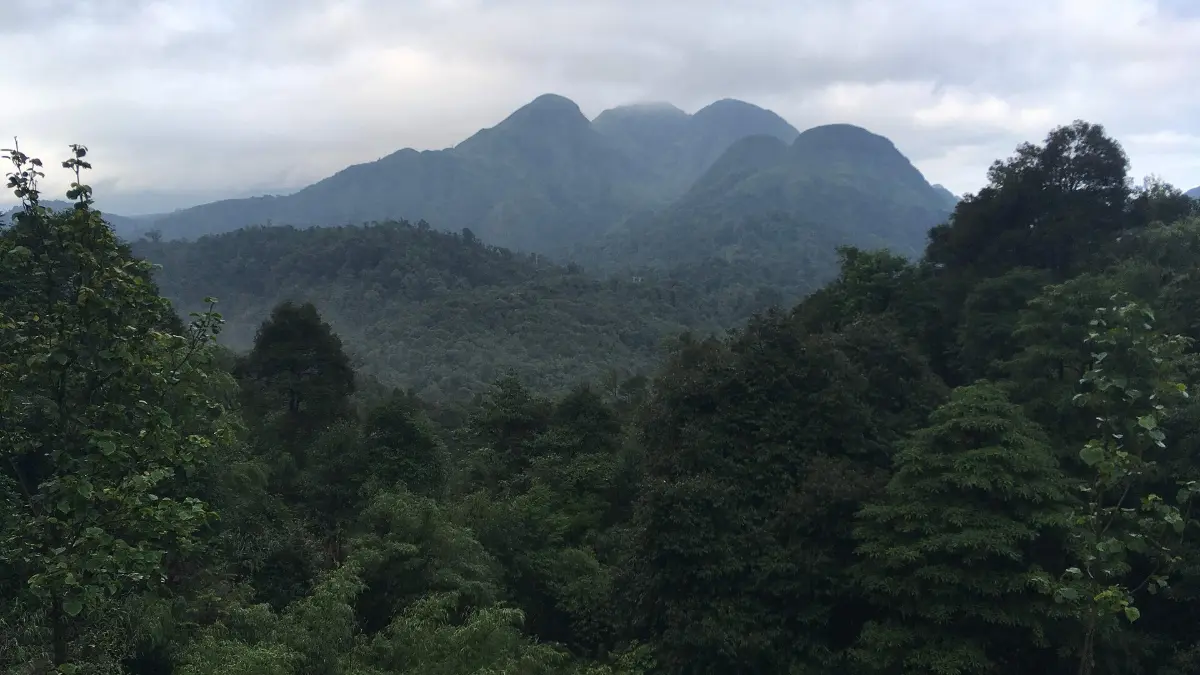
Ta Phin Village Sapa: Red Dao Culture & Herbal Bath
Ta Phin Village (Bản Tả Phìn) is a Red Dao and Black Hmong community about 12–15 km north-east of Sa Pa in Lao Cai province. It is known for the Red Dao herbal bath, fine embroidery, a limestone cave and the ruins of a 1940s Catholic monastery. Quieter than Cat Cat, it is easy to reach by car or on a guided trek; a small village fee (about 40,000 VND) applies.
Status (checked October 2026): open daily as normal. The road from Sa Pa is paved; trekking paths are slippery after rain in the June–August wet season. Since 1 July 2025 the village belongs to Ta Phin commune in the enlarged Lao Cai province (merged with Yen Bai).
Why Ta Phin Village is worth seeing:
- Red Dao culture: women in red headscarves and richly embroidered clothing.
- The Red Dao herbal bath: a soak in water boiled with forest leaves, perfect after trekking.
- Ta Phin Cave: a limestone cave with stalactites near the village.
- Monastery ruins: atmospheric stone remains of a monastery built in 1942.
- Less crowded than Cat Cat or the Muong Hoa Valley trail.
Ta Phin Village at a Glance
| Vietnamese name | Bản Tả Phìn |
|---|---|
| Location | Ta Phin commune, Lao Cai province (formerly Sa Pa town), north-east of Sa Pa |
| Distance | About 12–15 km from Sa Pa centre; 25–30 minutes by car |
| People | Red Dao (Dao Đỏ) and Black Hmong |
| Known for | Herbal bath, embroidery, Ta Phin Cave, monastery ruins |
| Opening hours | Village open all day; cave and craft houses in daylight |
| Entrance fee | About 40,000 VND adults (about US$1.50), 20,000 VND children |
| Herbal bath | Paid separately at homestays and spas; prices vary |
| Time needed | Half a day; or overnight in a homestay |
| Best time | March–May and September–November |
| Nearby | Ham Rong Mountain, Sa Pa town, Stone Church |
| Find it | Google Maps · Tripadvisor · Sa Pa on Wikipedia |
Is Ta Phin Village Worth Visiting?
Yes, if you want a quieter village and a hands-on cultural experience, especially the herbal bath after a day of walking. Ta Phin has gentler scenery than the Muong Hoa Valley, with rolling hills and smaller terraces, but it feels more local and offers the best chance near Sa Pa to meet Red Dao families. Expect some friendly selling of handicrafts; a polite “no, thank you” is fine.
- Best for: culture lovers, couples, travellers on a second or third day in Sa Pa and anyone who wants a herbal bath.
- Skip if: big rice terraces are your priority; trek Lao Chai and Ta Van instead.
- Short on time: drive out for a half-day: monastery ruins, cave, embroidery and a herbal bath.
Background: The Red Dao of Ta Phin
The Dao are one of Sa Pa’s main ethnic groups, alongside the Hmong, Giay and Tay. The Red Dao take their name from the red headscarves worn by women, who traditionally shave their eyebrows and front hair and decorate their clothing with dense cross-stitch embroidery. Ta Phin, in a basin north-east of Sa Pa, has long been home to Red Dao and Black Hmong communities living side by side.
Red Dao medicine is famous across northern Vietnam. Families gather dozens of kinds of leaves and roots from the forest, then dry and boil them to make baths for relieving fatigue and aches and for women after childbirth. Since the 2000s, community tourism has brought homestays and herbal-bath houses to the village.
On the road into Ta Phin stand the ruins of a stone monastery built in 1942, once home to a community of Catholic nuns and later abandoned. Today only roofless walls remain among the fields.
What to See at Ta Phin Village
1. The Red Dao herbal bath
The signature experience: a wooden tub of hot, dark water infused with forest herbs. Many homestays and small spas offer it; soak for 15–20 minutes and drink plenty of water afterwards.
2. Embroidery and crafts
Red Dao women stitch intricate patterns in red, yellow and white on indigo cloth, while Hmong women work with batik and hemp. Buy bags, scarves and cushion covers directly from the makers.
3. Ta Phin Cave
A limestone cave in a small hill near the village, with stalactites and narrow passages. Bring a torch or go with a local guide, and wear shoes with grip.
4. The monastery ruins
The stone walls of the 1942 monastery make a moody photo stop on the way into the village, especially in mist.
5. Village life and homestays
Wooden houses, terraced fields, buffalo and chickens set the scene. A homestay night includes a family dinner and a peaceful evening far from Sa Pa’s busy centre.
6. Trekking routes to Ta Phin
Some guided treks start near Sa Pa and follow hill paths and forest trails to Ta Phin, ending with lunch or a herbal bath in the village.
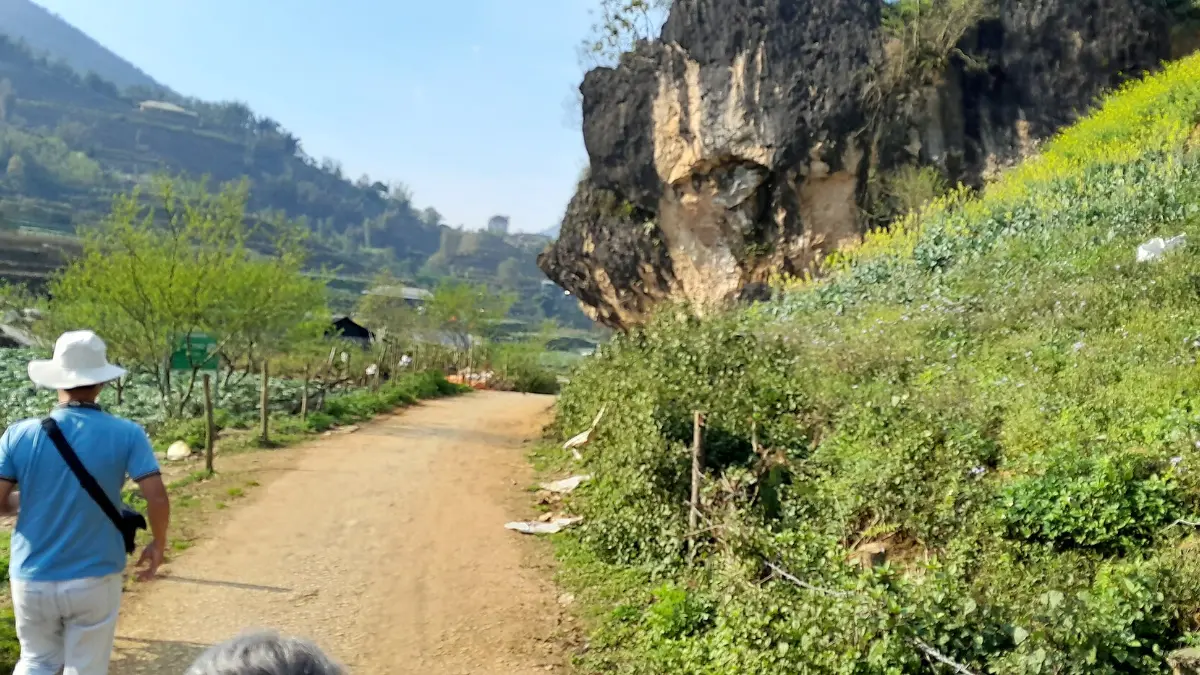
Ta Phin Village Fees (2026)
| Item | Details |
|---|---|
| Village fee, adults | About 40,000 VND |
| Village fee, children | About 20,000 VND |
| Red Dao herbal bath | Paid at homestays and spas; agree the price first |
| Ta Phin Cave | Small fee or tip for a local guide may apply |
| Hours | Visit in daylight, about 8:00–17:00 |
Fees are collected locally and may change, so carry small notes.
How to Visit Ta Phin Village, Step by Step
- Drive or trek out from Sa Pa with a guide (25–30 minutes by car).
- Stop at the monastery ruins on the road into the valley.
- Walk through the village and visit a Red Dao family to see embroidery.
- Explore Ta Phin Cave with a torch.
- Finish with a herbal bath, then drive back to Sa Pa or stay overnight.
Etiquette in Ta Phin Village
- Ask before taking photos, especially of women in traditional dress.
- Do not touch ancestral altars or enter rooms without permission.
- Agree prices for crafts, herbal baths and guiding before you start.
- Avoid herbal baths if you are pregnant, have heart problems or high blood pressure without medical advice.
How to Get to Ta Phin Village
| From | How | Time |
|---|---|---|
| Sa Pa centre | Taxi or private car | 25–30 minutes |
| Sa Pa centre | Motorbike taxi or rented motorbike | About 30 minutes |
| Sa Pa outskirts | Guided trek on hill paths | 3–5 hours |
| Hanoi | Limousine or sleeper bus to Sa Pa (about 320 km), then car | 5–6 hours + transfer |
Plan your journey north with our Hanoi to Sapa guide.
Best Time to Visit Ta Phin Village
| When | What to expect |
|---|---|
| March–May | Mild, green and blossoming; good trekking |
| June–August | Lush but wet; muddy paths |
| September–November | Clear skies and harvest colours; best overall |
| December–February | Cold and misty; the herbal bath is at its most welcome |
Local Expert Tips for Ta Phin Village
These tips come from years of arranging Sa Pa tours for international travellers.
- Book the herbal bath for the end of the day so you can relax afterwards.
- Bring a torch for the cave.
- Go on a weekday for the quietest experience.
- Combine it with Ham Rong Mountain or the Saturday cultural evening in town.
- Buy embroidery directly from Red Dao women; it supports families and you see the work being made.
Ta Phin Village vs Cat Cat Village
| Feature | Ta Phin | Cat Cat |
|---|---|---|
| Distance from Sa Pa | About 12–15 km | 2–3 km |
| People | Red Dao and Black Hmong | Black Hmong |
| Atmosphere | Quiet, local | Busy, commercial |
| Highlight | Herbal bath, embroidery, cave | Waterfall, crafts, performances |
| Fee | About 40,000 VND | 150,000 VND |
Our view: Cat Cat suits a short first visit on foot; Ta Phin rewards travellers with a car and a few hours who want real Red Dao culture.
Nearby Attractions
- Ham Rong Mountain: viewpoints over Sa Pa town.
- Sapa Stone Church: the heart of town.
- Cat Cat Village: Black Hmong crafts and waterfall.
- Lao Chai and Ta Van villages: the classic terrace trek.
- Fansipan: cable car to the roof of Indochina.
Sightseeing in Sa Pa for First-Time Visitors: Where Ta Phin Fits
Three days or more in Sa Pa? After Fansipan and the Muong Hoa Valley trek, Ta Phin makes a relaxing half-day, ideally ending with a herbal bath before dinner. Our Sapa travel tips, trekking guide and Sapa food guide help you fill the rest.
Plan your trip with our Sapa travel guide and Sapa tours. Contact Vietnam Tour Expert Team for a free custom itinerary.
Frequently Asked Questions about Ta Phin Village
1. Where is Ta Phin Village?
Ta Phin Village is about 12–15 km north-east of Sa Pa, in Ta Phin commune, Lao Cai province.
2. Who lives in Ta Phin Village?
Ta Phin is home mainly to Red Dao people, with Black Hmong families in nearby hamlets.
3. How much is the Ta Phin Village entrance fee?
A local fee of about 40,000 VND per adult and 20,000 VND per child is usually collected.
4. What is the Red Dao herbal bath in Ta Phin?
It is a hot bath of water boiled with dozens of forest herbs, traditionally used by the Red Dao to relieve fatigue and aches.
5. How do I get to Ta Phin Village from Sa Pa?
Take a taxi, private car or motorbike for 25–30 minutes, or join a guided trek.
6. Is Ta Phin Village worth visiting?
Yes, for Red Dao culture, embroidery and the herbal bath; it is quieter than Cat Cat.
7. How long should I spend in Ta Phin Village?
Half a day is enough for the main sights, or stay overnight in a homestay.
8. What is Ta Phin Cave like?
Ta Phin Cave is a limestone cave with stalactites; bring a torch and good shoes.
9. What are the ruins near Ta Phin Village?
They are the stone remains of a Catholic monastery built in 1942 on the road into Ta Phin.
10. Can I stay overnight in Ta Phin Village?
Yes, several Red Dao and Hmong family homestays welcome guests in Ta Phin.
11. Is Ta Phin Village good for families?
Yes, the drive is short and the village walk is easy; check herbal-bath suitability for young children.
12. What is the best time to visit Ta Phin Village?
March–May and September–November offer the most comfortable weather and clear views.
13. Can I buy embroidery in Ta Phin Village?
Yes, Red Dao women sell embroidered bags, scarves and clothing directly in Ta Phin.
14. Is Ta Phin or Cat Cat better?
Ta Phin is quieter and more local; Cat Cat is closer and more developed, see our Cat Cat guide.
15. Do I need a guide for Ta Phin Village?
Not for the road visit, but a guide helps with the cave, trekking paths and conversations with families in Ta Phin.
Related Posts

Sapa Travel Tips 2026: Weather, Best Time & What to Know
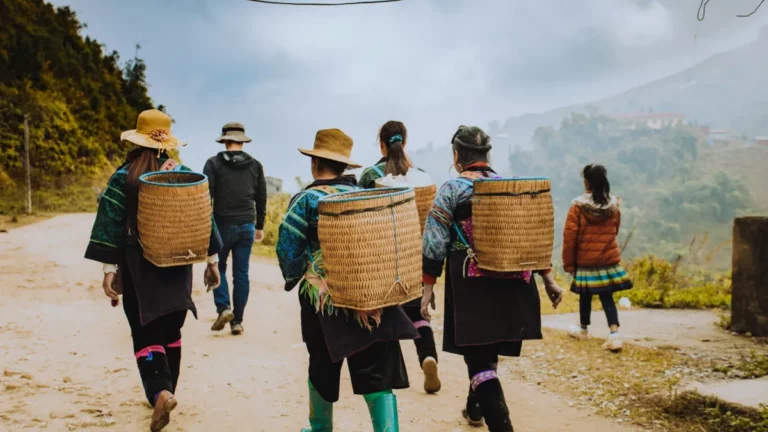
Sapa Trekking Guide 2026: Best Routes, Guides & Tips
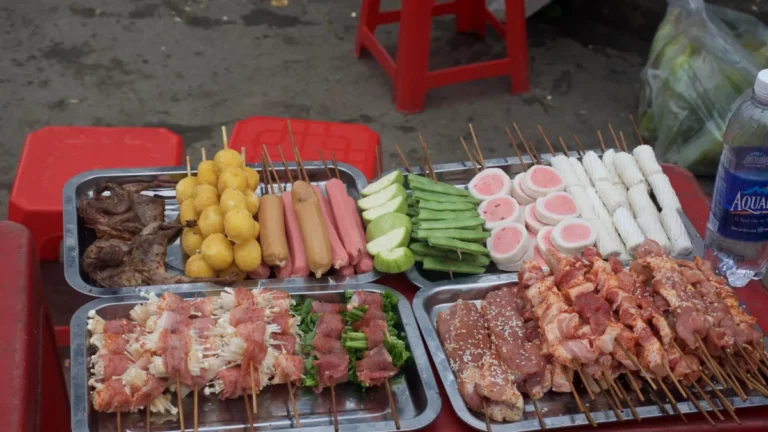
Sapa Food Guide: Salmon Hotpot, Thang Co & Where to Eat
Hanoi to Sapa 2026: Bus, Train, Private Car & Travel Times

Rong May Glass Bridge: Tickets, Views & Is It Worth It?