Sapa Food Guide: Salmon Hotpot, Thang Co & Where to Eat
Sapa is famous for salmon and sturgeon hotpot, Hmong thang co stew, smoked buffalo meat, grilled black pork, Hmong black chicken, bamboo-tube rice and evening charcoal-grill street food. Expect about 20,000–90,000 VND (US$1–4) for street snacks and about 250,000–400,000 VND for a fish hotpot for two. Eat on the streets around the Stone Church, at markets and in valley homestays.
Status (checked October 2026): Sapa’s cold-water fish industry is now large: the town counts about 307 cold-water fish farms, mostly rainbow trout sold as “Sapa salmon”, plus sturgeon. Since July 2025 Sapa town is officially Sa Pa ward of the enlarged Lao Cai province. In the cool months (November–March), hotpot and grilled street food are at their best; in the rainy season, some valley homestays may close kitchens on stormy days.
Key takeaways:
- Must-try: salmon or sturgeon hotpot, a Sapa dinner tradition since cold-water fish farming began in 2005.
- Adventurous eaters can try thang co, the Hmong stew sold at markets; start with a small bowl.
- Evening street grills sell skewers, corn, eggs and sticky rice from about 10,000 VND per item.
- Take smoked buffalo meat or táo mèo apple wine home as edible souvenirs.
- Carry cash: street stalls and markets rarely take cards; restaurants increasingly accept QR payments.
Sapa Food at a Glance
| Signature dishes | Salmon/sturgeon hotpot, thang co, smoked buffalo, grilled black pork, Hmong black chicken |
|---|---|
| Street snacks | Grilled skewers, corn, eggs, sweet potatoes, bamboo-tube rice (com lam) |
| Breakfast | Cốn sủi noodle soup, pho, sticky rice (xoi) |
| Street food prices | About 10,000–90,000 VND per item or dish (US$0.40–3.50) |
| Fish hotpot for two | About 250,000–400,000 VND (US$10–16) |
| Daily food budget | About 200,000–500,000 VND (US$8–20) per person |
| Local drinks | Táo mèo apple wine, corn wine, herbal teas, Vietnamese coffee |
| Where to eat | Streets around the Stone Church and Sa Pa lake, Sapa market, valley homestays |
| Vegetarian | Mushroom and tofu hotpots, vegetables, sticky rice; ask for “chay” |
| Payment | Cash for stalls; cards/QR in larger restaurants |
What Are the Must-Try Dishes in Sapa?
Start with salmon or sturgeon hotpot, then try grilled black pork, smoked buffalo, Hmong black chicken and bamboo-tube rice. Adventurous eaters should taste thang co at a market.
| Dish | What it is | Typical price |
|---|---|---|
| Salmon / sturgeon hotpot (lẩu cá hồi, cá tầm) | Sour broth with farmed trout or sturgeon, dill, tomato and mustard greens | About 250,000–400,000 VND for two |
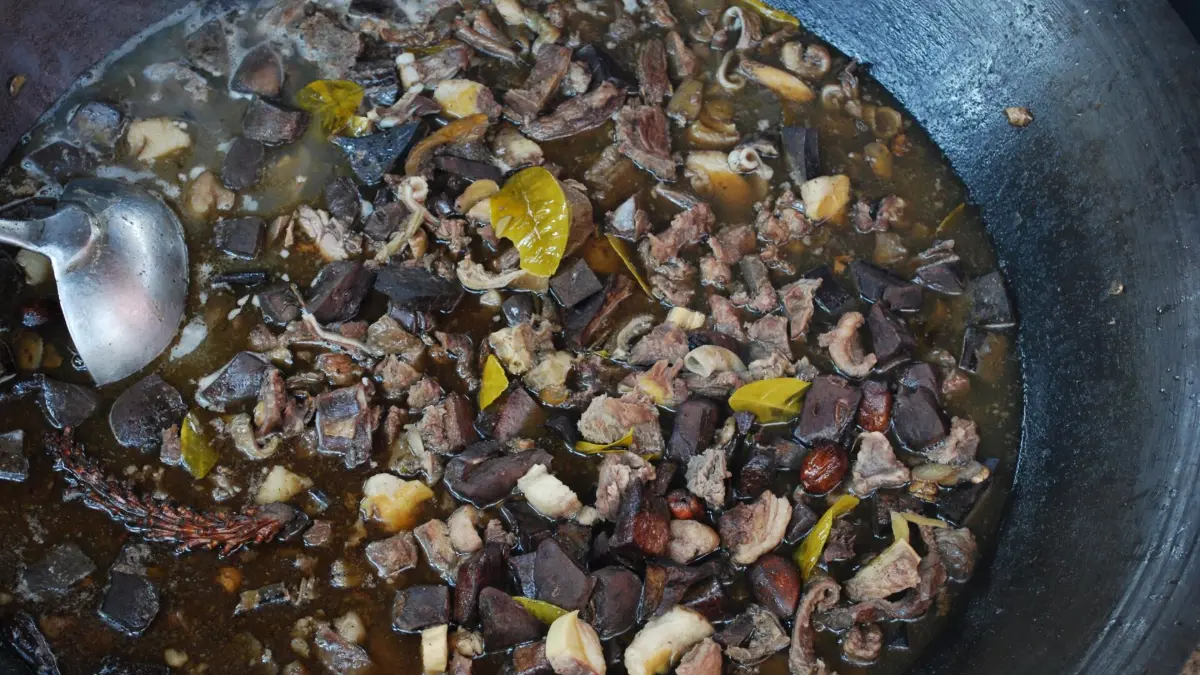
| Thắng cố | Hmong stew of horse or other meats and offal with cardamom and herbs | About 50,000–100,000 VND a bowl |
| Thịt trâu gác bếp | Smoked, dried buffalo meat with chilli salt | About 80,000–150,000 VND a plate |
| Grilled black pork (lợn cắp nách) | Small free-range pig, grilled or roasted with forest herbs | About 120,000–200,000 VND a plate |
| Hmong black chicken (gà đen) | Dark-skinned local chicken in herbal soup, steamed or grilled | About 150,000–300,000 VND a dish |
| Cơm lam | Sticky rice cooked in bamboo tubes | About 20,000–40,000 VND |
| Cốn sủi | Sapa noodle soup with pork or beef | About 30,000–50,000 VND |
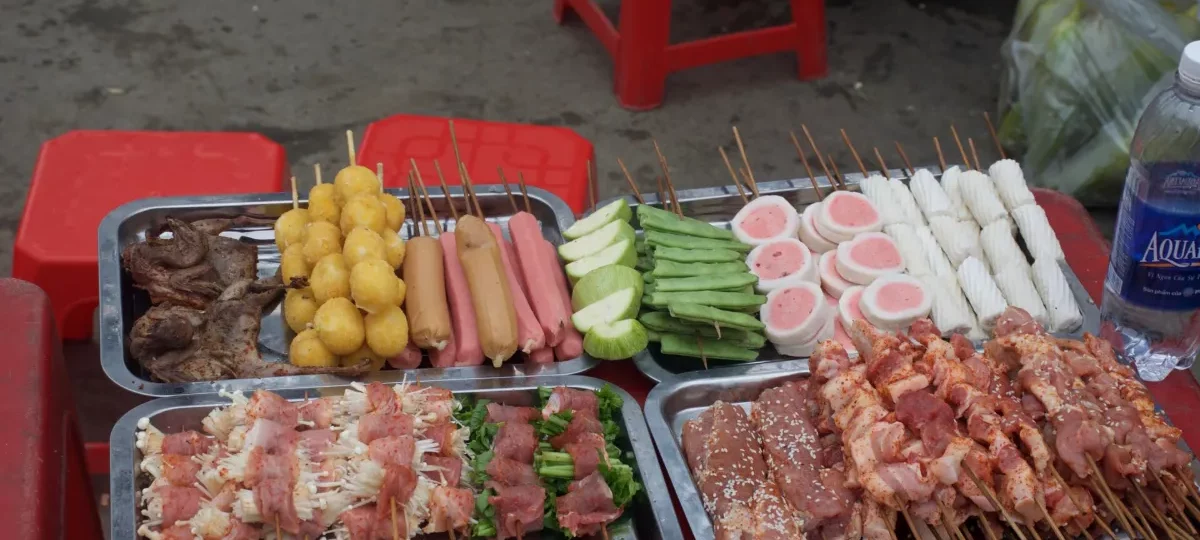
| Street grill | Skewers, eggs, corn, sweet potatoes, rice cakes | From about 10,000 VND per item |
Prices are indicative for 2026 and vary by restaurant, season and portion size.
1. Salmon and sturgeon hotpot
Sapa’s cold-water fish story began in 2005, when rainbow trout farming was introduced to the cold mountain streams; the project was declared a success the following year. Today Sa Pa has around 307 cold-water fish farms, and “Sapa salmon” (mostly rainbow trout) and sturgeon are served raw as a herb salad (gỏi), fried, grilled or, most famously, in a tangy hotpot with dill and mustard greens. Raw fish salad is for confident eaters; the hotpot is the safer, warming choice. Read more about rainbow trout.
2. Thang co
Thang co is the traditional dish of the Hmong, cooked in huge pans at highland markets. Meat, bones and offal are simmered for hours with cardamom, ginger and local herbs. The taste is strong and gamey; ask for a small bowl first and enjoy it with corn wine, as locals do.
3. Smoked buffalo meat
Strips of buffalo are marinated with chilli, ginger and the aromatic seed mắc khén, then dried over the kitchen fire for weeks. The result is chewy, smoky and slightly spicy, perfect with a glass of rice wine and a popular gift to take home.
4. Grilled black pork
Lợn cắp nách means “pig carried under the arm”, a reference to the small free-range pigs that Hmong and Dao families once carried to market. The meat is lean with crispy skin, usually grilled or roasted with forest herbs.
5. Hmong black chicken
This small breed has dark skin, bones and meat. It is often cooked in herbal soups, believed locally to be nourishing in cold weather, or simply grilled with honey and chilli.
6. Bamboo-tube rice and five-colour sticky rice
Cơm lam is sticky rice cooked inside bamboo tubes over embers, eaten with sesame salt or grilled meat. On festival days you may also see xôi ngũ sắc, sticky rice dyed with natural plant colours.
7. Cốn sủi
Sapa’s own noodle soup is a hearty breakfast with a rich broth, rice noodles and toppings of pork, beef or egg. It is a warming start before a day of trekking.
Where Can I Find the Best Street Food in Sapa?
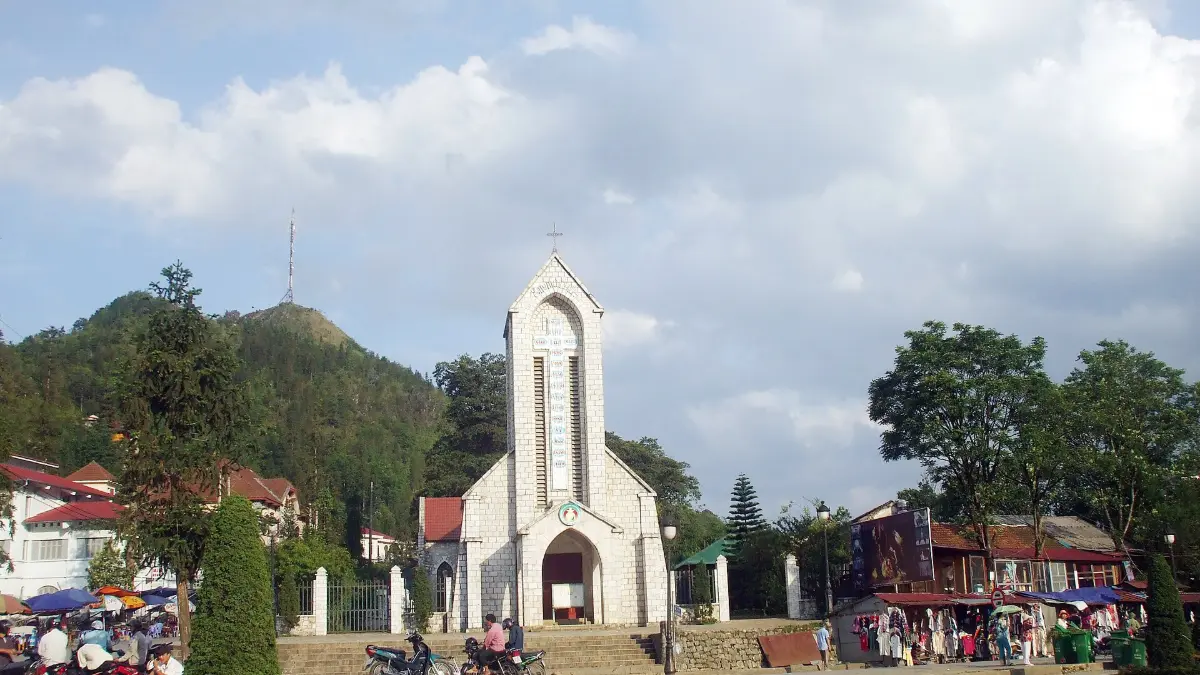
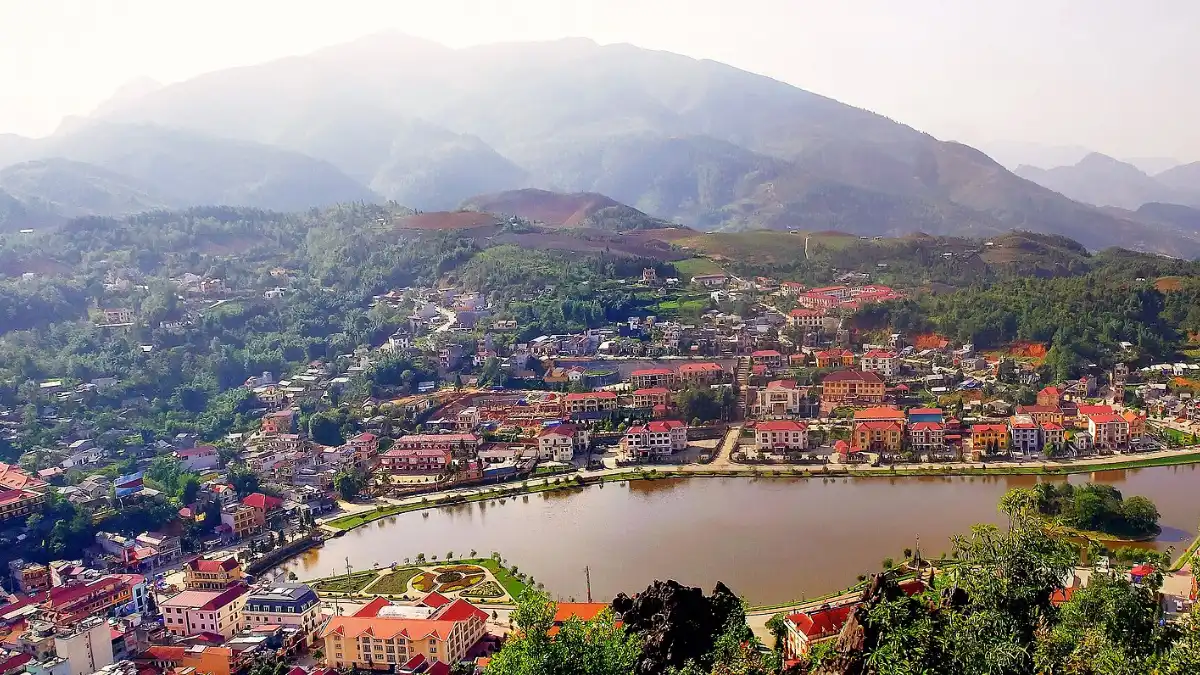
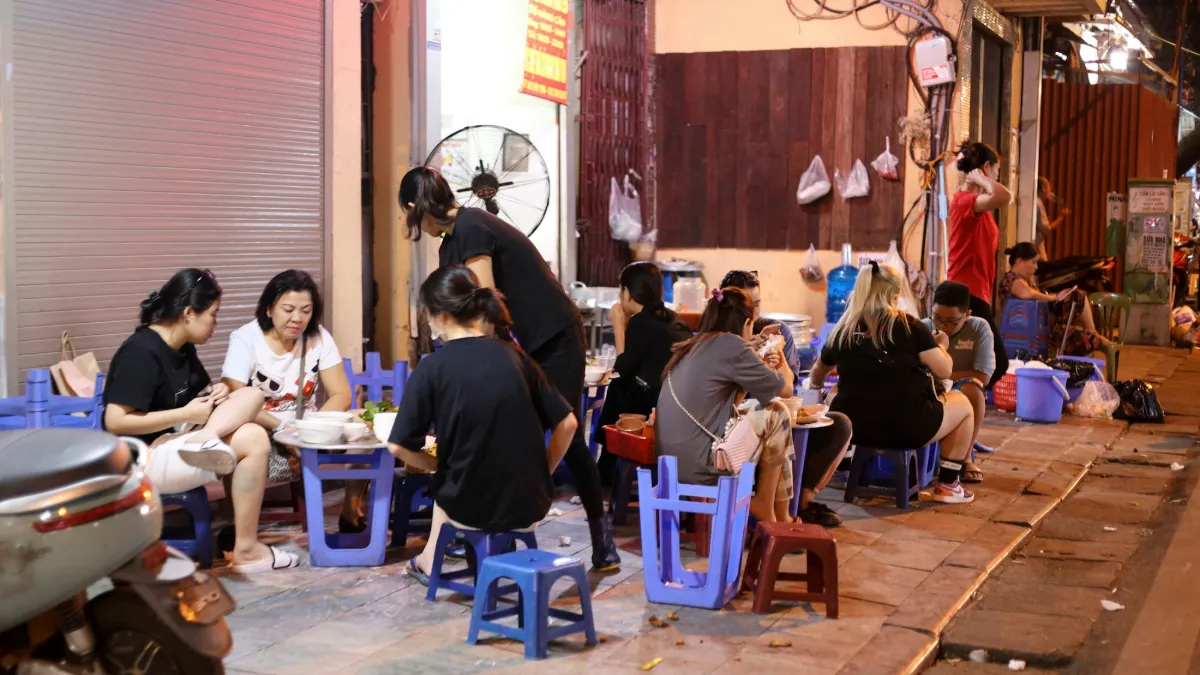
Head to the streets around the Sapa Stone Church and Sa Pa lake in the evening, when charcoal grills line the pavements. By day, the covered Sapa market is the place for local dishes and ingredients.
1. Evening grills near the town centre
From late afternoon, vendors set out low tables and grills selling pork and chicken skewers, quail eggs, corn, sweet potatoes and sticky-rice cakes. Point at what you want and the vendor grills it to order. Find the area on Google Maps.
2. Sapa market
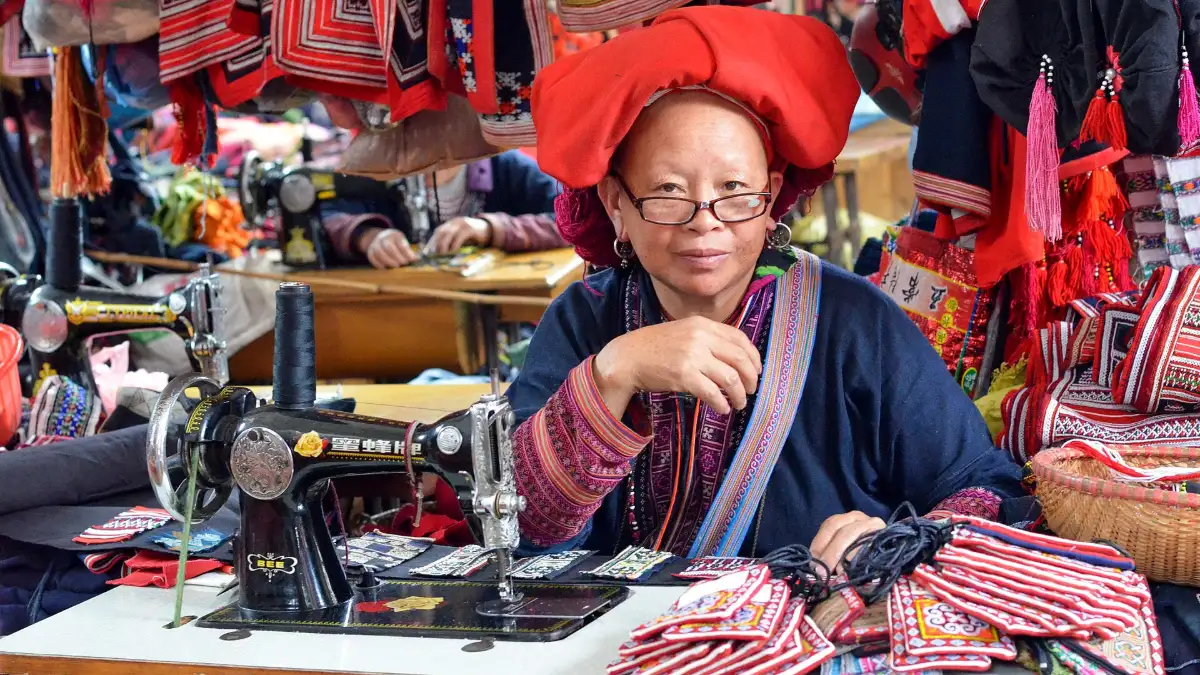
The main market sells fresh produce, dried mushrooms, smoked meats and simple meals. Food stalls usually serve thang co, noodle soups and rice dishes. See Sapa market on Google Maps.
3. Valley homestays
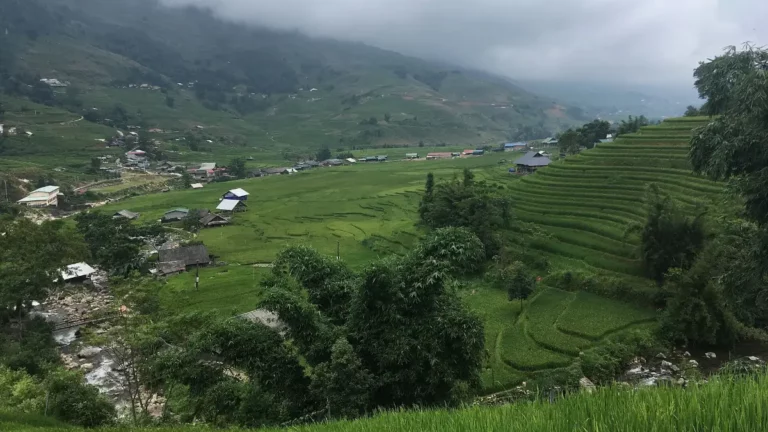
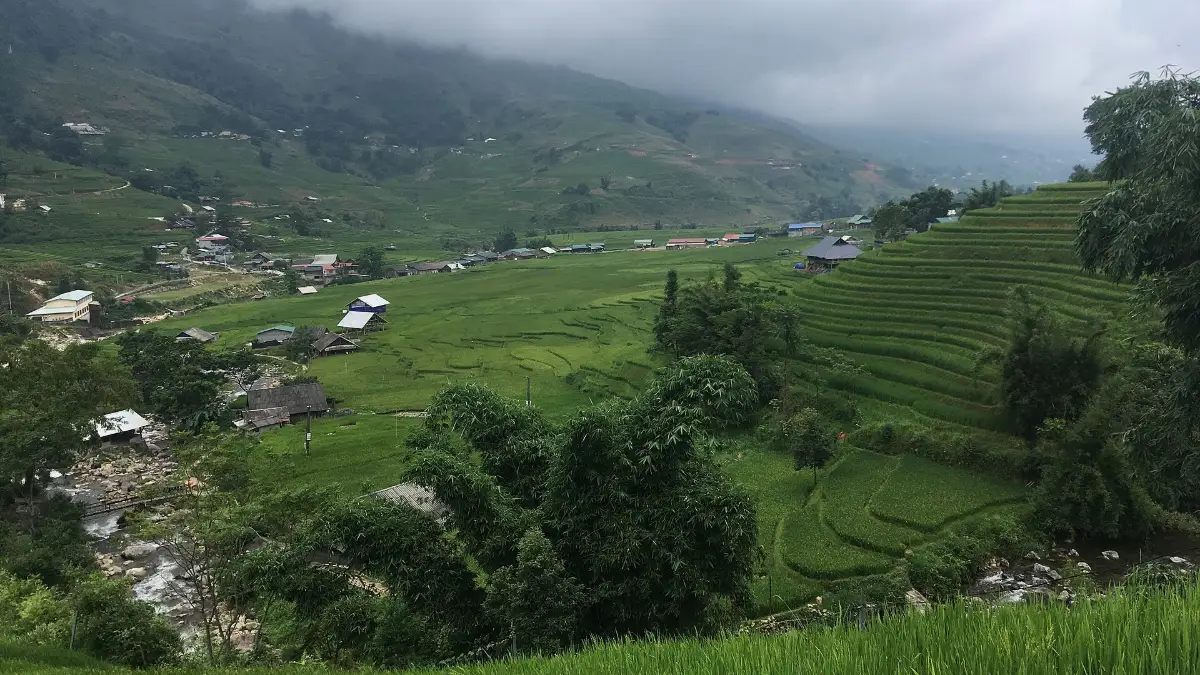
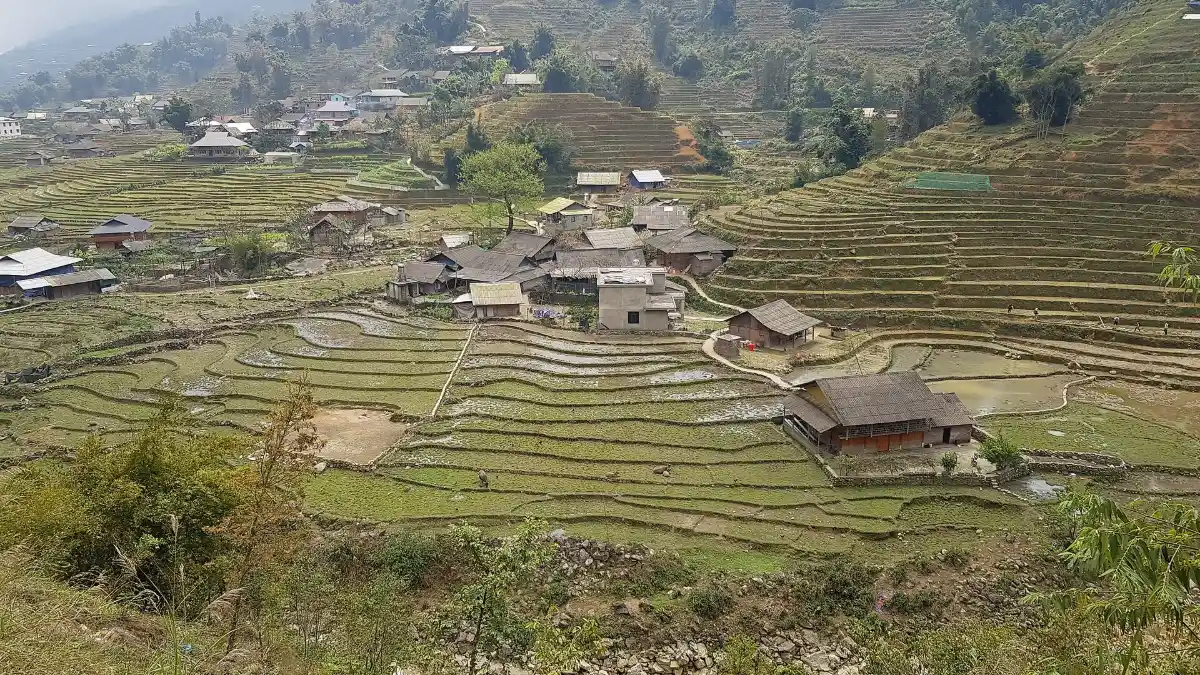
In Ta Van, Lao Chai and Ta Phin, homestay families cook generous dinners with local vegetables, pork or chicken, rice and home-made rice wine. For many travellers this is the most memorable meal in Sapa.
How Much Does Food Cost in Sapa?
Eating in Sapa is affordable: about 200,000–500,000 VND (US$8–20) a day covers street food and one sit-down meal. Specialities such as salmon hotpot or a whole grilled pork plate cost more.
| Item | Typical price | About US$ |
|---|---|---|
| Grilled skewer or corn | 10,000–30,000 VND | 0.40–1.20 |
| Noodle soup (cốn sủi, pho) | 30,000–60,000 VND | 1.20–2.40 |
| Thang co bowl | 50,000–100,000 VND | 2–4 |
| Restaurant main dish | 80,000–200,000 VND | 3–8 |
| Salmon hotpot for two | 250,000–400,000 VND | 10–16 |
| Homestay dinner | Often included, or about 100,000–200,000 VND | 4–8 |
| Vietnamese coffee | 25,000–60,000 VND | 1–2.40 |
What Should I Drink in Sapa?
Try táo mèo wine made from wild mountain apples, corn wine, local herbal teas and hot Vietnamese coffee. The alcoholic drinks are strong, so enjoy them in moderation.
Táo mèo (sơn tra) wine is golden, sweet and sour, and often served at homestays. Corn and rice wines are clear and potent. Cafés in town serve Vietnamese coffee, egg coffee and hot ginger tea, which is welcome on misty evenings.
Is Food in Sapa Safe and Suitable for Special Diets?
Food in Sapa is generally safe if you choose busy places that cook to order. Vegetarians can eat well with some planning, while halal options are limited.
1. Hygiene
Drink bottled or boiled water, choose freshly cooked food, and be cautious with raw fish salad at very basic stalls. Carry hand sanitiser and any medicines you need.
2. Vegetarian and vegan
Ask for mushroom or tofu hotpot, stir-fried vegetables and sticky rice, and use the word “chay”. Fish sauce and lard are common, so tell your host clearly if you are vegan.
3. Halal and allergies
Halal-certified restaurants are rare. Muslim travellers usually choose fish, eggs and vegetables or arrange meals through their tour operator. Write allergies (peanuts, shellfish, gluten) in Vietnamese on a card to show cooks.
What Food Souvenirs Can I Take Home from Sapa?
Smoked buffalo, dried mushrooms, táo mèo wine, chestnut cakes and local teas are the most popular edible souvenirs.
Buy from established shops with sealed, labelled packaging, and check your home country’s customs rules on meat products before flying. Alcohol should be packed in checked luggage.
Are There Food Tours or Cooking Classes in Sapa?
Yes. Many travellers combine a trek with a homestay cooking session, and some local operators run evening street-food walks around Sa Pa ward.
The most authentic way to learn about Sapa food is to help a Hmong or Red Dao family prepare dinner in Ta Van or Ta Phin: you may grind corn, roll spring rolls or cook bamboo-tube rice over the fire. Ask your operator to include a market visit on a Sunday trip to Bac Ha, or a morning at Sapa market before your trek. After a day on Fansipan, a salmon hotpot dinner in town is the perfect reward.
Where Should I Eat in Sapa by Area?
Eat in Sa Pa ward for the widest choice, in valley homestays for home cooking, and at the summit complex on Fansipan only for convenience.
| Area | What to eat | Best for |
|---|---|---|
| Around the Stone Church and Sa Pa lake | Street grills, hotpot restaurants, cafés | Evening street food, choice |
| Sapa market | Thang co, noodle soups, dried and smoked products | Local breakfast and lunch, souvenirs |
| Cat Cat Village | Simple cafés, grilled snacks | A drink stop on a short walk |
| Muong Hoa Valley homestays | Family dinners, rice wine | Authentic home cooking |
| O Quy Ho Pass stops | Grilled corn and eggs at viewpoints | Snacks on a scenic drive |
Local Expert Tips for Eating in Sapa
These tips come from years of arranging Sapa tours for international travellers.
- Always confirm the price before ordering hotpot, salmon or grilled meat, as some dishes are priced per kilo.
- Eat at busy stalls where food is cooked in front of you; high turnover means fresher ingredients.
- Try thang co at a market in the morning, when it is freshly cooked, and order a small portion first.
- Order salmon hotpot for at least two people; one pot is usually generous enough for two or three.
- Tell your homestay in advance about vegetarian, halal or allergy needs; most families happily adapt the menu.
- Drink táo mèo and corn wine in moderation: they are strong and mountain roads and trails are steep.
- Buy smoked buffalo and dried mushrooms in sealed, labelled packs if you plan to take them home.
- Avoid buying snacks from children; support adult vendors and cooperatives instead.
Plan Your Sapa Trip
Work up an appetite before dinner: take the cable car up Fansipan Mountain, walk to Cat Cat Village or trek through the Muong Hoa Valley to Lao Chai and Ta Van, where homestay dinners are a highlight. Visit Ta Phin Village for Red Dao herbal baths, then return to town near the Stone Church and the Sapa Love Market for evening grills. Read our Sapa travel tips, Sapa trekking guide and Hanoi to Sapa guide, and compare with the Hanoi food and drinks guide.
Plan your trip with our Sapa travel guide and Sapa tours. Contact Vietnam Tour Expert Team for a free custom itinerary.
Frequently Asked Questions about Sapa Food
1. What food is Sapa famous for?
Sapa is best known for salmon and sturgeon hotpot, Hmong thang co stew, smoked buffalo meat, grilled black pork, Hmong black chicken and charcoal-grilled street food.
2. Is Sapa salmon real salmon?
Most “Sapa salmon” is rainbow trout farmed in cold mountain streams since 2005; sturgeon is also farmed. Both have firm, fatty flesh ideal for hotpot and raw salad.
3. How much does salmon hotpot cost in Sapa?
A salmon or sturgeon hotpot for two typically costs about 250,000–400,000 VND, depending on the restaurant and the weight of fish.
4. What is thang co in Sapa?
Thang co is a traditional Hmong stew of horse meat or other meats and offal simmered with cardamom, ginger and herbs. It is cooked in large pans at highland markets and has a strong flavour.
5. How much does street food cost in Sapa?
Grilled skewers, corn and eggs cost from about 10,000 VND each, and simple dishes such as noodle soup about 30,000–60,000 VND.
6. Where is the best street food in Sapa?
The streets around the Stone Church and Sa Pa lake fill with charcoal grills in the evening, and Sapa market sells local dishes by day.
7. Is Sapa street food safe to eat?
Generally yes, if you choose busy stalls that cook food freshly in front of you. Drink bottled or boiled water and avoid salads at very basic stalls if you have a sensitive stomach.
8. What is the traditional breakfast in Sapa?
Locals often eat cốn sủi, a Sapa noodle soup with a rich broth and pork or beef, as well as pho and sticky rice.
9. What drinks should I try in Sapa?
Try táo mèo (wild apple) wine, local corn wine, herbal teas and hot Vietnamese coffee on cold evenings. The alcoholic drinks are strong, so sip slowly.
10. What is smoked buffalo meat in Sapa?
Thịt trâu gác bếp is buffalo meat marinated with spices and dried over the kitchen hearth. It is eaten as a snack with chilli salt and is a popular souvenir.
11. What is Hmong black chicken in Sapa?
It is a small local breed with dark skin and meat, usually cooked in herbal soups, steamed or grilled. Many Sapa restaurants and homestays serve it.
12. Can vegetarians eat well in Sapa?
Yes, with some planning. Ask for mushroom or tofu hotpot, vegetable dishes and sticky rice, and use the word “chay” (vegetarian).
13. Is halal food available in Sapa?
Halal-certified restaurants are rare in Sapa. Muslim travellers usually choose fish, vegetables and egg dishes and arrange meals in advance through their tour operator.
14. What should I buy as food souvenirs from Sapa?
Popular choices are smoked buffalo meat, dried mushrooms, táo mèo wine, chestnut cakes and local teas. Buy sealed, labelled packs if you are flying home.
15. Do homestays in Sapa serve meals?
Yes. Most homestays in Ta Van, Lao Chai and Ta Phin serve family dinners, often with rice, local vegetables, pork or chicken and home-made rice wine.
16. Is food in Sapa more expensive than in Hanoi?
Slightly, because many ingredients come up from the lowlands. Street food is still cheap, while specialities such as salmon hotpot cost more.
17. Do Sapa restaurants accept cards?
Larger restaurants and hotels accept cards or Vietnamese QR payments, but street stalls and markets usually want cash in VND.
18. When is the best season for food in Sapa?
Cool months from November to March are perfect for hotpot and grilled street food, while autumn brings fresh produce after the rice harvest.
Related Posts
Sapa Travel Tips 2026: Weather, Best Time & What to Know
Sapa Trekking Guide 2026: Best Routes, Guides & Tips
Hanoi to Sapa 2026: Bus, Train, Private Car & Travel Times
Rong May Glass Bridge: Tickets, Views & Is It Worth It?
Sapa Love Market: History, Saturday Show & What to Expect