Sapa Trekking Guide 2026: Best Routes, Guides & Tips
The best Sapa treks for most travellers are the Lao Chai – Ta Van valley walk (about 12 km, 5–6 hours, moderate) and the easy Cat Cat Village loop (2–3 hours). Fit hikers can climb Fansipan (3,147.3 m) in two days with a licensed guide. Trek March–May or September–November, hire a local guide, and avoid valley trails during heavy rain.
Status (checked October 2026): In March 2026 Lao Cai province tightened its rules on adventure tourism: trekking and other adventure tours in Sapa may only be organised by licensed travel businesses, and local guides, porters and trail helpers are being registered and checked by communes such as Ta Van and Ta Phin. We run Sapa treks only with licensed, registered local guides. After the July 2025 merger, the Muong Hoa Valley villages belong to Ta Van commune and Sapa town is Sa Pa ward. Rainy-season landslides, as during Typhoon Yagi in September 2024, still close trails at short notice.
Key takeaways:
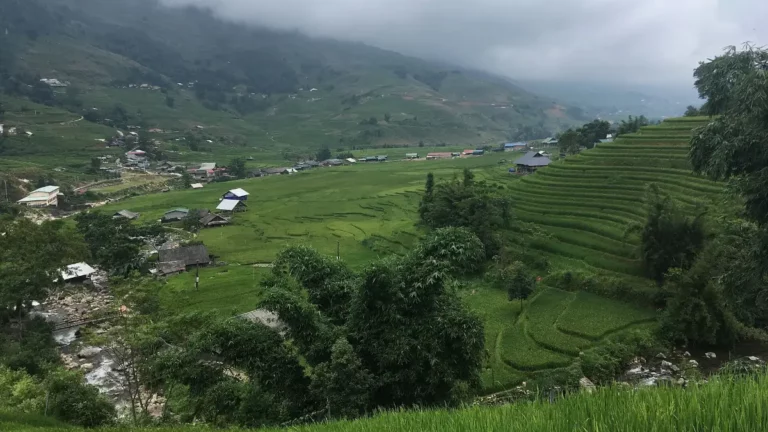
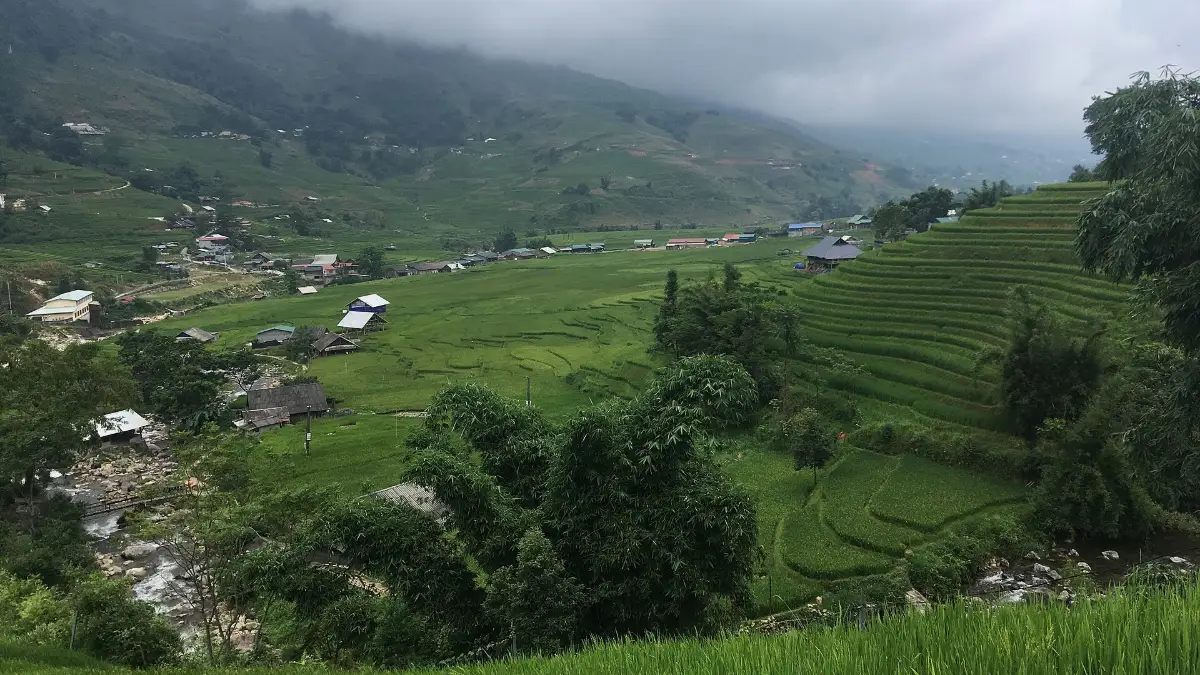
- Classic route: Sapa – Lao Chai – Ta Van through the Muong Hoa Valley, about 12 km.
- Easiest: Cat Cat Village on paved paths, about 3 km from Sa Pa ward.
- Hardest: Fansipan, 3,147.3 m, usually two days from Tram Ton Pass; guide essential.
- Best months: March–May and September–November; water-filled terraces May–June, golden rice September.
- Book through a licensed operator and stay at least one night in a valley homestay.
Sapa Trekking at a Glance
| Easiest trek | Cat Cat Village loop: about 3–4 km, 2–3 hours |
|---|---|
| Classic trek | Sapa – Lao Chai – Ta Van: about 12 km, 5–6 hours |
| Hardest trek | Fansipan summit (3,147.3 m): usually 2 days; experienced hikers sometimes do it in one long day |
| Best months | March–May and September–November |
| Rice seasons | Water-filled terraces May–June; golden rice late August–September |
| Rainy season | May–September (wettest July–August): mud, leeches, landslide risk |
| Guide | Strongly recommended; trek with licensed operators and registered local guides |
| Typical guide cost | About US$25–50 per day per group for village treks (about) |
| Homestay | About 150,000–400,000 VND per person per night, dinner often included (about) |
| Site fees | Cat Cat village ticket (varies); 10,000 VND state fee at Cat Cat waterfall and Fansipan summit area |
Which Sapa Trekking Route Should I Choose?
Choose Cat Cat for an easy half-day, Lao Chai – Ta Van for the classic valley experience, Ta Phin for Red Dao culture, and Fansipan only if you are a fit, experienced hiker.
| Route | Distance / time | Difficulty | Highlights |
|---|---|---|---|
| Cat Cat Village loop | About 3–4 km, 2–3 h | Easy | Black Hmong crafts, waterfall, paved paths |
| Sapa – Lao Chai – Ta Van | About 12 km, 5–6 h | Moderate | Muong Hoa Valley terraces, Hmong and Giay villages, homestays |
| Ta Phin | About 10–14 km, 4–6 h | Moderate | Red Dao villages, herbal baths, embroidery |
| Sa Seng – Hang Da – Hau Thao | About 12–15 km, 6–7 h | Challenging | High terraces, fewer trekkers |
| Ta Van – Ban Ho | About 15–18 km, 7–8 h (or 2 days) | Challenging | Tay villages, streams, remote scenery |
| Fansipan summit | About 20 km return, usually 2 days | Very hard | Highest peak in Indochina, 3,147.3 m |
Distances and times are approximate and depend on the exact path, weather and group pace.
1. Cat Cat Village
The easiest walk starts about 2–3 km from the centre of Sa Pa ward and follows paved paths and steps down to a Black Hmong village and waterfall. It is busy and quite commercial, but a good warm-up. A village ticket is charged at the entrance, and a state fee of 10,000 VND per adult applies at the waterfall. See our Cat Cat Village guide.
2. Lao Chai – Ta Van
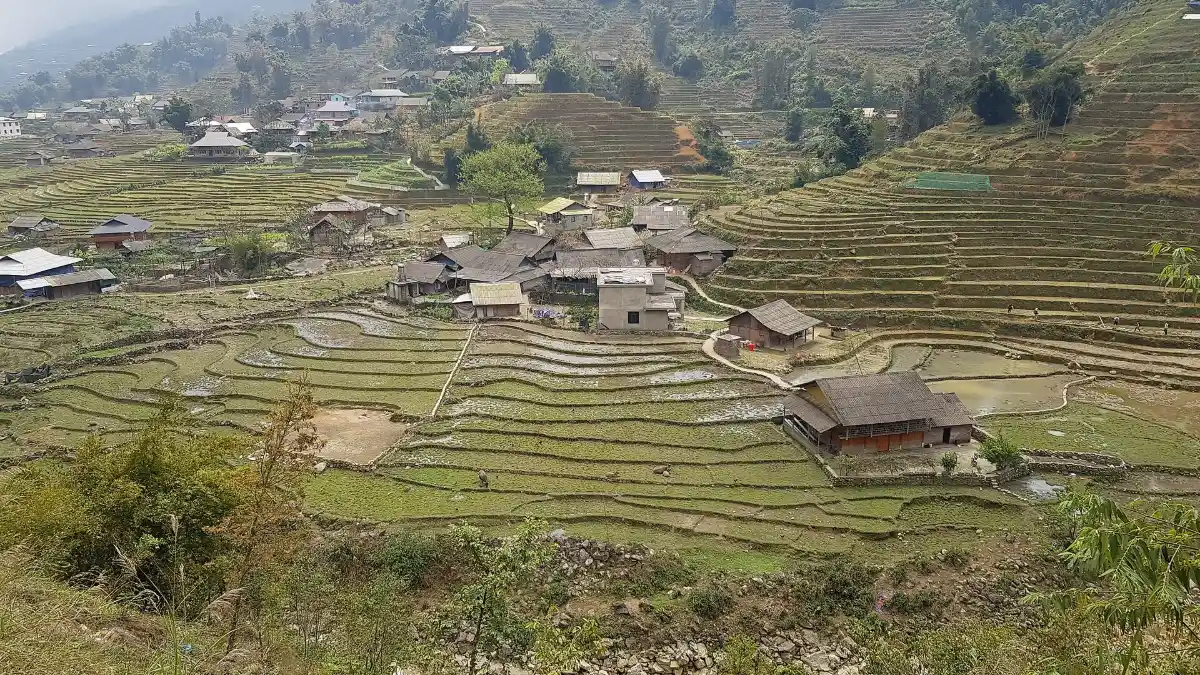
The classic trek leaves the main road south of town and follows trails along the Muong Hoa Valley, through terraces and the Hmong village of Lao Chai to the Giay village of Ta Van. The valley also has ancient carved stones. Both villages now belong to Ta Van commune. See our Lao Chai and Ta Van guide.
3. Ta Phin
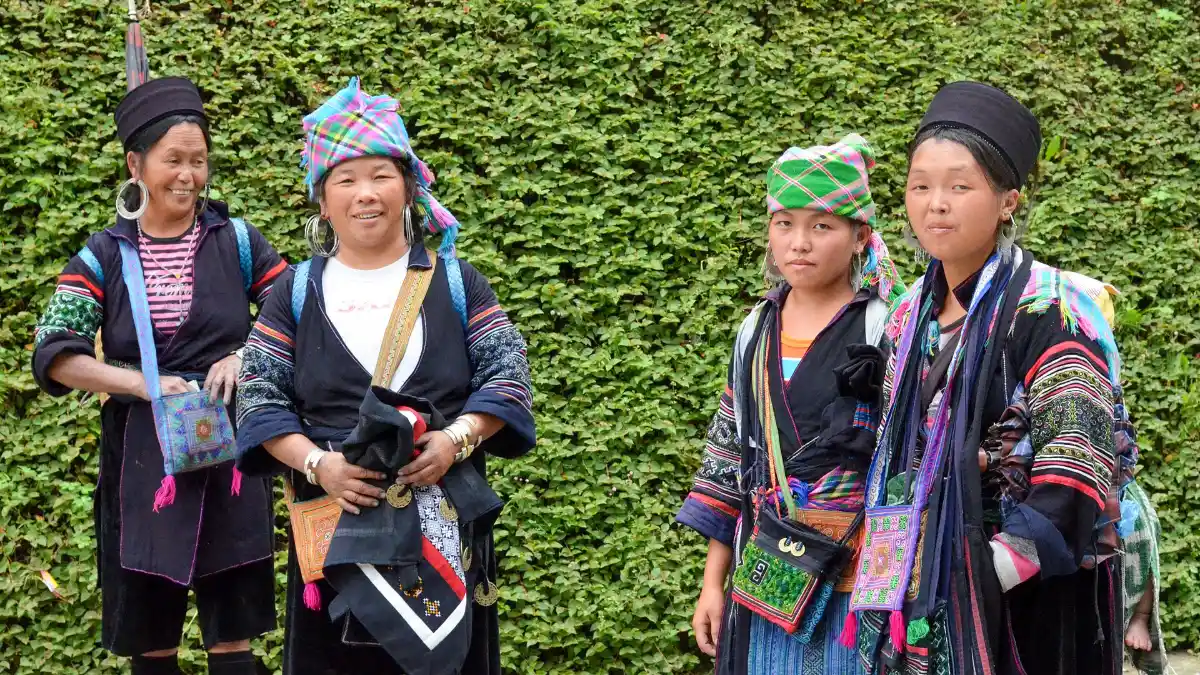
About 17 km from town, Ta Phin is home to Red Dao and Hmong families. Treks pass terraces and forest paths; many end with a Red Dao herbal bath. See our Ta Phin Village guide.
4. Sa Seng and Hau Thao
Higher, quieter trails above the valley lead through Sa Seng and Hang Da to Hau Thao, with sweeping terrace views and fewer trekkers. They are steeper and best with a guide.
5. Ban Ho
Further south, Ban Ho is a Tay community with streams and stilt houses. Most people reach it on a two-day trek with a homestay in Ta Van or Ban Ho.
6. Fansipan
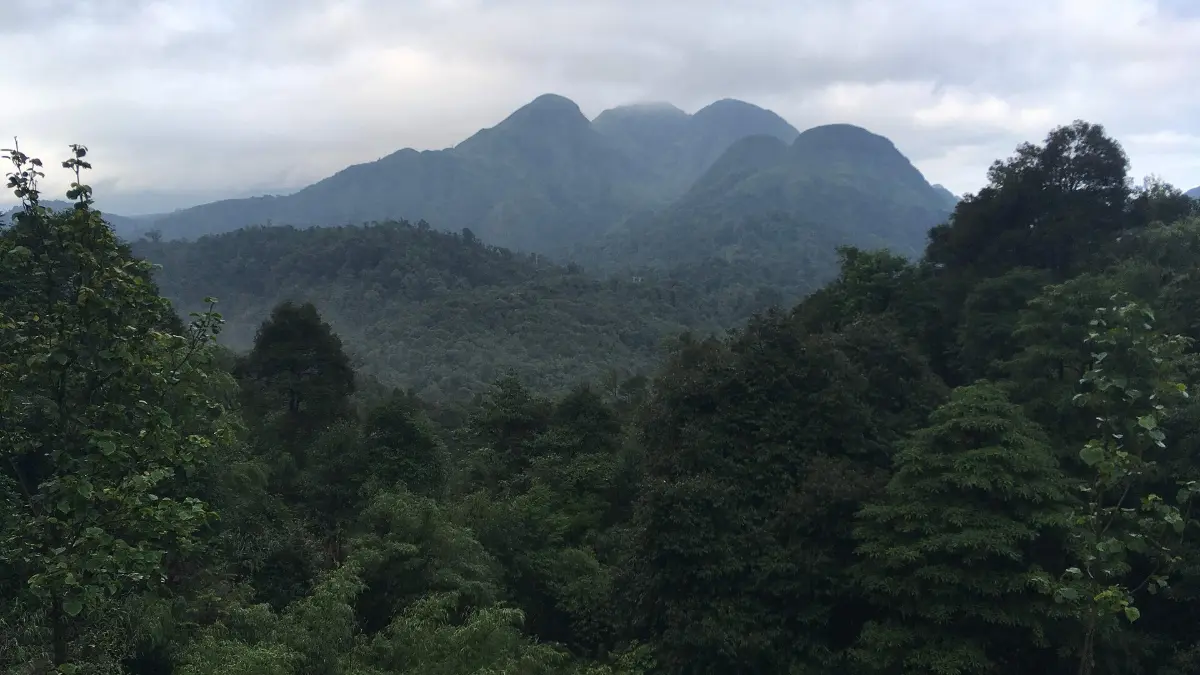
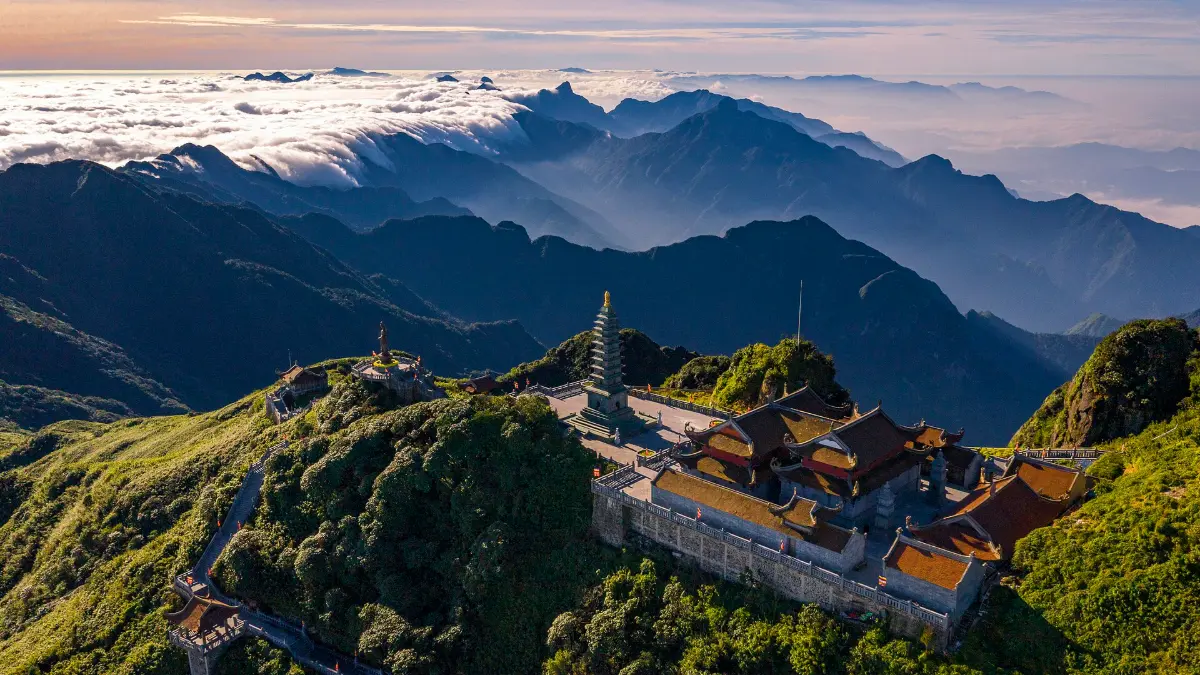
At 3,147.3 m, Fansipan is the highest mountain in Indochina. The climb usually takes two days from Tram Ton Pass, with a night in a basic mountain camp; very fit hikers sometimes do it in one long day. The trail is steep, rocky and muddy, and the summit can be near freezing in winter. Read more on Wikipedia and in our Fansipan Mountain guide.
When Is the Best Time to Trek in Sapa?
March–May and September–November are best, with mild temperatures and drier trails. Go in September for golden rice and May–June for water-filled terraces.
| Months | Weather | Trails | Rice terraces |
|---|---|---|---|
| December–February | Cold, foggy, sometimes frost; about 6–14°C | Dry but cold; Fansipan very cold | Bare, misty |
| March–April | Mild, flowers in bloom | Good | Being prepared |
| May–June | Warmer, first rains | Mostly good, some mud | Water-filled, mirror reflections |
| July–August | Warmest and wettest | Muddy, leeches, landslide risk | Lush green |
| September | Mild, some showers | Good | Golden harvest season |
| October–November | Cool, dry, clear skies | Excellent | Harvested fields; best Fansipan views |
Sapa’s average temperature is around 15°C a year, and the wet season runs from May to September, with about 2,800 mm of rain annually. Always check the forecast the day before a trek.
Do I Need a Guide or Permit to Trek in Sapa?
A licensed local guide is strongly recommended for valley treks and essential for Fansipan and remote routes. There are no individual trekking permits for foreigners, but since March 2026 trekking tours in Sapa may only be organised by licensed travel businesses.
1. New rules in 2026
In March 2026, Lao Cai’s Department of Culture, Sports and Tourism told hotels, homestays and individuals not to organise tours or adventure activities without a travel business licence and safety conditions. Communes and wards, including Sa Pa, Ta Van and Ta Phin, must list local trekking guides, mountain guides and porters, and operators must prepare rescue plans for bad weather.
2. Choosing a guide
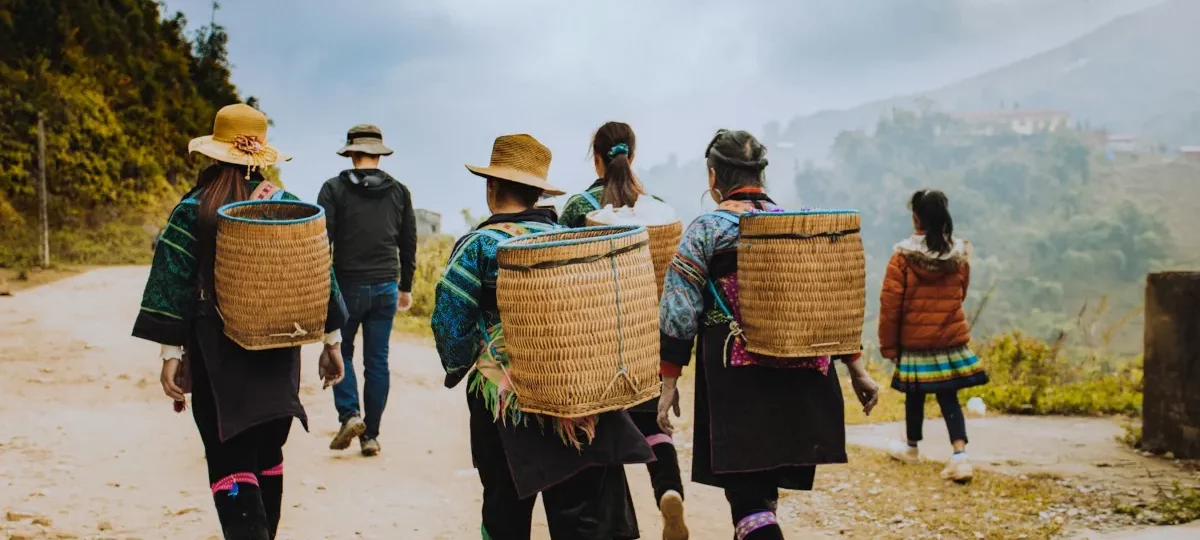
Book through a licensed tour operator or a reputable homestay. Many guides are Hmong or Red Dao women from the valley villages, who share their culture and know every path. Agree on the route, duration, price and what is included before you start.
3. Fees
Some sites charge entry tickets, such as Cat Cat village. Since 1 January 2025, a state fee of 10,000 VND per person aged 16 and over (5,000 VND for under-16s) applies at the Fansipan summit area and Cat Cat waterfall. Guide prices often include these.
What Are Sapa Homestays Like?
Homestays are simple family houses or guesthouses in the valley villages, offering mattresses or private rooms, a hot shower and a home-cooked dinner. A night in one is a highlight of a Sapa trek.
Ta Van has the widest choice, from shared lofts to rooms with terrace views. Ta Phin and Ban Ho are quieter. Expect about 150,000–400,000 VND per person per night, often including dinner and breakfast; prices rise at weekends and in September. Bring a torch, earplugs and a warm layer.
What Should I Pack for a Sapa Trek?
Pack trekking shoes with good grip, a rain jacket, warm layers, sun protection, water and small cash. In the rainy season, add leech socks and a dry bag.
- Trekking shoes or boots with deep tread (essential May–September).
- Rain jacket or poncho, and a fleece or down jacket from November to March.
- Hat, sunglasses, sunscreen and insect repellent.
- 1.5–2 litres of water, snacks and a small first-aid kit.
- Small VND notes for drinks, handicrafts and fees.
- Walking poles for steep descents and Fansipan.
How Do I Stay Safe When Trekking in Sapa?
Trek with a guide, start early, avoid valley and stream trails during heavy rain, and turn back if the weather worsens. Landslides and flash floods are the main rainy-season risk.
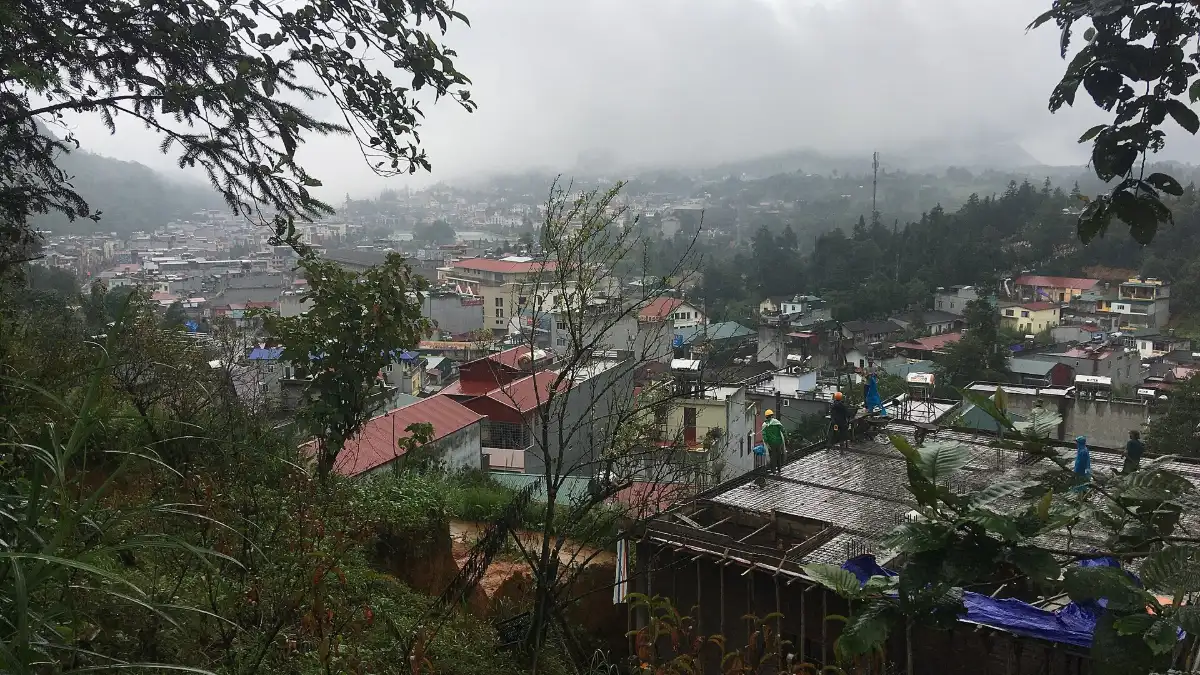
Typhoon Yagi in September 2024 triggered deadly landslides and floods across Lao Cai province, a reminder that mountain weather can turn quickly. Check the forecast, follow local closures and never cross swollen streams. Tell your hotel your route, keep your phone charged, and carry the number of your guide and tour operator. Make sure your travel insurance covers trekking at altitude.
How Can I Trek Responsibly in Sapa?
Ask before photographing people, stay on paths, don’t buy from children, and spend your money with local guides, homestays and cooperatives.
- Do not walk on rice-terrace walls or through planted fields.
- Take rubbish back to town; there is little waste collection in villages.
- Dress modestly in villages and remove shoes when entering homes.
- Buy handicrafts from adults or cooperatives at fair prices; local authorities ask visitors not to buy from children to keep them in school.
Local Expert Tips for Trekking in Sapa
These tips come from years of arranging Sapa tours for international travellers.
- Start early (around 8:00) to avoid midday heat and afternoon showers, especially from May to September.
- Wear trekking shoes with real grip; trails between Lao Chai and Ta Van turn to slippery clay after rain.
- Choose a guide through a licensed operator or your homestay, and confirm what is included: fees, lunch, transfer back to town.
- Stay one night in Ta Van or Ta Phin to see the valley at sunset and sunrise without day-trip crowds.
- Carry small cash for drinks, handicrafts and village fees; there are no ATMs on the trails.
- Politely decline persistent sellers, never buy from children, and ask before photographing people.
- For Fansipan, check the weather 48 hours ahead and turn back if visibility or rain worsens; the summit can be near freezing in winter.
- Arrange a car to pick you up at the end of the trek so you are not walking back up the main road.
Plan Your Sapa Trip
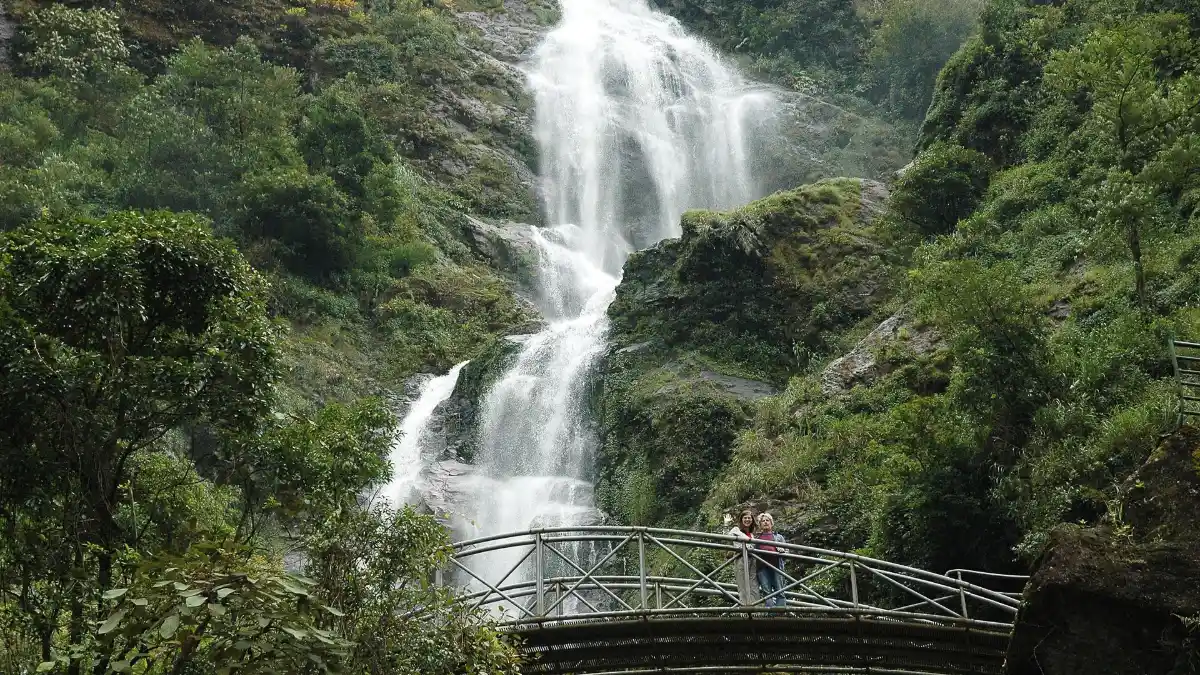
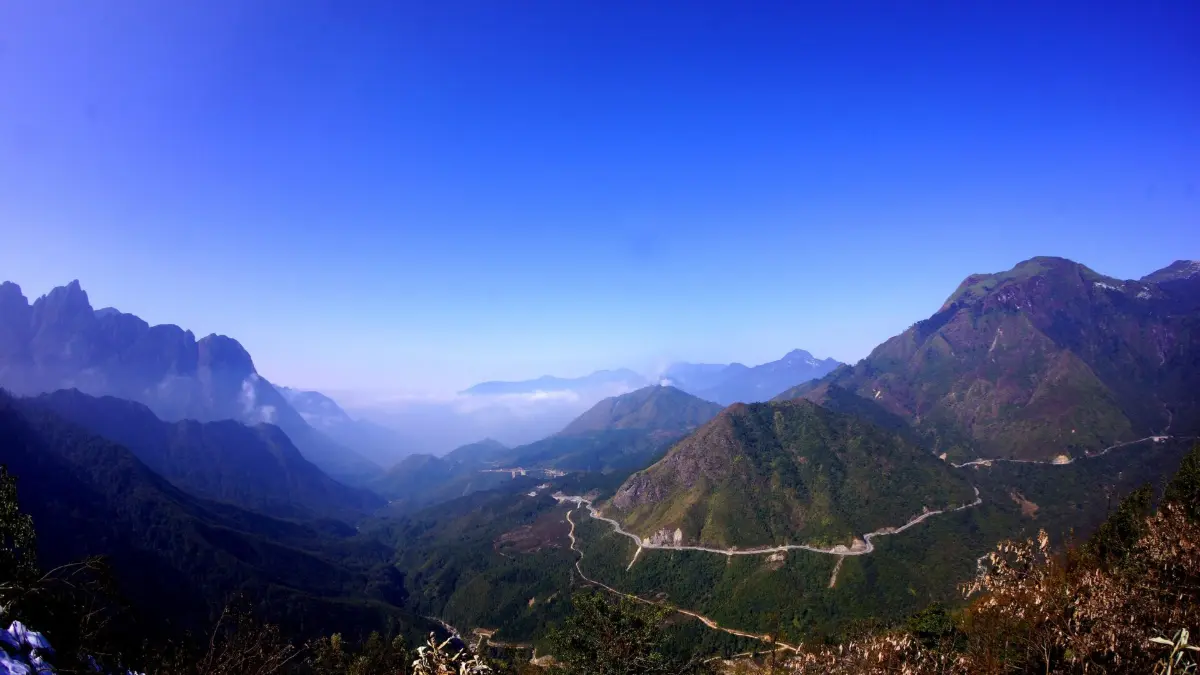
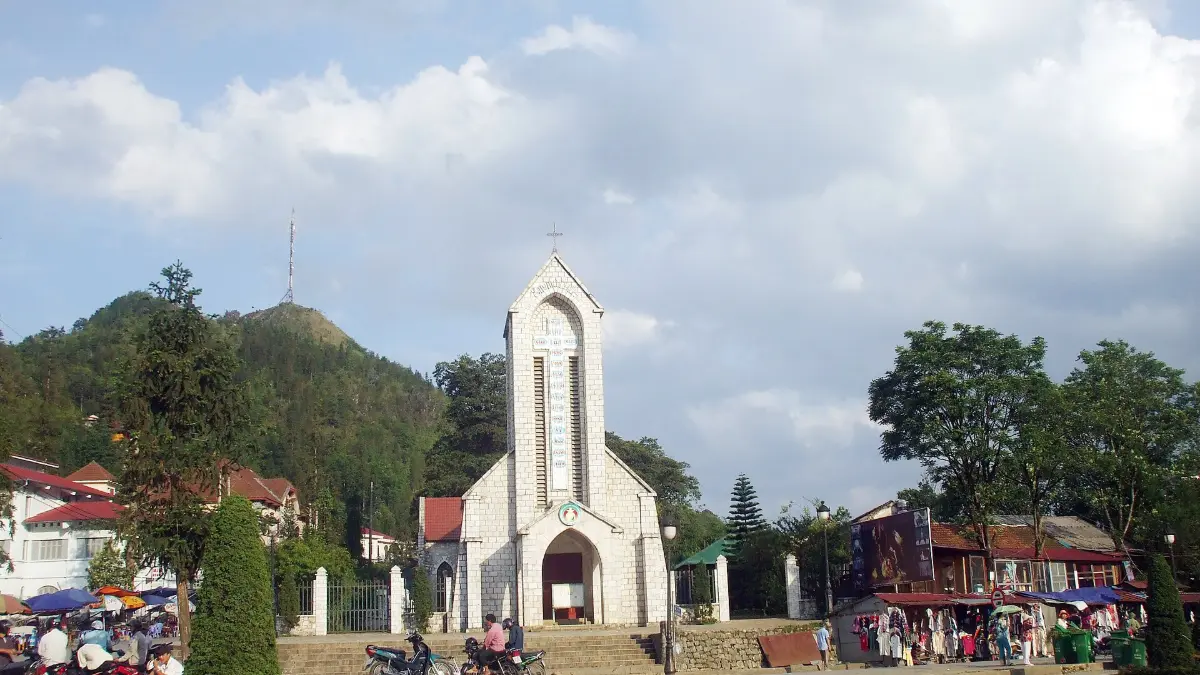
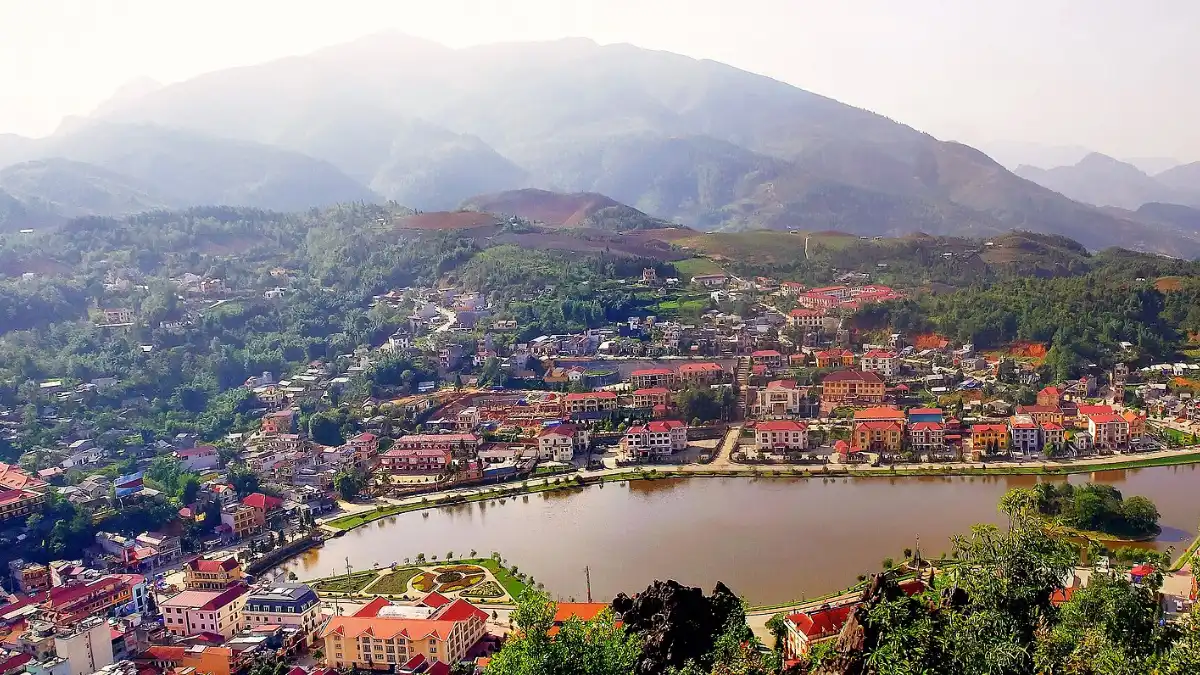
Combine treks with Sapa’s highlights: ride the cable car or climb Fansipan Mountain, walk to Cat Cat Village, hike the Muong Hoa Valley through Lao Chai and Ta Van, visit Red Dao families in Ta Phin Village and finish at Ham Rong Mountain for town views. Drive the O Quy Ho Pass past Silver Waterfall on a rest day. Read our Sapa travel tips, Sapa food guide and Hanoi to Sapa guide before you go.
Plan your trip with our Sapa travel guide and Sapa trekking tours. Contact Vietnam Tour Expert Team for a free custom itinerary.
Frequently Asked Questions about Sapa Trekking
1. What is the best trek in Sapa?
For most travellers it is the Sapa – Lao Chai – Ta Van route through the Muong Hoa Valley: about 12 km of rice terraces and Hmong and Giay villages in 5–6 hours.
2. What is the easiest trek in Sapa?
The Cat Cat Village loop, about 3 km from Sa Pa ward on paved paths and steps. It takes 2–3 hours, including time at the waterfall.
3. How hard is it to climb Fansipan from Sapa?
Very hard: steep, muddy and rocky trails to 3,147.3 m, usually over two days from Tram Ton Pass. Only fit, experienced hikers should attempt it, with a licensed guide.
4. Do I need a guide to trek in Sapa?
For Fansipan and remote routes, yes. For valley treks a guide is strongly recommended: trails are unmarked, and since March 2026 Lao Cai province allows trekking tours in Sapa to be organised only by licensed travel businesses, with local guides registered by the communes.
5. How much does a trekking guide cost in Sapa?
About US$25–50 per day for a group on village treks, more for Fansipan or multi-day treks, depending on group size and inclusions.
6. When is the best time for trekking in Sapa?
March–May and September–November bring mild, drier weather. September has golden rice terraces, and May–June water-filled terraces.
7. Can I trek in Sapa in the rainy season?
Yes, but trails become muddy and slippery, and landslides can occur in heavy rain. Choose shorter routes, start early and follow your guide’s advice.
8. Is trekking in Sapa safe?
Generally yes on popular routes with a guide. Risks include slippery trails, sudden weather changes and rainy-season landslides, such as those during Typhoon Yagi in 2024.
9. How long is the Lao Chai – Ta Van trek in Sapa?
About 12 km, taking 5–6 hours at an easy pace with stops for lunch and photos. Many travellers stay overnight in Ta Van.
10. What should I pack for trekking in Sapa?
Shoes with good grip, a rain jacket, a warm layer, a hat, sunscreen, insect repellent, water, snacks and small cash.
11. Can I do a homestay on a Sapa trek?
Yes. Ta Van, Lao Chai, Ta Phin and Ban Ho have many homestays, from dorms to private rooms, usually with a family dinner.
12. Are there entrance fees for Sapa treks?
Some sites charge fees, such as the Cat Cat village ticket, plus a state fee of 10,000 VND per adult at Cat Cat waterfall and the Fansipan summit area. Guides usually include fees in their price.
13. Can children trek in Sapa?
Yes, on easy routes such as Cat Cat or short valley walks. Fansipan treks are not suitable for young children.
14. How many days do I need for trekking in Sapa?
Two to three days is ideal: one day for a valley trek with a homestay, one for Fansipan by cable car or Ta Phin, and a spare day for weather.
15. Is the Fansipan cable car an alternative to trekking in Sapa?
Yes. The Fansipan cable car (about 850,000 VND adult return) takes about 20 minutes to near the summit, followed by steps to the 3,147.3 m peak.
16. Can I trek in Sapa without a tour?
You can walk to Cat Cat independently, but for valley and mountain routes a licensed guide is strongly recommended for safety, route-finding and supporting local communities.
17. What wildlife can I see trekking near Sapa?
Treks around Fansipan pass through Hoang Lien National Park, home to rare plants, orchids and birds; larger mammals are rarely seen.
18. Which Sapa trek avoids the crowds?
Longer routes such as Sa Seng – Hau Thao or the walk to Ban Ho see fewer trekkers than Lao Chai – Ta Van, especially on weekdays.
Related Posts

Sapa Travel Tips 2026: Weather, Best Time & What to Know
Sapa Food Guide: Salmon Hotpot, Thang Co & Where to Eat
Hanoi to Sapa 2026: Bus, Train, Private Car & Travel Times
Rong May Glass Bridge: Tickets, Views & Is It Worth It?
Sapa Love Market: History, Saturday Show & What to Expect