
Quick answer: These Vietnam travel guides cover the 12 destinations international travellers visit most, from Hanoi, Halong Bay, Ninh Binh and Sapa in the north to Hue, Hoi An and Da Nang in the centre and Ho Chi Minh City, the Mekong Delta, Mui Ne, Da Lat and Nha Trang in the south. Each city has practical guides to travel tips, getting around, where to stay and what to eat, written and updated by our local team in 2026.
Northern Vietnam travel guides
Mountains, karst landscapes and the capital: the north is best from October to April. See all Northern Vietnam destinations.

Hanoi travel guide
Old Quarter, Hoan Kiem Lake, street food and the gateway to the north.
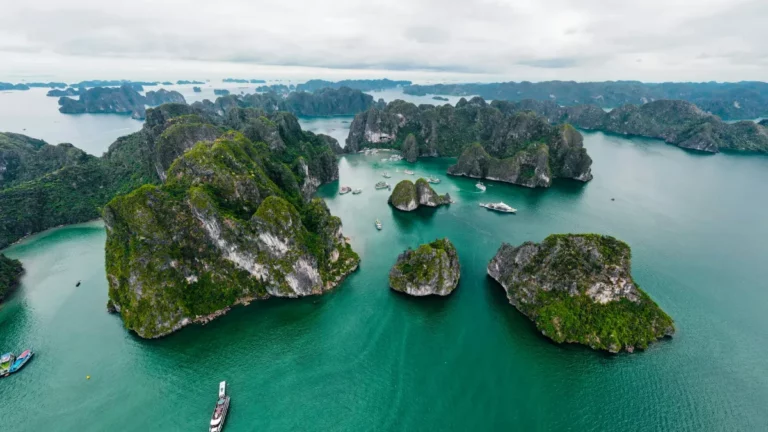
Halong Bay travel guide
UNESCO-listed limestone seascape best seen on an overnight cruise.

Ninh Binh travel guide
Trang An boat trips, Tam Coc rice fields and the Mua Cave viewpoint.

Sapa travel guide
Rice terraces, ethnic minority villages, trekking and Fansipan.
Central Vietnam travel guides
Three UNESCO World Heritage Sites and long beaches, driest from February to August. See all Central Vietnam destinations.

Hue travel guide
The Imperial City, royal tombs and Perfume River of the Nguyen dynasty.

Hoi An travel guide
Lantern-lit Ancient Town, tailors, An Bang beach and My Son nearby.

Da Nang travel guide
Beaches, the Marble Mountains, Ba Na Hills and the Hai Van Pass.
Southern Vietnam travel guides
Warm all year, with the dry season from December to April; Da Lat stays cool in the highlands. See all Southern Vietnam destinations.
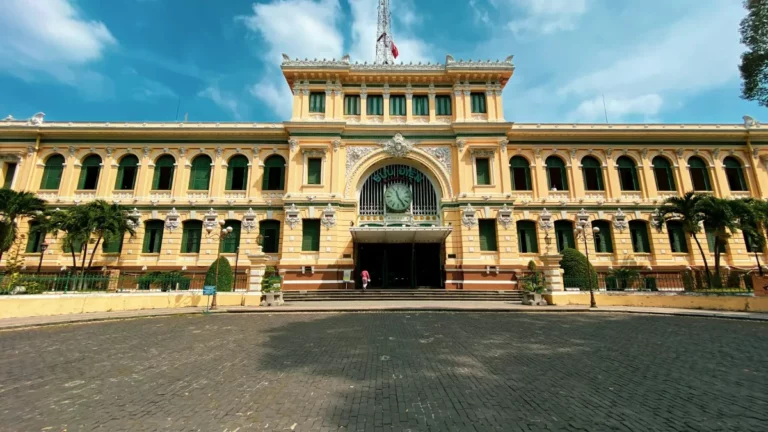
Ho Chi Minh City travel guide
Colonial landmarks, war history, Cu Chi Tunnels and buzzing nightlife.
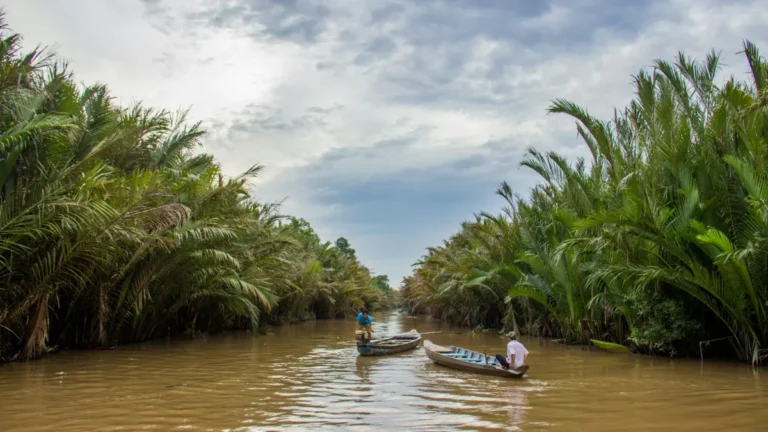
Mekong Delta travel guide
Floating markets, coconut villages and sampan rides on quiet canals.

Mui Ne travel guide
Red and white sand dunes, kitesurfing and the Fairy Stream.

Da Lat travel guide
Cool highland city of pine forests, waterfalls and flower gardens.

Nha Trang travel guide
Beach city with island trips, Po Nagar Cham Towers and seafood.
Vietnam travel FAQs
1. When is the best time to visit Vietnam?
There is no single best month because the weather differs by region. In general, March to May and September to November suit a north-to-south trip. The north is cool and dry from October to April, the centre is driest from February to August, and the south is dry from December to April.
2. How many days do I need in Vietnam?
Two weeks is ideal for a first north-to-south trip covering Hanoi, Halong Bay, Hue, Hoi An, Ho Chi Minh City and the Mekong Delta. With 7 days, focus on one or two regions; with 4 to 5 days, choose one region such as Hanoi, Ninh Binh and Halong Bay.
3. Do I need a visa for Vietnam?
Many travellers do. Citizens of a number of European countries, Japan and South Korea can stay visa-free for up to 45 days, while others, including the US, Canada and Australia, apply for an e-visa valid for up to 90 days (US$25 single entry, US$50 multiple entry) on the official site evisa.gov.vn. Check the latest rules before you travel.
4. Is Vietnam safe for tourists?
Vietnam is generally safe for international visitors. The main issues are petty theft such as bag snatching in big cities, traffic when crossing roads, and overcharging. Use Grab or hotel-booked taxis, keep phones away from the roadside and agree prices before services.
5. How do I get around Vietnam?
Domestic flights link Hanoi, Hue, Da Nang, Ho Chi Minh City, Da Lat and Nha Trang in 1 to 2 hours. The Reunification Express railway runs along the coast, and private cars with drivers are best for routes such as Hanoi to Halong Bay or Hoi An to Hue. Each city guide above explains local transport.
6. Can Vietnam Tour Expert plan my trip?
Yes. We are a licensed local tour operator in Hanoi and design private, tailor-made itineraries across Vietnam. Browse our Vietnam highlight tours or send us your travel dates for a free plan.
