Sapa Travel Tips 2026: Weather, Best Time & What to Know
Before visiting Sapa, plan at least two nights, come in March–May or September–November, and pack layers: the town sits at about 1,600 m and averages around 15°C. Check whether you are visa-exempt or need a US$25 e-visa, carry cash for markets and homestays, trek with a licensed local guide, and avoid mountain roads and trails during heavy rain.
Status (checked October 2026): From 1 July 2025, Lao Cai and Yen Bai provinces merged, and Sapa town became Sa Pa ward, with surrounding communes such as Ta Van, Ta Phin and Ban Ho; addresses may use the new names. In March 2026 Lao Cai province tightened its rules on adventure tourism: trekking and other adventure tours in Sapa may only be organised by licensed travel businesses, and local guides, porters and trail helpers are being registered and checked by the communes. We run Sapa treks only with licensed, registered local guides. The Fansipan cable car’s listed adult return fare is about 850,000 VND, and Tet 2027 falls on 6 February.
Key takeaways:
- Stay 2–3 nights: one for Fansipan, one for a valley trek and homestay, plus a weather buffer.
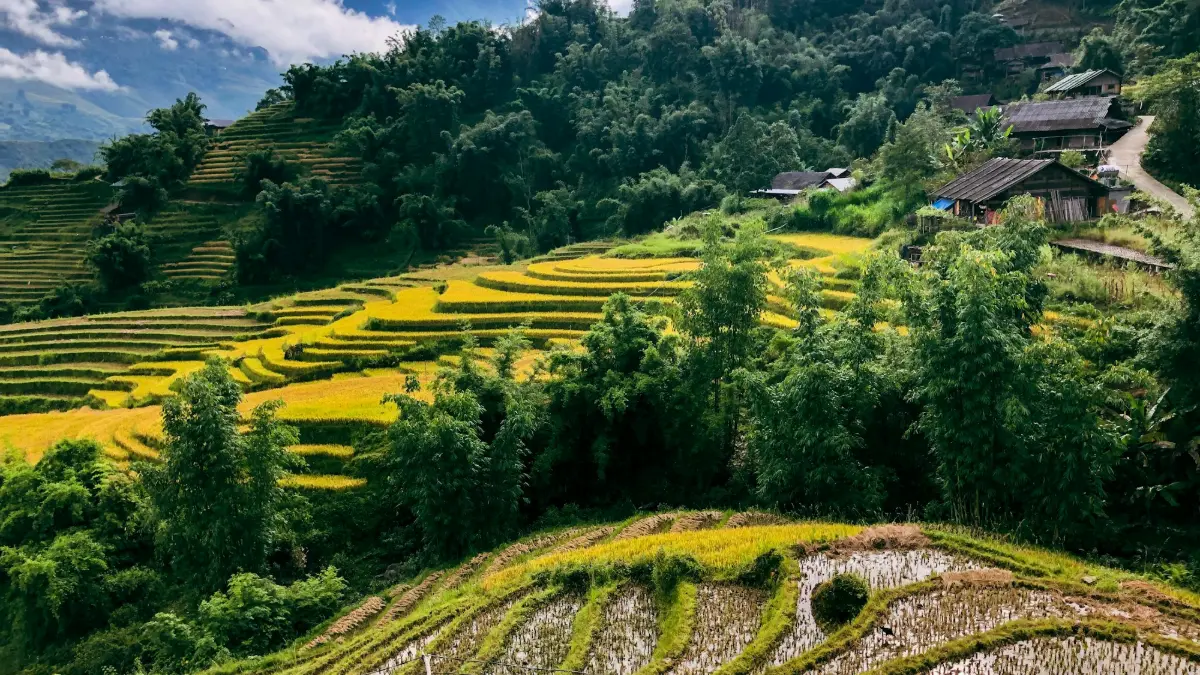
- Best weather: March–May and September–November; golden rice in September.
- Pack layers year-round; winter nights can drop to near freezing and snow is rare.
- Carry cash for markets, village fees and homestays; ATMs are only in Sa Pa ward.
- Respect local culture: ask before photos and do not buy from children.
- The Rong May Glass Bridge is in Lai Chau province, about 18 km from Sapa over the O Quy Ho Pass.
Sapa Travel Essentials at a Glance
| Location | Sa Pa ward, Lao Cai province (merged with Yen Bai from 1 July 2025), north-west Vietnam |
|---|---|
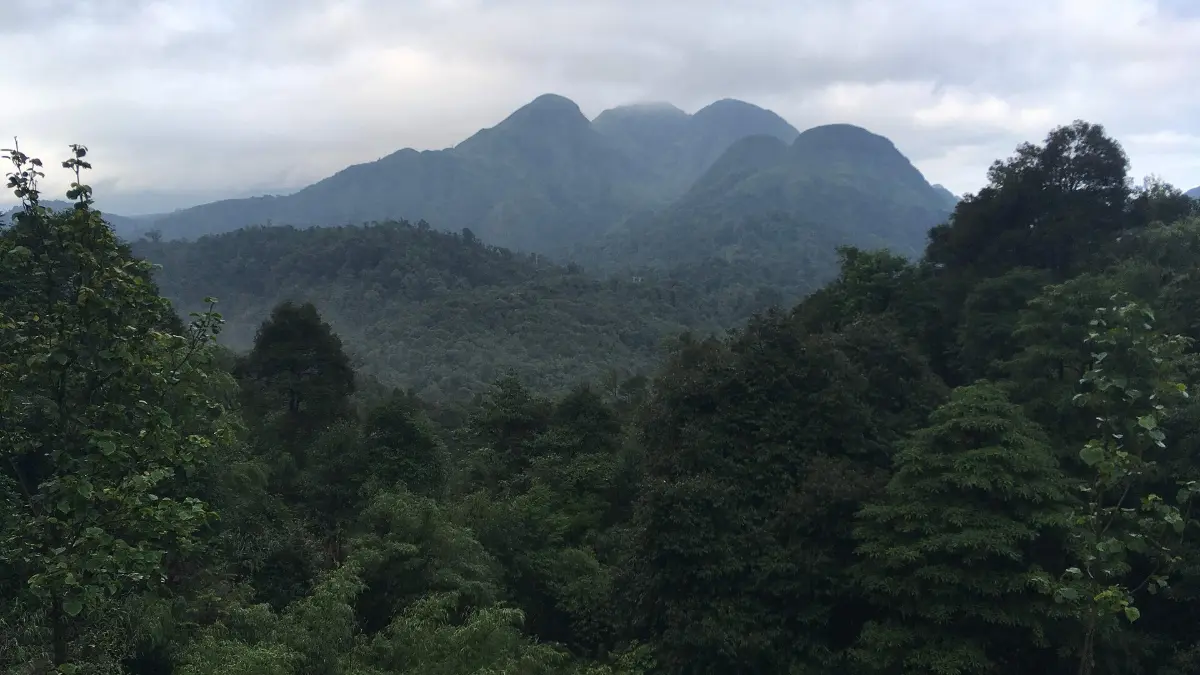
| Altitude | About 1,600 m; Fansipan summit 3,147.3 m |
| Average temperature | About 15°C a year; January highs around 12°C, July highs around 23°C |
| Best time | March–May and September–November |
| Rainy season | May–September, wettest July–August |
| Recommended stay | 2–3 nights |
| From Hanoi | About 5.5–6 hours by bus; overnight train to Lao Cai (about 7h40) + about 50 minutes |
| Visa | 45 days visa-free for 24 countries; e-visa US$25 single / US$50 multiple, up to 90 days |
| Fansipan cable car | About 850,000 VND (US$33) adult return; children 1–1.4 m about 550,000 VND |
| Main peoples | Hmong (about half), Dao, Tay, Giay and Kinh |
| Money | Cash (VND) for markets and homestays; cards and QR in larger hotels and restaurants |
When Is the Best Time to Visit Sapa?
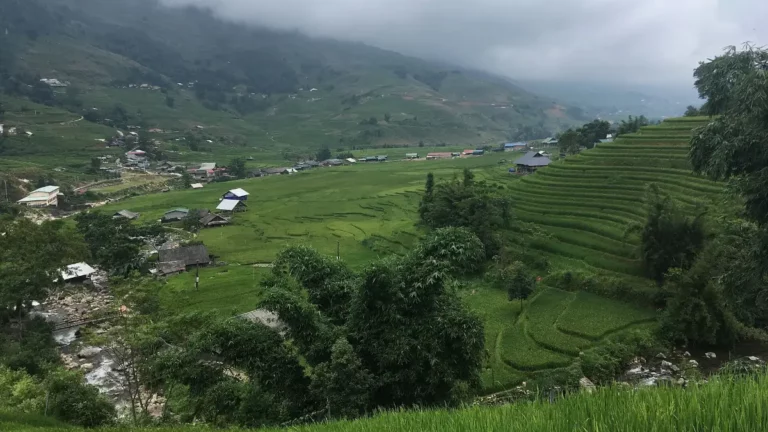
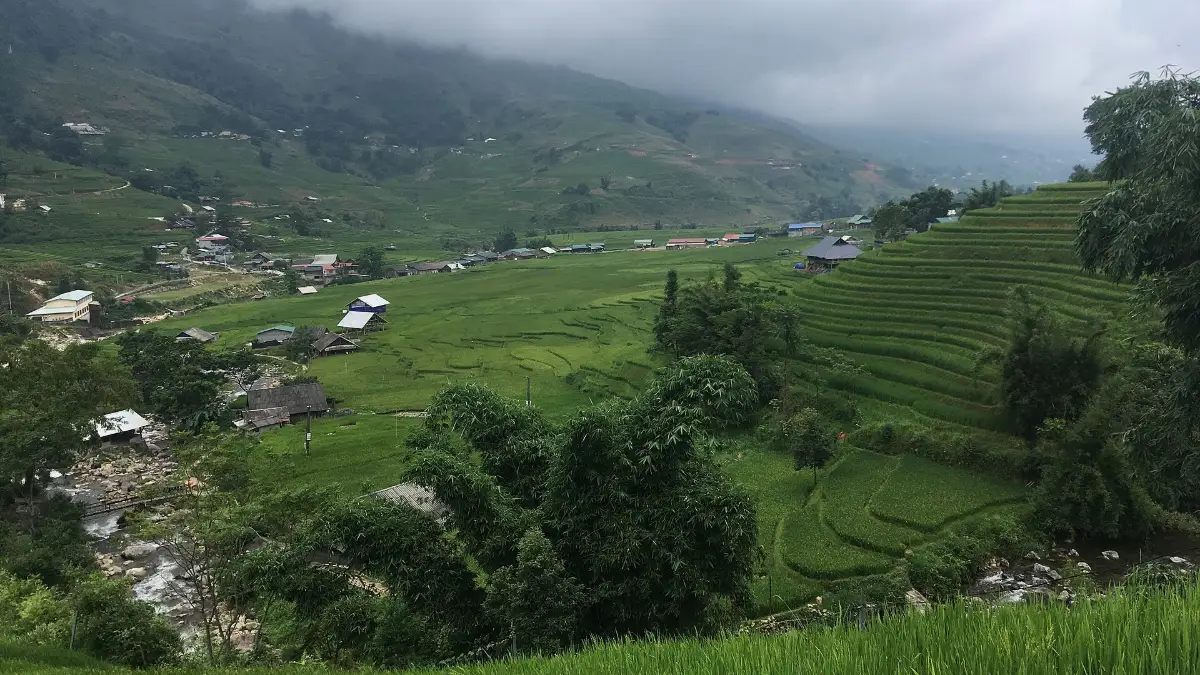
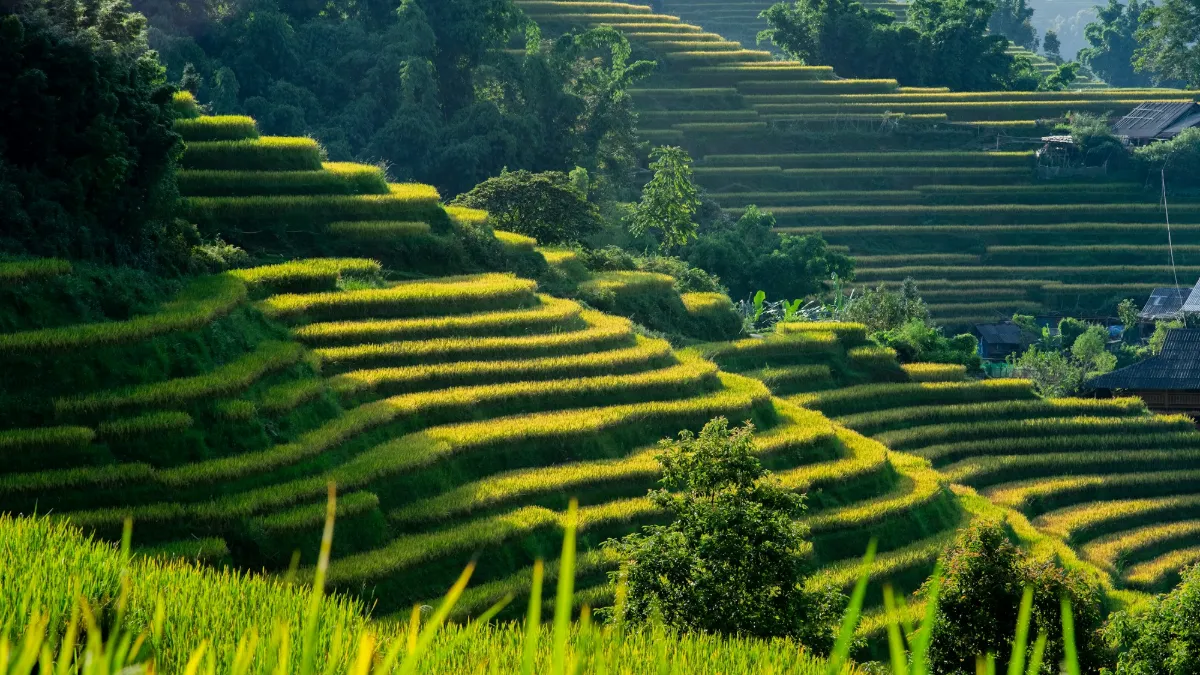
March–May and September–November are the best months, with mild temperatures, clearer skies and good trekking. September is famous for golden rice terraces.
| Months | Weather | Verdict |
|---|---|---|
| December–February | Cold (about 6–14°C), fog, frost; snow is rare | Atmospheric but chilly; pack warm clothes |
| March–April | Mild (about 11–22°C), flowers | Excellent for trekking |
| May–June | Warmer, first rains, water-filled terraces | Very good for photography |
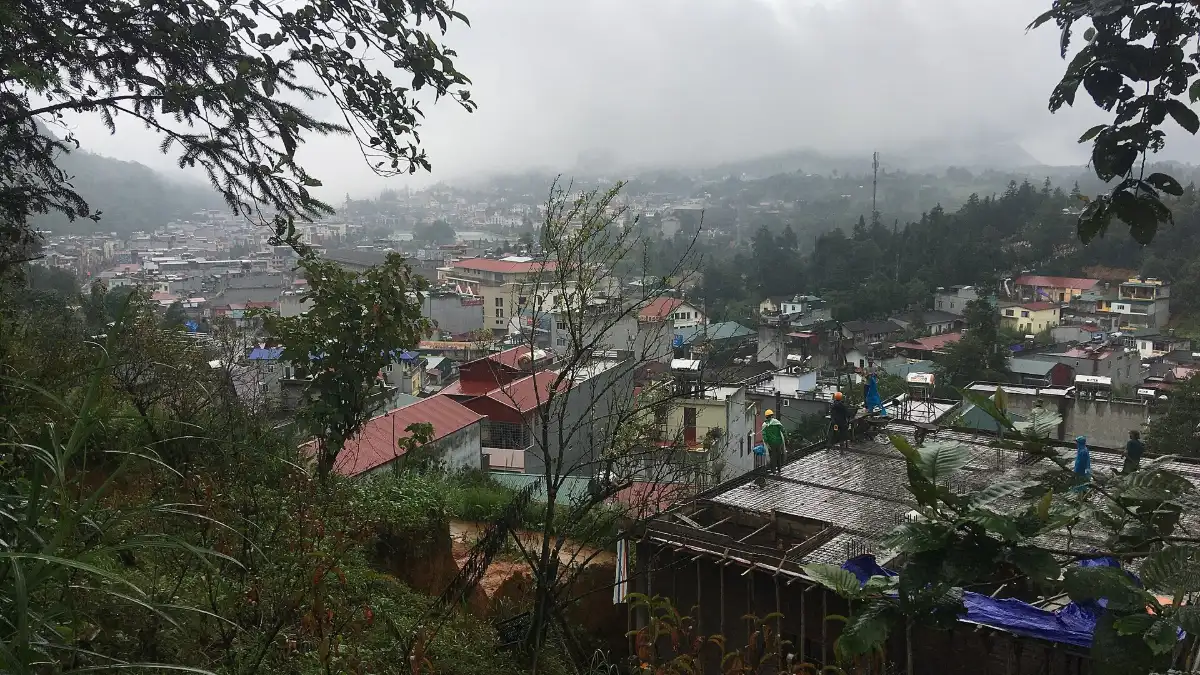
| July–August | Warmest (up to about 23°C) and wettest | Green but muddy; landslide risk |
| September | Mild, golden rice harvest | Excellent but busy; book early |
| October–November | Cool, dry, clear skies | Excellent for Fansipan views |
Sapa has a subtropical highland climate with a mean annual temperature of about 15°C and roughly 2,800 mm of rain a year, most of it from May to September. See Sa Pa on Wikipedia for climate data.
Does It Snow in Sapa?
Only rarely. Notable snowfalls in town occurred in 2013 and January 2016, and snow or frost is more likely on Fansipan’s summit in a cold snap.
Winter is still worth visiting for misty landscapes and fewer foreign visitors, but expect cold, damp days and heaters rather than central heating in many guesthouses.
How Many Days Should I Spend in Sapa?
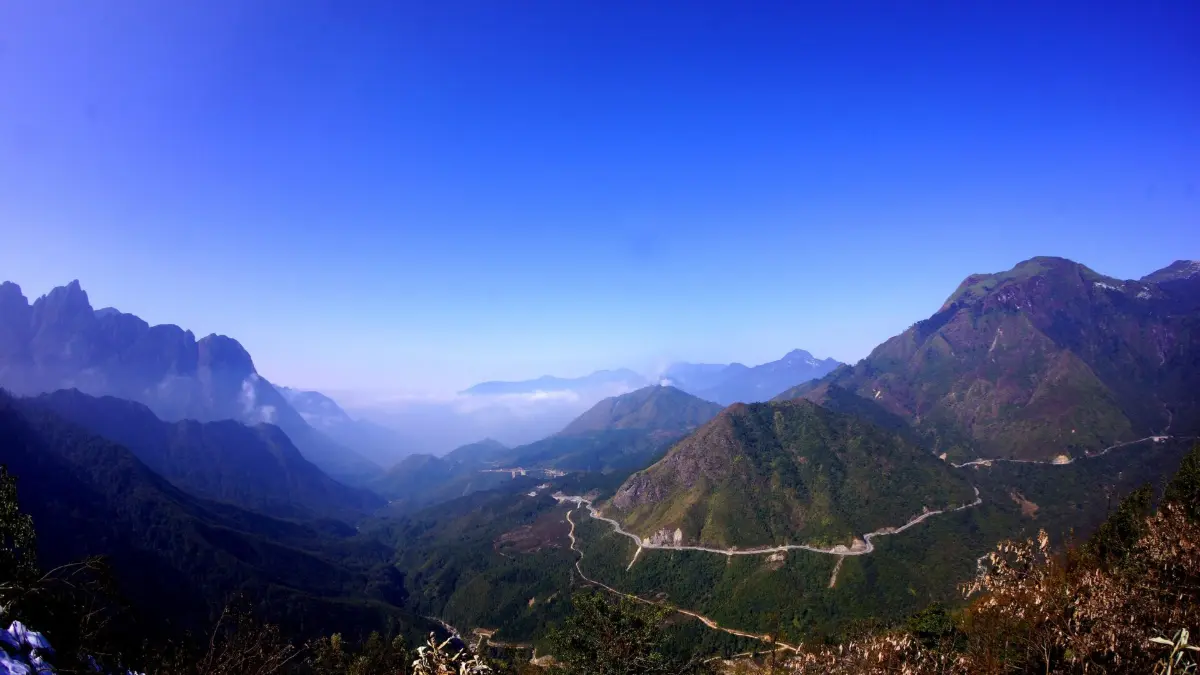
Two to three nights is ideal. With two nights you can visit Fansipan and trek the Muong Hoa Valley; with three you can add a homestay, Ta Phin or the O Quy Ho Pass.
| Stay | Suggested plan |
|---|---|
| 2 nights | Day 1: arrive, Stone Church, Cat Cat. Day 2: Fansipan by cable car in the morning, Ham Rong in the afternoon. Day 3: trek Lao Chai – Ta Van, return to Hanoi. |
| 3 nights | Add a homestay in Ta Van and a half-day to Ta Phin or the O Quy Ho Pass and Rong May Glass Bridge. |
| 4+ nights | Add a longer trek to Ban Ho or Hau Thao, or a Sunday trip to Bac Ha market. |
Do I Need a Visa to Visit Sapa?
Sapa has no special permit; you just need valid entry to Vietnam. Citizens of 24 countries get 45 days visa-free, and others can apply online for an e-visa.
The 45-day exemption covers 12 countries under Resolution 44 (valid until 14 March 2028) and 12 more under Resolution 229 (until 14 August 2028), including the UK, most of Western and Central Europe, Japan and South Korea. Everyone else can apply on the official Vietnam e-visa portal: US$25 single entry or US$50 multiple entry, valid up to 90 days. Check the current list on Wikipedia’s visa policy page before you fly.
How Do I Get to Sapa?
Take a bus or limousine from Hanoi (about 5.5–6 hours), the overnight train to Lao Cai (about 7h40) plus a 50-minute transfer, or a private car (about 5–5.5 hours). Sapa has no airport.
See our detailed Hanoi to Sapa guide for prices, schedules and tips.
How Should I Handle Money in Sapa?
Carry Vietnamese dong in cash for markets, street food, village fees and homestays. Use cards or QR payments in larger hotels, restaurants and the Fansipan cable car.
- ATMs are available in Sa Pa ward but not in valley villages.
- Typical costs: street food 10,000–60,000 VND, restaurant mains 80,000–200,000 VND, homestay about 150,000–400,000 VND per person.
- Haggle politely at markets; prices in shops and restaurants are usually fixed.
What Should I Wear and Pack for Sapa?
Pack layers year-round, a rain jacket, and shoes with good grip. From November to March bring a warm jacket, hat and gloves.
- T-shirts, a fleece and a down or warm jacket.
- Waterproof jacket and quick-dry trousers (May–September).
- Trekking shoes or sturdy trainers with deep tread.
- Sunscreen, sunglasses and a hat; the mountain sun is strong.
- Power bank, torch and a small first-aid kit for homestays.
Who Lives in Sapa and How Should I Behave?
Sapa is home to Hmong (about half the population), Dao, Tay, Giay and Kinh communities. Ask before taking photos, dress modestly in villages, and buy from adults rather than children.
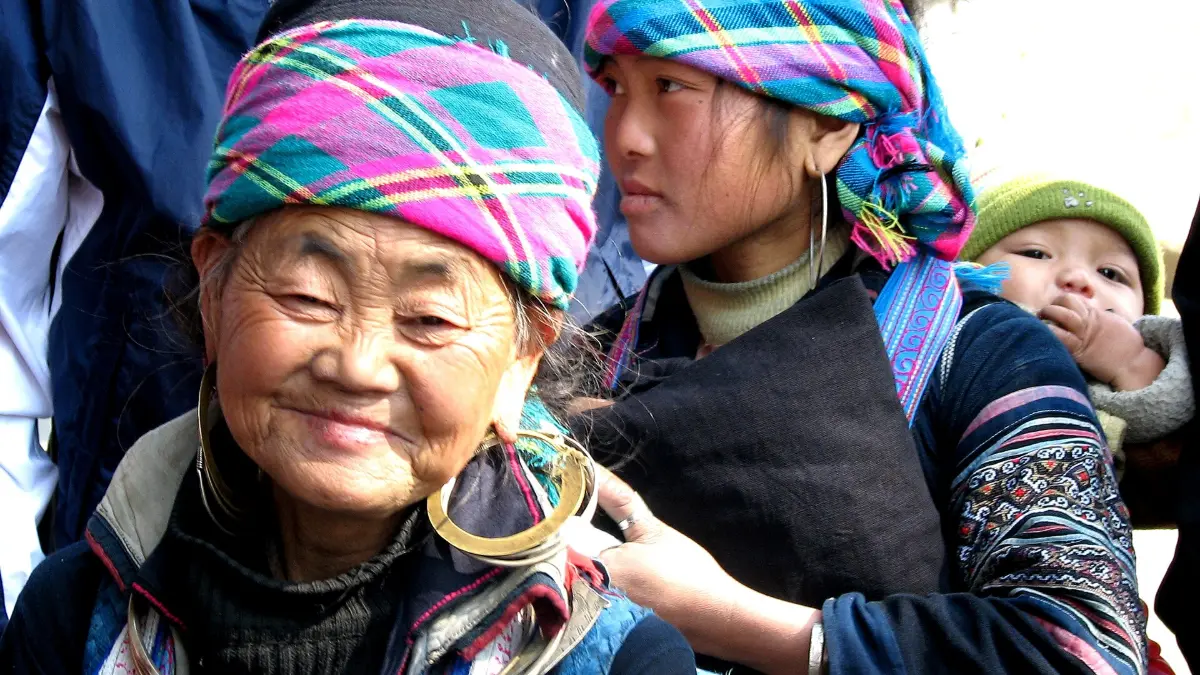
- Ask permission before photographing people, especially elders and children.
- Remove shoes when entering homes, and accept tea or rice wine with both hands.
- Do not buy from or give money to children; authorities ask this so children stay in school.
- Say “no, thank you” politely but firmly to persistent sellers.
- Dress modestly at the Stone Church and in villages.
Is Sapa Safe for Tourists?
Yes, Sapa is generally safe. The main risks are slippery trails, fast-changing mountain weather and landslides in the rainy season.
1. Weather and landslides
Typhoon Yagi in September 2024 caused deadly landslides and floods across Lao Cai. Check forecasts, follow local closures and avoid trekking or driving mountain roads during heavy rain.
2. Trekking
Trek with a licensed, registered local guide: in March 2026 Lao Cai province tightened its rules so that trekking and other adventure tours in Sapa may only be organised by licensed travel businesses, with local guides and porters registered by the communes. See our Sapa trekking guide.
3. Motorbikes and traffic
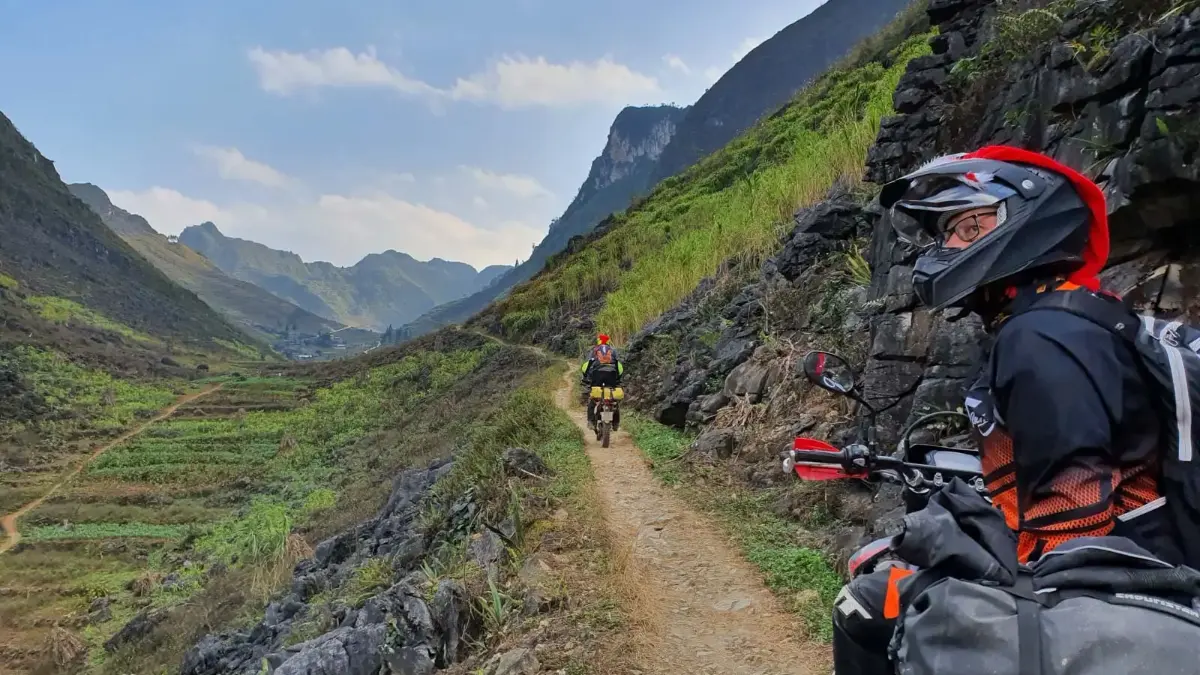
Only ride if you hold a valid licence and an International Driving Permit under the 1968 Convention. Under Decree 168/2024, unlicensed riders face fines of 2–4 million VND (up to 125cc) or 6–8 million VND (over 125cc), and insurance may not cover you.
4. Petty scams
Agree prices for taxis, guides and motorbike rides in advance, and use reputable operators for treks and transfers.
How Do I Stay Connected in Sapa?
4G coverage is good in Sa Pa ward and most valleys. Buy a local SIM or eSIM in Hanoi or at Noi Bai Airport; it must be registered with your passport.
Most hotels, cafés and homestays offer Wi-Fi, though speeds in remote villages can be slow. Download offline maps before trekking.
What Festivals and Holidays Affect a Sapa Trip?
Weekends, Vietnamese public holidays and Tet bring large domestic crowds. Tet 2027 falls on 6 February, when transport and hotels fill up and some shops close.
Sapa also hosts seasonal events, such as autumn festivals around the golden rice season and winter festivals with events at Sun World Fansipan Legend. The Saturday-night Sapa Love Market tradition is now mostly a cultural performance for visitors.
What Should I Know Before Sightseeing in Sapa?
Plan Fansipan for a clear morning, visit Cat Cat early to beat crowds, and remember that the Rong May Glass Bridge is in Lai Chau province, not Lao Cai.
| Attraction | Where | Tip |
|---|---|---|
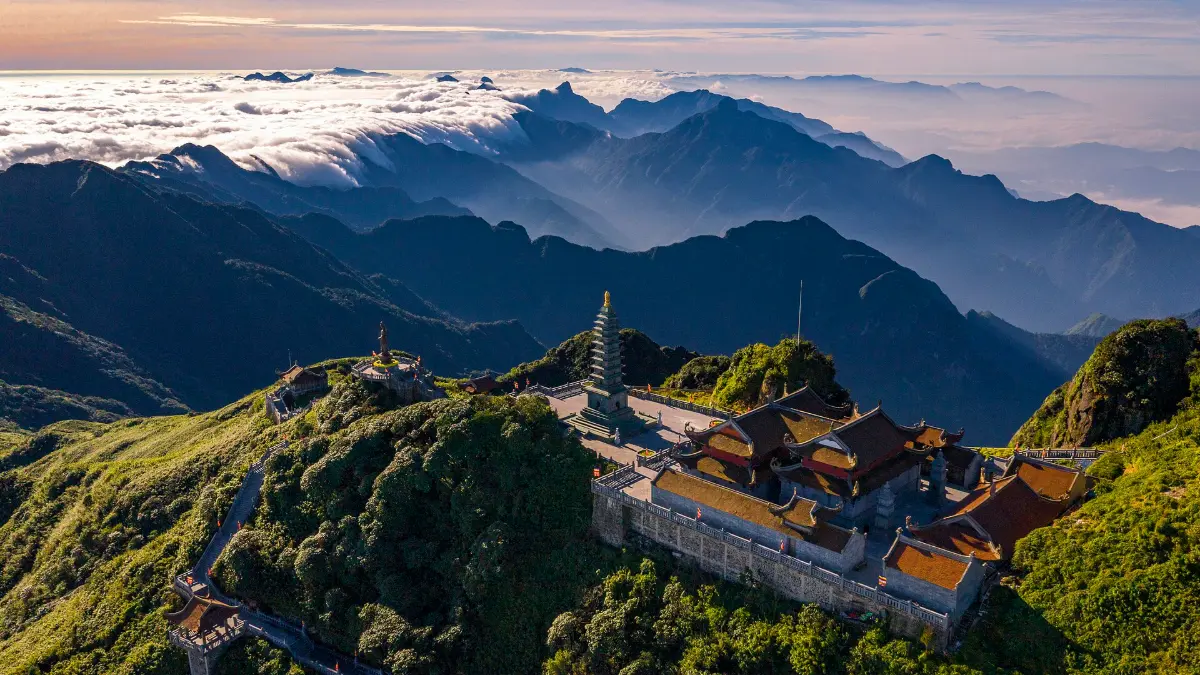
| Fansipan cable car | Sa Pa ward | About 850,000 VND adult return; go early for clear views |
| Cat Cat Village | Sa Pa ward / Ta Van commune | About 2–3 km from the centre; go before 9:00 |
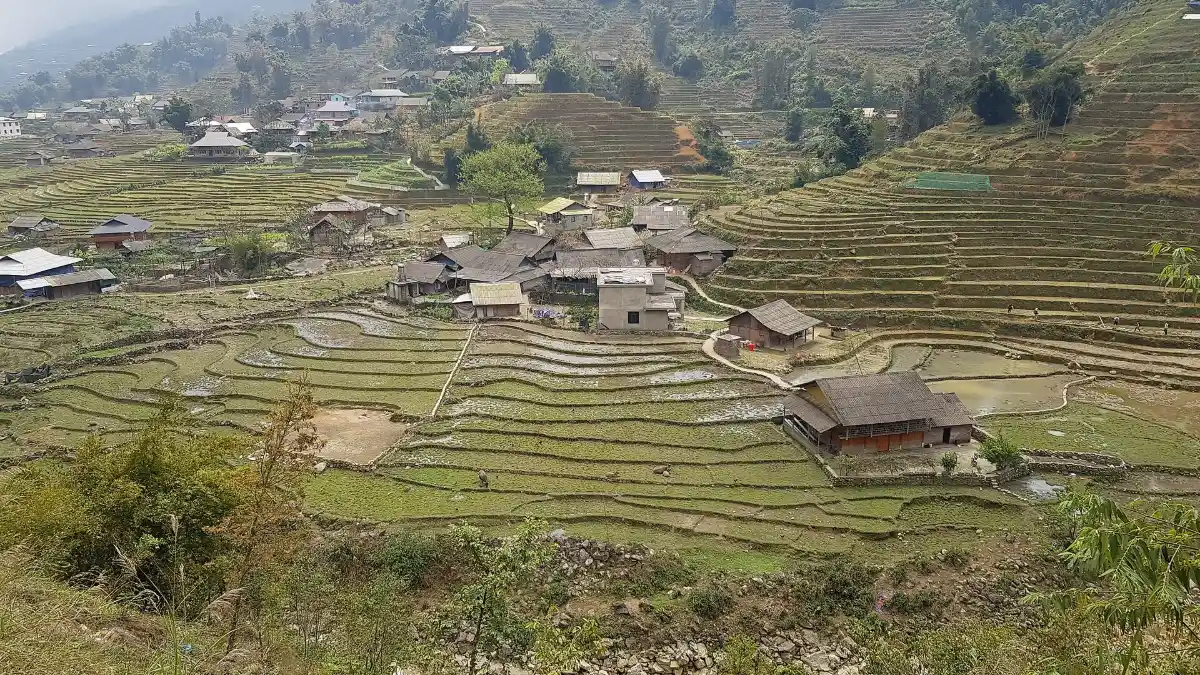
| Muong Hoa Valley | Ta Van commune | Best with a guide and a homestay night |
| Ta Phin | Ta Phin commune | Red Dao herbal baths and embroidery |
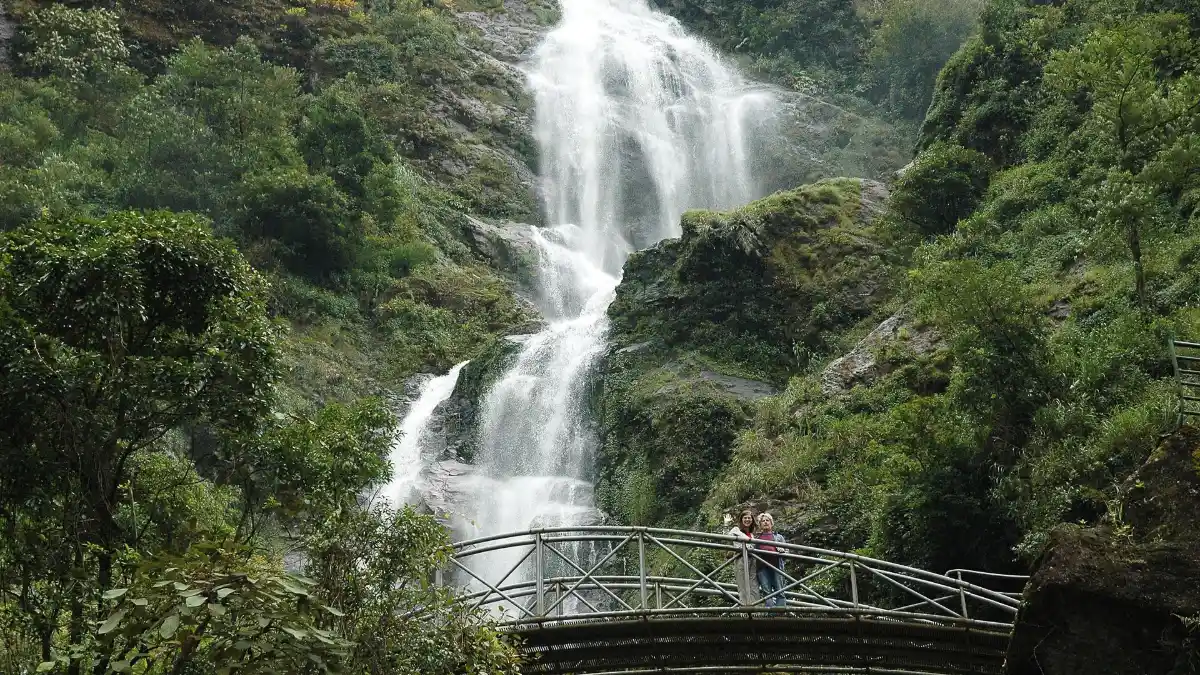
| Rong May Glass Bridge | O Quy Ho Pass, Lai Chau province | About 18 km from Sapa; combine with Silver Waterfall |
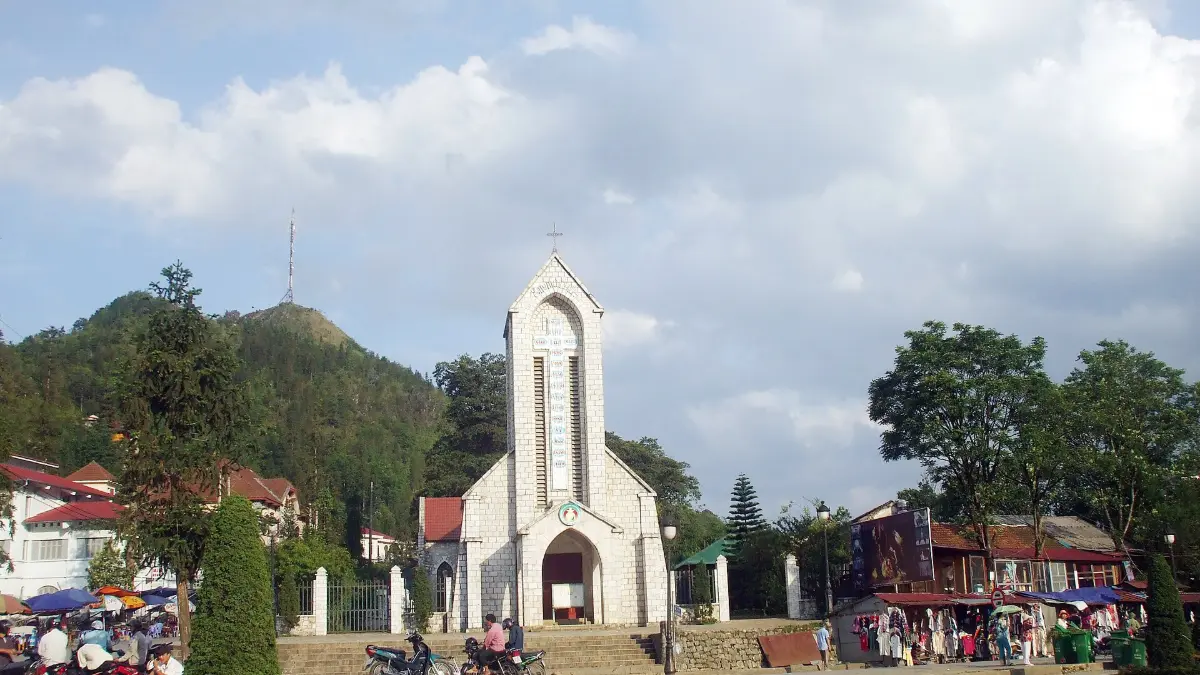
| Stone Church | Sa Pa ward centre | Lovely in the evening when lit up |
What Are the New Administrative Names Around Sapa?
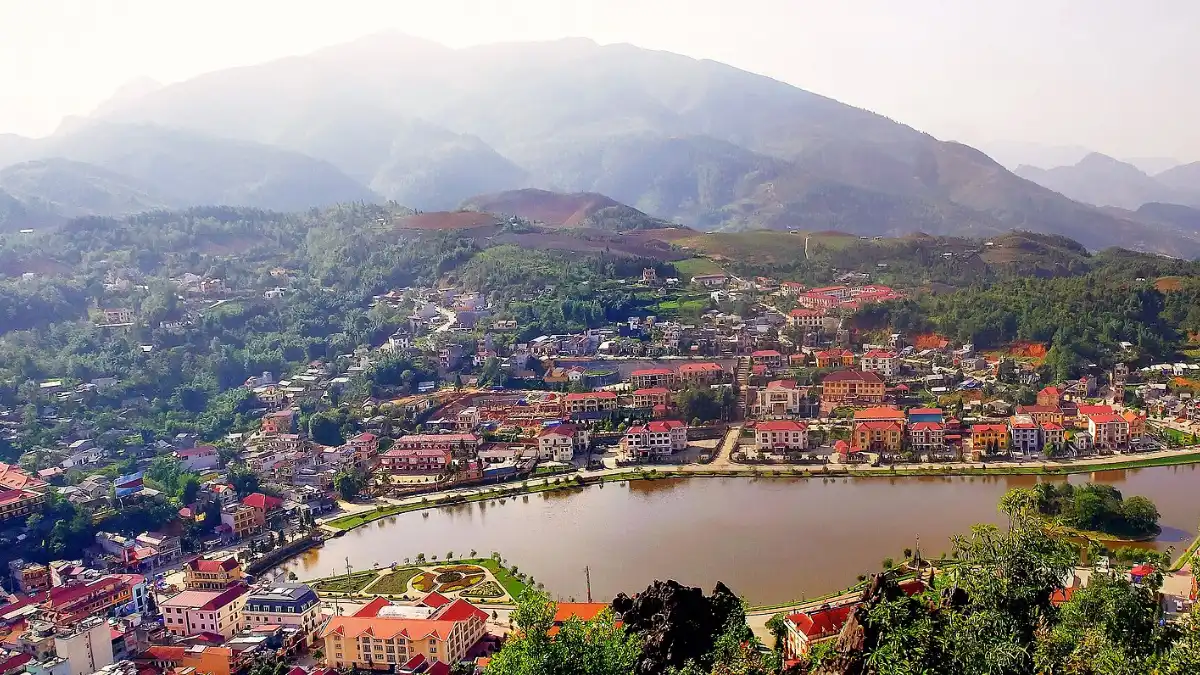
Since 1 July 2025, Sapa town’s six wards have merged into Sa Pa ward, and nearby communes were reorganised into Ta Van, Ta Phin, Ban Ho, Muong Bo and Ngu Chi Son within the enlarged Lao Cai province.
Ta Van commune now includes the old communes of Ta Van, Muong Hoa and Hoang Lien, so villages such as Lao Chai and Ta Van share one commune. Ta Phin commune merged with Trung Chai. “Sapa” remains the destination name used by travellers and tour operators.
Local Expert Tips for Visiting Sapa
These tips come from years of arranging Sapa tours for international travellers.
- Plan Fansipan for your clearest morning and check the summit webcam or forecast first; clouds often build after midday.
- Book a weekday visit if possible; weekends and Vietnamese holidays bring big domestic crowds.
- Stay one night in a valley homestay in Ta Van or Ta Phin, and one in Sa Pa ward near restaurants and shops.
- Bring cash in small notes, as many homestays, markets and village fees are cash only.
- Pack a warm jacket even in summer; evenings in Sapa are much cooler than Hanoi.
- Build a spare half-day into your plan in the rainy season in case roads or trails close.
- Hire a licensed local guide for treks; it supports village families and keeps you safe.
- Say a polite but firm “no, thank you” to persistent sellers, and never buy from children.
- Book Hanoi–Sapa buses or trains a few days ahead, especially in September and around Tet.
Plan Your Sapa Trip
Build your itinerary around Sapa’s highlights: ride the cable car to Fansipan Mountain, see the Sapa Stone Church and climb Ham Rong Mountain in town, walk to Cat Cat Village, trek the Muong Hoa Valley to Lao Chai and Ta Van, visit Ta Phin Village, and drive the O Quy Ho Pass to Silver Waterfall and the Rong May Glass Bridge. Experience the Sapa Love Market culture, and read our Hanoi to Sapa guide, Sapa trekking guide and Sapa food guide. Starting in the capital? See our Hanoi travel tips.
Plan your trip with our Sapa travel guide and Sapa tours. Contact Vietnam Tour Expert Team for a free custom itinerary.
Frequently Asked Questions about Sapa Travel Tips
1. What is the best time to visit Sapa?
March–May and September–November offer the best weather. September brings golden rice terraces, and May–June water-filled terraces.
2. How many days do I need in Sapa?
Two to three nights is ideal: one day for Fansipan, one for a valley trek and homestay, and some time for weather delays.
3. Does it snow in Sapa?
Rarely. Notable snowfalls hit the town in 2013 and January 2016; snow is more likely on Fansipan’s summit. Never plan a trip just to see snow.
4. How cold is Sapa in winter?
From December to February, daytime highs are around 12°C and nights can drop to near freezing. Bring a warm jacket, hat and gloves.
5. Do I need a visa to visit Sapa?
You need the same entry as for the rest of Vietnam: citizens of 24 countries get 45 days visa-free, and others can apply for an e-visa (US$25 single entry, up to 90 days).
6. Is Sapa safe for tourists?
Yes, Sapa is generally safe. The main risks are slippery trails, mountain weather and rainy-season landslides, so trek with a guide and check forecasts.
7. Which province is Sapa in now?
Sapa is in Lao Cai province, which merged with Yen Bai on 1 July 2025. The old town is now officially Sa Pa ward.
8. How much is the Fansipan cable car in Sapa?
The listed adult return fare is about 850,000 VND and about 550,000 VND for children 1–1.4 m tall; check the operator’s site before you go.
9. Is the Rong May Glass Bridge in Sapa?
No. It is on the O Quy Ho Pass in Lai Chau province, about 18 km from Sapa, so it is an easy half-day trip from town.
10. Are there ATMs in Sapa?
Yes, in Sa Pa ward. There are no ATMs in the valley villages, so withdraw cash before trekking or staying in a homestay.
11. What should I wear in Sapa?
Layers: T-shirts, a fleece and a warm jacket, plus a rain jacket and shoes with good grip. Dress modestly in villages.
12. Can I visit Sapa as a day trip from Hanoi?
It is not practical: the journey takes about 5.5–6 hours each way. Stay at least two nights.
13. Is it OK to buy from children in Sapa?
No. Local authorities ask visitors not to buy from or give money to children so that they stay in school; buy from adults or cooperatives.
14. Do I need a guide in Sapa?
For treks, yes: since March 2026 Lao Cai province allows trekking and other adventure tours in Sapa to be organised only by licensed travel businesses, with local guides registered by the communes. We run Sapa treks only with licensed, registered local guides.
15. Is mobile coverage good in Sapa?
Yes, 4G coverage is good in Sa Pa ward and in most valley villages. Buy a local SIM or eSIM in Hanoi or at the airport, registered with your passport.
16. What is the rainy season in Sapa?
May to September, with the heaviest rain in July and August. Trails get muddy and landslides can close roads after storms.
17. Can I ride a motorbike in Sapa?
Only with a valid licence and an International Driving Permit under the 1968 Convention. Unlicensed riders face fines of 2–4 million VND (up to 125cc) and may lose insurance cover.
18. When is Tet 2027 and does it affect Sapa?
Tet falls on 6 February 2027. Sapa gets busy with domestic visitors around the holiday, so book transport and hotels early.
19. Is Sapa good for families with children?
Yes. Easy walks to Cat Cat, the Fansipan cable car and homestay stays suit families; avoid long or steep treks with young children.
Related Posts
Sapa Trekking Guide 2026: Best Routes, Guides & Tips
Sapa Food Guide: Salmon Hotpot, Thang Co & Where to Eat
Hanoi to Sapa 2026: Bus, Train, Private Car & Travel Times
Rong May Glass Bridge: Tickets, Views & Is It Worth It?
Sapa Love Market: History, Saturday Show & What to Expect