Tra Que Vegetable Village: Farming & Cooking Class in Hoi An
Tra Que Vegetable Village (Làng rau Trà Quế) is a farming village about 3 km north of Hoi An Ancient Town, famous for fragrant herbs grown with composted seaweed and no chemical fertiliser. Named one of UN Tourism’s Best Tourism Villages in 2024, it offers farming experiences, cooking classes and peaceful cycling. Visiting usually costs only a small entry ticket or a tour fee.
Status (checked October 2026): open daily as normal. October–November is Hoi An’s flood season, when low-lying beds may be waterlogged and fewer crops are growing; farming activities resume as the water drops. A small sightseeing ticket (reported at about 35,000 VND) may be collected at the entrance, and tours usually include it.
Why Tra Que Vegetable Village is worth seeing:
- Award-winning village: UN Tourism listed Tra Que among its Best Tourism Villages for 2024, Vietnam’s only winner that year.
- Living heritage: its traditional vegetable-growing craft was added to Vietnam’s national intangible cultural heritage list in 2022.
- Hands-on farming: hoe the soil, plant and water herbs the traditional way with two watering cans on a shoulder pole.
- Cooking classes: pick herbs and cook Hoi An dishes such as tam huu shrimp rolls and banh xeo.
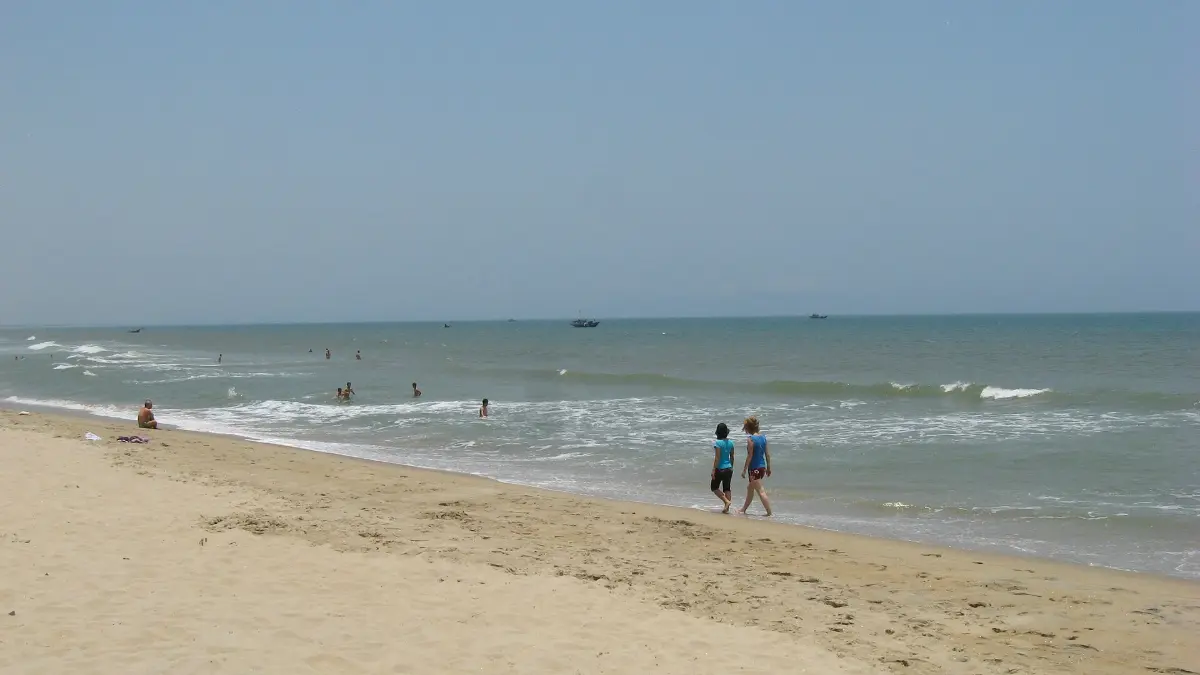
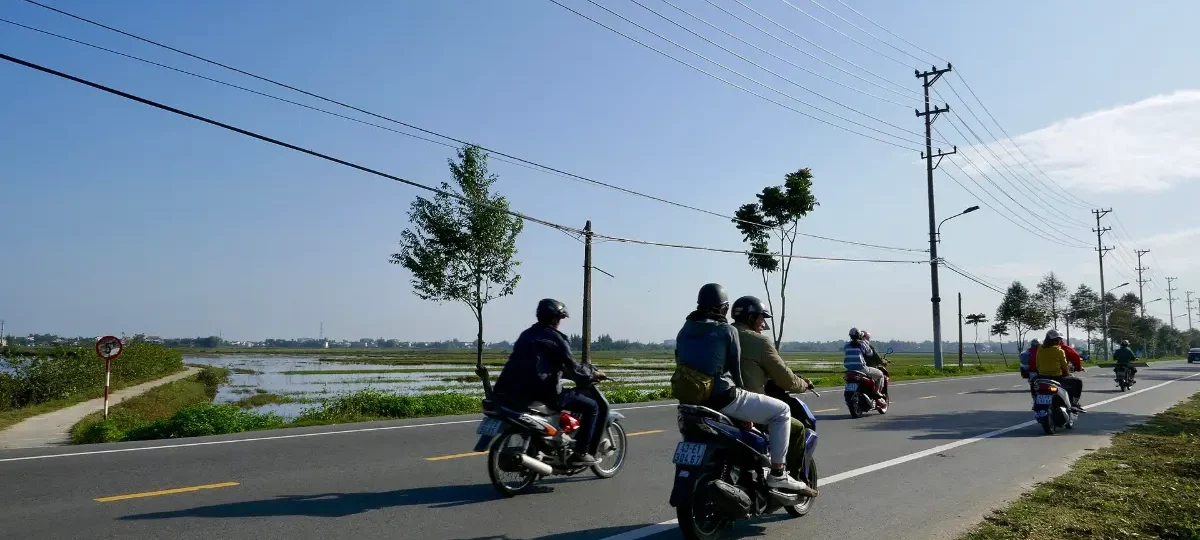
- Peaceful cycling: flat lanes between the old town and An Bang Beach.
Tra Que Vegetable Village at a Glance
| Vietnamese name | Làng rau Trà Quế |
|---|---|
| Location | Hoi An Tay Ward (formerly Cam Ha commune), Da Nang city, beside the Tra Que lagoon |
| Distance | About 3 km north of Hoi An Ancient Town; about 2–3 km from An Bang Beach |
| Known for | Herbs and leafy greens grown with lagoon seaweed, farming tours, cooking classes |
| Recognition | UN Tourism Best Tourism Village 2024; national intangible cultural heritage (vegetable-growing craft, 2022) |
| Size | About 18 ha of vegetable beds farmed by around 200 households |
| Opening hours | Open village; farming activities run mostly in the morning and late afternoon |
| Entrance fee | Small sightseeing ticket (about 35,000 VND reported); farming and cooking experiences paid separately |
| Time needed | 1 hour to walk or cycle; 3–4 hours for a farming and cooking class |
| Best time | December to April for the greenest beds and mild weather; early morning |
| Nearby | An Bang Beach, Hoi An Ancient Town, Hoi An Market |
| Find it | Google Maps · Tripadvisor |
Is Tra Que Vegetable Village Worth Visiting?
Yes, especially if you enjoy food, gardens or slow travel. Tra Que is not a dramatic sight; its charm lies in neat green beds, the smell of fresh herbs and farmers at work. It is best experienced through a farming or cooking session rather than a quick photo stop.
- Best for: food lovers, families, cyclists and travellers interested in rural life.
- Skip if: you only want big landmarks, or you are visiting in a flood week in October–November.
- Short on time: cycle through early in the morning on your way to An Bang Beach.
History of Tra Que Vegetable Village
Tra Que was settled by farming families at least 300 years ago, and some local accounts put its age at about 500 years. The village sits on sandy soil beside the Tra Que lagoon. Farmers discovered that seaweed (rong) gathered from the lagoon, composted and spread on the beds, made the herbs especially fragrant, a technique still used today alongside organic manure.
For generations Tra Que herbs have supplied the markets and kitchens of Hoi An, and they are essential to local dishes such as cao lau and mi Quang. Around 200 households farm about 18 ha of land. In 2022 the village’s traditional vegetable-growing craft was recognised as national intangible cultural heritage, and in 2024 UN Tourism named Tra Que one of its Best Tourism Villages.
Since 1 July 2025 the former Cam Ha commune, including Tra Que, has belonged to Hoi An Tay Ward of Da Nang city.
Cau Bong Festival
Each year on the 7th day of the first lunar month (just after Tet), the village holds the Cau Bong festival to pray for good harvests, with offerings, a procession and farming contests. In 2026 it fell on 23 February.
What to See and Do at Tra Que Vegetable Village
1. Walk or cycle through the vegetable beds
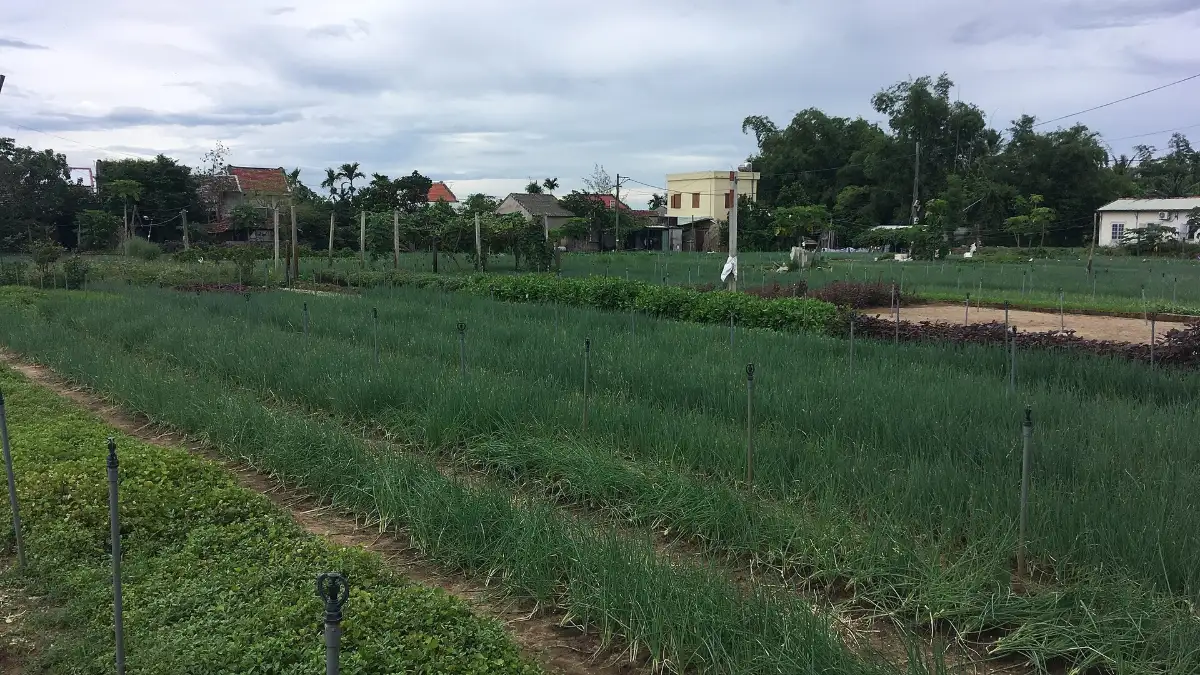
Raised beds of basil, mint, perilla, coriander, spring onions, lettuce and other greens stretch between small houses. Stay on the paths and ask before photographing farmers close up.
2. Join a farming experience
Farmers show you how to prepare the soil, mix seaweed fertiliser, plant seedlings and water with the traditional pair of cans on a shoulder pole. Some tours end with a herbal foot soak.
3. Take a cooking class
Several family restaurants and cookery schools run classes using herbs picked in the garden. Typical dishes include tam huu (herb-wrapped shrimp and pork rolls), banh xeo pancakes and fresh spring rolls.
4. Visit the village heritage sites
Look for the old Cham stone well, the village Earth God shrine and the Five Elements shrine, which reflect the village’s long history.
5. Taste fresh herbs and local dishes
Garden restaurants serve simple lunches built around just-picked greens. Our Hoi An food guide explains which dishes use Tra Que herbs.
Tra Que Vegetable Village Prices (2026)
| Item | Price |
|---|---|
| Sightseeing ticket | About 35,000 VND per person (reported; often included in tours) |
| Farming experience | Paid to the host family or tour operator; price depends on length and group |
| Cooking class with farming | Paid per person; usually includes market or garden visit and lunch |
| Bicycle rental in Hoi An | Often free at hotels or very cheap |
There is no official website for the village; experiences are run by local families, restaurants and licensed tour companies, so compare what is included before booking.
Etiquette at Tra Que
- Walk only on paths between beds; do not step on crops.
- Ask before picking herbs or photographing people up close.
- Ride slowly through the narrow lanes and park bicycles where they do not block farmers.
- Buy a bunch of herbs or a meal to support the families who keep the village green.
How to Get to Tra Que Vegetable Village
| From | How | Time |
|---|---|---|
| Hoi An Ancient Town | Bicycle north on Hai Ba Trung Street | About 15 minutes |
| Hoi An Ancient Town | Grab, taxi or scooter | About 10 minutes |
| An Bang Beach | Bicycle or scooter inland | About 10 minutes |
| Da Nang | Car or taxi, about 25 km | 40–50 minutes |
For bike hire and taxis, see our Hoi An transportation guide.
Best Time to Visit Tra Que Vegetable Village
| When | What to expect |
|---|---|
| Early in the lunar year (Jan–Feb) | Cau Bong festival on the 7th day of the first lunar month; fresh spring planting |
| February – April | Mild weather, lush beds; ideal for farming tours |
| May – August | Hot; farmers work early and late, so visit at 6:00–9:00 or after 16:00 |
| September – December | Rainy season; floods in October–November can damage beds |
| Time of day | Early morning, when farmers water and harvest |
Local Expert Tips for Tra Que Vegetable Village
These tips come from years of arranging Hoi An tours for international travellers.
- Arrive before 8:00 to see farmers watering and harvesting in the cool of the morning.
- Book a combined farming and cooking class; it is the best way to understand the village.
- Wear clothes you do not mind getting muddy, and bring a hat and insect repellent.
- Continue to An Bang Beach for a swim after your class.
- Buy herbs at Hoi An Market later and you will recognise Tra Que greens in every bowl of cao lau.
Tra Que Vegetable Village vs Thanh Ha Pottery Village
| Feature | Tra Que Vegetable Village | Thanh Ha Pottery Village |
|---|---|---|
| Craft | Herb and vegetable farming | Pottery and terracotta |
| Location | About 3 km north of the old town | About 3 km west of the old town |
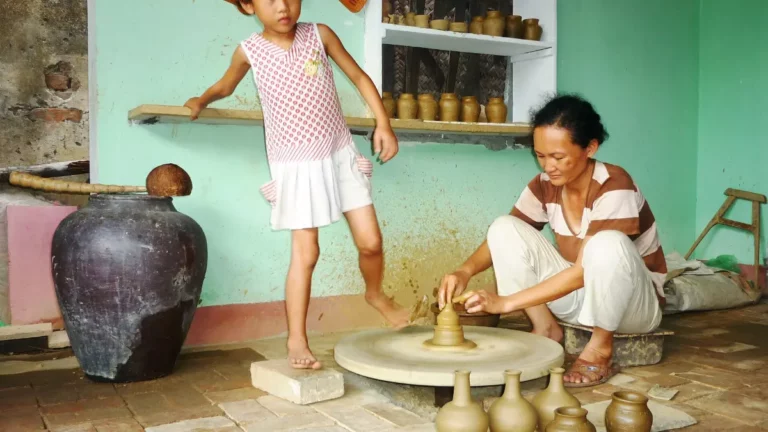
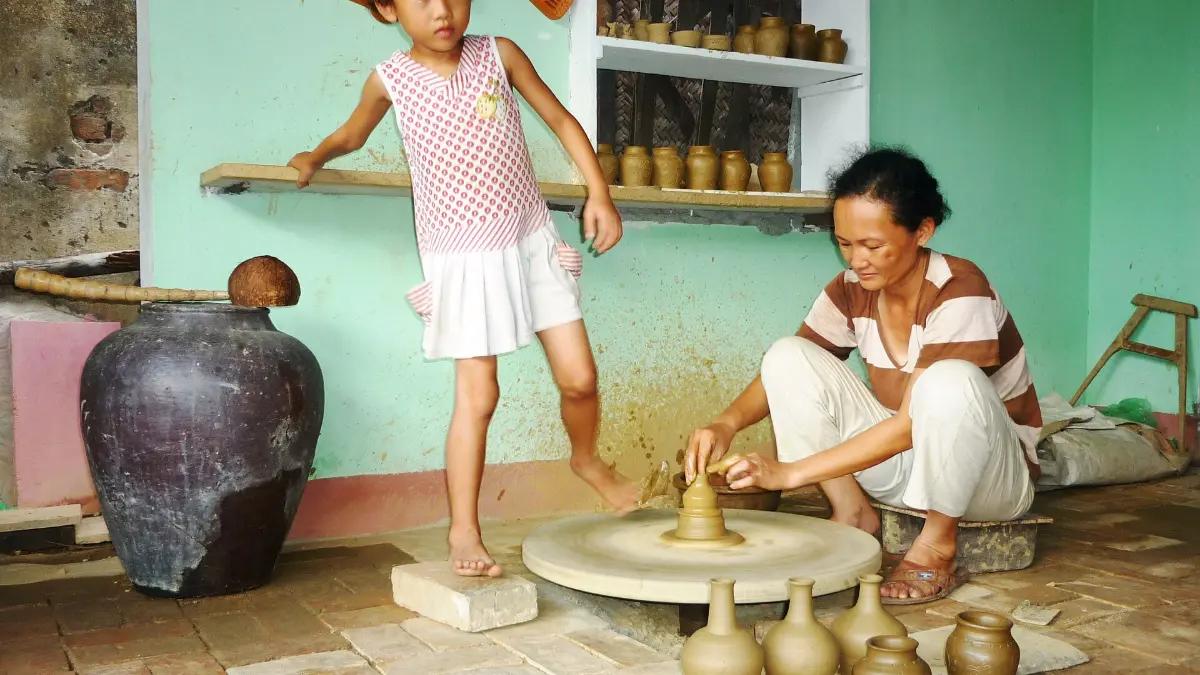
| Hands-on | Planting, watering, cooking class | Pottery wheel, clay figures |
| Recognition | UN Tourism Best Tourism Village 2024 | Traditional craft village, terracotta park |
Our view: choose Tra Que for food and gardens, Thanh Ha for crafts; with a full day you can cycle to both.
Nearby Attractions
- An Bang Beach: beach bars and seafood, a short ride away.
- Hoi An Ancient Town: UNESCO World Heritage old port.
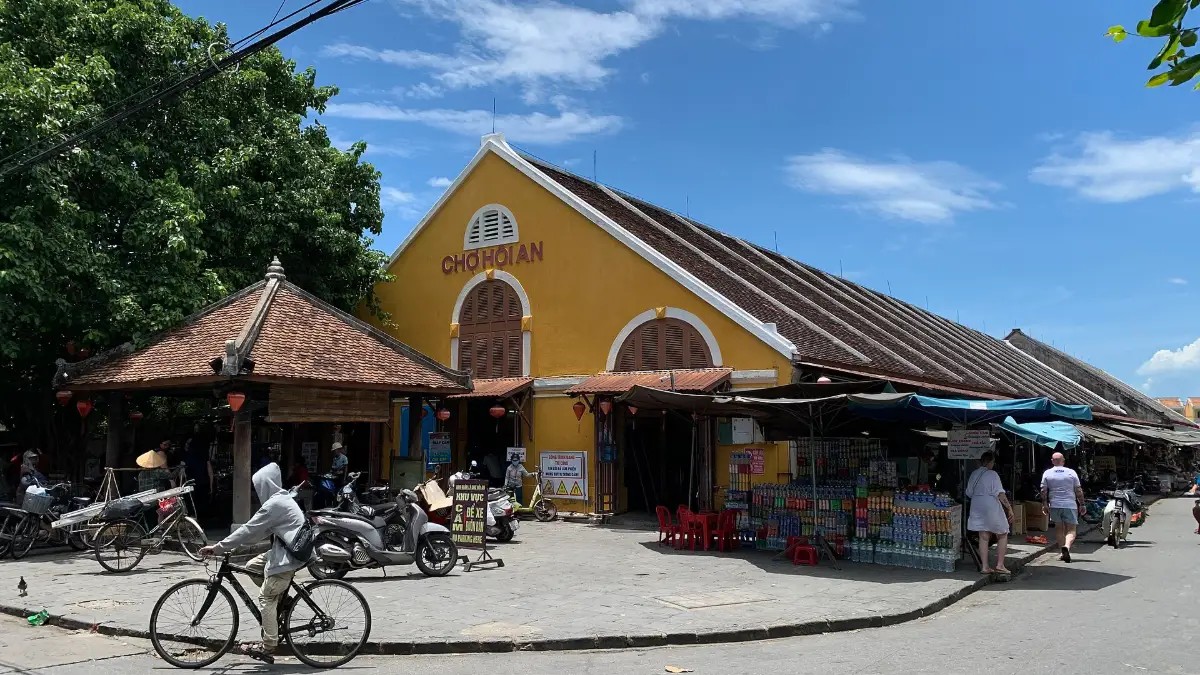
- Hoi An Market: where Tra Que herbs are sold.
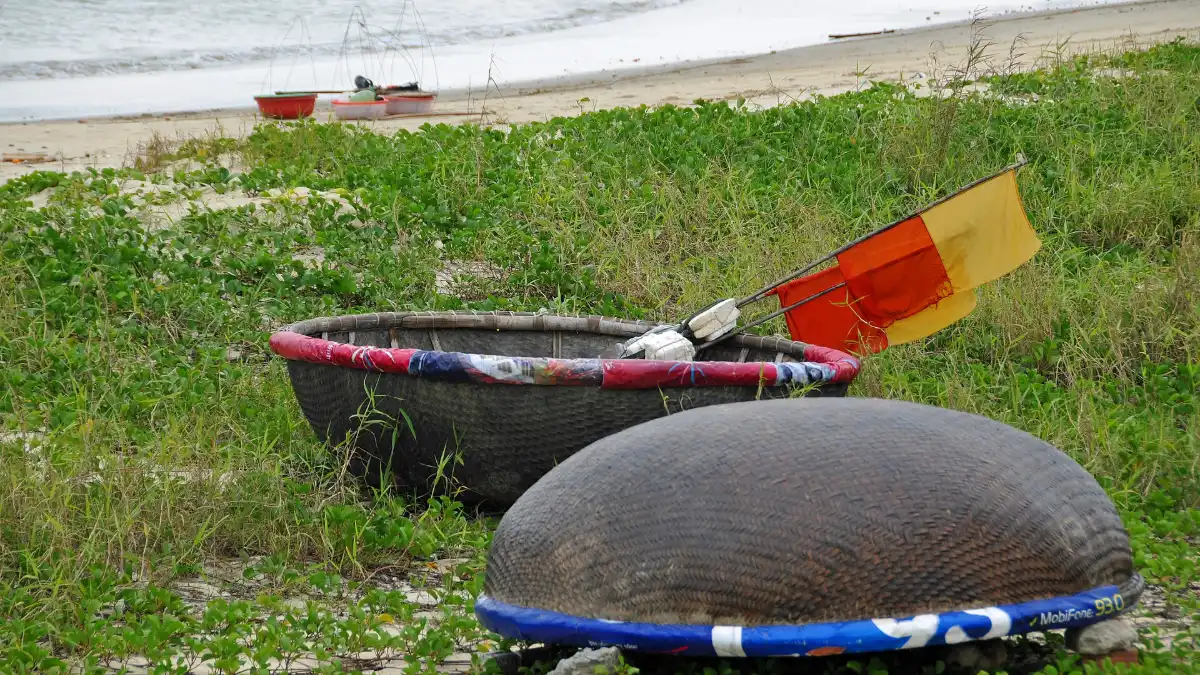
- Bay Mau Coconut Forest: basket boat rides.
- Thanh Ha Pottery Village: pottery on the Thu Bon River.
Sightseeing in Hoi An for First-Time Visitors: Where Tra Que Fits
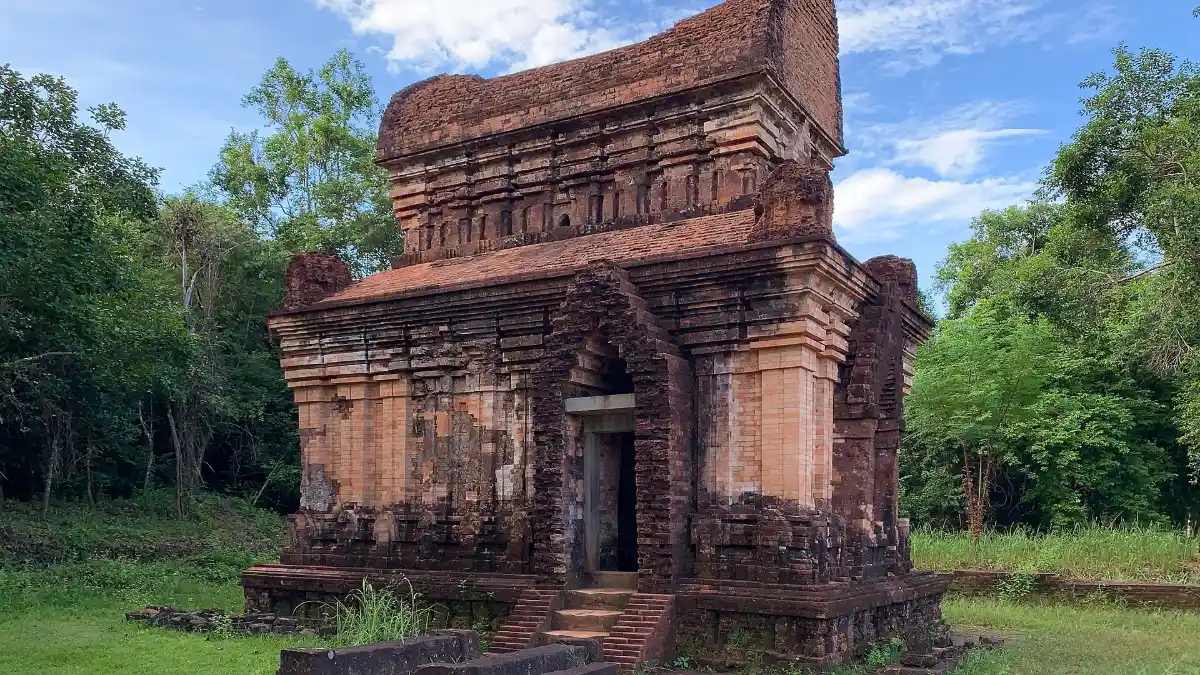
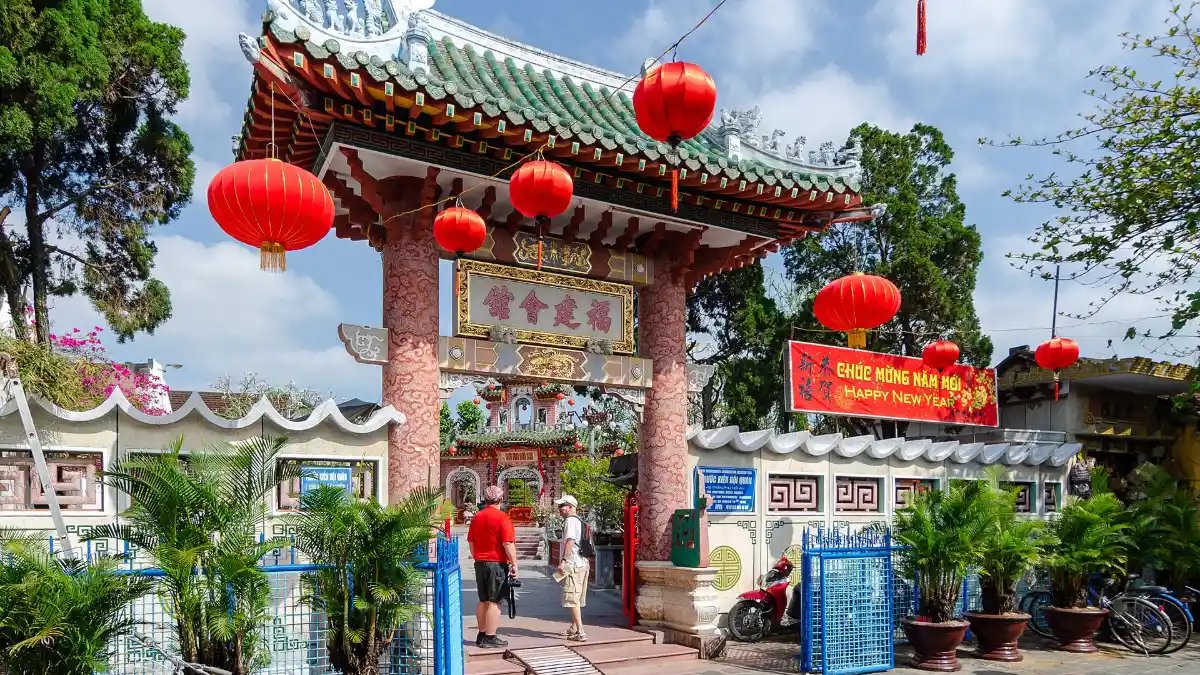
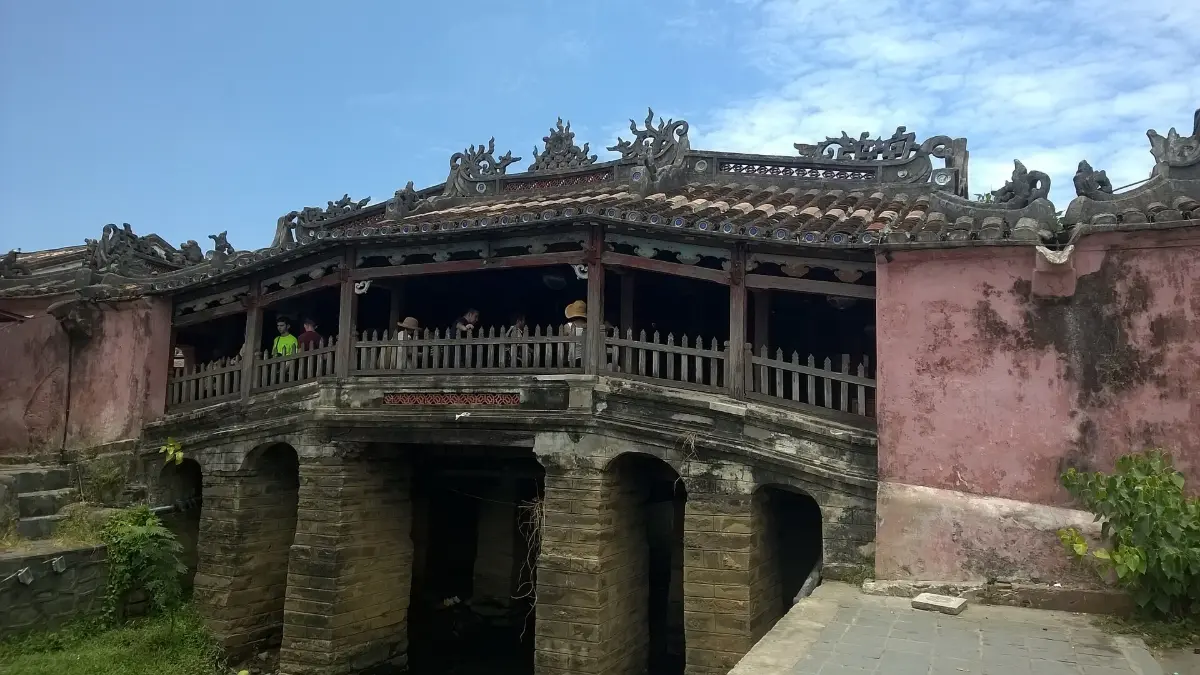
Three days in Hoi An? Start with the old town: the Japanese Covered Bridge, Tan Ky Old House and the Fujian Assembly Hall. Spend a morning at Tra Que with a cooking class, followed by the beach, and keep a day for My Son Sanctuary. Choose your base with where to stay in Hoi An.
Plan your trip with our Hoi An travel guide and Hoi An tours. Contact Vietnam Tour Expert Team for a free custom itinerary.
Frequently Asked Questions about Tra Que Vegetable Village
1. Where is Tra Que Vegetable Village?
Tra Que Vegetable Village is about 3 km north of Hoi An Ancient Town in Hoi An Tay Ward (formerly Cam Ha commune), Da Nang city, beside the Tra Que lagoon.
2. Is there an entrance fee for Tra Que Vegetable Village?
A small sightseeing ticket, reported at about 35,000 VND, may be charged at Tra Que Vegetable Village; tours usually include it, and farming or cooking experiences cost extra.
3. What is Tra Que Vegetable Village famous for?
Tra Que Vegetable Village is famous for fragrant herbs and greens grown with composted lagoon seaweed, supplying Hoi An’s kitchens for centuries.
4. How old is Tra Que Vegetable Village?
Tra Que Vegetable Village is more than 300 years old, and some local accounts say about 500 years.
5. Did Tra Que Vegetable Village win an award?
Yes, UN Tourism named Tra Que Vegetable Village one of its Best Tourism Villages in 2024, Vietnam’s only winner that year.
6. How do I get to Tra Que Vegetable Village from Hoi An?
Cycle about 15 minutes north along Hai Ba Trung Street or take a 10-minute Grab to Tra Que Vegetable Village. See our Hoi An transport guide.
7. What can you do at Tra Que Vegetable Village?
At Tra Que Vegetable Village you can walk or cycle through the beds, try farming, take a cooking class and visit the old well and village shrines.
8. Is a cooking class at Tra Que Vegetable Village worth it?
A cooking class at Tra Que Vegetable Village is one of the best food experiences in Hoi An, combining garden picking with dishes such as tam huu and banh xeo.
9. When is the best time to visit Tra Que Vegetable Village?
Visit Tra Que Vegetable Village from February to April for lush beds, and always early in the morning; floods in October–November can damage crops.
10. What herbs grow at Tra Que Vegetable Village?
Tra Que Vegetable Village grows basil, mint, perilla, coriander, spring onions, lettuce and other greens used in cao lau and mi Quang.
11. What is the Cau Bong festival at Tra Que Vegetable Village?
The Cau Bong festival at Tra Que Vegetable Village is held on the 7th day of the first lunar month to pray for good harvests; in 2026 it fell on 23 February.
12. How long should I spend at Tra Que Vegetable Village?
Allow about an hour to explore Tra Que Vegetable Village by bike, or three to four hours for a farming and cooking class.
13. Is Tra Que Vegetable Village good for children?
Yes, children enjoy watering and planting at Tra Que Vegetable Village; bring hats and sunscreen.
14. Can I combine Tra Que Vegetable Village with An Bang Beach?
Yes, Tra Que Vegetable Village is only about 2–3 km from An Bang Beach, so a morning class and an afternoon swim combine easily.
15. Are Tra Que Vegetable Village vegetables organic?
Tra Que Vegetable Village farmers use composted seaweed and organic manure rather than chemical fertiliser, which gives the herbs their aroma.
16. Is Tra Que Vegetable Village a UNESCO site?
Tra Que Vegetable Village is not itself a UNESCO site, but its vegetable-growing craft is national intangible cultural heritage and it is close to UNESCO-listed Hoi An Ancient Town.
Related Posts
Hoi An Travel Tips 2026: Best Time, Lantern Nights & Tickets

Where to Stay in Hoi An: Best Areas & Hotels by Budget
Hoi An Transportation: Da Nang Airport, Hue & Getting Around
Hoi An Food Guide: Cao Lau, Banh Mi & Where to Eat
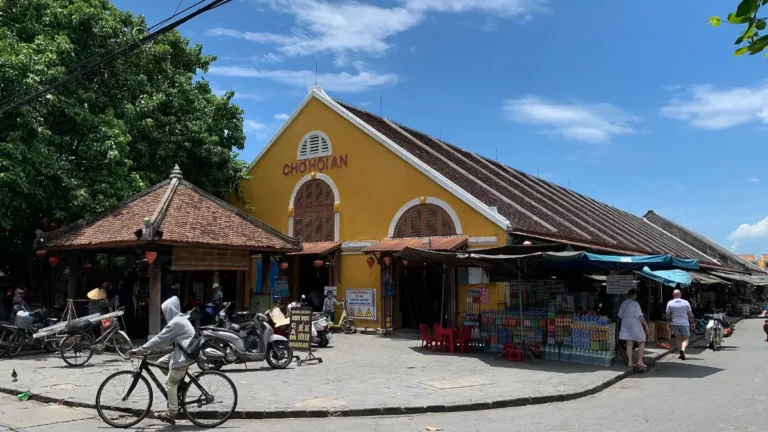
Hoi An Market: Local Life & Street Food in the Old Town